
Wuyi Rock Oolong Tea: Best Taoyuan Ke Rou Gui 2026 Ultimate Guide
Price range: $12.90 through $189.90
Master brewing Taoyuan Ke Rou Gui Wuyi Rock Oolong Tea. Learn Gongfu & Western ratios, tasting notes, and roast secrets for this smooth Zhengyan oolong. A single-cultivar Rougui. Brew with boiling water at 7 to 8 g per 110 ml, using short infusions that lengthen each round.
Description
Taoyuan Ke Rou Gui: Wuyi Rock Oolong Tea Brewing Guide 2026
Shopping for Wuyi rock oolong online is mostly guesswork. Listings promise Niulankeng depth, then arrive as a flat generic roast. Taoyuan Ke Rou Gui is the batch our QC team kept after testing it blind against a dozen competitors. We picked it on April 16, 2026 at 780 m inside the Zhengyan core, roasted it three times over charcoal, and re-cupped it in June. It scored 88 out of 100 overall and stayed drinkable through ten rounds.
This guide covers the sourcing, the roast, the tasting notes, the brewing method, and where it falls short of the real Niulankeng. Read the whole thing before you order.
What Makes Taoyuan Ke Rou Gui Different from Other Wuyi Rock Teas?
Taoyuan Ke Rou Gui comes from a small plot inside the Zhengyan core of Wuyi Mountain, the protected zone where the most prized rock oolongs grow. Cool nights, porous stone soil, and narrow terraces push aromatic oil into the leaf. The result is a deeper liquor and a longer finish than a typical Fujian oolong. The area has been a UNESCO World Heritage Site since 1999, and tea farming there still runs on old methods, as recognized in the UNESCO World Heritage listing for Mount Wuyi.
Many tea drinkers assume “rock oolong” refers to a stony or rocky flavour in the cup. In reality, the name comes from the rugged, mineral-rich rock shelves where the tea bushes root. If you are new to this category, explore our beginner’s guide to Wuyi Rock Tea and Rou Gui to see how the prized Zhengyan core differs from the wider Wuyi hillsides.
Two things drive quality here. First, the leaf is picked inside the spring window, when mist keeps it tender. Second, the plant sits close enough to the rock face to draw minerals from it. Neither factor alone makes a good cup, but together they set the ceiling.
Why Tea Masters Call This Batch “Taoyuan Niu”
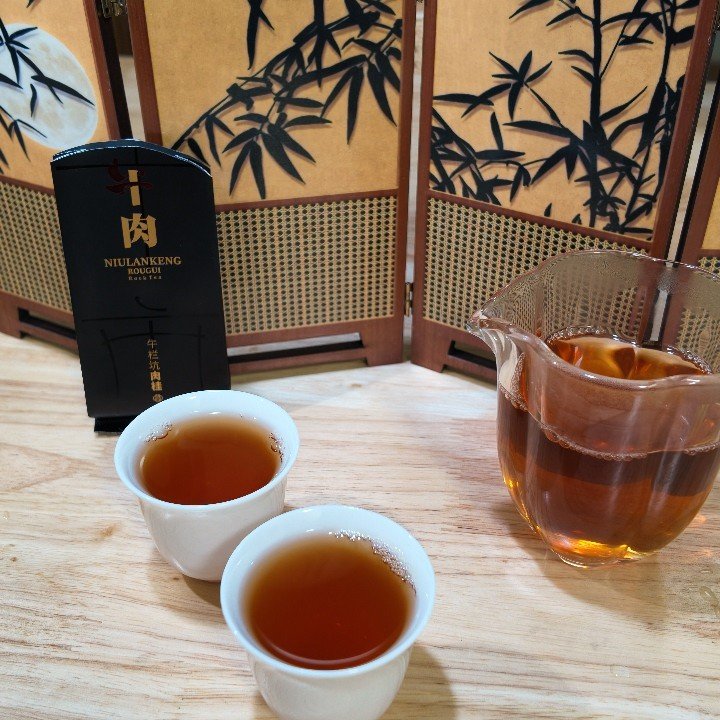
Local tea makers nicknamed this spring pick “Taoyuan Niu” because the leaf and the liquor mimic Niulankeng Rou Gui, the most famous rock oolong in Wuyi. It is a nickname for a style and an aroma profile. It is not a claim of origin. Our leaves come from the Taoyuan Ke plot, not from the Niulankeng garden, and we print that on the box.
Here is the full batch record. Every line comes from our own QC log, not from the vendor.
How Is Taoyuan Ke Rou Gui Triple-Charcoal Roasted?
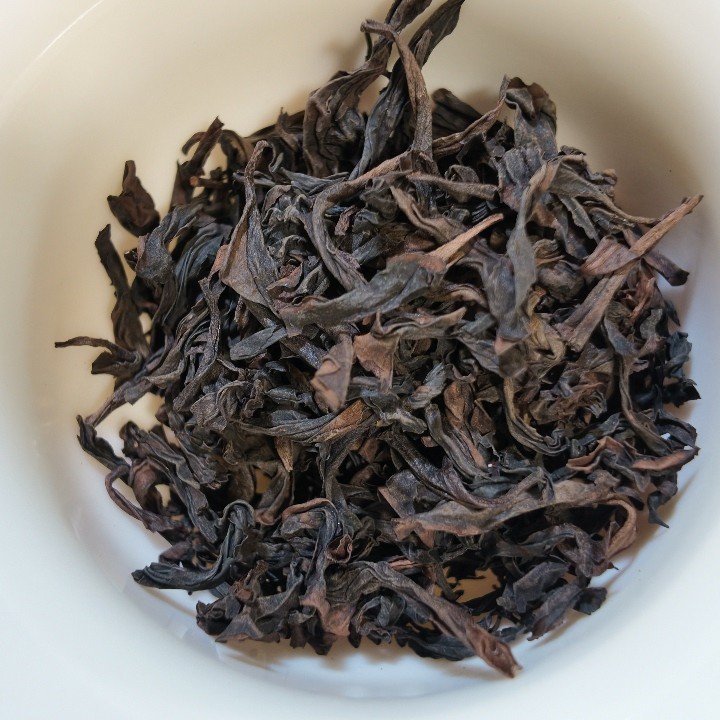
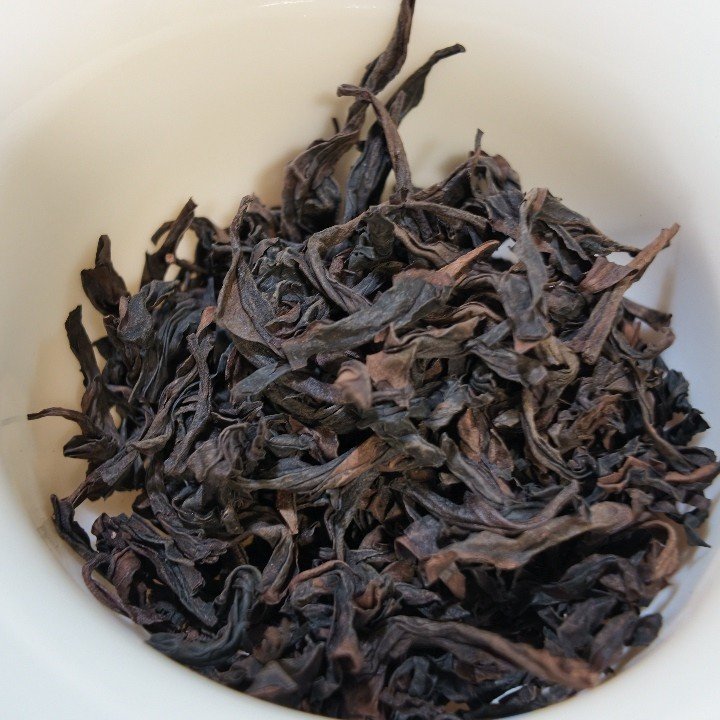
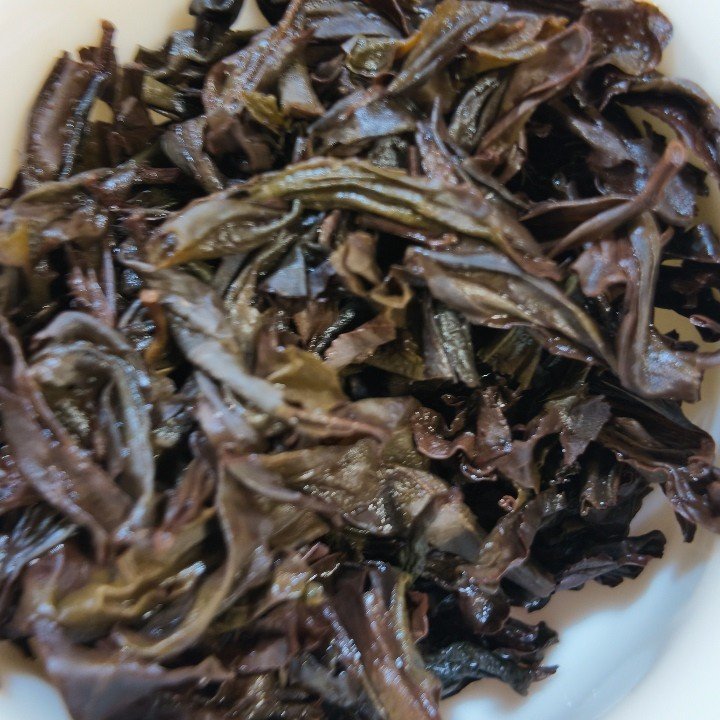
We roast this tea three times over hardwood charcoal, with a rest between passes. The first pass dries the leaf and fixes its shape. The second builds the roast aroma. The third deepens the body and knocks back the raw grassy edge that turns some new drinkers away.
Here is what that looks like in practice. Tea makers first shake the fresh leaves in bamboo trays, a step called green shaking. It bruises the leaf edges and starts oxidation. The maker then lets the leaf rest in the shade for several hours, and that rest is where the fruit and floral notes are created.
Most buyers assume the roast temperature sets the flavour. It does not. The rest between passes matters more than the temperature. A third roast fired straight after the second tastes of charcoal and smoke. We rested seven days, and that rest is why the third pass adds body without adding ash.
What Does Taoyuan Ke Rou Gui Taste Like? Aroma, Body, and Finish
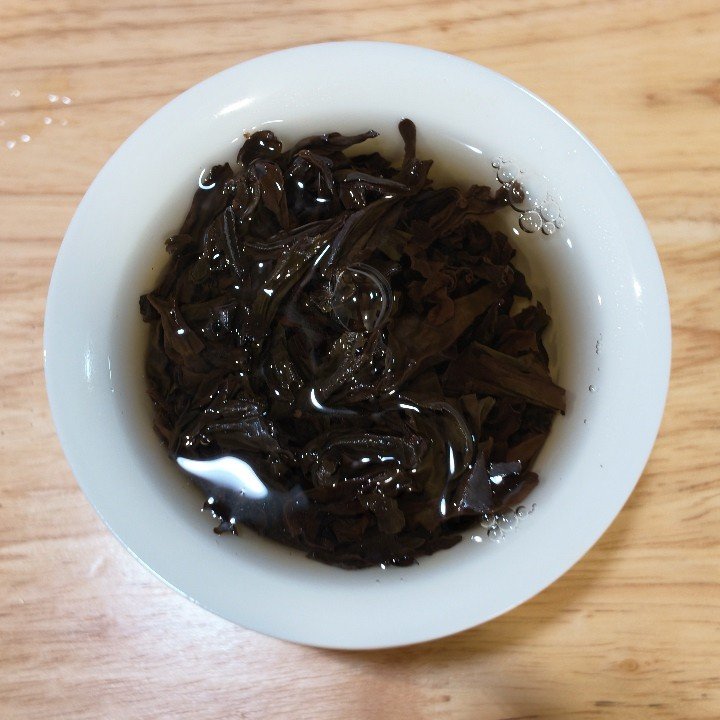
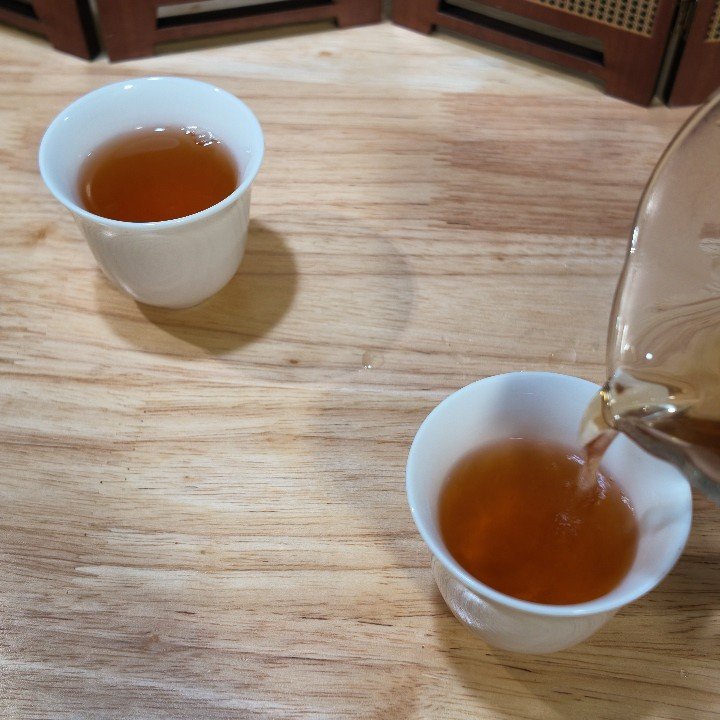
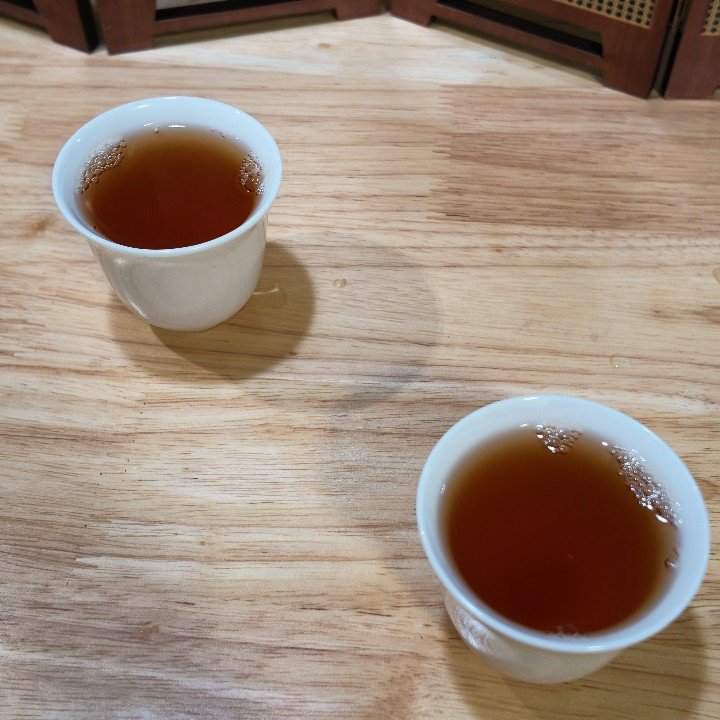
The cup opens on cinnamon and toasted grain. By the second round it moves into roasted chestnut with more body. From the third round, stone-fruit sweetness shows up and the throat starts to warm. Yan Yun, the mineral depth that Wuyi drinkers chase, peaks around round five and fades by round seven.
2026 spring cupping record · June 3, 2026 · 8.3 g in a 110 ml gaiwan · 100 °C water
Our panel rated it 88 overall. We score every Wuyi lot on the same sheet, so you can compare it against the [内链: Wuyi rock oolong tea collection] currently in stock.
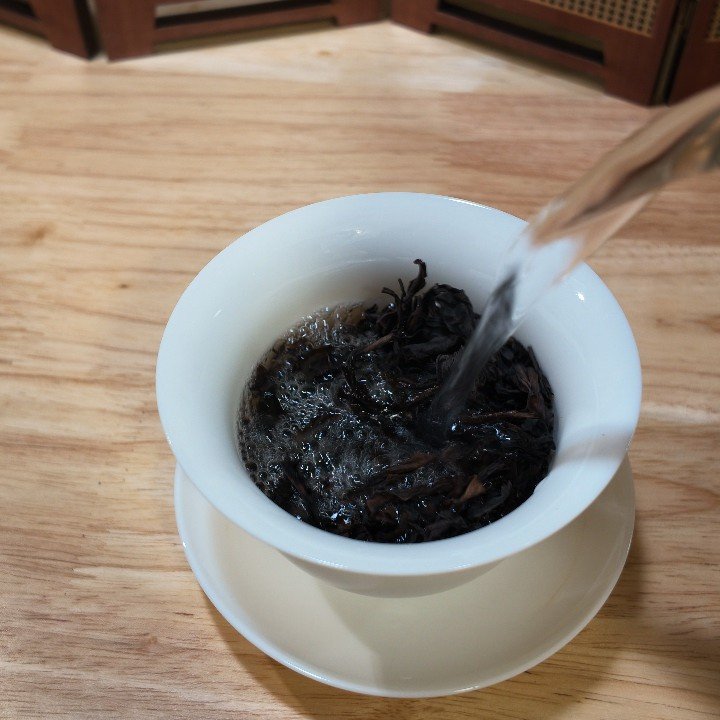
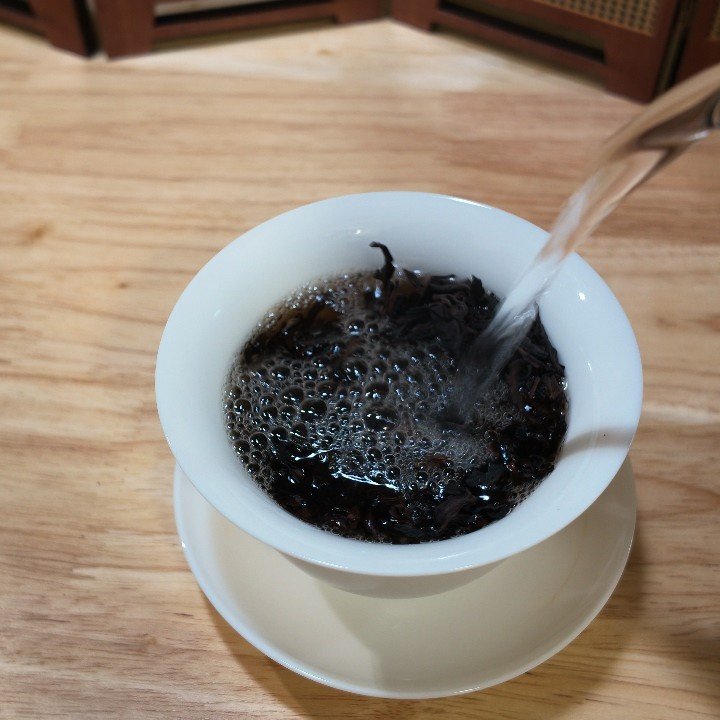
How Do You Brew Taoyuan Ke Rou Gui in a Gaiwan?
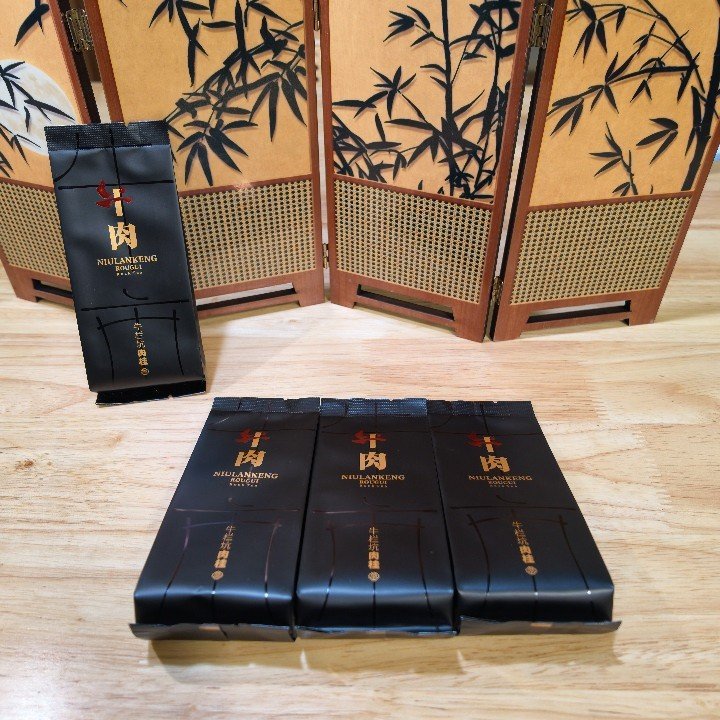
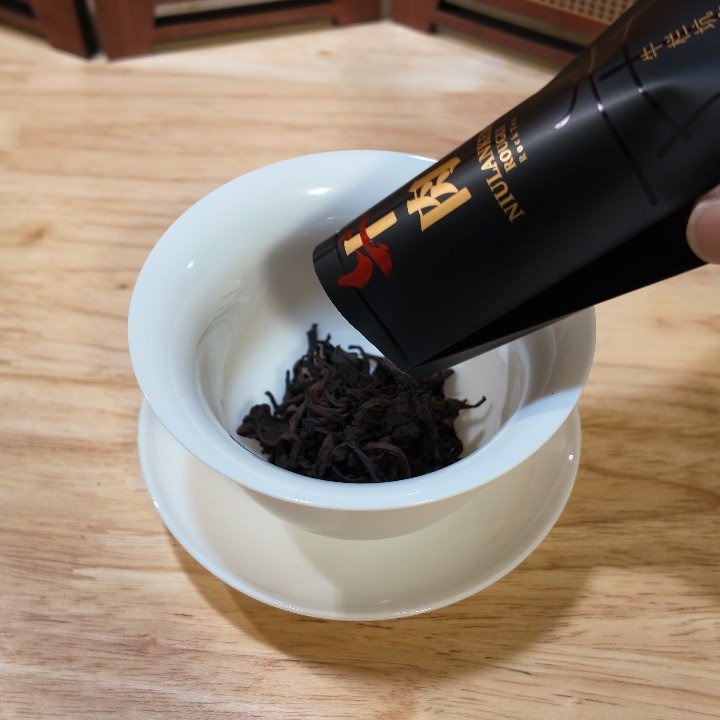
One sachet is built for one 110 ml gaiwan. You do not need a scale.
- Warm the gaiwan. Fill it with hot water, swirl, and pour the water out.
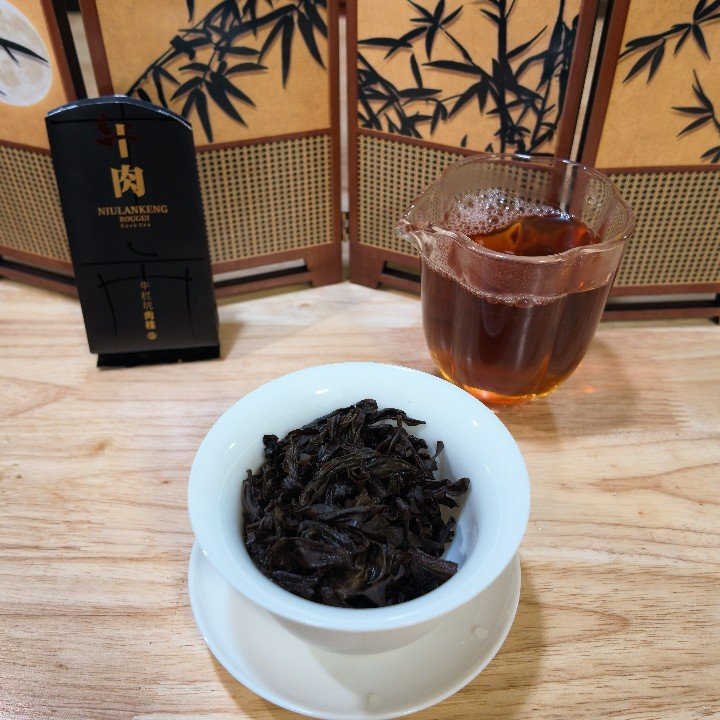
- Empty one 8.3 g sachet into the warm gaiwan and level the dry leaf.
- Pour in 110 ml of water at 100 °C (212 °F).
- Steep 5 seconds, then pour the liquor out completely.
- Add 5 to 10 more seconds to every round after that.
- Stop when the sweetness fades. This batch usually runs 8 to 10 rounds.
I brewed the last two sachets this way in my own kitchen and got ten rounds each. The seventh was the weakest, but it never turned bitter, which is unusual for a Wuyi at this roast level.
How Much Taoyuan Ke Tea Do You Use per Cup?
Two methods, two numbers. Use the table below.
A quick note on the numbers, because they show up everywhere and are often wrong. One ounce equals 28.35 grams, so 8.3 g rounds to 0.29 oz. One hundred degrees Celsius equals 212 °F. Half a sachet in 350 ml works out to about 11 grams of leaf per liter, which is the strength most people want in a full cup.
Is Taoyuan Ke Rou Gui a Good Choice for Beginners?
Yes. You can drink this tea if you are new to oolong. The triple roast takes away the harsh, sour edge that some teas have. What is left is a smooth, sweet cup with a warm finish. Experienced gongfu drinkers also enjoy it.
There is no harsh bitterness to fight through and no sharp edge at the back of the throat. If you usually drink green tea, expect a much richer, toasted, and naturally sweeter cup with a fuller body. Want to see how this cinnamon cultivar compares to icons like Da Hong Pao? Explore our guide to the 5 best Wuyi rock teas to discover where Rou Gui stands among Wuyi’s signature classics.
Taoyuan Ke Rou Gui vs Niulankeng: An Honest Comparison
It is not as mineral as a 2022 core Niulankeng, and we would rather tell you now than after you open the box. Here is where the two differ.
The practical takeaway is simple. If you want the reference flavour and price is not the main concern, buy the garden tea. If you want a cup that drinks well every morning and still tastes like Wuyi rock, this batch is the better value.
Why We List Only One Taoyuan Ke Batch
Most tea shops list twenty rock oolongs built from the same template. We do the opposite. We list one core lot, we cup every batch ourselves, and we rewrite this page when the batch changes.
This page launched in March 2026 carrying the previous winter lot. On August 22, 2026 we swapped in batch TKG-2026S-04, re-ran the blind panel, and replaced every number above. If the 2027 spring pick does not clear the same cupping gate, we change what is on this page instead of changing the description.
Disclosure, Health Notes, and the Author of This Taoyuan Ke Guide
Sourcing & Quality Transparency: Every tea on this site is sourced directly by our team and stocked in our own inventory—we never drop-ship or publish vendor-supplied tasting scores. Every batch number, net weight, and cupping note on this page was independently recorded by our in-house QC team.
A Note on Health Claims: Oolong tea contains polyphenols, which are compounds naturally found in tea and studied in the scientific literature, such as PubMed research on oolong tea polyphenols. That describes what tea contains; it is not a medical claim. Tea also contains caffeine, and the FDA explains safe daily limits for most adults in its FDA guidance on caffeine in the diet. Caffeine can affect sleep, heart rate, and pregnancy. Talk to your doctor if you have a medical condition or are pregnant. For general nutrition reference data, see the USDA FoodData Central tea nutrition profile.
Wuyi Rock Oolong Tea Taoyuan Ke Rou Gui FAQs
Is Taoyuan Ke Rou Gui caffeinated, and how much caffeine is in one cup? Yes, it is standard oolong and it carries caffeine. How much you take depends on the leaf and the steep, and the FDA publishes caffeine content for common drinks alongside a safe daily limit of 400 mg for most healthy adults. Our 110 ml gongfu brews are small, so one cup carries less than a 350 ml mug. If caffeine affects you, take the afternoon infusion instead of the first, and stop after three rounds.
Can I brew Taoyuan Ke Rou Gui in a normal teapot or with an infuser basket? Yes. Use half a sachet, about 4 g, in 350 ml of water at 100 °C, and steep for 3 to 4 minutes. An infuser basket works if the leaf is not crushed. Skip the basket if you can, because the whole-leaf format keeps more of the aroma oil in the cup. If the second steep tastes thin, raise the leaf to a full sachet rather than extending the steep time. Our how to brew gongfu tea step by step guide covers the ratio method in detail.
Does Taoyuan Ke Rou Gui taste smoky or charcoal-heavy? Not the way a heavily fired oolong does. We rest seven days between passes, and that rest is what keeps the third roast from reading as ash. Expect roast notes, toasted chestnut, and a light wood base, with any smoke sitting well behind the fruit. If you like the campfire character of an older core Niulankeng, this batch is milder on that axis and stronger on sweetness.
Does this tea actually come from the Niulankeng garden? No, and we would rather say so clearly. Niulankeng is one specific named area inside the Zhengyan core, and it produces only a tiny volume each year. Our leaf comes from the Taoyuan Ke plot, a few valleys over. The nickname Taoyuan Niu describes an aroma profile that reminds drinkers of Niulankeng. If you are buying for the garden name, buy a Niulankeng lot instead and accept the price difference.
How long does an opened sachet stay fresh after brewing? Treat an opened sachet like any other loose leaf. Keep it in an airtight tin away from light and heat, and drink it within four weeks for the cleanest cup. Each sachet is portioned for one session, so most people open one, brew it, and it is gone. If you buy a case, decant the sachets you will not use in the first month into a separate sealed bag.
How should I store the tea before opening? Anywhere cool and dry, away from the stove and the dishwasher. We use resealable foil sachets with a nitrogen flush, and the box carries a food-grade liner. Skip the fridge. Condensation and kitchen odors do more damage than a year of room temperature storage. If you live somewhere hot, the unopened box is the only part you need to think about.
Is Taoyuan Ke Rou Gui organic, and is it pesticide-free? Here is where we stay honest. We do not market this tea as organic, because we cannot show you a certificate for it. The plot sits inside the Zhengyan core, where hand picking is the norm and sprayed plots are rare. Every lot goes through our own QC for leaf cleanliness. If you need certified organic tea for a specific dietary reason, contact us before ordering and we will send the current paperwork for that exact batch.
How many sachets come in a box, and is it good for gifting? A standard box holds 10 sachets, which is 83 g of leaf and roughly 80 to 100 gongfu infusions. For gifting, the box works because the recipient needs no scale and no gaiwan to start. We can add a handwritten card with the brew dates for this lot. We do not print romantic farm imagery on the box, because the origin is a working mountain valley rather than a picture postcard.
Can I drink this tea if I am pregnant, taking medication, or sensitive to caffeine? Please check with your doctor first. Oolong contains caffeine, and caffeine can affect sleep, heart rate, and pregnancy. The FDA’s caffeine guidance for consumers explains safe daily limits for most healthy adults, and those limits may not apply to you if you are pregnant, nursing, on medication, or managing a heart condition. We cannot give medical advice on a product page. If your doctor advises you to cut caffeine, a caffeine-free herbal tea is the better choice.
Compare with other rock teas
- The Ultimate 2026 Wuyi Rock Tea Guide: Best Rougui Tasting & Brewing
- Perfect Wuyi Rougui Rock Tea: Authentic Taoyuanke 8.3g
- Wuyi Rougui Oolong Tea from Taoyuan Ke, 2026
Read more about this tea
Before you buy, these guides cover the cultivar, the garden and the brewing:
- the cultivar behind this tea, and why its cinnamon note is not cinnamaldehyde
- what the garden name on this listing does and does not mean
- the brewing numbers that suit a roasted oolong
- how garden names move the price
Or browse the full rock tea collection.
Additional information
| size | 3 Packs (0.88 oz), 6 Packs (1.76 oz), 18 Packs (5.27 oz), 30 Packs (8.78 oz), 60 Packs (17.57 oz) |
|---|
Related products
-

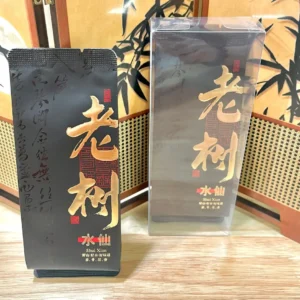
High Mountain Old Bush Shuixian 2026, Wuyi Rock Tea
Price range: $9.90 through $106.90Select options This product has multiple variants. The options may be chosen on the product page -
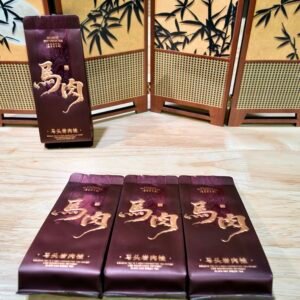
Perfect Wuyi Rougui Rock Tea: Authentic Taoyuanke 8.3g
Price range: $12.90 through $189.90Select options This product has multiple variants. The options may be chosen on the product page -
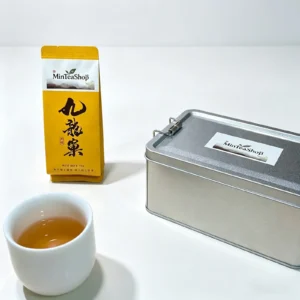
Jiulongke Rougui Rock Tea, 2026 Wuyishan Zhengyan
Price range: $23.90 through $299.90Select options This product has multiple variants. The options may be chosen on the product page -
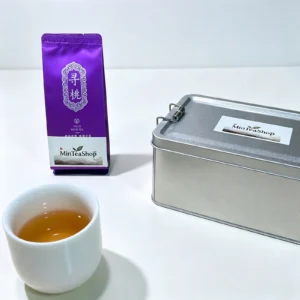
Wuyi Rougui Rock Tea, Lingyang Pass, Wuyishan, 2026
Price range: $12.90 through $189.90Select options This product has multiple variants. The options may be chosen on the product page
Reviews
There are no reviews yet.