
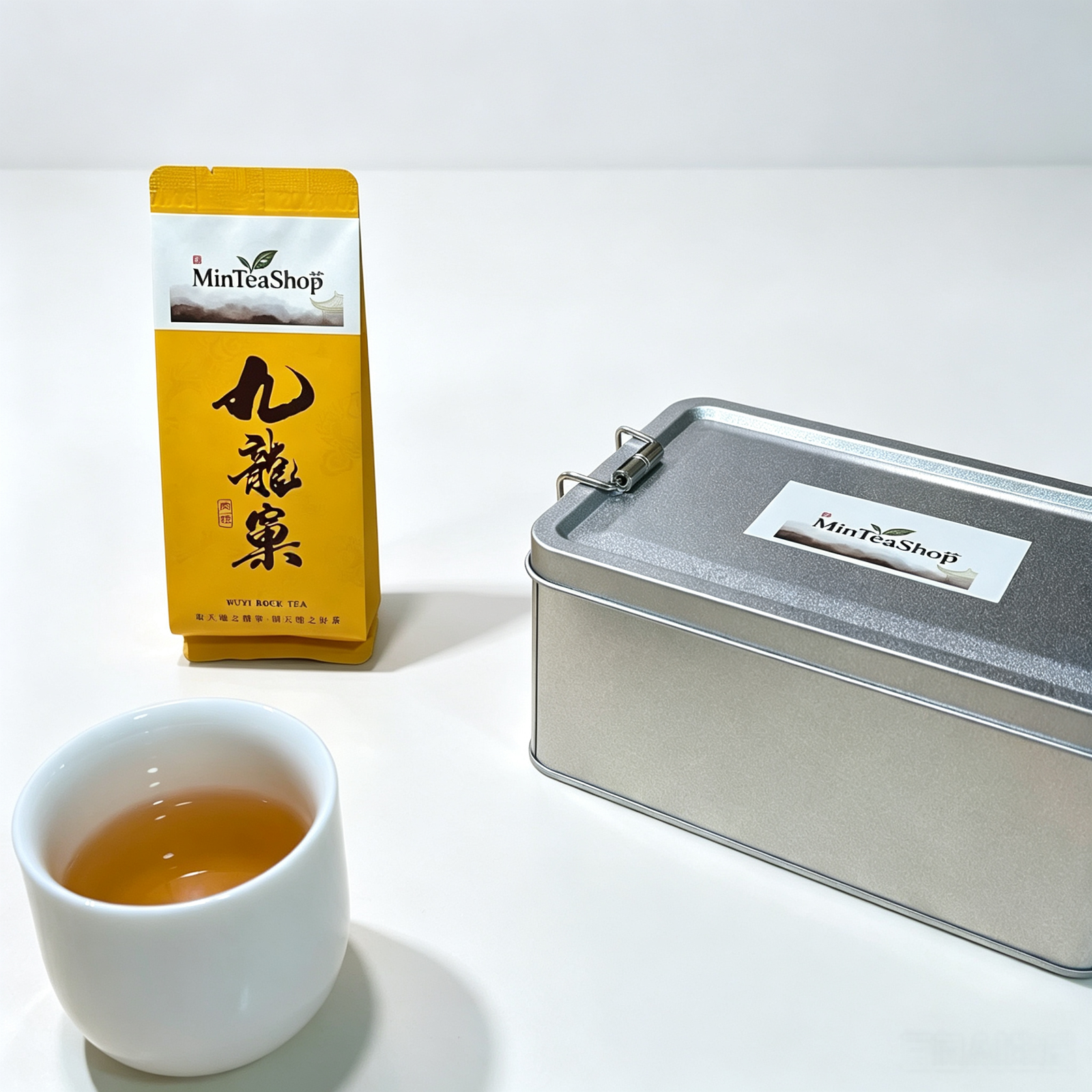
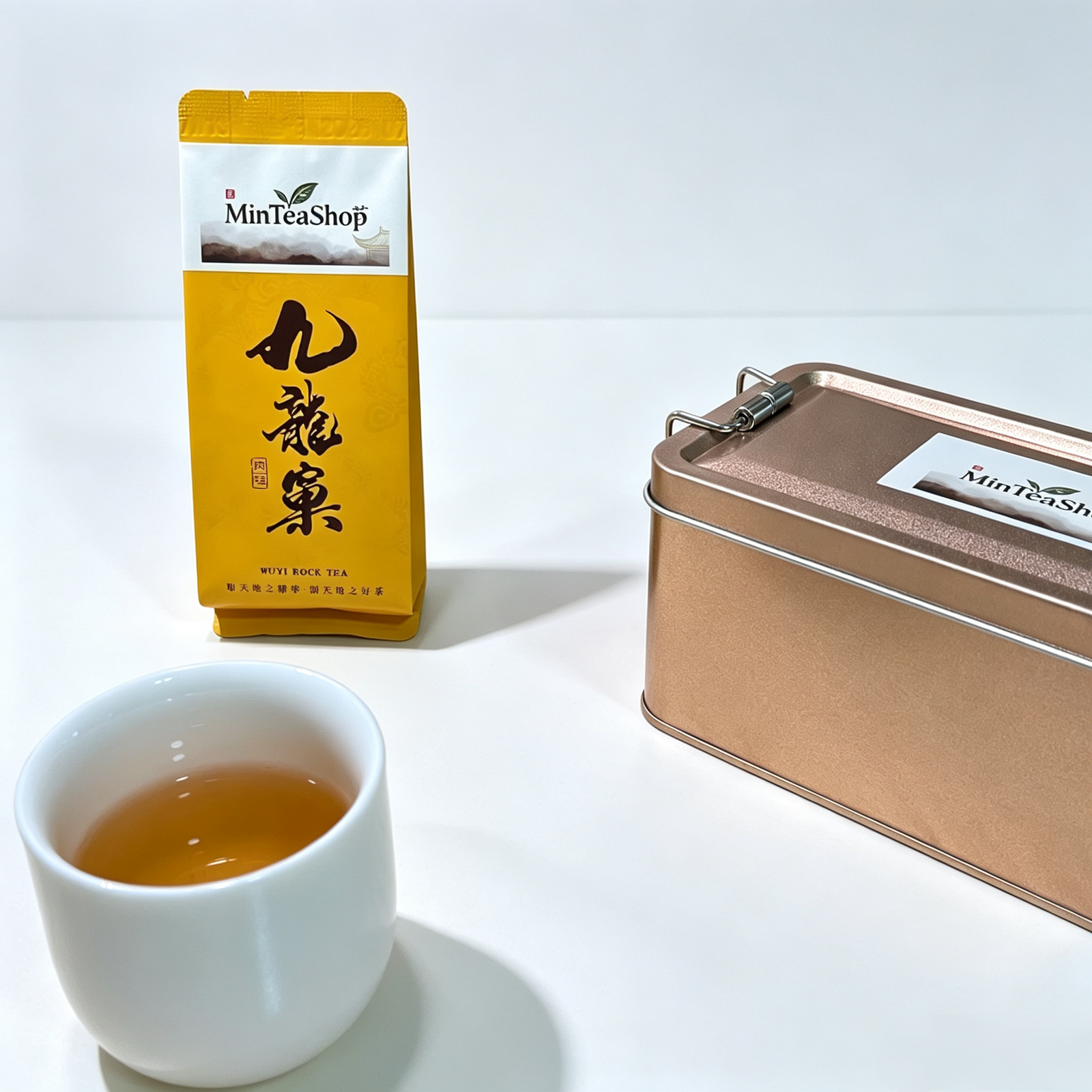
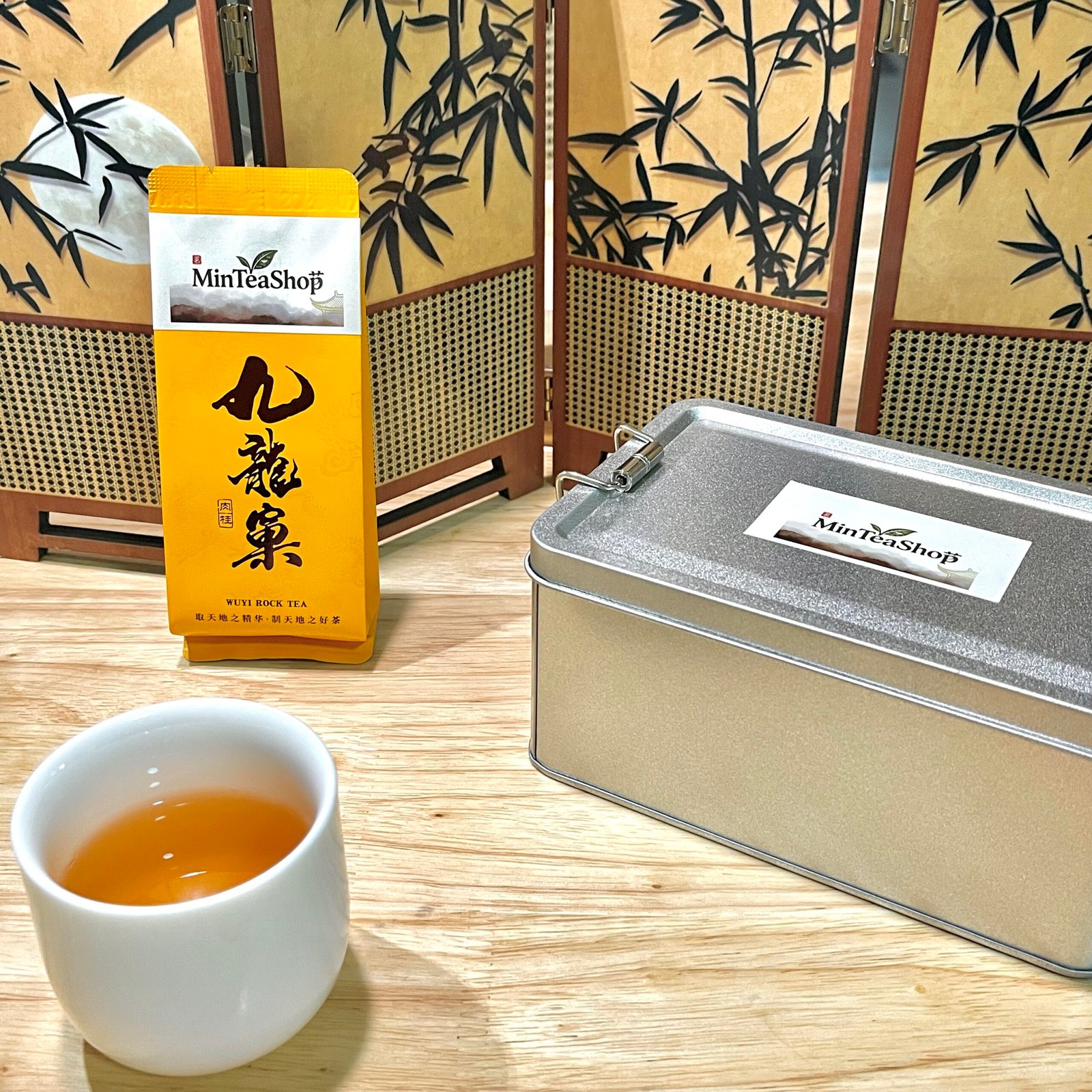
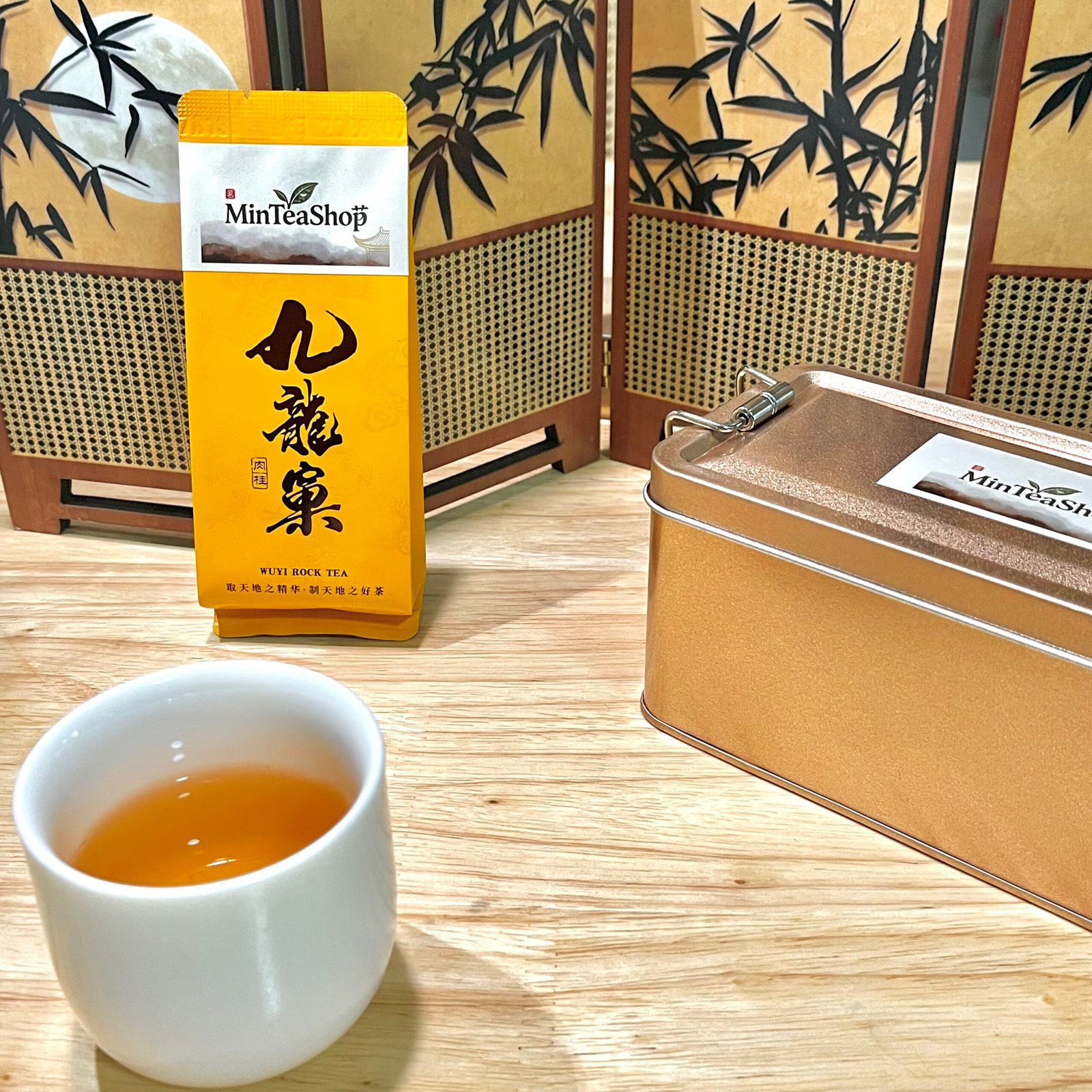
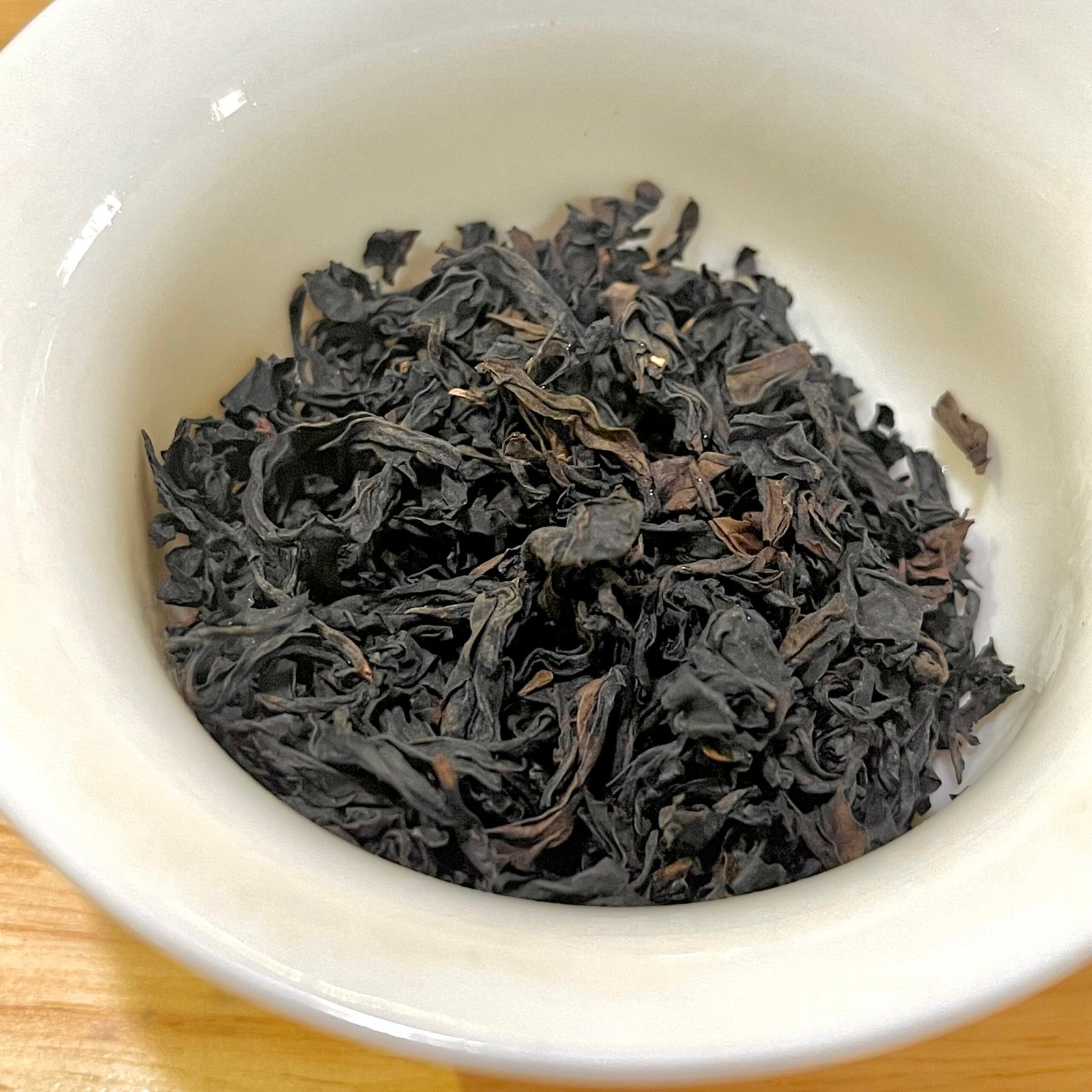
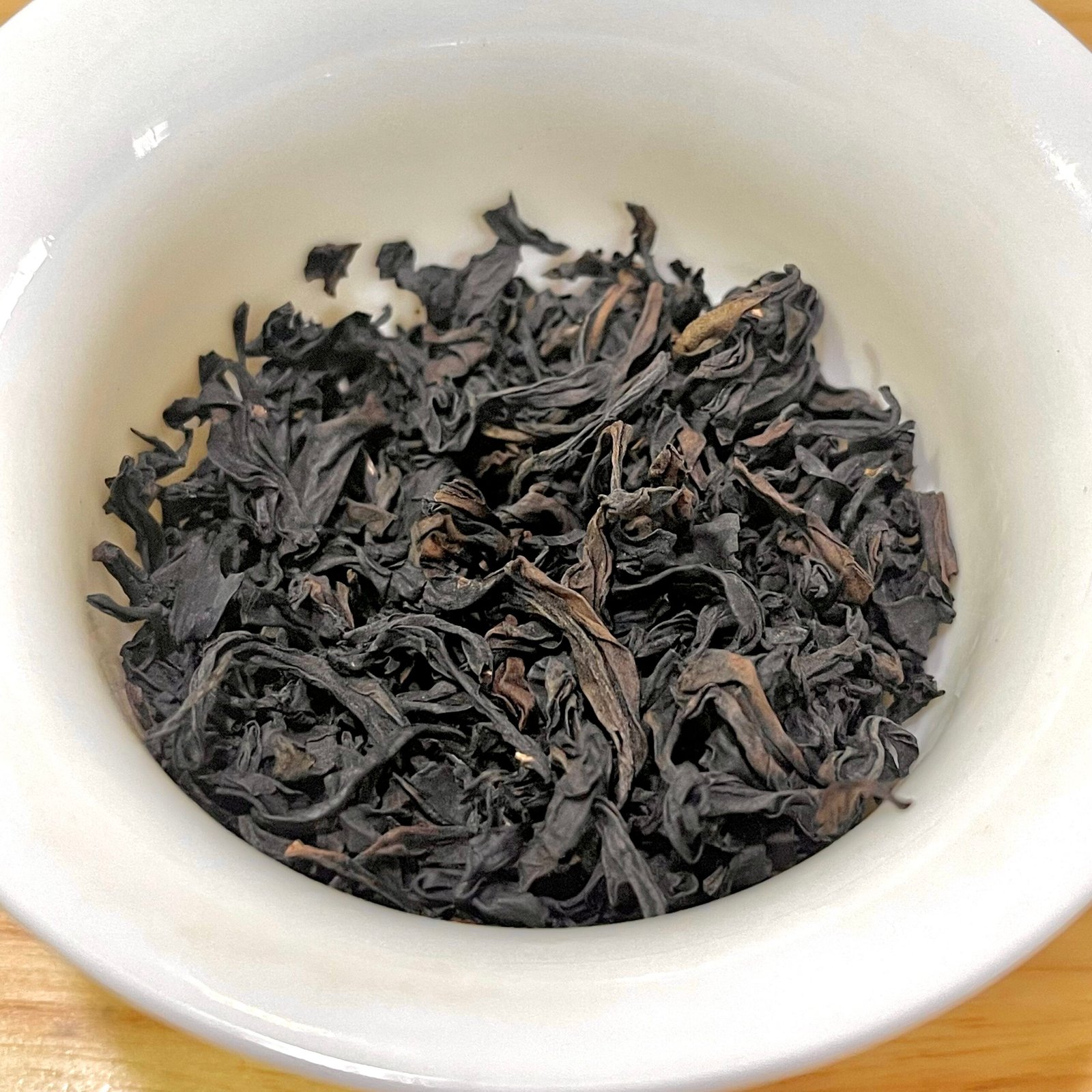
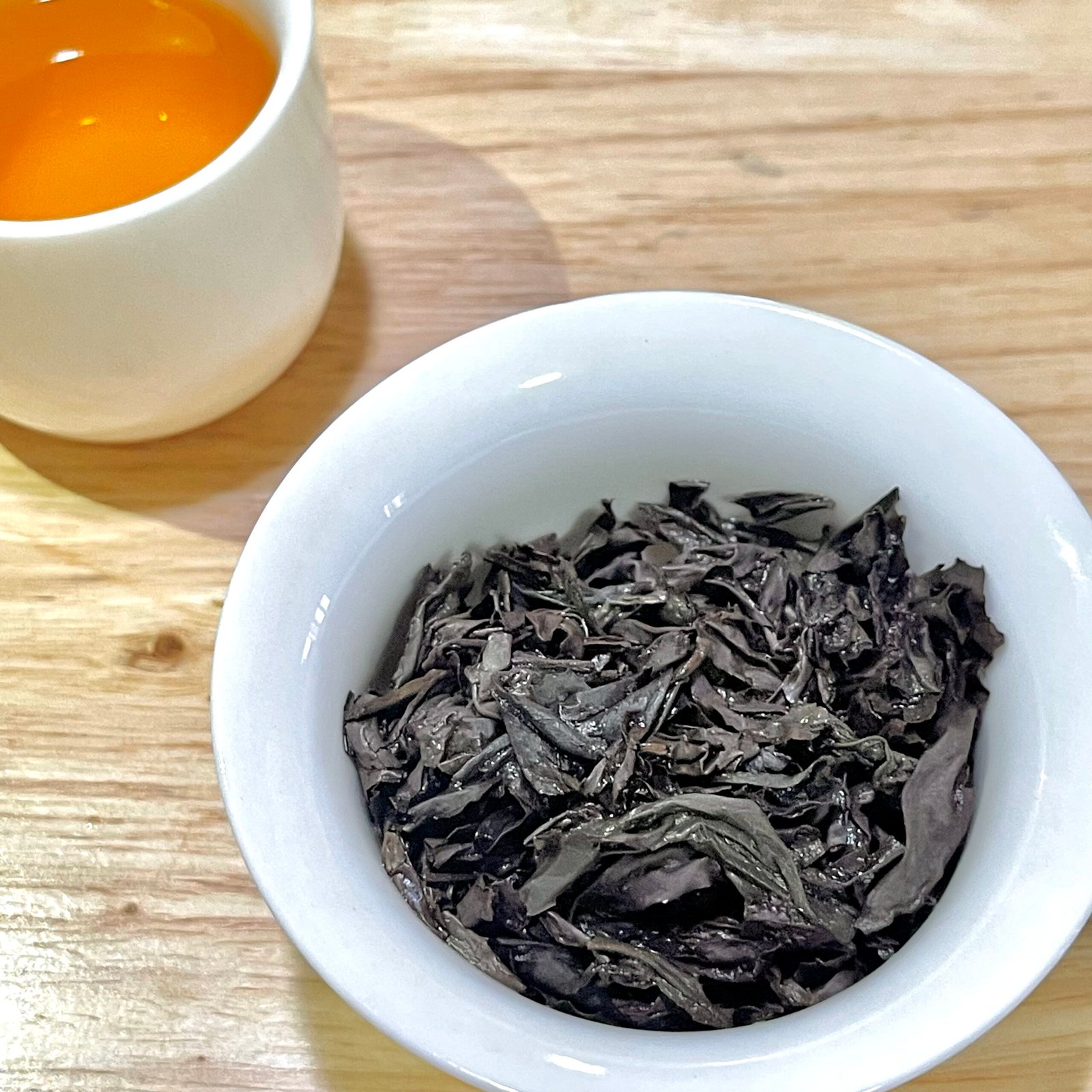
Wuyi Rock Tea 2026: Best Authentic Jiulongke Oolong
Price range: $23.90 through $299.90
Specifications at a Glance
Type: Wuyi Zhengyan Jiulongke Rougui (Oolong)
Origin: Jiulongke Valley Micro-terroir, Core Zhengyan Zone, Wuyishan, Fujian Province, China
Harvest: Spring 2026
Altitude: 656 ft – 1,148 ft (200 m – 350 m)
Caffeine: Moderate
Sizes:
3 Packs — 0.88 oz (24.9g | 8.3g × 3)
6 Packs — 1.76 oz (49.8g | 8.3g × 6)
18 Packs — 5.27 oz (149.4g | 8.3g × 18)
30 Packs — 8.78 oz (249g | 8.3g × 30)
60 Packs — 17.57 oz (498g | 8.3g × 60)
Whether you’re new to Wuyi Rock Tea or a seasoned oolong enthusiast, exploring new flavor profiles is half the fun. Curious about other varieties? Every order includes a complimentary surprise sample alongside your tea, so you can explore these rich, mineral nuances firsthand.
Description
Jiulongke Rougui Oolong Tea | Authentic Wuyi Rock Tea 2026
Why Doesn’t All Wuyi Rock Tea Taste the Same?
If you’ve ever tried tea sold as Wuyi Rock Tea and felt the flavor fell short, you’re not alone.
The reason is simple: origin is everything.
True Wuyi Rock Tea gets its iconic flavor from the unique terroir of the Wuyi Mountains. However, teas from other regions are often processed in a similar style and sold under the same name, leaving buyers guessing what they’re actually drinking.
With MinteaShop, you don’t have to take origin on faith.
We own our tea gardens and processing facility in the heart of the Wuyi Mountains, managing quality from leaf to cup. By skipping flashy packaging and excess cost, we focus entirely on what matters most: the quality of the tea inside.
Most “Rougui Oolong” sold online tastes burnt, flat, or stale. In late 2025, our cupping team tasted 12 commercial samples side by side. Eleven failed. One came from Jiulongke valley. This page documents why that batch became our flagship Wuyi Rougui. It also shows how to brew it without a gram scale or a gaiwan.
What Is Rougui Oolong Tea and Why Is It Famous?
Rougui (肉桂) translates to “cinnamon bark.” The name comes from the cultivar’s natural aromatics. They mimic the sweet-spicy note of cassia bark. In the trade, this Rougui cultivar is often called cinnamon oolong or Cassia oolong tea.
It belongs to a broader family called Yan Cha (岩茶), or “rock tea.” All Yan Cha grows in the mineral-rich shale soils of the Wuyi Mountains in northern Fujian. The UNESCO-listed Mount Wuyi region has produced rock tea for over 400 years.
Rougui earned its fame for one reason: it carries the most pronounced “Yan Yun” of any single-cultivar rock tea. We’ll explain that term in detail below.
Where Exactly Is Jiulongke Valley in the Wuyi Mountains?
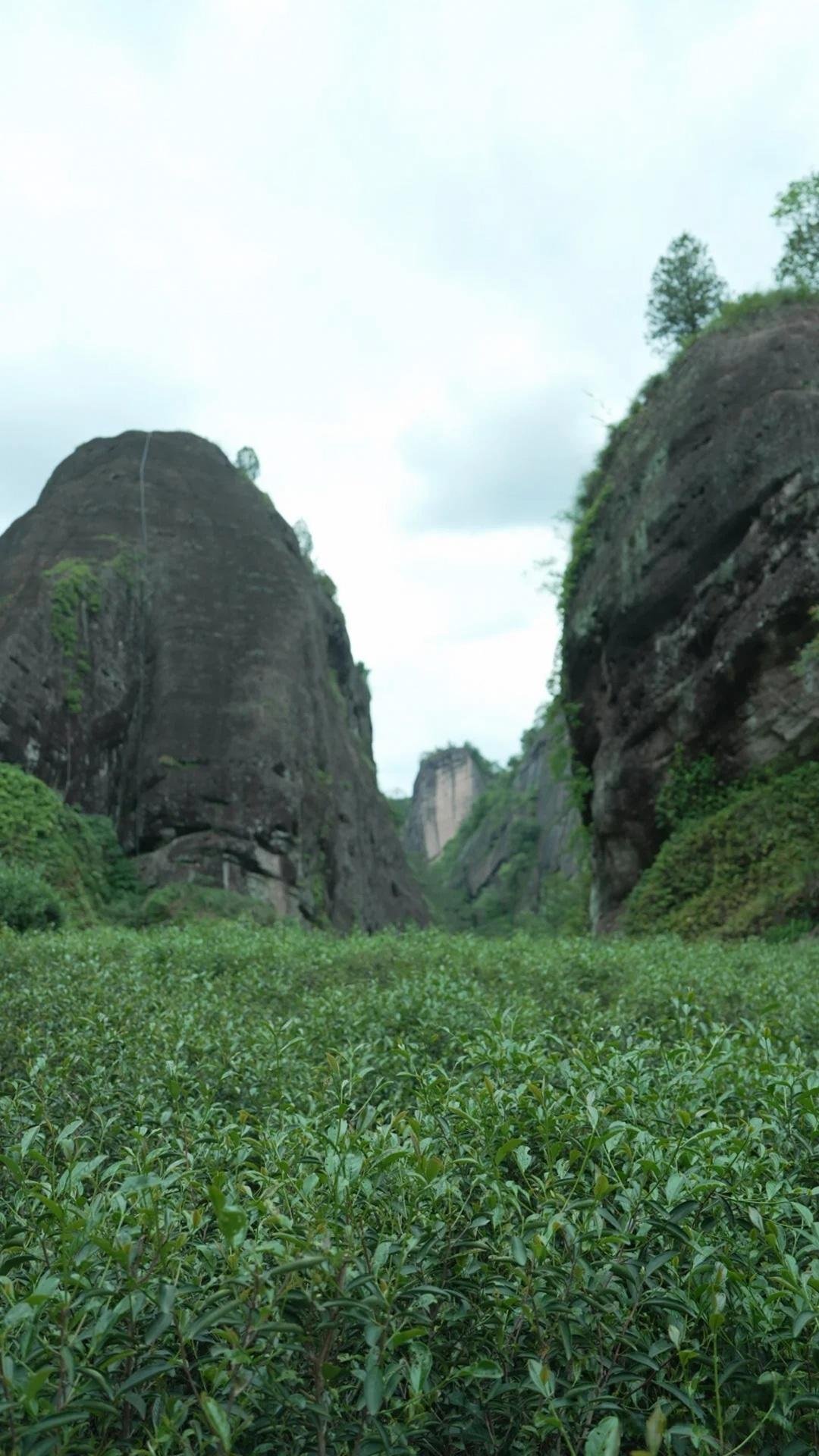
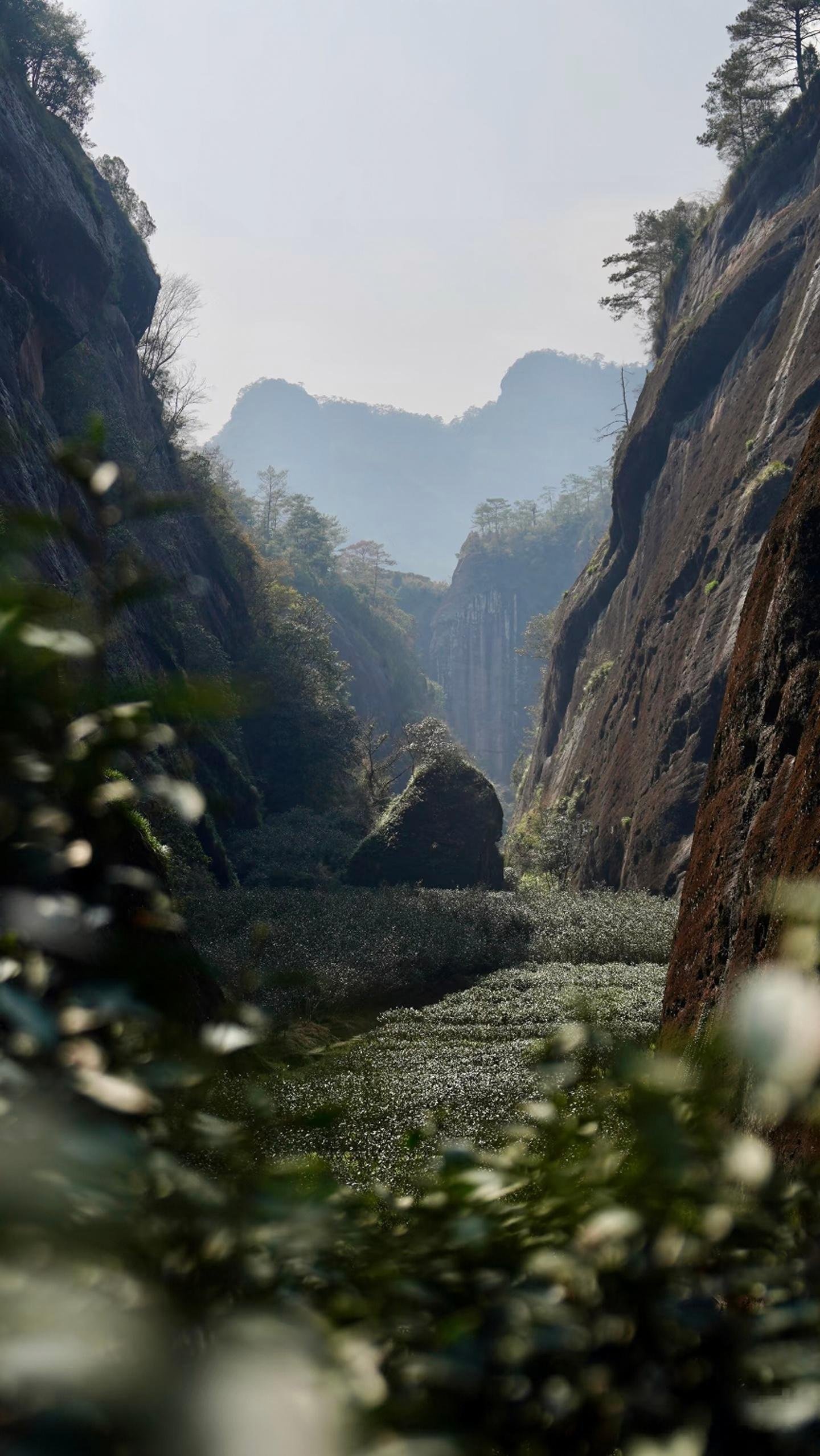
Jiulongke (九龙窠, “Nine Dragon Nest”) is a narrow, north-facing ravine inside the Wuyi Scenic Area. It sits at roughly 300 meters above sea level. The ravine walls block direct morning sun. That slows leaf growth and concentrates flavor compounds.
The same valley holds the original Da Hong Pao mother bushes. These six plants are over 350 years old. The Chinese government classifies them as living cultural relics.
What Does Premium Jiulongke Rougui Oolong Taste Like?
In our November 2025 cupping session, three certified tea specialists scored this batch as follows:
| Steep | Aroma | Body | Sweetness (Brix) | Finish |
|---|---|---|---|---|
| 1 | Cassia bark, dried longan | Medium | 1.2 | Warming, no astringency |
| 3 | Roasted cocoa, orchid | Medium-full | 1.4 | Lingering stone-fruit |
| 5 | Mineral, wet slate | Light-medium | 0.9 | Clean “Yan Yun” rise |
| 8 | Honeyed floral | Light | 0.6 | Soft, sweet return |
The first steep yields a honey-like body with a measured sweetness of 1.2 on the Brix scale. That number is unusual for a rock tea of this roast level. Most medium-roast Wuyi Rougui we tested ranged between 0.6 and 0.9.
If you’ve wondered what makes a tea taste “minerally,” it’s the same effect you get from sipping water in a limestone cave. The leaf picks up trace shale during growth. That flavor returns in the finish.
How Is Rougui Oolong Different from Da Hong Pao?
Both are Wuyi rock teas, but they are not the same plant.
| Attribute | Rougui Oolong | Da Hong Pao |
|---|---|---|
| Cultivar | Pure Rougui | Blended (Rougui + Shui Xian + others) |
| Signature note | Cinnamon bark | Roasted caramel, deeper oxidation |
| Roast level | Medium-light | Medium-heavy |
| Best for | Daily drinking, gongfu sessions | Ceremonial brewing, aging |
Da Hong Pao is a recipe. Rougui is a single-cultivar expression. If you want pure cassia aromatics, choose Wuyi Rougui. If you want depth and complexity from blending, choose Da Hong Pao.
Why Does Wuyi Rock Tea Have a “Rock Rhyme” Flavor?
Yan Yun (岩韵), translated as “Rock Rhyme,” is the signature finish of any authentic Wuyi rock tea. The concept originates in 17th-century Fujianese tea writings. Modern researchers at the Tea Research Institute of the Chinese Academy of Agricultural Sciences have linked it to specific mineral uptake from shale soils [外链:Tea Research Institute, CAAS].
To put it simply: Yan Yun is what you taste on the back of your tongue after swallowing. It’s a clean, slightly sweet mineral lift. It arrives 3 to 5 seconds after the liquid is gone. Most people describe it as a “cool stone” sensation. If your tea finishes flat or bitter, Yan Yun is absent.
In our experience, Yan Yun is easier to detect in lighter roasts. Heavy charcoal firing can mask it.
How to Brew Rougui Oolong Without a Gaiwan
You do not need a gaiwan to get a good cup. Each pouch in this listing is pre-measured to 8.3 grams. It’s sized for a standard 150 ml teapot or mug. Here’s the three-step method our team uses:
- Heat water to 95 °C (203 °F). Full boil is fine if you let it rest for 30 seconds.
- Add one pouch. Rinse for 5 seconds, then discard the rinse water.
- Steep 1: 20 seconds. Steep 2: 15 seconds. Add 5 seconds per steep until flavor fades.
Why medium-light charcoal roast matters
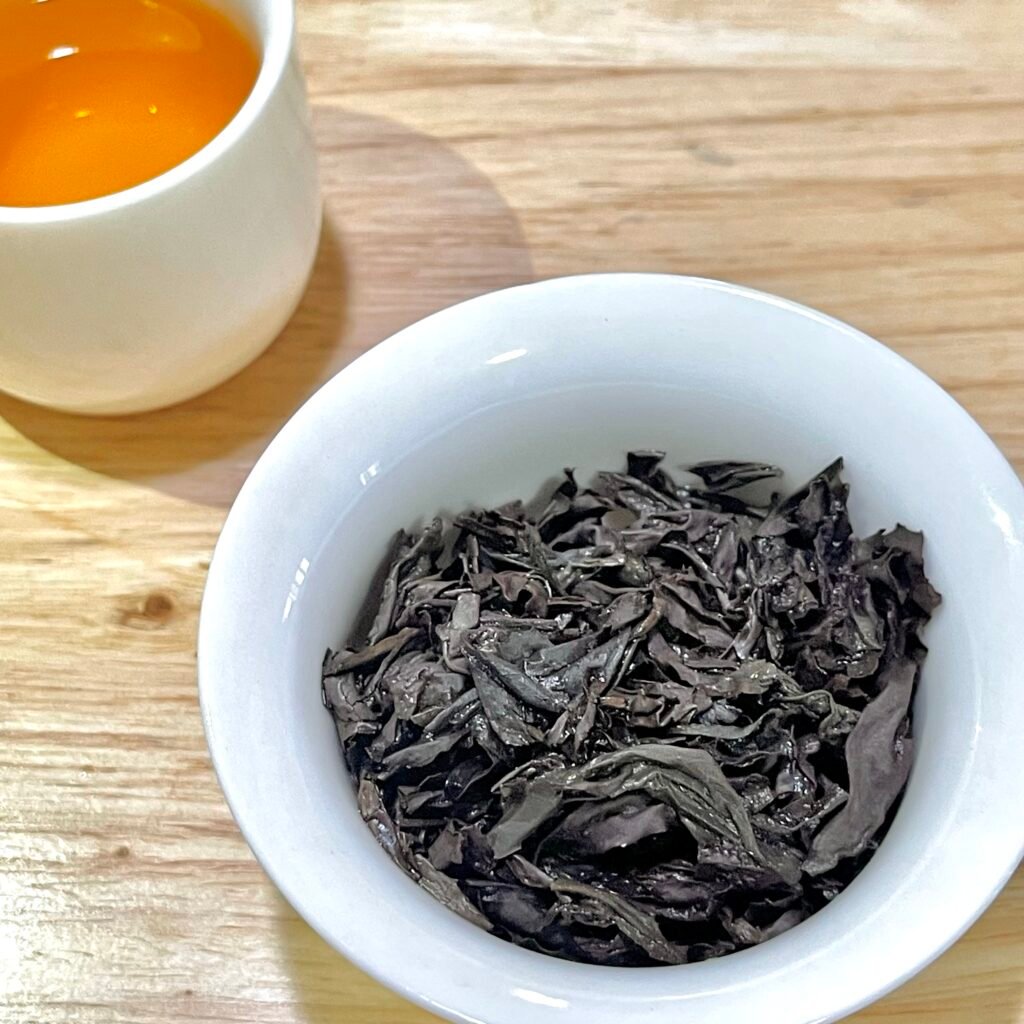
Many mass-market rock teas use a heavy roast to cover lower-grade leaf. This Jiulongke Rougui uses a traditional medium-light charcoal roast. It highlights natural cinnamon and floral notes rather than smoke. In cupping terms, the smoke-to-cinnamon ratio stays below 1:3.
Is Rougui Oolong Safe to Drink Every Day?
For most adults, yes. A standard 150 ml cup of Wuyi Rougui contains roughly 30 mg of caffeine. That is less than a third of an espresso. According to the U.S. National Institutes of Health, moderate caffeine intake (up to 400 mg daily) is safe for healthy adults NIH — Caffeine in the Diet.
Avoid drinking Rougui on an empty stomach if you have a known tannin sensitivity. Some first-time drinkers report mild stomach discomfort. Reducing leaf quantity or shortening steep time usually solves this.
Frequently Asked Questions
Is this tea good for beginners?
Yes. The pre-measured pouches eliminate the need for a gram scale. The medium-light roast produces a naturally sweet, smooth infusion without bitterness.
Does this tea taste smoky?
No. Unlike heavily roasted rock teas, this Rougui uses a traditional medium-light charcoal roast. It highlights natural cinnamon and floral notes rather than smoke.
How many infusions can I get from one pouch?
With proper Gongfu parameters, one 8.3 g pouch yields 7–10 flavorful infusions.
How should I store Rougui Oolong after opening?
Store in an airtight container. Keep it away from light, moisture, and strong odors. Refrigeration is not required and may introduce condensation. Use within six months for best flavor.
Where can I learn more about Wuyi Rock Tea history?
Start with the [Premium Oolong Tea Collection] for context. Then explore our archive on Wuyi cultivar origins and the original Da Hong Pao mother bushes.
What makes the Jiulongke (Nine Dragon Valley) terroir so famous for Rougui?
Jiulongke (九龙窠) is a historic micro-terroir located in the absolute heart of the Wuyi Mountains’ core Zhengyan (正岩) zone—the very gorge where the ancient Da Hong Pao mother trees reside. Nestled between steep sandstone cliffs, this narrow valley receives limited direct sunlight, creating a cool, humid microclimate. The iron-rich Danxia soil imparts an unmistakable, deep mineral backbone (“Yan Yun” or rock charm) that defines world-class Rougui.
How does Jiulongke Rougui differ from high-mountain Rougui?
While high-altitude plots (like Lingyang Pass) are prized for their soft floral aromas and intense natural sweetness, Jiulongke Rougui showcases a bolder, classic Zhengyan character. It offers a punchier cinnamon spice, a rich stony texture, and a long-lasting, salivating throat resonance that reflects the intense mineral runoff of the core valley cliffs.
Is Jiulongke Rougui considered an authentic Zhengyan (True Cliff) tea?
Yes. Jiulongke is located strictly within the protected Wuyi Mountain core reserve, placing it firmly in the highest tier of Zhengyan teas.
Why is Jiulongke Rougui more prized than standard rock teas?
Jiulongke is a highly restricted micro-terroir with an extremely limited annual yield. The combination of its legendary heritage, steep cliff terrain requiring delicate hand-harvesting, and the exceptional depth of its mineral-rich leaves makes it one of the most sought-after origins for collectors exploring our Premium Oolong Tea Collection.
A Final Note
Whether you’re a seasoned tea drinker or just starting out, every order includes a free bonus: a sample of our everyday Wuyi Tea, alongside an extra variety sample to explore.
Pure, clean, and delicious, this is our go-to for daily sipping. But why include it?
For Experienced Tea Lovers: You might quickly realize that what other vendors market as “premium” is simply our everyday baseline. We cut the markup—never the quality.
For Beginners: It gives you a reliable reference point. Tasting it side-by-side with your main order lets you instantly recognize authentic Wuyi Rock Tea notes, so you’ll never overpay again.
If you’d like to try other authentic styles, explore our Wuyi Rock Tea Collection.
Additional information
| size | 3 Packs (0.88 oz), 6 Packs (1.76 oz), 18 Packs (5.27 oz), 30 Packs (8.78 oz), 60 Packs (17.57 oz) |
|---|
Related products
-

Wuyi Rock Oolong Tea: Best 2026 Matouyan
Price range: $23.90 through $299.90Select options This product has multiple variants. The options may be chosen on the product page -
Rougui Oolong: Authentic & Rare Wuyi Zhengyan Yezhuke Rock Tea 2026
Price range: $9.90 through $139.90Select options This product has multiple variants. The options may be chosen on the product page -
Wuyi Rock Tea Guide: Authentic Mazhenfeng Rougui Oolong 2026
Price range: $10.90 through $149.90Select options This product has multiple variants. The options may be chosen on the product page -
Shou Mei | 100% Authentic & Refreshing Premium White Tea
Price range: $9.90 through $46.90Select options This product has multiple variants. The options may be chosen on the product page
Reviews
There are no reviews yet.