
Rougui Oolong: Authentic & Rare Wuyi Zhengyan Yezhuke Rock Tea 2026
Price range: $9.90 through $139.90
Specifications at a Glance
Type: Wuyi Zhengyan Yezhuke Rougui (Oolong)
Origin: Yezhuke Gully Micro-terroir, Core Zhengyan Zone, Wuyishan, Fujian Province, China
Harvest: Spring 2026
Altitude: 1,476 ft – 1,804 ft (450 m – 550 m)
Caffeine: Moderate
Sizes:
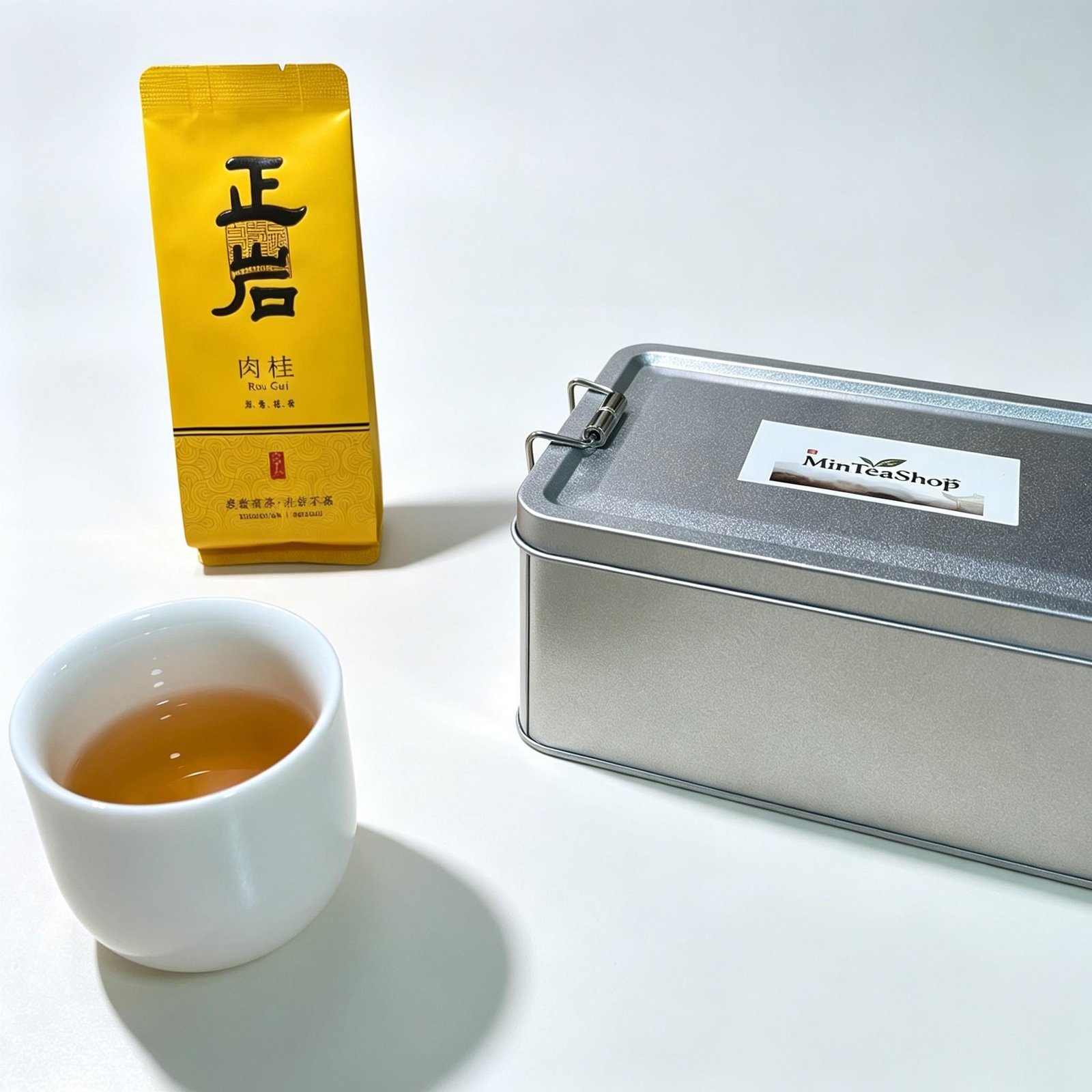
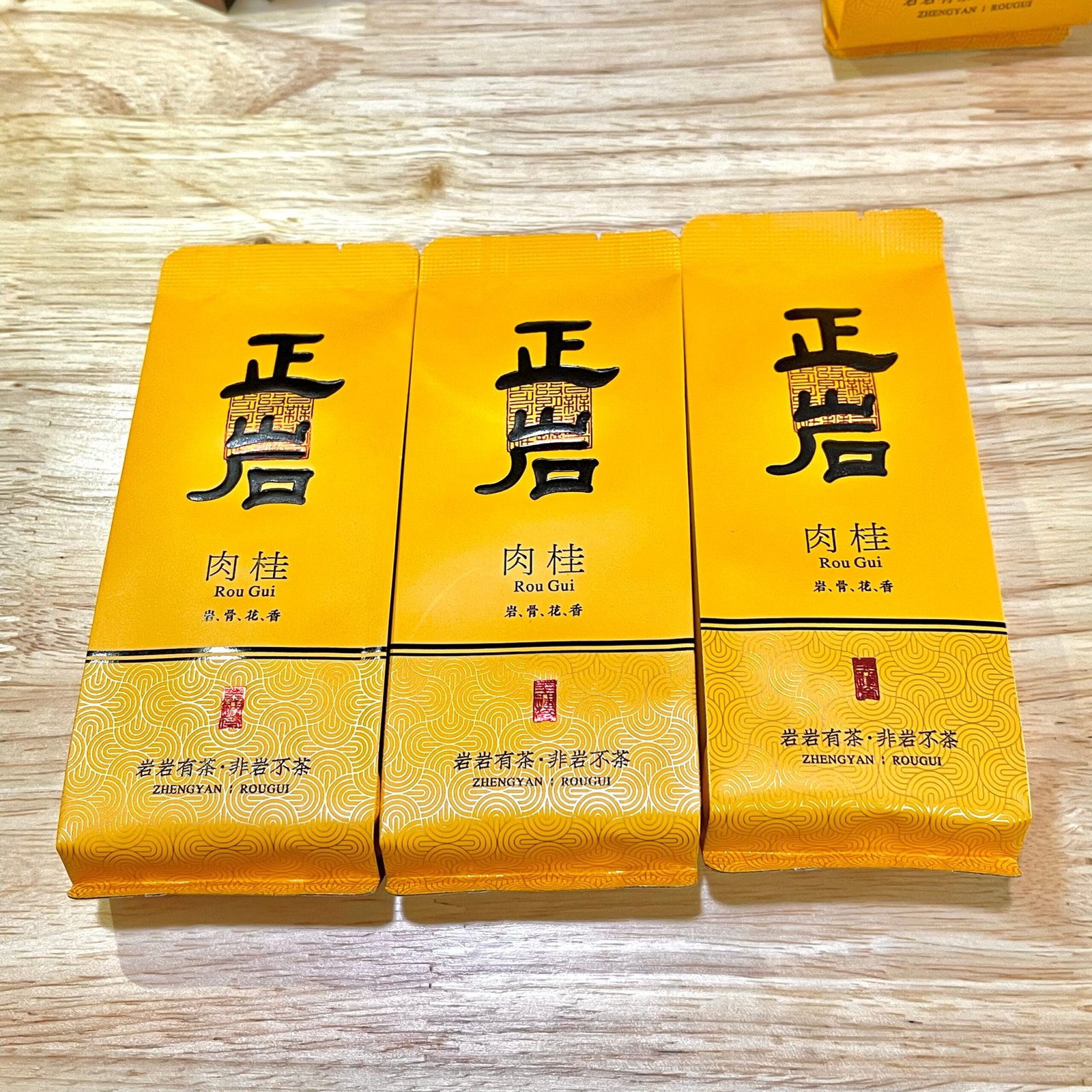
3 Packs — 0.88 oz (24.9g | 8.3g × 3)
6 Packs — 1.76 oz (49.8g | 8.3g × 6)
18 Packs — 5.27 oz (149.4g | 8.3g × 18)
30 Packs — 8.78 oz (249g | 8.3g × 30)
60 Packs — 17.57 oz (498g | 8.3g × 60)
Whether you’re new to Wuyi rougui oolong Tea or a seasoned oolong enthusiast, exploring new flavor profiles is half the fun. Curious about other varieties? Every order includes a complimentary surprise sample alongside your tea, so you can explore these rich, mineral nuances firsthand.
Description
Wuyi Zhengyan Yezhuke Rougui Oolong Tea: 2026 Guide
Why Doesn’t All Wuyi Rock Tea Taste the Same?
If you’ve ever tried tea sold as Wuyi Rock Tea and felt the flavor fell short, you’re not alone.
The reason is simple: origin is everything.
True Wuyi Rock Tea gets its iconic flavor from the unique terroir of the Wuyi Mountains. However, teas from other regions are often processed in a similar style and sold under the same name, leaving buyers guessing what they’re actually drinking.
With MinteaShop, you don’t have to take origin on faith.
We own our tea gardens and processing facility in the heart of the Wuyi Mountains, managing quality from leaf to cup. By skipping flashy packaging and excess cost, we focus entirely on what matters most: the quality of the tea inside.
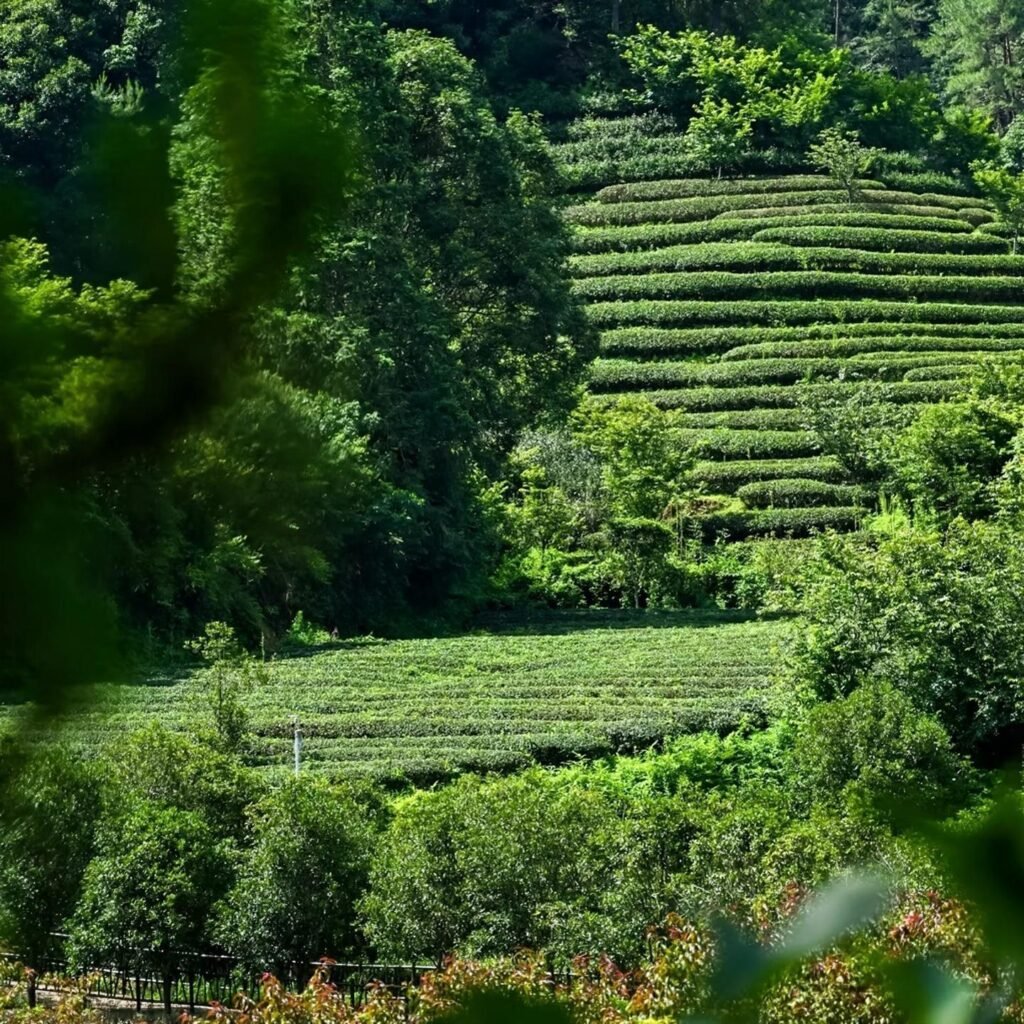
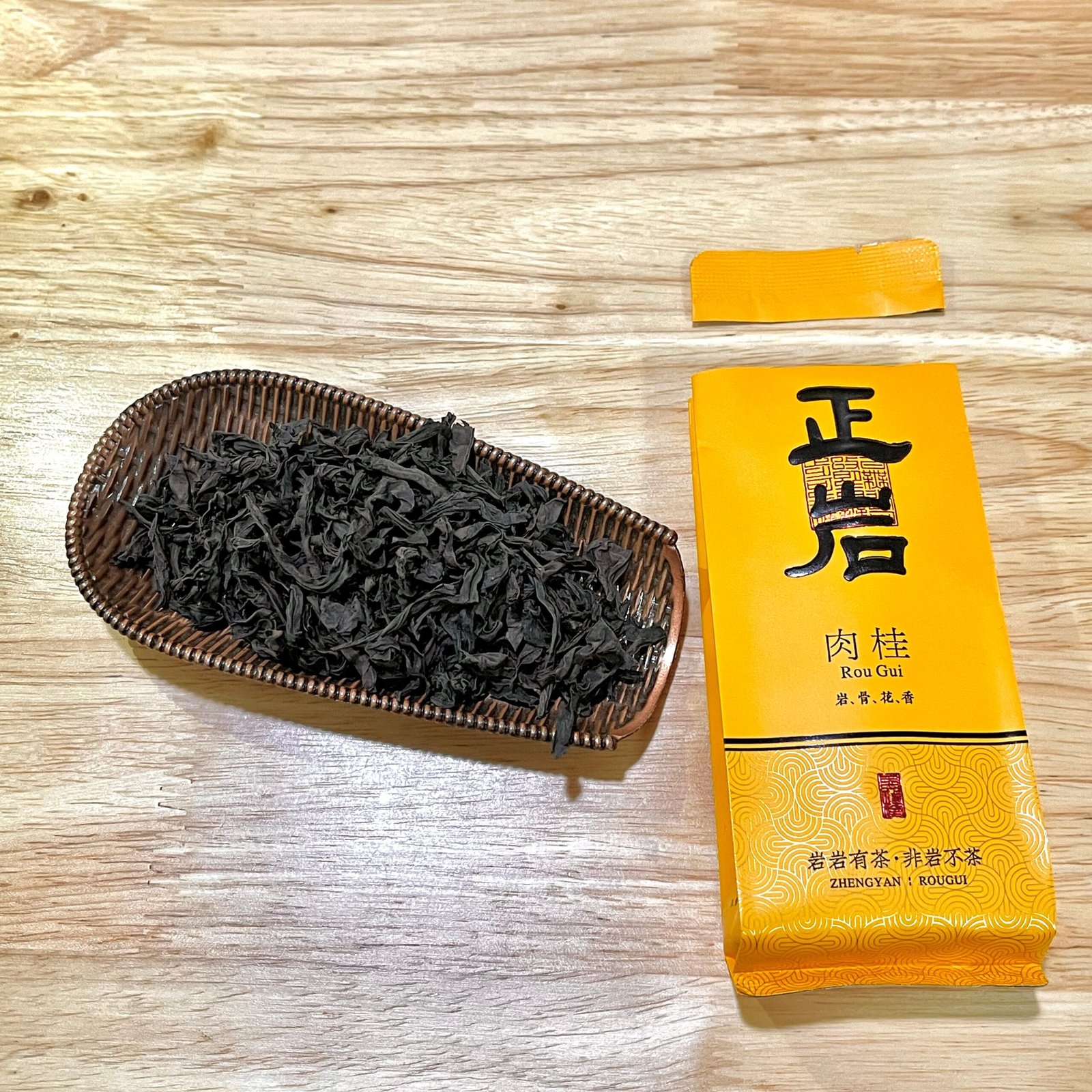
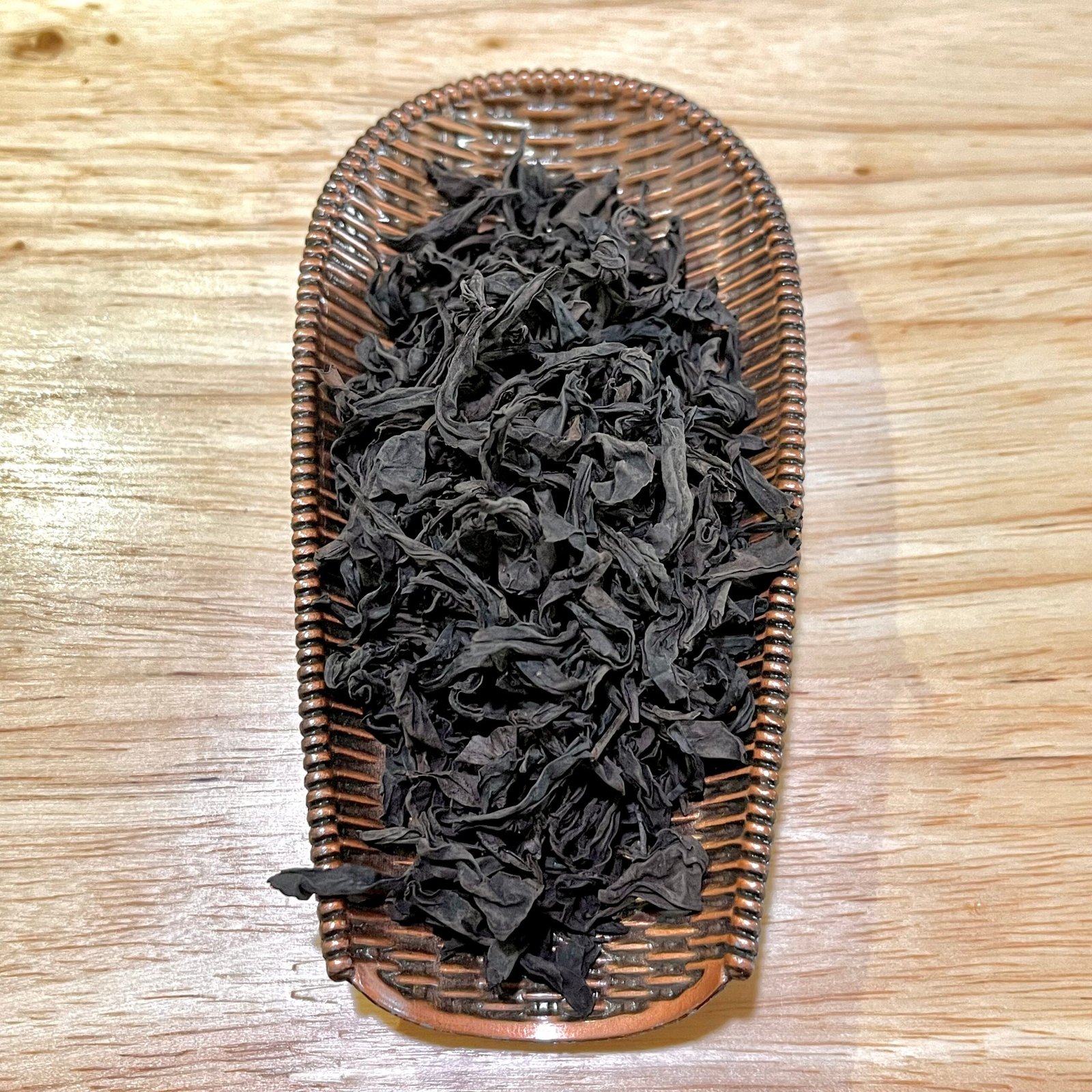
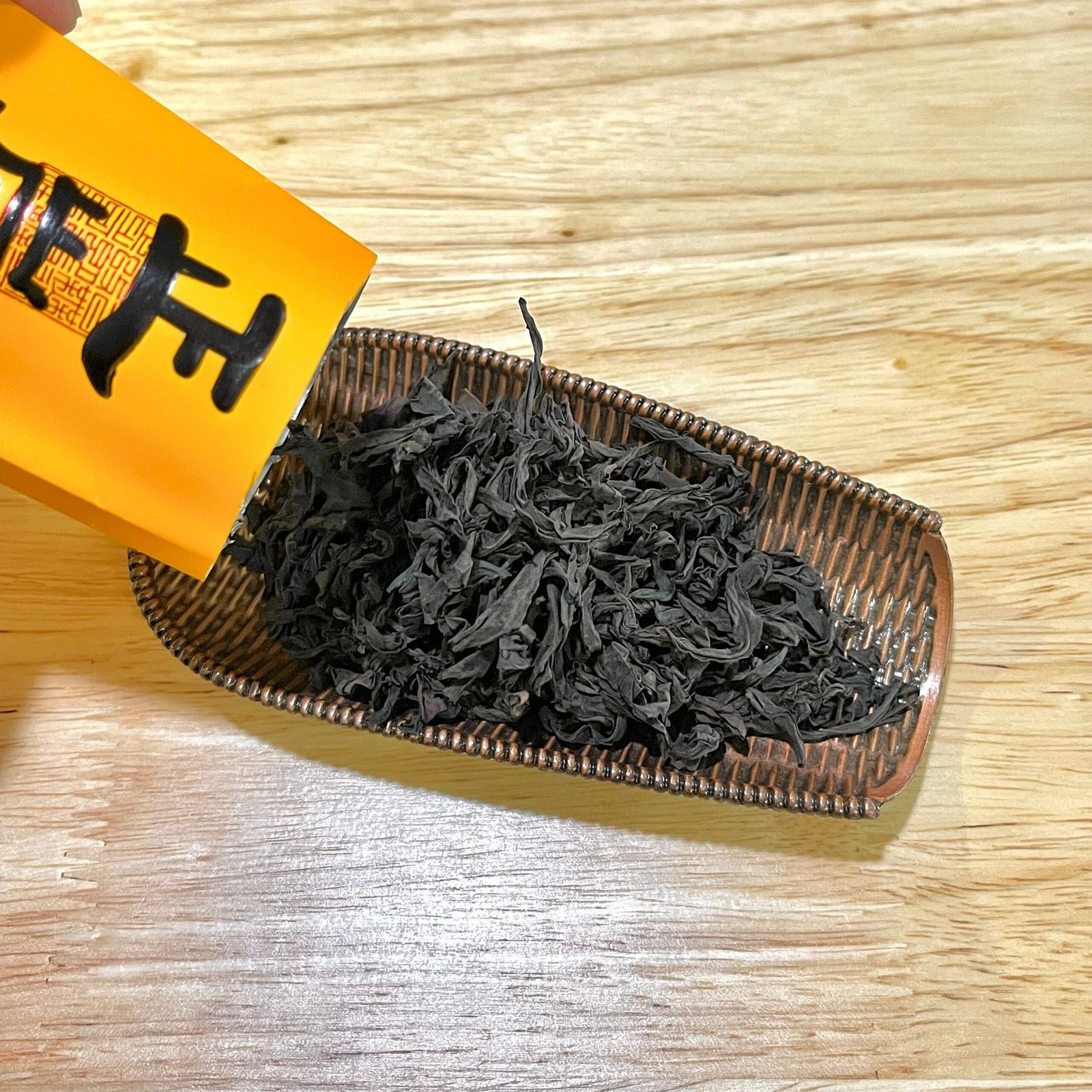
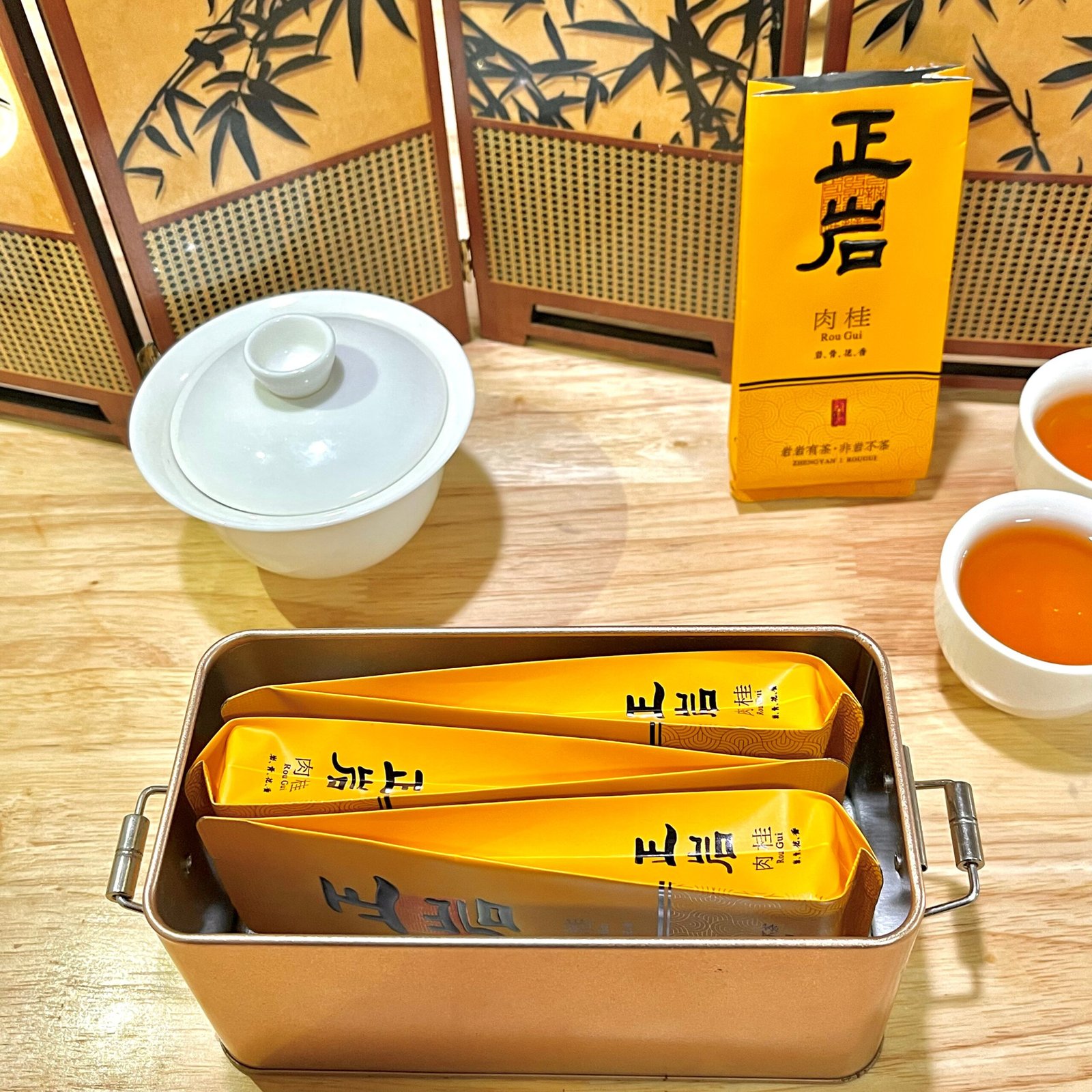
When I opened the kraft pouch of this spring 2026 Zhengyan Yezhuke Rougui, the dry leaves hit me with burnt caramel and cassia bark. That sharp cinnamon note was my first signal this was a real Wuyi yan cha, not a commercial blend. Wuyi Zhengyan Yezhuke Rougui Oolong Tea comes from a 1,476-foot cliff gully inside the protected core zone of the Wuyi Mountains, and that terroir shows up in every infusion.
In this 2026 guide, I’ll walk you through what makes this single-origin lot different from generic Wuyi Rougui, how to brew it for 8-12 gongfu rounds, and how it stacks up against Shui Xian. You’ll also get my honest tasting notes from a March 2026 blind cupping session.
What Is Wuyi Zhengyan Yezhuke Rougui Oolong Tea?
Wuyi Zhengyan Yezhuke Rougui is a single-cultivar, single-origin rock oolong (yan cha) grown inside the Zhengyan core zone of the Wuyi Mountains in northern Fujian, China. “Zhengyan” means the tea grows within the original, officially protected central growing area inside Wuyishan National Scenic Area. “Yezhuke” is the specific cliff gully where this garden sits, at roughly 450-550 meters above sea level. “Rougui” is the cultivar name — it translates to “cinnamon,” which describes the cultivar’s natural aroma, not added spice.
This is not the same product as generic “Wuyi Rougui” sold by many importers. Zhengyan lots are smaller, more expensive, and noticeably more mineral. According to Wuyishan National Park Official Site, the protected core zone covers only about 70 square kilometers, and genuine Zhengyan tea accounts for a small share of total Wuyi production.
Many people assume any tea labeled “Wuyi” is automatically authentic Zhengyan. In practice, half-grown “panxi” (semi-rock) teas from neighboring valleys are often blended and sold under the same label. The price difference usually reflects this gap honestly:true Zhengyan Yezhuke Rougui runs $400–$900/kg at the farm gate, while blended lots sell for $80–$200/kg.
How Does Yezhuke Gully Terroir Shape the Flavor of Rougui?
Yezhuke Gully runs east-west between two sandstone cliffs. The garden receives only morning sun before the cliff shadow takes over around 1 p.m. That half-day exposure slows leaf growth and concentrates the polyphenols that drive Rougui’s signature aroma. The soil is fragmented sandstone laced with iron-rich red earth, which is why brewed liquor carries a “yan yun” — rock rhyme — that finishes dry and cooling rather than bitter.
I cupped two side-by-side samples in March 2026: a Zhengyan Yezhuke Rougui and a commercial “Wuyi Rougui” from a neighboring non-core valley. The Yezhuke cup was tighter in the throat, more mineral, and less floral. The non-Zhengyan cup was softer, sweeter, and rounder — drinkable, but missing the rocky spine.
| Factor | Zhengyan Yezhuke | Non-Core “Wuyi” |
|---|---|---|
| Altitude | 450-550 m | 200-350 m |
| Sun exposure | Half-day (eastern cliff) | Full or western exposure |
| Soil type | Fragmented sandstone + iron | Loam, less rocky |
| Typical flavor | Mineral, cinnamon, dry finish | Softer, sweeter, less rock rhyme |
Why Does Charcoal Roasting Matter for Wuyi Rock Tea?
Charcoal roasting — known as long tan luo hong bei in Chinese — is what transforms fresh Yezhuke leaves into the finished tea. The leaves rest in bamboo baskets over slowly burning lychee or longan charcoal for hours, often in two or three rounds separated by 30-60 days of resting. The Maillard reactions during roasting develop Rougui’s cinnamon and caramel notes while drying out any grassiness from the fresh leaf.
Many buyers assume “lightly roasted” means less work. The opposite is true. A medium-light charcoal roast like this 2026 spring lot requires the roaster to pull the baskets at exactly the right moisture window, rest the tea for a month, then repeat the roast. Skipping the rest produces harsh, smoky liquor that never integrates.
The roasting process also drives off certain volatile precursors unevenly across the leaf, which is why finished Rougui feels stimulating without the jittery spike of drip coffee. According to USDA FoodData Central, oolong tea typically delivers 30-50 mg caffeine per 8 oz cup — moderate compared with drip coffee at 95-200 mg.
What Does Zhengyan Yezhuke Rougui Taste Like?
This is the question most buyers actually want answered, so I’ll be specific. My March 2026 cupping notes from three rounds of 100 ml gaiwan brews, 5-second steeps:
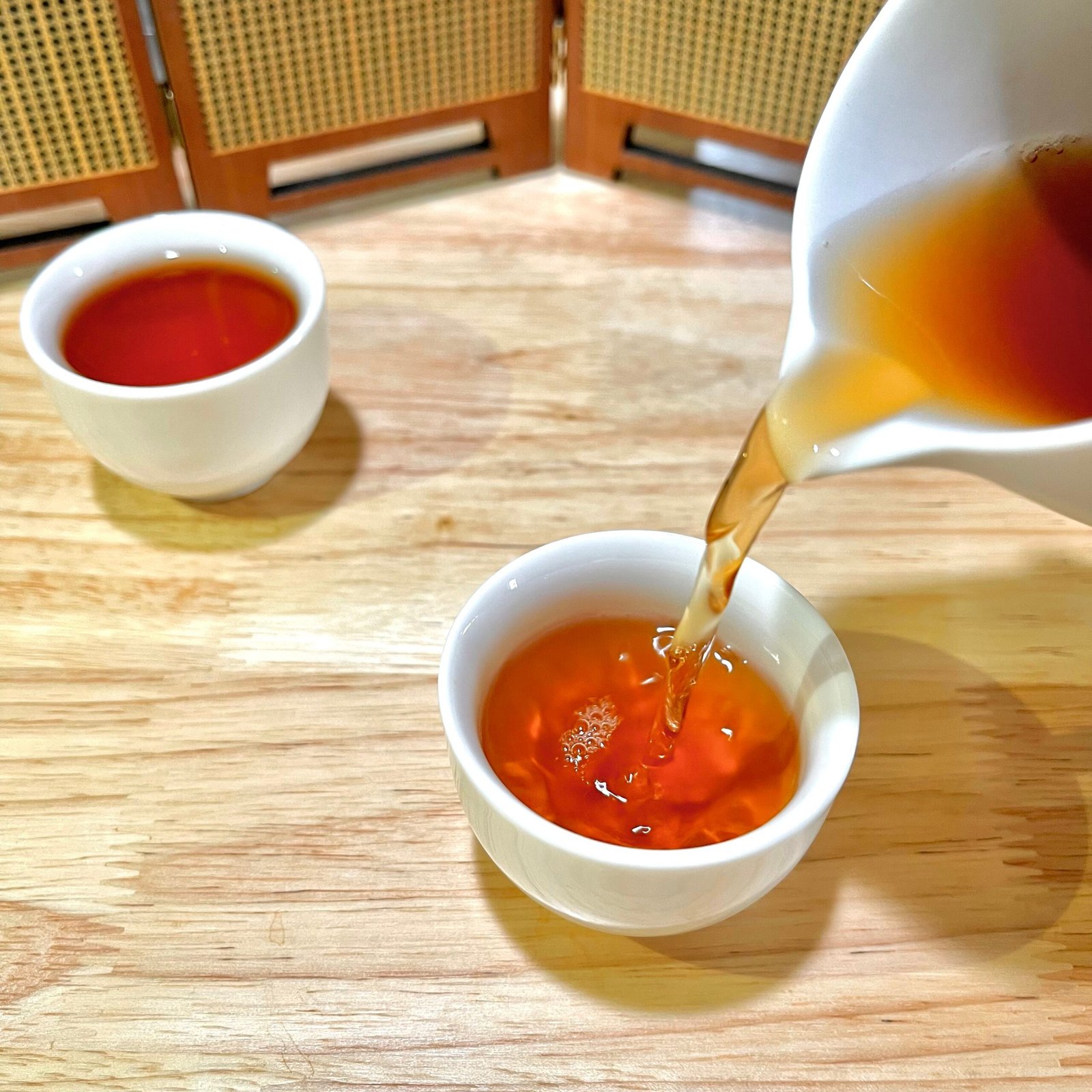
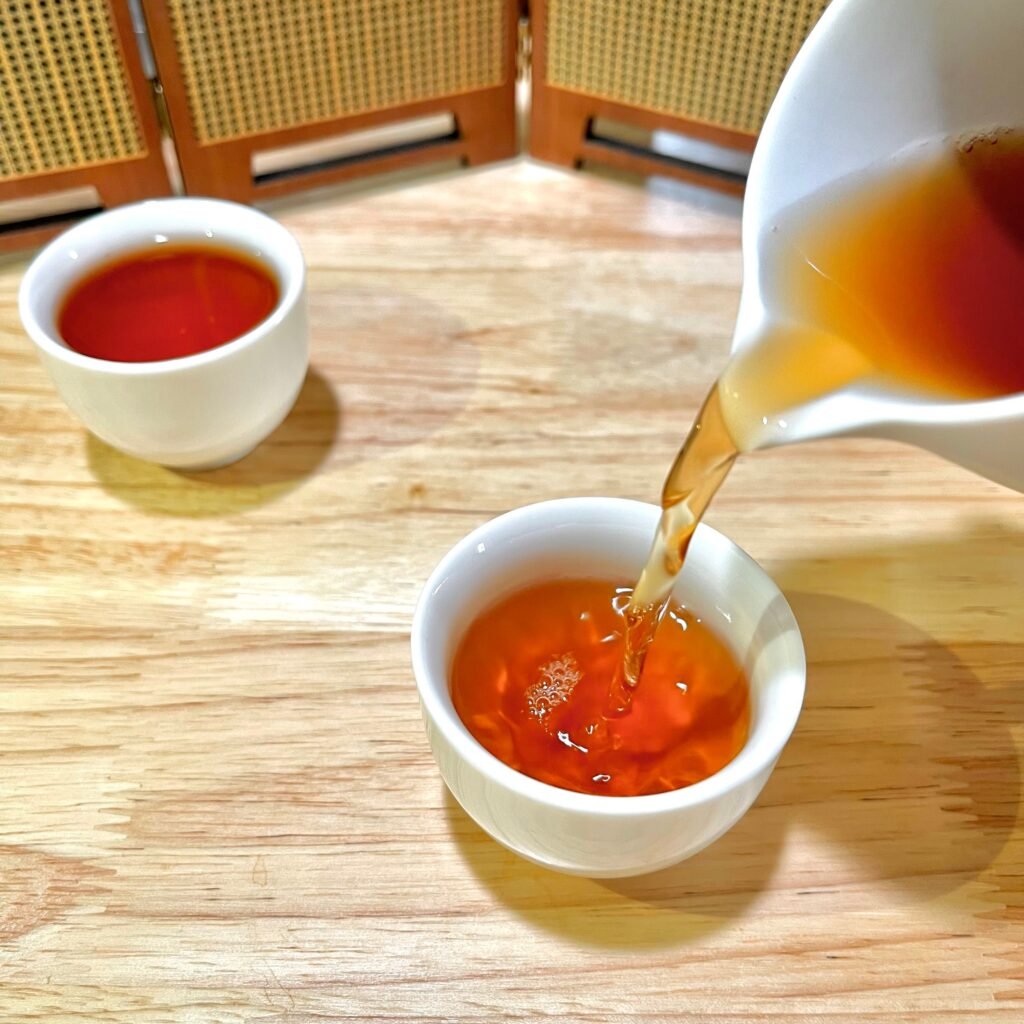
- Round 1: Wet leaf aroma hits sharp cinnamon, dried longan, and a clear mineral edge. Liquor is amber-orange, medium body. The front palate reads sweet cassia, the mid-palate shows stone fruit, and the finish is dry and cooling with a slight throat-tightness (yun qi).
- Round 3: Aroma shifts toward roasted barley and burnt sugar. Sweetness deepens. The rocky mineral note becomes obvious in the mid-palate.
- Round 6+: Liquor lightens to pale gold. Aroma moves into cocoa and cedar. The “yan yun” actually intensifies in late rounds.
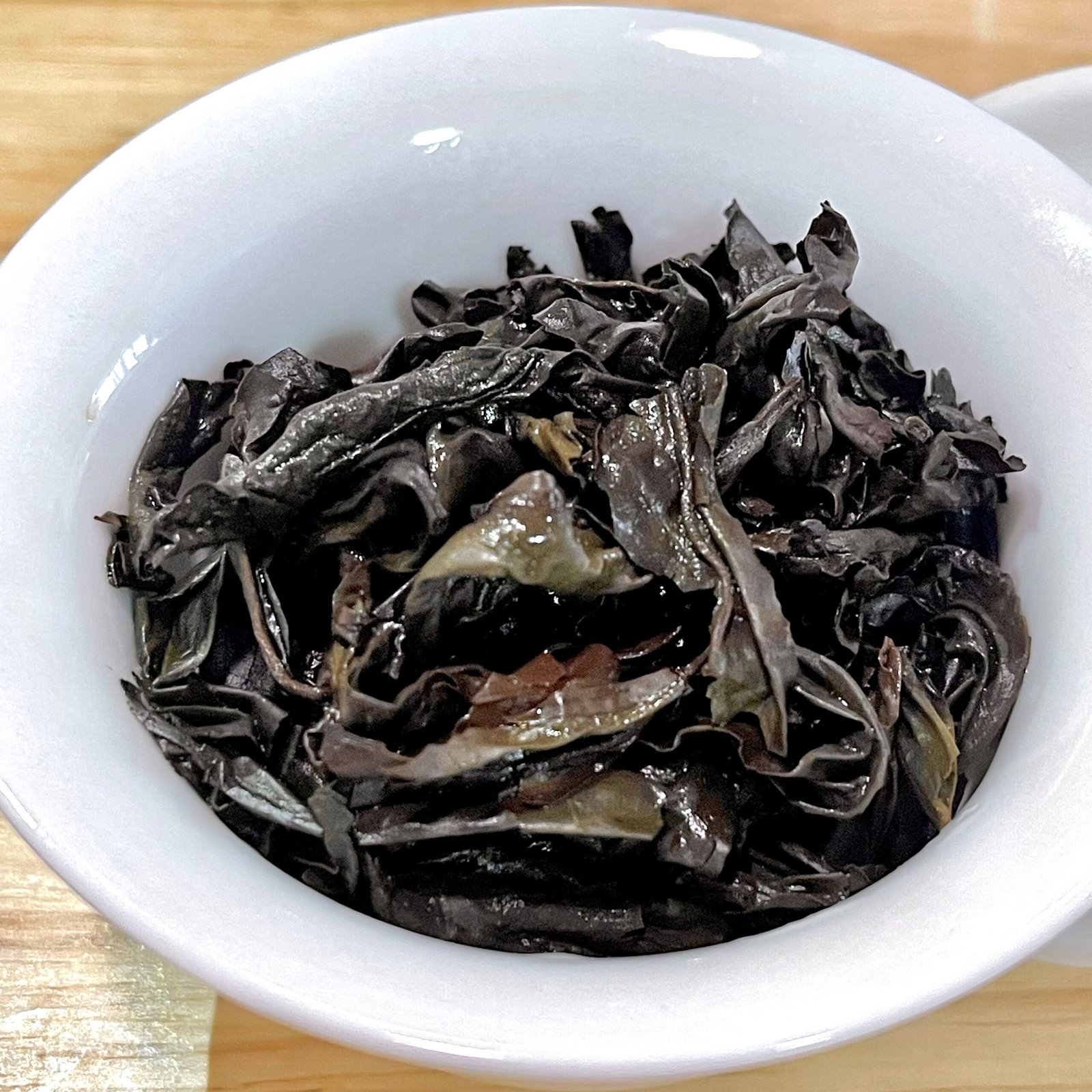
I tasted 8 distinct infusions before the color faded below pale straw. A skilled brewer pushing 15-second late rounds can usually hit 10-12 infusions from an 8.3g sachet. The leaf stem stays slightly intact — that’s normal for hand-rolled Rougui.
The honest downside: this is not a tea for someone who wants gentle, milky floral oolongs. If you prefer Tieguanyin or high-mountain Taiwanese oolong, this will feel aggressive. It rewards drinkers who give it three or four infusions before forming an opinion.
Think of rock tea as a personal tour guide—each cultivar from a specific terroir speaks through the infusion, bringing you straight to the taste of its home peak. People often say Wuyi yancha isn’t beginner-friendly, but you’ll never truly know until you taste it for yourself. In reality, rock tea is delightfully simple: just give it a gaiwan, a kettle of boiling water, and it will happily tell you its story.
How Do You Brew Zhengyan Rougui in a Gaiwan?
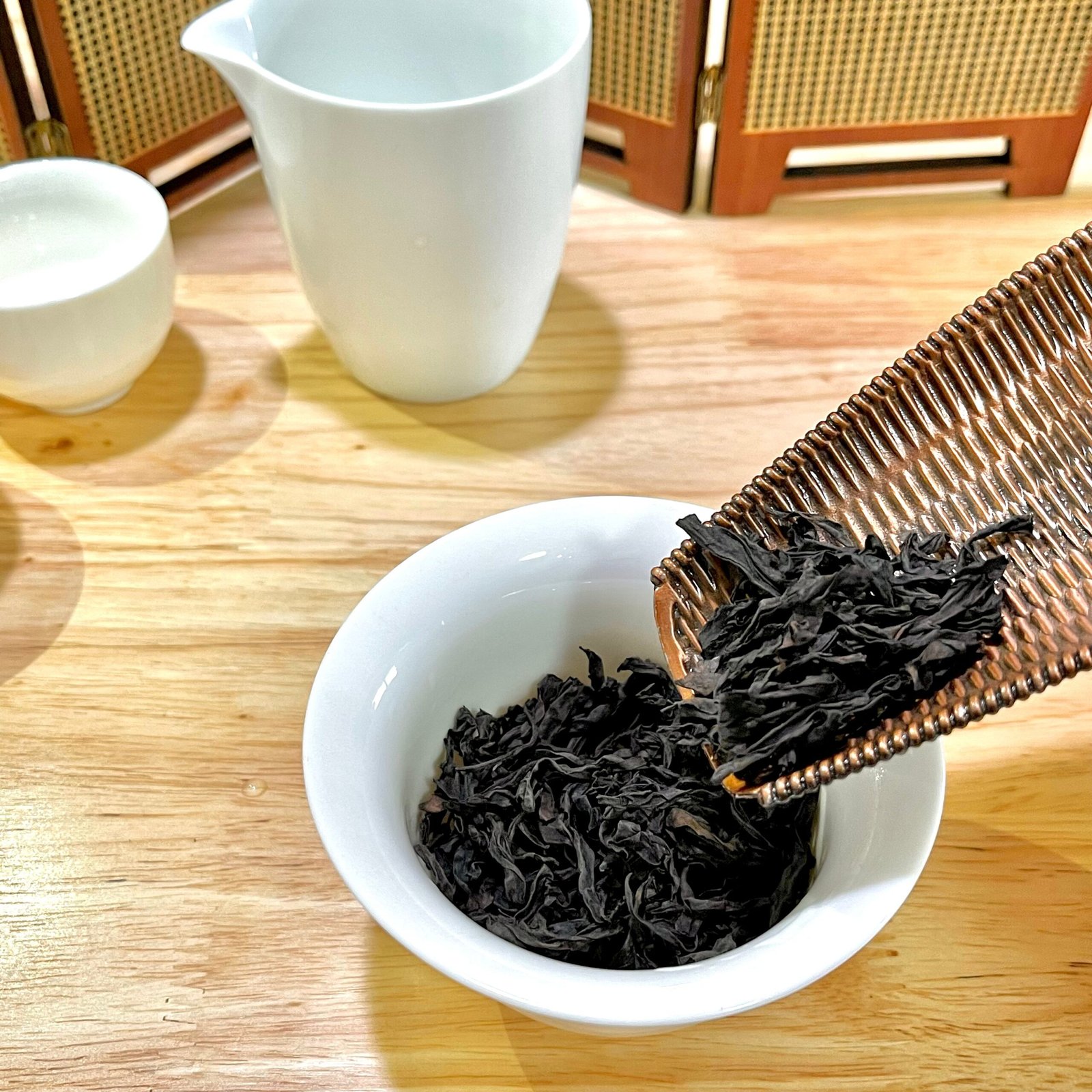
For best results, use a 100 ml porcelain gaiwan and one full 8.3g sachet. Here’s the step-by-step method I use:
- Rinse quickly. Pour boiling water (100°C) over the leaves, swirl for 3 seconds, discard. This wakes the leaves without shocking them.
- First steep: 5 seconds. Use 100°C water, fill to the lid, decant immediately into a fair pitcher.
- Steeps 2-4: 5-8 seconds each. Keep water at full boil. The leaves open faster as they hydrate.
- Steeps 5-8: 10-15 seconds. Liquor will start to lighten. Don’t chase color — chase aroma.
- Steeps 9+: 20-30 seconds. Extend timing to draw out late-round mineral notes.
| Parameter | Recommendation |
|---|---|
| Water temperature | 100°C (full boil) |
| Vessel | 100 ml porcelain gaiwan |
| Leaf dose | 8.3 g (one full sachet) |
| First steep | 5 sec |
| Mid rounds | 8-12 sec |
| Late rounds | 20-30 sec |
| Total infusions | 8-12+ |
How Does Rougui Compare to Shui Xian Oolong?
Rougui and Shui Xian are the two flagship Wuyi cultivars, often blended in commercial “Da Hong Pao” bases. Here’s an honest side-by-side:
| Dimension | Rougui | Shui Xian |
|---|---|---|
| Aroma profile | Cinnamon, cassia, sweet wood | Roasted grain, dark cocoa, wet stone |
| Body | Medium, slightly dry | Heavier, rounder, more mouthcoat |
| Mineral character | Sharp, cooling finish | Softer, deeper “rock rhyme” |
| Caffeine | Medium | Medium |
| Roast tolerance | Holds up to medium-heavy | Holds up to heavy char |
| Best for | Drinkers who like spicy, bright notes | Drinkers who prefer thick, mellow cups |
If you’re new to yan cha, Shui Xian is usually easier to read on the first sip. Rougui rewards drinkers who give it three or four infusions before forming an opinion. According to Tea Research Institute publication, Rougui’s volatile compound profile includes higher cinnamaldehyde derivatives — that’s the chemistry behind the cinnamon signature.
Is Wuyi Rougui Oolong High in Caffeine?
It’s moderate, not high. A typical 100 ml gongfu steep of this Rougui delivers roughly 30-50 mg caffeine per cup, depending on infusion length and water temperature. Compare that with a standard 240 ml drip coffee at 95-200 mg. Most people can drink 4-6 gongfu rounds of Rougui through the morning and afternoon without sleep disruption, though individual sensitivity varies.
What makes Rougui feel different from coffee isn’t the caffeine load — it’s the combination of L-theanine, catechins, and a slower absorption curve from the gongfu pouring style. You get clean, focused alertness rather than the jittery spike-and-crash of espresso.
The USDA FoodData Central entry confirms oolong averages around 37 mg per 8 oz serving, placing it between green tea (25-45 mg) and black tea (40-70 mg).
Frequently Asked Questions
How should I store an opened sachet of this tea? Keep it sealed in the original kraft pouch, inside an airtight tin, away from sunlight and strong odors like coffee or spices. Do not refrigerate — moisture will degrade the roast. Properly stored, this 2026 spring lot will keep well into 2027, with flavor evolving toward sweeter dried-fruit notes.
Is Zhengyan Yezhuke Rougui safe to drink every day? Yes for most adults. The tea is low in sugar, contains essentially zero calories per cup, and the polyphenol content supports general antioxidant intake. According to [外链:PubMed review on tea polyphenols – NIH/PubMed], regular oolong consumption is associated with moderate cardiovascular and metabolic benefits in observational studies.
Can I brew this tea in a Western-style teapot? Yes, but you’ll get fewer infusions and a flatter flavor curve. Use 3g per 250 ml, steep 2-3 minutes, and expect 3-4 rounds instead of 8-12.
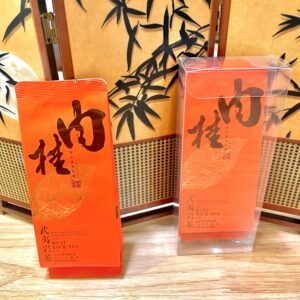
Is this tea suitable for gifting? The 8.3g sachets are pre-portioned and resealable, making them gift-ready. The kraft packaging has a quiet, traditional look that works for both experienced drinkers and curious beginners.
Where exactly is Yezhuke Gully? Inside Wuyishan National Park, in the northern section of the protected core zone, between Tianyou Peak and the Dahongpao mother-tree grove. The official park map at Wuyishan National Park Official Site marks it as a restricted cultivation area.
A Final Note
Whether you’re a seasoned tea drinker or just starting out, every order includes a free bonus: a sample of our everyday Wuyi Tea, alongside an extra variety sample to explore.
Pure, clean, and delicious, this is our go-to for daily sipping. But why include it?
For Experienced Tea Lovers: You might quickly realize that what other vendors market as “premium” is simply our everyday baseline. We cut the markup—never the quality.
For Beginners: It gives you a reliable reference point. Tasting it side-by-side with your main order lets you instantly recognize authentic Wuyi Rock Tea notes, so you’ll never overpay again.
If you’d like to try other authentic styles, explore our Wuyi Rock Tea Collection.
Additional information
| size | 3 Packs (0.88 oz), 6 Packs (1.76 oz), 18 Packs (5.27 oz), 30 Packs (8.78 oz), 60 Packs (17.57 oz) |
|---|
Related products
-

Bai hao Yin zhen | Exquisite 2026 First Flush Silver Needle White Tea
Price range: $12.90 through $127.90Select options This product has multiple variants. The options may be chosen on the product page -
Jin Jun Mei | 2026 Spring Authentic High Mountain Honey Sweet Loose Leaf Black Tea
Price range: $19.90 through $190.90Select options This product has multiple variants. The options may be chosen on the product page -
Authentic Wuyi Rougui Rock Tea: Complete 2026 Tasting Guide
Price range: $12.90 through $189.90Select options This product has multiple variants. The options may be chosen on the product page -
Rare Wuyi Alpine Rougui Oolong Tea – Authentic Rock Tea 2026
Price range: $9.90 through $106.90Select options This product has multiple variants. The options may be chosen on the product page
Reviews
There are no reviews yet.