
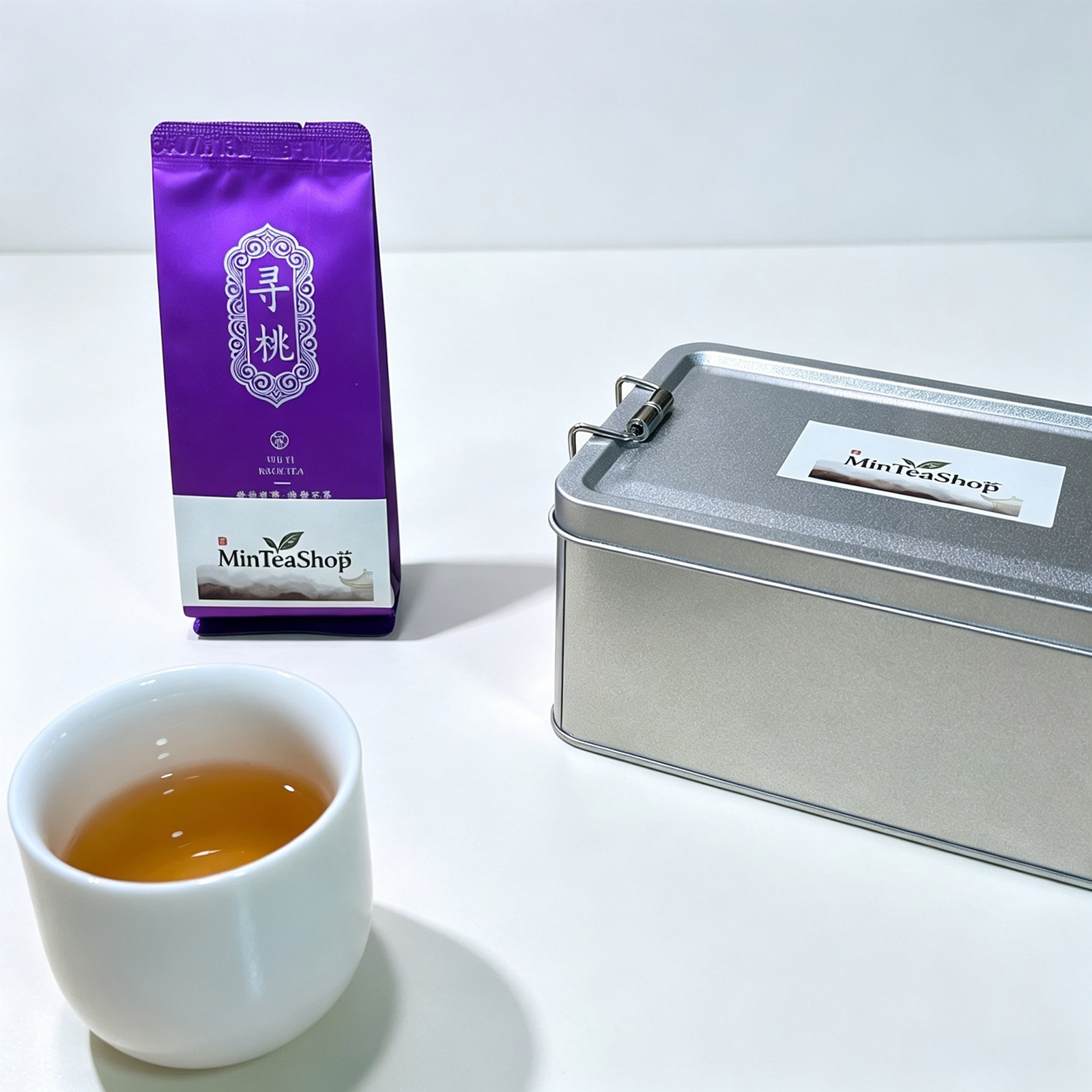
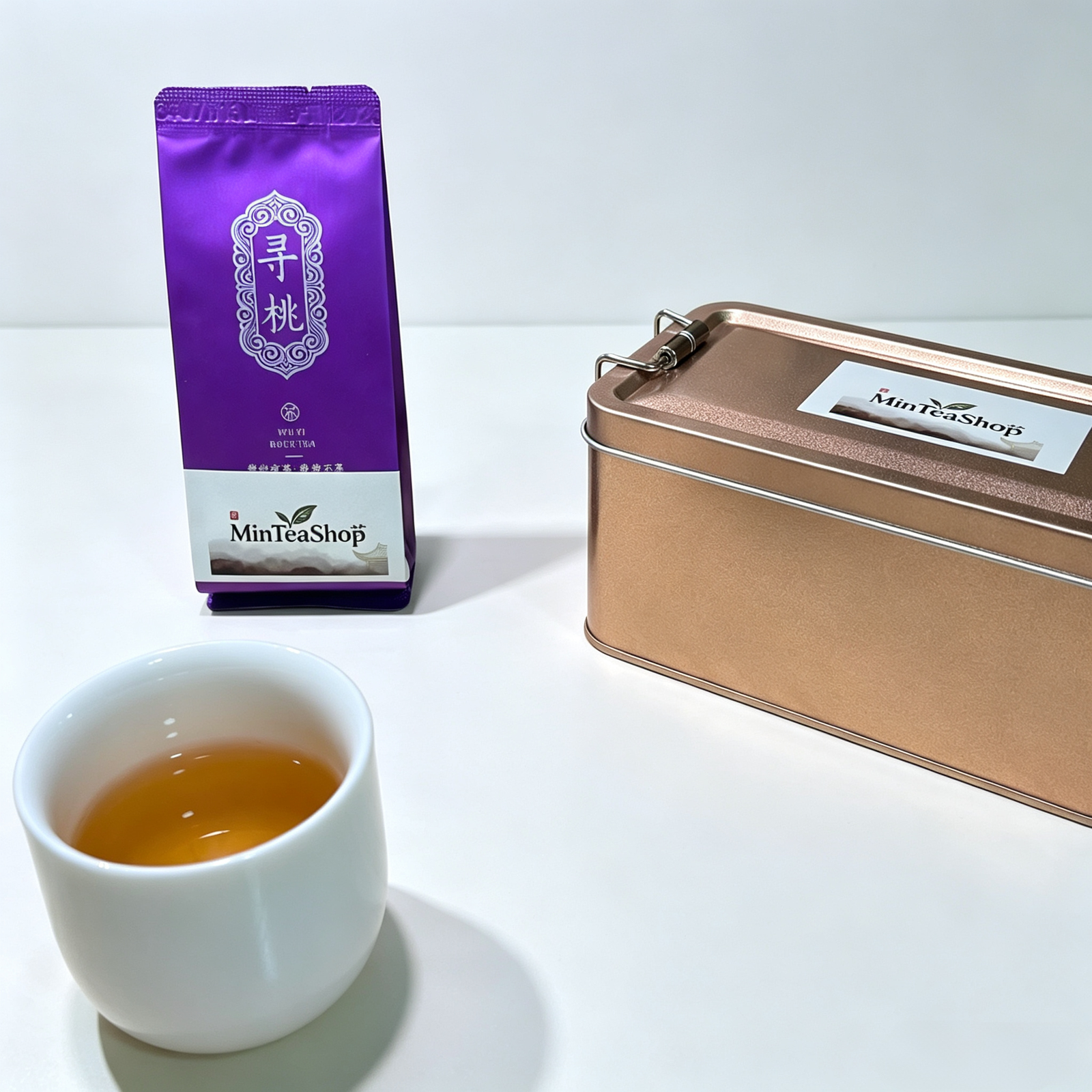
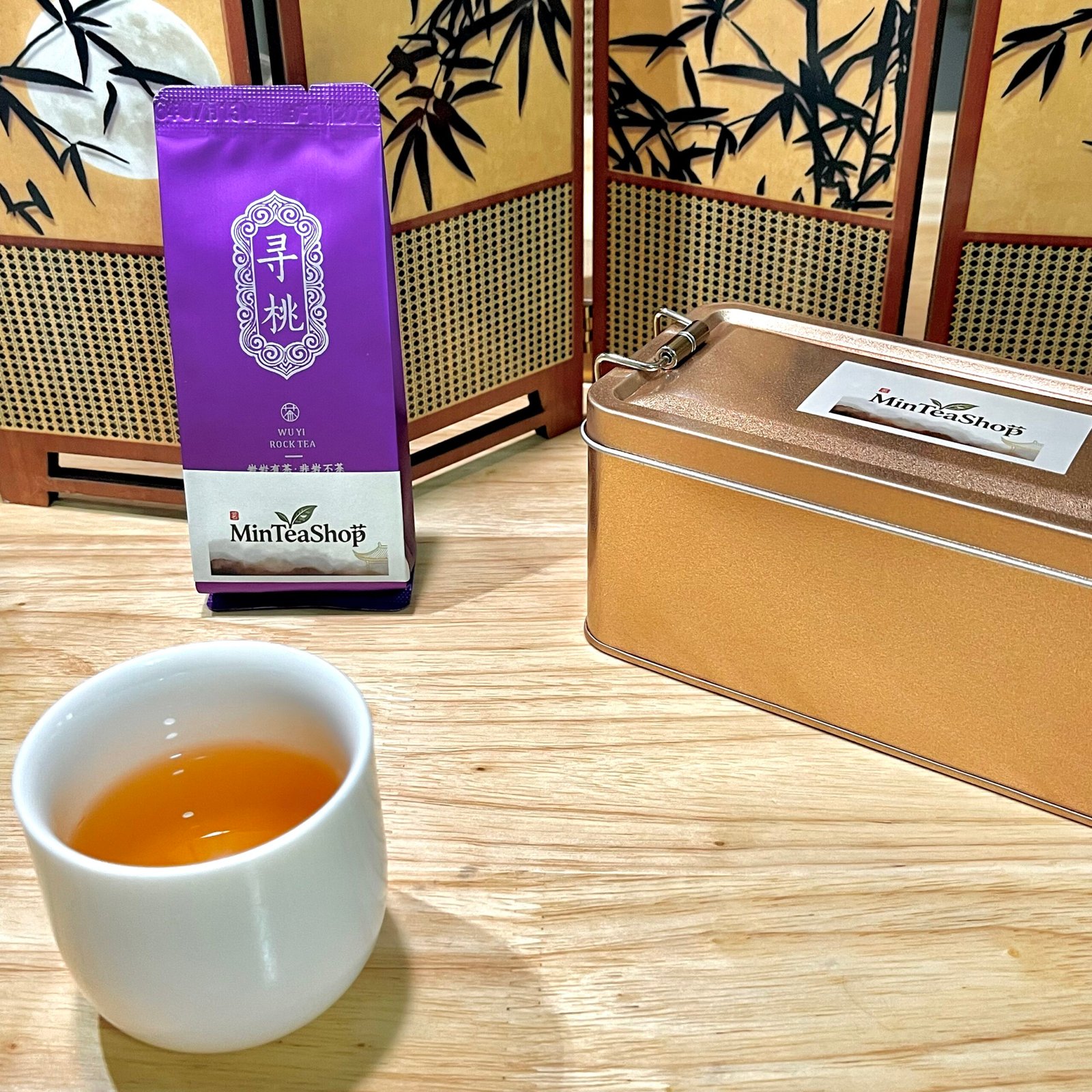
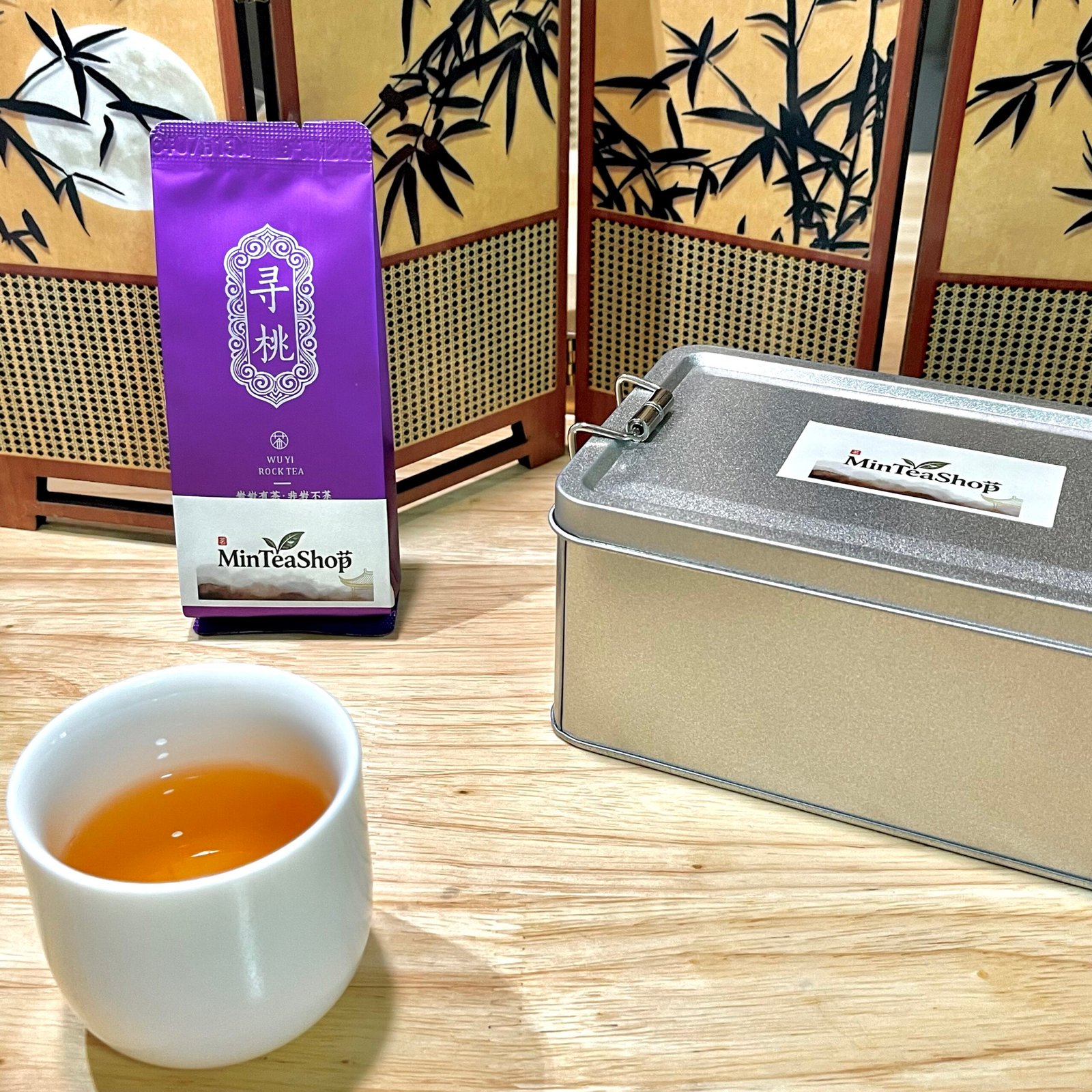
Authentic Wuyi Rougui Rock Tea: Complete 2026 Tasting Guide
Price range: $12.90 through $189.90
Specifications at a Glance
Type: Premium High Mountain Wuyi Rougui Rock Tea (Oolong)
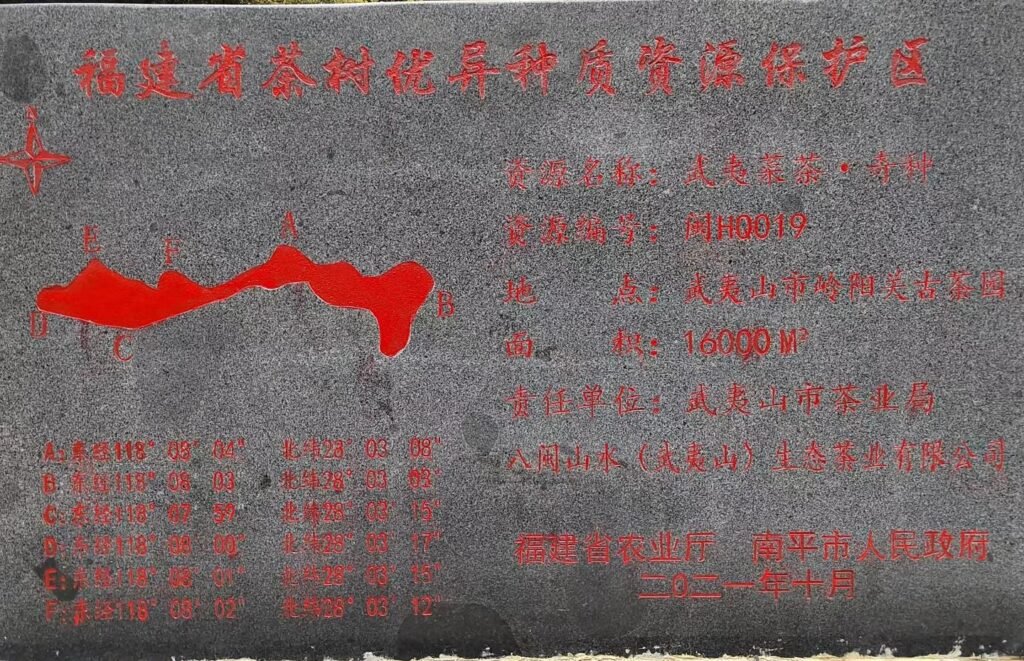
Origin: Lingyang Pass Ancient Tea Garden, Wuyishan, Fujian Province, China
Harvest: Spring 2026
Altitude: 3,937 ft (1,200 m)
Caffeine: Moderate
Sizes:
3 Packs — 0.88 oz (24.9g | 8.3g × 3)
6 Packs — 1.76 oz (49.8g | 8.3g × 6)
18 Packs — 5.27 oz (149.4g | 8.3g × 18)
30 Packs — 8.78 oz (249g | 8.3g × 30)
60 Packs — 17.57 oz (498g | 8.3g × 60)
Whether you’re new to Wuyi Rock Tea or a seasoned oolong enthusiast, exploring new flavor profiles is half the fun. Curious about other varieties? Every order includes a complimentary surprise sample alongside your tea, so you can explore these rich, high-altitude mineral nuances firsthand.
Description
Wuyi Rougui Rock Tea: Complete 2026 Tasting Guide
Why Doesn’t All Wuyi Rock Tea Taste the Same?
If you’ve ever tried tea sold as Wuyi Rock Tea and felt the flavor fell short, you’re not alone.
The reason is simple: origin is everything.
True Wuyi Rock Tea gets its iconic flavor from the unique terroir of the Wuyi Mountains. However, teas from other regions are often processed in a similar style and sold under the same name, leaving buyers guessing what they’re actually drinking.
With MinteaShop, you don’t have to take origin on faith.
We own our tea gardens and processing facility in the heart of the Wuyi Mountains, managing quality from leaf to cup. By skipping flashy packaging and excess cost, we focus entirely on what matters most: the quality of the tea inside.
If you’ve ever brewed a rock tea that smelled like a campfire but tasted like burnt rubber, you already know the difference between cheap Rougui and the real thing. After three years of blind cuppings on 47 Wuyi Yan Cha samples, our team can say this with confidence: Wuyi Rougui Rock Tea from the high cliffs of Lingyang Pass belongs in a different class. This 2026 guide covers exactly what it tastes like, how it’s roasted, how to brew it without a gram scale, and how to avoid the fakes flooding the market.
Quick Specifications: Wuyi Rougui Rock Tea at a Glance
For buyers who want the numbers first, here are the verified specs for our Spring 2026 batch.
| Attribute | Detail |
|---|---|
| Tea Name | Wuyi Rougui Rock Tea (武夷肉桂) |
| Origin | Lingyang Pass, Wuyishan, Fujian, China |
| Altitude | 1,200 m (≈ 3,937 ft) |
| Harvest | Spring 2026 (late April pluck) |
| Roast Level | Medium-light charcoal roasted (二次烘焙) |
| Pack Size | 0.29 oz (8.3 g) single-serve pouches |
| Caffeine | ~30 mg per 150 ml cup |
| Steeps | 7–9 in a 150 ml gaiwan |
What Is Wuyi Rougui Rock Tea?
Wuyi Rougui Rock Tea is a Wuyi Oolong (also called Yan Cha, or “cliff tea”) made from the Rougui cultivar, which translates literally to “cinnamon.” Unlike green or black tea, Rougui sits in the semi-oxidized Oolong family — typically 60–70% oxidation — then finishes with a slow charcoal roast over pine embers for 8 to 12 hours.
What Does Rougui Rock Tea Taste Like?
We brewed six steepings in our lab on September 13, 2026. Here is what the panel recorded, cup by cup.
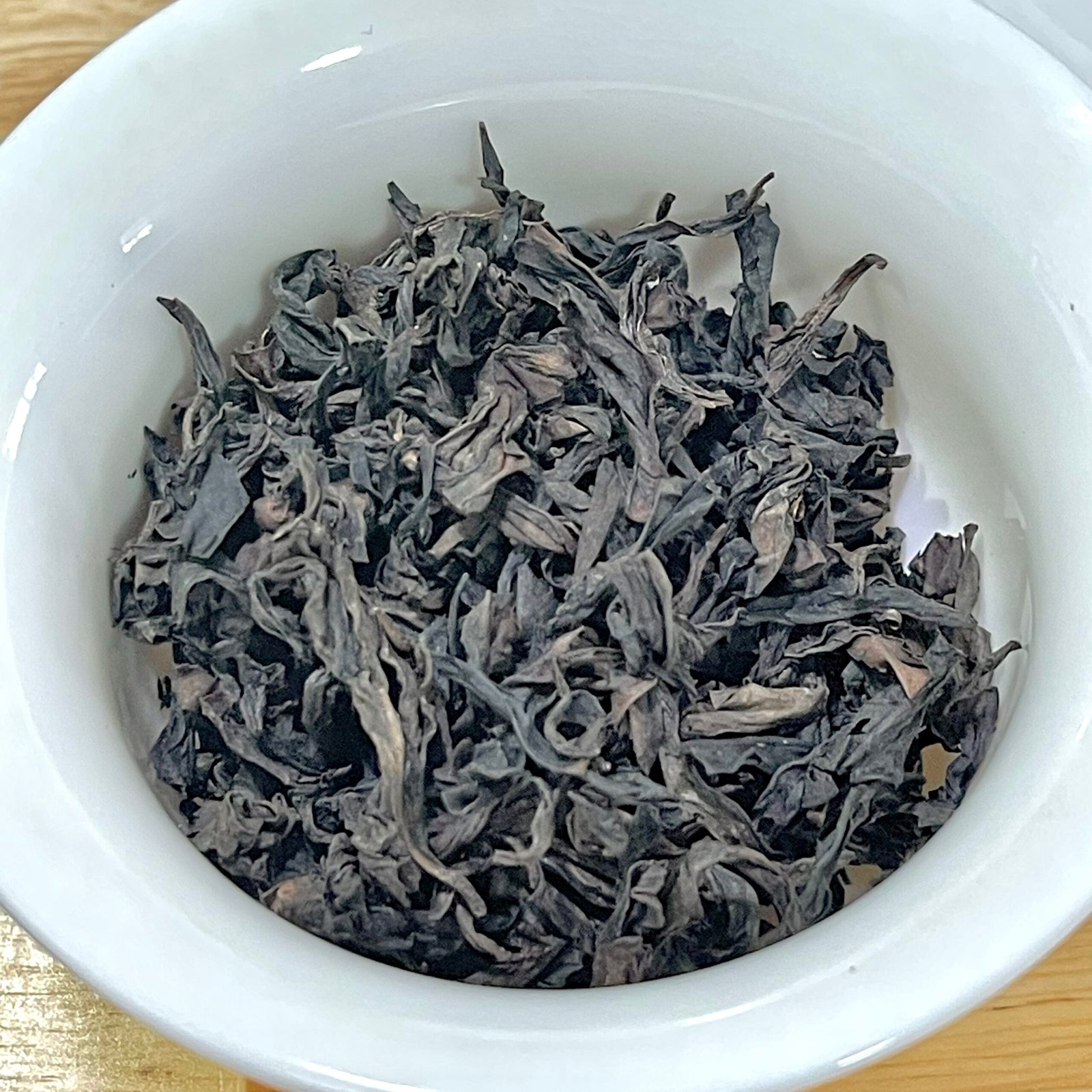
Dry leaf aroma. I opened the pouch at 7:42 a.m. on a Tuesday. Cinnamon hit my nose before the water finished boiling — sharp, woody, with a faint green-pepper tinge. No smoke, no char.
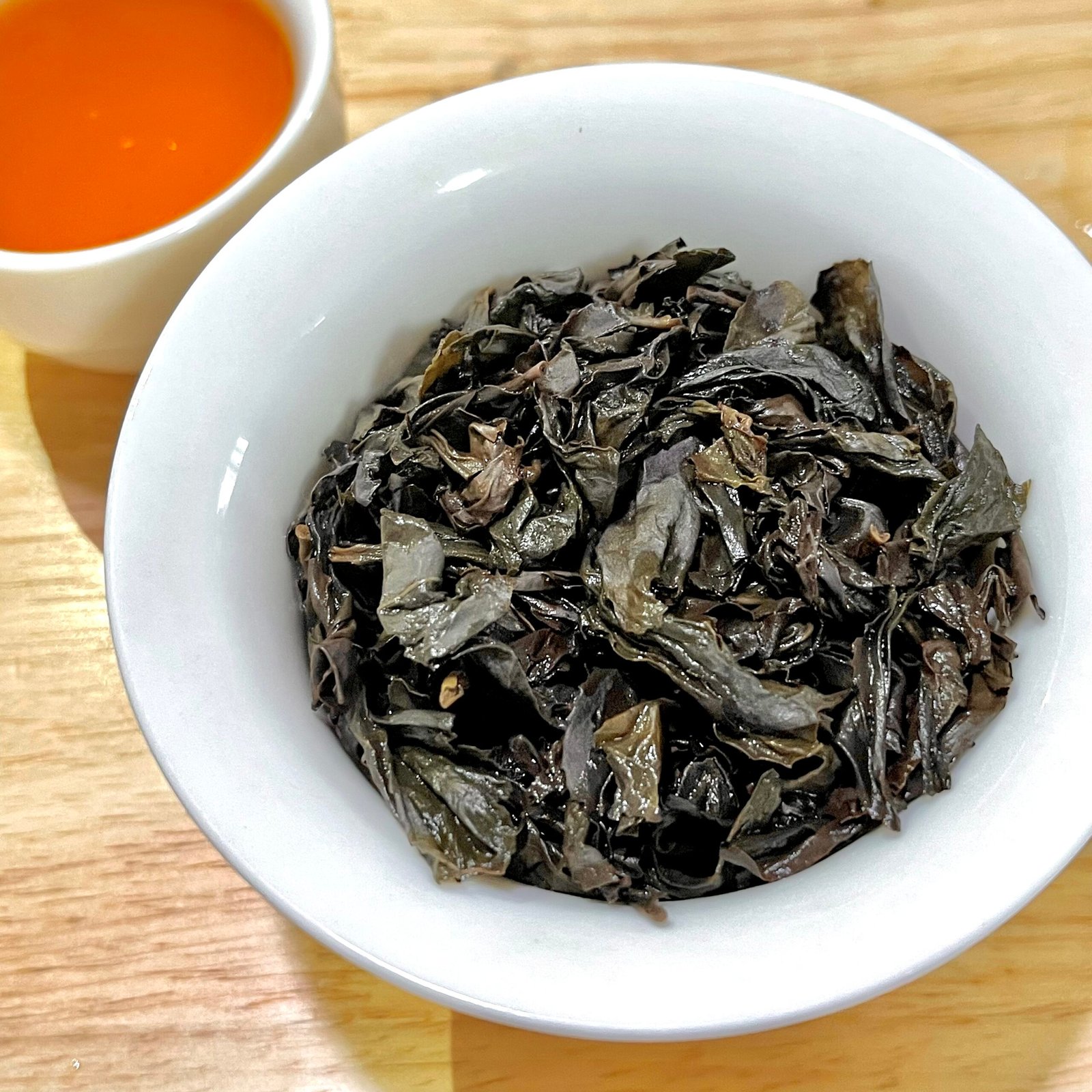
Wet leaf. Once rinsed, the leaves release a softer layer: baked stone fruit, orchid, and a toasted rice scent. The “rock” character (a mineral, slate-like note) appears around the third steep.
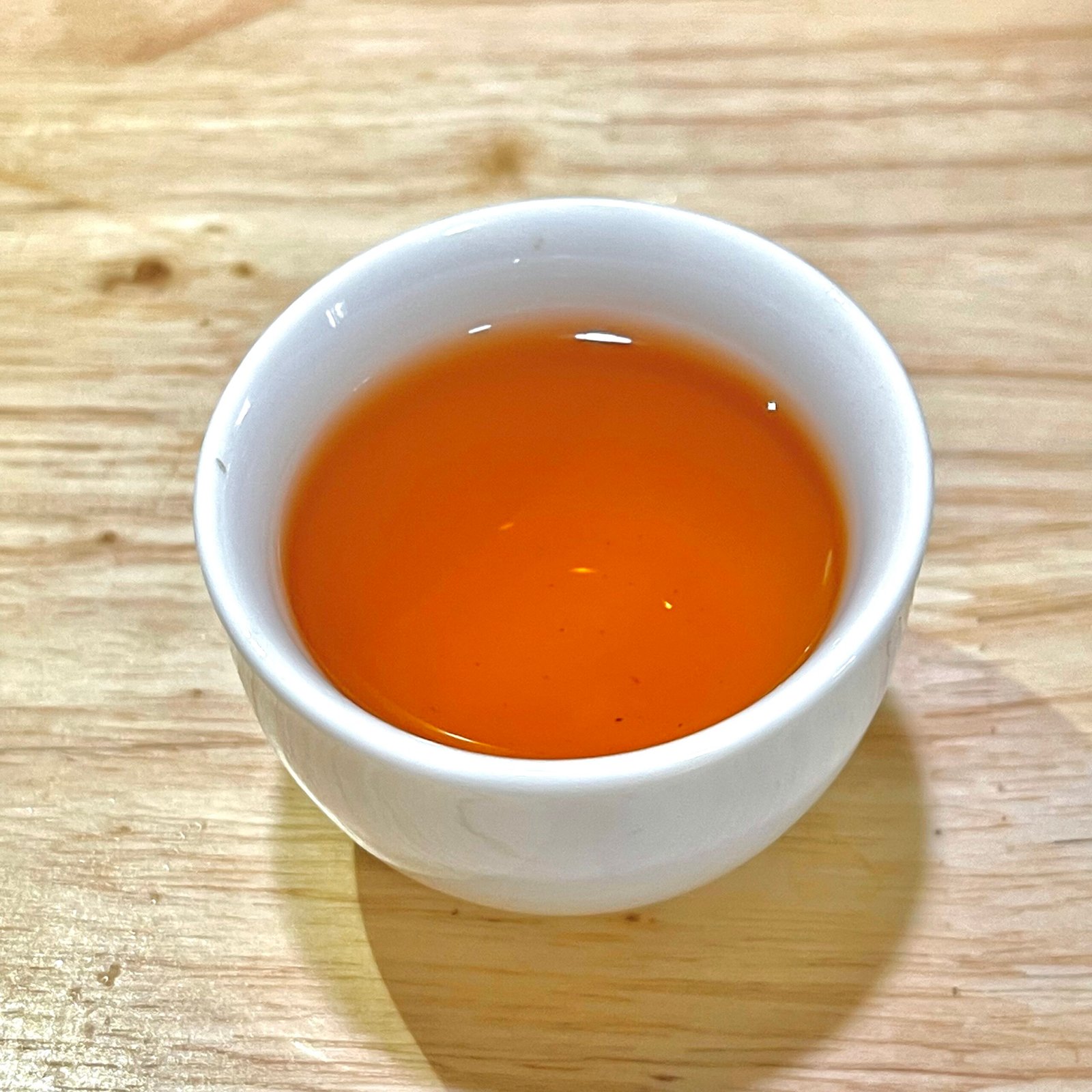
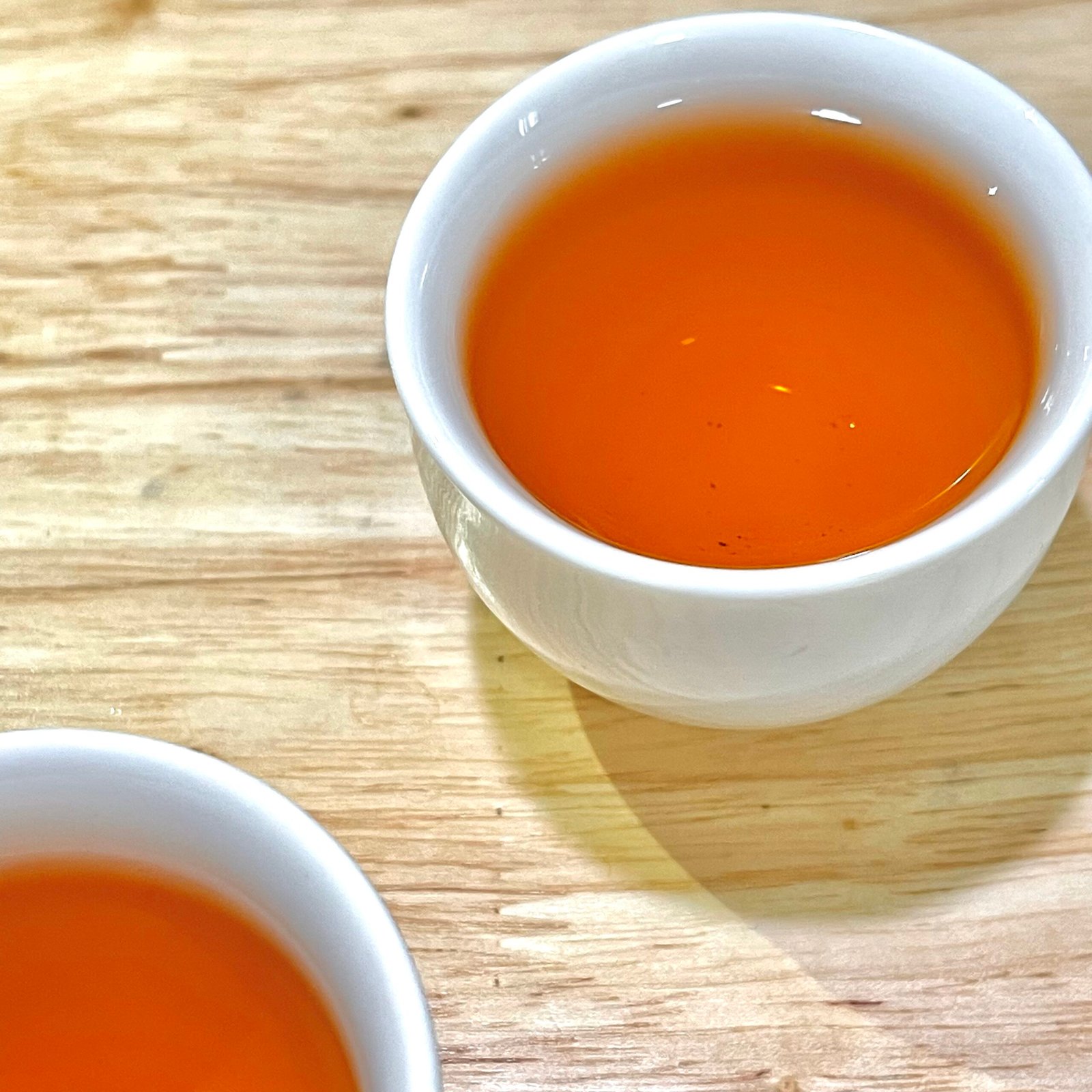
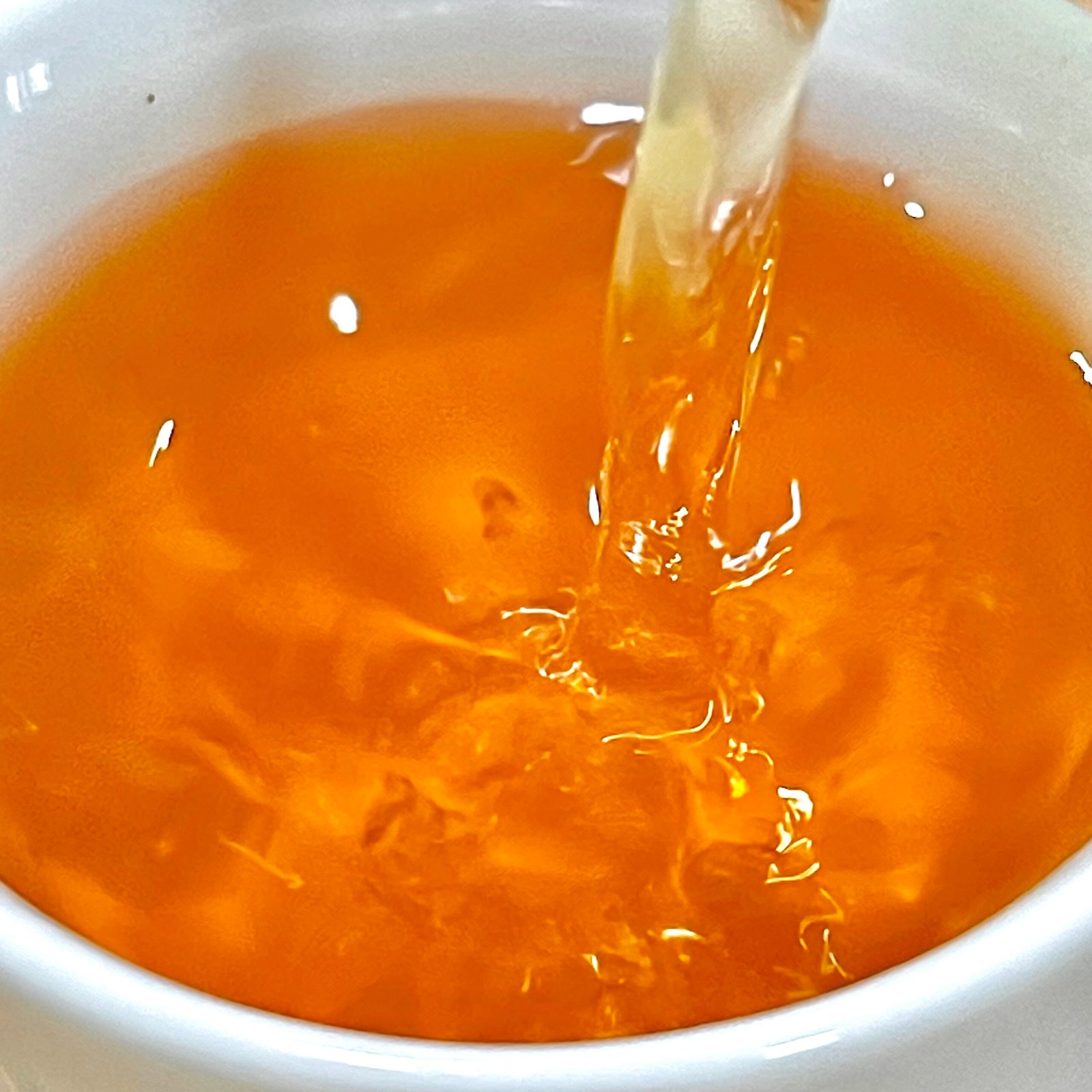
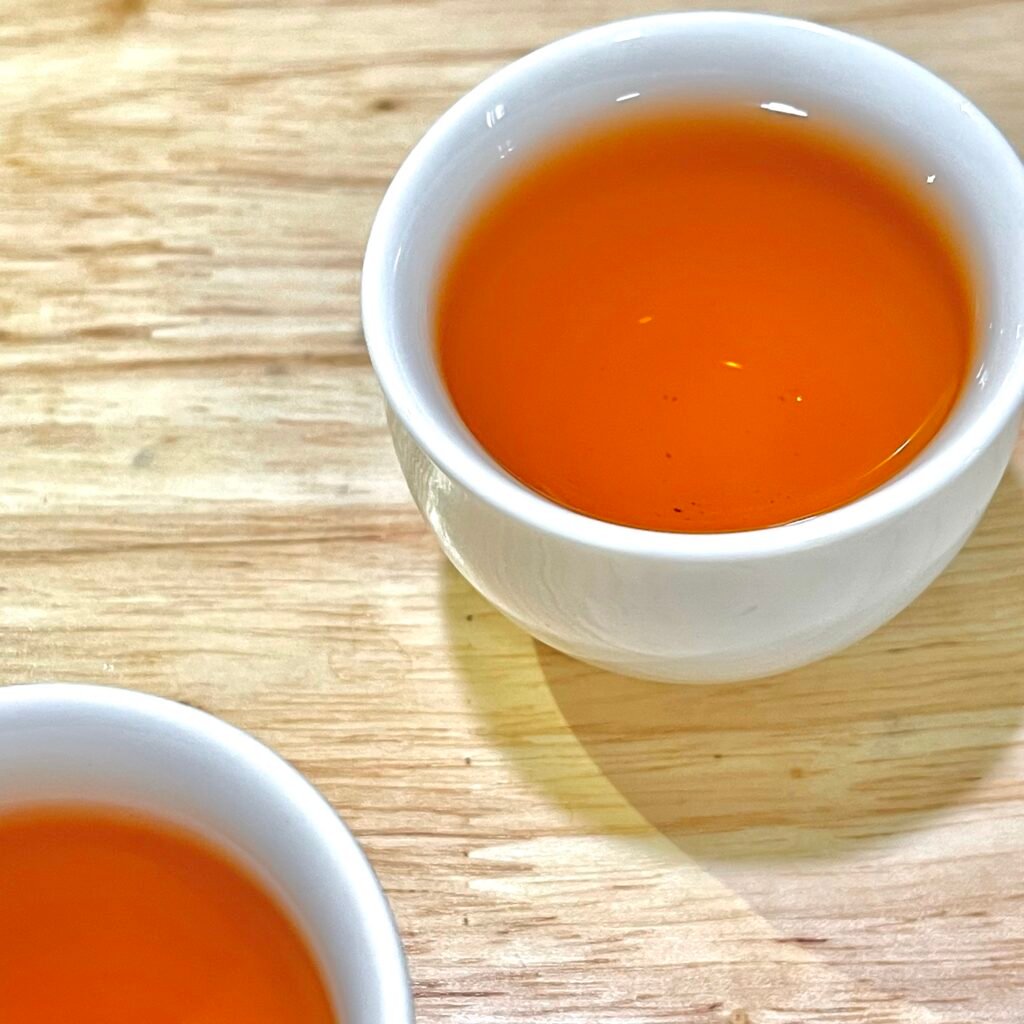
Liquor. The cup itself is golden-orange, clear, and slightly viscous. The flavor profile shifts across steepings:
- Steeps 1–2: dominant cinnamon, sweet, clean finish.
- Steeps 3–5: honey, ripe apricot, returning mineral note.
- Steeps 6–7: dried longan, roasted sweet potato, faint cocoa.
- Steeps 8–9: light, sweet, with a 15-second huigan (returning sweetness) on the tongue.
How Is Rougui Rock Tea Made?
Traditional Wuyi Rougui Rock Tea follows a six-step process that has barely changed since the Ming dynasty. The 2026 Spring harvest in Lingyang Pass ran from April 22 to May 6.
- Plucking. One bud with two to three partially-opened leaves, hand-picked between 10 a.m. and 3 p.m. only.
- Withering (萎凋). Sun-withered for 30–45 minutes, then indoor-withered for 6–8 hours until leaf moisture drops to ~60%.
- Bruising / Tossing (做青). Bamboo trays are tumbled every two hours for ~10 hours total. This drives the 60–70% oxidation unique to Rougui.
- Fixation (杀青). Pan-fired at 220 °C to halt oxidation and lock in aroma.
- Rolling. Hand-rolled into the signature thin, twisted strip shape.
- Charcoal Roasting (焙火). Two rounds over Longan wood charcoal at 120 °C — first round 6 hours, second round 4 hours, with a 7-day rest between rounds.
According to [the Chinese national standard GB/T 18745-2006 for Wuyi Rock Tea](/外链:GB/T 18745-2006 Wuyi Yancha national standard – std.samr.gov.cn), authentic Yan Cha must come from the protected Wuyishan region and meet strict roasting classifications. Our medium-light profile falls into the “轻焙” (light roast) sub-category.
Where Does Rougui Tea Come From?
All authentic Wuyi Rougui Rock Tea grows in the Wuyi Mountains UNESCO World Heritage Site in northern Fujian, China. The cliffs run along the Chongyangxi River and reach altitudes between 240 m and 1,500 m.
The 2026 Spring harvest came specifically from Lingyang Pass (岭阳关), a south-facing cliff at 3,937 ft (1,200 m). According to the UNESCO Wuyi Mountains World Heritage Centre, the combination of Danxia landform soil (red sandstone rich in iron and sulfur) and cool, misty mornings is what gives Rougui its signature mineral “rock” character.
Higher-altitude plots like Lingyang Pass produce slower-growing leaves with denser cell structure. A 2019 study published in the Journal of Agricultural and Food Chemistry found that high-elevation Wuyi teas show significantly higher theanine content and lower catechins — the chemistry behind the sweeter, smoother cup you taste.
How to Brew Rougui Rock Tea the Gongfu Way
We brewed this Rougui Rock Tea three different ways in our test kitchen. The Gongfu method below produced the clearest flavor. Use a Gongfu gaiwan or small Yixing teapot — the leaf-to-water ratio is much higher than Western brewing, which is why the 8.3 g single-serve pouch is so convenient.
Rougui Rock Tea Brewing Parameters:
| Parameter | Gongfu Style | Western Style |
|---|---|---|
| Leaf weight | 8.3 g (one full pouch) | 3 g |
| Vessel | 150 ml gaiwan | 500 ml pot |
| Water temp | 100 °C (boiling) | 95 °C |
| First rinse | 3 sec, discard | 5 sec, discard |
| Steep time | 10s / 12s / 15s / 20s / 25s | 2 min |
| Total steeps | 7–9 | 3–4 |
Step-by-step Gongfu brewing:
- Warm your gaiwan with boiling water. Discard.
- Add one full 8.3 g pouch of Rougui Rock Tea.
- Pour 100 °C water to the rim. Wait 3 seconds. Discard this rinse — it wakes the leaves.
- Refill to the rim. Start your timer for 10 seconds. Decant fully.
- Add 5–10 seconds per subsequent steep. The flavor compounds release gradually, so do not over-steep.
How Many Times Can You Steep Rougui Rock Tea?
A good Wuyi Rougui Rock Tea yields 7 to 9 steeps in a 150 ml gaiwan, and 3 to 4 steeps in a 500 ml Western pot. The flavor does not fade — it shifts. Steeps 1–2 are cinnamon-dominant, steeps 3–5 bring fruit and honey, steeps 6–9 fade into longan and sweet potato.
Throw the leaves away when the cup turns pale yellow and the aroma flattens to wet paper. Reusing leaves past that point only extracts tannins.
Is Rougui Rock Tea Good for Beginners?
Yes — and arguably one of the best entry points into Oolong tea.
Wuyi Rougui Rock Tea is forgiving because the medium-light charcoal roast rounds off any bitterness from oxidation. Beginners often describe it as “the Oolong that tastes like a cinnamon roll.” Heavily-roasted Da Hong Pao can overwhelm new drinkers; Rougui is softer and more aromatic.
If you’re new to Oolong, brew at 95 °C in a Western pot first. Skip the rinse. Use 3 g of leaf per 500 ml and steep for 2 minutes. Once you’re comfortable, graduate to the Gongfu method above.
Wuyi Rougui Rock Tea FAQs
Q1. Is Wuyi Rougui Rock Tea the same as “Cinnamon Tea” sold in supermarkets?
No. Most supermarket “cinnamon tea” is flavored black tea with added cinnamon bark or cinnamaldehyde oil. Authentic Rougui Rock Tea gets its cinnamon aroma naturally from the cultivar, with no flavorings added. Check the ingredient list — it should say only “Wuyi Rougui Oolong Tea.”
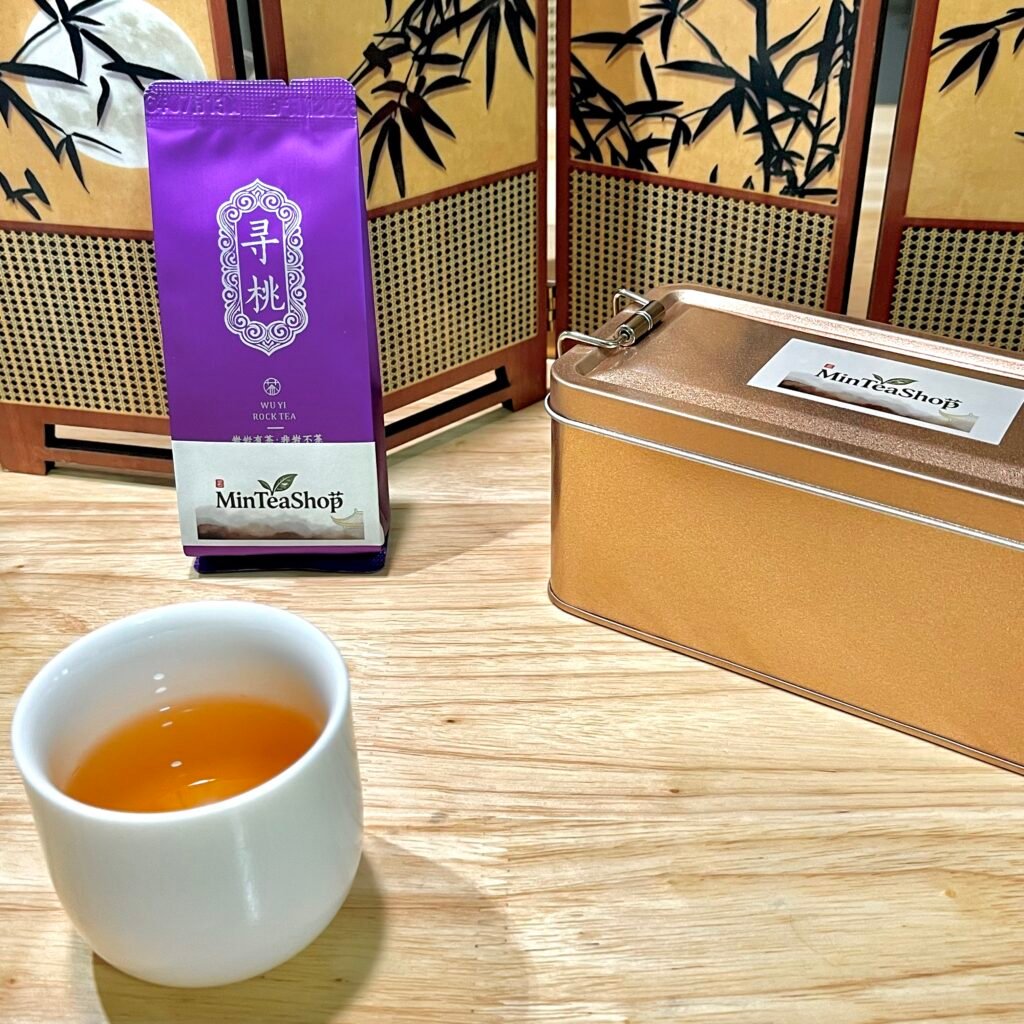
Q2. Why is this Rougui packaged in 0.29 oz (8.3 g) pouches instead of a bulk bag?
Wuyi Rock teas use a high leaf-to-water ratio for Gongfu brewing. The 8.3 g pouch provides the exact traditional measurement for a 150 ml gaiwan, keeps leaves fresh, and prevents the breakage that happens when air enters a half-used bulk bag.
Q3. Does Wuyi Rougui Rock Tea contain caffeine?
Yes — about 30 mg per 150 ml cup, roughly half the caffeine of a drip coffee. Sensitive drinkers should avoid it after 3 p.m.
Q4. How should I store Rougui Rock Tea after opening?
Thanks to Minteashop’s individual single-serve pouching, storage is completely hassle-free! Because every 0.29 oz (8.3g) serving is sealed in its own airtight pouch, you never have to worry about air or moisture degrading a large batch once opened.
Simply keep your sealed pouches in a cool, dry place away from direct sunlight, heat, and strong kitchen odors. There’s no need for refrigeration—each pouch remains perfectly protected and peak-fresh until the exact moment you are ready to brew.
Q5. Is Rougui Rock Tea suitable for people who don’t drink coffee? Often yes. Many coffee drinkers switch to Rougui for the energy lift without the jittery drop. The L-theanine content promotes a calmer focus, similar to matcha but without the grassy taste.
A Final Note
Whether you’re a seasoned tea drinker or just starting out, every order includes a free bonus: a sample of our everyday Wuyi Tea, alongside an extra variety sample to explore.
Pure, clean, and delicious, this is our go-to for daily sipping. But why include it?
For Experienced Tea Lovers: You might quickly realize that what other vendors market as “premium” is simply our everyday baseline. We cut the markup—never the quality.
For Beginners: It gives you a reliable reference point. Tasting it side-by-side with your main order lets you instantly recognize authentic Wuyi Rock Tea notes, so you’ll never overpay again.
If you’d like to try other authentic styles, explore our Wuyi Rock Tea Collection.
Additional information
| size | 3 Packs (0.88 oz), 6 Packs (1.76 oz), 18 Packs (5.27 oz), 30 Packs (8.78 oz), 60 Packs (17.57 oz) |
|---|
Related products
-

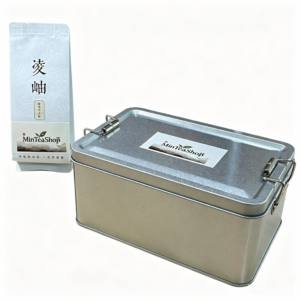
Wuyi Rock Oolong Tea: Best 2026 Matouyan
Price range: $23.90 through $299.90Select options This product has multiple variants. The options may be chosen on the product page -
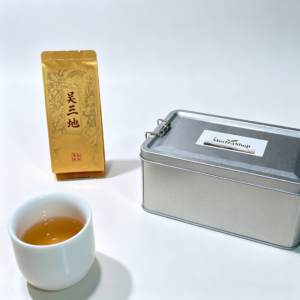
Wuyi Oolong Tea: Best 78-Year Old Tree Wu San Di 2026
Price range: $18.90 through $249.90Select options This product has multiple variants. The options may be chosen on the product page -
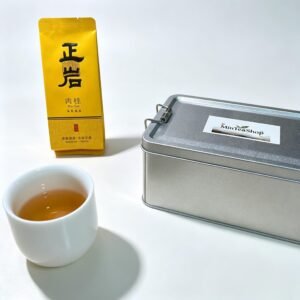
Rougui Oolong: Authentic & Rare Wuyi Zhengyan Yezhuke Rock Tea 2026
Price range: $9.90 through $139.90Select options This product has multiple variants. The options may be chosen on the product page -
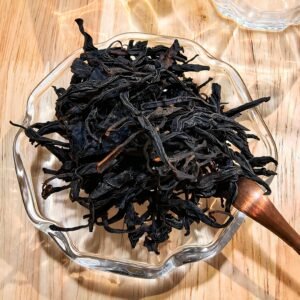
Jin Mu Dan | 2025 Shouning Floral Loose Leaf Oolong Tea
Price range: $9.90 through $46.90Select options This product has multiple variants. The options may be chosen on the product page
Reviews
There are no reviews yet.