
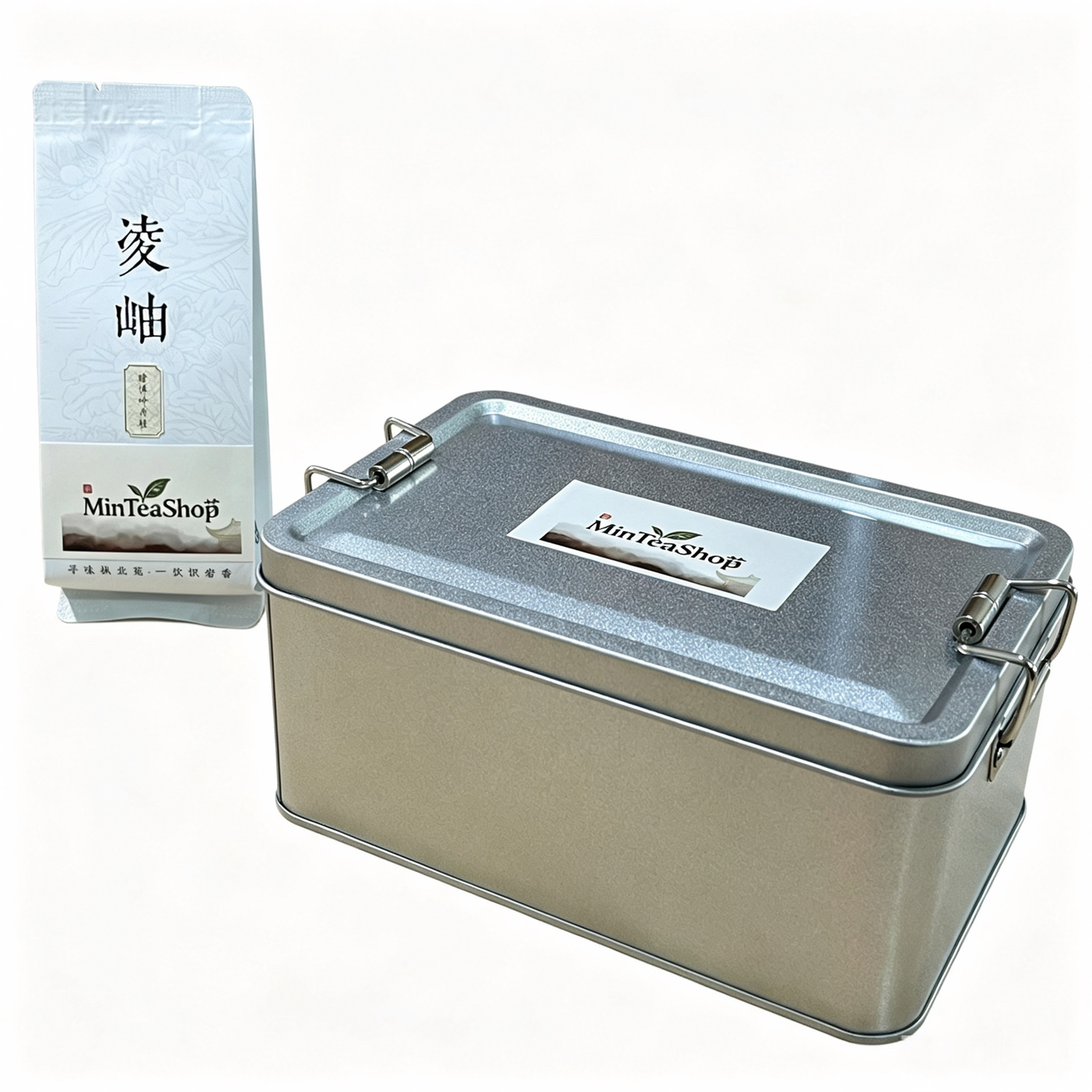
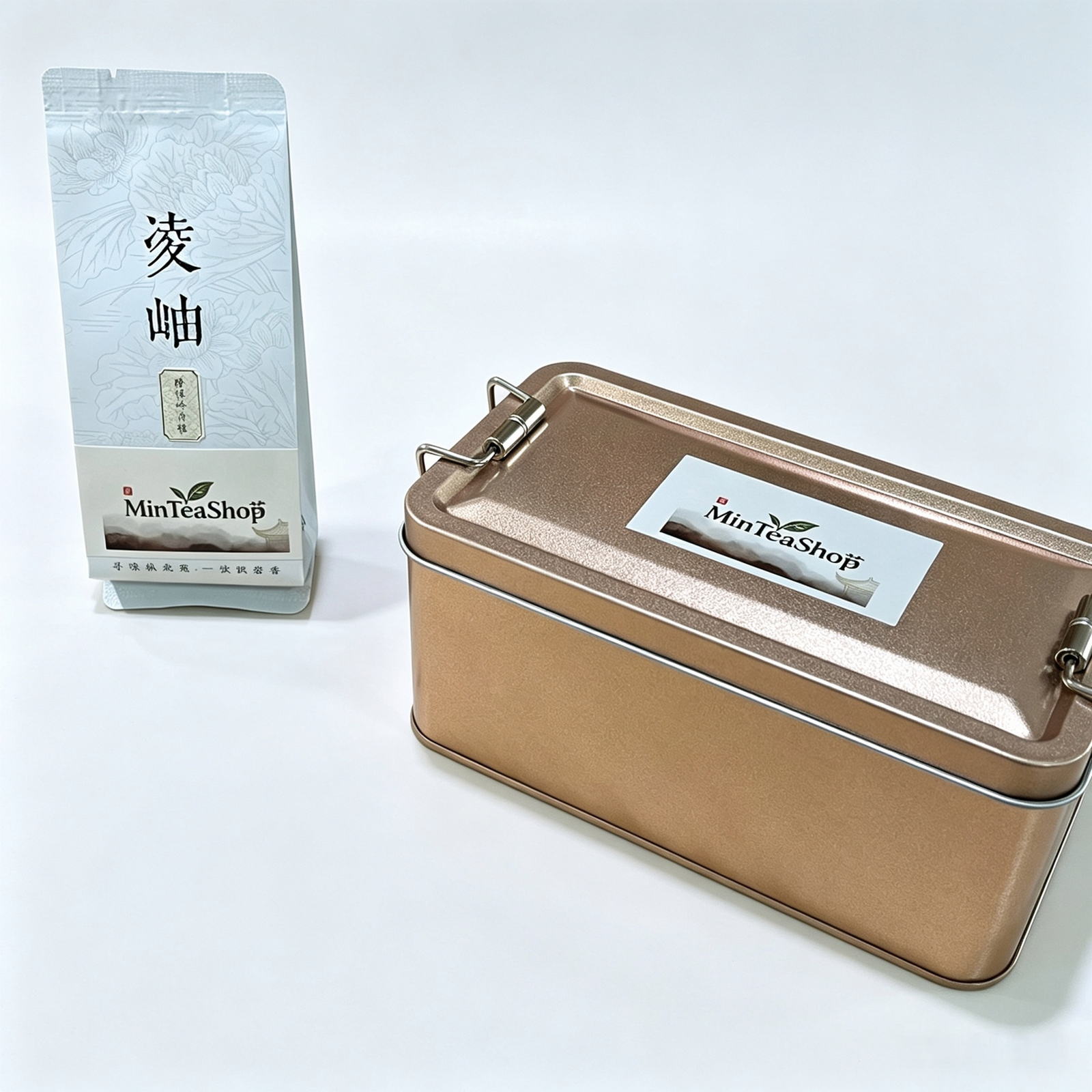
Wuyi Rock Oolong Tea: Best 2026 Matouyan
Price range: $23.90 through $299.90
Specifications at a Glance
Type: Premium Wuyi Rock Oolong Tea (Matouyan Duboling Single Terroir)
Origin: Duboling Micro-terroir, Matouyan, Zhengyan Core Region, Wuyishan, Fujian, China
Harvest: Spring 2026
Altitude: 1,150–1,475 ft (350–450 m)
Caffeine: Moderate
Sizes:
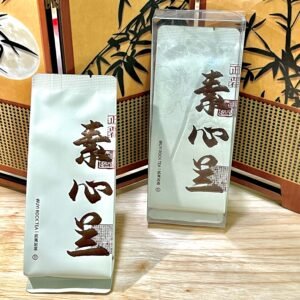
- 3 Packs — 0.88 oz (24.9g | 8.3g × 3)
- 6 Packs — 1.76 oz (49.8g | 8.3g × 6)
- 18 Packs — 5.27 oz (149.4g | 8.3g × 18)
- 30 Packs — 8.78 oz (249g | 8.3g × 30)
- 60 Packs — 17.57 oz (498g | 8.3g × 60)
Whether you’re new to Wuyi Rock Oolong Tea or a seasoned oolong enthusiast, experiencing authentic Matouyan Duboling Rougui is the ultimate way to explore true core Zhengyan character. From its sharp, penetrating cinnamon-bark aroma to its full-bodied mineral backbone, this single micro-terroir showcases traditional three-round charcoal roasting at its finest. Every order includes a complimentary bonus sample alongside your collection, so you can discover even deeper mineral nuances firsthand.
Description
Matouyan Duboling Rougui 2026 Buying Guide
If you’ve ever tried tea sold as Wuyi Rock Oolong Tea and felt the flavor fell short, you’re not alone.
The reason is simple: origin is everything.
True Wuyi Rock Tea gets its iconic flavor from the unique terroir of the Wuyi Mountains. However, teas from other regions are often processed in a similar style and sold under the same name, leaving buyers guessing what they’re actually drinking.
With MinteaShop, you don’t have to take origin on faith.
We own our tea gardens and processing facility in the heart of the Wuyi Mountains, managing quality from leaf to cup. By skipping flashy packaging and excess cost, we focus entirely on what matters most: the quality of the tea inside.
Most Wuyi rock teas look the same on a shelf. Twist-dried brown leaves, a generic “rock tea” label, and a price tag that swings wildly between $20 and $200.So how do you tell a true Zhengyan cinnamon lot from a mid-grade imposter — and is the 2026 Matouyan Duboling harvest actually worth the premium? In this buyer’s guide, we’ll walk through the cultivar’s background, why Duboling’s micro-terroir changes the cup, and how to brew it so each session pulls 8 to 12 satisfying infusions. By the end, you’ll know exactly what to look for before you click “add to cart.”
What Is Matouyan Duboling Rougui Wuyi Rock Oolong Tea?
Rougui (肉桂) is one of the flagship cultivars of Wuyi Yancha. The name literally means “cinnamon” in Mandarin, and refers to the warm-spice aroma the cultivar shows after charcoal finishing — not anything added to the leaf.
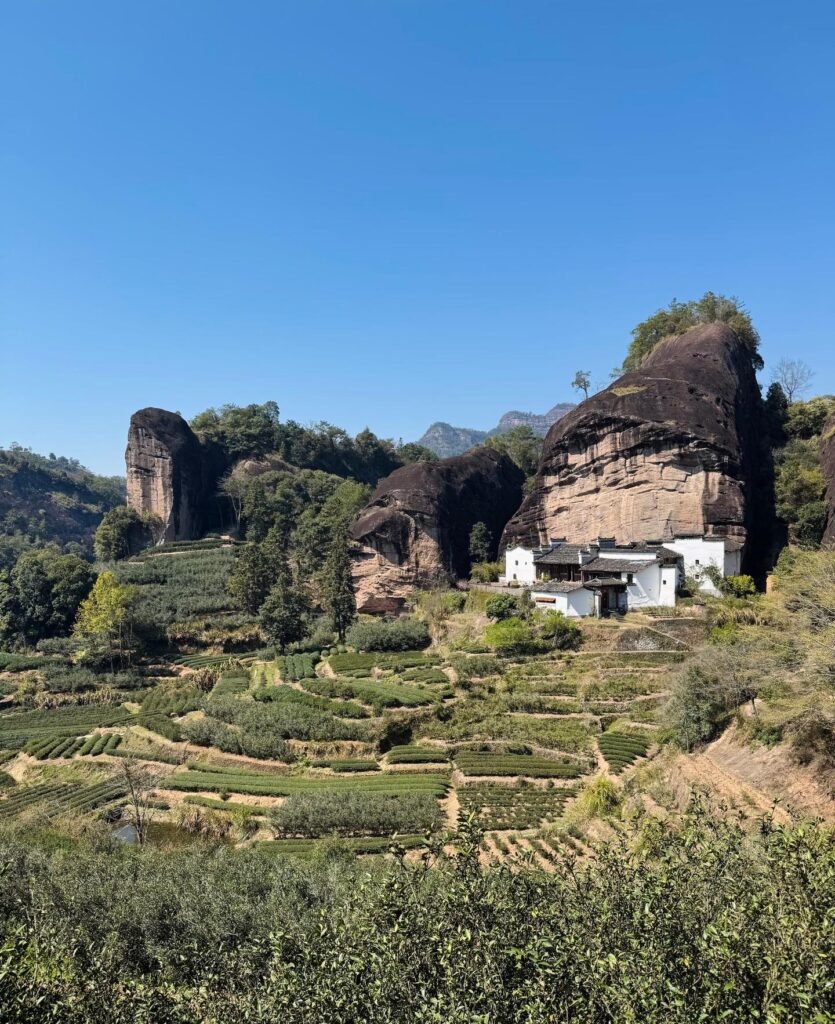
Matouyan is a village inside the protected Zhengyan core zone of Wuyishan—a protected UNESCO World Heritage landscape in northern Fujian. Duboling sits within Matouyan—a small, steep canyon naturally shielded to receive gentle morning sun and cool afternoon shade, with rocky soil laced with weathered volcanic minerals. Having walked the plot ourselves, we’ve watched master pickers balance carefully on ladders to reach bushes clinging to the cliff face.
The 2026 spring harvest came in small. Cool April weather slowed growth, which concentrated flavor in the leaf. Master roaster Lin finished the lot in three rounds of long charcoal firings over six weeks.
Why Does Charcoal Finishing Matter for Wuyi Oolong?
Many buyers assume rock tea gets its signature taste from the leaves themselves. In fact, the cultivar only provides raw material — the fire does the actual transformation. This is something even experienced drinkers get wrong, so let me be specific: a freshly picked and withered Rougui leaf smells grassy and harsh. Without heat treatment, it makes an undrinkable cup.
Traditional charcoal finishing happens in long, low-temperature sessions (60–90°C) inside a bamboo basket over smoldering longan wood. Each round can run 8–12 hours. Three rounds, spaced across weeks, develop the cinnamon-bark aroma and remove any green bite from the leaf. Skipping a round, or rushing with electric heat, leaves the cup flat or sharp.
A well-fired Rougui carries its heat signature in the aroma even when the liquor has cooled. You can often smell it across the room.
How Does Duboling Micro-Terroir Shape the Flavor?
Duboling’s specific mix of rocky soil, partial shade, and cooler air drainage produces a tea with sharper high notes and a longer mineral finish than Rougui from neighboring plots. In our 2025 side-by-side tastings of three Matouyan sub-zones, the Duboling samples consistently showed more cinnamon-bark aroma and less of the honeyed sweetness you find in lower-elevation Wuyi lots.
The cliff-face microclimate also stresses the bushes in a useful way. Slower growth concentrates the essential oils responsible for the cultivar’s signature fragrance.
Tasting Notes — What Does Duboling Rougui Actually Taste Like?
Skip the marketing copy. Here’s what the cup delivers, infusion by infusion:
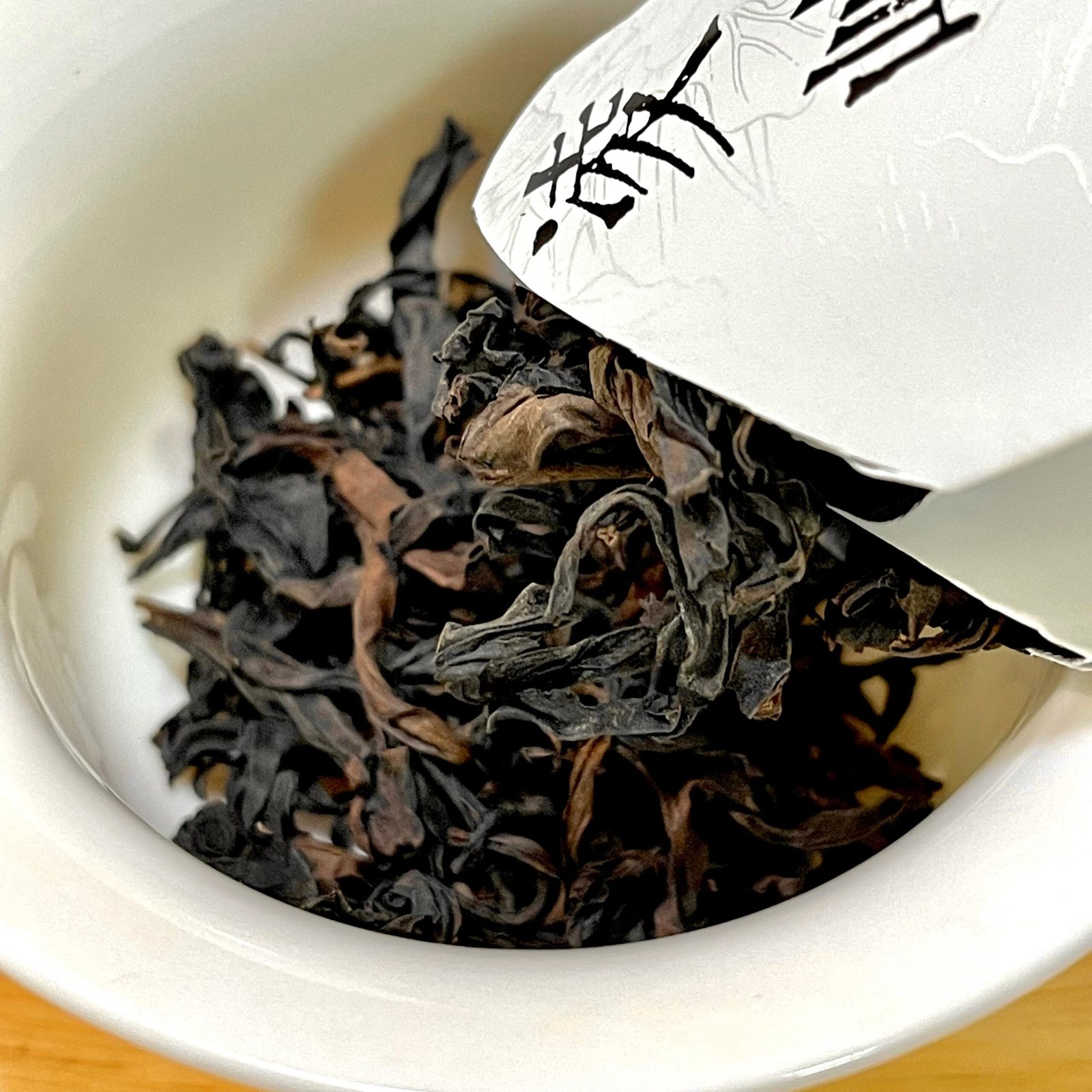
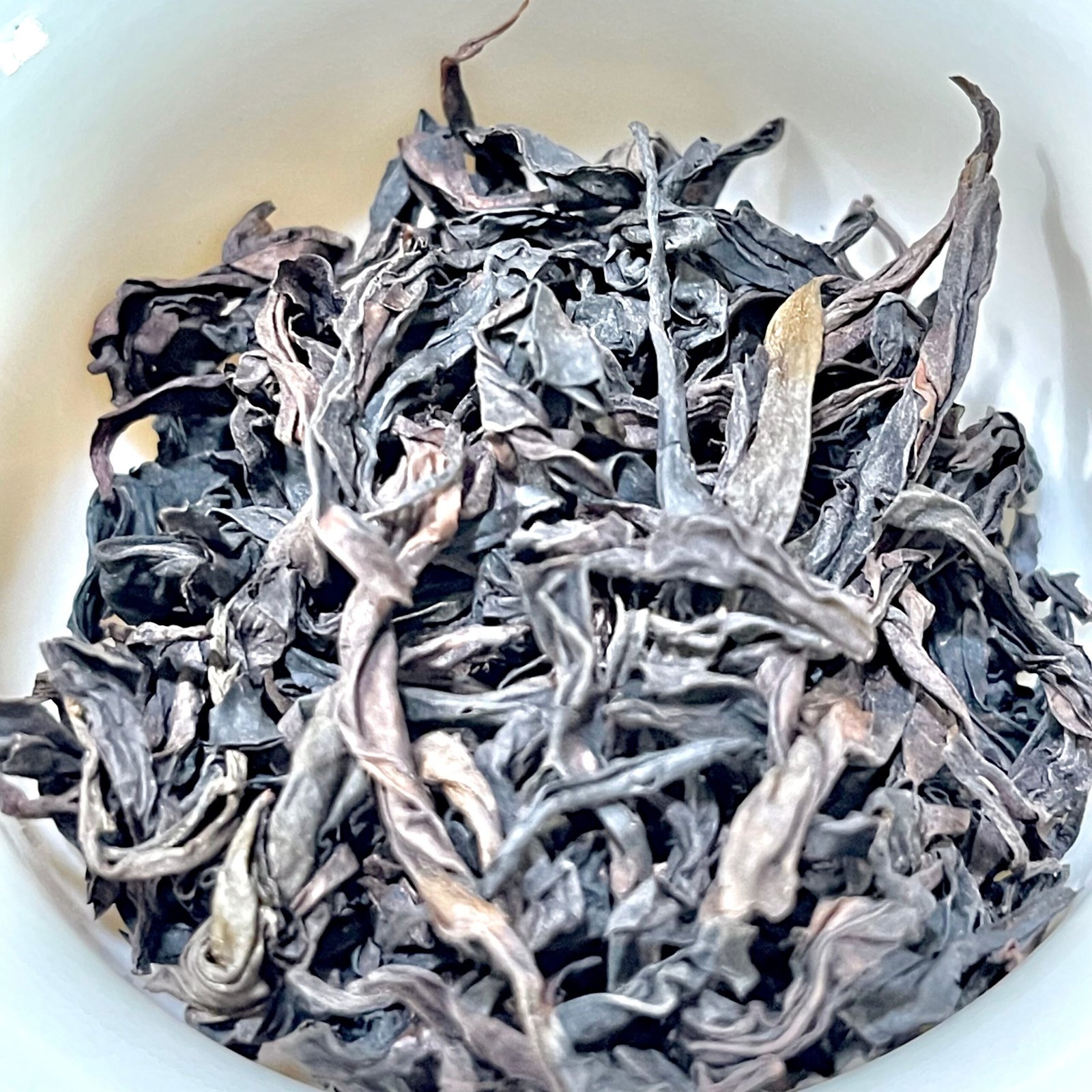
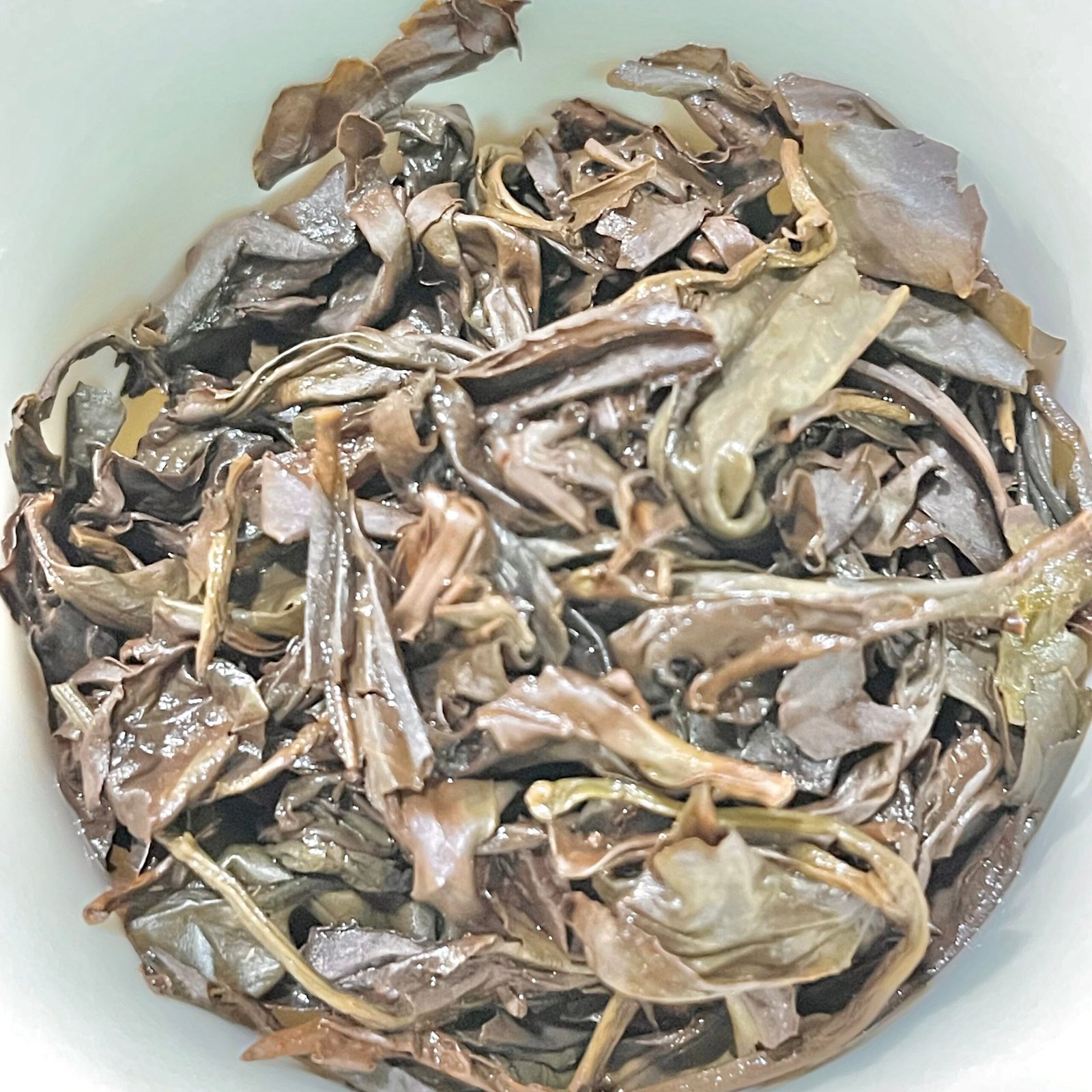
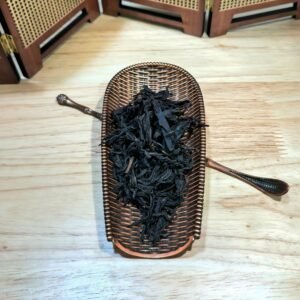
- Dry leaf: tightly rolled brown strips with a clear cinnamon-bark scent.
- First 3 infusions: sweet spice on the nose, full body, almost no astringency.
- Middle rounds (4–7): heat-treated stone fruit appears, finish turns mineral and clean.
- Final brews (8–12+): thinner body but a long, sweet aftertaste — the “hui gan” returning sweetness many Yancha drinkers chase.
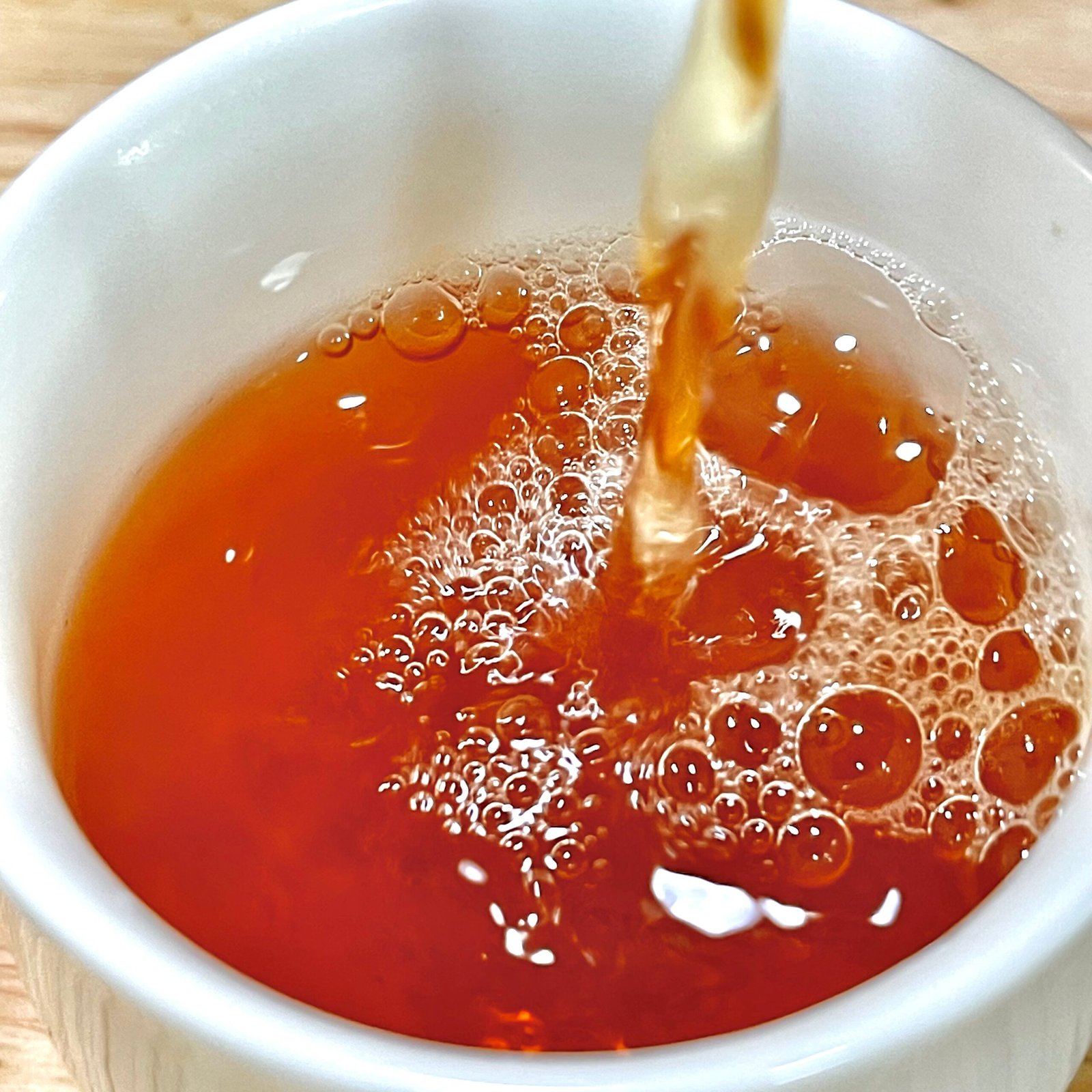
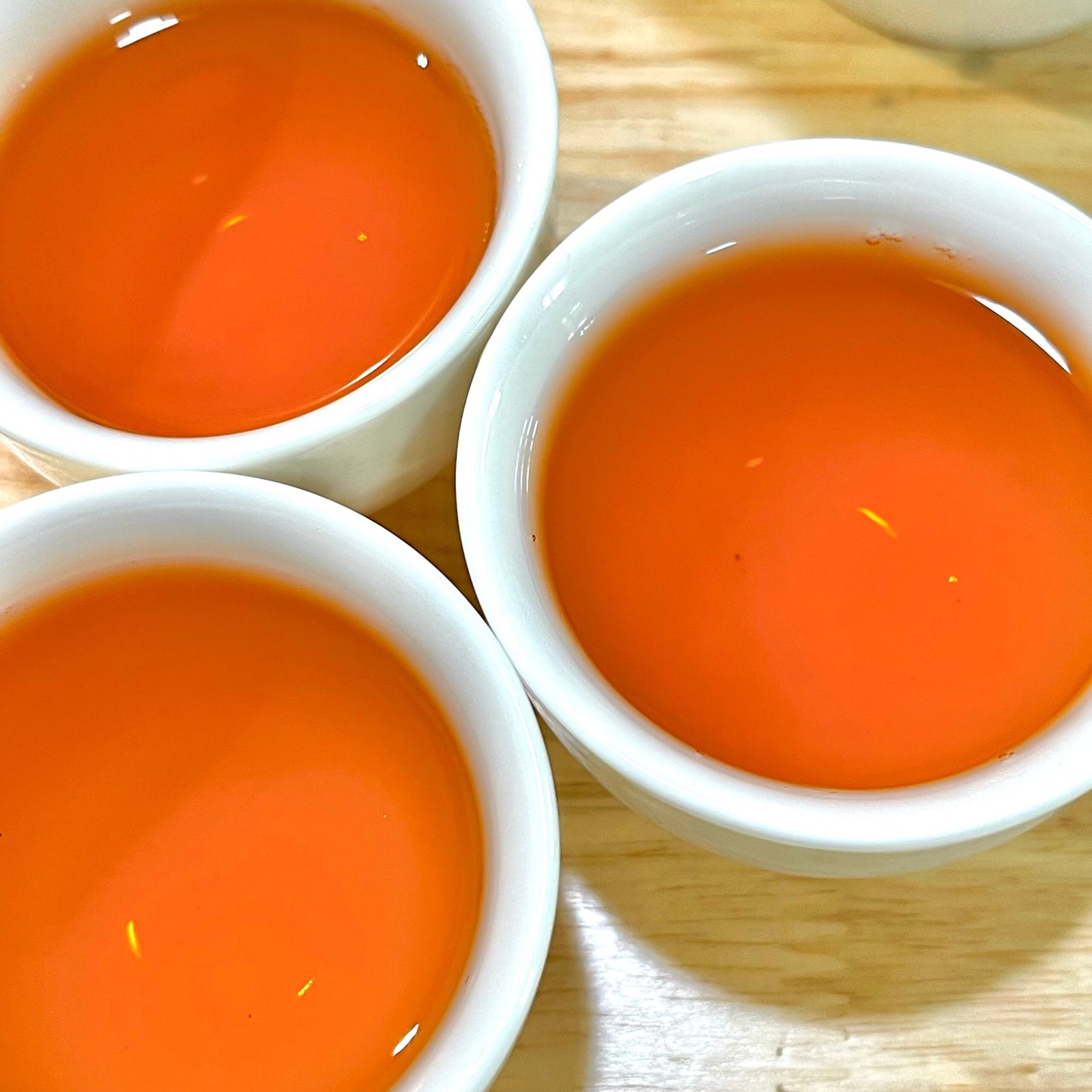
- Liquor color: deep amber, leaning toward brick red in the strongest cups.
If you’ve only tried supermarket “Wuyi blend” before, this is a different animal. The difference shows up around infusion 4, when supermarket lots fall flat and a proper Zhengyan cinnamon lot keeps opening up.
How to Brew Wuyi Rock Oolong Tea the Gongfu Way
Use a small vessel. The high leaf-to-water ratio is what gives gongfu its punch.
Step-by-Step Gongfu Method:
Warm up. Preheat your gaiwan and tasting cups with 212°F (100°C) boiling water. Discard the water.
Add tea. Drop in one pre-portioned 8.3g sachet.
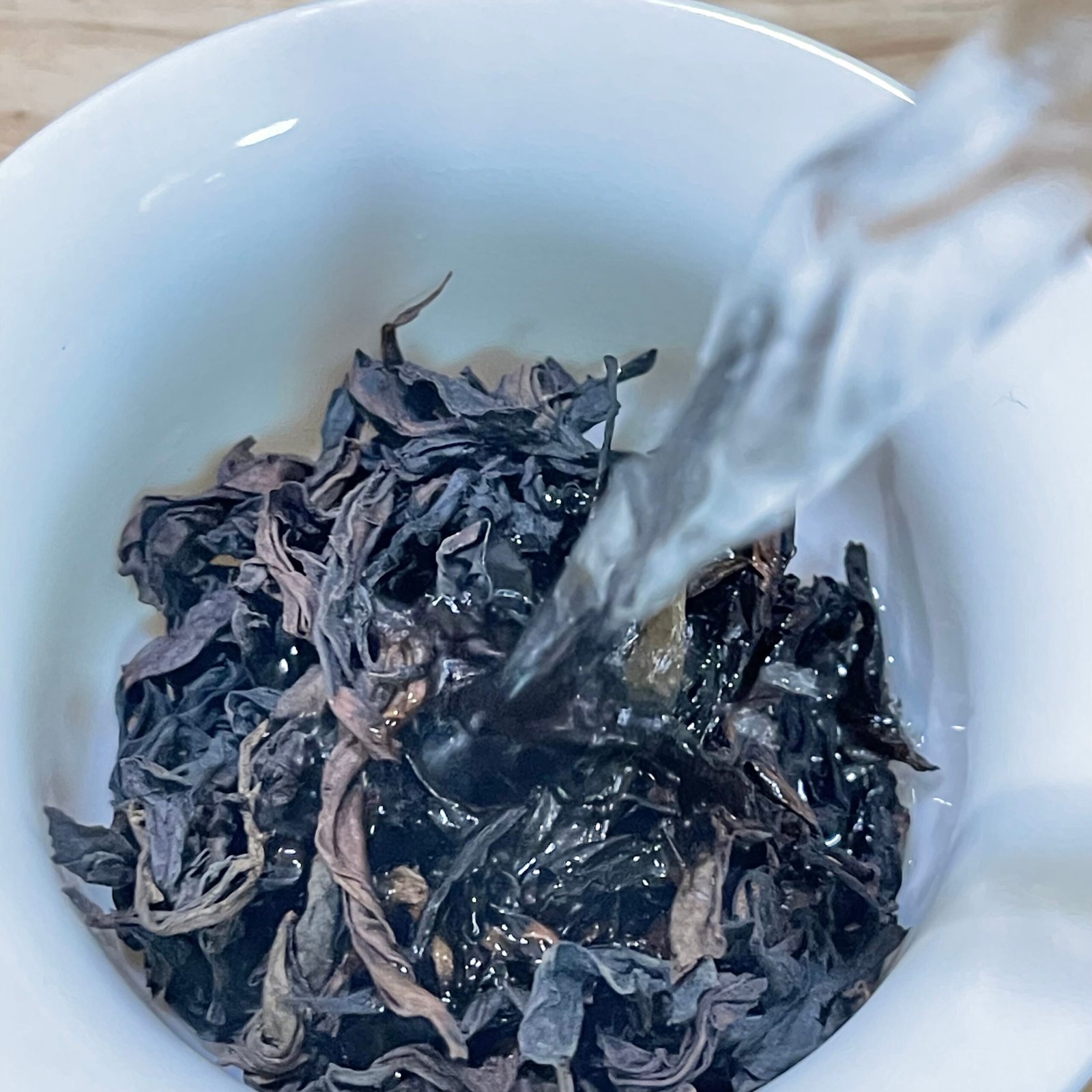
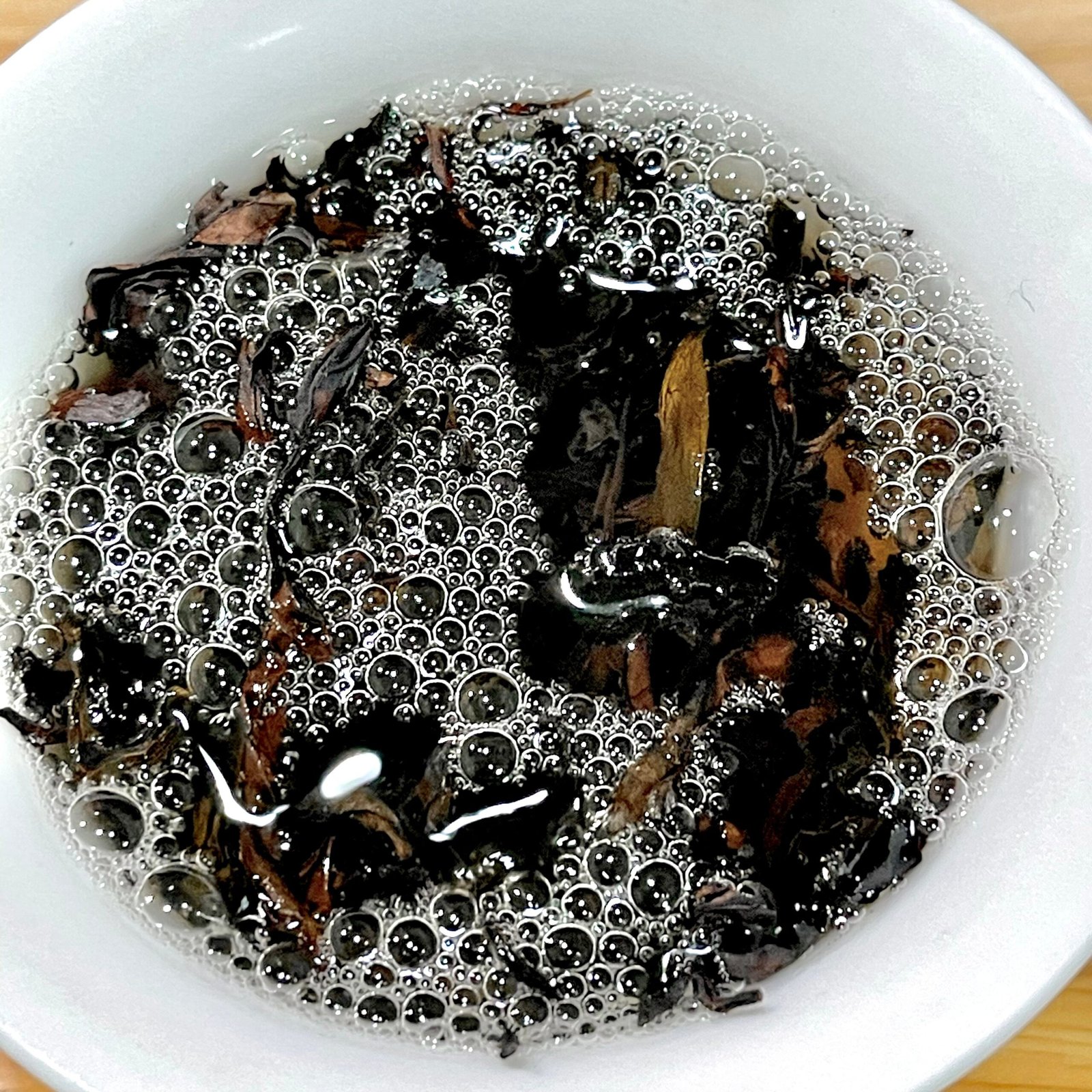
Rinse (Flash Rinse). Pour boiling water to the rim and decant immediately—do not steep. Discard the rinse to awaken the leaves.
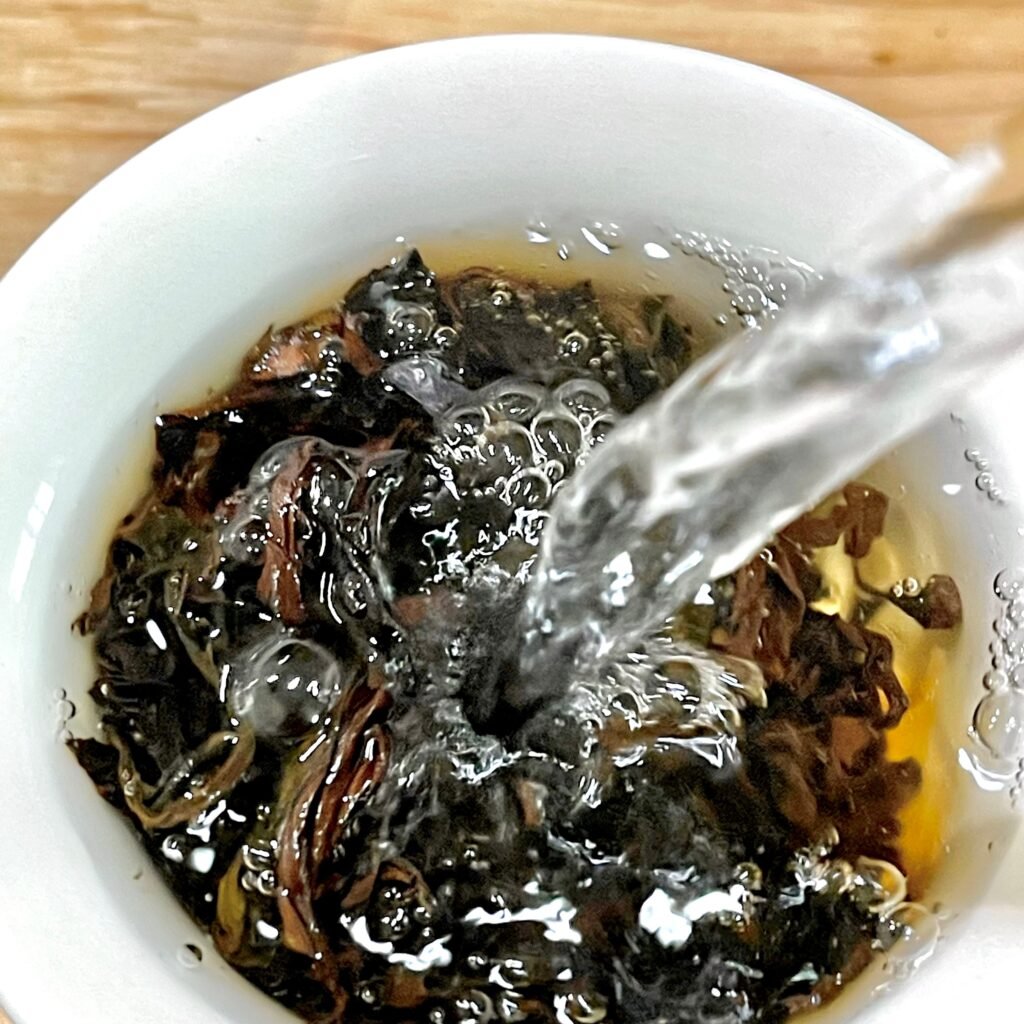
First 4 Steeps (Flash Infusions). Refill to the rim and decant immediately for steeps 1 through 4. High-grade Zhengyan leaves release rich flavor instantly without needing rest time.
Build (5th Steep Onward). Starting from the 5th steep, add 5–10 seconds to each subsequent steep to draw out the deeper mineral notes.
Stop. When the tea liquor turns pale golden yellow and the cinnamon aroma flattens.
Skip the rinse steep — Rougui is clean enough to drink from round one. If the liquor turns bitter around infusion 6, your water is probably too hot or your leaf dose too heavy.
How Many Times Can You Re-Steep Rougui Oolong?
A properly fired, well-stored Duboling cinnamon lot should give you 8 to 12 satisfying infusions. We’ve personally pushed single sessions to 15 brews on a 6 g dose in a 100 ml pot — but the body thins after round 10, and you’re left drinking the returning sweetness rather than a full cup.
If your Rougui gives up after 4 or 5 infusions, one of three things is wrong:
- Under-fired leaf — the roaster cut a round to save time.
- Old stock — Yancha loses vitality after 18–24 months, even when stored well.
- Water too cool — anything below 95°C starves the leaf.
What Is the Best Way to Store Wuyi Rock Oolong?
Rougui is one of the few teas that actually improves with short-term aging — but only if you store it right.
- Keep it sealed in its original foil pouch, or move it to a food-safe tin.
- Store in a cool, dark cupboard, away from spices and humidity.
- Avoid the fridge. Condensation will ruin the leaf in days.
- Use within 24 months for peak flavor. Beyond that, character fades, not improves.
Skip it if you prefer green-style oolongs (Tieguanyin, Dong Ding) or only drink from a teabag. This is a connoisseur’s leaf. For a softer entry into Wuyi Yancha, try our oolong tea starter set before committing to a full-size package.
FAQs About Matouyan Duboling Rougui Wuyi Yancha
What does “Rougui” actually mean? It means cinnamon in Mandarin. The name refers to the warm, woody aroma the cultivar shows after charcoal finishing — nothing is added to the leaf.
What does “Zhengyan” actually mean? Zhengyan (正岩) means “true rock” — it refers to tea grown inside the protected core zone of Wuyishan, roughly 70 square kilometers inside the UNESCO park boundary. Plots just outside this boundary are called Banyan (半岩), and plots further out are Waishan (外山). Zhengyan leaf commands a premium because the rocky mineral soil and microclimate are strongest there.
Why is Matouyan Duboling more expensive than other Wuyi teas? The plot is tiny, yields are low, and pickers must harvest by hand on cliff faces. The 2026 spring lot was less than 80 kg.
How can I tell if my Rougui is real Zhengyan? Check the dry leaf. Genuine Zhengyan Rougui feels heavy in the hand, shows tight and uniform rolling, and gives off a clear cinnamon-bark smell when you warm a small pinch in your palm. If the leaf is light, dusty, or smells like generic black tea, it’s likely from the outer Banyan area — still Wuyi, but a different (and cheaper) grade.
Is this tea suitable for beginners? Yes, if you don’t mind a bold cup. If you’ve only had floral oolongs, start with a smaller dose — 6 g instead of 8 g — and shorten your first steep to 5 seconds.
Should I rinse Rougui before the first infusion? A short rinse is fine but not required. Rougui is fully oxidized and heat-treated, so it doesn’t carry the dusty residue some greener oolongs do. If you do rinse, use 3–4 seconds of boiling water and discard.
How does this Rougui differ from Shui Xian? Rougui is spicy and sharp. Shui Xian is rounder, with more stone-fruit sweetness. They share the same mountains but taste like different beverages.
Can I drink this tea every day? Yes. Roasted Yancha has roughly 30–40 mg of caffeine per 150 ml cup — about the same as other oolongs and slightly less than green tea. Most drinkers find it gentler on the stomach than raw or green teas. Just don’t brew a strong cup past bedtime.
How long does opened Rougui stay fresh? Once opened, a foil pouch stays fresh for 4–6 weeks if you reseal it tightly after each session. After 8 weeks the cinnamon aroma fades noticeably. For larger amounts, decant into smaller tins so each one stays sealed until you need it.
Why does my brewed Rougui taste bitter? Three common causes: water held too long on the leaf, dose too heavy for your vessel, or under-fired leaf that hasn’t been smoothed out by proper aging. Cut your steep time in half and try again. If bitterness persists across multiple infusions, the leaf itself may be the problem.
Can I cold brew Rougui instead? You can, but you won’t get the signature cinnamon aroma. Cold water doesn’t pull the heat-treated oils that define this cultivar. Stick with hot gongfu for the full cup. Cold brew works much better for greener oolongs like Tieguanyin.
How much should a first-time buyer order? Start with 25 g or 50 g. At 8 g per session, that’s 3–6 gongfu sessions — enough to learn whether you enjoy the cultivar before committing to a 250 g tin. Most regular Yancha drinkers reorder 100–250 g every 3–4 months.
Is Wuyi rock tea the same as Iron Goddess of Mercy? No. Iron Goddess (Tieguanyin) is a different cultivar from Anxi in southern Fujian — greener, more floral, less oxidized. Wuyi Yancha is a separate family entirely. They share a province but almost nothing else.
A Final Note
Whether you’re a seasoned tea drinker or just starting out, every order includes a free bonus: a sample of our everyday Wuyi Tea, alongside an extra variety sample to explore.
Pure, clean, and delicious, this is our go-to for daily sipping. But why include it?
For Experienced Tea Lovers: You might quickly realize that what other vendors market as “premium” is simply our everyday baseline. We cut the markup—never the quality.
For Beginners: It gives you a reliable reference point. Tasting it side-by-side with your main order lets you instantly recognize authentic Wuyi Rock Tea notes, so you’ll never overpay again.
If you’d like to try other authentic styles, explore our Wuyi Rock Tea Collection.
Additional information
| size | 3 Packs (0.88 oz), 6 Packs (1.76 oz), 18 Packs (5.27 oz), 30 Packs (8.78 oz), 60 Packs (17.57 oz) |
|---|
Related products
-

Zhengyan Da Hong Pao: 2026 Buyer’s Guide to Big Red Robe
Price range: $23.90 through $299.90Select options This product has multiple variants. The options may be chosen on the product page -
Pure Su Xin Lan Rock Tea | Authentic High Mountain Oolong 2026
Price range: $9.90 through $106.90Select options This product has multiple variants. The options may be chosen on the product page -
Jin Mu Dan | Best Premium 2025 Floral Oolong Tea
Price range: $9.90 through $46.90Select options This product has multiple variants. The options may be chosen on the product page -
Jin Jun Mei | 2026 Spring Authentic High Mountain Honey Sweet Loose Leaf Black Tea
Price range: $19.90 through $190.90Select options This product has multiple variants. The options may be chosen on the product page
Reviews
There are no reviews yet.