
Pu-erh Buying: Price, Fraud and What You Can Check
Pu-erh buying is the hardest purchase in tea, and the difficulty is structural. The two attributes that drive price — vintage and mountain — are both claims that cannot be verified from the product, and the market has a documented history of getting them wrong.
This page covers what drives price, how the fraud works, what you can actually check, and what direct sourcing changes about the calculation.
Table of Contents
Pu-erh Buying: What Drives the Price
Four factors set pu-erh prices, and only one of them is on the wrapper.
Raw material. Mountain and tree age are the largest inputs. Reported spring material prices put Iceland’s old-tree leaf at roughly 22,000 to 95,000 yuan per kilogram and Lao Banzhang old-tree material at roughly 12,000 to 25,000, against tens to hundreds of yuan per kilogram for terrace tea. Those are media figures rather than an official index, and the spread is real.
Age. Old raw cakes command premiums because time cannot be manufactured. But age is a claim, and a wrapper date is not evidence.
Fermentation quality. A well-managed pile produces a clean ripe cake; a badly managed one produces a cake that tastes of the failure. This costs the producer real money and is invisible from outside.
Provenance and brand. Factory marks carry market weight, which is why counterfeiting concentrates there.
What does not drive price is the grade, because pressed pu-erh tea has no grades under the standard.
Pu-erh Buying and How the Fraud Works
Four practices are well documented in the trade.
Vintage inflation. A cake is printed with an older year than it has. Wrappers are printed before the tea is made and are often reprinted later, so a printed date is a claim rather than a record.
Accelerated ageing. Tea is stored in deliberately humid conditions, sometimes with heat, to darken it quickly and imitate age. The result can look convincing and taste of a cellar.
Mountain substitution. Terrace tea is sold as old-tree tea from a famous mountain. Industry estimates suggest the volume of tea sold under famous mountain names greatly exceeds what those mountains produce, though the figures are self-reported rather than audited.
Wet storage presented as dry. A humid-stored cake is relabelled as dry-stored because the market pays more for dry storage, even though many drinkers prefer the humid style.
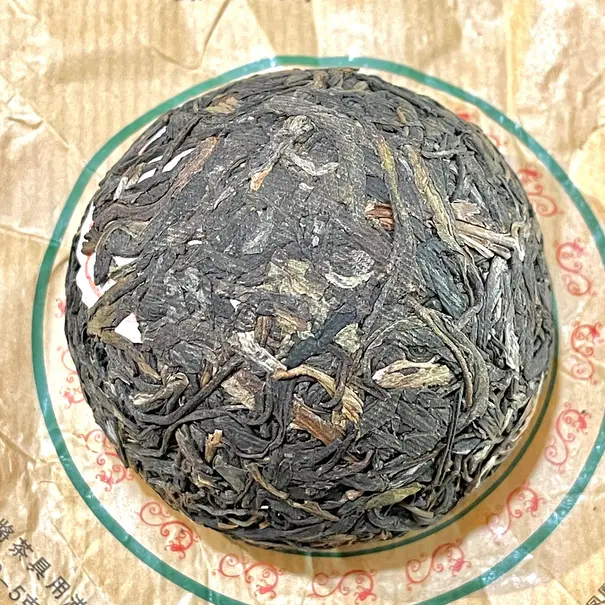
Pu-erh Buying: What You Can Actually Check
You cannot verify a mountain from a cup. You can check a surprising amount about storage, processing and honesty.
| Claim | How to test it |
|---|---|
| Storage quality | Smell the dry cake: wood, dried fruit, camphor, old paper. Cellar, damp or ammonia means trouble. |
| Storage consistency | Brew and look at the liquor: clear and bright for well-stored tea, cloudy or dull for poorly stored. |
| Processing | Taste the finish: a clean cake finishes sweet and long; a badly fermented one finishes sour or fishy. |
| Age | Compare the edge and the centre of the cake. Genuine age shows as a difference between them. |
| Mountain | Not testable from the cup. This is the claim that rests entirely on the seller. |
The pattern is that everything except the mountain claim has a sensory test. That is why the sourcing relationship matters more here than the description on the page.
What Direct Sourcing Changes in Pu-erh Buying
Pu-erh buying in the West usually involves at least two intermediaries: a producer, a domestic distributor and an importer. Each adds margin and each loses information.
Buying direct from the producer collapses that chain, and it changes three things.
Price. A cake that costs a fraction of the retail price is not necessarily suspicious if it came straight from the factory. The comparison that matters is against the producer’s price, not against the auction record for a famous mountain.
Information. A direct relationship is how you find out which garden the leaf came from, which year it was pressed and where it was stored. A distributor cannot supply that.
Accountability. A producer who sells to you directly has a relationship to protect. A wrapper does not.
That does not make a cheap famous-mountain cake automatically genuine. It makes the question answerable in a way that a retail listing does not.
Four Questions Worth Asking
Which garden and which year? A producer who knows their tea can answer. Vagueness is a signal.
Where was it stored, and for how long? Storage history is the single largest driver of what an old cake tastes like, and it is the question buyers ask least.
Is this raw or ripe, and pressed when? A ripe tea pressed last year and a raw tea pressed in 2003 are completely different products, and the year means different things for each.
What does the price reflect? A producer selling a famous mountain at a low price should be able to explain why — direct sourcing, an unusual lot, a smaller format. An explanation that makes sense is worth more than a certificate.
Where to Start
Three practical starting points for anyone new to pu-erh buying.
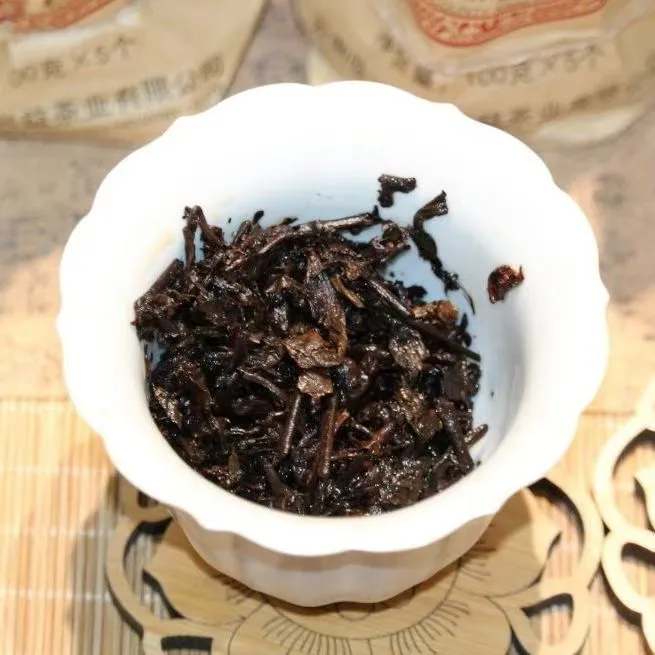
Buy small formats first. A 100 g tuo cha lets you taste a producer’s work without committing to a cake. Most pu-erh sold in tuo cha is decent rather than exceptional, but it tells you whether the producer’s fermentation is clean.
Buy both types before buying age. Compare a young raw and a ripe cake from the same source. That single comparison teaches you more about the category than any amount of reading, and it costs less than one aged cake.
Do not buy age as a first purchase. Old tea is expensive, variable and unverifiable, and a beginner cannot tell a well-stored twenty-year cake from a badly stored ten-year one. Learn the category first.
Raw vs ripe pu-erh covers the comparison, and pu-erh aging covers what storage does.
Why Pu-erh Buying Is Shaped by 2007
Pu-erh buying today happens in the shadow of a bubble, and knowing about it explains a lot of current behaviour.
In April 2007 the market collapsed. The benchmark Dayi 7542 recipe fell from roughly 22,000 to 23,000 yuan per case to about 11,000 within six weeks, and the wider market dropped 20 to 50 percent. Industry estimates put the value destroyed at 200 to 340 million yuan, and many dealers failed.
The cause was speculation on aged tea that had outrun supply and demand. The consequence is a market that still prices on narrative and still carries a premium for vintage claims, even though the last crash demonstrated how weakly those claims are grounded.
The lesson for a buyer is not that pu-erh tea is a bad purchase. It is that the price of a cake is a statement about the tea’s story, and the story is the least verifiable part.
Buying by Format
Pu-erh buying starts with a format question, and the format you choose should match how much you want to commit.
A 100 g tuo cha is the cheapest way to assess a producer. It is a single unit, needs no breaking skill, and tells you whether the fermentation is clean. Most tuo cha is blended rather than single-garden, so treat it as a sample of the producer rather than of a mountain.
A brick gives more tea at a lower unit price than a cake and breaks into manageable pieces. Bricks carry less presentation premium, which makes them the value format for ripe tea.
A 357 g cake is what the market expects and what holds resale value. It also commits you to a large amount of a tea you have not tasted, which is a real risk for a first purchase.
For a first pu-erh buying decision, two tuo cha of different types — one raw, one ripe — will teach you more than one cake, and cost less.
Buying With Storage in Mind
Where you will keep the tea is part of the pu-erh buying decision, and buyers often leave it until after they have spent the money.
A cake needs a place that is dark, ventilated, free of strong smells and stable in humidity. Most homes have such a place. What most homes do not have is a controlled environment, and a tea bought to age for fifteen years in an uncontrolled one may not end up where the buyer expected.
The practical implication is to buy for the next few years rather than for a decade. A tea you will drink in three years needs only reasonable storage; a tea you intend to hold for twenty needs a plan.
Pu-erh aging covers the water activity range and what happens outside it.
Reading a Price
A pu-erh price is a claim, and it can be read the way you read any other claim — by asking what it would have to be true for.
A very low price for a famous mountain requires an explanation. Direct sourcing, a small format, a lower grade within the same garden, or a blended cake that includes a little of the named material are all legitimate explanations. No explanation at all is not.
A very high price for an old cake requires provenance. Storage history, the factory record and the seller’s track record are the evidence, and a wrapper is not.
A mid-range price for an ordinary cake is usually just a fair price. Most pu-erh buying happens here, and it is where the category is easiest to navigate.
What price cannot tell you is whether you will like the tea. That requires tasting, which is why small formats matter.
Frequently Asked Questions
Why is some pu-erh tea so expensive?
Mountain, tree age, vintage and provenance. Reported spring prices put famous old-tree material at 12,000 to 95,000 yuan per kilogram against tens to hundreds for terrace tea.
How can I tell if a pu-erh cake is genuine?
You can check storage, processing and consistency from the cup. You cannot verify a mountain claim from the cup, which is why the seller relationship matters more than the wrapper.
Is cheap pu-erh tea bad?
Not necessarily. Direct sourcing removes intermediaries, and a low price can reflect the supply chain rather than the tea. The comparison that matters is against the producer’s price.
Should I buy aged pu-erh tea as a first purchase?
No. Old tea is expensive and unverifiable, and a beginner cannot distinguish a well-stored twenty-year cake from a badly stored ten-year one.
What is vintage inflation?
Printing an older year on a cake than it has. Wrappers are printed ahead of production and often reprinted, so a printed date is a claim rather than a record.
Does direct sourcing guarantee authenticity?
It does not guarantee anything, but it makes the question answerable. A producer who sells directly has a relationship to protect and information to share.
Shop the pu-erh teas in this guide
Sold from our own stock. Every listing states the year, the region and the storage.
- 2023 Phoenix Mountain raw tuocha, $19.90
- 2021 Lincang ripe tuocha, $19.90
Or browse the full pu-erh collection.
Related Reading
the category as a whole, raw versus ripe, what storage does and format and price, and the six mountains and what they mean.
The overall shape of pu-erh buying advice is simple: buy small, taste before committing, ask questions a seller can actually answer, and treat any claim that cannot be tested as a story rather than a fact. The tea is good enough that none of that requires cynicism, only patience.
None of this makes pu-erh buying harder than buying any other tea, only different. The category asks you to trust a person rather than a label, which is uncomfortable for buyers used to certificates and reassuring for buyers who have found a producer they can talk to.
The geographical indication and its protected area are administered under China’s National Intellectual Property Administration. The product standard is on the national standards platform.
Sources & References
Standards
Standard text and dates are published on China’s national standards platform: openstd.samr.gov.cn.
- GB/T 22111-2008 — Geographical indication product: Pu-erh tea. Protected area of 11 prefectures and 75 counties; pressed tea is not graded.
Industry Data
- Reported 2024 spring material prices: Iceland old-tree approximately 22,000–95,000 yuan/kg; Lao Banzhang old-tree approximately 12,000–25,000 yuan/kg; terrace material tens to hundreds of yuan/kg. These are media and trade figures rather than an official index.
- April 2007 market correction: Dayi 7542 fell from roughly 22,000–23,000 yuan per case to about 11,000 within six weeks; market-wide decline of 20–50 percent; estimated value destroyed 200–340 million yuan.
What this page does not claim
We do not claim any mountain claim can be verified from the cup, that cheap tea is inferior or that expensive tea is genuine. Where a figure is a trade estimate rather than an official index, the page says so.
