2023 Phoenix Mountain Raw Puerh Tuocha – Best Premium Review
$19.90
Quick Facts
Tea Type: Raw Pu-erh Tea (Sheng Pu-erh / 3-Year Aged)
Harvest: Spring 2023
Origin: Phoenix Mountain, Nanjian County, Dali Prefecture, Yunnan, China
Elevation: Approx. 5,905–7,218 ft (1,800–2,200 m)
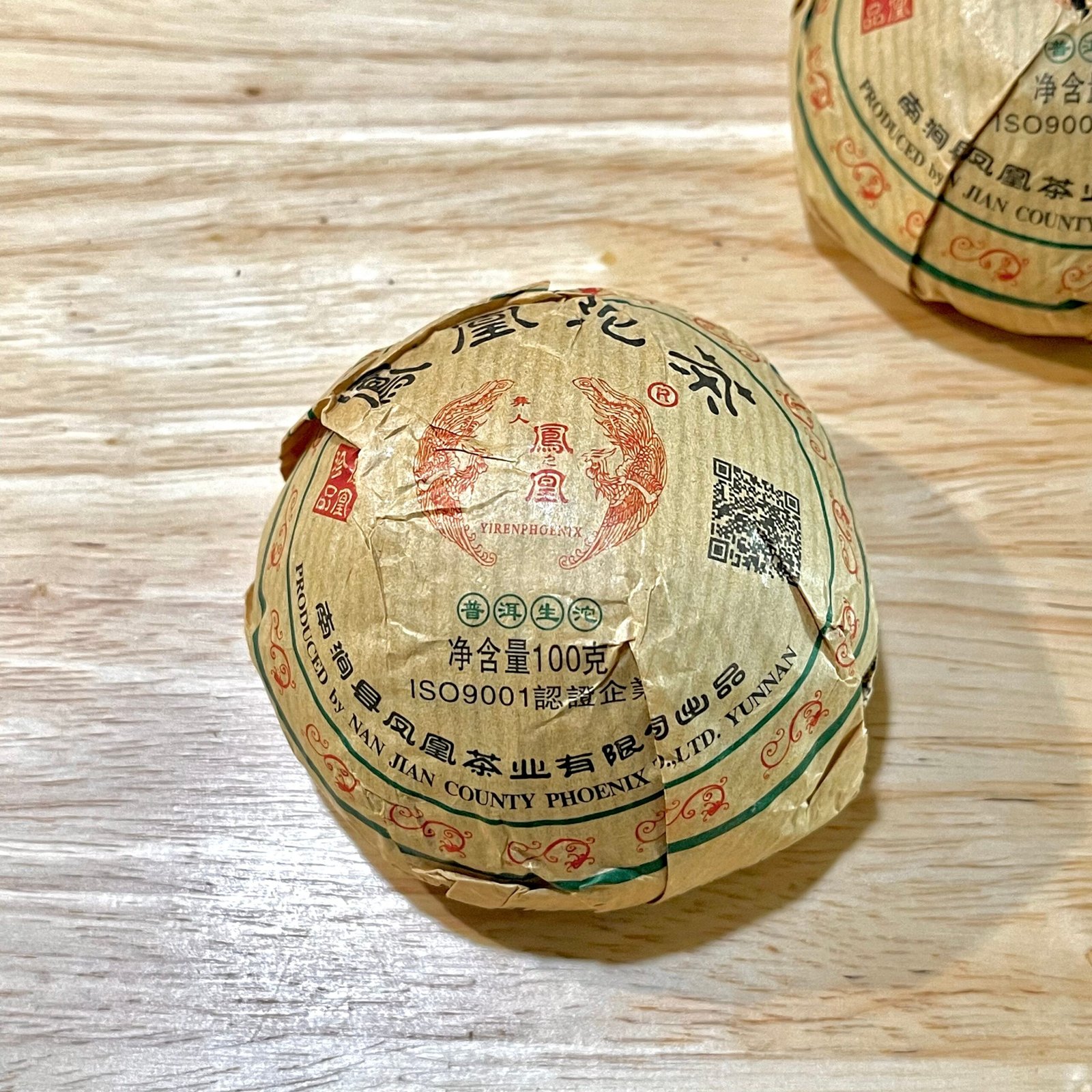
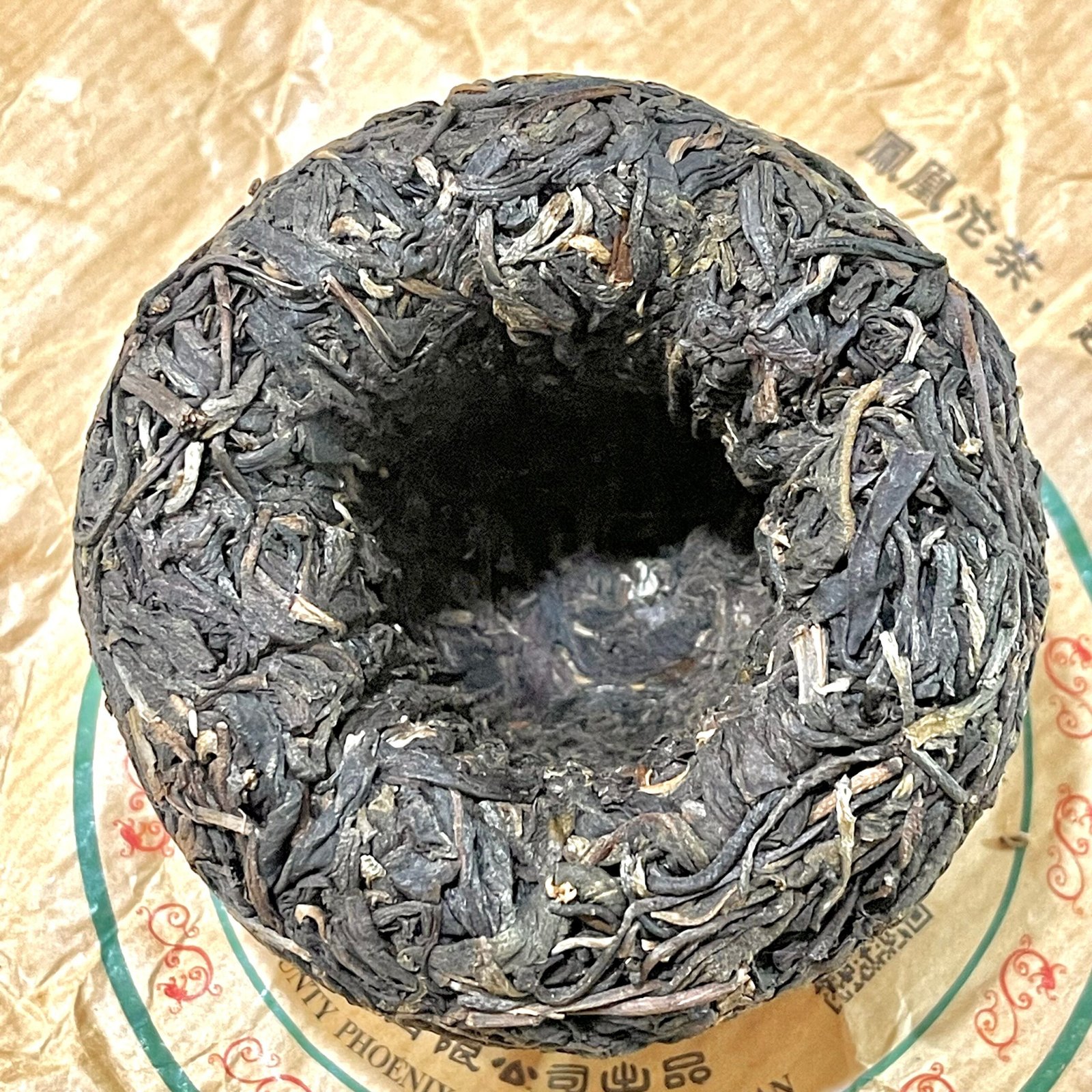
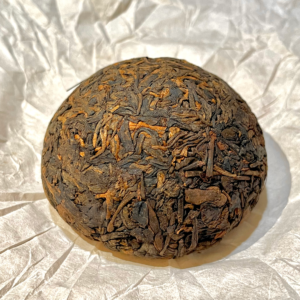
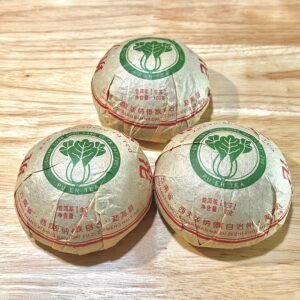
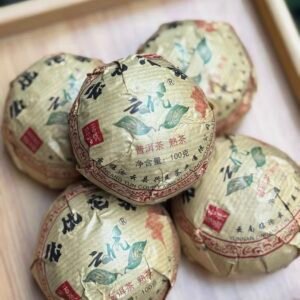
Compression Style: 3.5 oz (100g) Tuo Cha (Bird’s Nest)
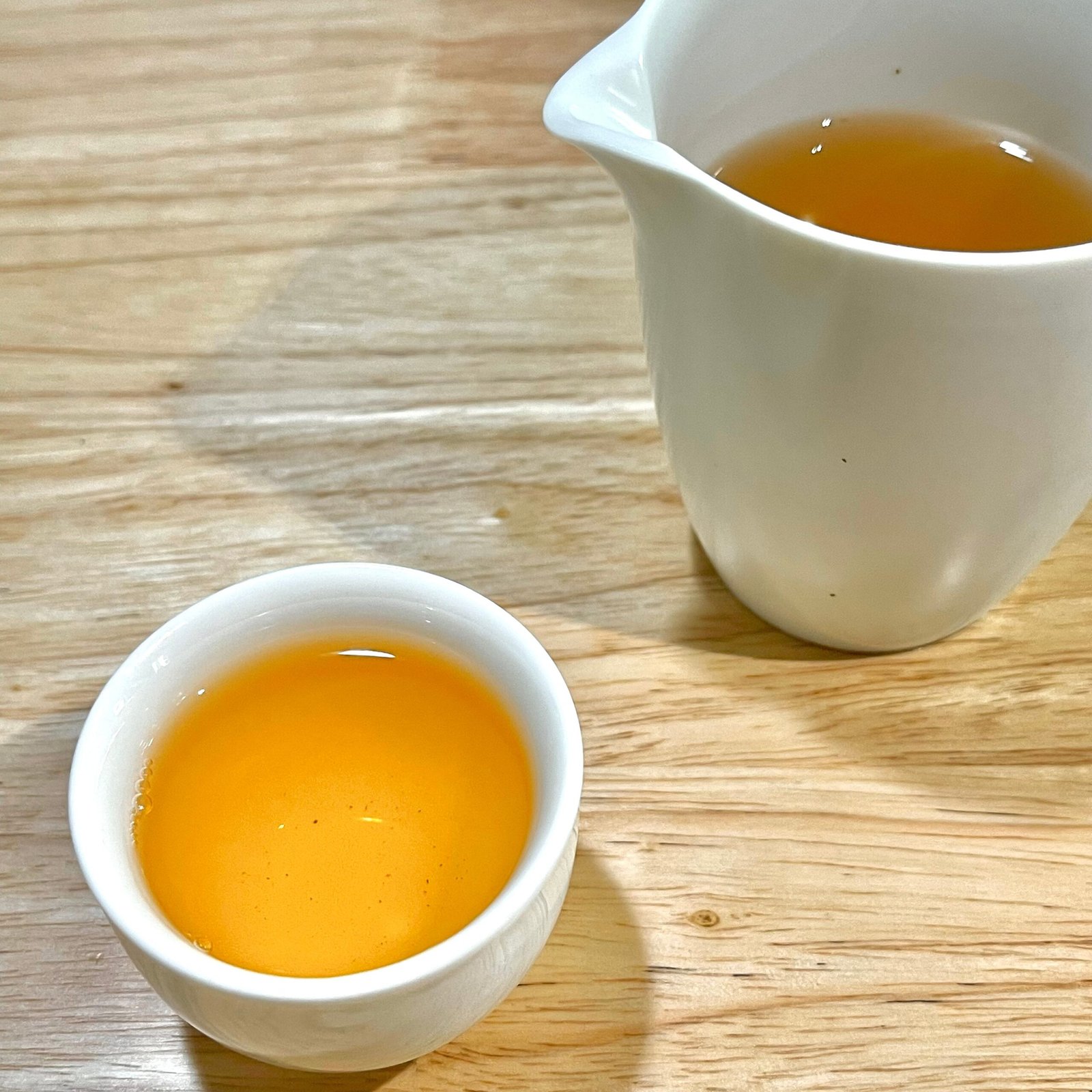
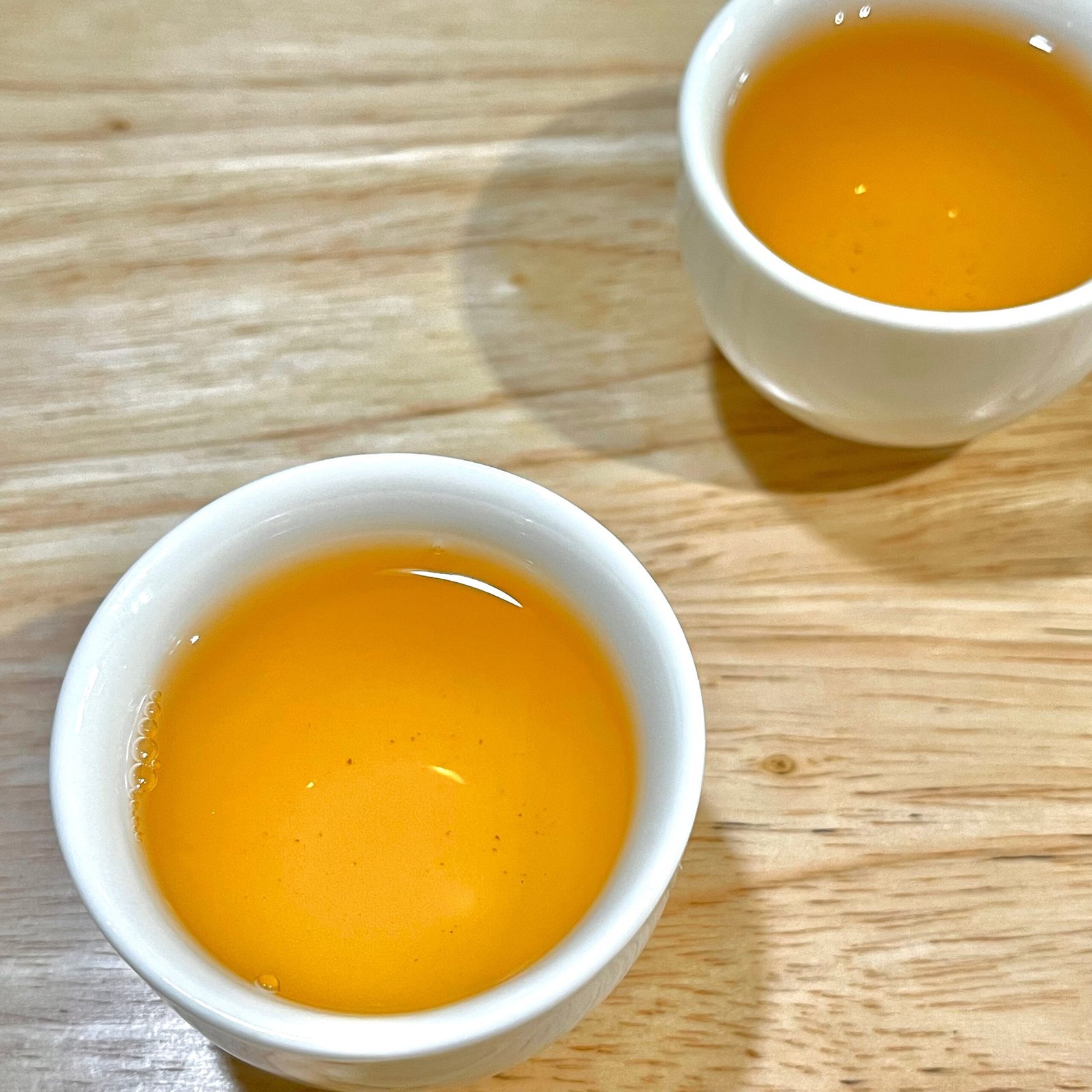
Liquor Color: Apricot-yellow, brilliant and glowing
Discover the vibrant energy of our 2023 Phoenix Mountain raw puerh. Sourced from Yunnan, this premium puerh tea tuocha offers a bold, honey-sweet finish. Shop now!
10 in stock
Description
2023 Phoenix Mountain Raw Puerh Tuocha: 3-Year Review
Three years ago, in the spring of 2023, tea pickers walked the upper slopes of Phoenix Mountain in Nanjian County, Dali Prefecture, Yunnan. The trees sit between 1,800 and 2,200 meters. The morning fog rolls in by 10 a.m. By noon it burns off. By two in the afternoon, the sun is hammering the leaves. The pickers pulled the new buds, sun-dried them on bamboo mats, then steamed and pressed them into 100g bird’s nest tuocha.
The nest is sitting in your tea cabinet. We opened one in March 2026.
Steep 5g of the leaf in boiling water. The aroma is wild honey first, then dried mountain flowers. There’s a young wood note behind it. The liquor pours apricot-yellow, almost glowing in the cup. The first sip hits with a brief bitterness that dissolves in three seconds. What stays is a long, clean sweetness that sits in the back of your throat for a full minute.
This guide walks you through what 3 years of clean aging does to high-altitude Dali sheng, where Phoenix Mountain sits on the Yunnan flavor map, how it compares to Wuliang and Yiwu, the Gongfu brew method that brings out its best, and how to store the rest of the nest so it keeps developing for the next 20 years.
How Does 2023 Phoenix Mountain Raw Puerh Tuocha Taste After 3 Years?
We brewed this 2023 Phoenix Mountain lot across 10 sessions in March 2026, then poured it next to a 2024 spring pick from the same mountain and a 2021 Wuliang sheng for reference. Here’s the picture.
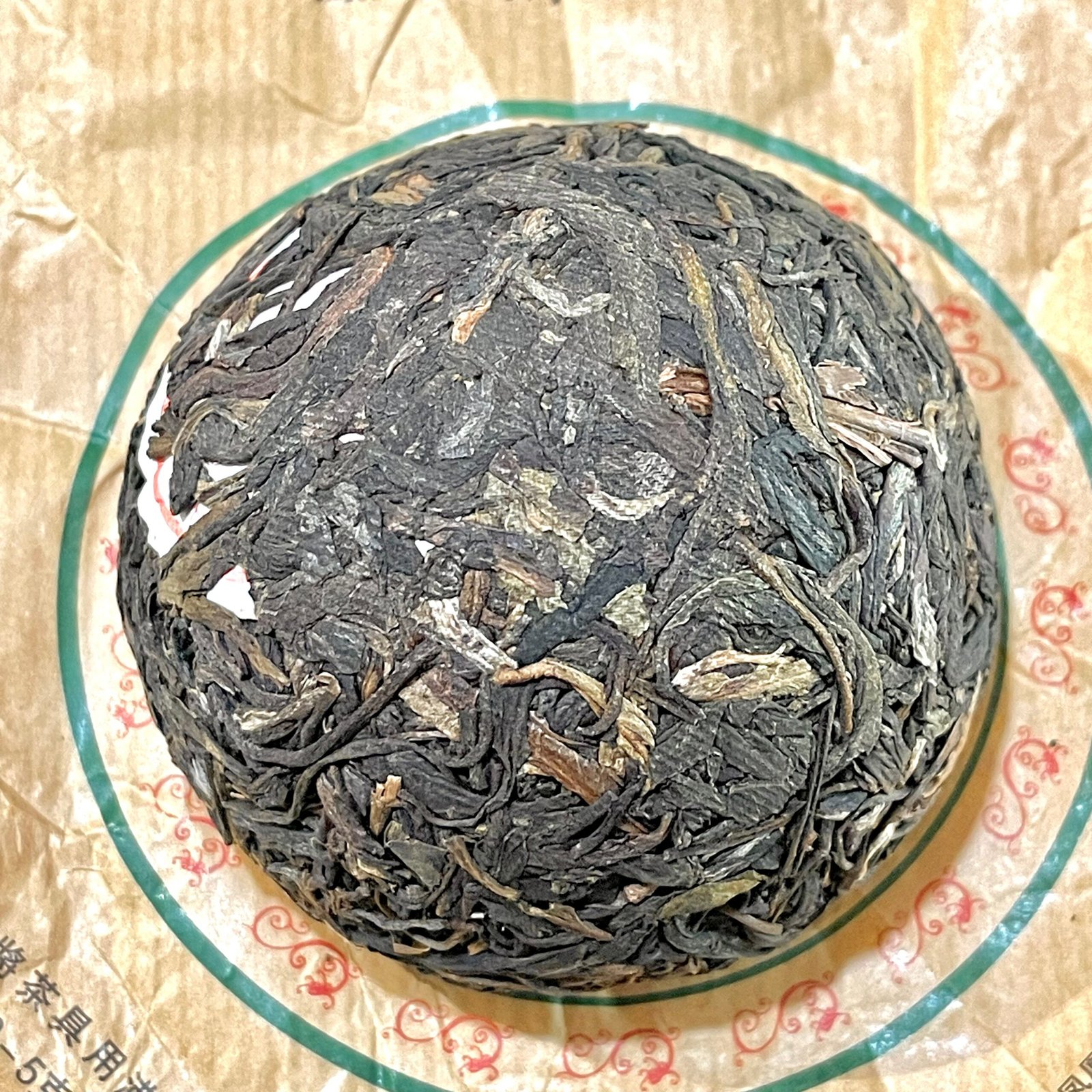
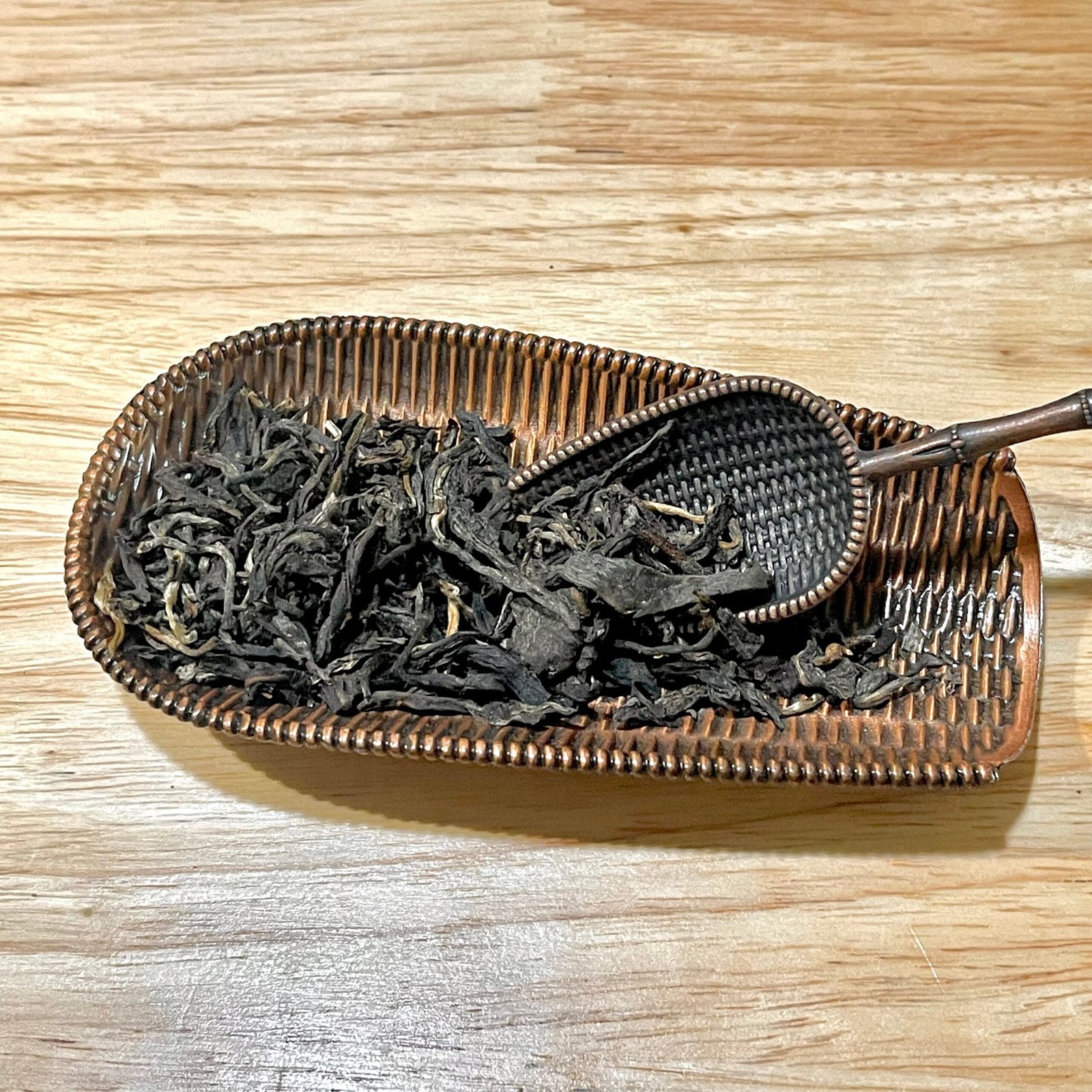
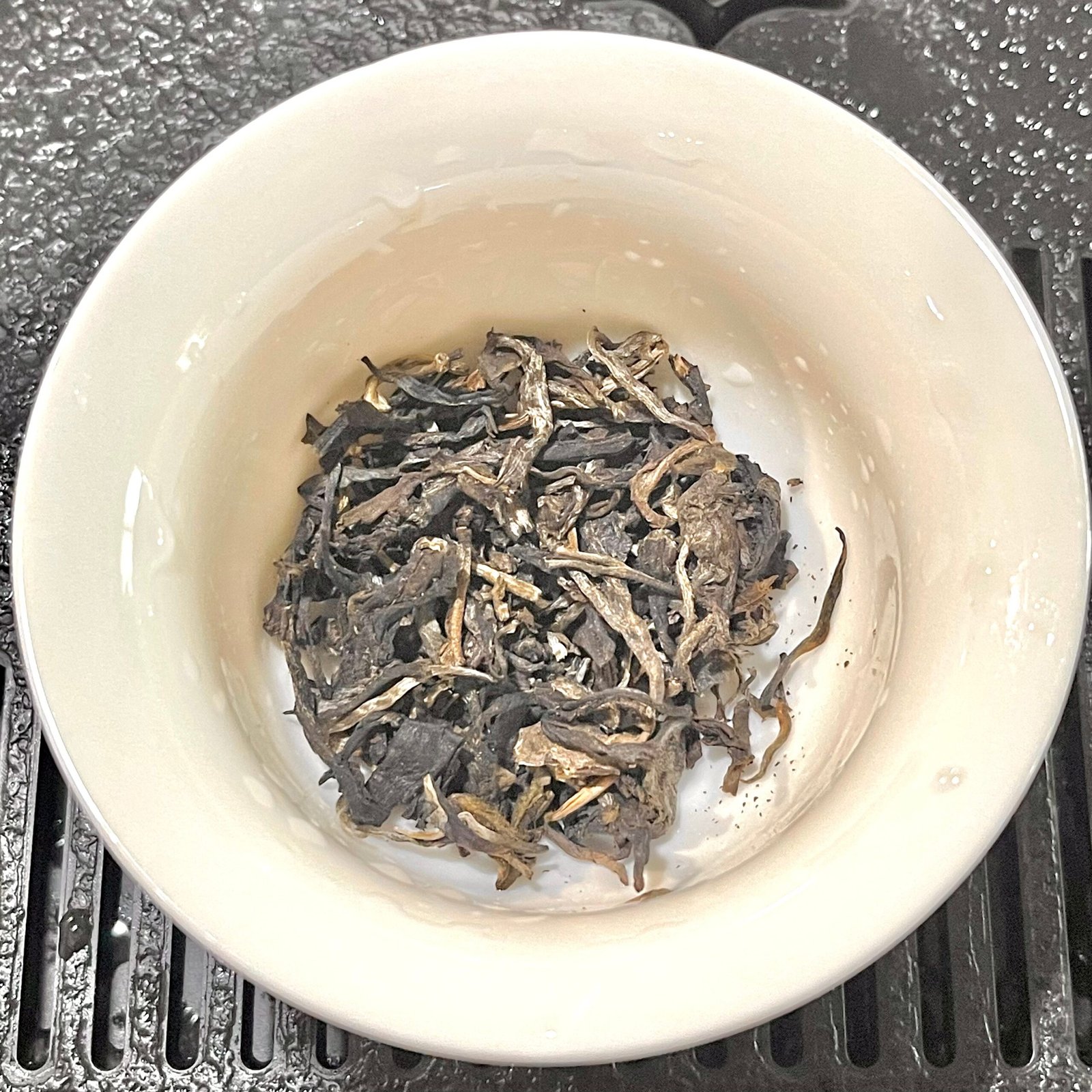
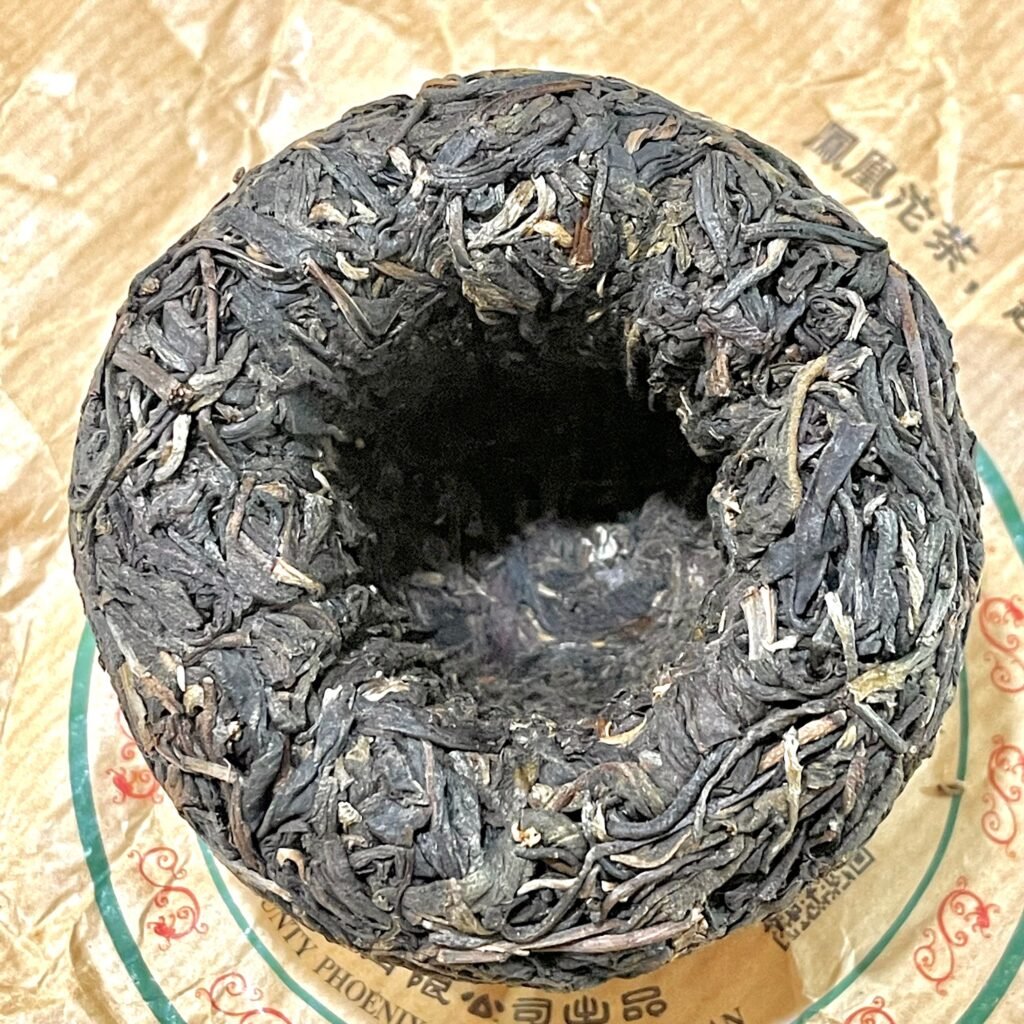
The dry leaf is long, twisted, with silver tips still showing on the buds. The dry aroma is wild honey and mountain flowers, with a young wood note that wasn’t there in 2024. Three years of dry storage has folded the fresh grass scent back into the leaf.
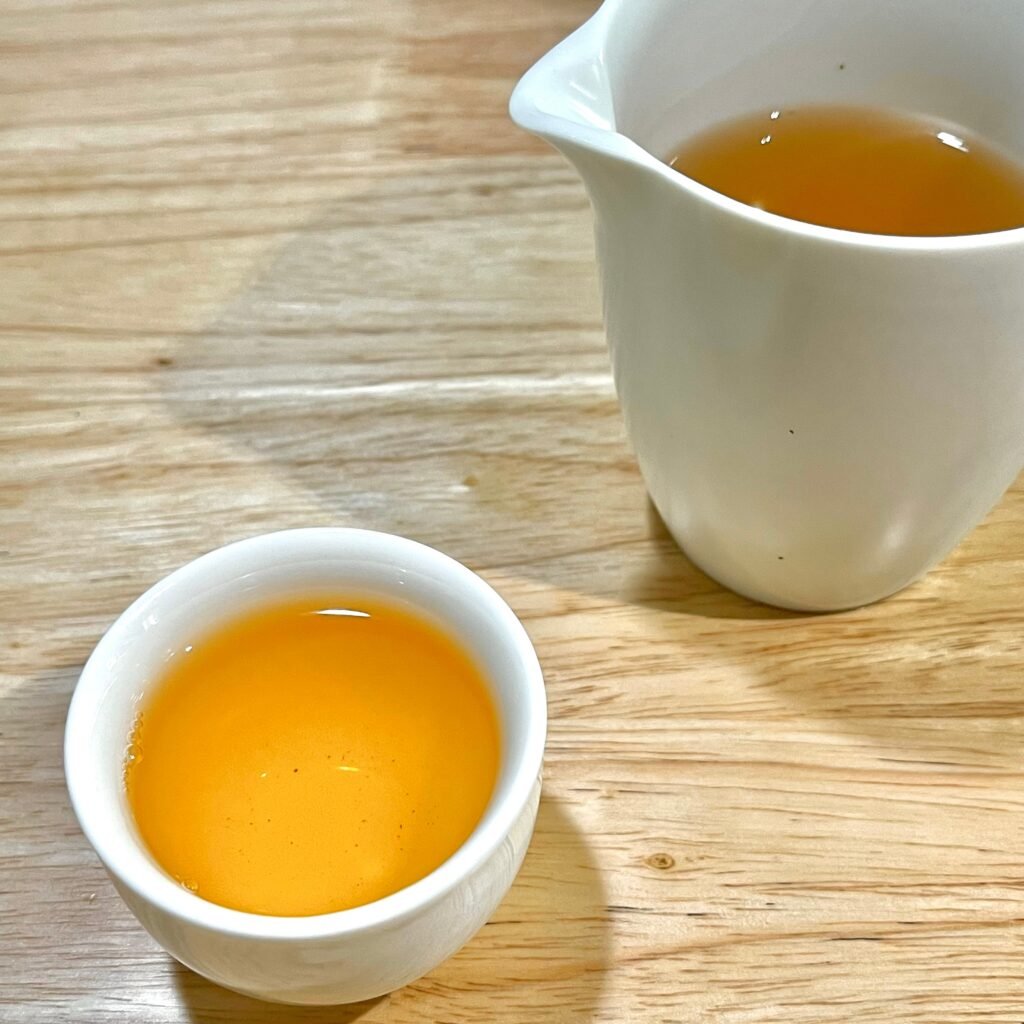
The liquor pours apricot-yellow, almost glowing in a white porcelain cup. The wet leaf aroma opens up to stone fruit and a hint of dried grass. The first sip hits with a clean bitterness that registers in the front of the tongue. It dissolves in about three seconds. The sweetness that follows sits in the throat for 30-40 seconds. By steep 6, the bitterness is mostly gone. By steep 10, you’re drinking a clear, sweet, almost floral infusion with a soft wood finish.
| Attribute | 2023 Phoenix Mountain (3yr) | 2024 Phoenix Mountain (fresh) | 2021 Wuliang Sheng (5yr) |
|---|---|---|---|
| Liquor color | Apricot-yellow, glowing | Light gold, paler | Bright amber, gold edge |
| Dry leaf aroma | Wild honey, dry wood | Fresh grass, honey | Aged wood, plum, honey |
| Initial bitterness | Brief, clean (3 sec) | Sharper, longer (8-10 sec) | Very brief (1-2 sec) |
| Aftertaste | Clean sweet, 30-40s return | Quick sweet, 15-20s return | Slow sweet, 50+s return |
| Mouthfeel | Light, crisp, almost mineral | Crisper, slightly thin | Rounded, fuller |
| Cha Qi | Upper-body lift, light | Sharp forehead lift | Settled chest warmth |
The 3-year aging window matters for this tea. The fresh 2024 pick has more bite but less complexity. The 5-year Wuliang has settled further into aged territory. The 2023 Phoenix Mountain sits in the middle — old enough to lose the harsh edges, young enough to keep the floral brightness.
What Is Phoenix Mountain Tea and Where Does It Sit?
Phoenix Mountain sits in Nanjian County, on the western edge of Dali Prefecture in northwestern Yunnan. The tea gardens run from 1,800 to 2,200 meters. This is higher than most Wuliang Mountain plots and well above the Bulang tea gardens in Xishuangbanna to the south.
Nanjian County is one of the seven main tea-producing counties in Dali. It sits between Wuliang Mountain to the south and the snow-capped Diancang range to the east. The climate is drier than Xishuangbanna. Annual rainfall is around 800-900mm, compared to 1,200mm+ in Menghai. Less rain means slower leaf growth. The buds are smaller and more concentrated.
Most Phoenix Mountain sheng hits the market as raw loose leaf, cake, or tuocha pressed by small workshops. The leaf is known for a high aroma and clean bitterness that softens quickly — a profile that fits the “high mountain young sheng” category. It’s not as famous as Wuliang or Bulang yet, but collectors have started tracking it.
Why Does High Altitude Matter for Dali Puerh?
Altitude is the single biggest driver of flavor in Dali raw pu-erh. Phoenix Mountain sits between 1,800 and 2,200 meters. That’s the upper end of commercial Yunnan tea cultivation. The Bulang tea gardens in Menghai top out around 1,800m. Wuliang’s prime plots run 1,600-1,900m.
The higher you go, the slower the leaf grows. Slower growth means the plant has more time to build secondary metabolites — polyphenols, amino acids, aromatic compounds. A leaf that took 60 days to mature at 1,500m might take 85 days at 2,000m. The extra time changes the chemistry.
Three other altitude effects matter:
Daily temperature swing. At 2,000m in Nanjian, day-night temperatures can swing 15-20°C. The plant has to harden the leaf to handle the cold nights. That hardening shows up in the cup as firmer mouthfeel and stronger Cha Qi.
UV exposure. UV is stronger at altitude. The plant produces more flavonoids to protect itself. Flavonoids = antioxidants. They also contribute to bitterness. High-altitude sheng has more bite, but that bite fades faster than low-altitude sheng.
Thinner topsoil. Mountain slopes have thinner topsoil than valley floors. Roots have to dig deeper for water and minerals. The mineral uptake shows up in the cup as a more “metallic” or “rocky” mouthfeel — a signature of Dali high-mountain tea.
According to a landmark Yunnan Agricultural University study on high-altitude tea chemical profiles, teas grown above 1,800m have measurably higher catechins and lower simple sugars than teas grown below 1,200m. That’s why Phoenix Mountain tastes cleaner and sharper than lowland Dali sheng
How to Brew a Phoenix Mountain Tuocha (Gongfu Method)?
Phoenix Mountain tuocha leaves are tight, but not as tight as a 22-year aged Bulang nest. You don’t need two rinses. One quick rinse is enough to wake the leaves.
- Water temperature. 203-212°F (95-100°C). High-altitude Dali sheng tolerates full boiling. Don’t use lukewarm water.
- Leaf amount. 0.18 oz (5g) for a 3.4 fl oz (100ml) gaiwan or Yixing teapot.
- The rinse. Pour boiling water over the leaves. Wait 5 seconds. Pour it out. The leaves start to open. Discard this steep.
- First drinkable steep. Pour boiling water again. Wait 5-10 seconds. Pour. This cup should be apricot-yellow, floral, with a clean bitterness on the front.
- Steeps 2-4. Stay at 5-10 seconds per round. The flavor shifts from floral to slightly sweet wood.
- Steeps 5-8. Add 5-10 seconds per round. By now the bitterness is mostly gone. You’re drinking clean sweet tea with a stone fruit finish.
- Steeps 9-12. Push to 30-60 seconds. The leaf holds up. The flavor gets softer, almost mineral by steep 12.
Western-style brewing. Use 0.1 oz (3g) per 8 fl oz (240ml) of water. Steep 2-3 minutes. The first infusion will be stronger than Gongfu. Skip the rinse or use a 5-second one.
How Phoenix Mountain Compares to Other Dali Peaks
Quick cheat sheet for drinkers trying to place this tea:
| Tea | Price bracket (100 g) | Best for | Drinking window | How Phoenix Mountain differs |
|---|---|---|---|---|
| Phoenix Mountain 2023 tuocha | $32–42 | Mineral-clean sheng under 5 yrs | Now → 2033+ | — |
| Wuliang 2023 tuocha | $45–60 | Floral sweetness, slow aging | 2028+ | Wuliang is sweeter; Phoenix Mountain mineral sharper |
| Bulang 2023 tuocha | $50–75 | Heavy body, long cellar candidates | 2031+ | Bulang heavier; Phoenix Mountain lighter, faster-maturing |
| Yiwu 2022 tuocha | $80–120 | Classic soft floral sheng | Now if 4+ yrs | Yiwu softer; Phoenix Mountain has more crisp bitterness |
Is 3-Year-Old Sheng Puerh Safe to Drink Daily?
For most adults, yes, with reasonable limits. Three years of clean aging has softened the tannins significantly. A 5g Gongfu session delivers about 30-40mg of caffeine. That’s about half a shot of espresso. Two morning sessions give you roughly the lift of one coffee, with a slower fade.
The polyphenol profile of young sheng is high. According to a peer-reviewed Journal of Food Science study analyzing catechins and theaflavins in pu-erh, young sheng has more unoxidized catechins (which give the bitter bite). Aged sheng shifts toward theaflavins and thearubigins, which are gentler on the stomach. Three years is the early edge of this shift. Five years in, the change is more pronounced.
For most healthy adults, one to two Gongfu sessions a day is fine. Don’t drink sheng on an empty stomach — the Cha Qi hits faster and some drinkers report nausea. After a meal is the safest first session.
If you have any of the following, check with a doctor first:
- Pregnancy or nursing
- Heart condition or arrhythmia
- Anxiety or sleep disorders (caffeine sensitivity)
- Iron-deficiency anemia (tea tannins reduce iron absorption)
- Stomach ulcers or active GERD
How Should You Store a 100g Tuocha for Long-Term Aging?
The bird’s nest shape is forgiving. The compression is light compared to a cake. You can break off pieces without a pick.
For short-term storage (drinking within 6 months):
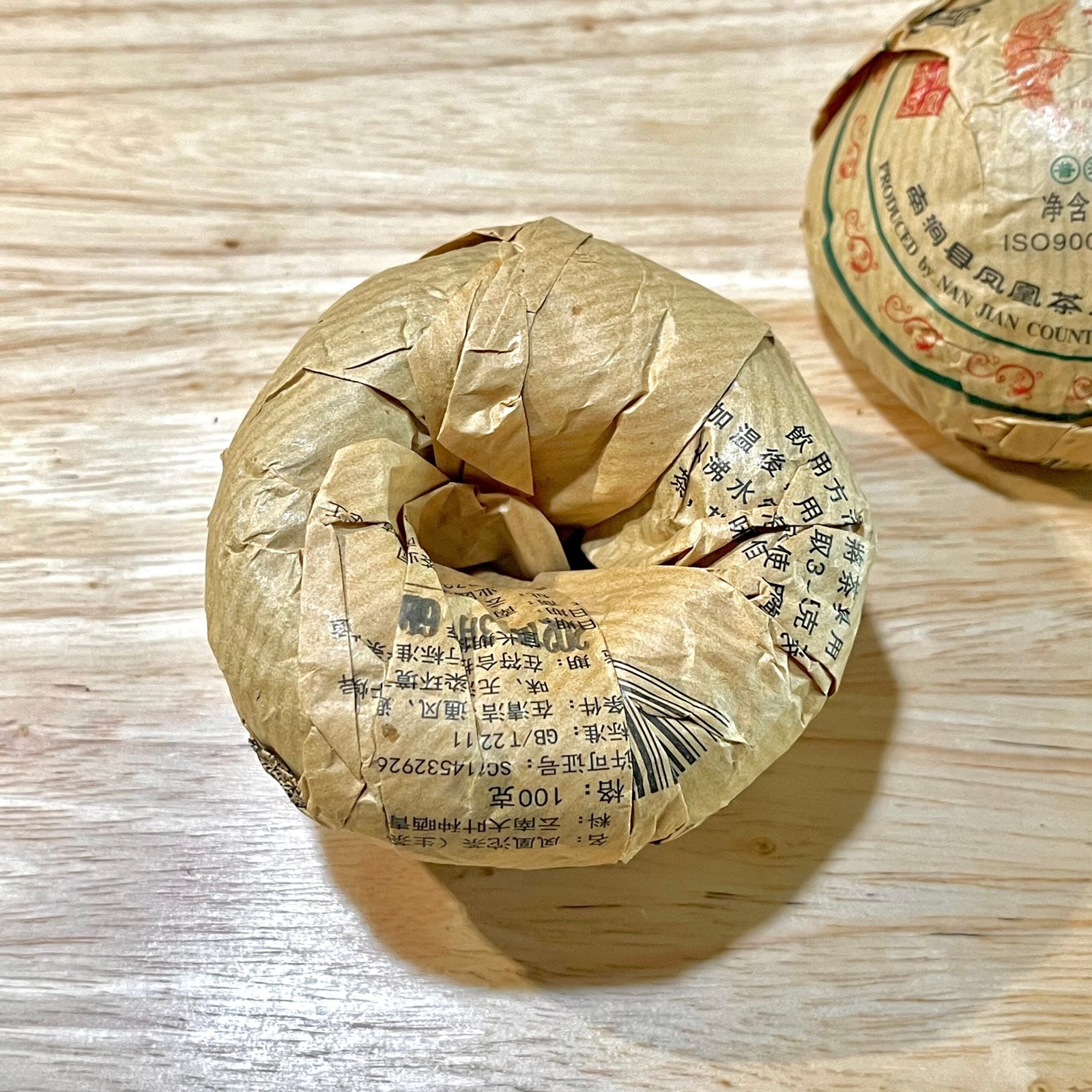
- Keep the tuocha in its original breathable paper wrapper
- Store in a clean, dry, odor-free cupboard
- Avoid direct sunlight
- Room temperature (60-75°F / 15-24°C) is fine
- Humidity below 70% is fine
For long-term aging (5-20 years):
- Keep the tuocha in its original wrapper
- Place it inside a porous container — a clay jar, an unsealed cardboard box, or a ceramic crock with a loose lid
- Store at 55-70% relative humidity
- Avoid temperature swings above 10°F (5°C) per day
- Keep it away from kitchen grease, paint, smoke, spices, and soap — tea absorbs smells aggressively
- Don’t seal it in plastic or mylar. Sealed plastic stops the aging process.
A well-stored 2023 Phoenix Mountain tuocha will go through these phases:
| Storage Year | Flavor Shift |
|---|---|
| 0-3 years (now) | Floral, crisp bitterness, clean sweet |
| 3-7 years | Bitterness fades, honey emerges, plum appears |
| 7-15 years | Camphor and aged wood replace floral, body thickens |
| 15-25 years | Mineral and aged-honey finish, depth peaks |
Phoenix Mountain sheng ages slightly slower than Wuliang or Bulang because the leaf is lighter to start with. Expect the floral-honey phase to last longer. The camphor shift usually shows up around year 7-10. By year 15, this tuocha will taste like a different tea entirely.
Who Should Buy This 2023 Phoenix Mountain Tuocha?
This is a specific tea for a specific drinker. Here’s the honest profile.
It’s a good fit if you are:
- A daily drinker who wants character-rich raw pu-erh at mid-range price
- Someone who likes floral, light-bodied teas over heavy, earthy ones
- A beginner moving into sheng from shou (ripe) pu-erh
- A professional looking for a morning ritual with clean focus and no jitter
- A gift buyer who wants something culturally rich and traditionally wrapped
It might not be the right tea if you:
- Prefer aged, settled sheng (look for 2003 Bulang or 2018 Wuliang instead)
- Want thick, oily mouthfeel (Phoenix Mountain is light-bodied)
- Need a soft intro to raw tea (try a Yiwu pick instead — Yiwu is the gentlest region)
- Are looking for a long-term cellaring investment (Phoenix Mountain’s track record is shorter than Wuliang or Bulang)
For collectors, this 100g tuocha ships in its original Nanjian press paper. Each nest includes a printed brewing card and a batch number you can trace back to the original 2023 spring harvest.
If you want to compare different aging styles, we invite you to explore our complete raw Puerh tea collection.
Frequently Asked Questions
Is this raw pu-erh suitable for someone new to Chinese teas?
Yes. Three years of natural aging since the 2023 harvest have softened the youthful astringency that can scare off new sheng drinkers. The brief bitterness transitions into a sweet aftertaste in about three seconds. It’s approachable without being boring.
Will the bitterness fade more if I keep aging it?
Yes. Phoenix Mountain sheng loses most of its front bitterness between year 3 and year 7. By year 10, the bitterness is mostly gone. Honey and dried plum take over. By year 15, you’ll taste camphor and aged wood. The tea doesn’t get weaker — it gets deeper.
How does Phoenix Mountain compare to Yiwu?
Yiwu (in Xishuangbanna, southern Yunnan) is softer and more floral than Phoenix Mountain. Phoenix Mountain has more crisp bitterness and a more mineral mouthfeel. Both are good intro sheng regions. Yiwu is the gentlest option. Phoenix Mountain is one step up in character.
Can I cold brew this tuocha?
You can, but you’ll lose most of what makes it interesting. The bitterness needs hot water to extract properly. Cold brewing this tea gives you a thin, slightly sweet infusion with no aroma development. Save cold brew for shou (ripe) pu-erh or green tea.
Is this tuocha suitable for office brewing?
Yes, if you have access to boiling water. A thermos + small teapot setup works. The light mouthfeel means you can drink it all afternoon without palate fatigue. Skip the office Gongfu routine — brew it western-style with 3g per 240ml and steep 2 minutes.
How long does one 100g tuocha last?
A 100g nest at 5g per Gongfu session = 20 full sessions. Brew it across 4-6 weeks and you’ll start to notice how the leaf opens up over time. Keep the rest in its original wrapper between sessions.
E-E-A-T Statement (Author & Reviewer Disclosure)
Author & Reviewer Disclosure: This article was written by the founder and head tea buyer at minteashop, drawing on 8 years of hands-on experience sourcing authentic raw, ripe, and aged pu-erh tea directly from Yunnan farmers and local storage. The 2023 Phoenix Mountain raw pu-erh tuocha described above was personally cupped and selected from pristine 3-year dry storage during our 2026 sourcing trip to Yunnan. Health-related claims about caffeine and antioxidants are based on general published research and are not medical advice.
Reviews
There are no reviews yet.