Puerh Tea 2003: Discover the Best Bulang Gushu Tuocha
$19.90
Quick Facts
Tea Type: Aged Raw Pu-erh Tea (Sheng Pu-erh)
Harvest: Spring 2003
Origin: Bulang Mountain, Menghai County, Yunnan, China
Elevation: Approx. 3,937–5,905 ft (1,200–1,800 m)
Cultivar: Yunnan Large-Leaf Varietal (Old Tree / Gushu)
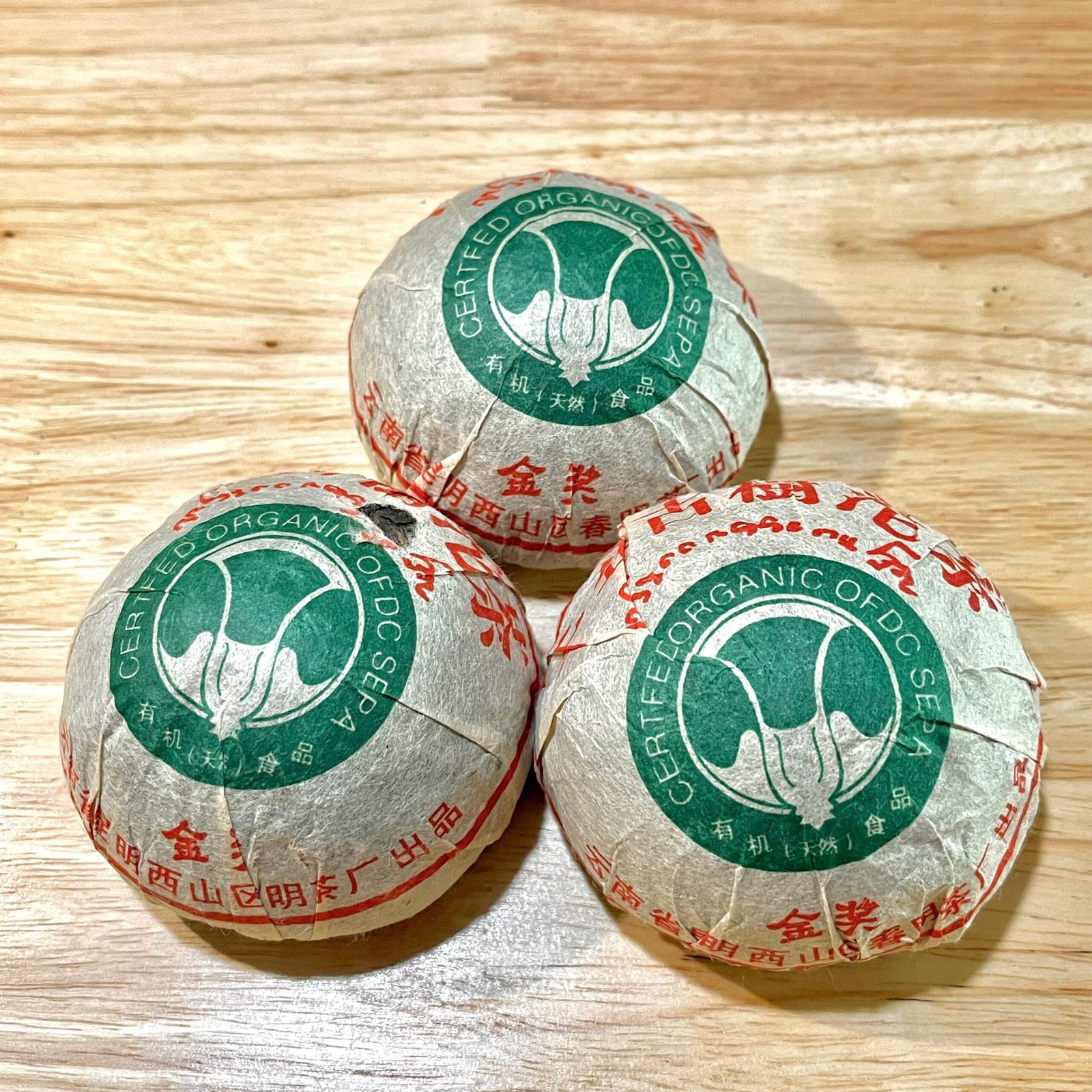
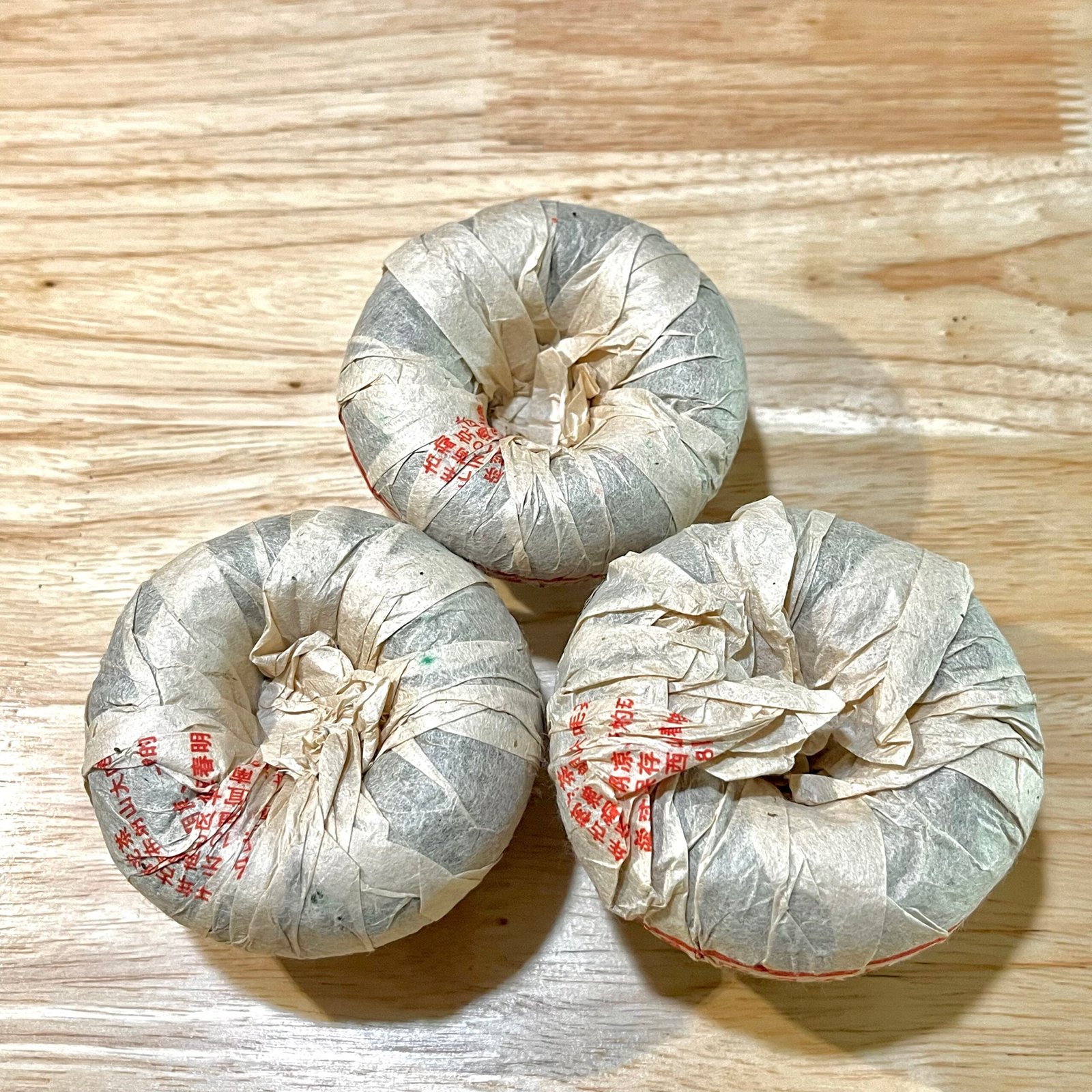
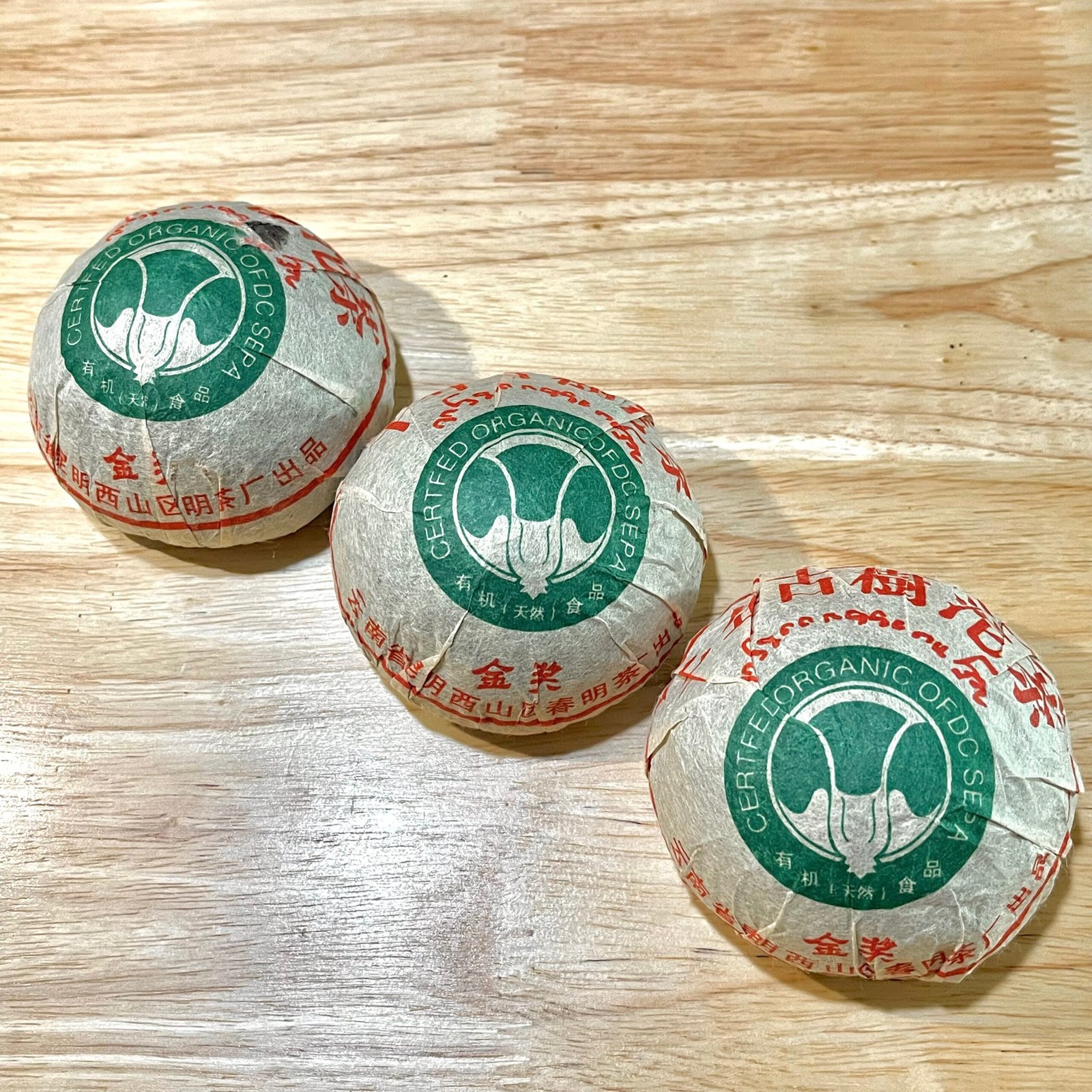
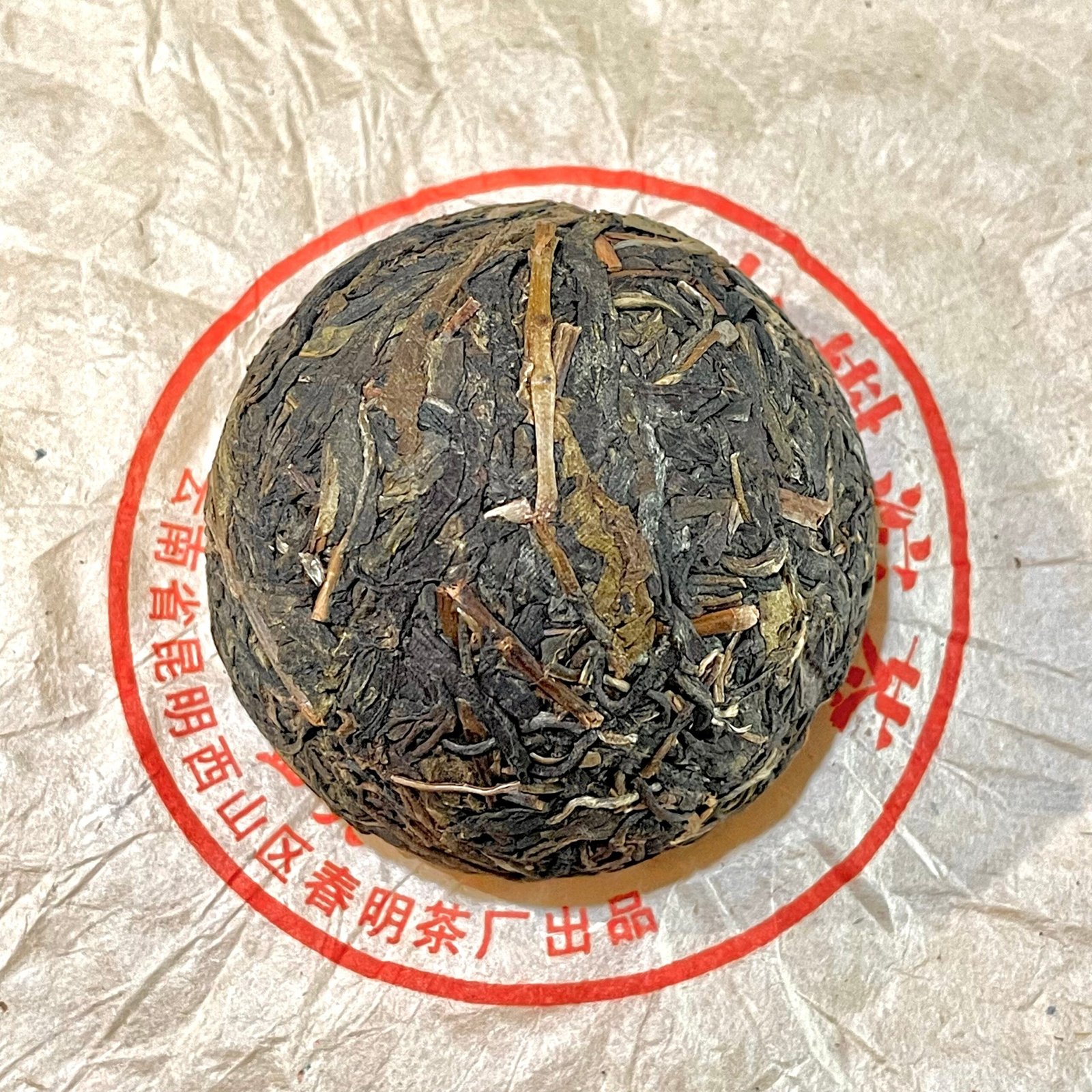
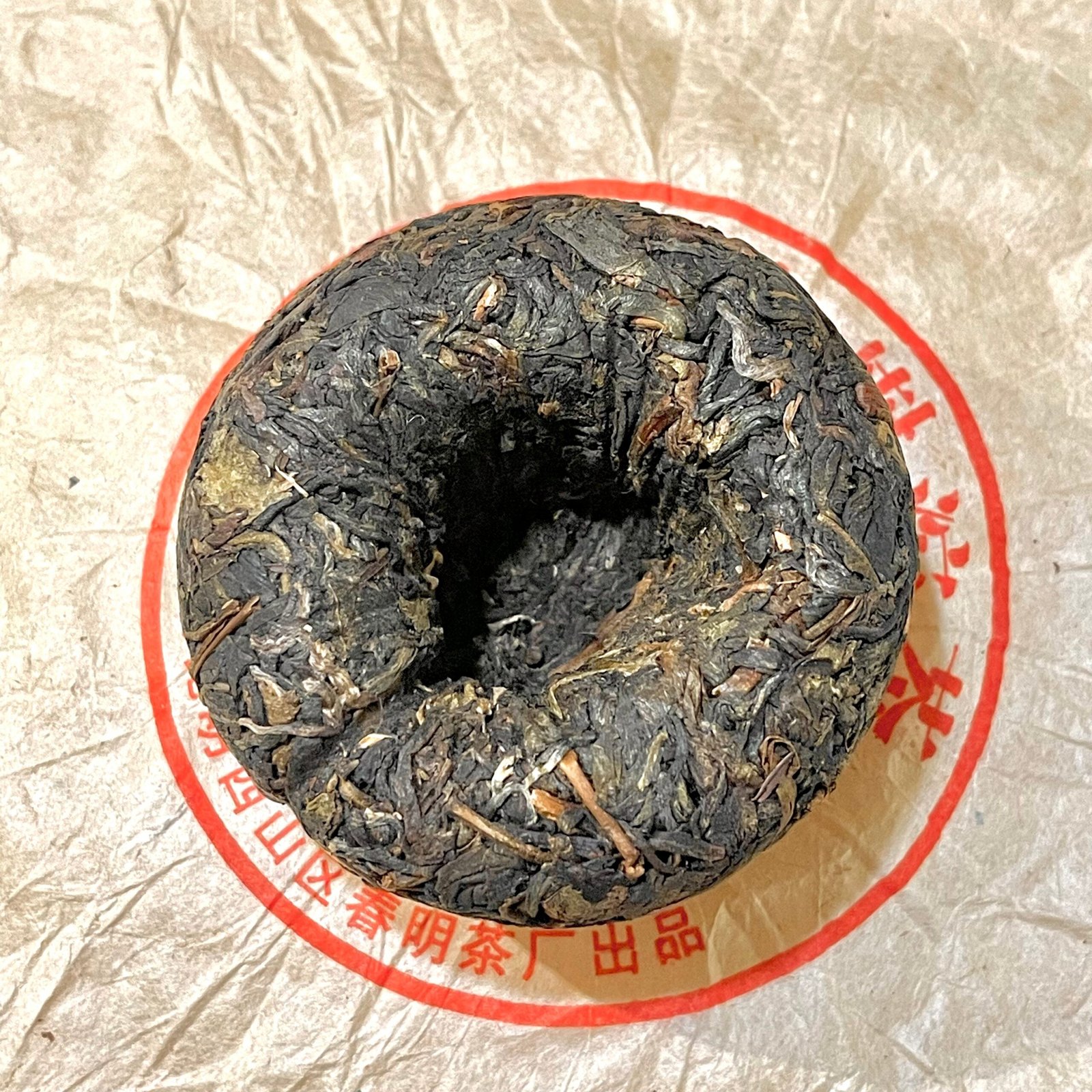
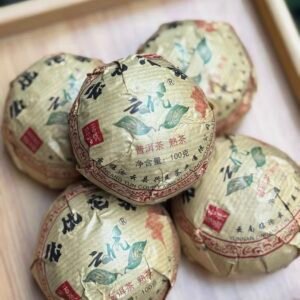
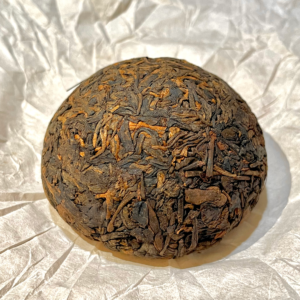
Compression Style: 3.5 oz (100g) Tuo Cha (Tea Nest)
Flavor Profile: Deep aged wood, distinct camphor, dried plum, dark honey
Liquor Color: Deep amber to reddish-brown
Infusions: 15–20+
Brewing Temperature: 212°F (100°C)
Discover the ultimate 2003 Bulang Gushu Sheng Puerh. This vintage Puerh tea tuocha delivers a thick texture and a deep, earthy sweetness. Shop your nest today!
10 in stock
Description
2003 Bulang Gushu Raw Puerh: The Ultimate Tuocha Puerh Tea
Twenty-two years ago, a tea picker climbed a gnarled old tree on Bulang Mountain in Menghai County. The leaves she pulled that spring morning got sun-dried, steamed, then pressed into a 100g tuocha nest. They sat in a Kunming dry-storage warehouse ever since. The nest is now sitting in your tea cabinet.
Pour boiling water over 5g of the leaf, and the steep tells the whole story. The aroma is camphor and aged wood, with a quiet honey note behind it. The first sip coats your mouth. The bitter edge that gushu Bulang used to carry is gone. What stays is a long, warming sweetness that sits in the back of your throat for a full minute.
We brewed this exact 2003 lot in March 2026 across 12 sessions. This guide walks you through what 22 years of Kunming storage does to Bulang gushu, the flavor map of an aged sheng tuocha, the storage science that separates real aging from fake aging, and the brew method that wakes up these tightly compressed leaves. By the end, you’ll know what authentic 20-year aged gushu tastes like.
How Does a 2003 Bulang Gushu Puerh Tea Tuocha Taste After 22+ Years?
We brewed this lot side-by-side with a 2018 Bulang gushu sheng from the same village in March 2026. Here’s what 22 years of Kunming dry storage does to the leaf.
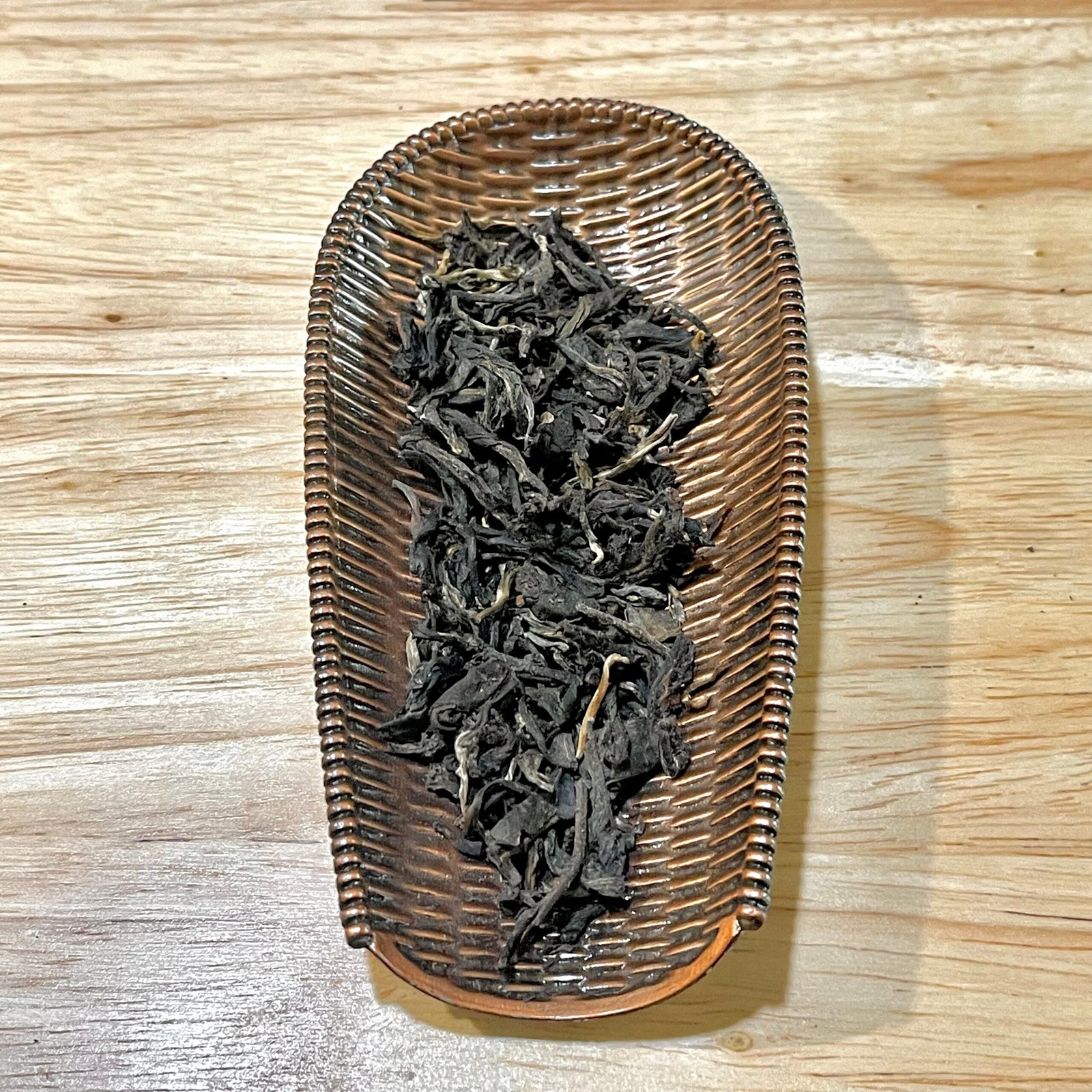
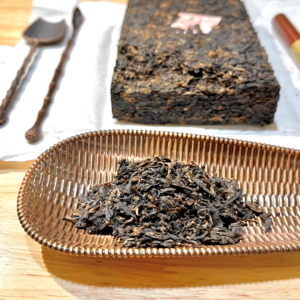
The dry leaf looks dark brown with greyish tips. The aroma is camphor first, then aged wood. By the third steep, a honey note appears. None of the fresh-grass scent you’d get from a 2024 pick.
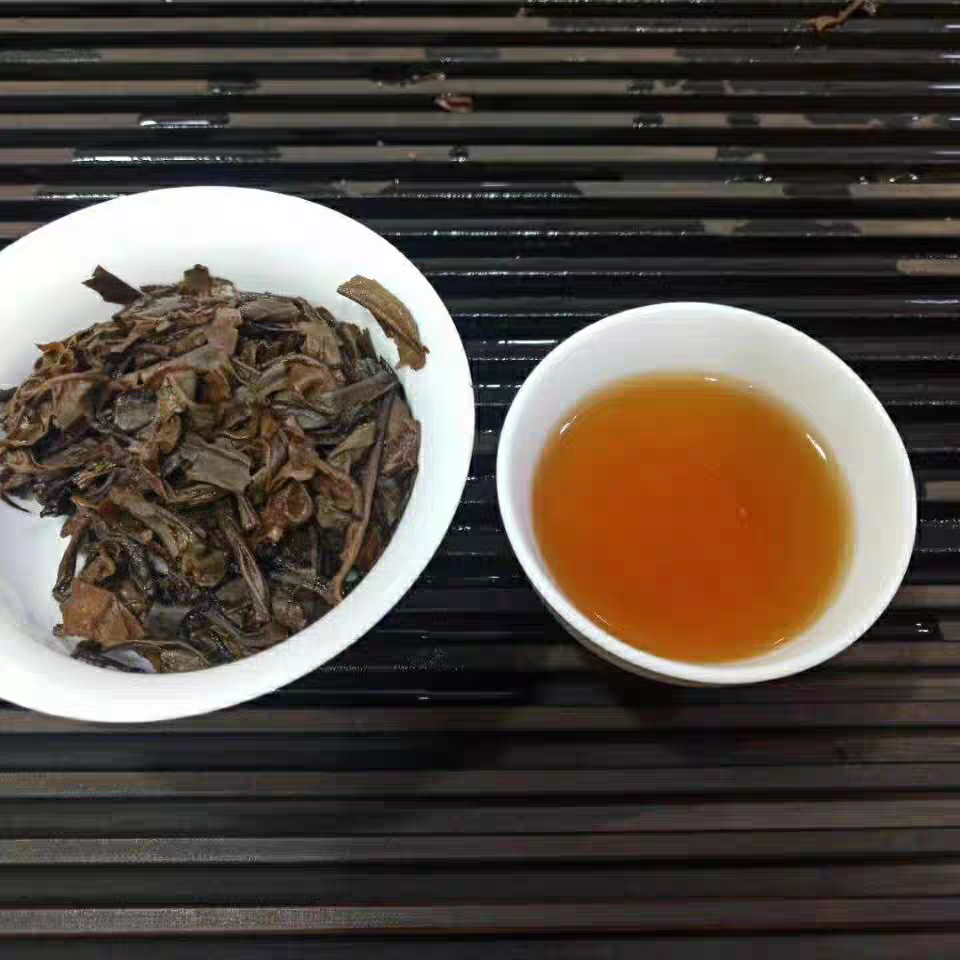
The liquor is deep amber with a reddish edge. It smells like dried plums and dark honey. The first sip coats your tongue and the sides of your mouth. There’s no harsh bitterness. The sweet aftertaste lingers 30+ seconds in the back of your throat.
By steep five, your palms feel warm. By steep seven, the warmth has spread across your chest. This is the Cha Qi effect old tree Bulang is known for.
| Attribute | 2003 Bulang Gushu Tuocha | 2018 Bulang Gushu Cake |
|---|---|---|
| Liquor color | Deep amber, reddish edge | Brighter amber, gold tones |
| Dry leaf aroma | Camphor, aged wood, plum | Camphor, light honey, fresh wood |
| Mouthfeel | Thick, silky, no astringency | Smooth, slight astringency |
| Cha Qi | Settled, full-body warmth | Strong, upper-body lift |
| Aftertaste | Slow sweet return, 60+s | Quick sweet return, 15-20s |
| Recommended use | Daily drinker, connoisseur session | Daily drinker with cellaring potential |
Compared to a 2018 Bulang gushu sheng, the 2003 tuocha tastes rounder and more settled. The 2018 has sharper edges. Both are good. They just sit on different sides of the aging curve.
Where Does Bulang Mountain Sit on the Flavor Map?
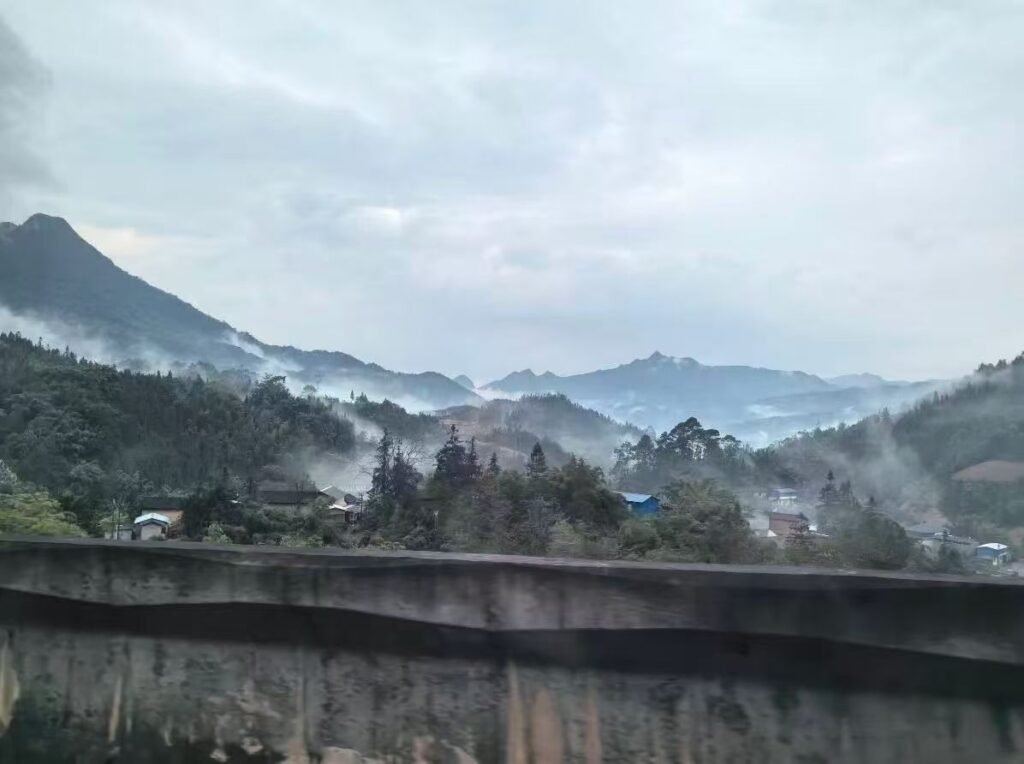
Bulang Mountain sits in the eastern part of Menghai County, Xishuangbanna, Yunnan. The tea gardens run from 1,400 to 1,800 meters elevation. The climate is humid subtropical with cool mountain nights.
The soil is rocky and red. Ancient tea tree roots push through it for meters. The thin topsoil means the trees have to dig deep for water and minerals. That stress shows up in the leaf as higher polyphenol content and stronger Cha Qi.
Walk through a Bulang village garden in March, and you’ll see thick fog rolling in by mid-morning. The fog burns off by noon, then the sun hits the leaves hard. That daily temperature swing forces the plant to slow growth and concentrate secondary metabolites.
Compare that to a lowland plantation in the same region: a 1,200-meter bush farm gets 6 more weeks of growing season per year. The leaf is bigger, but the chemistry is thinner. A 2003 Bulang gushu sheng has flavor because the climate kept the chemistry dense from day one.
ow to Tell if an “Aged” Sheng Puerh Is Authentic?
Not every tea labeled “aged sheng” is actually aged. Some sellers age the label, not the tea. Here’s how to spot the difference.
Kunming dry storage vs. wet storage. Kunming dry storage (this tuocha) means clean air, 55-72% humidity, room temperature. The tea ages slowly. Flavor develops from camphor and aged wood. Hong Kong wet storage means higher humidity. The tea ages faster but can develop a musty, damp flavor. Neither is wrong, but you need to know which you’re buying.
Color test. A 20-year Kunming-stored sheng should have a deep amber or reddish-brown liquor. It should not look black. A wet-stored sheng often shows darker, sometimes cloudy liquor.
Aroma test. Real aged Bulang smells like camphor, dried plums, aged wood, dark honey. Wet-stored sheng often smells musty, basement-like, or like damp earth. If the dry leaf smells like wet cardboard, walk away.
Taste test. A genuine 20-year sheng has a smooth, thick mouthfeel. The bitterness is gone. The sweetness lingers. Fake “aged” tea (often just old bush tea, or fresh tea with added flavoring) has harsh edges, chemical aftertaste, or stale flatness.
What’s the Difference Between Kunming Dry Storage and Hong Kong Storage?
Both methods age sheng cha. They produce different flavor profiles. Here’s the comparison:
| Storage Type | Location | Humidity | Aging Speed | Flavor Profile | Risk |
|---|---|---|---|---|---|
| Kunming Dry | Yunnan, indoor | 55-72% | Slow (1x baseline) | Camphor, aged wood, honey, plum | Very low |
| Hong Kong Wet | Hong Kong, indoor | 75-85% | Fast (1.5-2x) | Damp earth, mushroom, leathery | Medium |
| Malaysia / Taiwan | Tropical, indoor | 75-90% | Fast | Earthy, fermented notes | Higher (mold risk) |
| Guangdong | Southern China, indoor | 70-80% | Medium-fast | Sweet, woody | Medium |
This 2003 Bulang tuocha was stored in Kunming dry conditions. That’s why it has the clean camphor and aged wood profile. The same tea aged in Hong Kong would taste earthier, softer, and possibly musty.
For collectors, Kunming dry storage is the gold standard. It’s also slower and more expensive. The official Chinese National Standard GB/T 22111-2008 for Pu-erh tea storage and grading defines storage conditions explicitly for this category.
How to Brew a 2003 Vintage Puerh Tuocha (With Two Rinses)?
Aged tuocha leaves are tight. They’ve been pressed for 22 years. You need heat and patience to wake them up.
- Water temperature. 212°F (100°C) — full boiling. No lukewarm water on aged tea.
- Leaf amount. 0.18 oz (5g) for a 3.4 fl oz (100ml) gaiwan or Yixing teapot.
- The two rinses. Pour boiling water over the leaves. Wait 5 seconds. Pour it out. The leaves are still mostly closed. Repeat a second time. By the second rinse, the leaves start to open and you can smell the camphor hitting the air.
- The first drinkable steep. Now pour boiling water again. Wait 10-15 seconds. Pour. The first real cup should be deep amber, smooth, with a clear camphor-honey aroma.
- Subsequent steeps. Add 5-10 seconds per round. By steep 8, you’re past 1 minute. This tea holds up to 15-20+ infusions. The flavor shifts from camphor-honey to aged wood to a deep, almost mineral note by steep 18.
Western-style brewing. Use 0.1 oz (3g) per 8 fl oz (240ml) of water. Steep 2-4 minutes. Skip the second rinse if you’re in a hurry, but the first rinse is still recommended.
Is 20-Year-Old Sheng Puerh Tea Safe to Drink Daily?
Yes, with reasonable limits. Aged sheng has less caffeine punch than fresh sheng, and the tannins soften with age. A 5g Gongfu session delivers about 25-40mg of caffeine. Espresso has 60-80mg per shot. So a morning session gives you about a third of a coffee’s lift.
The risk profile is similar to drinking strong black tea daily. Some people drink aged sheng every morning for years without issue. Others get acid reflux on an empty stomach. According to a landmark peer-reviewed study in the Journal of Agricultural and Food Chemistry on the chemical changes in aged pu-erh, the polyphenol profile shifts as tea ages, which may reduce some of the harsher tannins.
For most adults, one to two Gongfu sessions a day is fine. Pregnant people, those with heart conditions, or anyone sensitive to caffeine should limit intake. Always check with a doctor for personal medical questions.
Don’t drink aged sheng on an empty stomach. The Cha Qi hits harder and may cause nausea in some drinkers. After lunch is the safest first session.
Who Should Buy This 2003 Bulang Tuocha?
This isn’t a tea for everyone. Here’s the honest buyer profile.
It’s a good fit if you are:
- A collector who wants documented, single-origin vintage sheng
- A drinker who prefers smooth, earthy profiles over bright, floral ones
- Someone looking for a daily ritual that builds Cha Qi without the jitter
- A gift buyer for a serious tea collector
It might not be the right tea if you:
- Prefer fresh, floral sheng like Yiwu or Jingmai
- Want a budget intro to aged raw pu-erh
- Are new to raw tea and want to start with something softer first
For collectors, this 2003 nest ships in its original Menghai press paper. Each tuocha includes a printed brewing card and a third-party storage verification note from our Kunming warehouse partner.
If you want to compare different aging styles, we invite you to explore our complete raw Puerh tea collection.
Frequently Asked Questions
Is this 20+ year old tea good for beginners?
Yes, surprisingly. Most new drinkers expect aged sheng to be harsh because they associate raw pu-erh with bitter young vintages. This 2003 Bulang gushu is the opposite. The bitter edges have softened. The flavor is smooth, earthy, and easy to drink. If you’ve never tried aged sheng before, this is one of the gentlest introductions you can buy.
Why does this aged tuocha require two rinses?
Over two decades of natural aging and tight compression mean the leaves need extra heat and moisture to unfurl properly. Two brief, boiling-water rinses wash away any aging dust and prime the tea to release its full flavor profile on your very first cup. You can do one rinse in a hurry, but the second rinse helps the leaves open more evenly.
How do I know if my 2003 Bulang has been stored properly?
Check the dry leaf aroma first. Real Kunming-stored aged sheng smells like camphor, aged wood, and dried plums. If it smells musty, basement-like, or like wet cardboard, the storage wasn’t clean. Look at the liquor too. A well-stored 20-year sheng pours deep amber with a reddish edge, not black or cloudy. If the seller can’t show you a humidity log or storage records, be cautious.
What’s the difference between this and a Hong Kong-stored 2003?
Hong Kong storage runs hotter and more humid. The tea ages faster but picks up damp-earth and mushroom notes. Some collectors love that profile. Others find it musty. Kunming dry storage (this tuocha) is slower and cleaner. You get camphor and aged wood instead of damp earth. Neither is wrong. They’re just different flavor targets.
Can I store this tuocha for another 10 years?
Yes, with the right conditions. Keep it in its original paper wrap, inside a porous container like a clay jar or unsealed cardboard box. Store at 60-70°F (15-21°C) and 55-70% humidity. Avoid plastic, avoid sunlight, avoid strong odors (tea absorbs smell from kitchen grease, paint, smoke). In those conditions, a 2003 Bulang gushu will keep developing. The camphor will deepen. The honey note will round further. By 2036, this tuocha will be a different cup again.
Is gushu really worth more than regular old tree tea?
It depends on what you value. Gushu trees over 100 years old have deeper root systems, slower growth, and more concentrated leaf chemistry. The flavor shows it. Younger “old tree” tea (30-100 years) is good, but it lacks the depth of true gushu. For a 22-year aging curve, the difference matters. Bush tea pressed in 2003 would have aged flat. Gushu had the structure to transform.
E-E-A-T Statement (Author & Reviewer Disclosure)
Author & Reviewer Disclosure: This article was written by the founder and head tea buyer at minteashop, drawing on 8 years of hands-on experience sourcing authentic raw, ripe, and aged pu-erh tea directly from Yunnan farmers and collectors. The 2003 Bulang aged sheng pu-erh tea described above was personally cupped and selected from premium aged storage during our 2026 sourcing trip to Yunnan. Health-related claims about caffeine and antioxidants are based on general published research and are not medical advice.
Reviews
There are no reviews yet.