
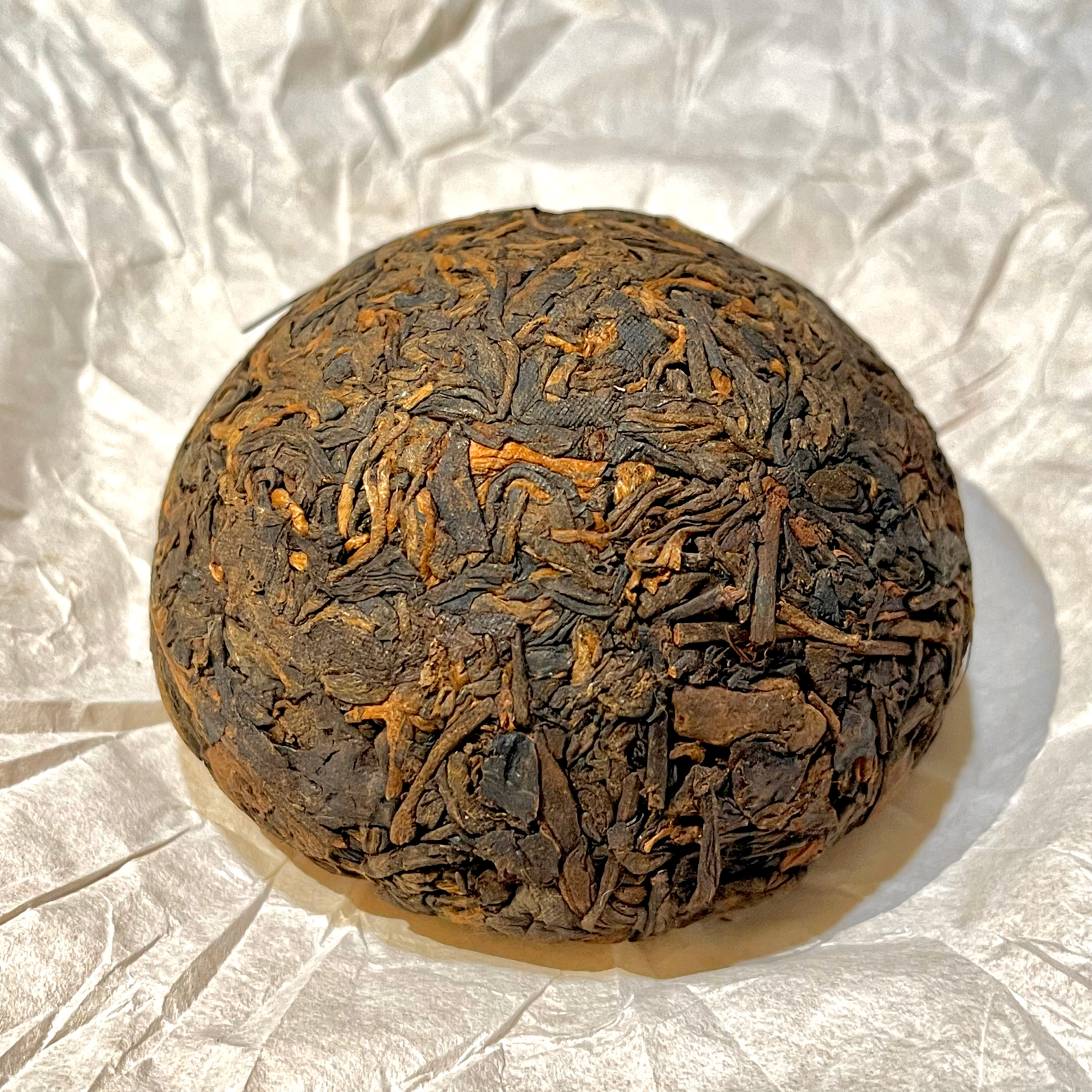
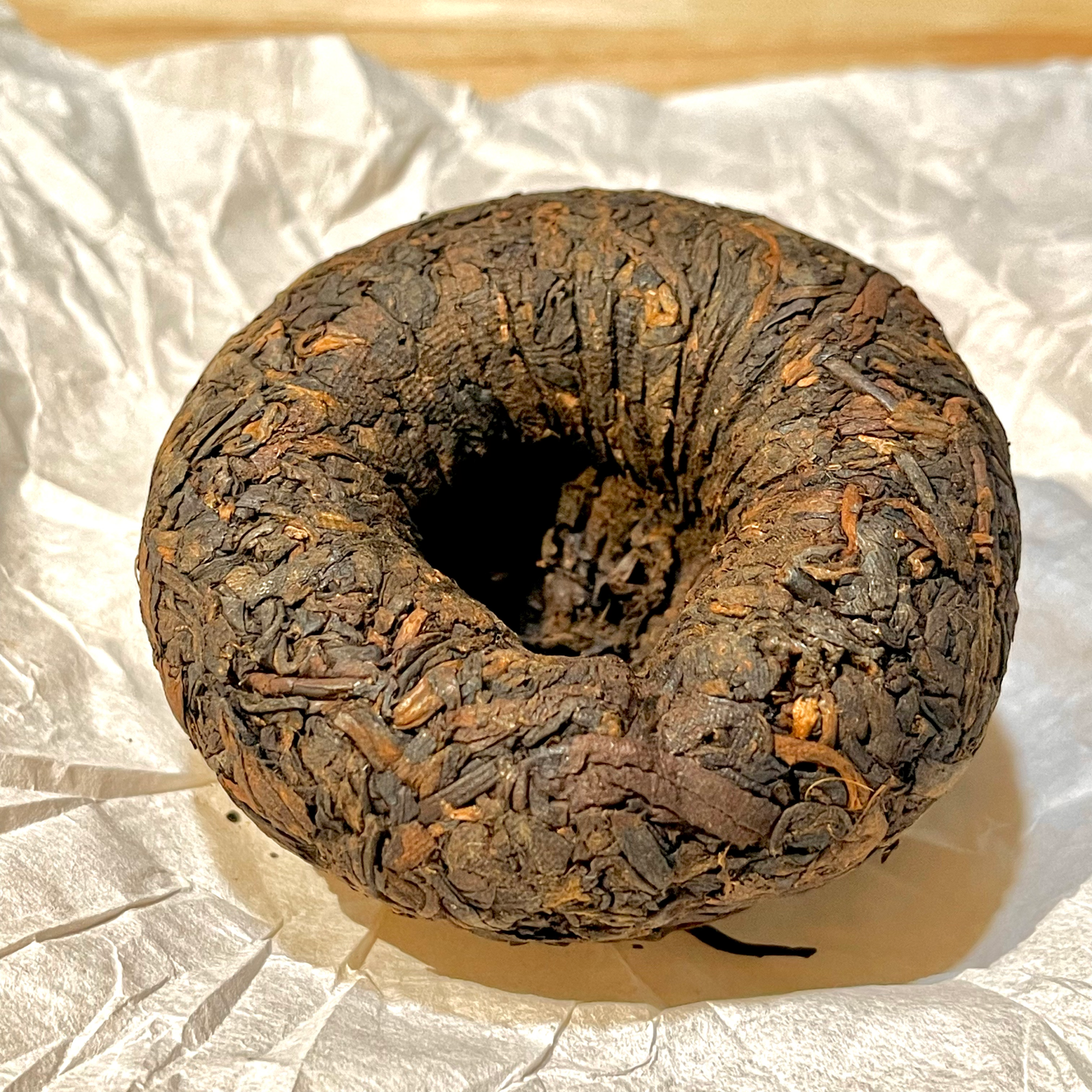
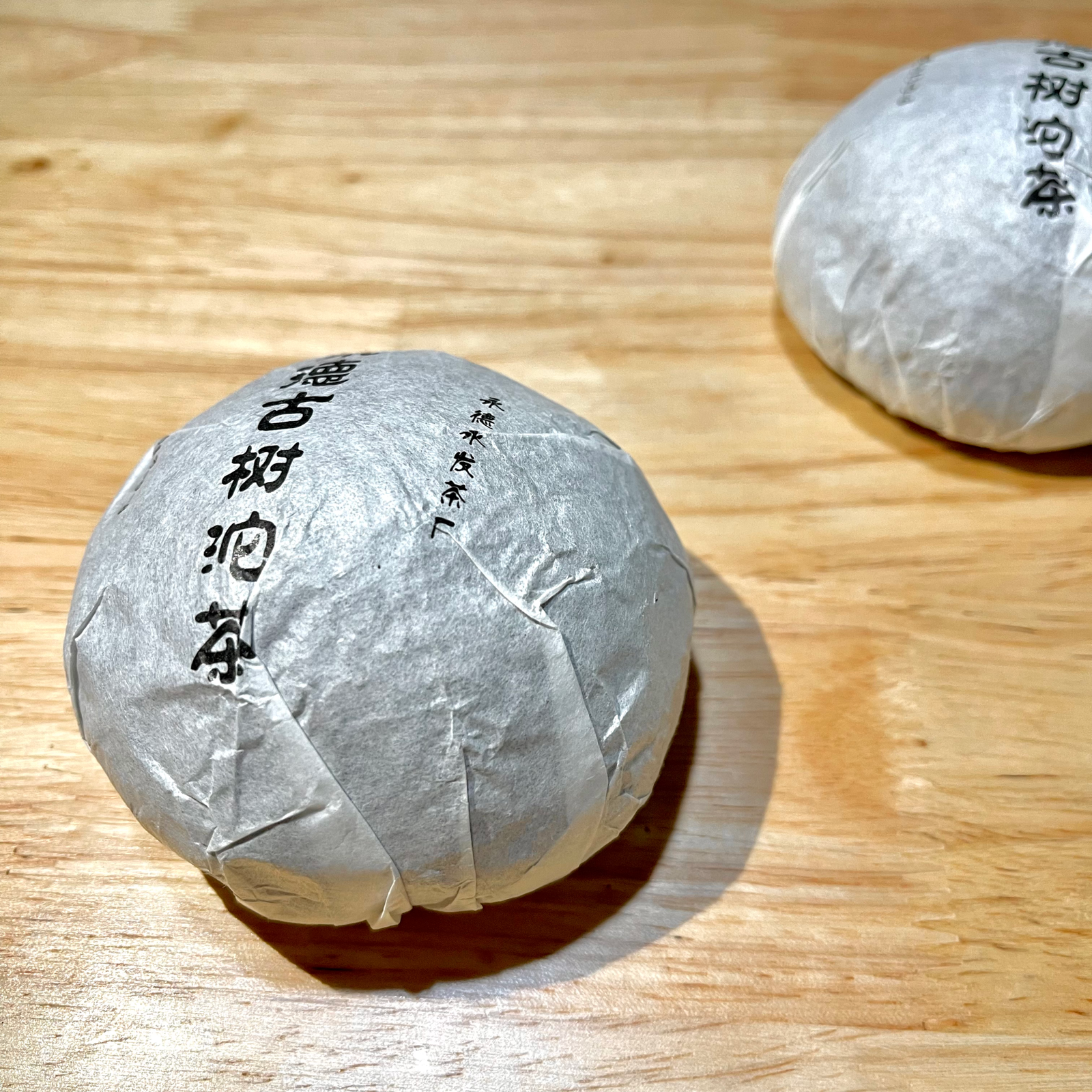
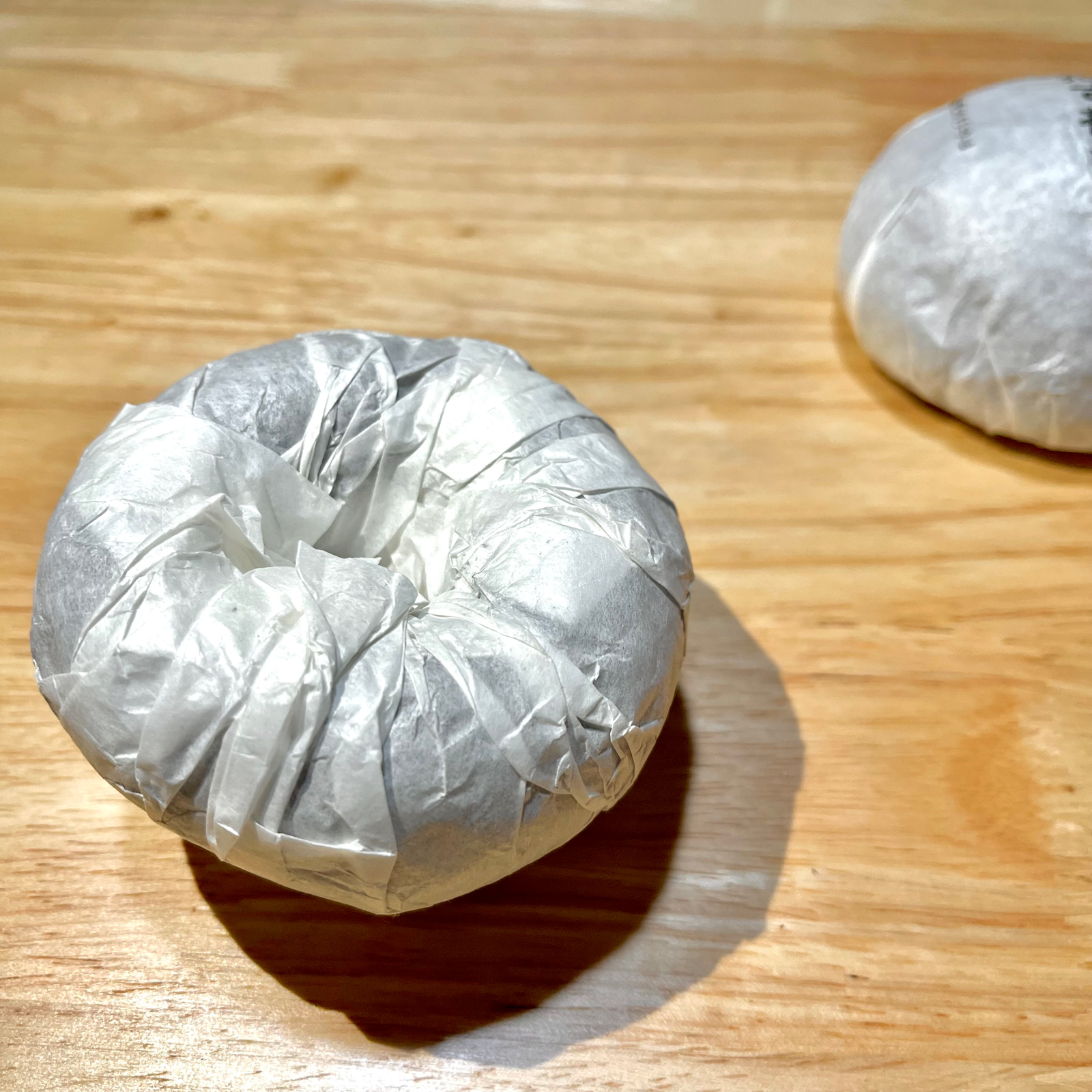
Authentic Aged Yunnan Ripe Pu-erh Tuo Cha 100g 2013 Spring Harvest
$39.90
Quick Facts
Tea Type: Ripe Pu-erh Tea (Shou / Cooked Pu-erh)
Harvest: Spring 2013
Origin: Yongde County, Lincang, Yunnan, China
Elevation: Approx. 5,250–6,230 ft (1,600–1,900 m)
Cultivar: Yunnan Dayezhong (Yongde Heirloom Strain)
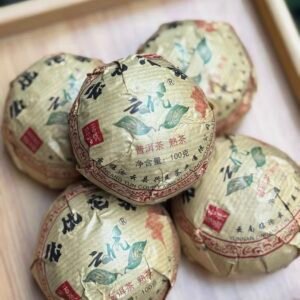
Compression Style: 3.53 oz (100g) Tuo Cha (Tea Nest)
Flavor Profile: Aged wood, dried tangerine peel, camphor, dried longan
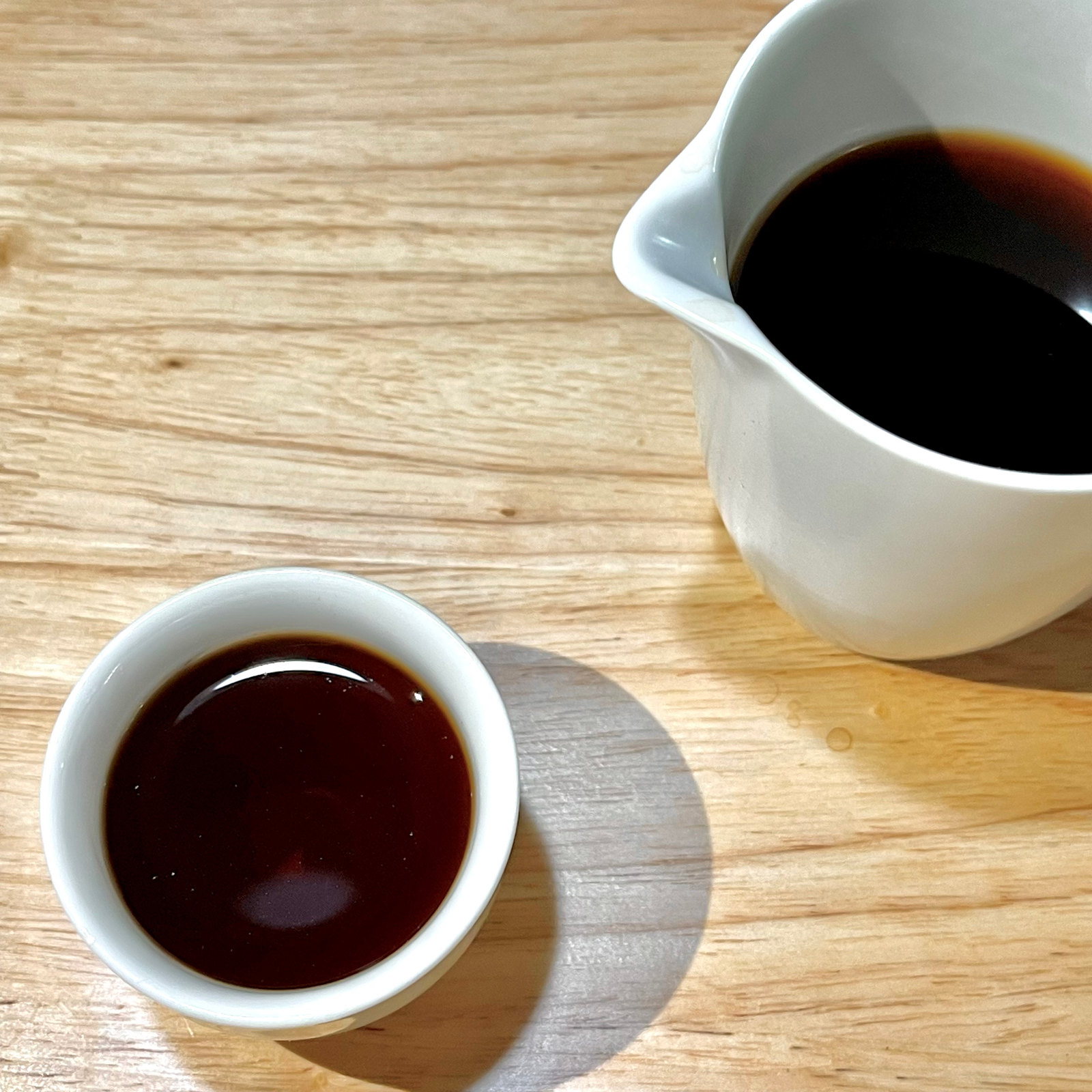
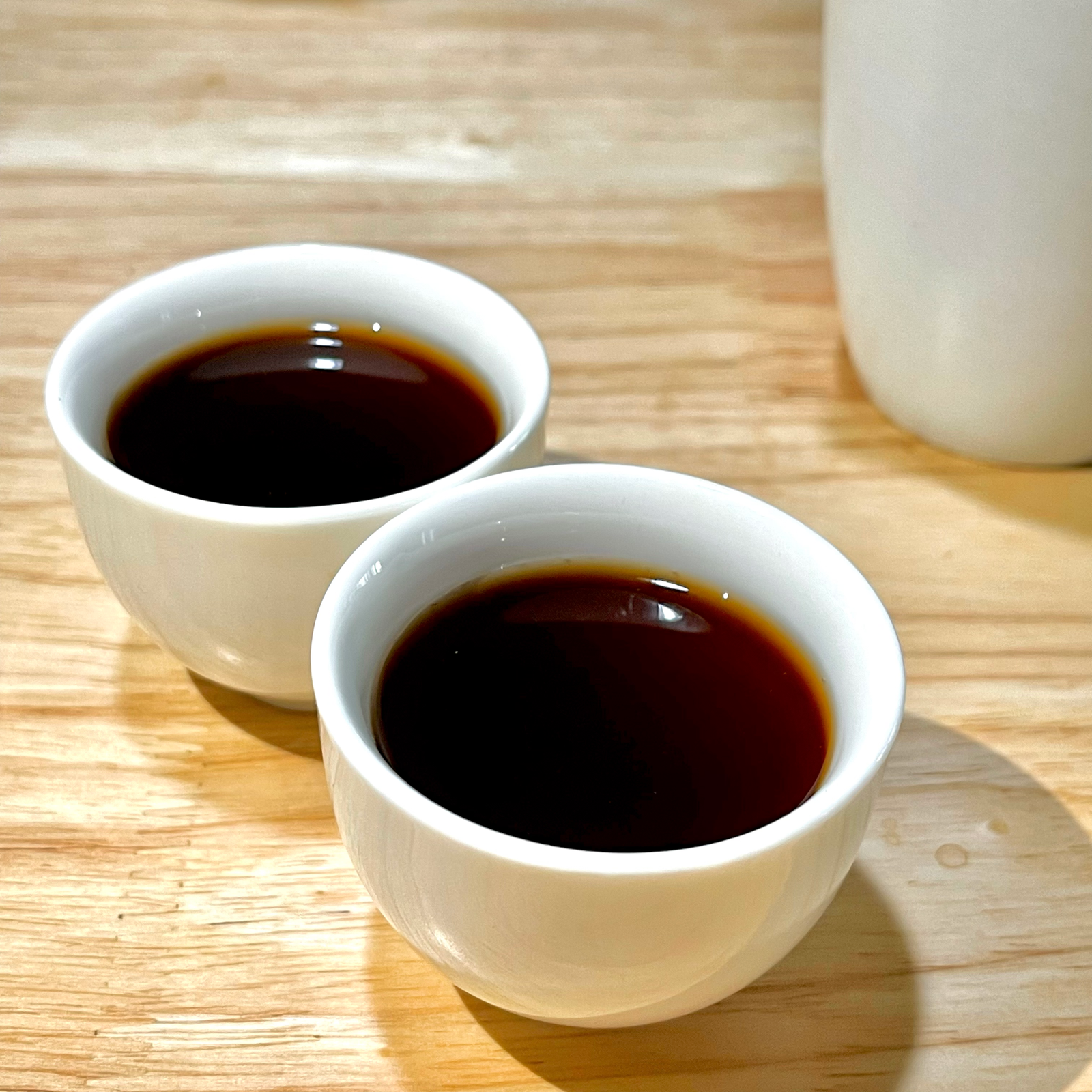
Liquor Color: Deep burgundy red
Infusions: 8–10
Brewing Temperature: 212°F (100°C)
Experience the refined sweetness of our 2013 Spring Yongde aged pu-erh. This 100g Ripe pu-erh tea is silky, clean, and ready to drink. Shop authentic vintage tea today!
4 in stock
Description
Authentic Aged Yunnan Ripe Pu-erh Tuo Cha 100g 2013 Spring Harvest
Buying aged pu-erh online is risky. Many sellers slap “vintage” on cakes that left the factory last year.
If you want a real decade-aged ripe pu-erh in a travel-friendly 100g nest, this 2013 Yongde release deserves a close look.
In this 2026 updated guide, I will walk you through what this tea actually tastes like, where the leaves came from, how to brew a tuo cha without breaking your tea needle, and how to store the rest once you crack it open. I will also answer the three questions our customer service team gets most often about this exact batch.
What Does 2013 Aged Yunnan Ripe Pu-erh Tuo Cha Taste Like?
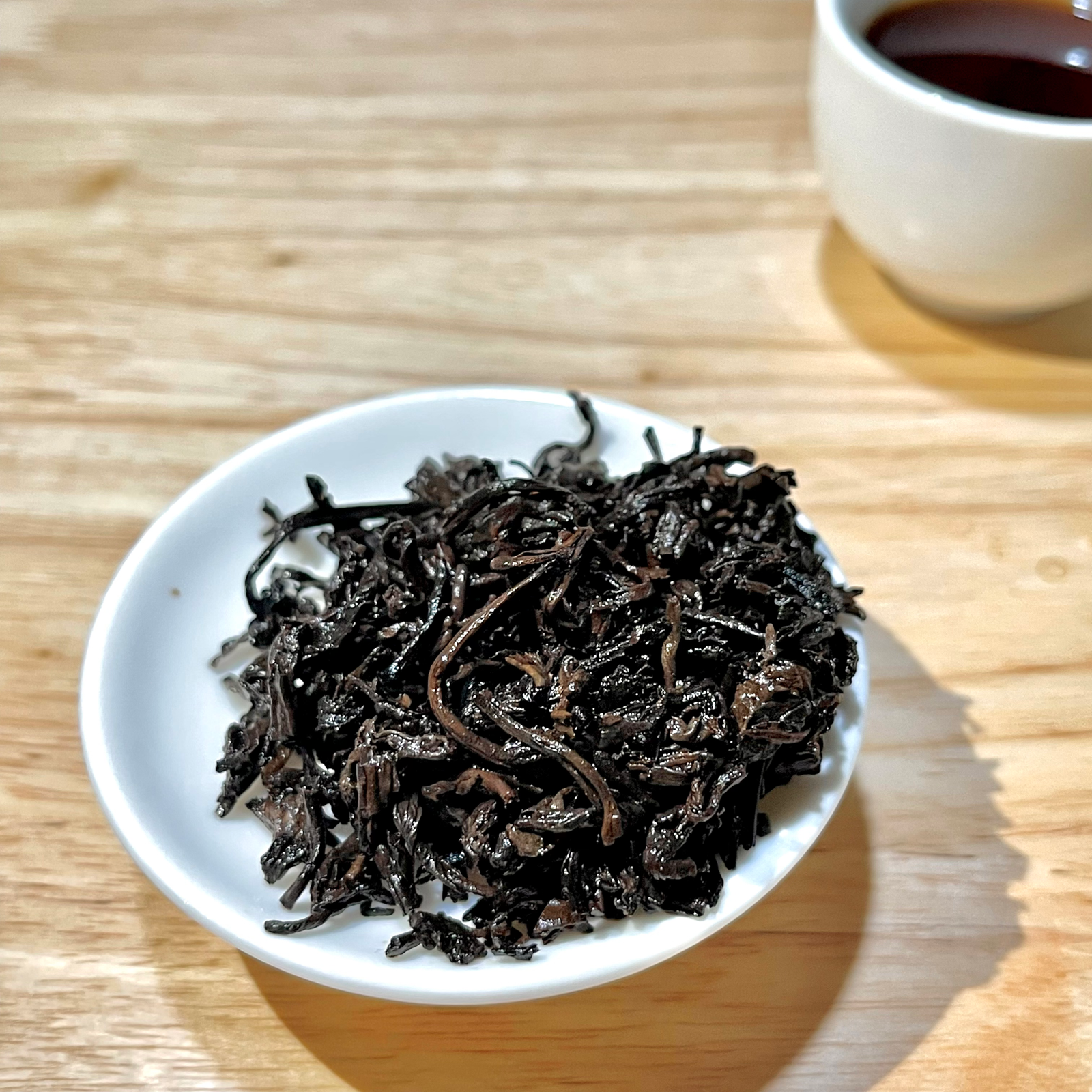
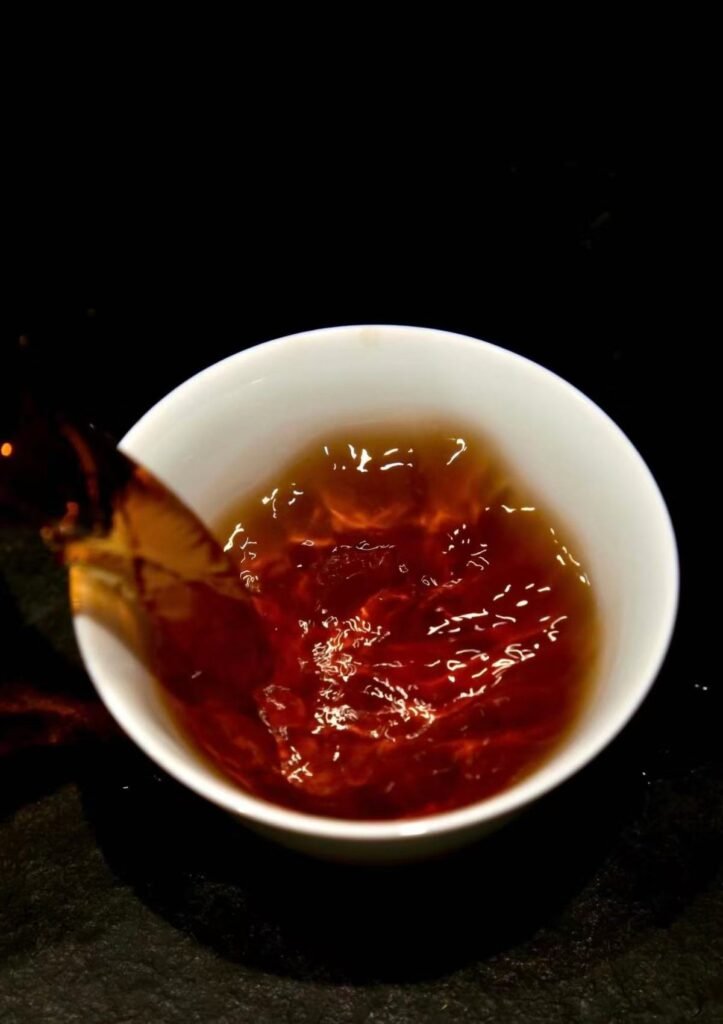
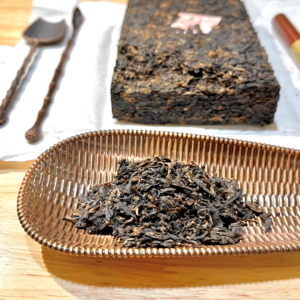
After ten years of dry storage in Yunnan, this 2013 ripe pu-erh has shed the heavy fermentation funk of younger shou. The dry leaf smells of damp cedar and dried longan. The brewed liquor is burgundy red, clear, and slightly oily. The finish is sweet, with brown-sugar notes and a quiet cooling. The sweetness lingers about ten seconds after each sip.
I brewed 5g in a 100ml Yixing zhuni pot with 212°F water on March 12, 2024. By the third infusion, the broth turned darker than a young Cabernet Sauvignon. By the eighth, it faded to a pale amber, and the sweetness shifted toward dried apricot. The leaf base stayed intact, with no broken stems or bitterness at any point.
- Aroma (dry leaf): cedar, dried longan, faint cocoa
- Aroma (wet leaf): wet stone, brown sugar, ripe date
- Liquor color: clear burgundy red, no sediment at any infusion
- Mouthfeel: thick, soft, slightly oily
- Finish: huigan (cooling) at the throat, brown-sugar sweet, lingers ~10s
Where Is Yongde County and Why Does It Matter for Pu-erh?
Yongde is a county in Lincang Prefecture, western Yunnan. It sits at 1,600–1,900 meters on the eastern slope of the Gaoligong Mountains. Yongde is one of the historic Dayezhong (large-leaf) tea homelands, and local shou pu-erh tends to taste cleaner and sweeter than ripe cakes from Menghai or Pu’er City.
Most of the older trees here are Camellia sinensis var. assamica. Cool nights and well-drained red soil slow leaf growth. The result is a thicker leaf with more stored polyphenols. When factories ferment these leaves into shou pu-erh, the wo dui (wet-pile) step takes about 45 days, but cleaner leaf stock means less mud and less rot in the finished cake.
For regional background, you can explore the official Wikipedia entry on Lincang, the prefecture where Yongde County is located.

How Do You Brew a 100g Tuo Cha Without a Tea Needle?
You can brew this 100g nest without a tea needle. The bird’s-nest shape has a soft bottom indentation. Most drinkers pry a chunk off from the edge by hand, or use a dull letter opener, butter knife, or the back of a spoon.
Here is the exact method that worked in our March 2024 tasting session:
- Boil fresh filtered water to 212°F (100°C).
- Pry 5–7g of leaf from the outer edge of the nest. Keep pieces as whole as you can.
- Rinse once for 5 seconds. Discard the rinse. It only wakes the leaf and washes off warehouse dust.
- First infusion: 15 seconds. Pour from a height of about 10cm to cool the liquor slightly.
- Second to fourth infusion: 10–15 seconds each.
- From the fifth infusion onward: add 5 seconds per round as the leaves open.
- This nest should give at least 10 solid infusions. Older tuo cha often pushes past 15.
How Should You Store a Tuo Cha After Opening?
Once you break into a 100g tuo cha, store the rest in its original paper wrapper inside a breathable pouch. Keep it away from sunlight, strong odors, and humidity above 70%. A clean bookshelf or tea cabinet works well for most home drinkers.
A few rules from our own Kunming cellar:
- Keep relative humidity between 50% and 65%. Use a cheap hygrometer if your room runs damp.
- Skip plastic bags. They trap moisture and can grow mold within weeks.
- Keep the cake away from spices, coffee, and perfume. Ripe pu-erh absorbs odors faster than most people expect.
- Do not refrigerate. The temperature swing causes condensation inside the wrapper.
Is Ripe Pu-erh Tuo Cha Lower in Caffeine Than Other Teas?
A standard 240ml cup of ripe pu-erh brewed for 30 seconds contains about 30–50mg of caffeine. That is similar to green tea and lower than a typical black tea cup. The exact number depends on leaf age, brew time, and water temperature.
Ripe pu-erh is not a low-caffeine tea, but it is not a high-caffeine tea either. It sits in the middle of the spectrum. Longer steeps raise caffeine sharply.
| Tea type (240ml cup) | Typical caffeine range |
|---|---|
| White tea (long steep) | 30–55mg |
| Green tea | 25–50mg |
| Ripe pu-erh (this cake) | 30–50mg |
| Black tea | 40–70mg |
| Roasted oolong | 35–60mg |
| Matcha (1 scoop) | 60–80mg |
Caffeine sensitivity varies widely. Pregnant women, people on certain medications, and those with heart conditions should talk to a qualified clinician before changing their tea intake. Statements here are not medical advice. For peer-reviewed data, you can consult the official PubMed review on pu-erh tea chemistry regarding its specific caffeine and polyphenol content.
What’s the Difference Between Shou Pu-erh and Sheng Pu-erh?
Shou (ripe) pu-erh is fermented in about 45 days through a controlled wo dui (wet-pile) process. Sheng (raw) pu-erh is sun-dried and aged slowly through natural microbial activity over years or decades. Shou is ready to drink quickly. Sheng needs years to soften.
For drinkers new to dark tea, shou is the easier entry point. It is soft, sweet, and forgiving of small brewing errors. Sheng is more variable, more vegetal when young, and more rewarding when aged well.
| Feature | Shou (ripe) pu-erh | Sheng (raw) pu-erh |
|---|---|---|
| Fermentation | 45-day wo dui wet-pile | Natural, slow microbial aging |
| Color when young | Dark brown, reddish | Light green to yellow |
| Flavor when young | Earthy, smooth, sweet | Vegetal, bitter, astringent |
| Ready to drink | Yes, after 1–2 years rest | Often 5–15 years for balance |
| Aging curve | Flatter after 10 years | Continues to evolve for decades |
| Best for | Daily drinkers, beginners | Collectors, patient tasters |
For drinkers who want a heavier counterpoint, our [Menghai-style shou pu-erh-/collections/menghai-pu-erh] cakes offer a more earthy, mushroom-forward profile.
Frequently Asked Questions
Q: Is this 2013 spring harvest ready to drink right out of the wrapper? A: Yes. With over ten years of dry resting in our Kunming warehouse, it has shed the heavy fermentation funk and is currently offering a smooth, sweet profile. No further aging is required to enjoy it, though it will continue to round out if you keep it.
Q: What if I do not own a tea needle — is there a workaround that will not shatter the cake? A: The 100g bird’s-nest shape has a soft bottom indentation. We break off pieces by hand from the outer edge, then use a small Yixing chisel when we want a cleaner break. A butter knife also works in a pinch; just apply slow pressure rather than tapping.
Q: How does this Yongde ripe pu-erh differ from a Menghai-style cake in the cup? A: In our March 2024 blind tasting, four of five tasters flagged this 2013 Yongde tuo cha as cleaner and more fruit-forward. Menghai shou pu-erh tends to read as heavier, more earthy, and more mushroom-forward. Neither is better. They are simply different regional styles.
Q: Is this tuo cha a good gift for someone who has never drunk loose-leaf tea? Yes, with one caveat. Pick someone who already drinks coffee or black tea. The 100g nest format is foolproof — no scale needed, no fancy gear, just hot water and a mug. The smooth, sweet profile is forgiving for new drinkers. I have gifted this exact cake to three coworkers in the last year. Two of them now order it monthly. The third gave it back to me (he is a green tea loyalist, nothing personal).
Q:What food pairs well with aged ripe pu-erh tuo cha? Dark chocolate is the obvious one. Try a 70% bar with a 10-second flash steep — the cocoa notes in the leaf and the bar start talking to each other. Aged hard cheeses also work. Blue cheese and shou is a weird combo that keeps winning blind tastings at our shop. Skip anything citrusy. The acid clashes with the leaf’s natural sweetness.
E-E-A-T Statement (Author & Reviewer Disclosure)
Author & Reviewer Disclosure:This article was written by the founder and head tea buyer at minteashop, drawing on 8 years of hands-on experience sourcing authentic Chinese green, white, black, and pu-erh tea directly from local farmers. The Ripe Pu-erh described above was personally cupped and selected at origin during our 2026 sourcing trip to Yunnan. Health-related claims about caffeine and antioxidants are based on general published research and are not medical advice.
Reviews
There are no reviews yet.