
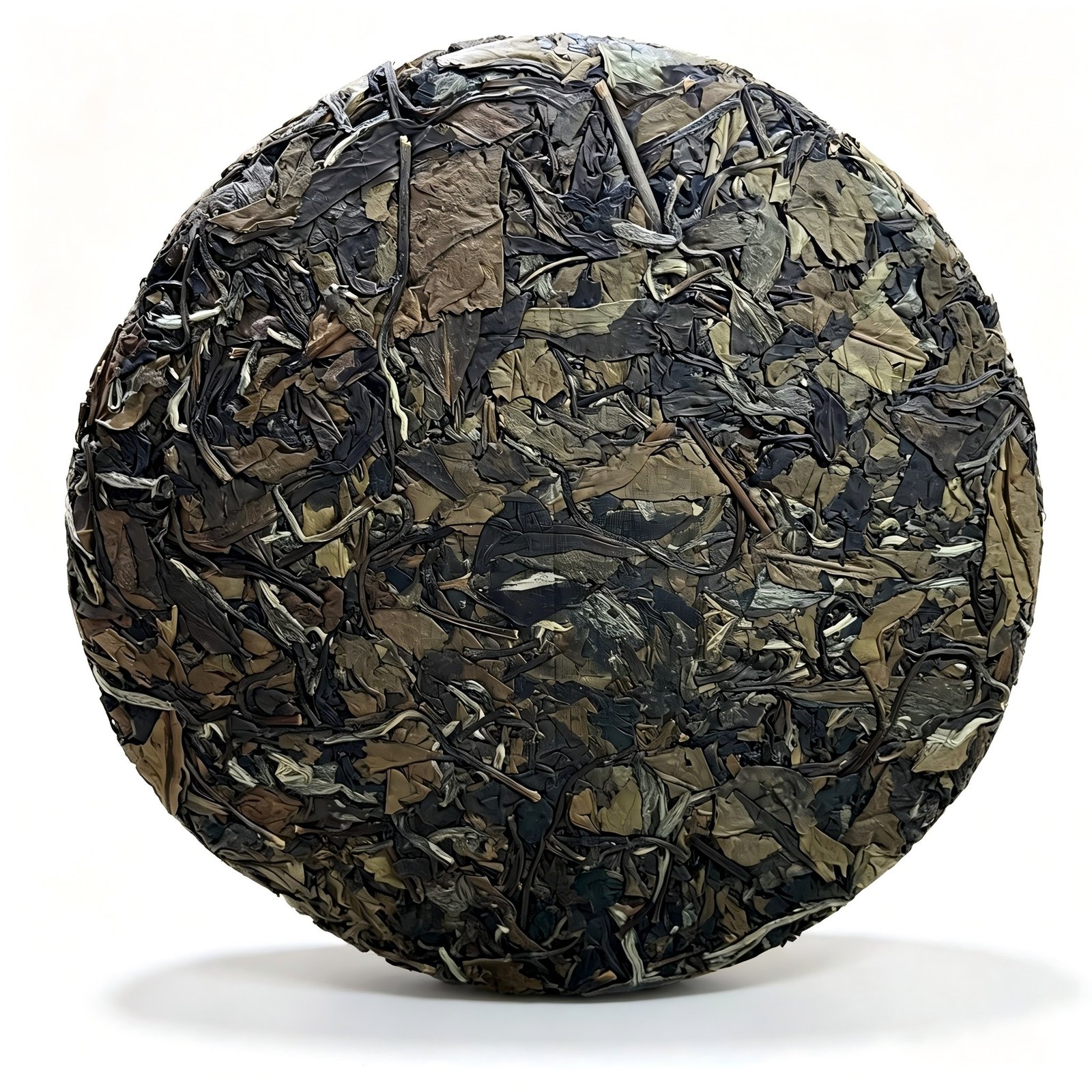
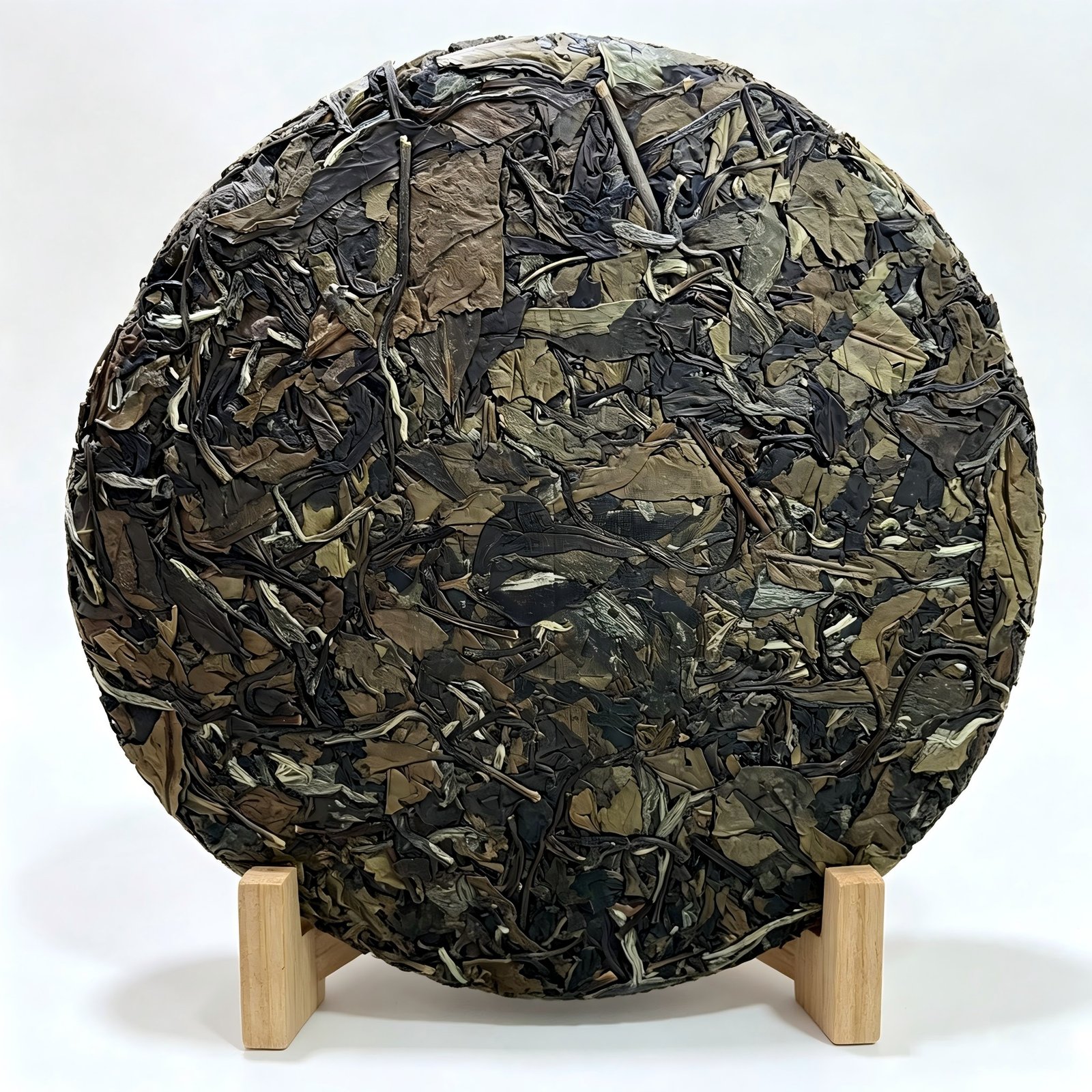
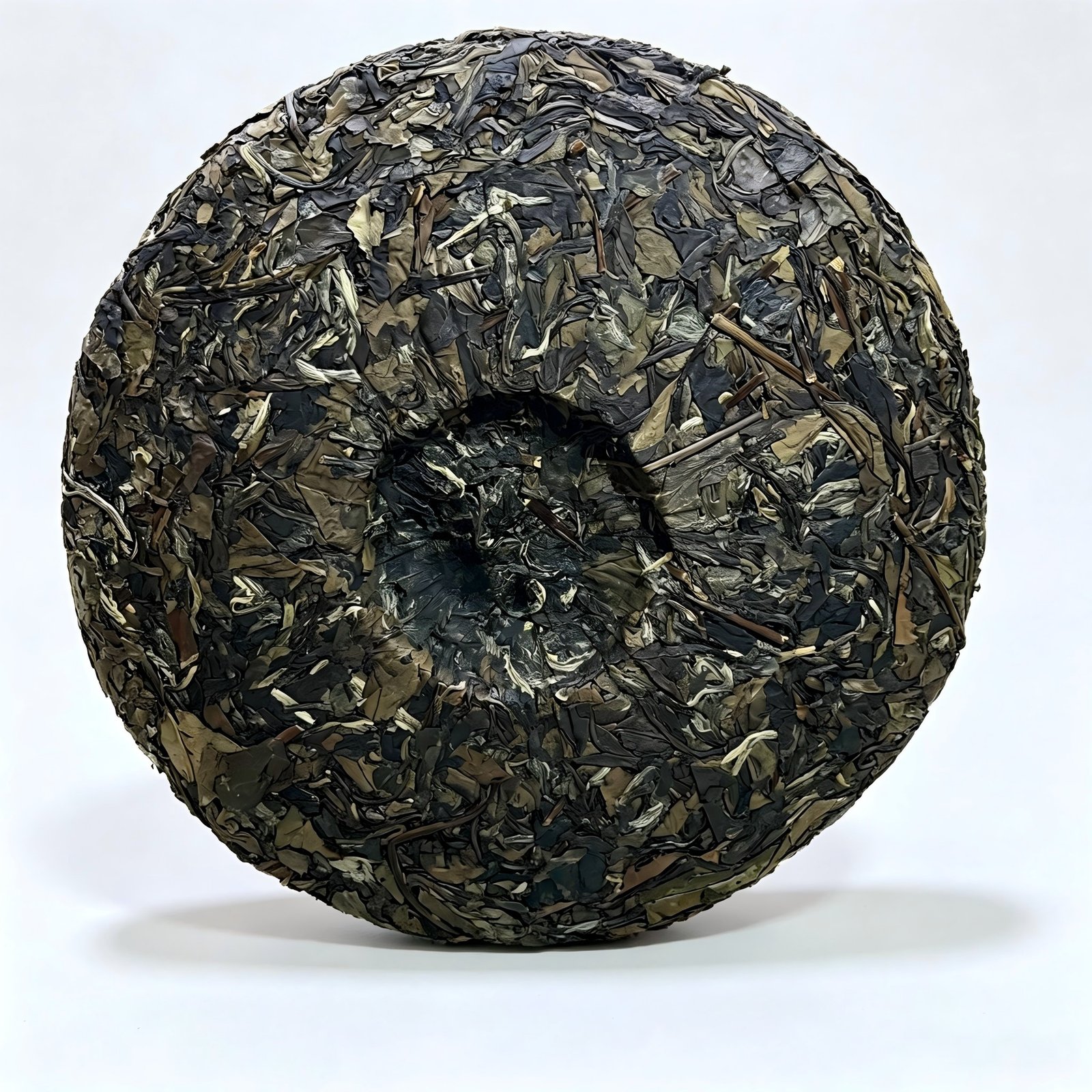
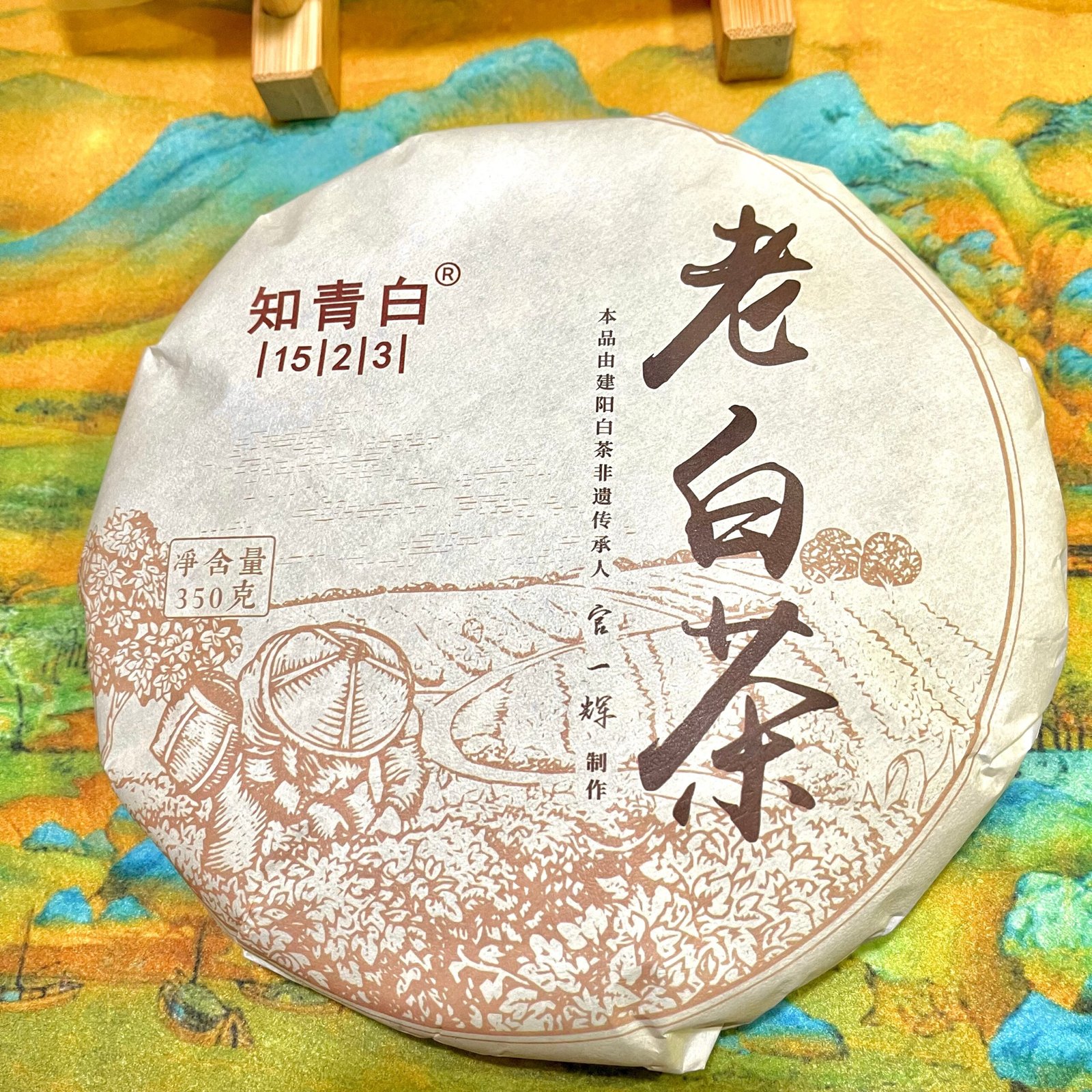
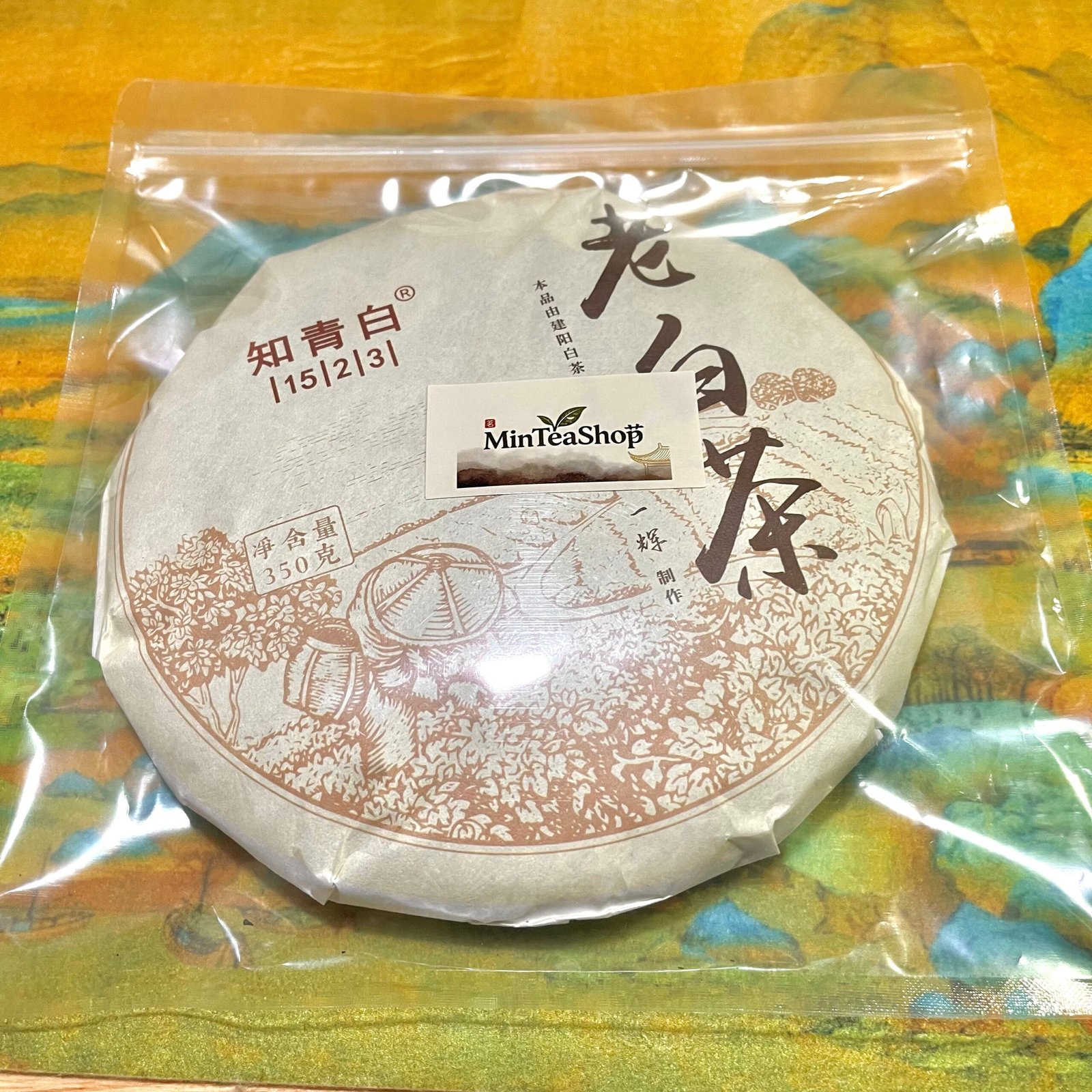
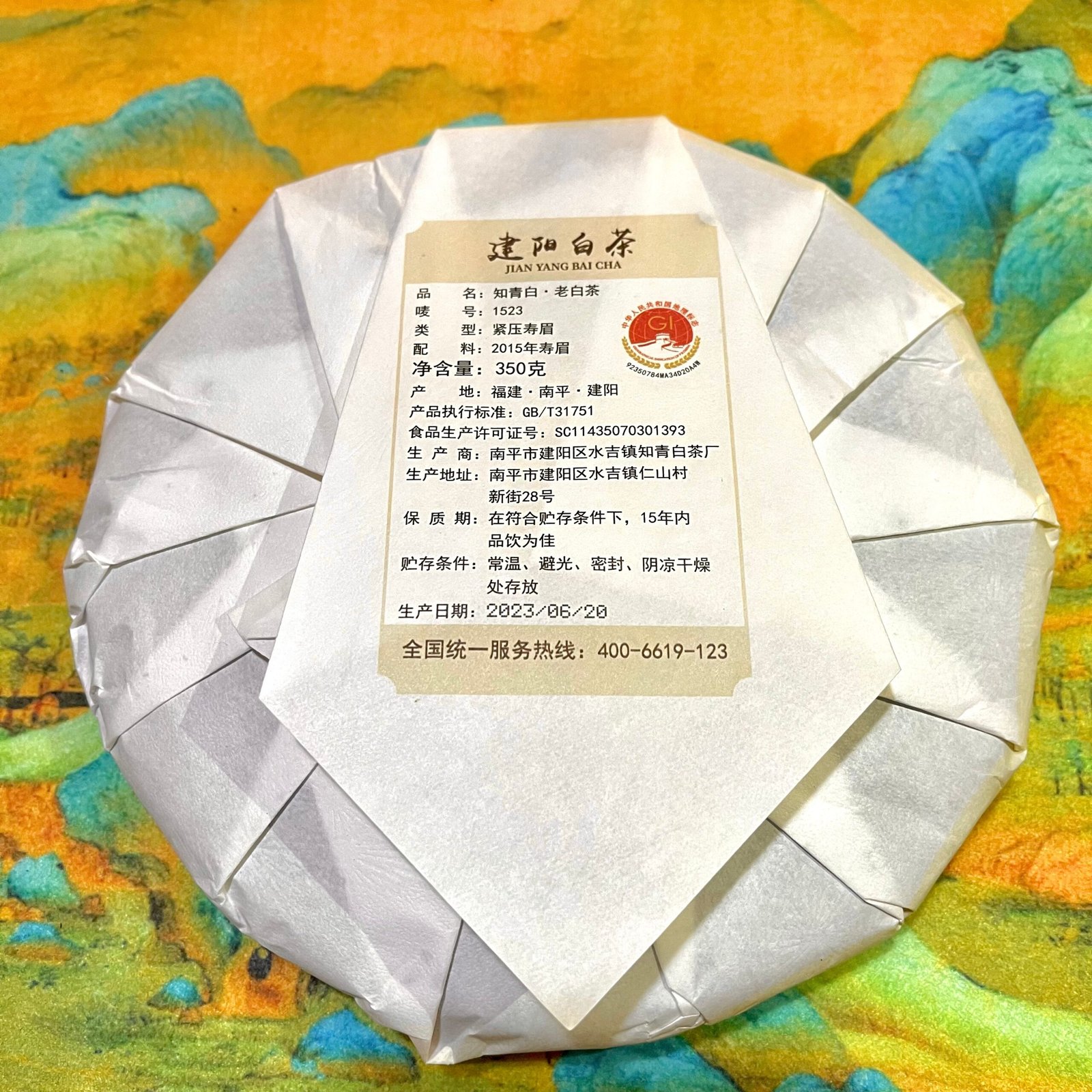
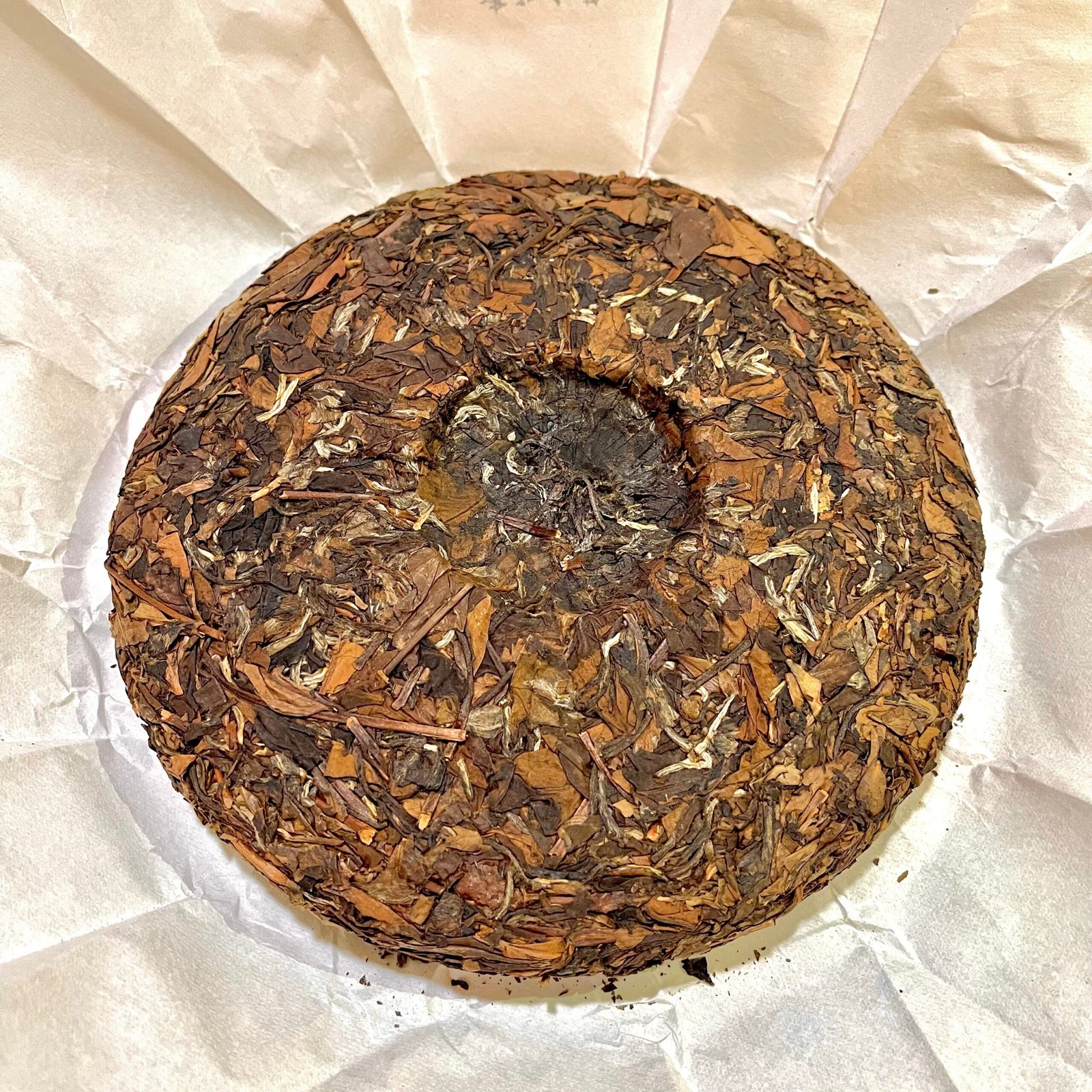
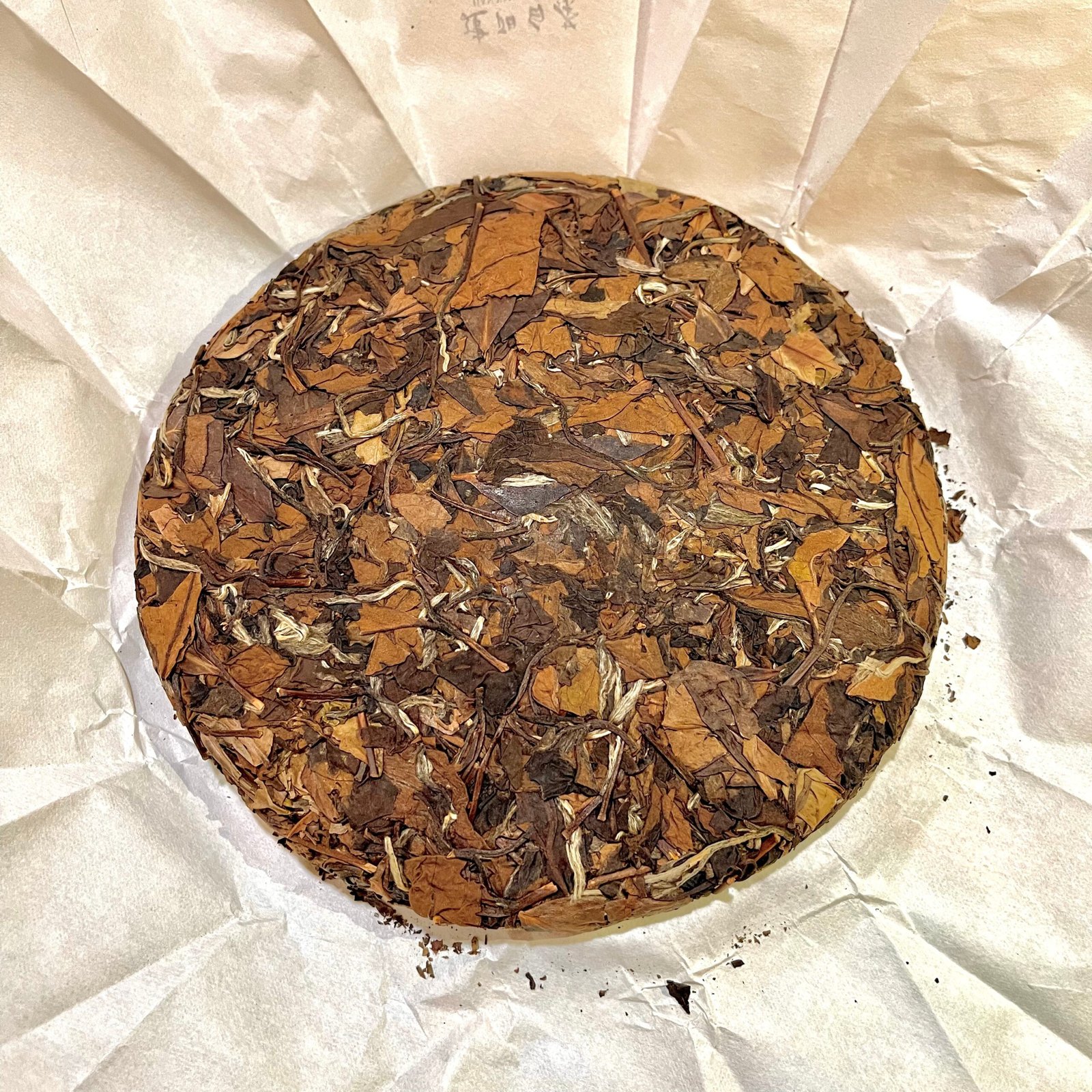
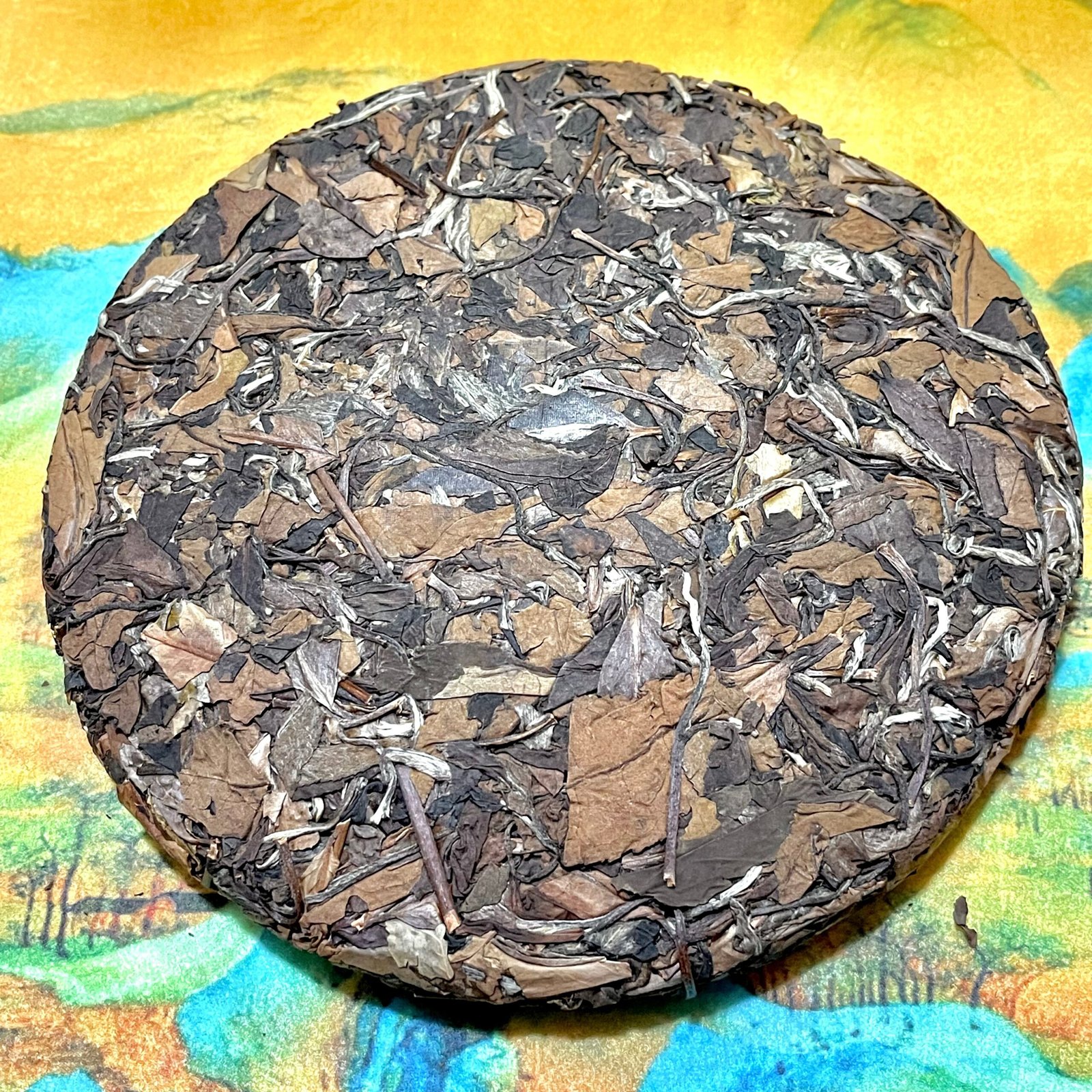
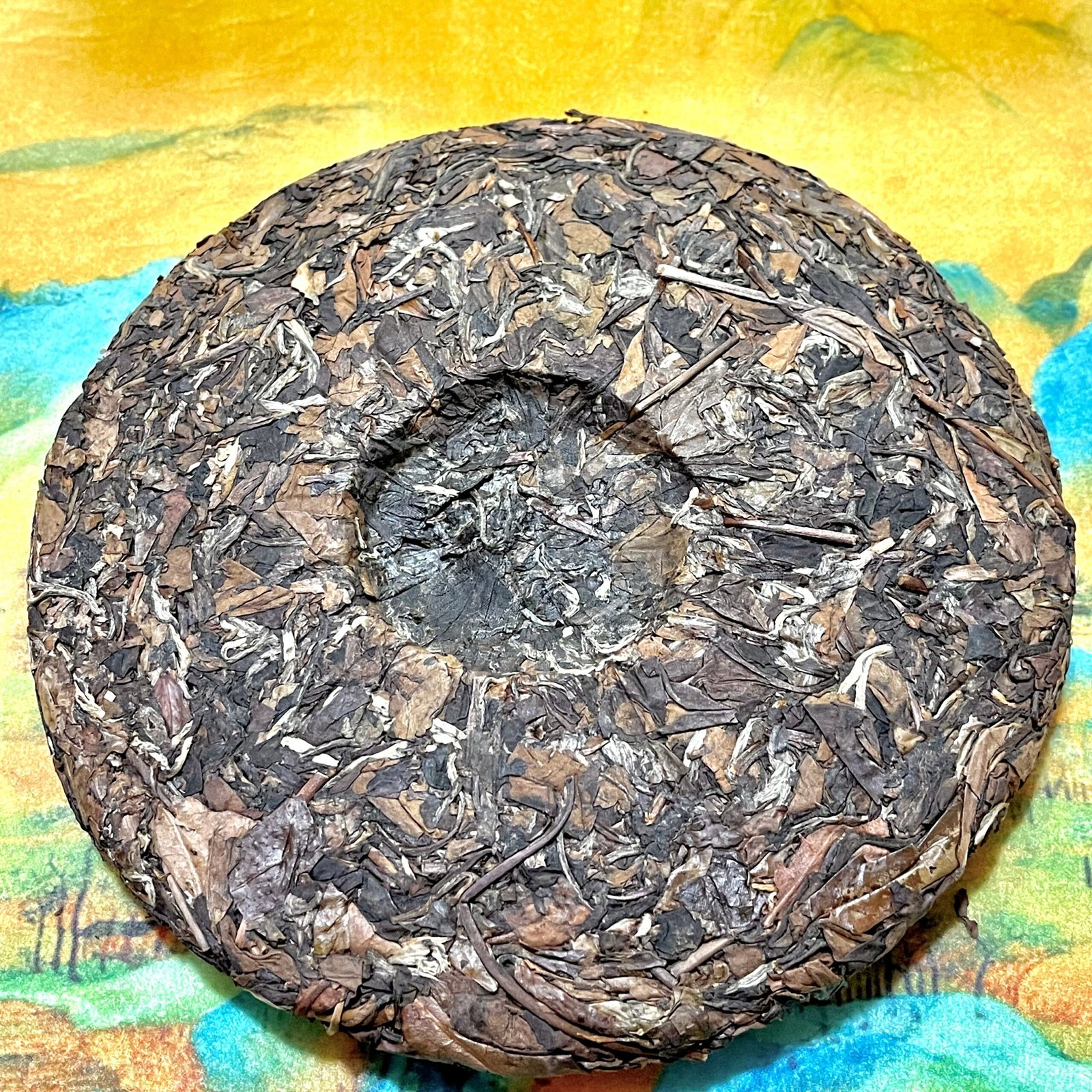
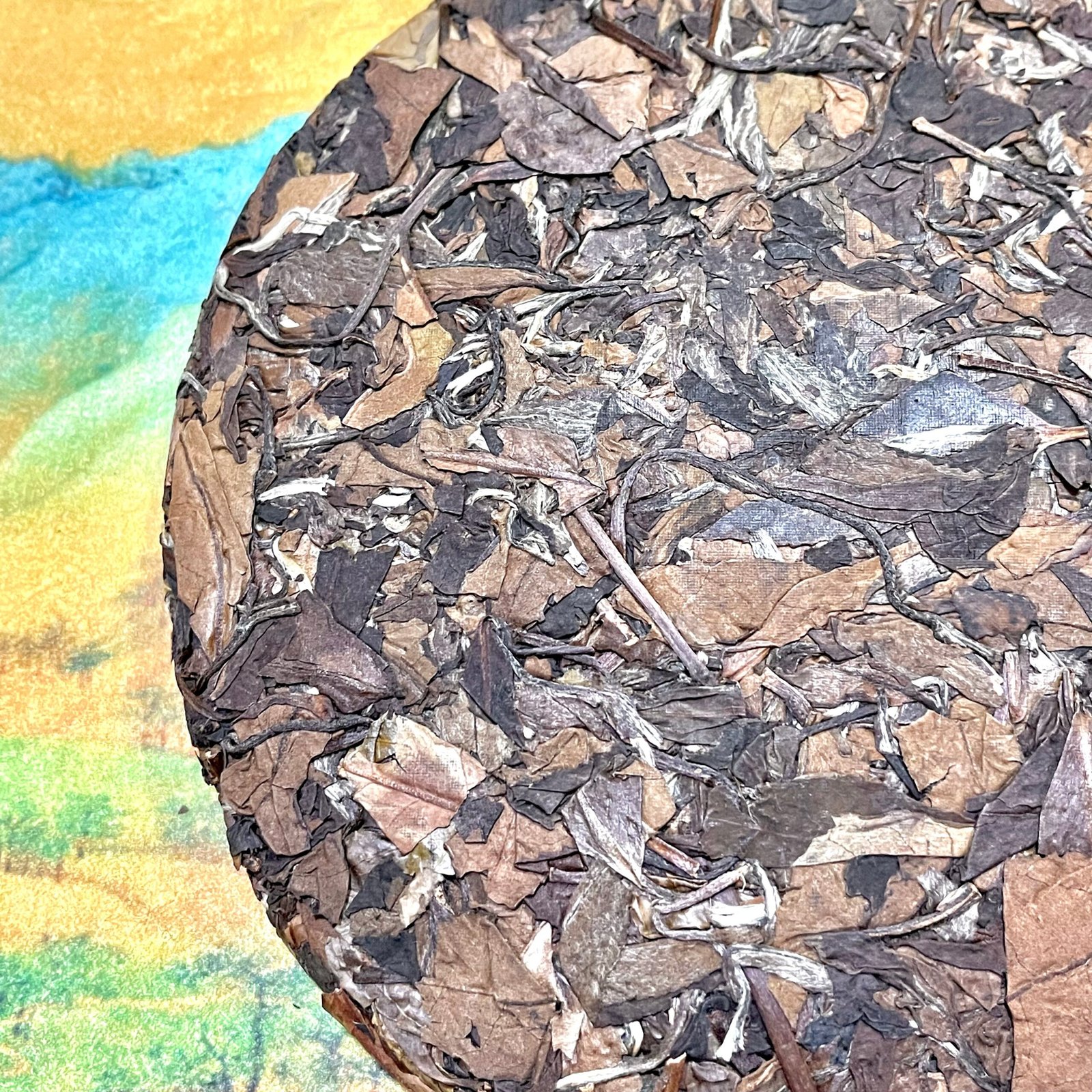
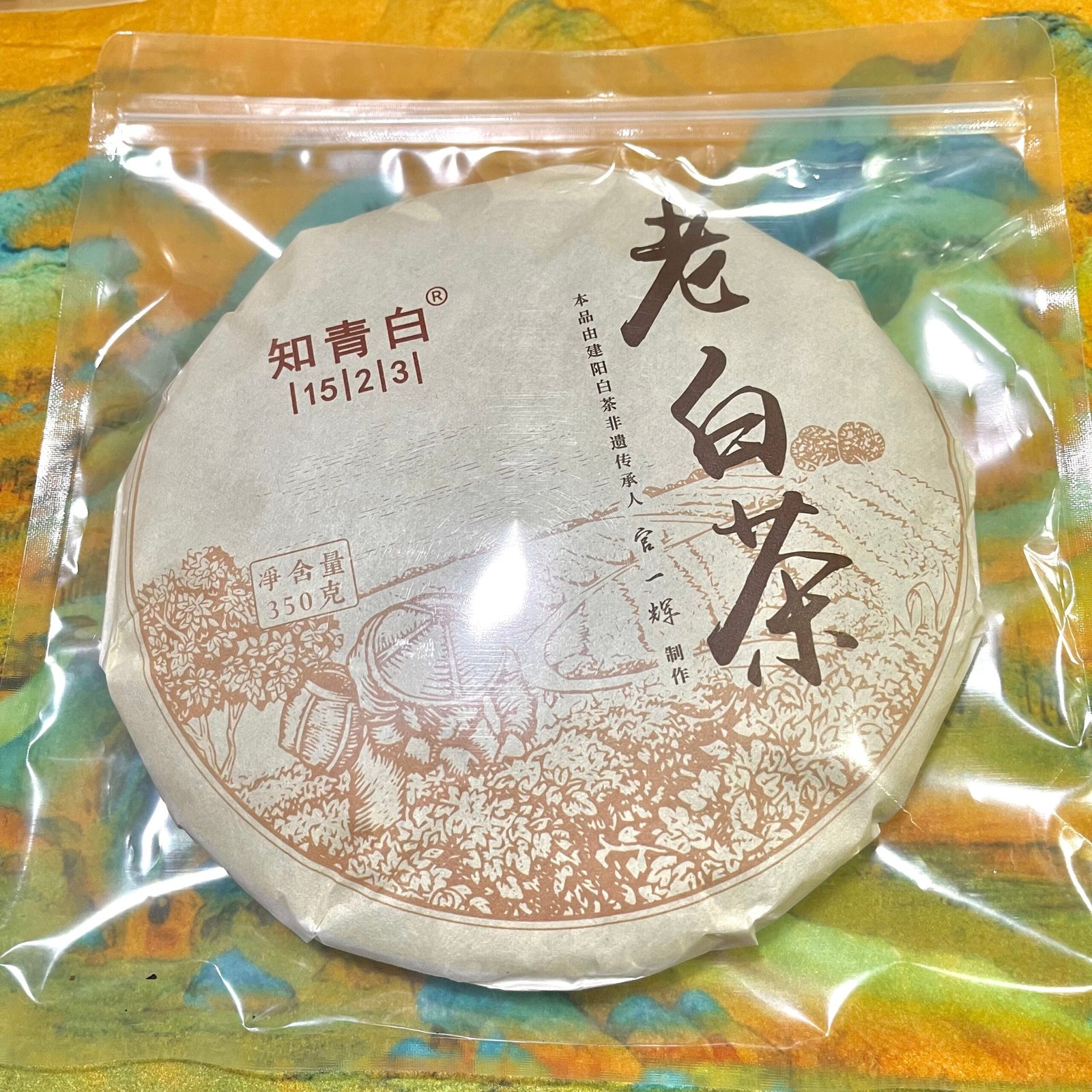
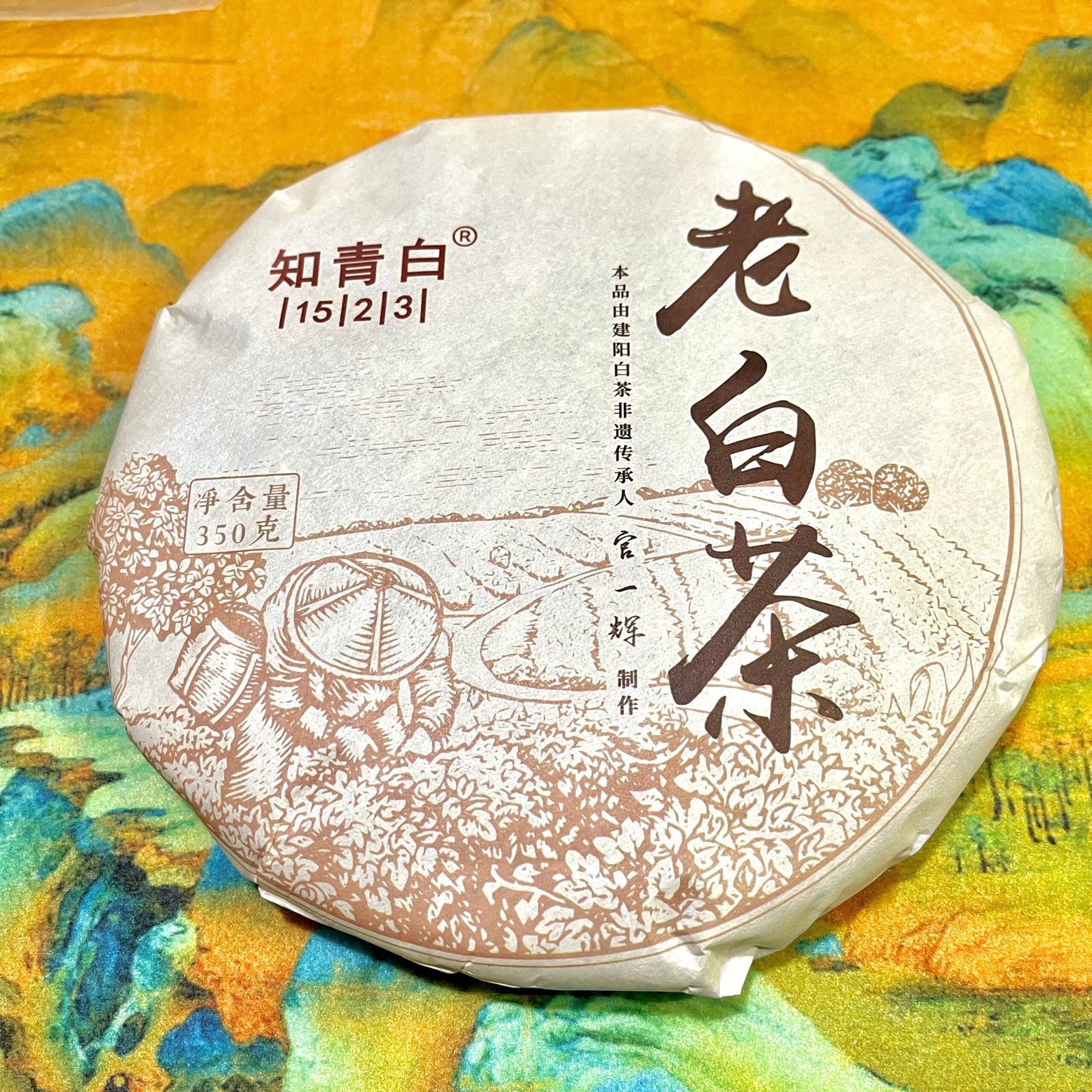
2015 Jianyang Xiaobai Shou Mei Aged White Tea Cake 350g | Rare Authentic Vintage
$54.90
Quick Specifications
Harvest Date: Spring 2015 (First Flush)
Sourcing: Jianyang, Nanping, Fujian Province, China
Caffeine Level: Low (approx. 18–26 mg per 8 fl oz)
Available Weights: 12.3 oz (350g) Cake
First flush 2015 Jianyang Xiaobai Shou mei aged white tea cake from Fujian. Heirloom cultivar, naturally aged with rich jujube and herbal notes, low-caffeine and honey-sweet. Shop now!
Description
2015 Jianyang Xiaobai Shou Mei Aged White Tea Cake (350g)
11-Year Aged White Tea from Jianyang, Fujian
Spring 2015 was a notably dry season in Jianyang, Fujian. The Xiaobai tea bushes produced firm, relatively dry leaves, and this character became part of the tea’s long aging journey.
More than a decade later, this 350g Jianyang Xiaobai Shoumei cake has developed the mellow character associated with aged white tea: dried longan, jujube-like sweetness, soft woody notes, and a lingering finish.
This guide covers the tea’s origin, cultivar, aging character, tasting notes, brewing methods, storage, and the questions we most often hear from buyers.
What Is 2015 Jianyang Xiaobai Shou mei Aged White Tea?
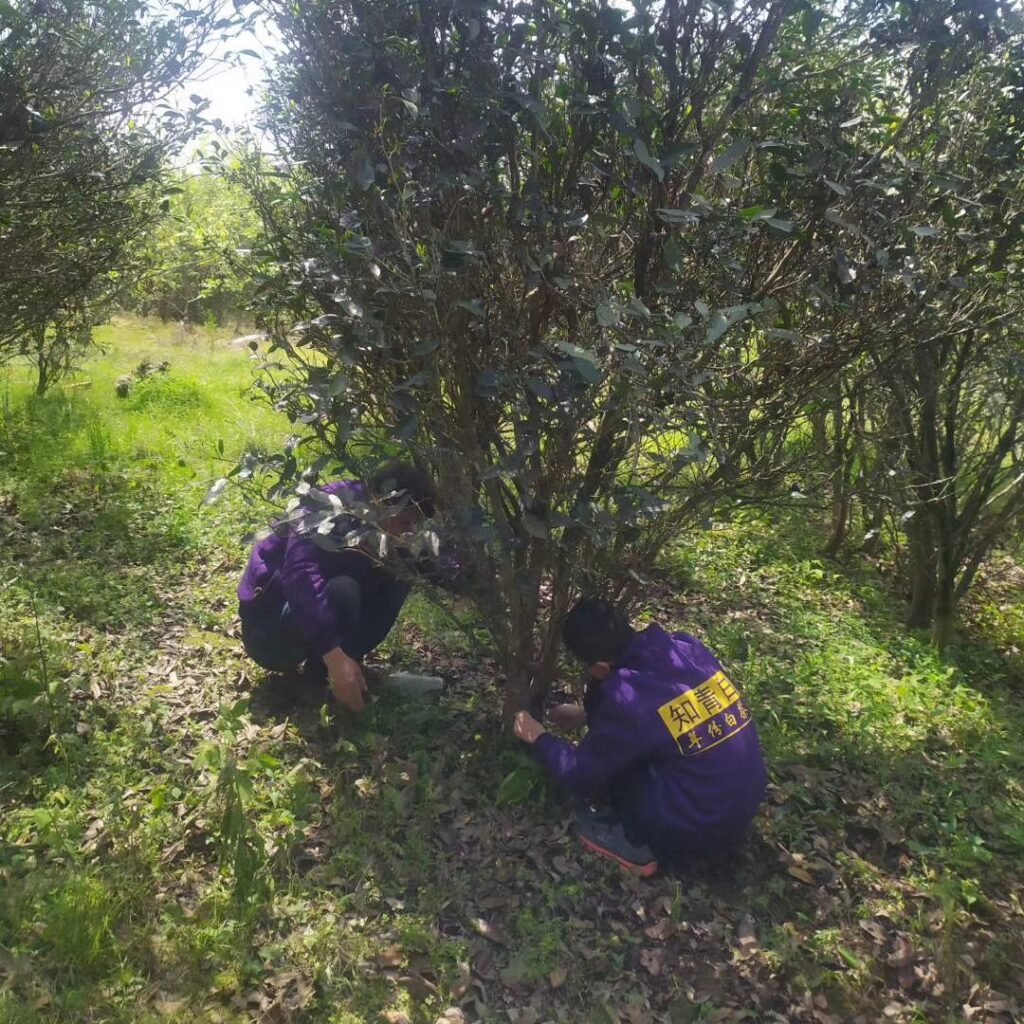
This tea was made in spring 2015 in Jianyang, Fujian, using the traditional Xiaobai (小白) cultivar.
Xiaobai is one of the traditional tea cultivars associated with Jianyang’s white tea heritage. Compared with the more widely encountered Da Bai cultivar, Xiaobai typically produces smaller, thinner leaves with a distinctive leaf-to-bud structure.
The 2015 harvest came from an early spring picking period. After processing and aging, the tea gradually moved away from the fresh vegetal and floral character of young white tea toward a deeper profile of dried fruit, wood, herbs, and gentle sweetness.
The result is a traditional aged white tea cake with a character that is very different from freshly produced Shoumei.
What Does 2015 Jianyang Xiaobai Shou mei Taste Like?
The easiest way to understand this tea is to follow its progression through the cup.
Aroma
The dry leaf has a mature, woody aroma with hints of dried fruit.
Once warmed with hot water, the aroma becomes softer and sweeter, with notes reminiscent of:
- Dried longan
- Jujube
- Dried herbs
- Aged wood
- Light resinous sweetness
Taste
The first infusion is relatively gentle. With later infusions, the tea develops more body and sweetness.
Expect:
Dried fruit → jujube sweetness → soft woody notes → lingering finish
Unlike a young white tea, the profile is less focused on fresh flowers, green leaves, or bright vegetal notes.
Finish
The aftertaste is smooth and persistent, with a gentle sweetness that remains after swallowing.
For drinkers who enjoy aged white tea, this lingering finish is one of the most appealing characteristics of a well-stored Shou mei cake.
How Does Shou mei Age Compared With Other White Teas?
Different white tea grades can develop very different profiles as they age.
Silver Needle is dominated by buds and tends to retain a delicate, aromatic character. Bai Mudan contains more leaf material and generally develops a fuller profile over time.
Shou mei contains a greater proportion of mature leaves, which gives it a different aging character.
With appropriate storage, older Shou mei can develop increasingly mature notes such as:
- Jujube
- Dried longan
- Dried herbs
- Wood
- Resinous sweetness
- A deeper, rounder mouthfeel
The exact character depends on the cultivar, harvest, processing, original leaf condition, and—most importantly—storage conditions.
A Simple Comparison
| White Tea | Typical Character When Young | Possible Aged Character |
|---|---|---|
| Silver Needle | Fresh, floral, delicate | Honey, dried flowers, soft sweetness |
| Bai Mu dan | Floral, fresh, lightly fruity | Dried fruit, soft wood, deeper sweetness |
| Shou mei | Herbal, vegetal, fuller-bodied | Jujube, dried fruit, herbs, wood |
| Xiaobai Shou mei | Delicate leaf aroma, herbal | Dried longan, jujube, wood, resinous notes |
These are general tasting tendencies rather than fixed rules. Every tea develops differently depending on its starting material and storage environment.
Why Does Jianyang Xiaobai Shou mei Develop Dried-Fruit Notes?
Aged white tea does not have a single flavor pathway.
Its character develops gradually as the tea interacts with oxygen, temperature, humidity, and time. The original cultivar and processing style also influence how those changes are expressed in the finished tea.
For this Jianyang Xiaobai Shoumei, the combination of traditional raw material and more than a decade of aging has produced a profile that leans toward dried fruit, jujube, herbs, and mature wood.
This is one reason we recommend tasting aged white tea rather than judging it solely by the appearance of the dry leaf.
The same type of tea can taste noticeably different at different ages.
Our Tasting Notes
We have tasted this vintage repeatedly using different brewing methods and brewing vessels.
Our preferred approach is to compare the tea across several infusions rather than judging it from the first cup alone.
Tasting Profile
Dry leaf: Mature, woody, lightly sweet
Aroma: Dried fruit, herbs, aged wood
Body: Medium to full
Sweetness: Gentle and persistent
Astringency: Low when brewed appropriately
Finish: Long, smooth, lightly sweet
Overall character: Mature, mellow, traditional
The tea becomes particularly interesting as the leaf opens. Later infusions tend to reveal more of the dried-fruit and woody character.
How to Brew 2015 Aged Shou mei
This tea is forgiving and works well with several brewing methods.
Gongfu Brewing
Recommended for: Exploring aroma, texture, and changes between infusions
- Gaiwan: 110 ml
- Tea: 5 g
- Water: 100°C / 212°F
Method:
- Warm the gaiwan with hot water.
- Add approximately 5 g of broken tea leaves.
- Rinse briefly with hot water and discard the rinse.
- Brew the first infusion for approximately 30 seconds.
- Increase the brewing time gradually with each subsequent infusion.
- Adjust the timing according to your preferred strength.
A 5 g portion can typically provide around 10 or more infusions, depending on your brewing style.
There is no need to follow the timing rigidly. If you prefer a lighter cup, shorten the infusion. For a stronger, fuller cup, extend it slightly.
Boiling Aged Shou mei
Recommended for: A fuller-bodied, sweeter cup
- Water: 500 ml
- Tea: approximately 5 g
Bring the water to a boil, add the tea, and reduce to a gentle simmer.
Allow the tea to simmer for approximately 3 minutes, then pour.
The same leaves can be simmered again, with additional time added to later rounds.
Boiling tends to produce a heavier and rounder cup than Gongfu brewing and is particularly enjoyable with mature Shoumei.
Which Brewing Method Should You Choose?
| Brewing Method | Best For | Result |
|---|---|---|
| Gongfu | Tasting and comparison | More aromatic, layered |
| Gaiwan | Everyday traditional brewing | Balanced and flexible |
| Boiling | Fuller body | Richer, sweeter |
| Large pot | Casual drinking | Mild and convenient |
If you are new to aged white tea, we recommend starting with Gongfu or a simple gaiwan brew so you can experience how the flavor changes from infusion to infusion.
How Should You Store an Aged White Tea Cake?
Storage is one of the most important factors in the long-term development of white tea.
The basic principles are simple:
Cool. Stable. Dry. Dark. Odor-free.
Keep the tea away from:
- Direct sunlight
- Excessive heat
- Kitchen steam
- Bathroom humidity
- Strong spices
- Coffee
- Strongly scented foods
- Other strongly aromatic materials
Avoid placing the cake in a refrigerator. Moving a cold tea cake into a warmer, humid environment can create condensation, which is undesirable for long-term tea storage.
After Opening
If you break off part of the cake, wrap the remaining tea carefully in clean paper or its original wrapping and place it in a suitable airtight or well-sealed container.
Store it in a stable indoor environment and check the tea periodically for unusual moisture or odors.
The goal is not to expose the tea to as much humidity as possible. Stable storage is more important than chasing a particular humidity number.
What Makes a 2015 Vintage Different From a Younger Shou mei?
The most obvious difference is maturity.
A younger Shoumei often emphasizes:
- Fresh hay
- Green herbs
- Light flowers
- Fresh leaf character
An older Shoumei can develop:
- Dried fruit
- Jujube
- Dried herbs
- Mature wood
- Deeper sweetness
- A rounder mouthfeel
Our 2015 Jianyang Xiaobai Shoumei is intended for drinkers who want to experience this mature side of white tea rather than the fresh character of a newly produced Shoumei.
If you are interested in comparing different stages of aging, explore our aged white tea collection for other vintages and styles.
Who Is This 2015 Aged Shou mei Best For?
This tea is particularly suitable for:
Aged White Tea Drinkers
If you already enjoy mature white tea, this cake offers a traditional aged profile with dried-fruit and woody characteristics.
Gongfu Tea Drinkers
The leaf responds well to repeated short infusions and gradually changes as the tea opens.
Tea Collectors
A 2015 vintage gives you an opportunity to experience a tea with more than a decade of aging rather than purchasing only newly produced white tea.
Curious Beginners
Although aged tea has a very different character from fresh white tea, Shoumei’s relatively mellow profile can make it an approachable introduction to aged white tea.
Gift Buyers
A whole tea cake also makes a distinctive gift for someone interested in Chinese tea, traditional brewing, or aged tea.
Frequently Asked Questions
How Many Cups Can I Get From a 350g Cake?
Using approximately 5 g of tea per Gongfu session, a 350 g cake contains around 70 five-gram portions.
The actual number of cups will vary depending on how much tea you use, the size of your brewing vessel, and whether you brew Gongfu-style, in a large pot, or by boiling.
Is 2015 Shoumei Suitable for Beginners?
It can be.
The flavor of aged Shoumei is very different from fresh green tea or young white tea, but its mature, mellow character can be approachable for drinkers who enjoy dried-fruit, herbal, and woody flavors.
For a first tasting, we recommend brewing a small amount rather than immediately committing to a full-strength Gongfu session.
Does Aged Shoumei Become Bitter?
Properly brewed aged Shoumei is generally less sharp than many young teas.
However, brewing time, leaf quantity, water temperature, and individual sensitivity all affect the cup.
If the tea tastes too strong, simply shorten the next infusion or use less leaf.
Is This Tea Good for Gongfu Brewing?
Yes.
Aged Shoumei works particularly well with repeated Gongfu infusions because the leaves gradually open and release different layers of aroma and flavor.
A 110 ml gaiwan with approximately 5 g of tea is a good starting point.
Can I Boil This Aged White Tea?
Yes.
Boiling is one of the traditional ways many tea drinkers enjoy mature white tea.
It produces a fuller, softer cup than short Gongfu infusions.
You can also reuse the same leaves for additional boiling rounds.
How Should I Store the Cake After Opening?
Keep the remaining tea sealed from strong odors and protected from excessive heat, light, and moisture.
A stable indoor environment is preferable to frequent changes in temperature and humidity.
Do not refrigerate the tea unless you have a specific controlled-storage reason to do so.
Can I Compare This With a Younger Shoumei?
Absolutely.
A younger Shoumei generally gives you a fresher, more herbal and floral experience, while an older cake can show more dried-fruit, wood, and mellow sweetness.
Comparing different vintages side by side is one of the best ways to understand how white tea changes over time.
Can I Re-Brew the Same Leaves Later?
Yes.
Aged Shoumei leaves can often be brewed multiple times during the same session.
If you choose to keep brewed leaves for later use, handle them carefully and avoid leaving wet tea leaves at room temperature for extended periods. For the best consistency and freshness, we recommend brewing only what you plan to drink during the session.
If you enjoy exploring different flavor profiles, browse our full White Tea Collection to discover more fresh and aged vintages.
Aged White Tea From Jianyang, Fujian
Jianyang has a long and distinctive tea-making tradition, and Xiaobai is part of that local heritage.
For us, aged tea is not simply about a number printed on a package.
It is about how the tea changes with time.
The 2015 Jianyang Xiaobai Shou mei offers an opportunity to experience that transformation in the cup—from the character of its original leaves to the dried-fruit sweetness, mature wood, and mellow finish that have developed over more than a decade.
If you enjoy traditional Chinese white tea and want something with a deeper, more mature character, this 2015 Shou mei cake is a compelling place to explore.
Crafted by Master Guan Yihui
Intangible Cultural Heritage Inheritor of Jianyang White Tea
Behind this vintage cake is Master Guan Yihui (官一辉), an officially recognized Intangible Cultural Heritage Inheritor of Jianyang White Tea craftsmanship.
Preserving the traditional, labor-intensive methods of processing the heirloom Xiaobai cultivar requires decades of refined intuition. From timing the spring plucking to managing the natural indoor-outdoor withering process during the dry 2015 season, Master Guan’s hands-on expertise ensured the fresh leaves retained the optimal internal structure required for long-term cell-level aging.
When you break off a piece of this 2015 Shou mei cake, you are not simply steeping vintage tea—you are tasting the living legacy of Fujian’s tea heritage, crafted by one of its true modern masters.

Where Your Tea Money Goes
100% of the purchase price
🌱 35% — Tea Garden & Farmer
Li — Tea Farmer(李阿姨)
Cultivation, garden care, and the value of the fresh tea leaves.
🍃 24% — Harvesting Labor
Lin & Wang — Tea Pickers(林阿姨)&(王叔叔)
Hand-picking the tea leaves during the harvest season.
🚚 12% — Tea Transport
Cai — Tea Transport (蔡叔叔)
Transporting freshly harvested tea leaves from the mountain gardens to the tea-making workshop.
🫖 18% — Tea Craft & Processing
Master Guan (官师傅)
Withering, drying, and finishing the tea.
📦 3% — Packaging & Shipping
Packaging materials and shipping-related costs.
🌿 8% — MinteaShop
Sourcing, quality control, customer service, website operations, and brand development.
The People Behind This Tea
This tea is not made by a machine or an anonymous supply chain.
It passes through the hands of real people — from the tea garden and harvest to sorting and final processing.
Li cares for the tea garden.
Lin and Wang pick the fresh leaves.
Cai transports the freshly harvested leaves to the tea-making workshop.
Master Guan turns the fresh leaves into the finished tea.
We believe the people behind a tea deserve to be seen.
These figures represent our estimated value allocation across the tea’s production and supply chain. Actual costs may vary by harvest, labor conditions, yield, and season.
Related products
-

Dragon Pearl Jasmine Tea | 7-Time Scented Ultimate Perfect Brew
Price range: $16.90 through $69.90Select options This product has multiple variants. The options may be chosen on the product page -
-
-
Bai hao Yin zhen | Exquisite 2026 First Flush Silver Needle White Tea
Price range: $12.90 through $127.90Select options This product has multiple variants. The options may be chosen on the product page
Reviews
There are no reviews yet.