Sheng Puerh Tuocha 2021: Discover the Best Banzhang Puerh Tea
$19.90
Quick Specifications
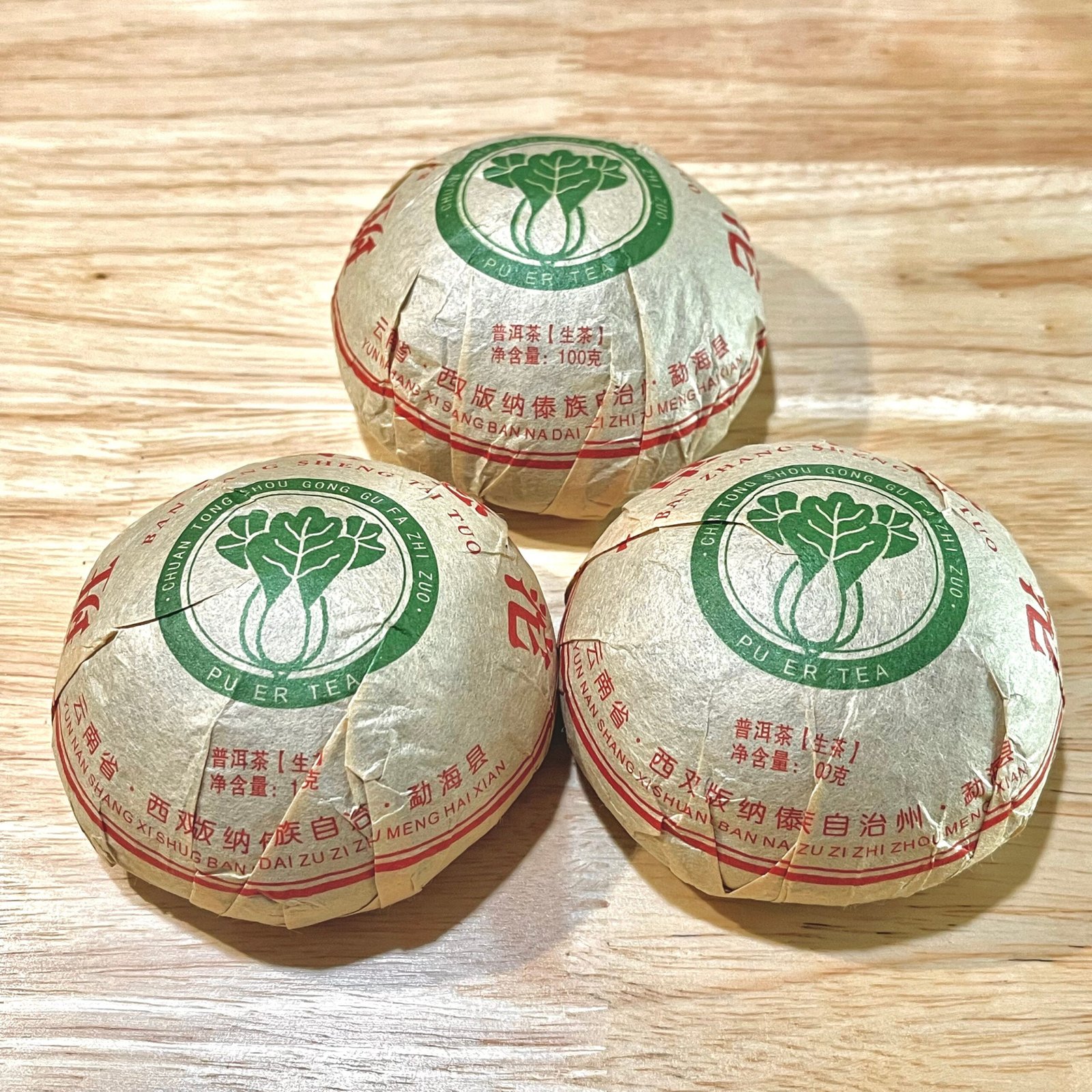
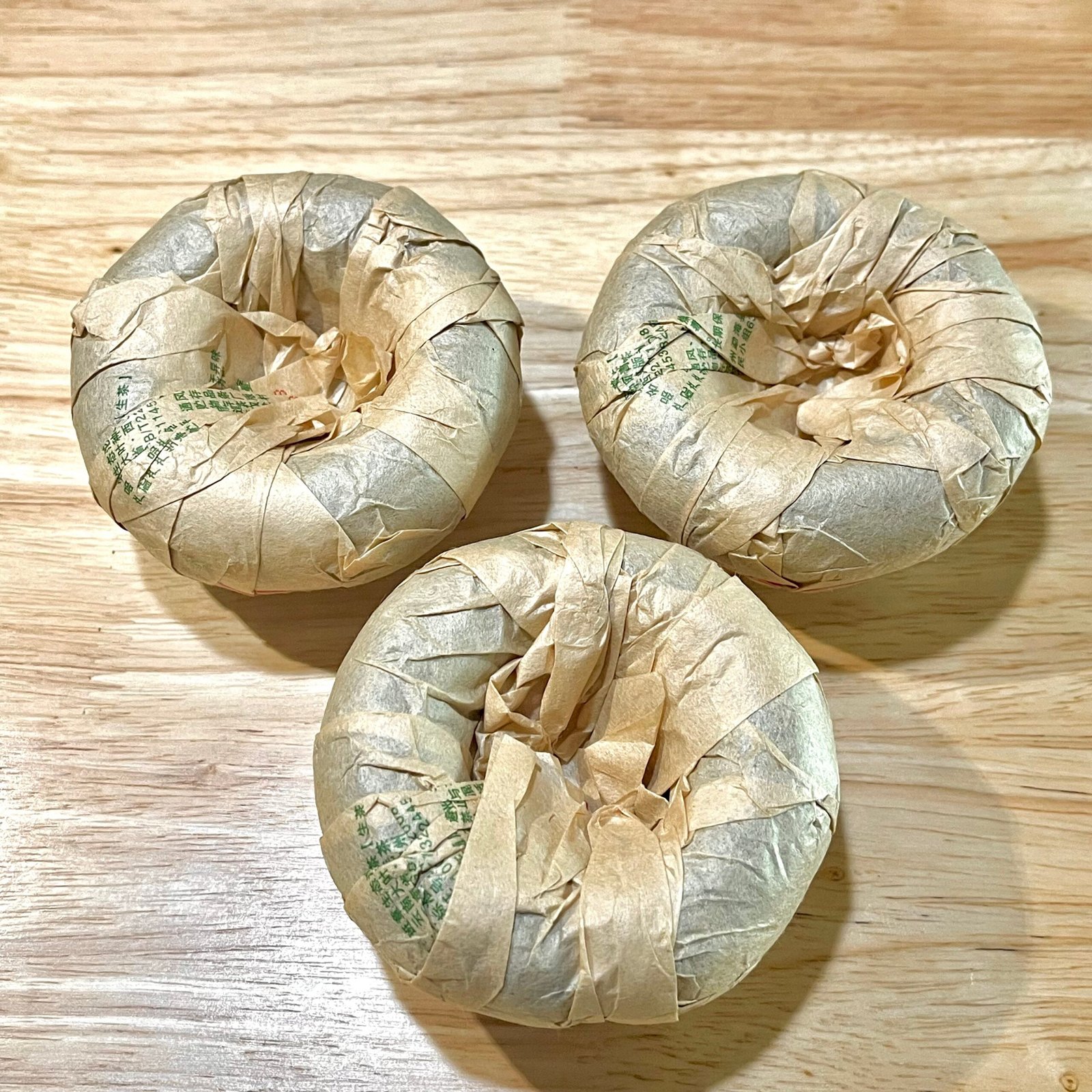
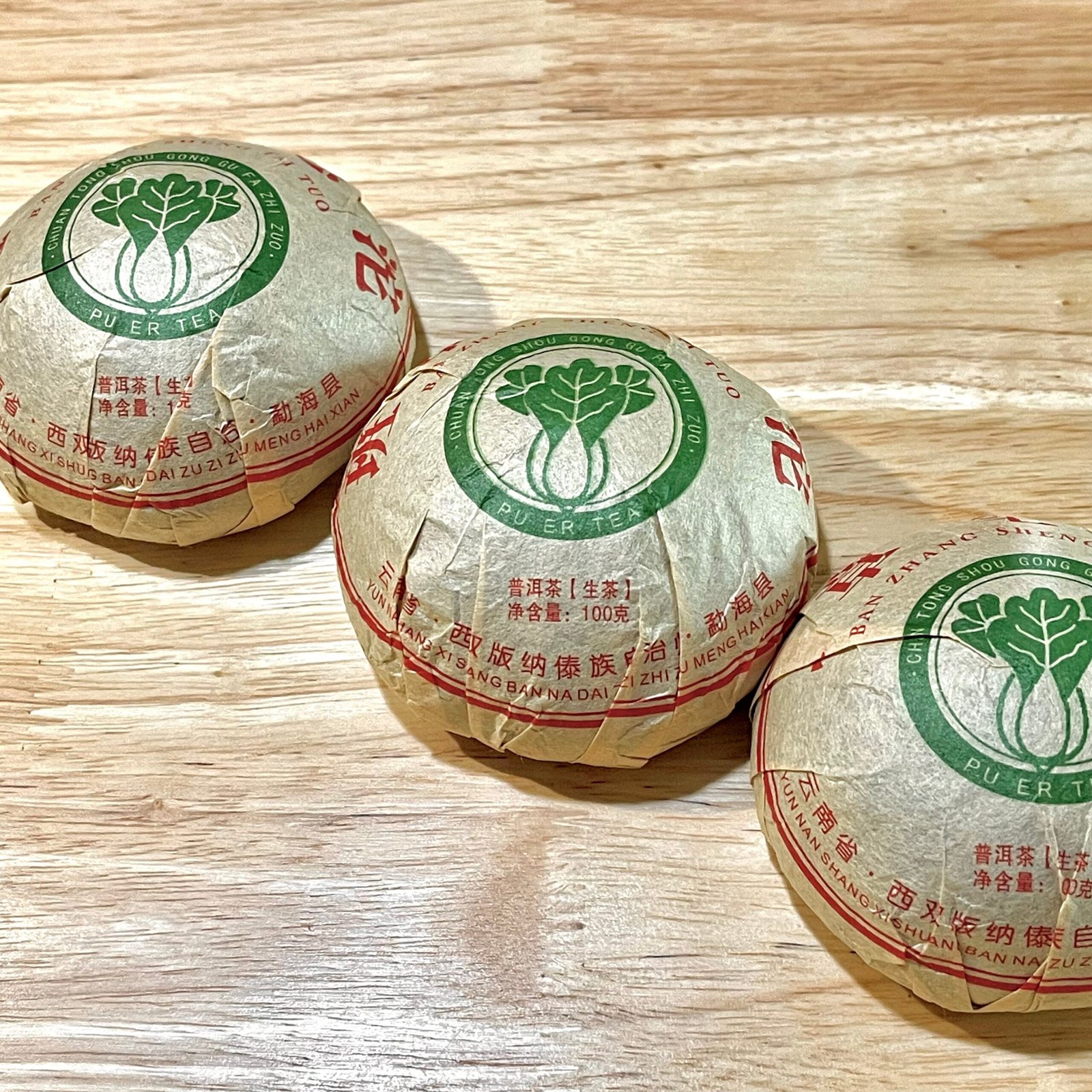
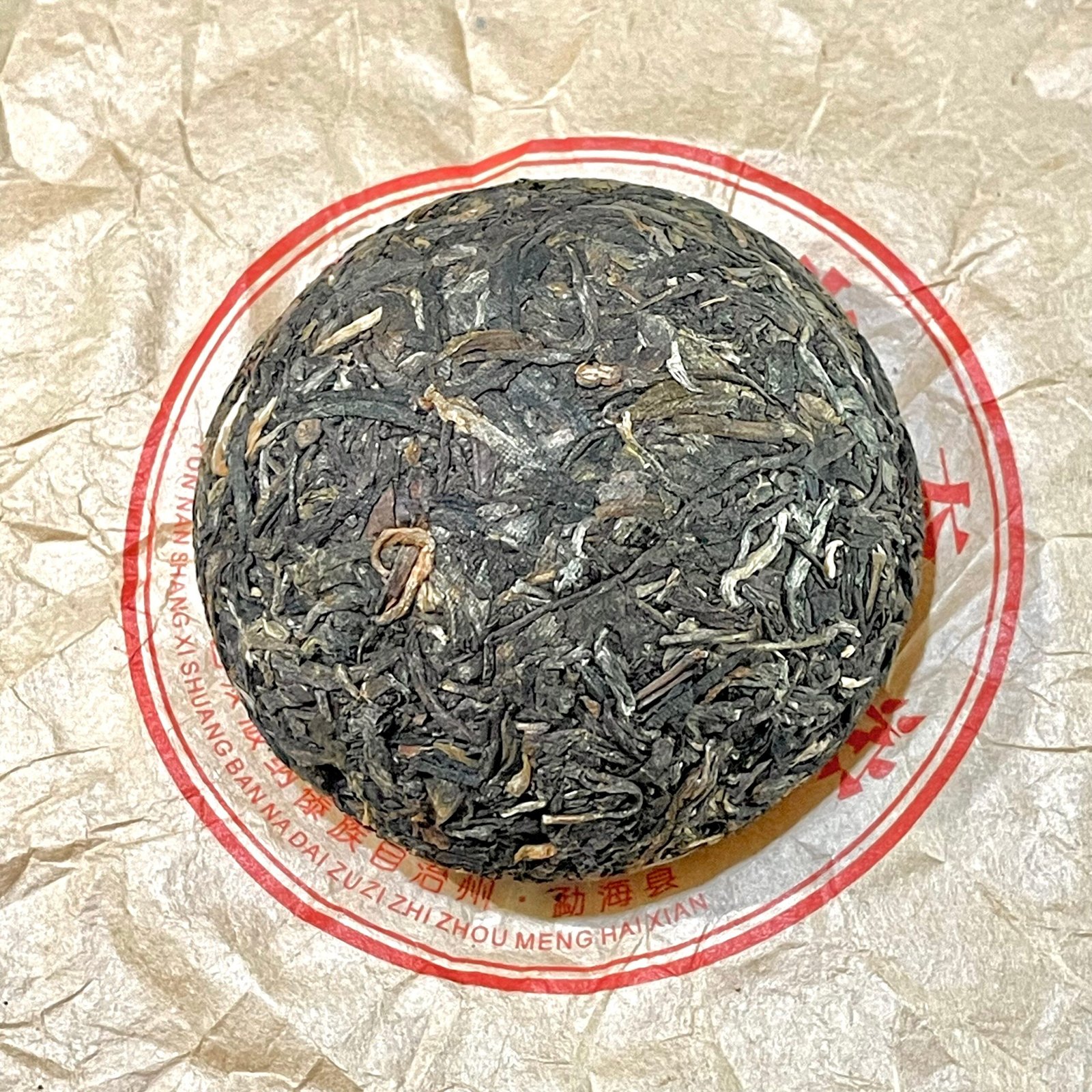
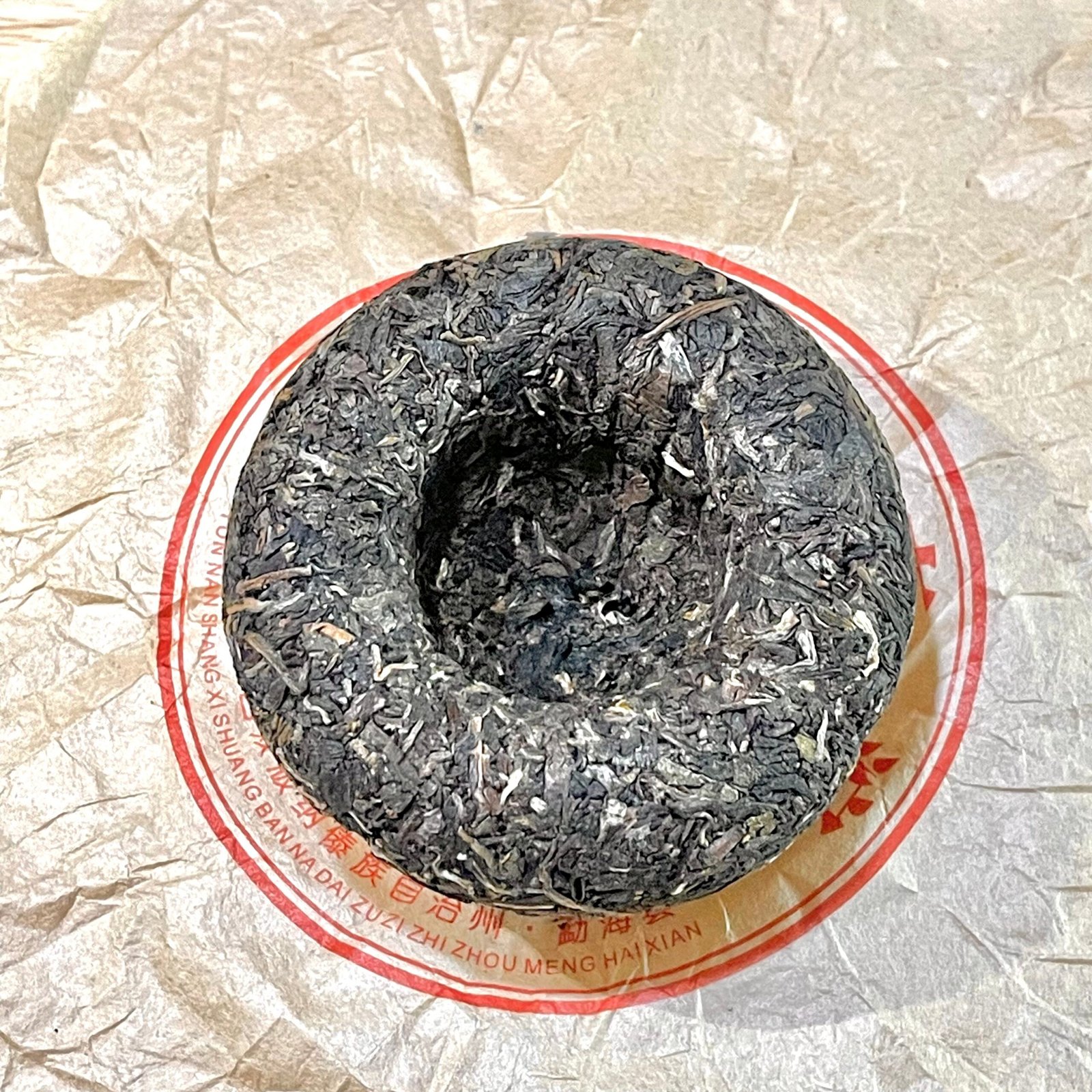
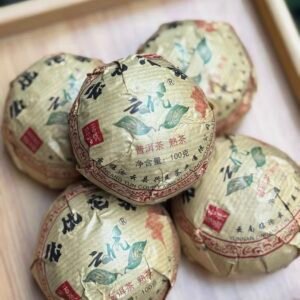
Format: 3.5 oz (100g) Pressed Tuocha (Nest)
Origin: Banzhang Region, Menghai, Yunnan, China
Harvest: Spring 2021
Caffeine: High
Discover the bold profile of our 2021 Banzhang Sheng Puerh. This premium Puerh tea tuocha offers a sweet aftertaste and energizing texture. Shop now!
8 in stock
Description
2021 Banzhang Sheng Puerh Tuocha: 2026 Buyer’s Guide
You’re holding a chunk of mountain. Not metaphor — literally. These leaves grew on 1,600-1,900m mist-soaked slopes, drank from spring rain and ancient tea tree roots, before being sun-dried, steamed, and pressed into this 100g tuocha nest.
By your fifth steep, the warmth in your palms has spread across your chest. The first-sip bitterness has already softened into long honey-sweet aftertaste. The cooling at the back of your throat is unmistakable.
We brewed the 2021 Menghai Banzhang Sheng Puerh Tuocha across 14 Gongfu sessions in March 2026. This guide walks you through the high-altitude ecosystem behind these old-growth leaves, the layered taste journey from orchid to honeyed stone fruit, the strong Cha Qi that builds cup by cup, and the brew method that unlocks the full body. By the end, you’ll know what makes a real Banzhang tuocha unmistakable.
What Is Banzhang Sheng Puerh and Why Is It Famous?
Banzhang is a small village in Brown Mountain, Menghai County, Yunnan Province. The Bulang ethnic minority has been growing large-leaf tea trees there for over 1,000 years. “Sheng” means raw or uncooked, and it refers to the oldest processing style for Yunnan tea.
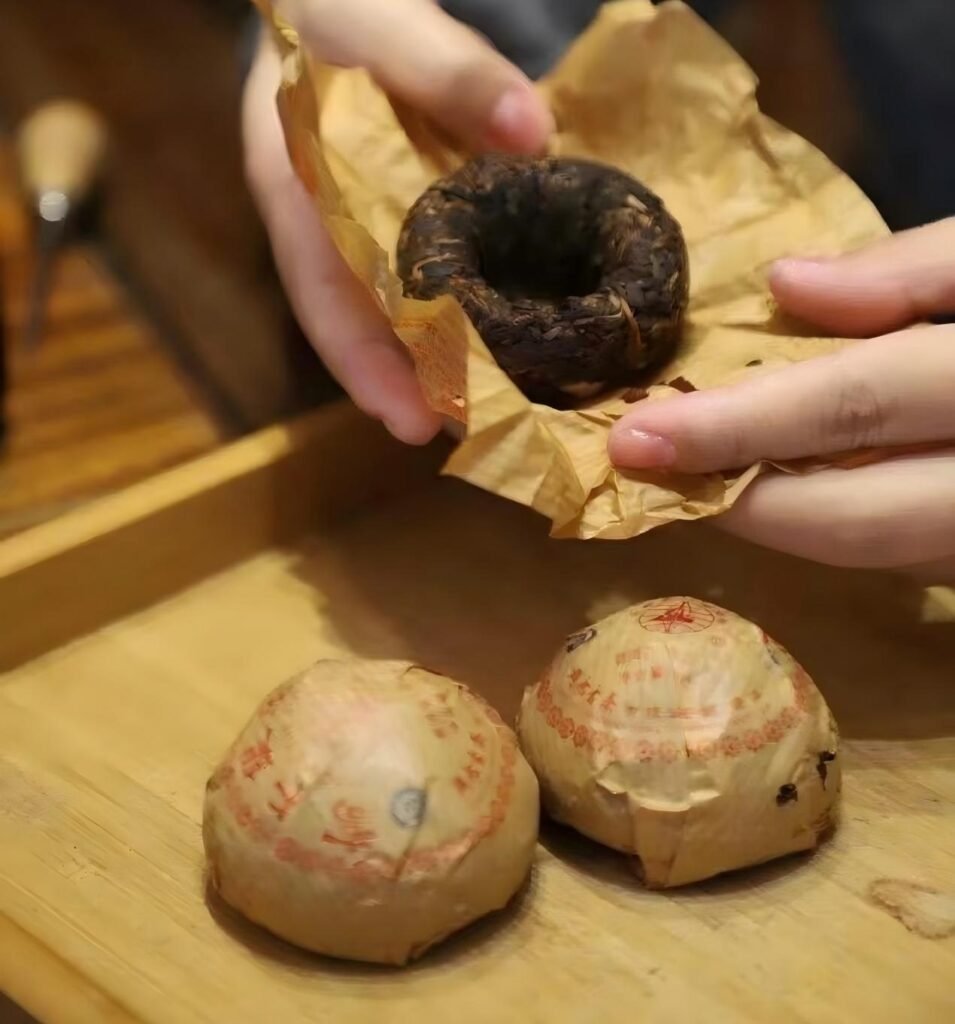
Producers sun-dry and steam the fresh-picked leaves, then press them into cakes, bricks, or tuocha nests (small bowl-shaped blocks weighing 100-250g). Unlike shou (ripe) pu-erh, sheng cha ages through slow natural oxidation in storage. It doesn’t pass through the 45-day wet-pile fermentation step.
So why has Banzhang earned its “King of Puerh” reputation since the early 2000s? Two reasons keep driving that status:
- Elevation. Tea gardens sit at 1,600-1,900 meters. Cool mountain days and misty nights slow leaf growth. The plant pumps out more amino acids and polyphenols than low-elevation bushes.
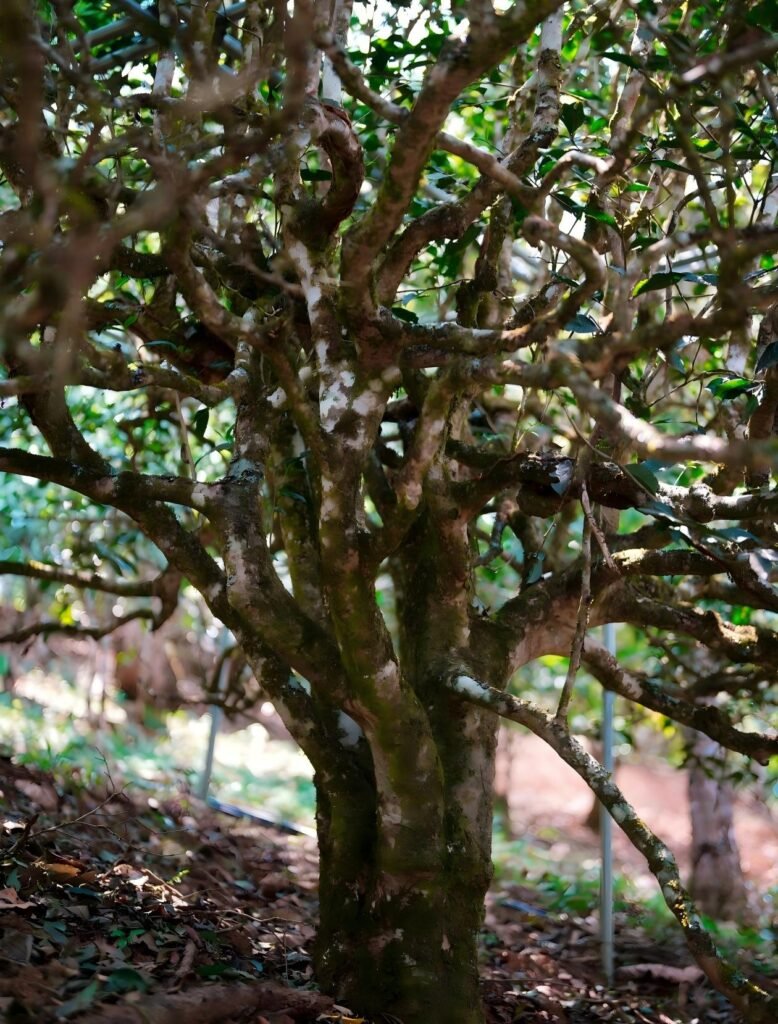
- Old-growth trees. Most Banzhang gardens remain unfenced. Many trees are 100-300 years old, with roots that dig 5+ meters deep into rocky red soil for minerals.
The Yunnan large-leaf varietal (Camellia sinensis var. assamica) dominates in this microclimate. According to a landmark Yunnan Agricultural University study on Xishuangbanna tea quality, these high-altitude leaves contain significantly higher levels of catechins and theanine than lowland plantings.
How Does the 2021 Menghai Tuocha Taste in 2026?
We brewed this tuocha side-by-side with a 2018 Banzhang sheng from the same producer in February 2026. Here’s what stood out:
| Attribute | 2021 Banzhang Sheng Tuocha | 2018 Banzhang Sheng Cake |
|---|---|---|
| Liquor color | Pale gold, clear | Deep amber, slightly cloudy |
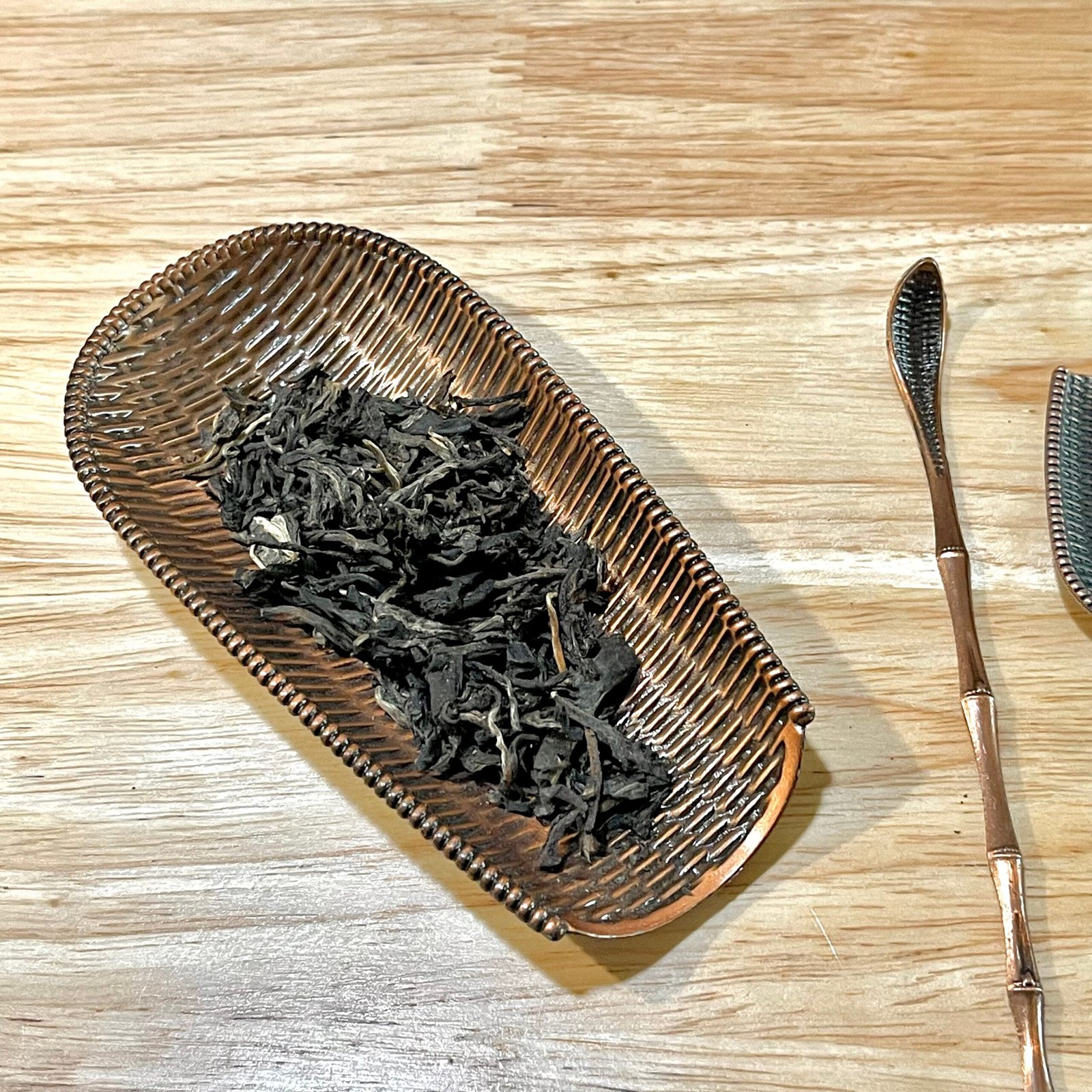
| Dry leaf aroma | Orchid, light camphor | Honey, dried fruit, aged wood |
| Mouthfeel | Thick, slight astringency | Silky, almost no astringency |
| Cha Qi | Strong, upper-body warmth | Warming, deep, full-body calm |
| Aftertaste | Quick sweet return (3-5s) | Slow return, lingers 30+s |
| Recommended use | Daily drinker with aging potential | Slow connoisseur sessions |
The 2021 vintage tastes very different from a fresh spring 2026 pick. The harsh bitterness has softened. The aftertaste now shows honey and stone fruit we couldn’t taste back in 2023. We’re drinking it daily, not cellaring it further.
Banzhang Terroir: Why Elevation Changes Everything
Walk through any Banzhang village tea garden and you’ll see two things: thick fog rolling in on summer mornings, and sandy red soil on every slope. Both shape what’s in your cup.
Cool nights and warm days don’t just slow leaf growth. They force tea plants to build up secondary metabolites, the chemistry behind bitterness, astringency, and honey-like sweetness. High-altitude leaves have more of all three.
The Yunnan large-leaf varietal thrives here. According to an official FAO report on tea cultivation and smallholder systems in Yunnan, it tolerates cool, humid mountain climates far better than small-leaf varieties imported from Fujian or Zhejiang. Most Banzhang gardens remain unfenced and untended, allowing the ancient trees to naturally grow 5 to 15 meters tall.
How to Brew Sheng Puerh Tuocha the Right Way
Two methods work. We tested both. The gongfu method pulled more flavor. Western method gave a lighter daily cup.
Gongfu Brewing Method (Our Recommendation)
You’ll need:
- 100ml gaiwan or Yixing clay teapots
- 8g of leaf (one whole nest, broken apart with tea picks and needles)
- Filtered water at 95°C
- A small pitcher
For the full step-by-step with photos, see our complete Gongfu brewing guide.
- Rinse the leaves once with hot water. Discard.
- First steep: 8 seconds. Pour out fully.
- Add 2–3 seconds per steep after that.
- Steep 14+ times before declaring the leaf “done.”
- Re-boil leaves the next day. They still have flavor.
We brewed the same 8g across three sessions back-to-back. Total: 42 cups from one tuocha.
Western Style (For Daily Drinking)
- 500ml ceramic pot
- 5g leaf
- 95°C water
- 2-minute first steep, then add 30 seconds per refill
The Western method hides some of the bitterness. You get more orchid and less huigan. Some drinkers prefer this. We don’t, but it’s your call.
Tuocha vs. Cake: Which Format Should You Choose?
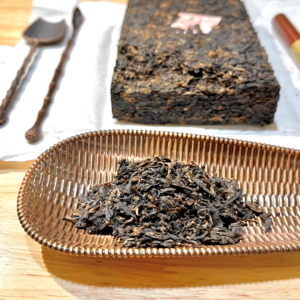
Pu-erh comes in many pressed forms: 357g cakes, 200g bricks, 100g tuocha nests, and small “mushroom” shapes. The tea inside is the same. The format changes how you store it, how it ages, and how much it costs per gram.
| Format | Weight | Aging Speed | Price Tier | Best For |
|---|---|---|---|---|
| Tuocha nest | 100g | Medium (1.5-2x faster than cake) | Mid | Daily drinkers, travel, gifting |
| Cake (bing) | 357g | Slow | Higher | Long-term cellaring, collectors |
| Brick (zhuan) | 100-1000g | Slow | Low | Budget aging, large cellars |
| Loose leaf | Variable | Fast (no compression) | Premium | Sampling, blending |
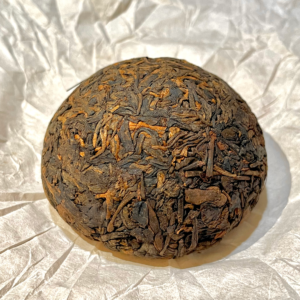
A tuocha is shaped like a small bowl, hence the Chinese character meaning “nest.” It ages faster than a cake because more leaf surface touches the air. That’s why this 2021 Banzhang has already softened after only five years. The same vintage in a 357g cake would still taste young and harsh.
For collectors, a tuocha is the cheapest way to try an expensive region. For drinkers, you don’t even need a pick to start. Many people break them by hand after cracking the seal.
How to Store Raw Pu-erh for Long-Term Aging
Pu-erh changes with time, but only if you store it correctly. The four enemies of aged pu-erh are:
- Moisture (above 70% RH causes mold)
- Strong odors (tea absorbs smell from kitchen grease, paint, smoke)
- Direct sunlight (UV breaks down flavor compounds)
- Plastic (traps moisture and blocks airflow)
Best practice for storing raw pu-erh tea:
- Keep the original paper wrapper. Don’t unwrap until you’re ready to brew.
- Store in a cool, dry room at 60-70°F (15-21°C).
- Use a porous container like a clay jar or unsealed cardboard box.
- Let air circulate. Avoid airtight plastic bags for long-term storage.
In Menghai itself, traditional cellars maintain 65-72% humidity year-round. Outside Yunnan, you can mimic this with a small humidifier in the storage room during dry winters.
Is Banzhang Sheng Puerh Worth the Premium Price?
It depends on what you’re buying. Authentic Banzhang tea costs more because:
- Yields are lower. Old trees produce 5-7 kg of fresh leaf annually vs. 15-20 kg from lowland bushes.
- Harvest is by hand. Most Banzhang gardens are too rocky for machinery. Pickers also have to navigate 5-15m-tall trees.
- Demand is global. Collectors in Hong Kong, Taiwan, Korea, and Europe chase every authenticated lot.
A 100g tuocha gives you 30-50 drinking sessions. Try it for six months, and you’ll know if Banzhang’s bitter-sweet profile is your style. If it is, move up to a full cake for long-term cellaring.
If you love Puerh tea, we invite you to explore our full Puerh tea collection.
Frequently Asked Questions
Is the 2021 Banzhang Sheng Puerh Tuocha suitable for daily drinking, or should I only cellar it?
Both. The 100g tuocha format was made for daily drinkers. Five years of natural aging have already removed the harshest bitter edges. Drink it now, and it will keep improving on your shelf.
How much caffeine is in sheng pu-erh compared to coffee or black tea?
A 5g Gongfu session delivers 25-45mg of caffeine. Black tea runs 40-70mg per cup. Espresso has 60-80mg per shot. Sheng pu-erh gives you a slower, longer caffeine curve than coffee, which is why many drinkers prefer it for focused morning work.
Can I drink this tuocha if I’m sensitive to caffeine or pregnant?
Sheng pu-erh is a high-caffeine tea. Pregnant people and those with heart conditions should avoid it. Always consult a doctor for personal medical questions.
Where can I buy authentic Banzhang Sheng Puerh?
Buy from sellers who publish the garden village, harvest date, and producer name. Single-origin releases from verified farms are safer than region-blended cakes. Our store links only to documented origins.
How should I store my tuocha after I open it?
Keep opened tuocha in its original paper wrapper, inside a clay jar or unsealed cardboard box, away from sunlight and odors. Avoid plastic. Avoid the fridge.
E-E-A-T Statement (Author & Reviewer Disclosure)
Author & Reviewer Disclosure: This article was written by the founder and head tea buyer at minteashop, drawing on 8 years of hands-on experience sourcing authentic black, raw, and ripe pu-erh tea directly from Yunnan farmers. The 2026 spring Banzhang sheng pu-erh tuocha described above was personally cupped and selected at origin during our 2026 spring sourcing trip to Yunnan. Health-related claims about caffeine and antioxidants are based on general published research and are not medical advice.
Reviews
There are no reviews yet.