
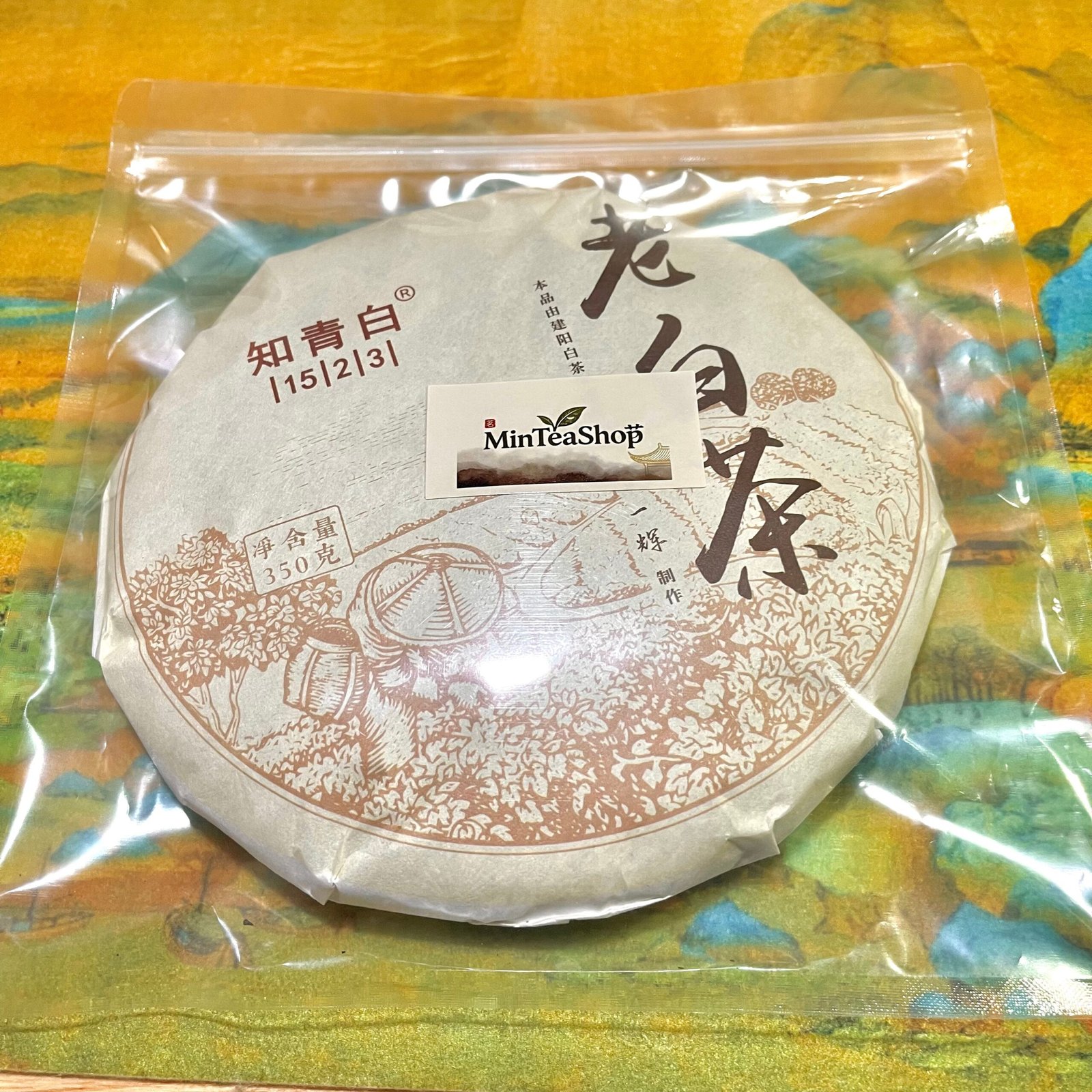
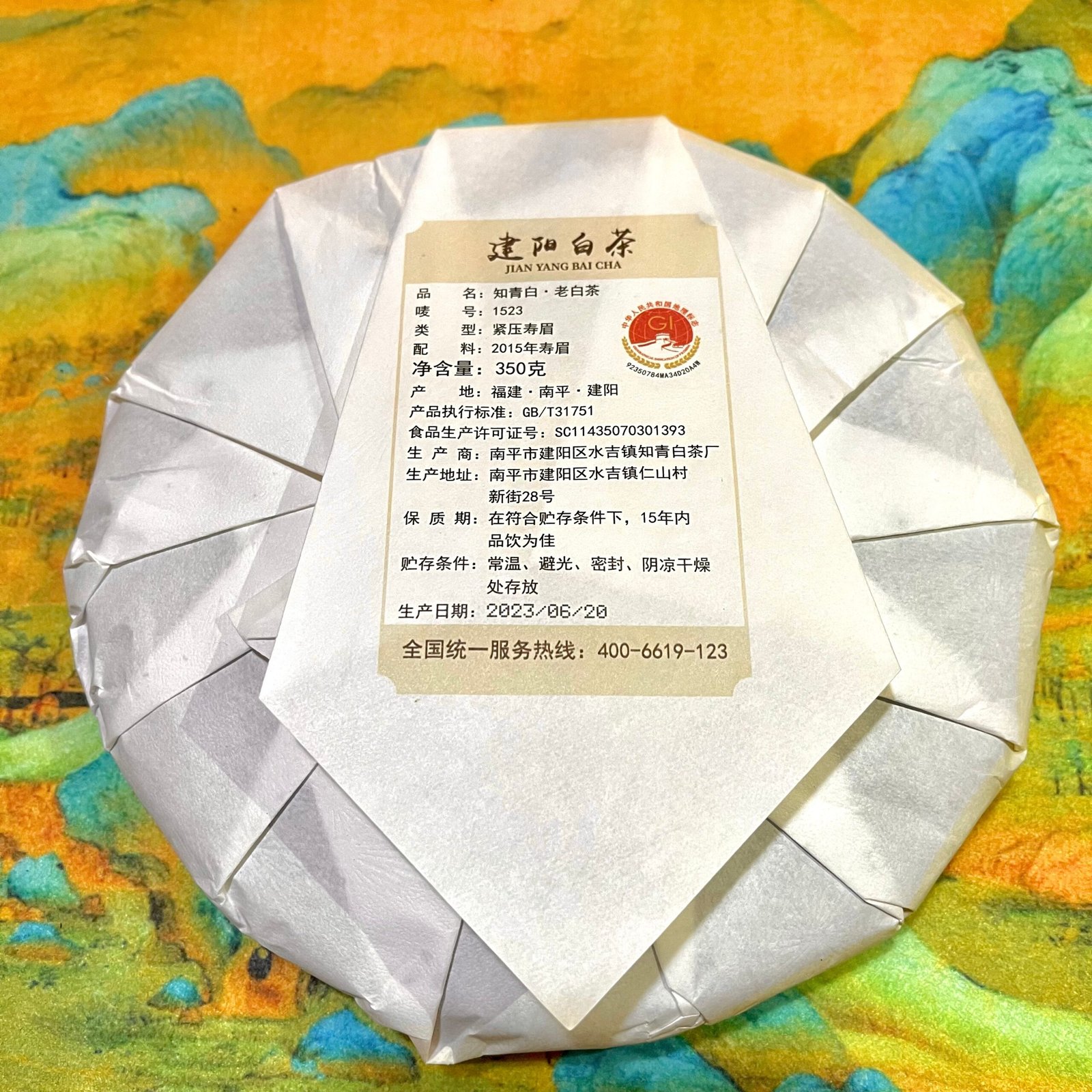
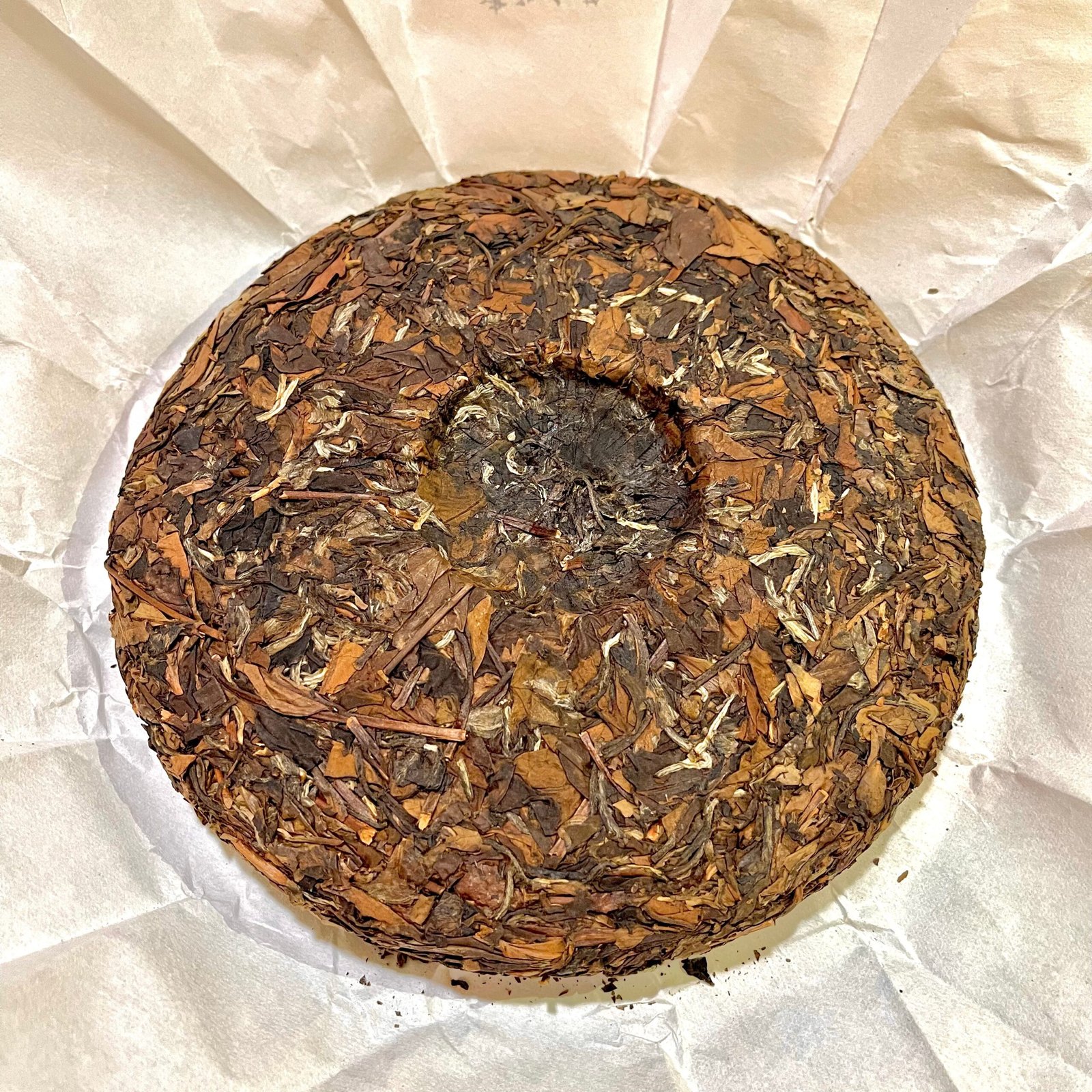
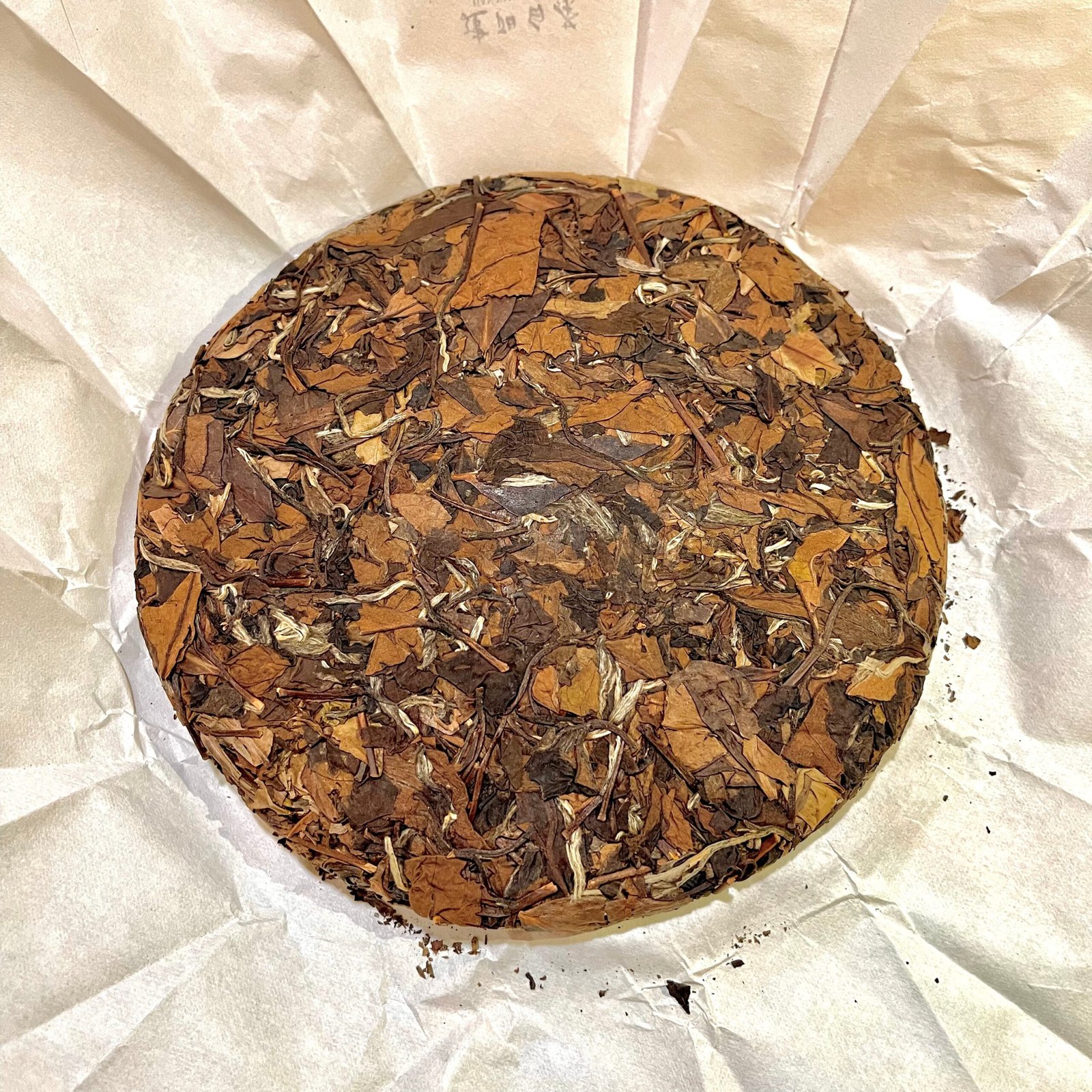
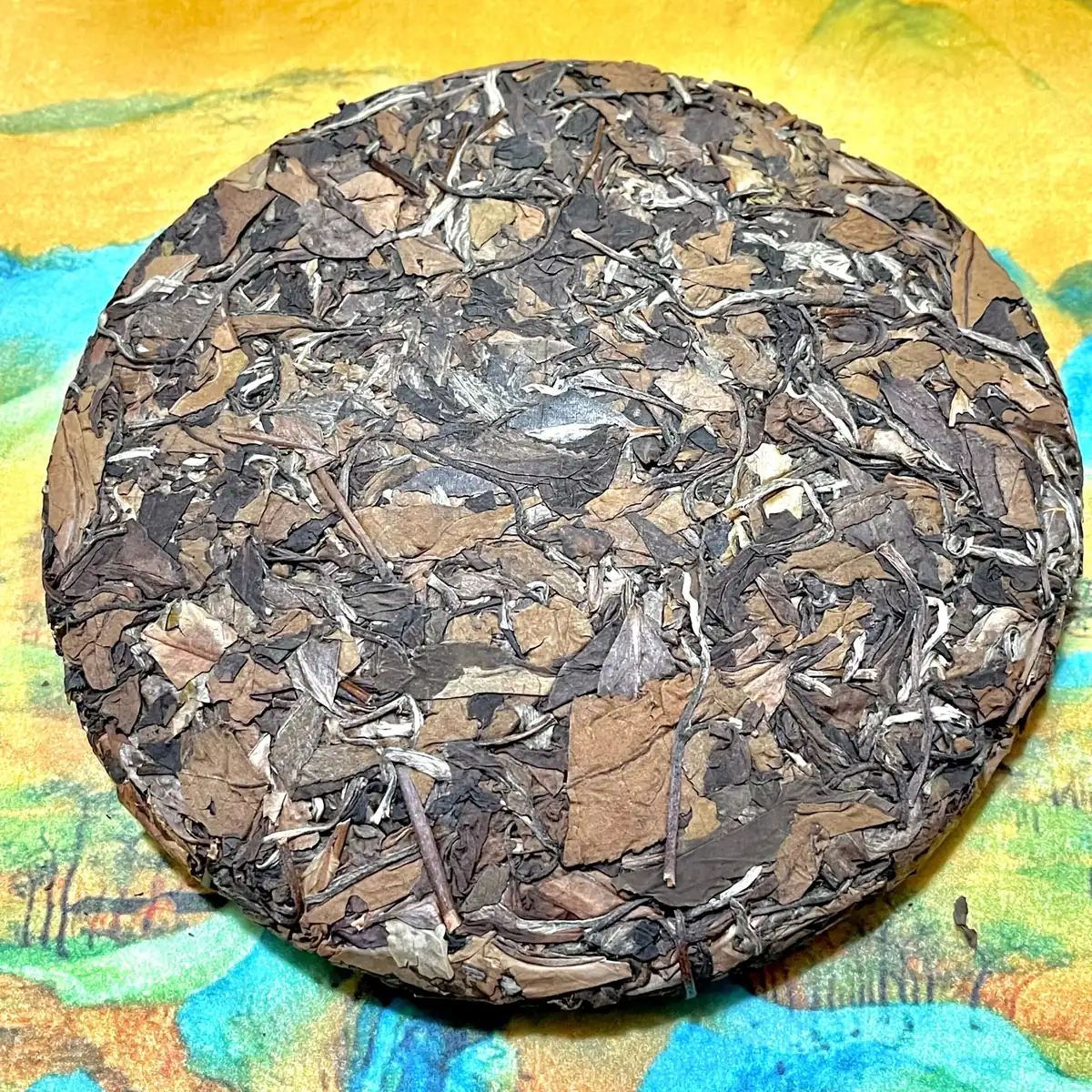
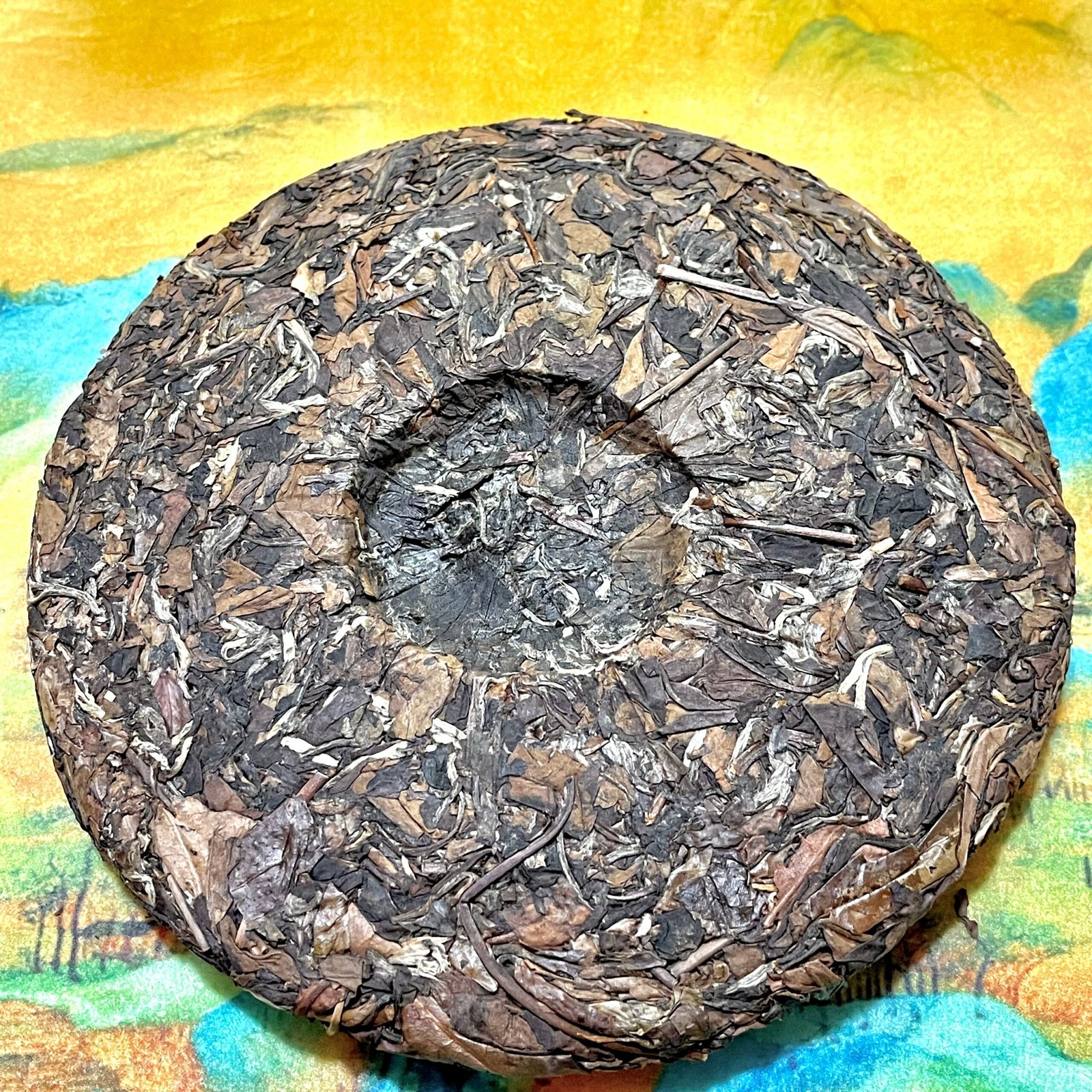
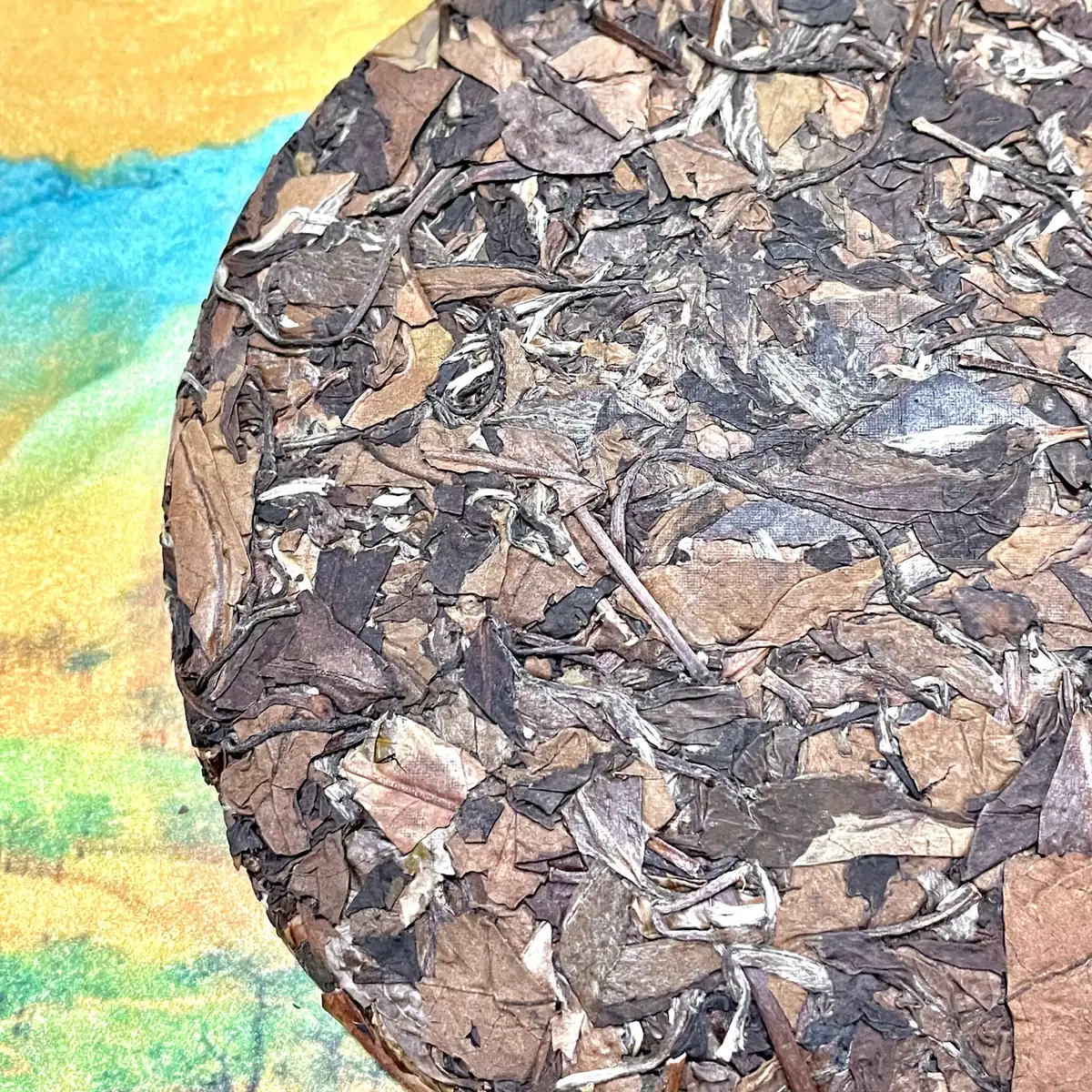
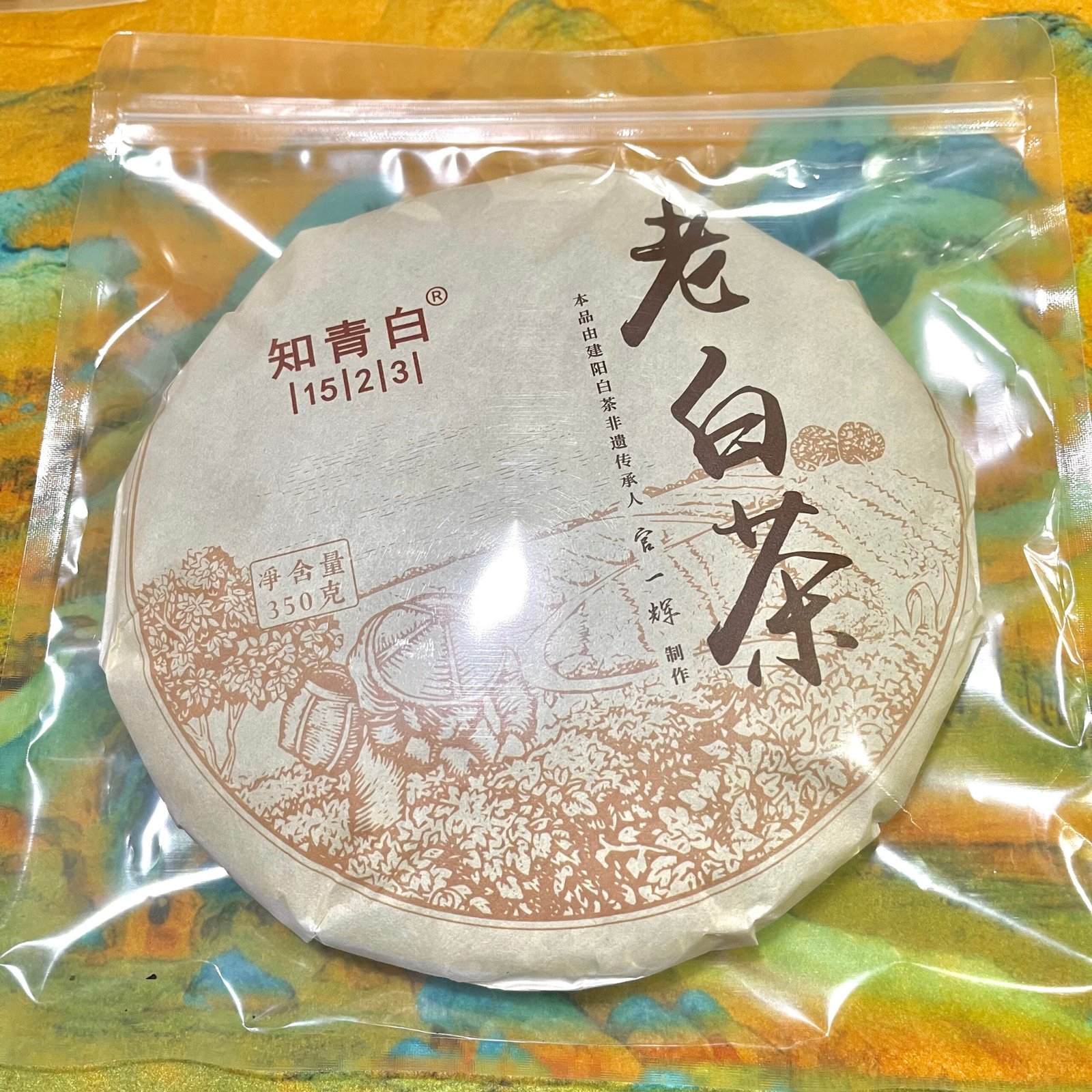
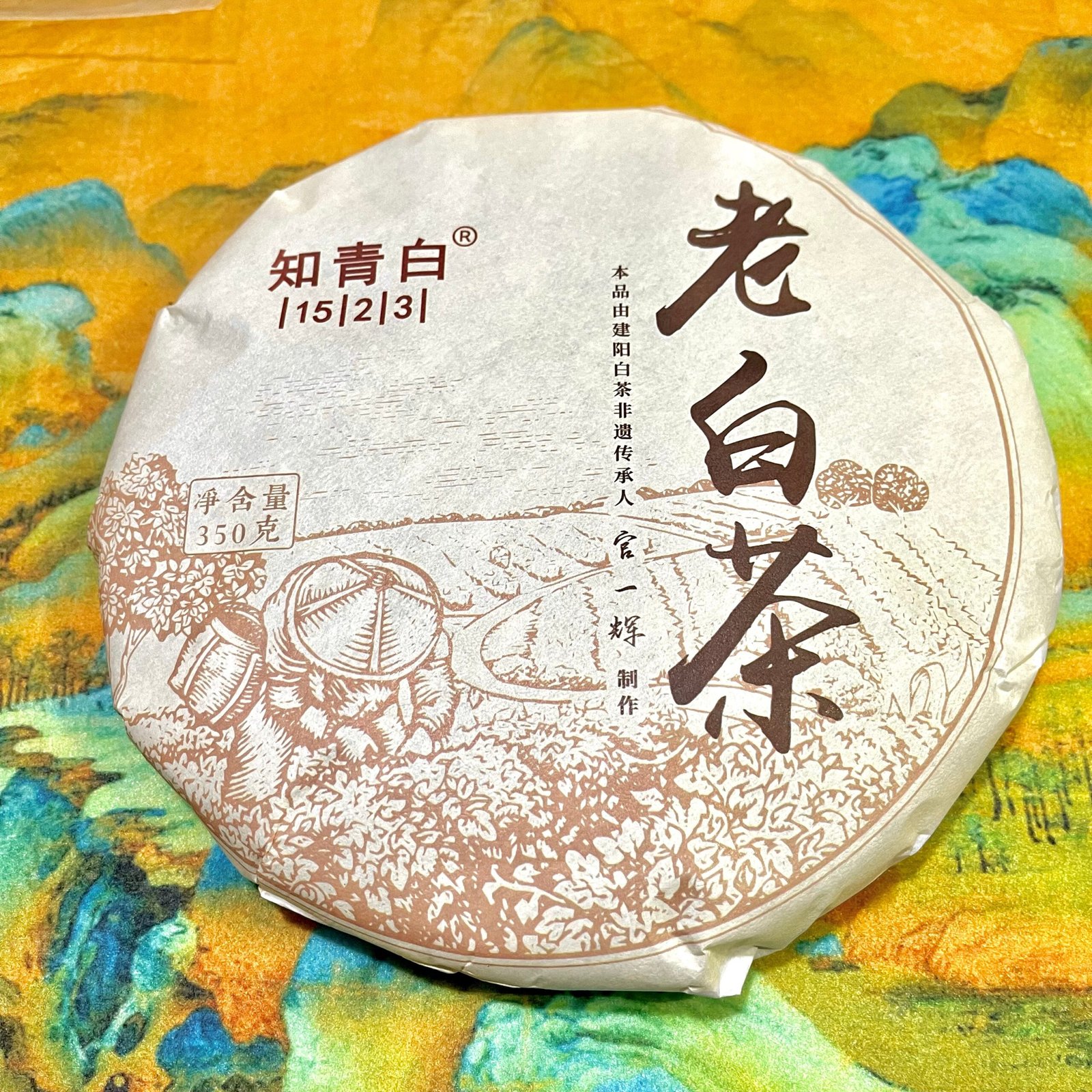
2015 Jianyang Xiaobai Shou Mei Aged Tea Cake, 350g
$54.90
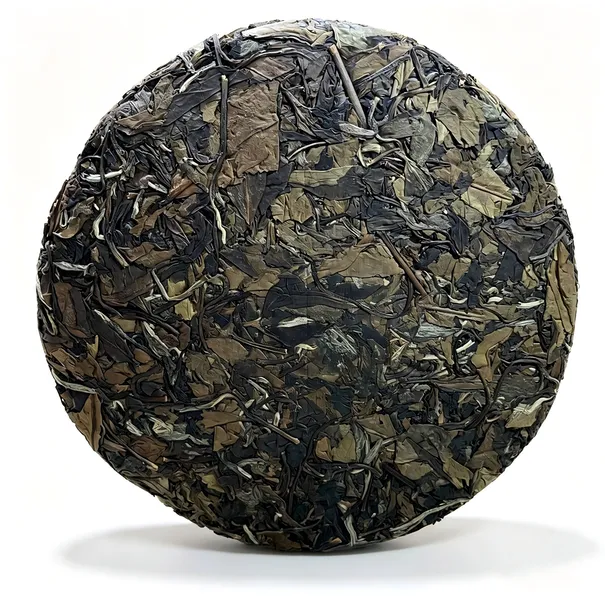
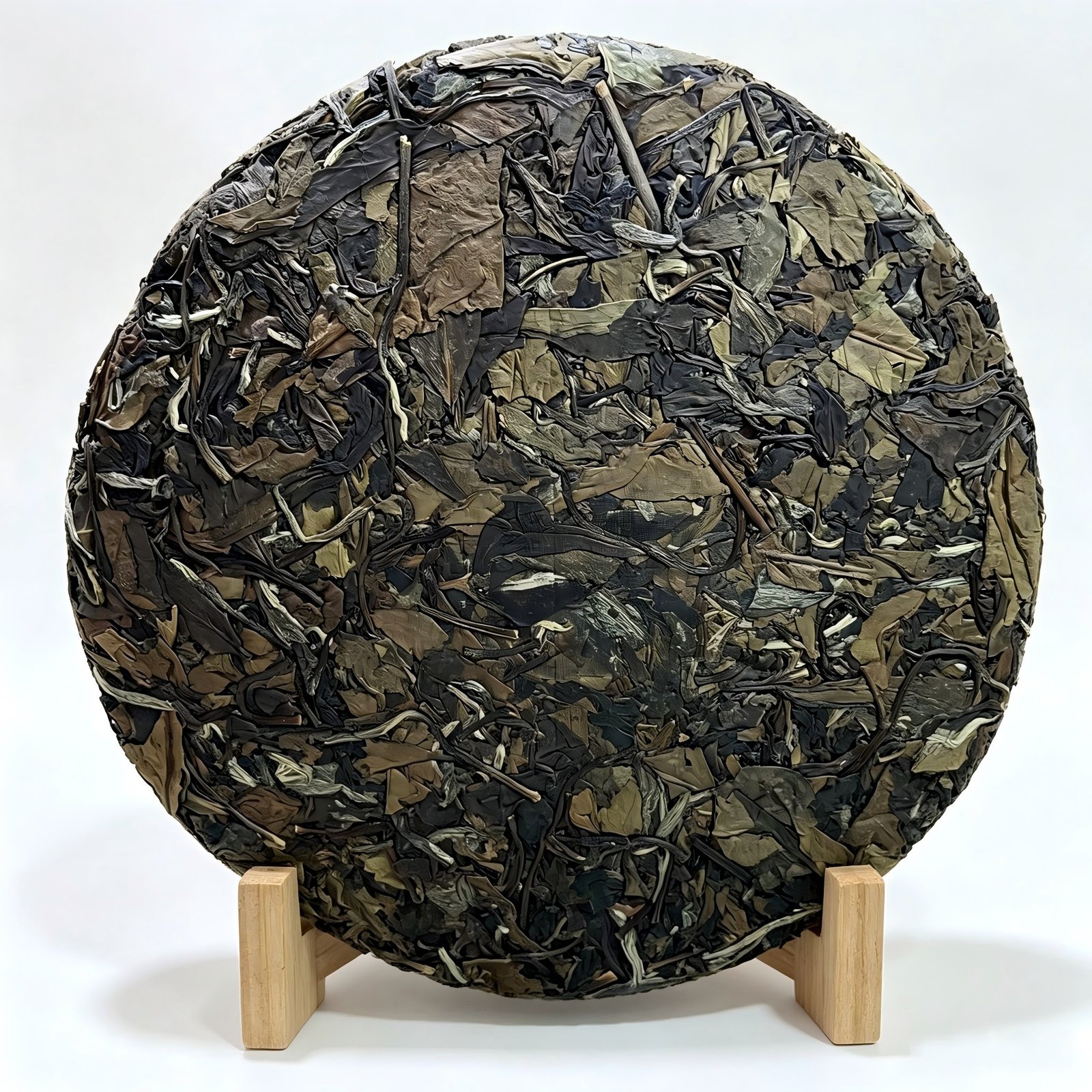
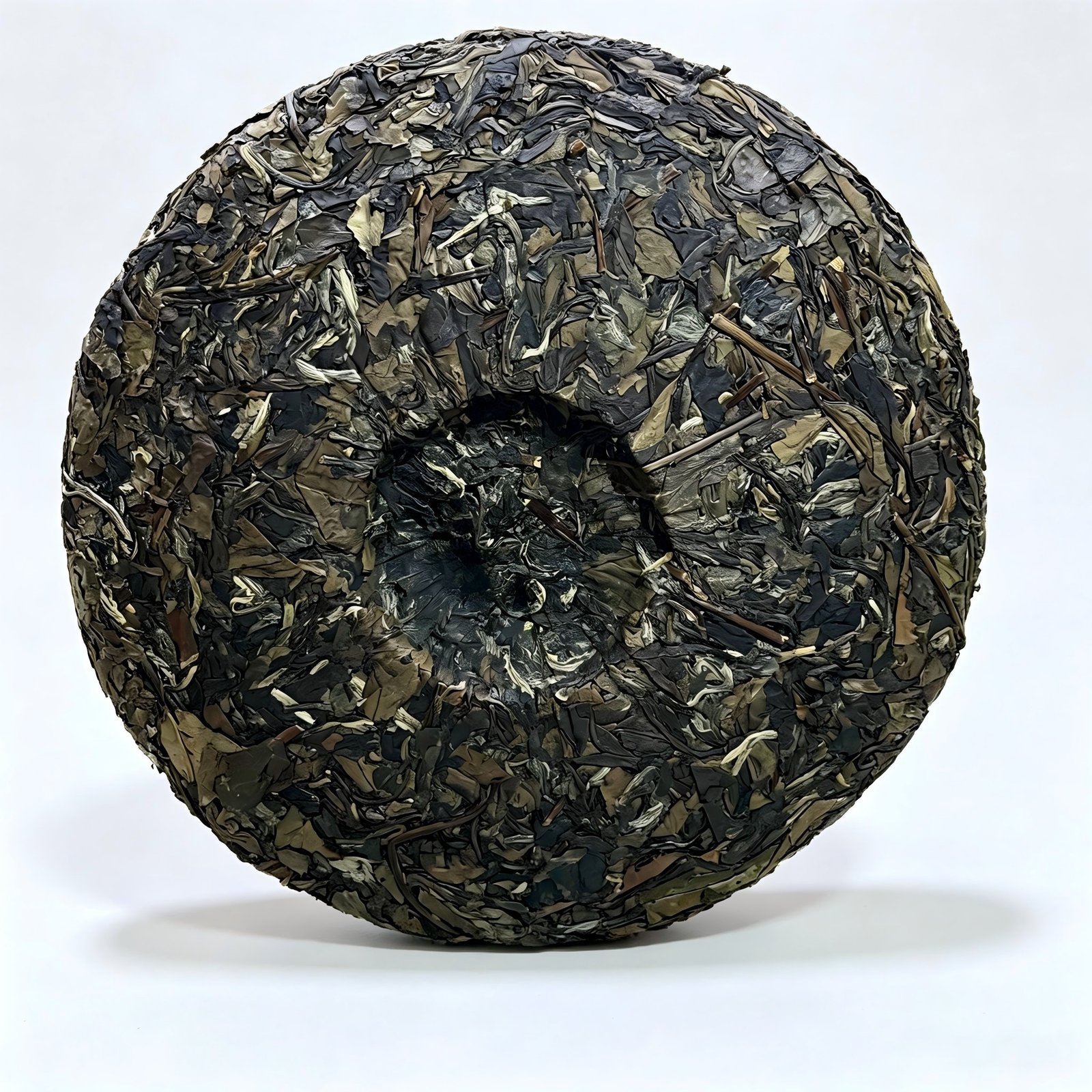
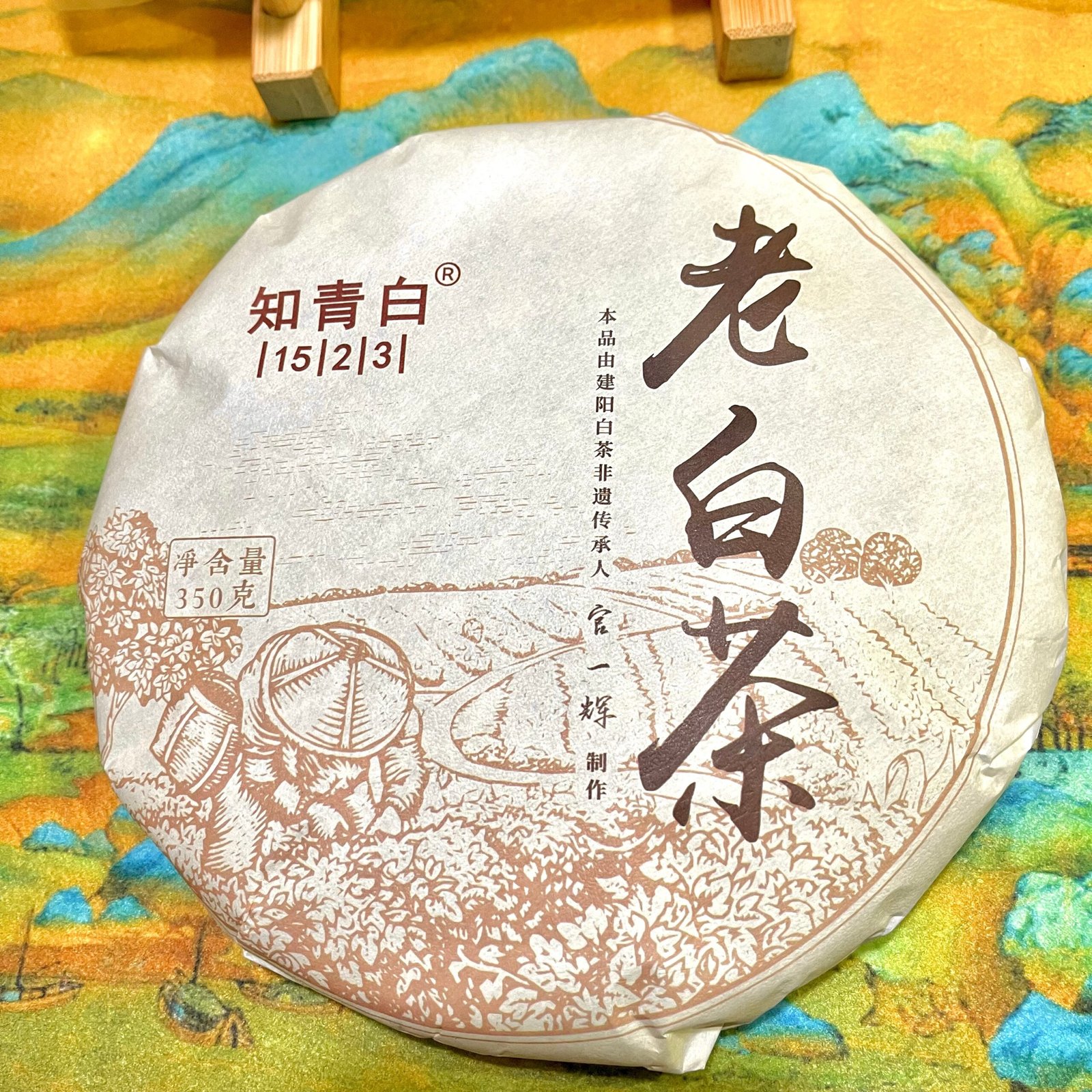
A 2015 Jianyang Xiaobai Shou Mei aged white tea cake, 350 g, from Fujian and now more than a decade in storage. Dried longan, jujube and aged wood over a mellow, honeyed cup that keeps changing. Brew with boiling water and a short rinse.
Description
First published: 10 September 2026 · Last updated: 2 November 2026
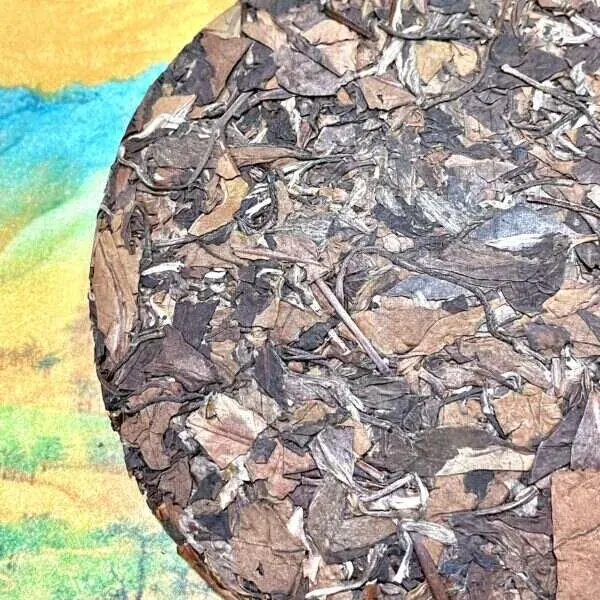
This 2015 jianyang cake is a 350 g Shou Mei pressed from Xiaobai leaf picked in spring 2015 in Jianyang, Nanping, Fujian, and dry-stored for eleven years. The cup is mellow and honeyed, with dried longan, jujube and aged wood over a long, gently sweet finish. It suits drinkers who want aged white tea rather than fresh, gongfu drinkers who like to follow a leaf across infusions, and anyone buying their first cake with a decade behind it.
What is 2015 Jianyang Xiaobai Shou Mei?
It is aged white tea made from the Xiaobai cultivar in Jianyang, in Nanping prefecture in the north of Fujian, and pressed into a 350 g cake.
Xiaobai, small white, is the local landrace associated with Jianyang’s white tea, grown around Zhangdun town, which is the recognized home of Jianyang Xiaobai. The making method is the old one: natural withering in sun and shade, no rolling, no pan-firing. The leaf keeps more of its own structure that way, which is part of why it ages well. The Jianyang District government’s heritage article covers the Zhangdun origin and the no-roll, no-pan-fire method.
Under China’s national white tea standard, GB/T 22291-2017, Shou Mei is made from the young shoots or leaves of Da Bai, Shui Xian or local tea cultivars, processed by withering, drying and sorting. Shou Mei and Gong Mei are the same grade described by leaf size, which is why the craft item that matters for this cake is the Zhangdun Gongmei white tea technique.
Eleven years is the headline number, but it is not the interesting one. The interesting one is that a Xiaobai leaf from 2015 has turned into something closer to a dark tea than a white one: jujube, dried longan, mature wood, and a sweetness that arrives after the aroma rather than with it.
Where does it come from?
From Jianyang district in Nanping prefecture, Fujian, a district on the northern side of the province with a long tea-making record.
Jianyang sits opposite Wuyi across the mountains, and its Xiaokong small-leaf black tea is part of the early black-tea trade in the region. The Wikipedia entry on Jianyang is a reasonable starting point for the geography. White tea from the same district, made from the same hillside farms and the same local cultivar, is a younger speciality of the same place.
The 2015 jianyang cake was made by a maker listed in the Jianyang District Bureau of Culture and Tourism’s public notice of 7 May 2024 as a representative inheritor of the Zhangdun Gongmei white tea technique, recommended for the eighth batch of Nanping city-level intangible cultural heritage inheritors. He is not a provincial-level inheritor, and we are not going to dress the title up. The related white tea making technique (Jianyang) is a Fujian provincial project, and the 2025 provincial evaluation list records Jiang Zhengxing under it. The Fujian Culture and Tourism Department list is the source for that.
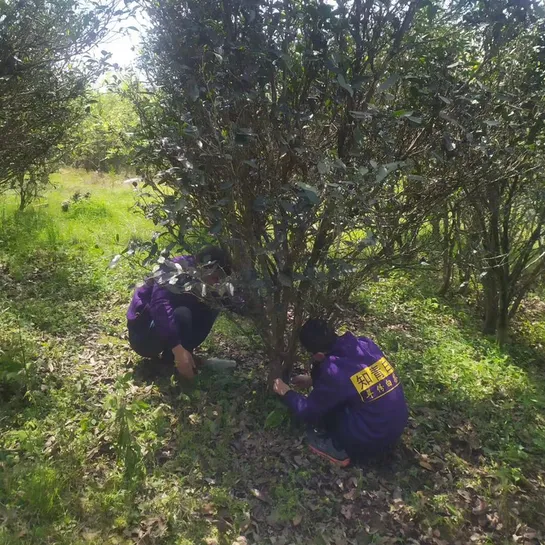
We do not have a weather record for the 2015 season, so we are not going to characterise the season. What we can say is that the cake was withered in the traditional indoor-outdoor way rather than in a machine, and that the leaf has had eleven years of dry storage since.
What does it taste like?
Dried longan and jujube in the middle, mature wood underneath, and a long finish that stays gently sweet after you swallow.
| Pass | What we noted |
|---|---|
| Dry leaf | Mature and woody, with dried fruit behind it |
| Wet leaf | Warmer, sweeter: jujube, dried herbs, light resin |
| First infusion | Gentle, soft, slightly herbal |
| Middle infusions | Body builds, jujube sweetness opens up |
| Later infusions | Dried fruit, wood, resinous sweetness |
| Finish | Long, smooth, persistent sweetness |
The useful way to taste this 2015 jianyang cake is across infusions rather than in the first cup. The first infusion tells you the tea is gentle; it does not yet tell you what eleven years has done to it. By the fourth or fifth round the leaf has opened, the wood shows up, and the dried-fruit sweetness is at its widest.
We have brewed this cake repeatedly with different vessels and methods, and the profile holds: low astringency when brewed properly, no sharp edges, and a body that sits closer to a good ripe pu-erh than to young white tea.
How does Shou Mei age compared with other white teas?
Leaf content decides almost everything. The more mature leaf a grade carries, the further it travels.
| White tea | When young | Aged character |
|---|---|---|
| Silver Needle | Fresh, floral, delicate | Honey, dried flowers, soft sweetness |
| Bai Mu Dan | Floral, fresh, lightly fruity | Dried fruit, soft wood, deeper sweetness |
| Shou Mei | Herbal, vegetal, fuller | Jujube, dried fruit, herbs, wood |
| Xiaobai Shou Mei | Delicate leaf aroma, herbal | Dried longan, jujube, wood, resin |
For where these four grades sit in the wider system — and how Silver Needle and Bai Mu Dan differ from Shou Mei before any aging happens — our guide to the four types of white tea is the place to start.
These are tendencies, not rules. Cultivar, harvest, processing and above all storage decide what a given cake becomes, and a dry-stored cake and a damp-stored one can differ more from each other than either differs from a different year.
One thing the research does support is that aging is a slow oxidation and polymerisation story rather than a single flavour reaction. Work on stored white tea found that catechins and amino acids change while organic acids and gallic acid build up, with bitterness and astringency falling and a rounder, sweeter character taking their place. A 2024 Food Chemistry study tracks the flavonoid and amino-acid side. The dark colour that comes with it is the polymerisation of theabrownins and thearubigins, which the 2026 Journal of the Science of Food and Agriculture paper covers.
How do you brew it?
Gongfu first, and boiling if you want the fullest possible cup.
| Method | Leaf | Water | Time |
|---|---|---|---|
| Gongfu | 5 g per 110 ml gaiwan | 100°C | 30 seconds first infusion, then add time gradually |
| Boiling | 5 g per 500 ml | Full boil, then gentle simmer | 3 minutes, and simmer the same leaves again |
| Large pot | 5 g per pot | 95–100°C | 2–3 minutes |
A 5 g portion will give you ten or more infusions in a gaiwan. Do not treat the timings as rules: shorten the infusion for a lighter cup, extend it for a fuller one, and pour out completely every time so nothing sits on the leaf.
These three methods are the quick version. Our Shou Mei brewing guide covers the hot method in full, including the water temperature and the timings for each infusion.
If you are new to aged white tea, start with a gaiwan rather than boiling. Boiling is the more dramatic method and it is better saved for when you already know what the tea does.
How should you store it?
Cool, stable, dry, dark and odour-free. Stability matters more than any single number.
Keep the cake away from direct sunlight, kitchen steam, bathroom humidity, coffee, spices and strongly scented foods. Do not put it in a refrigerator: moving a cold cake into a warmer, humid room can create condensation, which is the thing you are trying to avoid.
After you break off a piece, wrap what is left in its original paper or clean paper and put it in a well-sealed container in a stable indoor room. Check it now and then for moisture or odd smells.
If you are new to white tea, the white tea collection shows the full range, and our guide to what white tea is actually good for separates what the research supports from what is usually said.
One correction to something we used to say ourselves: the goal is not as much humidity as possible, and it is not as little as possible either. It is a stable number, in a stable room, for as long as the cake lasts.
Who made it, and where does the money go?
The 2015 jianyang cake was made by Guan Yihui (官一辉) and five other people are named on it.
He appears in the Jianyang District Bureau of Culture and Tourism’s May 2024 public notice, listed under the Zhangdun Gongmei white tea technique among the inheritors recommended for the eighth batch of Nanping city-level intangible cultural heritage status. We have linked the district government’s heritage article and the provincial list above rather than a screenshot of the notice.
Here is how we estimate the purchase price is distributed across this tea:
| Share | Goes to | For |
|---|---|---|
| 35% | Tea garden and farmer | Cultivation, garden care, the value of the fresh leaf |
| 24% | Harvesting labour | Hand-picking during the harvest season |
| 18% | Tea craft and processing | Withering, drying and finishing |
| 12% | Transport | Moving fresh leaf from the mountain gardens to the workshop |
| 8% | Min Tea Shop | Sourcing, quality control, customer service, site and brand |
| 3% | Packaging and shipping | Packaging materials and delivery |
These are our estimated allocations, not audited accounts. Actual costs move with harvest, labour conditions, yield and season, and we would rather show you the shape of it than pretend it is exact.
Who is this cake for?
For drinkers who want aged white tea, and for anyone buying their first vintage cake.
Eleven years of aging gives a tea that is mellow rather than sharp, which makes it the most approachable entry point into old white tea even though it is not the cheapest way in. If you normally drink fresh white tea, expect a very different cup: no flowers, no fresh leaf, but jujube, wood and sweetness.
It suits gongfu drinkers who like to follow a leaf across ten infusions, collectors who want a decade behind a cake rather than a year, and anyone buying a gift for someone who takes Chinese tea seriously.
It is the wrong cake if you want Silver Needle delicacy, or if you plan to open it and drink it in a fortnight. Our 2019 Shou Mei cake is four years younger and much easier on the wallet, the Shou Mei aging guide explains how the leaf grade changes what aging does, and the Shou Mei collection has the younger lots for side-by-side tasting.
If you want a bud-heavy comparison, the 2019 Bai Mu Dan dragon pearls are the other end of the white tea family, and the white tea guide for beginners covers the grades.
Frequently Asked Questions
How many cups will a 350 g cake make?
About seventy 5 g portions. One portion is one session, and you should get ten or more infusions from it, so a 350 g cake is roughly seventy sessions.
Is this suitable for beginners?
It can be, and it is a gentler first vintage than most. Aged Shou Mei has no bitterness to fight and no fresh-grass edge to offend. Brew a little at first, in a gaiwan, rather than committing to a full pot.
Does aged Shou Mei turn bitter?
Not if you pour out completely and do not let the leaf sit in water. Brewed properly it is lower in astringency than most young teas. If a round comes out too strong, shorten the next one or use less leaf.
Can I boil it?
Yes, and boiling is the traditional way many drinkers take mature white tea. Simmer the leaf for three minutes in 500 ml of water, pour, and simmer the same leaf again for a longer round. The result is fuller and sweeter than any gaiwan infusion.
How should I store it after opening?
Wrapped in its original paper, in a sealed container, in a stable indoor room away from light, heat, moisture and strong smells. Not in the fridge, unless you have a specific reason for controlled cold storage.
Can I compare this with a younger Shou Mei?
Yes, and that is the best way to understand what aging does. A younger cake is more herbal and floral; this one is jujube, wood and dried fruit. Our Shou Mei collection has the younger lots for side-by-side tasting.
Author and reviewer disclosure
This page was written by the founder and head tea buyer at Min Tea Shop, who has bought tea directly from Fujian farmers for eight years. The 2015 jianyang cake described above was cupped and selected from our own dry storage, and the tasting notes come from repeated sessions over the last year.
The heritage statements are sourced to the Jianyang District government’s heritage page and the Fujian provincial evaluation list, and the aging chemistry to the published research above. Nothing here is medical advice. No sponsored content, no paid placements, and no affiliate links appear on this page, and we do not sell or share your personal data — see our privacy policy for details. If a specification on this page is wrong, tell us and we will correct it.
Additional information
| Weight | 0.35 kg |
|---|
Related products
-

-
-
2019 Shouning Bai Mu Dan Dragon Pearl, Aged White Tea
Price range: $19.90 through $74.90Select options This product has multiple variants. The options may be chosen on the product page -
Reviews
There are no reviews yet.