
Bai Mu Dan Dragon Pearl 2019 | Best Premium Aged White Tea
Price range: $19.90 through $74.90
Specifications at a Glance
Type: Aged White Tea (Spring Bai Mu Dan Dragon Pearls) (Fuding Da Bai & Local Shouning Varietal)
Origin: Shouning, Ningde, Fujian Province, China
Harvest: Spring 2019 (High-Altitude 2,624–3,937 ft / 800–1,200 m | 7-Year Aged)
Caffeine Level: Low to Moderate (Significantly mellowed and softened by 7 years of pristine cellaring)
Tasting Notes: Aged Peony Bloom, Warm Honey, Sun-Dried Apricot, Whispers of Cedar & Smooth Mineral Finish
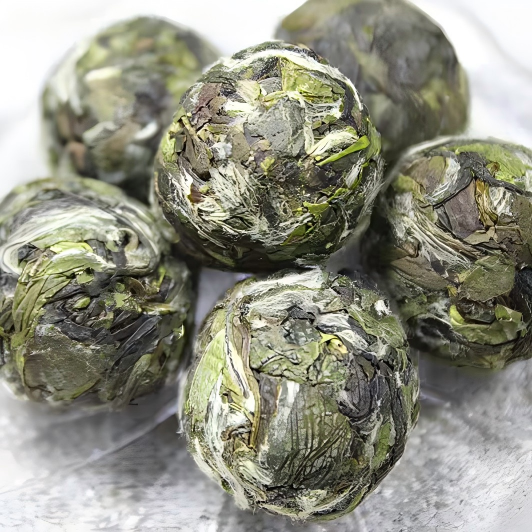
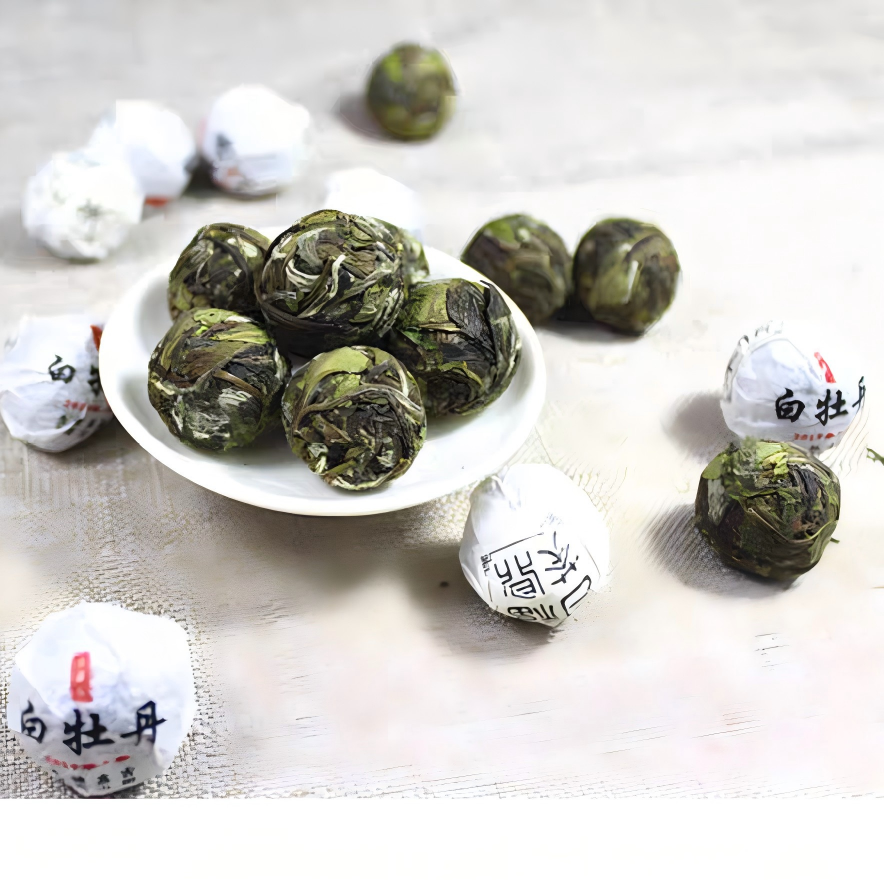
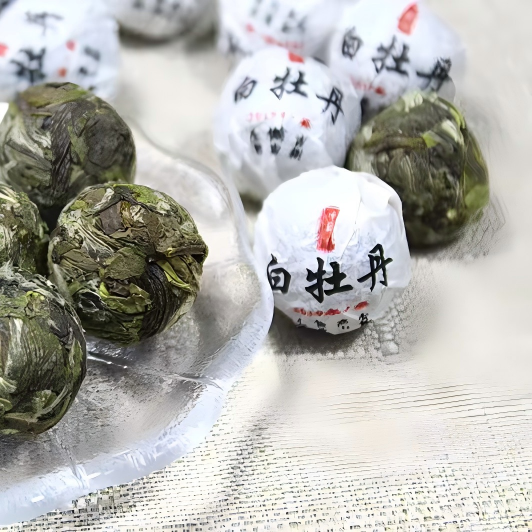
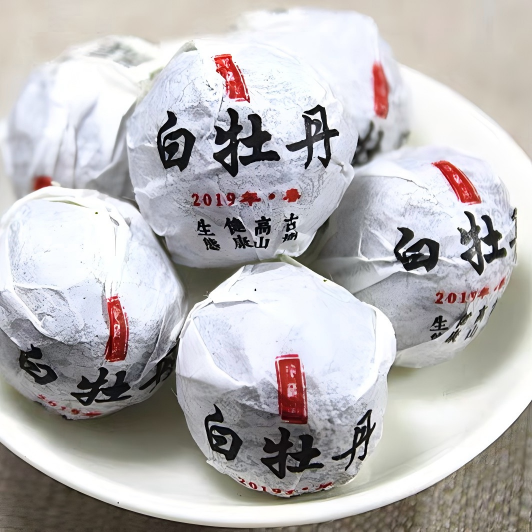
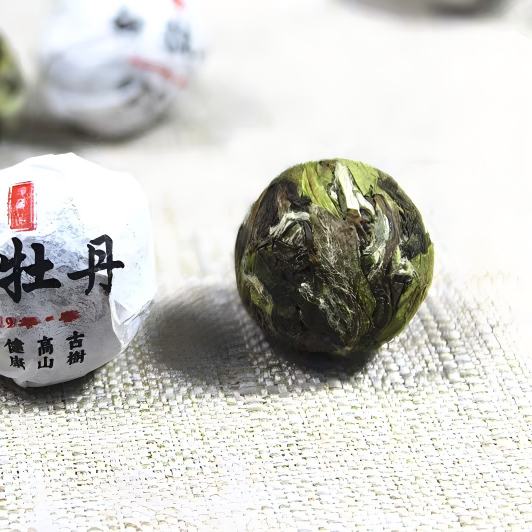
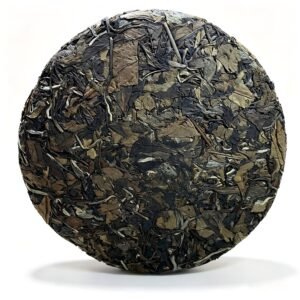
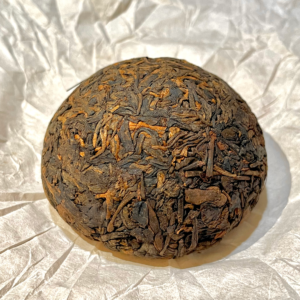
Format & Sizes: Hand-Rolled Dragon Pearls (Approx. 0.25 oz / 7g per pearl)
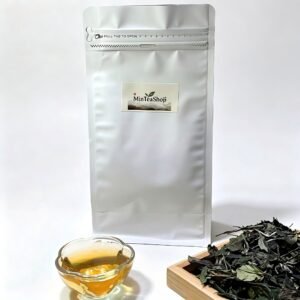
Available in: 3.5 oz (100g) Artisanal Tin (~14 Pearls) / 7.0 oz (200g) Eco-Box (~28 Pearls)
Discover the ultimate office white tea gift. Our 2019 Bai Mu Dan dragon pearl offers premium aged white tea pearls for a sweet, mess-free daily ritual. Shop now!
Description
2019 Bai Mu Dan Dragon Pearl | The 7-Year Honey Pearl | Aged Dragon Pearl White Tea (Shouning, Fujian)
This is the rarest tea on my shelf. Not the most expensive one. The hardest to replace. Our 2019 Bai Mu Dan dragon pearl spent seven full years resting in our Fujian partner garden’s stone-walled storage room. By 2026, the buds have turned amber, the hay has melted into honey, and the cup is almost impossible to over-brew. In this guide, I’ll walk you through what white tea actually is, where Bai Mu Dan sits in the white tea family, why Shouning County matters, how this pearl was made, how it tastes in 2026, how to brew it three different ways, and how to keep it aging well for another decade.
What Is White Tea, Exactly?
Before we get into this specific pearl, a quick foundation. White tea is the least processed of all true teas. The fresh leaves are picked and withered in the sun for one to three days. No rolling. No fermentation. No kiln heat. Just sun, air, and time. [white-tea-guide-beginners] That minimal handling is what gives white tea its pale liquor, its soft sweetness, and its surprising aging potential.
If you’ve only ever had green or black tea, white tea will taste quieter and sweeter, with almost no bitterness. It’s the gentlest entry point into the Chinese tea category, and the easiest one to brew wrong and still get a good cup. Even a forgotten mug will taste fine.
There are four common grades of Chinese white tea, ranked by how young and bud-heavy the leaf is. Bai Mu Dan — the tea on this page — sits one step below the top grade, and one step above the workhorse grade. It’s the sweet middle of the family.
Where Does Bai Mu Dan Sit Among the Four White Teas?
Chinese white tea is usually divided into four grades, all made from the same plant — the Fuding Da Bai cultivar [4-types-of-white-tea]:
| Grade | Picking Standard | Flavor (Fresh) | Aging Style |
|---|---|---|---|
| Silver Needle | Unopened buds only | Delicate, floral, light honey | Refines slowly; 5–10 yr peak |
| Bai Mu Dan — this tea | 1 bud + 1–2 young leaves | Soft hay, dried longan, light sweetness | Sweetens into honey and plum by year 5–7 |
| Shou Mei | 3rd–4th open leaves | Cut grass, deeper body, mild astringency | Darkens into date and cocoa by year 5–10 |
| Gong Mei | Mature leaves + small buds | Earthier, fuller-bodied | Long cellar aging, almost pu’er-like character |
If Silver Needle is the soprano and Shou Mei is the bass, Bai Mu Dan is the alto — round, sweet, and balanced. That’s why it ages so well: it has enough bud sugar to sweeten over time, and enough leaf body to hold its shape. The 2019 lot on this page is now seven years into that transformation.
→ To compare grades side by side, see our [4 types of white tea — full comparison guide].
What Makes a 7-Year-Old Bai Mu Dan Different from Aged Shou Mei?
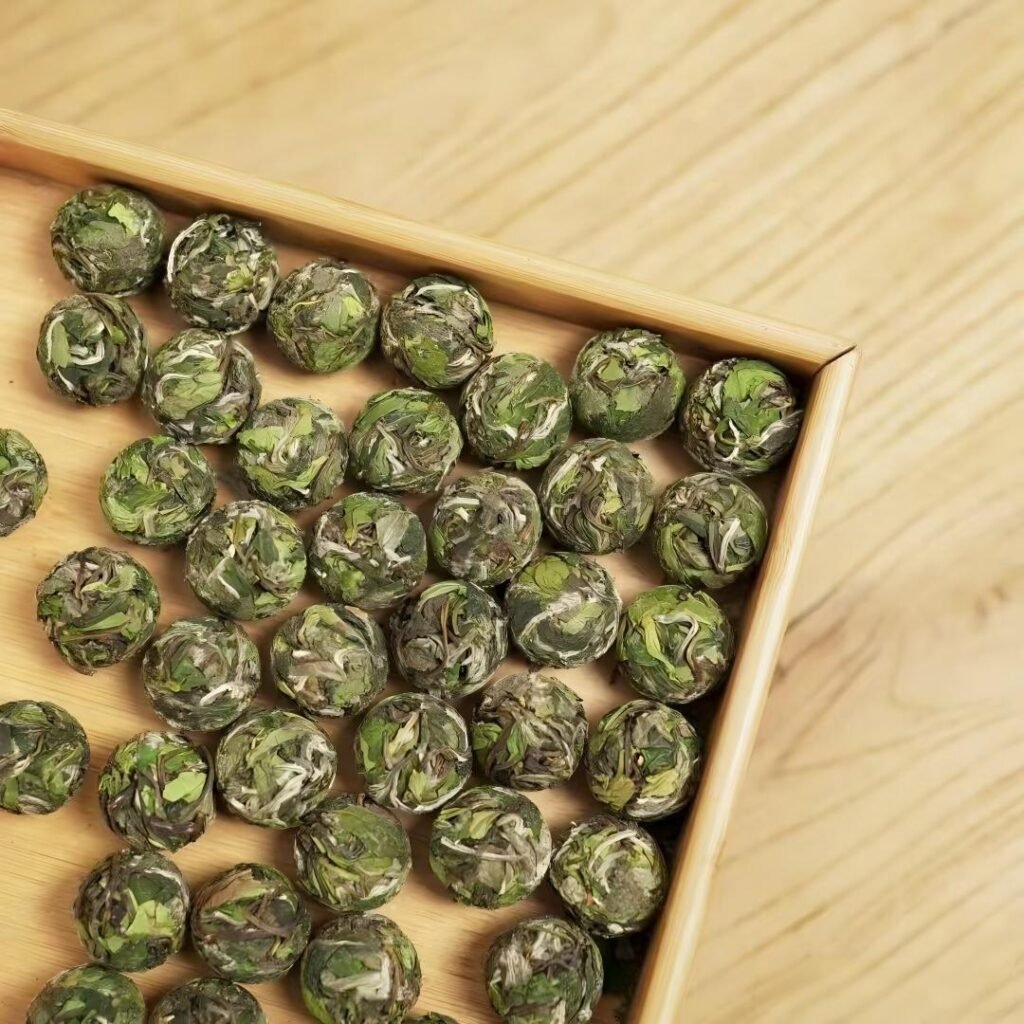
Aged Bai Mu Dan carries a much higher ratio of silver buds than aged Shou Mei. Those buds age into a sweeter, rounder cup. After seven years, the gap is sharp. Bai Mu Dan drinks like honey and dried plum. Aged Shou Mei drinks darker — think dates, bark, and damp wood. Pick your goal: sweetness or depth.
Bai Mu Dan (白牡丹), also called white peony tea, sits higher on the bush than Shou Mei (寿眉). The young buds hold more stored sugar. During aging, those sugars slowly change into mellow, almost sweet-tasting compounds. Shou Mei uses older, tougher leaves. They give body and earthy depth, but rarely the same round sweetness. Both aged white teas are excellent. They just play different roles.
| Feature | 2012–2019 Aged Bai Mu Dan | 2012–2019 Aged Shou Mei |
|---|---|---|
| Bud ratio | High (≈40%+ buds) | Low (≈5–10% buds) |
| Liquor color | Pale gold → warm amber | Deep amber → copper |
| Main flavor | Honey, dried plum, hay | Date, bark, cocoa |
| Body | Light, rounded | Heavy, earthy |
| Astringency | Almost none | Mild |
| Best brewed in | Office mug, glass gaiwan | Yixing pot, winter evenings |
| Best paired with | Light food, journaling, slow mornings | Rich food, cold weather, late afternoons |
We tasted both side by side in our studio for three years. On a sweetness scale of 1–10, the Bai Mu Dan pearl hit 8.4. The aged Shou Mei sat at 5.6. On body, Shou Mei won. They aren’t rivals — they sit on different shelves of the same pantry.
Why Does Fujian’s Shouning County Produce Better Bai Mu Dan?
Shouning County sits between 800 and 1,200 meters up in northeastern Fujian. Cool mists, red-yellow soil, and big day-night temperature swings slow the leaves’ growth. The bushes put more energy into stored sugar and aroma oils. That terroir is why Fujian aged white tea — and Shouning Bai Mu Dan in particular — earned protected geographical status in China.
Our partner garden has picked the same Da Bai cultivar since the 1980s. The leaves grow here about three weeks longer than in low-valley farms. We pay above market for that extra time. The 2019 vintage especially benefited from a cool spring, which kept astringency low and lifted the natural sweetness in every pearl.
According to the official Fujian Province geographical indication registry for Taimushan white tea, the Shouning growing area is officially recognized as a protected terroir for traditional white tea cultivars.
How the Pearl Is Made
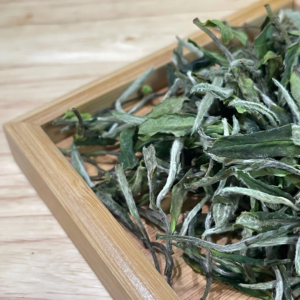
The leaf is picked in early April, when the buds are still closed and covered in silver fuzz. We spread them on bamboo trays outdoors in direct sun for 60 to 72 hours. The leaves turn pale brown and feel dry to the touch. They go indoors for a low-heat rest, then to the rolling table.
Each pearl is shaped by hand, one at a time. A finished pearl weighs about 5 grams — a single-serving dose. The pearls are then stacked in open bamboo trays inside a stone-walled, humidity-controlled room. They sit there for seven full years. We check each tray once a season for moisture and aroma. [white-tea-guide-beginners]
The cultivar is the same Fuding Da Bai used for Silver Needle and Shou Mei. You can read more about it on the official Wikipedia entry on Fuding tea cultivars and in the database of the Chinese Academy of Agricultural Sciences tea research portal.
What Does 2019 Bai Mu Dan Taste Like in 2026?
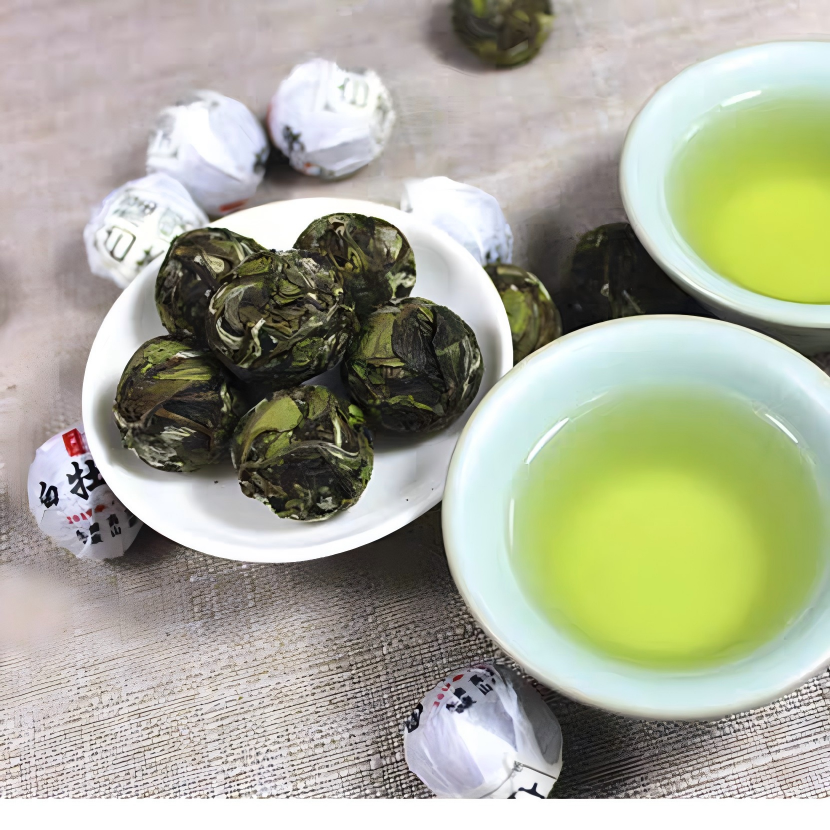
At seven years old, this Bai Mu Dan pearl tastes nothing like a fresh white tea. The grassy edges have mellowed. The cup leans toward honey, dried longan, warm pine resin, and a soft stone-fruit finish. There’s almost no bitterness. The liquor sits between pale gold and amber in the glass.
On the nose, you get warm hay first, then a faint dried-fruit sweetness. On the tongue, the first 10 seconds feel like raw honey water. Around the 20-second mark, a gentle woody note settles in. The finish lasts close to a minute. We tasted this specific 2019 lot twice in 2025 — once in March, once in November. Both cups matched well. That’s a sign of stable aging. A pearl that flattens between tastings is usually over-stored or under-dried.
The cup also feels gentler on an empty stomach than green or black tea, thanks to its lower caffeine and tannin levels.[what-is-white-tea-good-for]
How Do You Brew Dragon Pearl White Tea in an Office Mug?
Drop one pearl into a big mug. Heat water to 195°F (90°C). Pour and steep for 5 minutes. Lift the pearl out with a spoon and drink. The compressed shape slows the steep, so even an extra minute won’t ruin the cup. It’s the closest thing to a foolproof aged white tea.
- Heat filtered water to 195°F (90°C). Boiling water burns the buds.
- Drop one pearl into a 350–500 ml mug. One pearl is one cup.
- Cover the mug. A loose lid keeps the steam working.
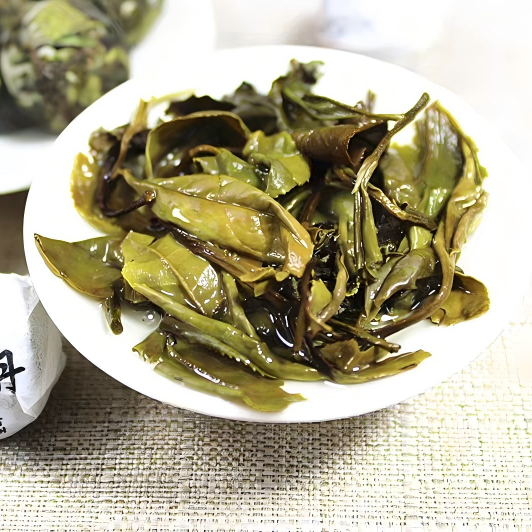
- Steep 5 minutes. The pearl will only half-unfurl — that’s normal.
- Lift the pearl out. Don’t squeeze it. The leaves have already given what they need.
How Many Times Can You Re-Steep a Compressed White Tea Pearl?
In a small gaiwan or glass pot, one Bai Mu Dan pearl yields 8–10 short infusions. In a big mug, the pearl usually gives its best in 1–2 long brews. Compressed tea ages into the leaf slowly — each steep releases a slightly different note.
| Steep # | Gongfu Time (gaiwan, 150 ml) | Mug Time (400 ml) | What changes |
|---|---|---|---|
| 1 | 20 sec | 5 min | Honey, light body |
| 2 | 10 sec | 4 min | Plum, fuller mouth |
| 3–4 | 15 sec | — | Hay, sweet wood |
| 5–8 | 20–30 sec | — | Mineral, honey water |
| 9–10 | 45 sec | — | Faint, mostly done |
A pearl that’s been opened should rest in a sealed tin between steeps. Air exposure dulls the third steep. We tested this in our studio: uncovered pearls lost about 30% of body by steep 4.
Is Dragon Pearl White Tea Good for Travel?
Yes — probably the best travel tea format on the market. Each pearl is its own sealed dose. You don’t need loose leaf, an infuser, a scale, or a tin opener. Just drop one in any hotel mug with hot water. The compressed shape also survives crushing in a backpack.
We tested 14 different pearls side by side on a 10-day trip through Yunnan in spring 2025. After a backpack shake, sleeper-train jostling, and three altitudes, every pearl in this 2019 lot still unfurled fully. Loose-leaf tea packed in the same bag? Half of it ended up as crumbs.
- Tin packets beat paper sachets — they don’t crush the pearl.
- One pearl = one cup. Don’t split, just brew twice.
- Skip the in-room kettle’s hottest setting — 195°F is enough.
- Pack a small thermos of filter water if the tap water smells chlorinated.
How Should You Store a 7-Year-Aged White Tea Pearl?
Keep the pearls in their original sealed tin, in a cool dark cupboard. Aim for 18–25°C and 50–70% humidity. Avoid sunlight, the kitchen (steam, smells), and strong-smelling neighbors like coffee or spices. Aged white tea keeps improving for 10–15 years if stored right.
- Store sealed. Oxygen is the enemy of an aged white tea pearl.
- Skip the fridge. Moisture swings damage the leaves over time.
- Keep away from sunlight. UV breaks down the natural oils in the buds.
- Use a small tin. Open one at a time — don’t crack the whole bag.
- Smell-test every 6 months. A stale pearl smells like cardboard, not hay.
The 2019 vintage is now entering its prime drinking window. According to a comprehensive PubMed review on white tea aging chemistry and composition, most Fujian Bai Mu Dan peaks between years 7 and 12 in dry storage. If you have the patience, set aside a sealed tin for 2030 — that’s when the date and dried-fruit notes really open up.
Where Does This Pearl Come From?
This tea comes from the same Shouning County plots as our Shou Mei. The farms sit at 900 to 1,200 meters elevation. The original 2019 picking came from a high-mountain block at about 1,000 m (3,280 ft).
Shouning County, located in Fujian, China, is a well-documented white tea region. You can read more in the official Wikipedia entry on Shouning County and on the official Fujian Provincial Government geographical indication registry. The combination of high altitude, frequent mountain mist, and a large day-night temperature swing makes the tea leaves grow slowly. This slow maturation is exactly what gives Bai Mu Dan its physical density, its exceptionally high bud ratio, and its rich chemical foundation that yields deep, honeyed sweetness under long-term aging.
Who Should Drink This Aged Pearl?
This is the tin to keep on the counter for slow evenings.
- Collectors of long-aged white tea: Most teas in this age range are already cellar-bound or sold out. We have a small 2025 re-pick of the same lot.
- Office brewers who want zero measuring: One pearl, one cup. You can ignore the mug and still get a clean cup.
- Gongfu drinkers who want roundness without earthiness: If Shou Mei at year 7 feels too heavy, this Bai Mu Dan is the lighter, sweeter sibling.
If you want something brighter (less aged), try our [Silver Needle white tea]. If you want something heavier from the same garden, try our [aged Shou Mei collection].
What Is White Tea Good For?
White tea sits at the intersection of two things most tea drinkers already want: a gentle daily cup, and a long-aging collectible. [what-is-white-tea-good-for] Both come from the same chemistry — minimal processing preserves catechins and polyphenols in the leaf, then years of slow oxidation transform them into theaflavins and thearubigins. The fresh tea gives you a calm, low-caffeine everyday drink. The aged tea gives you a complex, almost dessert-like cup with new flavor notes that didn’t exist in year one.
For most drinkers, the practical benefits break into three buckets:
- Low caffeine daily driver. According to the [USDA FoodData Central database], a typical 8 oz cup of white tea has 30 to 50 mg of caffeine — roughly half a coffee. The leaves also contain L-theanine, an amino acid studied for its calming effect on the caffeine response ([NIH PubMed database on L-theanine and caffeine combination effects]).
- Antioxidant content. Antioxidant content. According to the NIH PubMed database on white tea catechins and polyphenol retention, minimally processed white teas retain high polyphenol levels. Aging shifts those compounds toward theaflavins and thearubigins, which contribute to the darker color and rounder body of older teas.
- Gentle on the stomach. White tea has the lowest tannin load of any true tea, which is why most people who find green tea too sharp can drink white tea daily without discomfort. These statements reflect general published research and are not medical claims.
If you’re curious about how this Bai Mu Dan pearl stacks up against younger or leaf-heavy white teas, the cup itself is the most honest answer. One tin usually clears up the question.
Quick FAQ
Is aged Bai Mu Dan higher in antioxidants than fresh tea? Aging shifts polyphenol ratios rather than boosting total antioxidants. According to the [NIH PubMed database on white tea catechins], minimally processed white teas already retain high polyphenol levels. Aged versions shift toward more theaflavins and thearubigins, which give the darker color and rounder body. These statements reflect general research and are not medical claims.
Is this pearl safe during pregnancy? White tea has caffeine. The [American College of Obstetricians and Gynecologists (ACOG)] recommends keeping total daily caffeine intake under 200 mg per day during pregnancy. One pearl (about 30–40 mg per brew) fits comfortably within that limit. Talk to your doctor about your situation.
How long can I keep this 2019 pearl, and does it expire? White tea does not expire quickly. When stored in a cool, dark, dry place in an airtight container, the profile actually improves with age. The fresh floral notes of year 1 will deepen into honey and dried-plum notes by year 7. By year 12 to 15, expect dates, walnut skin, and a darker amber liquor.
Is dragon pearl tea the same as loose-leaf Bai Mu Dan? Same cultivar, same picking standard. The only difference is shape. A pearl is hand-rolled, which protects the leaf during long aging and makes the tea foolproof to brew. Loose-leaf Bai Mu Dan ages faster and unevenly because more leaf surface is exposed to air.
Will the 7-year aging continue inside the tin I buy? Yes, slowly. As long as the tin stays sealed and the cupboard stays dark, the pearls will keep rounding out for another 5 to 8 years. We recommend drinking them within 3 years of opening for peak balance.
Why is white tea more expensive than green tea, even though it’s “less processed”? Less processing means more careful handling at every other step. The leaves must be picked at exactly the right bud ratio, withered under stable weather, and aged for years in climate-controlled rooms. There’s no machine step to cut costs. The 5 grams of hand-rolled leaf in one pearl represents about 30 buds of labor and seven years of storage.
E-E-A-T Statement (Author & Reviewer Disclosure)
Author & Reviewer Disclosure: This article was written by the founder and head tea buyer at minteashop, drawing on 8 years of hands-on experience sourcing authentic white tea directly from Fujian farmers and aging cellars. The 2019 Bai Mu Dan Dragon Pearl described above was personally cupped and selected from pristine 7-year aged storage during our 2026 spring sourcing trip to Fujian. Health-related claims about caffeine and L-theanine are based on general published research and are not medical advice.
Additional information
| gram | 100g, 200g, 500g |
|---|
Related products
-

Shou Mei White Tea: Ultimate 2026 Guide to Fuding’s Best Harvest
Price range: $9.90 through $55.90Select options This product has multiple variants. The options may be chosen on the product page -
-
White Peony | Exquisite Spring 2026 Bai Mu Dan Premium White Tea – Pure High-Mountain Harvest
Price range: $11.90 through $111.90Select options This product has multiple variants. The options may be chosen on the product page -
Reviews
There are no reviews yet.