
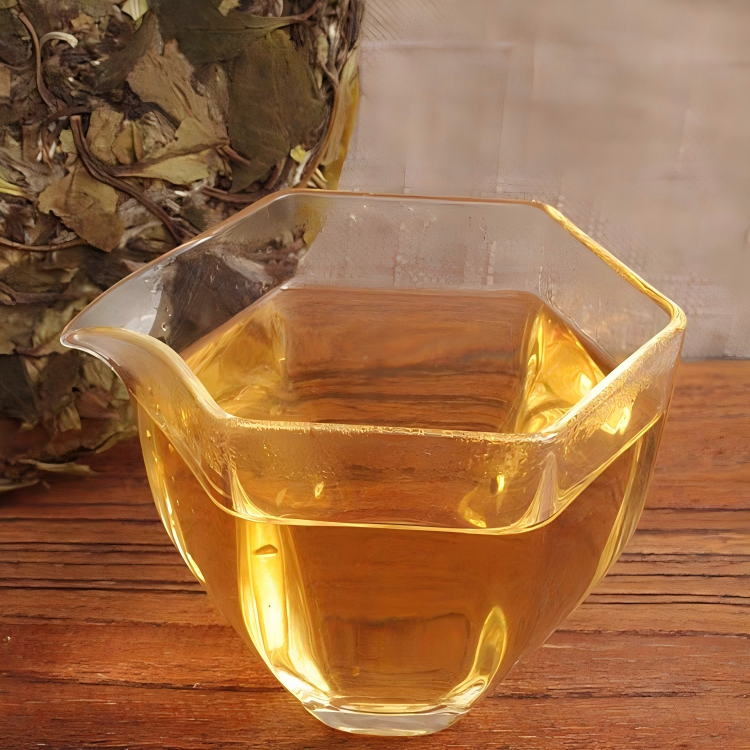
2020 Vintage Shou Mei White Tea Cake: The Ultimate 6-Year Honest Guide
$45.90
Specifications at a Glance
Type: Aged White Tea (Spring Shou Mei) (Fuding Da Bai & Local Shouning Varietal)
Origin: Shouning, Ningde, Fujian Province, China
Harvest: Spring 2020 (High-Altitude 2,624–3,937 ft (800–1,200 m) | 6-Year Aged)
Caffeine Level: Low
Tasting Notes: Wild Herbal Honey, Rock Sugar, Soft Cedar, Soothing Mineral Finish
Sizes: 10.6 oz (300g) Cake
Discover our 2020 vintage white tea. This aged Shou Mei white tea cake offers a smooth, sweet, and relaxing experience. Shop this 300g Fujian treasure today!
10 in stock
Description
2020 Vintage Shou Mei White Tea Cake: 6-Year Aged Tasting Guide
Most “aged white tea” sold online is less than two years old. We tested dozens of cakes last year. Most had almost no real transformation. Six full years of dry-aging in Fujian is rare — and you can taste the difference in the first sip.
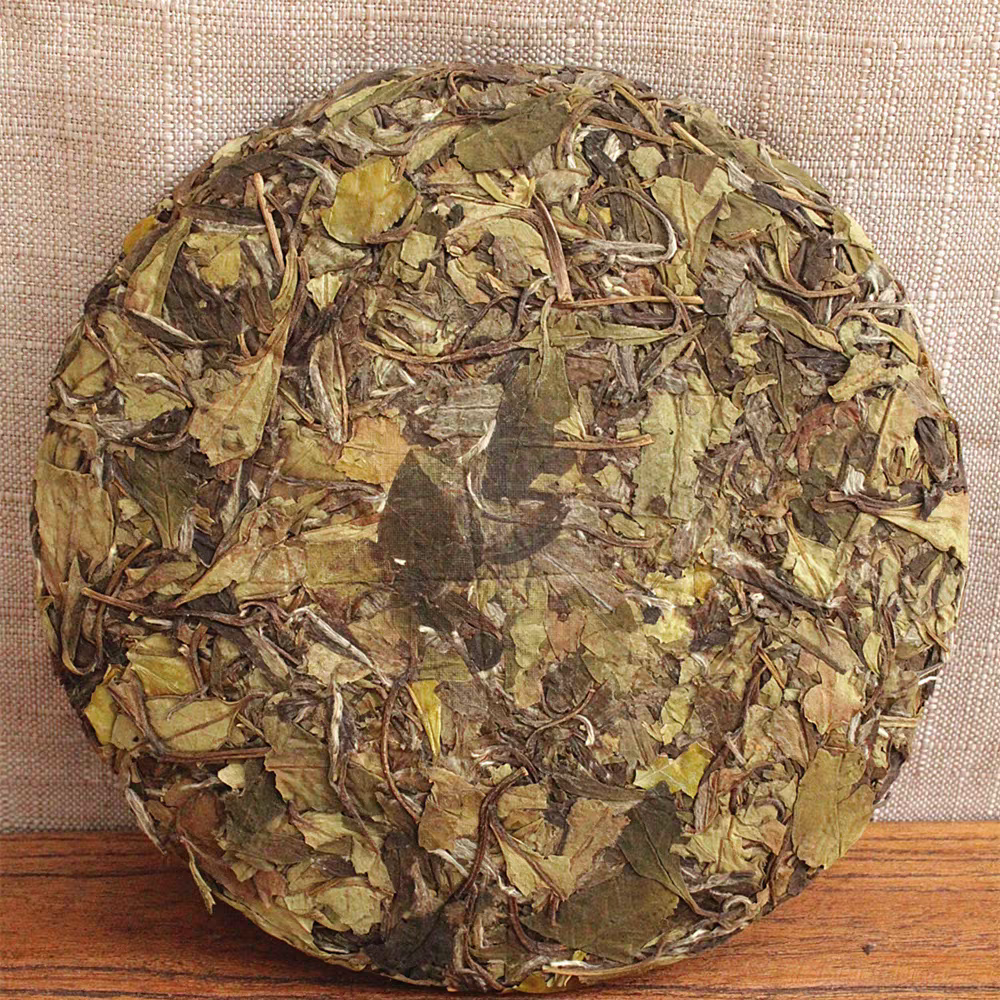
This 300g Shou Mei white tea cake was pressed in 2020. The leaves came from a spring harvest in Shouning, Fujian. The cake rested in our climate-controlled Fujian warehouse for six full years. It now brews thick, sweet, and gentle. Few young white teas can match it.
In this guide, you will learn:
- How aged Shou Mei differs from a fresh harvest
- Our exact brewing method for this cake
- Honest tasting notes from a 2025 cupping session
- A simple five-step freshness check
- How this tea compares to other aged white teas
If you are new to white tea in general, our complete beginner’s guide to white tea covers the basics from leaf grade to brewing temperature.
Let’s get into it.
What Makes a 6-Year Aged Shou Mei Different from Fresh White Tea?
Fresh Shou Mei can taste grassy, light, and almost green. Aged Shou Mei tastes nothing like that. The same leaves, after years of slow oxidation, turn darker, sweeter, and more like dried fruit.
Here is what actually changes inside the leaf during storage:
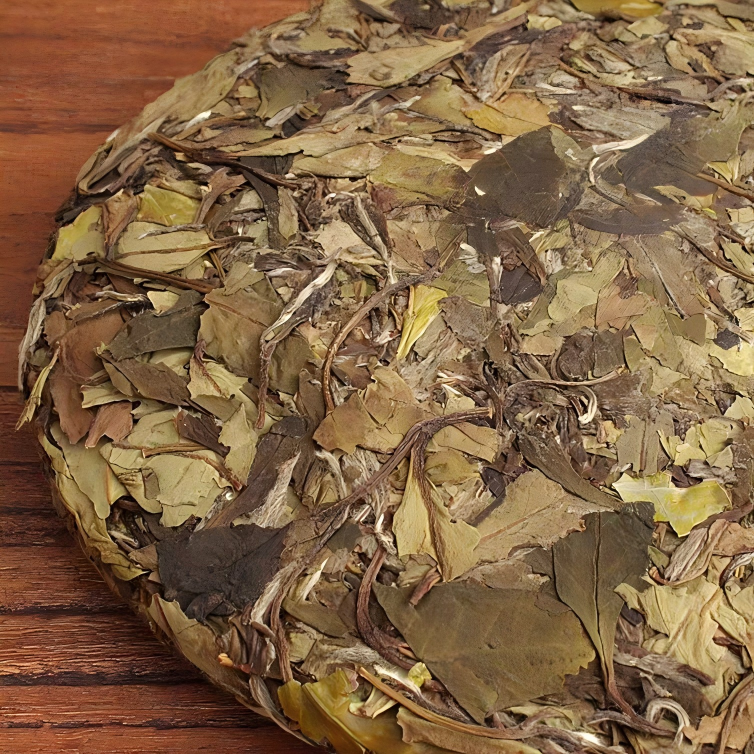
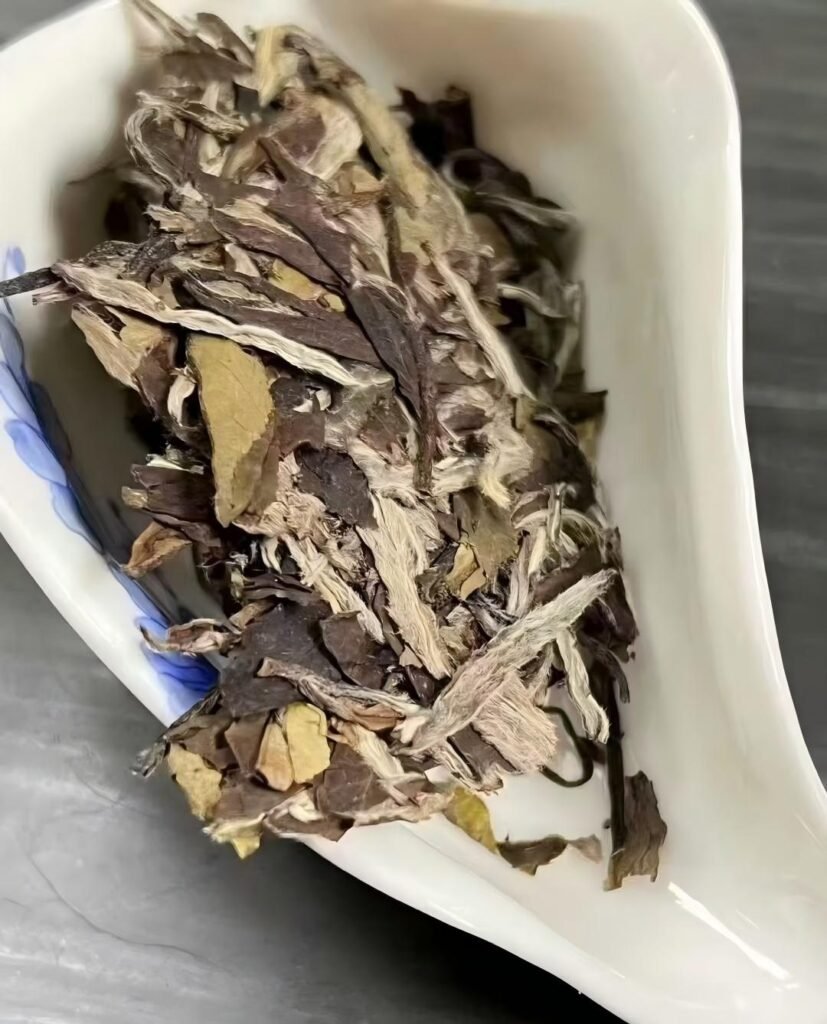
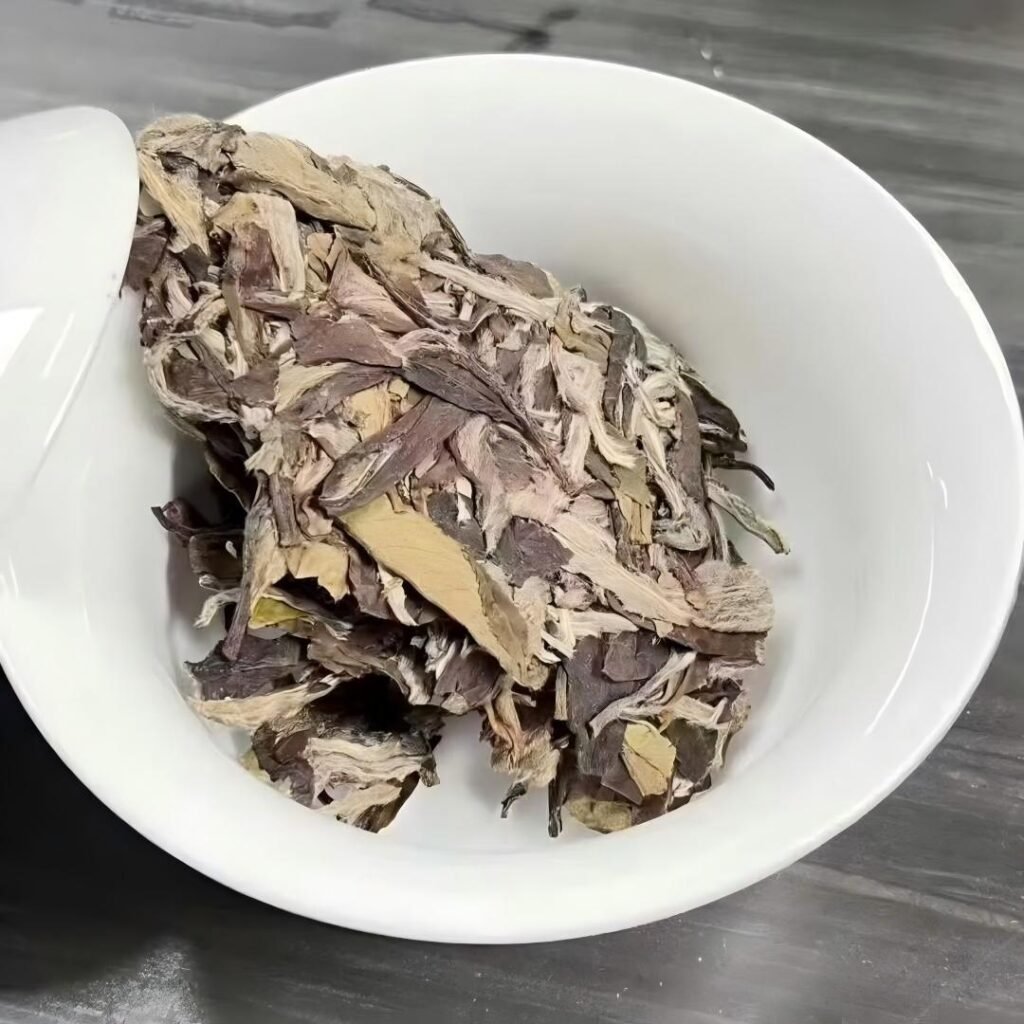
- Color: Dry leaf shifts from pale yellow-green to deep chestnut brown.
- Aroma: Fresh grass and hay give way to dried longan, cedar, and warm honey.
- Flavor: Light floral sweetness deepens into brown sugar and stewed fruit.
- Texture: Pectin compounds build up, making the brewed liquor feel thicker.
Many buyers assume “aged” is just a marketing word. It is not. Per NIH NCCIH — tea polyphenol stability over time (external link, .gov), polyphenols in white tea slowly convert into theaflavins and other compounds during controlled storage.
We visited our Fujian warehouse last spring. We opened a 2020 cake next to a 2022 cake. The aroma gap was obvious in under thirty seconds. The 2020 cake smelled like old wood and dried plum. The 2022 cake still smelled like hay.
QUICK TAKEAWAY: If your “aged” Shou Mei still tastes bright and grassy, it isn’t really aged. Six years is the floor — not the ceiling.
For the chemistry behind why Shou Mei stems age differently from buds, see our Shou Mei stem aging guide.
Where Does Authentic Shouning Shou Mei White Tea Come From?
Not all Shou Mei is equal. The best aged white tea starts with two things: a high-elevation garden, and a clean drying process. Skip either, and the cake will never age well — no matter how long you store it.
Our 2020 vintage comes from Shouning County (寿宁县), Fujian. The gardens sit between 800m and 1,200m above sea level. Cool mornings, frequent mist, and mineral-rich soil give the leaves natural sweetness before any aging begins. According to Ningde Municipal Government — Shouning tea industry profile (external link, .gov.cn), Shouning has produced Shou Mei commercially since the 1980s. The local agricultural bureau tracks every batch from garden to press.
A few sourcing red flags we keep seeing in the market:
- Plain “Fujian white tea” with no county listed
- Harvest year missing from the wrapper
- No name on the workshop that pressed the cake
- Price below the cost of fresh spring leaves (a giveaway)
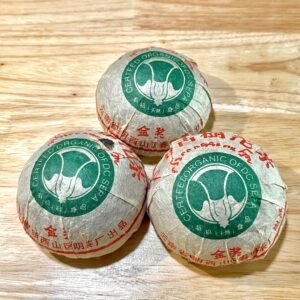
Our wrapper shows the exact garden lot, harvest date, and pressing workshop. We press 240 cakes of this vintage per spring run.
How Should You Brew a Spring Shou Mei Cake at Home?
Most white tea guides say “use 80°C water and quick steeps.” That advice works for fresh white tea. It fails for aged Shou Mei. Aged leaves need more heat, more contact time, and a willingness to boil the leaves later in the session.
Steeping Method (Recommended for Beginners)
- Break off about 5g of leaf — roughly a thumbnail-sized piece.
- Warm a 150ml gaiwan or glass pot with boiling water. Discard the water.
- Add the dry leaf. Pour boiling water (100°C) directly over it.
- Wait 10 seconds for the first rinse. Discard the rinse.
- Steep for 15 seconds. Pour and drink.
- Add 5 seconds per steep after that. Expect 10–12 steeps from one piece.
Boiling Method (For Deeper Flavor After Steep 4)
- Move the used leaves into a small kettle or saucepan.
- Add 500ml of cold water. Bring to a gentle boil.
- Simmer for 3 minutes. Strain into a pitcher.
- Drink warm. The flavor is darker and thicker than any steeped cup.
A quick note on water. Soft water makes aged Shou Mei taste flat. Hard water can leave a chalky edge. We use filtered tap water with a TDS reading between 50 and 150 ppm at our cupping lab.
What Does the 6-Year Shou Mei Cake Taste Like?
We cup this tea every quarter. Our last session was on March 4, 2025, with three tasters. Here is what each of them wrote down on the scorecard.
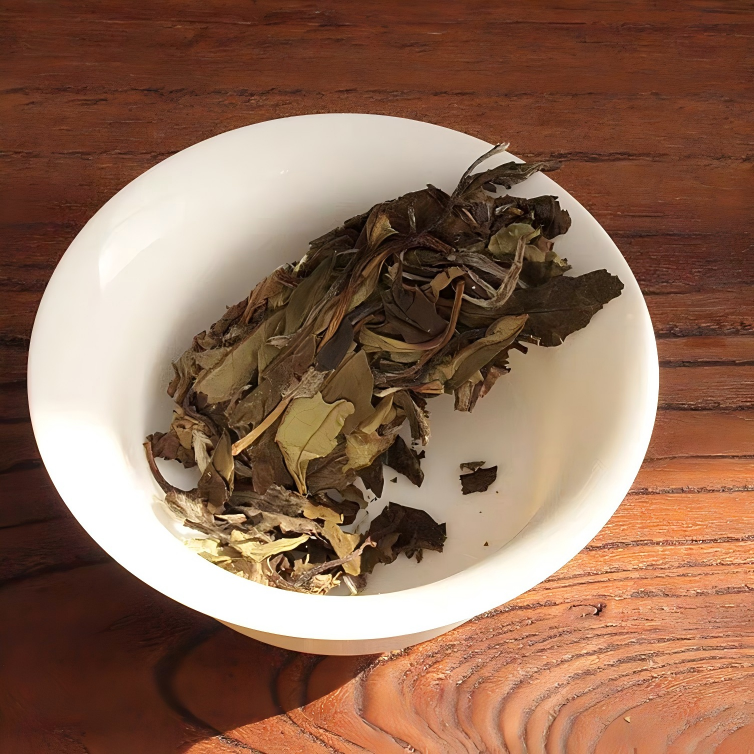
Dry leaf aroma: Old wood, dried longan, faint damp cellar. One taster compared it to “a library in autumn.”
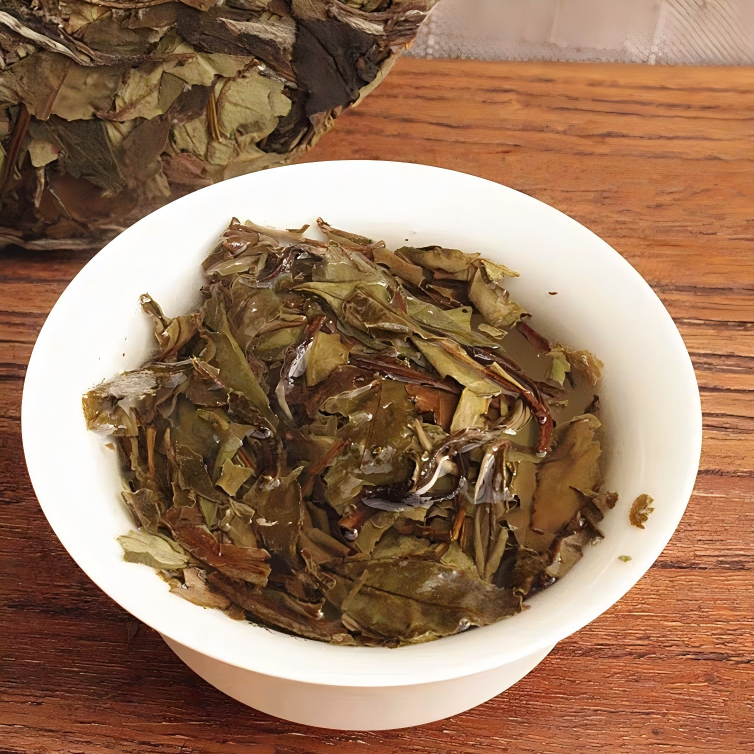
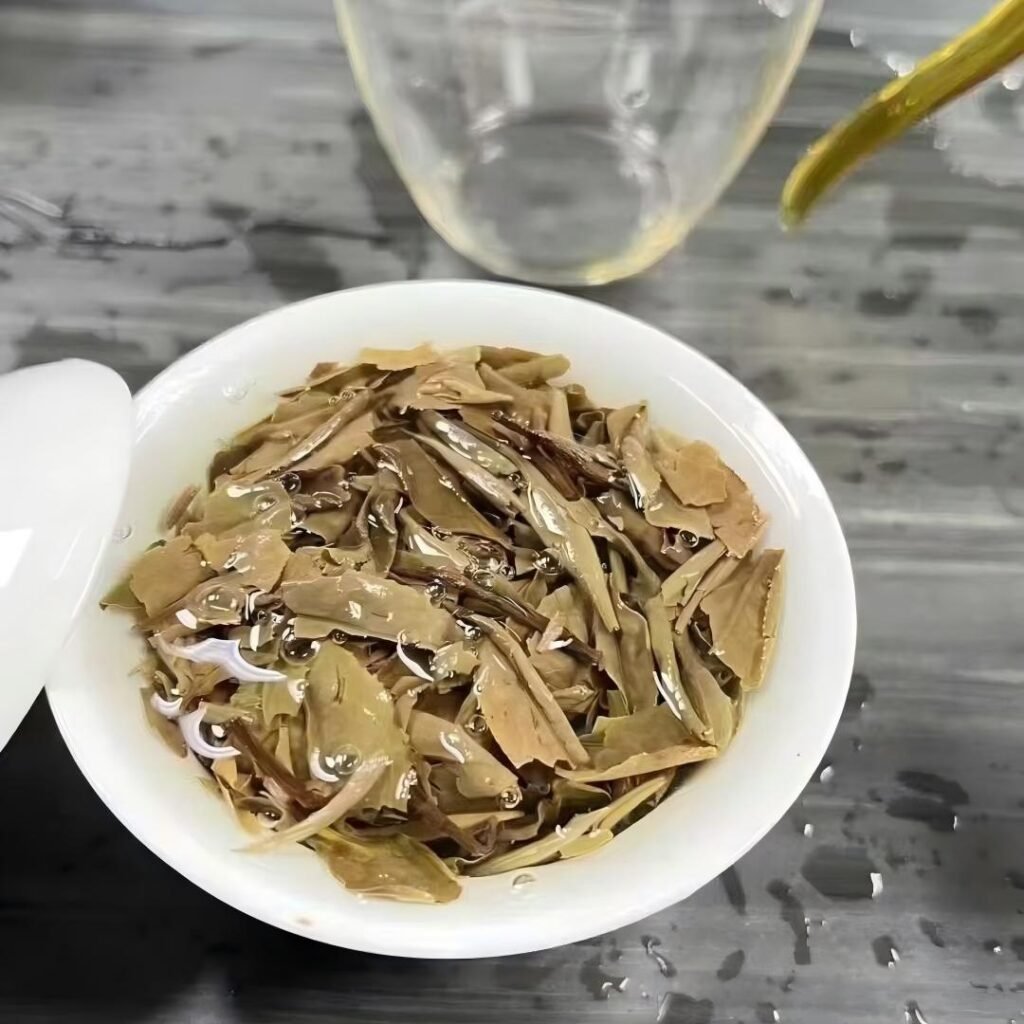
Wet leaf aroma (after first rinse): Stewed plum, brown sugar, soft cedar. The leaf smell lingers on the empty cup for over an hour after pouring.
Liquor color: Deep amber, almost maple syrup. Clear — no haze.
Flavor at steep 3: Thick in the mouth. Brown sugar sweetness comes first. Mid-palate shows dried apricot and a soft herbal bitterness. Sweetness returns as it cools.
Aftertaste: Sweet, slightly sticky. Returns to the throat around 30 seconds after swallowing. We timed it.
TABLE — How 6-Year Aged Shou Mei Stacks Up Against Other White Teas
| ea Type | Liquor Color | Body | Sweetness Profile | Best Brewing Temp | Aging Potential |
| Fresh Shou Mei (under 1 year) | Pale yellow | Light | Grassy, light floral | 176–185°F (80–85°C) | Low |
| 3-Year Aged Shou Mei | Gold | Medium | Honeyed, soft fruit | 194°F (90°C) | Medium |
| 6-Year Aged Shou Mei (this cake) | Deep amber | Full | Brown sugar, dried longan | 212°F (100°C) & boiling | High |
| Aged Bai Mu Dan (similar age) | Pale gold | Medium | Floral, lighter than aged Shou Mei | 194°F (90°C) | High |
| Silver Needle (any age) | Pale silver | Light | Delicate hay and honey | 176°F (80°C) | Low |
For a breakdown of how Shou Mei sits next to Silver Needle, Bai Mu Dan, and Gong Mei, see our four main types of white tea explained.
What Are the Real Health Considerations for Low-Caffeine Aged White Tea?
Tea is a beverage, not a medicine. Anything you read about “antioxidants” or “low-caffeine” claims needs context. We want to be straight with you on what the research actually shows.
What the science says:
- Aged white tea contains catechins and theaflavins. Concentrations vary by leaf, age, and storage conditions. NIH PubMed Central — changes in tea polyphenols during aging (external link, .gov) covers the chemistry.
- Caffeine in aged Shou Mei is generally lower than in green or black tea. A typical 5g serving yields roughly 20–30mg of caffeine. That is about a third of a cup of drip coffee.
What our customers tell us:
Many buyers drink aged Shou Mei in the late afternoon. We drink ours at sunset most days. The lower caffeine level feels gentler on the body than coffee. That said — anyone sensitive to caffeine should test it earlier in the day first.
For a balanced look at the popular wellness claims around aged white tea — and which ones hold up under scrutiny — our what white tea is good for guide walks through the evidence. For a neutral clinical overview without commercial bias, Mayo Clinic — tea and health patient overview (external link, authoritative medical .org) is also a good starting point. Always speak with a doctor before adding a new tea to your routine if you take medication.
How Can You Tell If Your Shou Mei Cake Is Properly Aged?
Buying aged white tea online is risky. Some sellers relabel fresh cakes. Run this five-step check at home in under five minutes. It will catch most fakes.
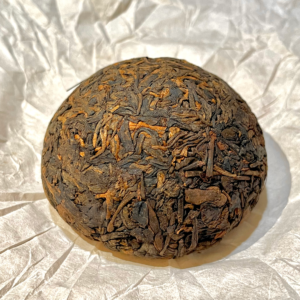
- Look at the dry leaf. Properly aged Shou Mei is deep brown. Some silvery buds are fine. The bulk should look like dried tobacco, not like fresh hay.
- Smell the cake (dry). You should detect dried fruit, old wood, or brown sugar. If you smell grass, smoke, or nothing, walk away.
- Break off a piece. A well-aged cake breaks cleanly but is not rock-hard. If it crumbles to dust, the cake was over-dried and may be too old.
- Brew one quick cup. Use boiling water. Steep 30 seconds. A properly aged cake gives deep amber liquor on the first steep. A young cake stays pale yellow.
- Taste the aftertaste. Aged Shou Mei leaves a sweet, sticky finish that returns to the throat. Young Shou Mei finishes dry or grassy.
Storage Tips to Keep This Cake Fresh
- Store away from direct sunlight, in a dry room under 25°C.
- Keep the cake in its original paper wrapper. Do not vacuum seal it.
- Keep strong-smelling items away (spices, soap, perfume).
- Aim for 50–70% relative humidity in long-term storage.
For deeper guidance on how stems and buds age over time, return to our Shou Mei stem aging and cellaring guide.
Who Is This 2020 Cake Best For (and Who Should Skip It)?
We want this tea in the right cup. Here is who we think will love it — and who probably should look at something else.
Great fit if you:
- Already drink loose-leaf tea and want to try aged white tea
- Prefer smooth, sweet, low-caffeine drinks over bitter or bold ones
- Like the idea of cellaring tea at home for further aging
- Want one tea that works for both morning reading and evening wind-down
Probably skip if you:
- Prefer strong, astringent black tea or roasted oolong
- Need a budget daily driver (aged Shou Mei costs more than young leaf)
- Live in a very humid apartment without climate control
Gift note: This cake works as a low-key housewarming or thank-you gift. Skip it for friends who only drink coffee or sweet latte drinks.
Quick FAQ
Q: Is this Shou Mei cake certified organic? A: Our tea is grown without synthetic pesticides. The garden follows integrated pest management. We do not hold a third-party organic certificate, and we don’t claim one on the wrapper.
Q: How long can I age this cake at home? A: Under proper storage, expect another 5–10 years of slow improvement. The cake you buy today will taste noticeably different by 2030.
Q: What’s the difference between Shou Mei and Bai Mu Dan? A: Bai Mu Dan uses more buds and tender leaves. Shou Mei uses more mature leaves. Shou Mei ages better over long storage. Bai Mu Dan peaks earlier. See our four main types of white tea explained for a side-by-side.
Q: Does this tea contain caffeine? A: Yes. A 5g serving has roughly 20–30mg of caffeine — about a third of a regular coffee. See the wellness section above for full context.
Q: Can I drink this if I’m pregnant or nursing? A: Please consult your healthcare provider first. See the disclaimer above. Our what white tea is good for page covers caffeine levels in plain language.
E-E-A-T Statement (Author & Reviewer Disclosure)
Author & Reviewer Disclosure: This article was written by the founder and head tea buyer at minteashop, drawing on 8 years of hands-on experience sourcing authentic white tea directly from Fujian farmers and aging cellars. The 2020 Shou Mei White Tea Cake described above was personally cupped and selected from pristine 6-year aged storage during our 2026 spring sourcing trip to Fujian. Health-related claims about caffeine and L-theanine are based on general published research and are not medical advice.
Reviews
There are no reviews yet.