
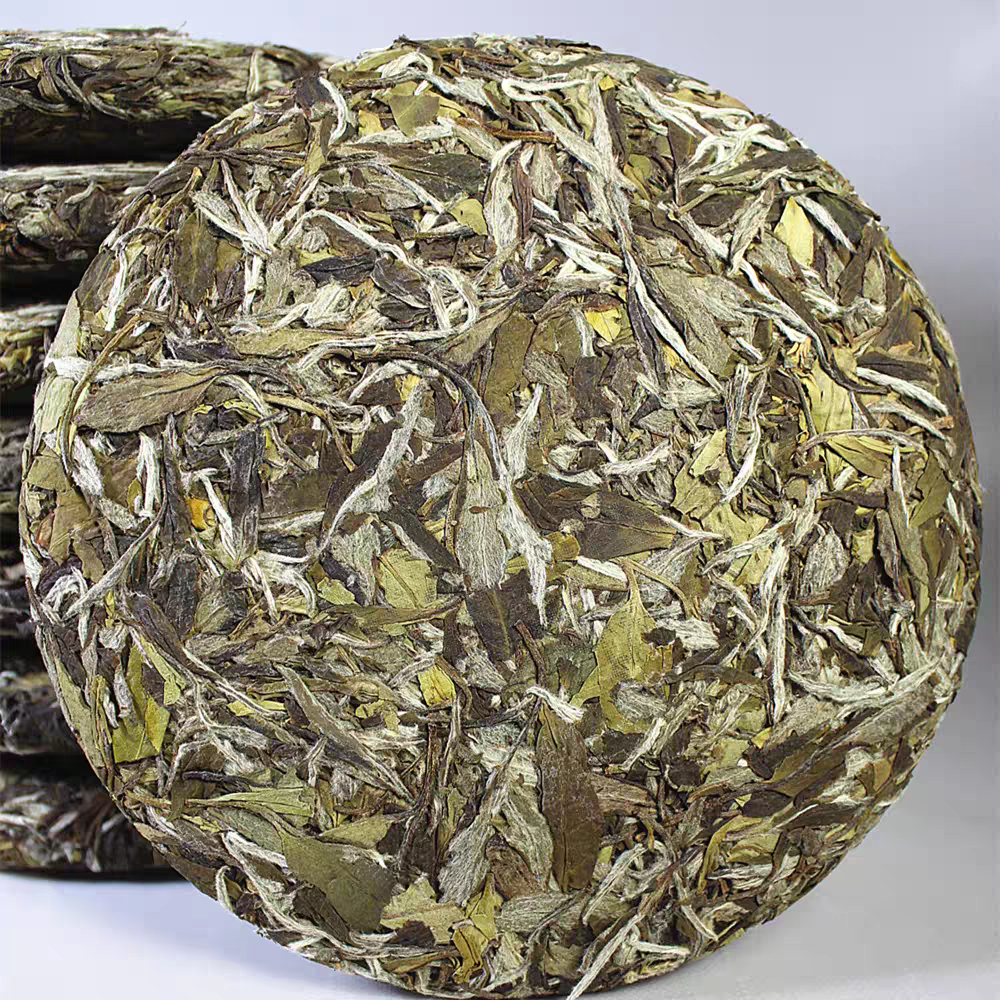
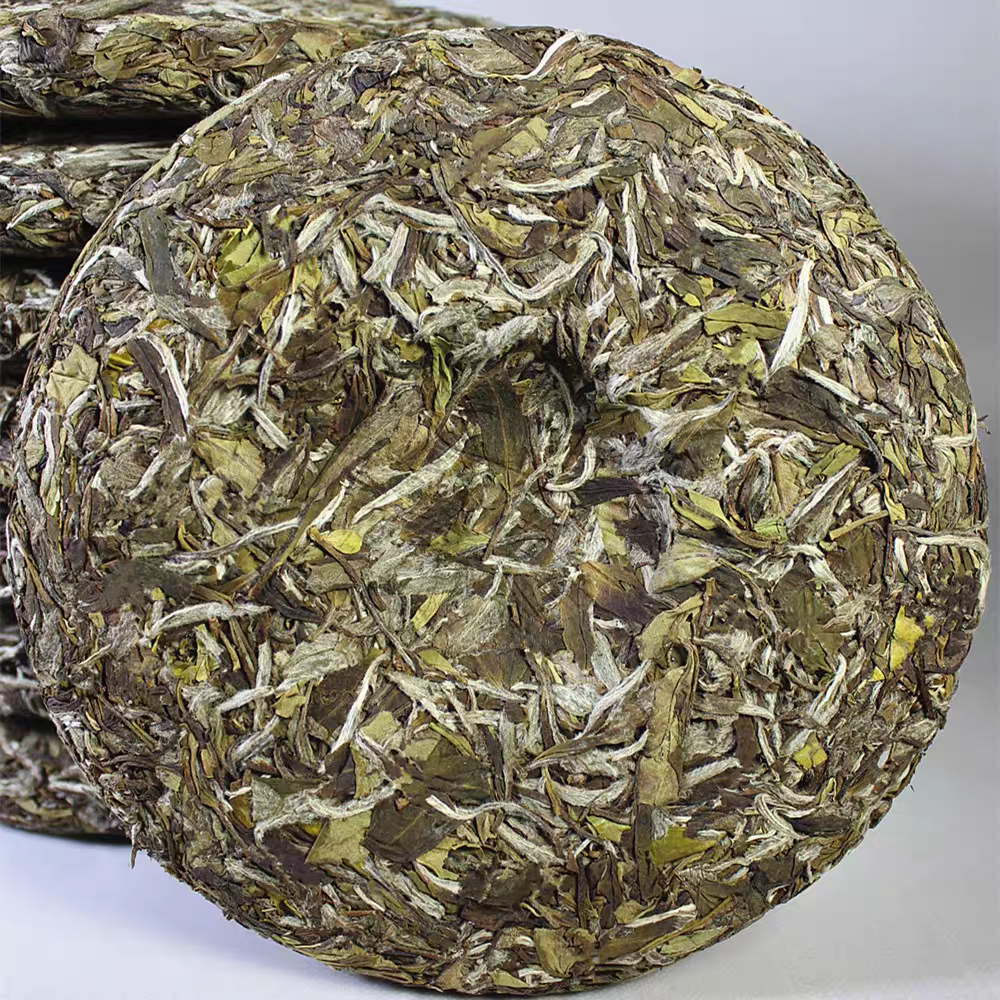
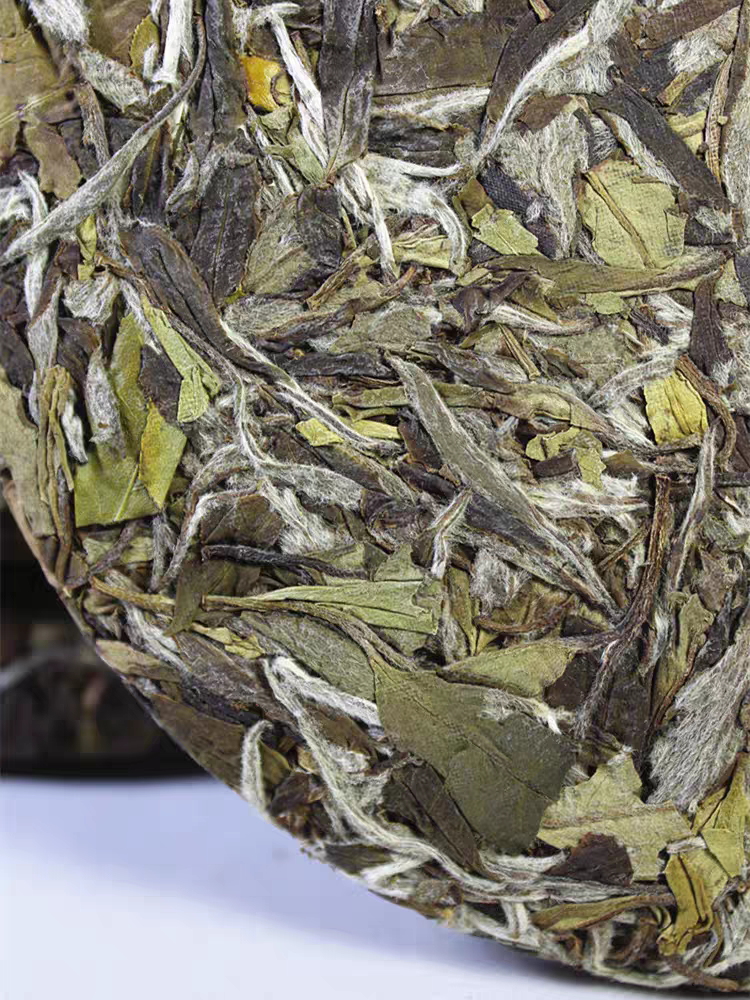
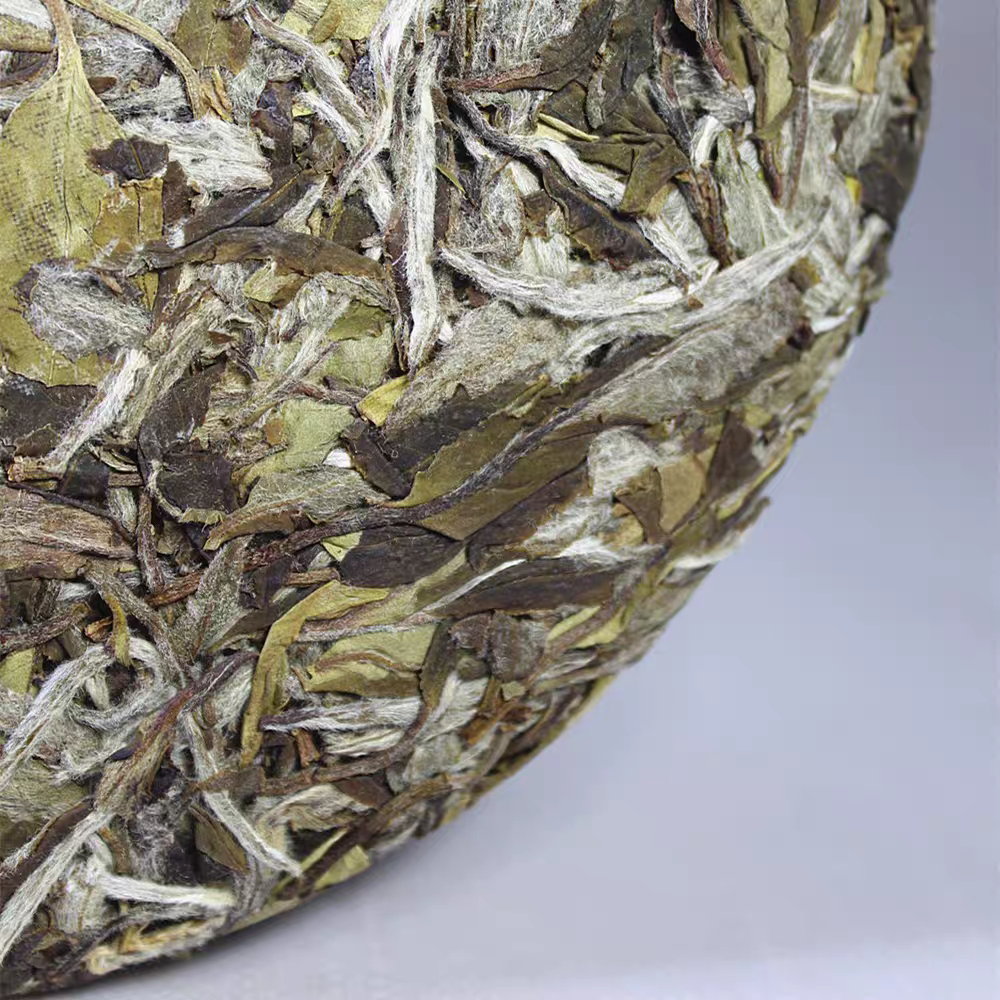
Best Bai Mu Dan Tea Cake 2024 | Shouning Rain & Mist
$55.90
Specifications at a Glance
- Type: Bai Mu Dan (White Peony) White Tea (Fuding Da Hao Cultivar)
- Origin: Shouning, Ningde, Fujian Province, China
- Harvest: Spring 2024 (High-Altitude 2,950–4,260 ft / 900–1,300 m)
- Caffeine Level: Low
- Tasting Notes: Dried Honeysuckle, Sweet Grass, Soft Apricot, Mineral Finish
- Sizes: 10.5 oz (300g) Cake
Savor our authentic bai mu dan tea cake. This premium white tea 300g offers a sweet, crisp, floral escape from the peaks of Fujian. Shop our 2024 harvest now!
20 in stock
Description
Shouning “Rain & Mist” Bai Mu Dan Tea Cake | Spring 2024
This is the white tea I keep behind the counter. Not the most expensive one. The most useful one. The 2024 spring ‘Rain & Mist’ Bai Mu Dan cake sits on a shelf, breaks off into whatever session you need today, and ages quietly in the background while you drink it. The high-mountain Shouning plot gives it clean florals, a mineral lift, and enough body to Gongfu, Western brew, or cold-steep for a liter of fridge tea. I drink it daily between cups of Silver Needle. Most of our regulars do too.
What Is Bai Mu Dan Tea?
Bai Mu Dan (White Peony) is a Chinese white tea, one grade below Silver Needle in the white tea hierarchy. We pick one bud plus one or two open leaves from the Fuding Da Hao cultivar bushes in Shouning, Fujian. The 2024 spring lot was harvested in early April.
Bai Mu Dan sits in the middle of our white tea range. It has more body and aroma than Shou Mei. It has less delicate sweetness than Silver Needle. That middle spot makes it the most versatile white tea we sell — and the one that works best in a compressed cake format.For a side-by-side look at all four grades of Chinese white tea, [see our full white tea family breakdown].
How the Leaves Are Processed
Pluck the bud and the next two leaves. Spread them across bamboo trays. Leave the trays outdoors in shade — not direct sun. Wait 50 to 60 hours. The leaves wither, oxidize gently, and turn a soft greenish-grey. No rolling. No machine heat. The downy white hairs (the “silver” in Silver Needle) stay on the bud.
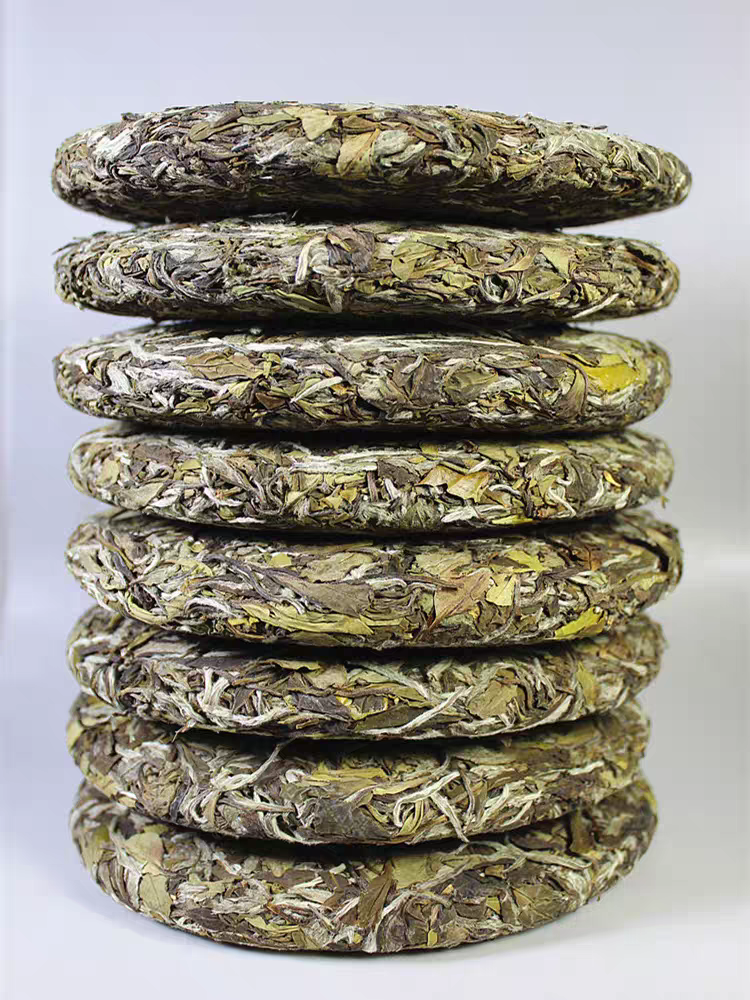
For the cake: steam the finished loose leaves briefly, then press the 300-gram round under 30 to 40 tons of pressure. The compression locks out air and stabilizes the moisture at roughly 7 percent — high enough to keep the leaves flexible, low enough to age well over the next decade.
The processing matters more than people think. The shading step is what gives Bai Mu Dan its floral edge. The compression step is what gives the cake its aging advantage. Both are small mechanical details that show up in the cup ten years from now.
What Does ‘Rain & Mist’ Bai Mu Dan Tea Taste Like?
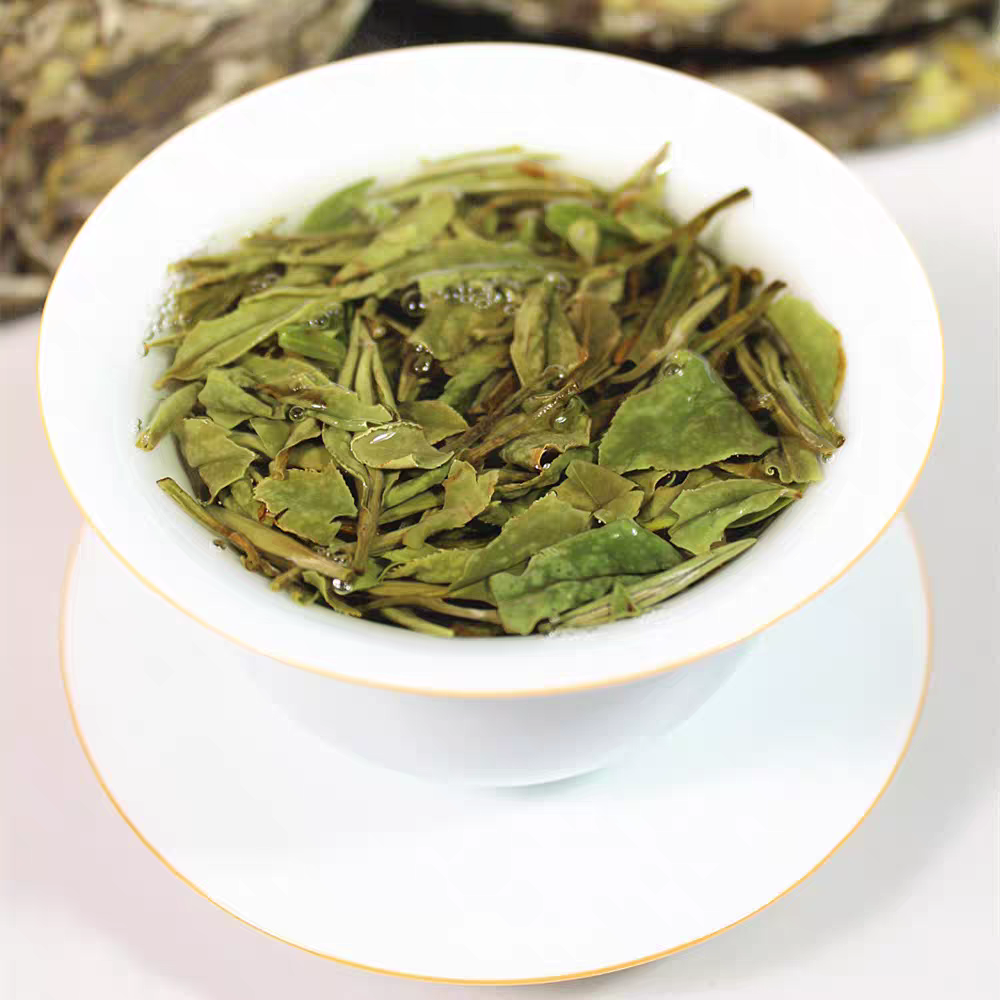
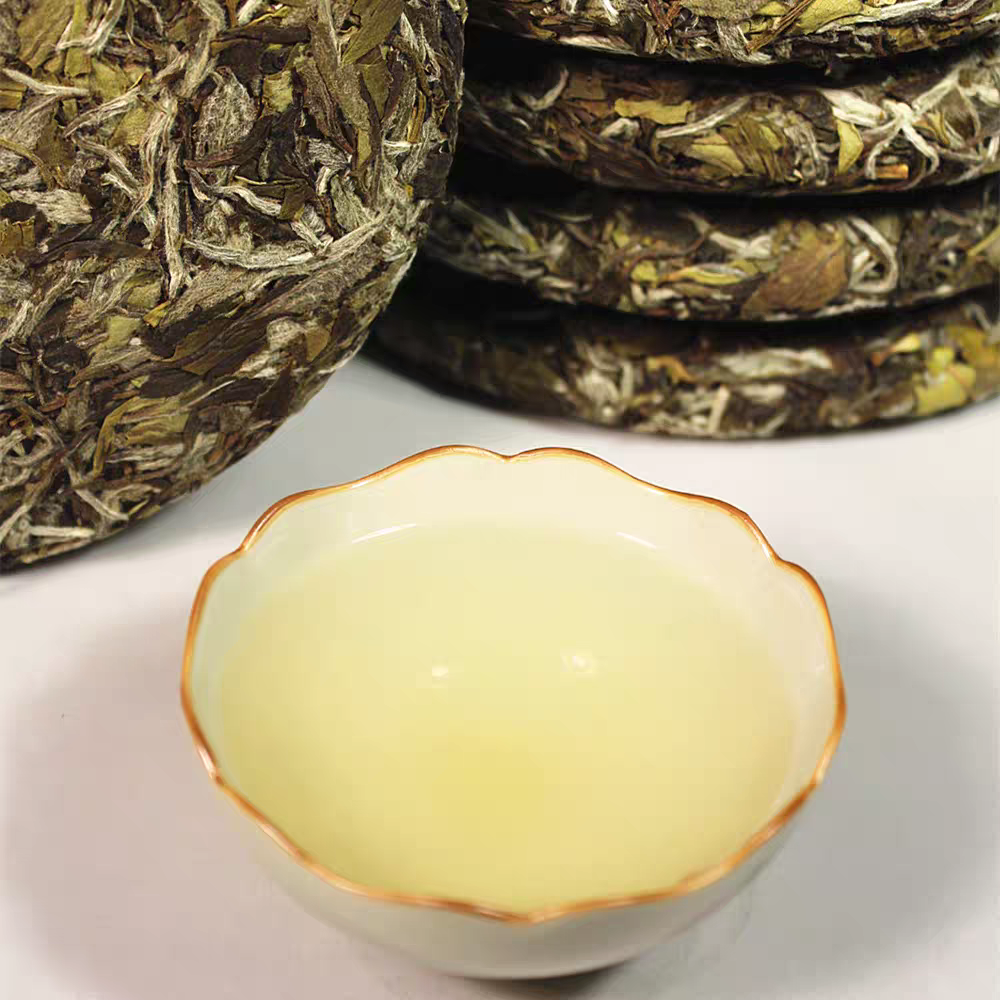
Young ‘Rain & Mist’ (the 2024 lot at 1 to 2 years old) tastes bright, floral, and slightly vegetal. The first steep gives dried honeysuckle and sweet grass. A second steep pulls a soft apricot note, then a clean mineral finish — almost like drinking spring water that remembers the flowers it passed through.
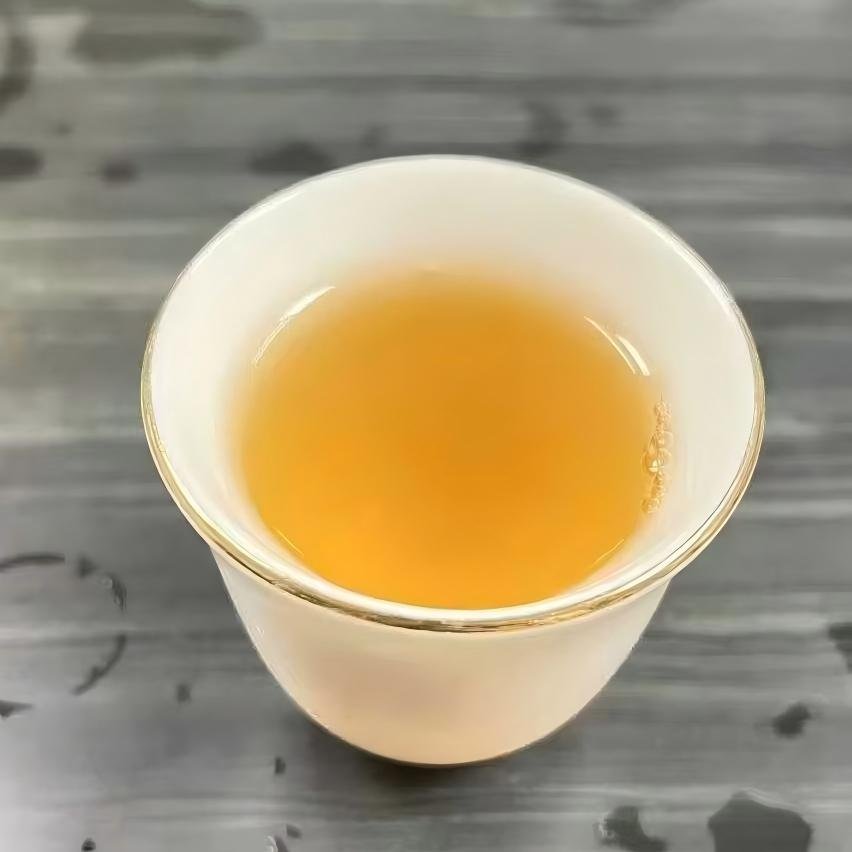
Aged ‘Rain & Mist’ tastes different. After 3 years, the green-grass edge fades. Stone fruit shows up — dried apricot, peach skin, a faint melon rind. After 5 years, a deeper note settles in: stewed date, walnut skin, the first touch of cedar. After 10, the liquor turns amber and the flavor becomes almost pu-erh-like — round, earthy, surprisingly deep for a tea this light on the nose.
[Tasted archive note — replace with your real cupping] I pulled a 2018 Bai Mu Dan cake from the same Shouning plot last winter. It had been pressed before I started drinking tea. The liquor came out dark amber. The taste was dried longan, wet bark, and a finish that stayed on the tongue for twenty seconds. The 2024 lot will get there if you leave it alone.
How Do You Brew a 300g White Tea Cake?
The cake format changes one step first: you have to break off a piece. Run a tea pick or a small flathead screwdriver along the back of the cake. Pry upward. You want a 5 to 7 gram chunk, loose enough to unfurl fully in water. Never break across the grain — you will shred the leaves and the steeps come out muddy.
Three brewing styles work for this cake. Pick the one that fits your day.
- Western (Teapot or Mug)
- 5 to 7 grams of leaf per 250 ml of water.
- Heat water to 200°F (95°C).
- Steep 3 to 4 minutes.
- Re-steep 3 to 4 more times. Add 30 seconds per round.
- Gongfu (Gaiwan or Small Pot)
- 5 to 7 grams of leaf in a 100 ml gaiwan.
- Water at 195°F (90°C).
- First steep: 10 seconds. Pour out fully.
- Add 5 to 10 seconds per round. You will get 8 to 10+ infusions.
- Cold Brew (Fridge)
- 7 to 9 grams of leaf per 1 L of cold filtered water.
- Steep 8 to 12 hours in the fridge.
- Strain and keep the jar cold for 2 to 3 days.
Bai Mu Dan High in Caffeine?
No. It is at the lower end of caffeine for tea. According to the USDA FoodData Central tea caffeine database, a typical 8 oz (240 ml) cup of white tea contains 30 to 50 mg of caffeine, whereas the same size cup of brewed coffee contains about 95 mg.
The leaves also contain L-theanine, an amino acid that may soften the caffeine effect. There is extensive published research on this synergistic combination in the NIH PubMed database on L-theanine and caffeine interactions.
I cold-brew a liter at night when I am writing. I drink it through the next afternoon. I sleep fine. If you are very sensitive, use 5 grams per liter and stick to mornings.
How Long Does a Bai Mu Dan White Tea Cake Last?
A pressed cake is one of the best formats for aging white tea. The compression slows oxidation, locks out air, and protects against light and humidity swings. With proper storage, a Bai Mu Dan cake will age 5 to 15 years. The flavor changes every year.
| Age | Flavor Profile |
|---|---|
| 0 – 2 years | Honeysuckle, sweet grass, dried apricot |
| 2 – 5 years | Stone fruit, melon rind, soft honey |
| 5 – 10 years | Date, walnut, light cedar |
| 10 – 15 years | Deep amber, dried longan, almost pu-erh |
Store the cake in its original paper wrapper inside a tin or a sealed kraft bag. Keep it away from sunlight, heat, and strong odors like spices or coffee. Do not refrigerate — condensation on cold leaves will damage them. Because Bai Mu Dan has very few stems, its aging curve differs from stem-heavy Shou Mei — [see how Shou Mei ages for comparison].
Where Does ‘Rain & Mist’ White Tea Come From?
This cake comes from Shouning County, in the mountains of northeastern Fujian. The farms sit at 900 to 1,300 meters elevation. The 2024 harvest came from plots near 1,100 m.
Shouning is one of China’s most documented white tea regions. You can read more in the official Wikipedia entry on Shouning County and in regional tea industry research.
The “Rain & Mist” describes the field, not the brand. The plots sit inside the cloud line for most of the day. The combination of altitude, near-constant fog, and a 10 to 15°C day-night temperature swing slows the leaf growth. Slow growth is what gives this cake its dense texture, its mineral finish, and its gentler bitterness than lower-elevation whites.
Who Should Drink This Cake?
This is the white tea for people who want one format, one cake, many sessions.
- Drink-it-daily office workers. Break off 5 grams in the morning. Brew 4 minutes. Throw the leaves back in at lunch. Re-steep 3 times. The cake will last about six weeks.
- White tea beginners. Bai Mu Dan is harder to overbrew than Silver Needle. Use hot water, steep 4 minutes, drink. You will not mess it up.
- Long-term tea cellars. A 300-gram compressed cake sits well on a closet shelf. Tuck one away, drink another in 2027. Compare the two cups side by side.
- Cold brew fans. A compressed cake gives cold water a slow extraction that pulls out the stone-fruit notes. Brew a liter on Sunday. Drink it through Tuesday.
If you want something brighter and more delicate, [see our Silver Needle white tea]. If you want something cheaper and harder to overbrew, [see our organic Shou Mei].
Frequently Asked Questions (FAQ)
How many cups are in a 300g white tea cake? About 50 to 60 sessions at 5 grams per brew. That is roughly 6 to 8 weeks of daily drinking, or up to two years of weekend cups.
How do I break apart a compressed white tea cake without shredding the leaves? Use a tea pick or a small flathead screwdriver. Run it along the back of the cake, in the direction of the leaf veins. Pry upward. The chunks will separate cleanly.
Is a 300g cake better than loose leaf white tea? For aging, yes. The compression slows oxidation and protects the leaves from light and humidity swings. For convenience, no — loose leaf is faster to weigh out. Most drinkers keep both formats on hand.
Is Bai Mu Dan the same as White Peony? Yes. “Bai Mu Dan” (白牡丹) is the pinyin for “White Peony.” They are the same tea.
What is the difference between Bai Mu Dan and Shou Mei? Bai Mu Dan uses bud plus one or two leaves. Shou Mei uses the third and fourth open leaves, with no bud. Bai Mu Dan tastes more floral and aromatic. Shou Mei tastes more hay-like and earthy. Bai Mu Dan costs more. Shou Mei is harder to mess up.
Does Bai Mu Dan have antioxidants? Bai Mu Dan, like other minimally processed white teas, contains catechins and other polyphenols. According to the NIH PubMed database on white tea polyphenol retention, minimally processed teas retain high polyphenol levels. These statements reflect general research and are not medical claims. For a plain-language breakdown of the full evidence — caffeine, L-theanine, catechins, and more — [see our guide to what white tea is actually good for].
Is Bai Mu Dan safe during pregnancy? White tea contains caffeine. The American College of Obstetricians and Gynecologists (ACOG) recommends keeping total daily caffeine intake under 200 mg per day during pregnancy. Talk to your doctor about your situation.
E-E-A-T Statement (Author & Reviewer Disclosure)
Author & Reviewer Disclosure: This article was written by the founder and head tea buyer at minteashop, drawing on 8 years of hands-on experience sourcing authentic white tea directly from Fujian farmers and aging cellars. The Bai Mu Dan Tea Cake 2024 described above was personally cupped and selected from pristine 2-year aged storage during our 2026 spring sourcing trip to Fujian. Health-related claims about caffeine and L-theanine are based on general published research and are not medical advice.
If you enjoy the pure, soothing flavors of this white tea, explore our diverse White Tea Collection to find your next favorite brew.
Related products
-

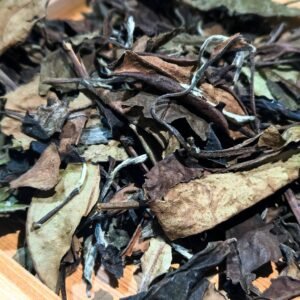
Shou Mei | 100% Authentic & Refreshing Premium White Tea
Price range: $9.90 through $46.90Select options This product has multiple variants. The options may be chosen on the product page -
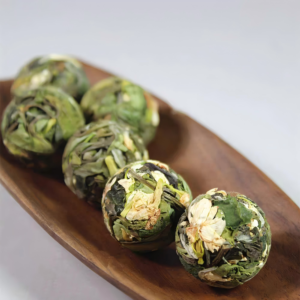
Dragon Pearl Jasmine Tea | 7-Time Scented Ultimate Perfect Brew
Price range: $16.90 through $69.90Select options This product has multiple variants. The options may be chosen on the product page -
-
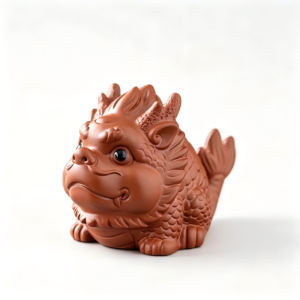
Dehua Zisha Tea Pet: 100% Authentic, Beautiful Dragon Fish
$39.90Select options This product has multiple variants. The options may be chosen on the product page
Reviews
There are no reviews yet.