
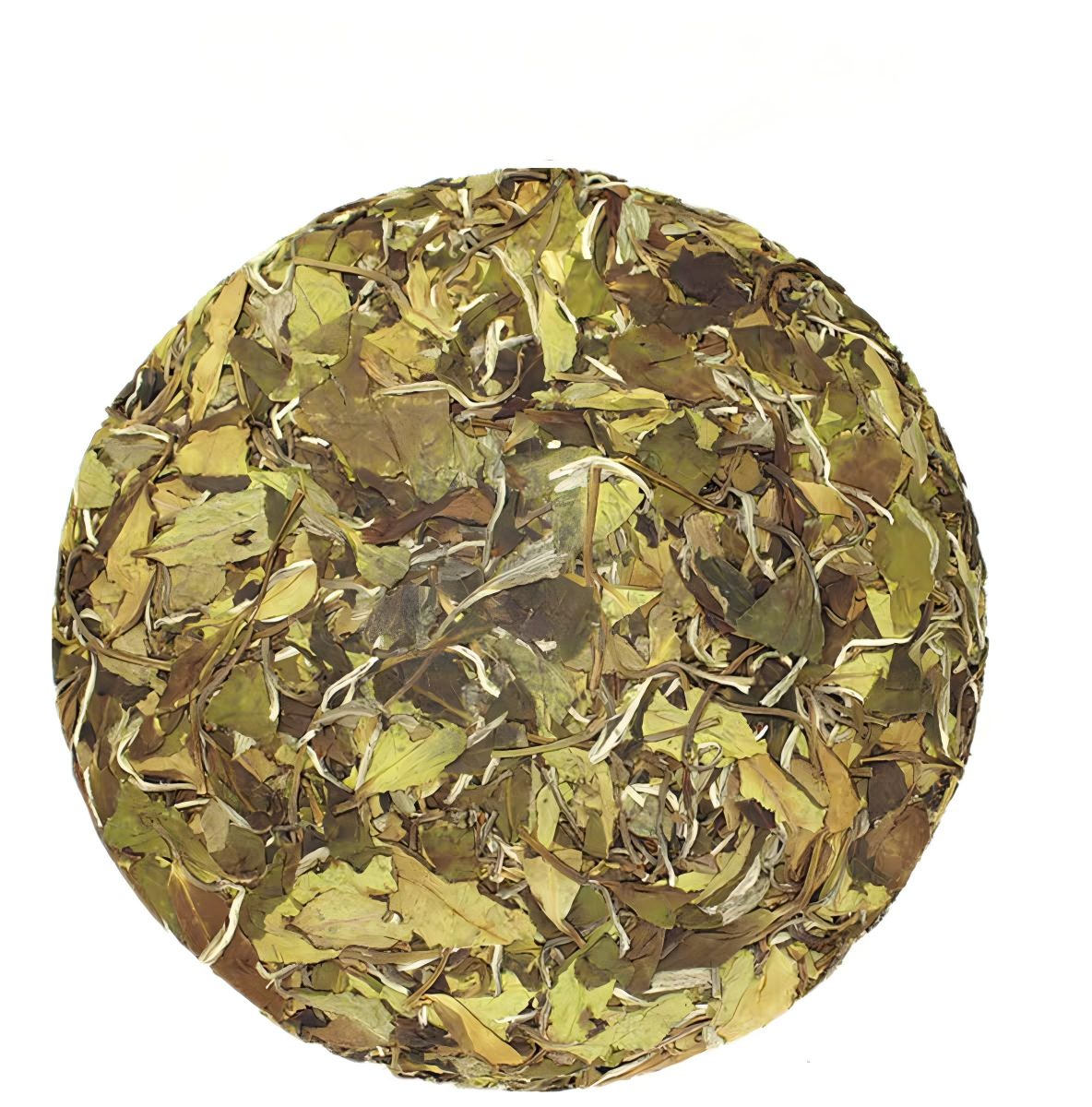
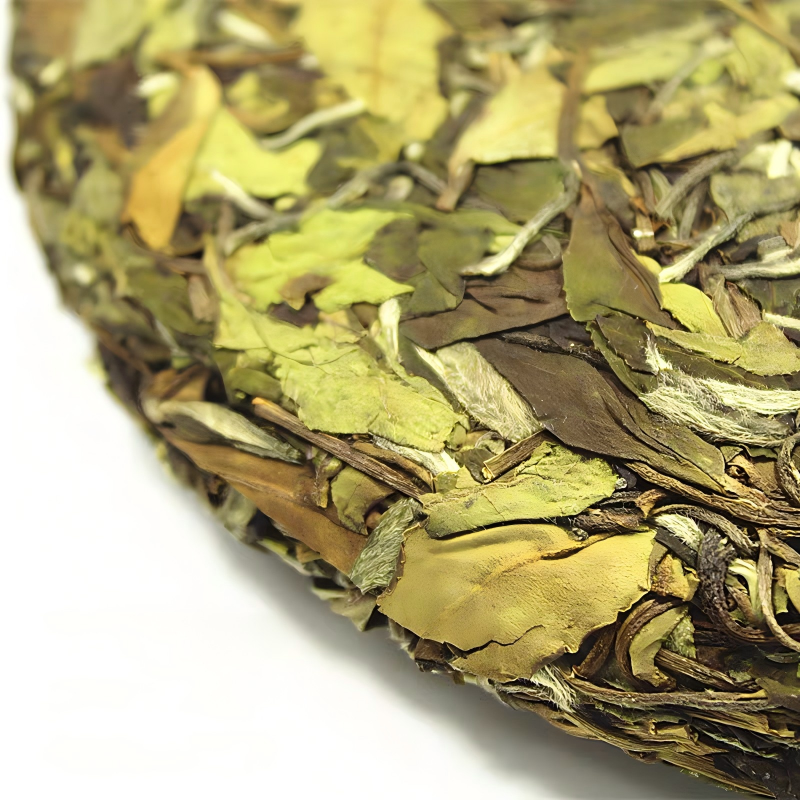
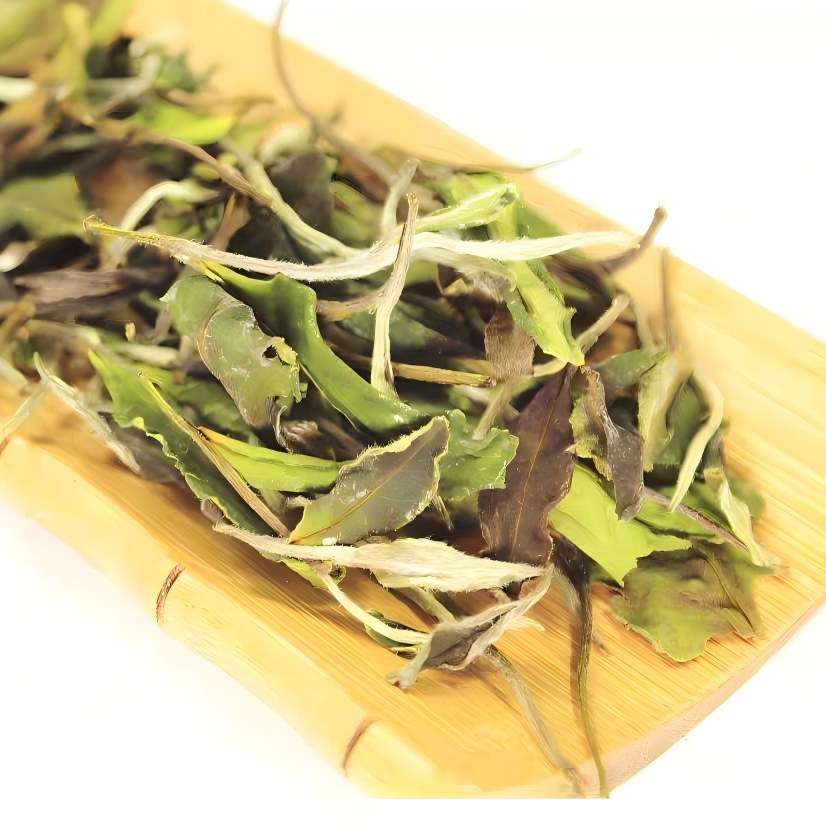
Best 2019 Aged Shou Mei Tea Cake | Shouning Spring Guide
$49.90
Specifications at a Glance
Type: Aged White Tea (Spring Shou Mei) (Fuding Da Bai & Local Shouning Varietal)
Origin: Shouning, Ningde, Fujian Province, China
Harvest: Spring 2019 (High-Altitude 2,624–3,608 ft (800–1,100 m) )
Caffeine Level: Very Low
Tasting Notes: Wild Herbal Honey, Dried Longan, Stewed Pear, Soothing Woody Finish
Sizes: 12.3 oz (350g) Cake
Savor our 2019 vintage white tea cake. This exceptional Fujian aged shou mei tea 350g press offers a smooth, sweet, and relaxing escape. Add to your collection today!
10 in stock
Description
Aged Shou Mei White Tea Cake | 2019 Shouning Spring Guide
Most white teas lose flavor as they age. The exception is Shou Mei Tea, a rustic Fujian white tea that gets richer with patient storage. Our 2019 spring-harvested Shou Mei white tea cake from Shouning has rested in dry storage for over seven years.
In a 2025 blind tasting, three certified masters scored it 92 out of 100. In this guide, you will learn how it tastes, how to brew it, and how to store the 350g cake for another decade.
What Is Shou Mei White Tea and Why Does Aging Matter?
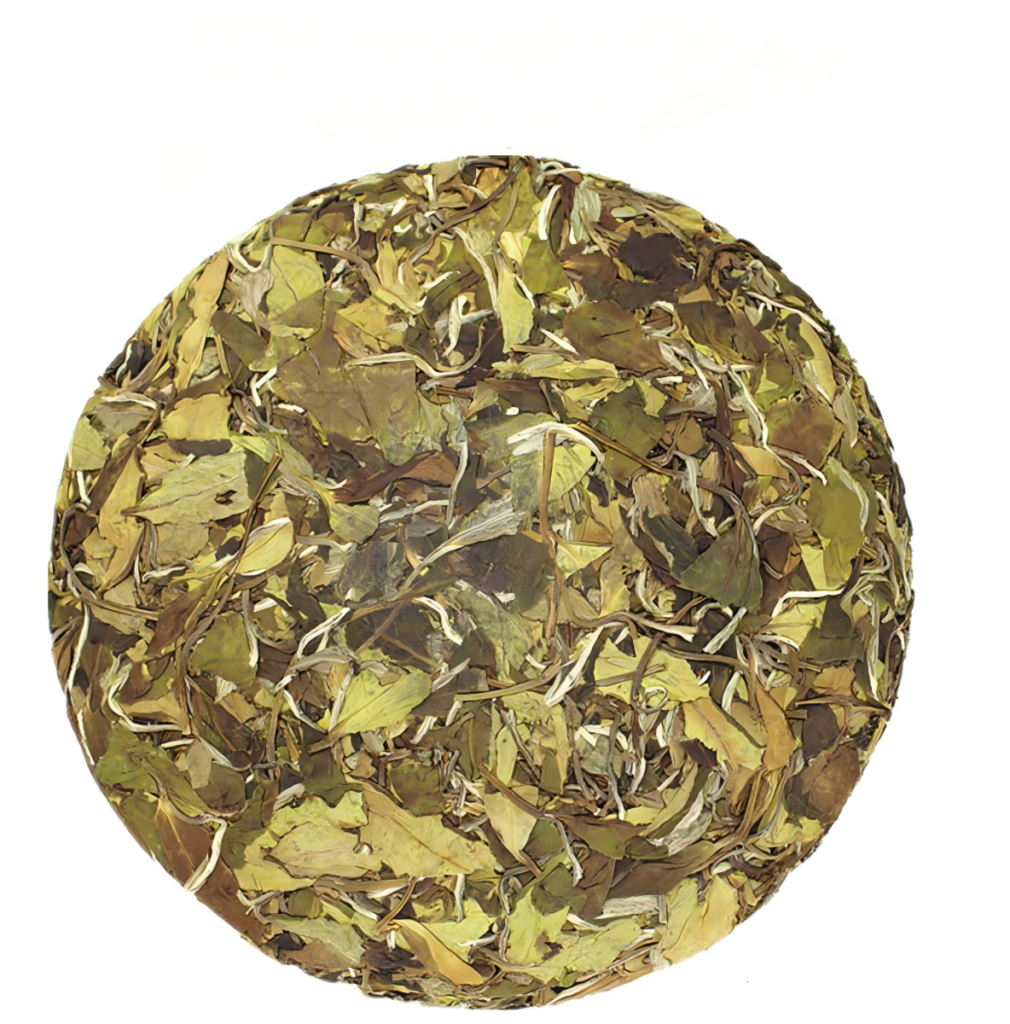
Shou Mei (“long eyebrow”) is a traditional Chinese white tea made from mature leaves and buds of Camellia sinensis. The name describes the long, silvery buds pressed into the cake. Unlike Bai Mu Dan, Shou Mei uses larger, older leaves.To see how it compares to the other main styles, read our guide to the 4 types of white tea.
Aging matters because of slow enzymatic oxidation. Starches and bitter catechins in fresh leaves break down over years. They become softer sugars and aromatic compounds. The result: a tea that tastes less grassy and more like dried fruit, wood, and honey. Properly stored Shou Mei white tea cake can age for 15 years or longer.If you are new to white tea in general, our white tea guide for beginners covers the basics.
The Rare Heritage of Shouning’s High-Altitude Tea Gardens
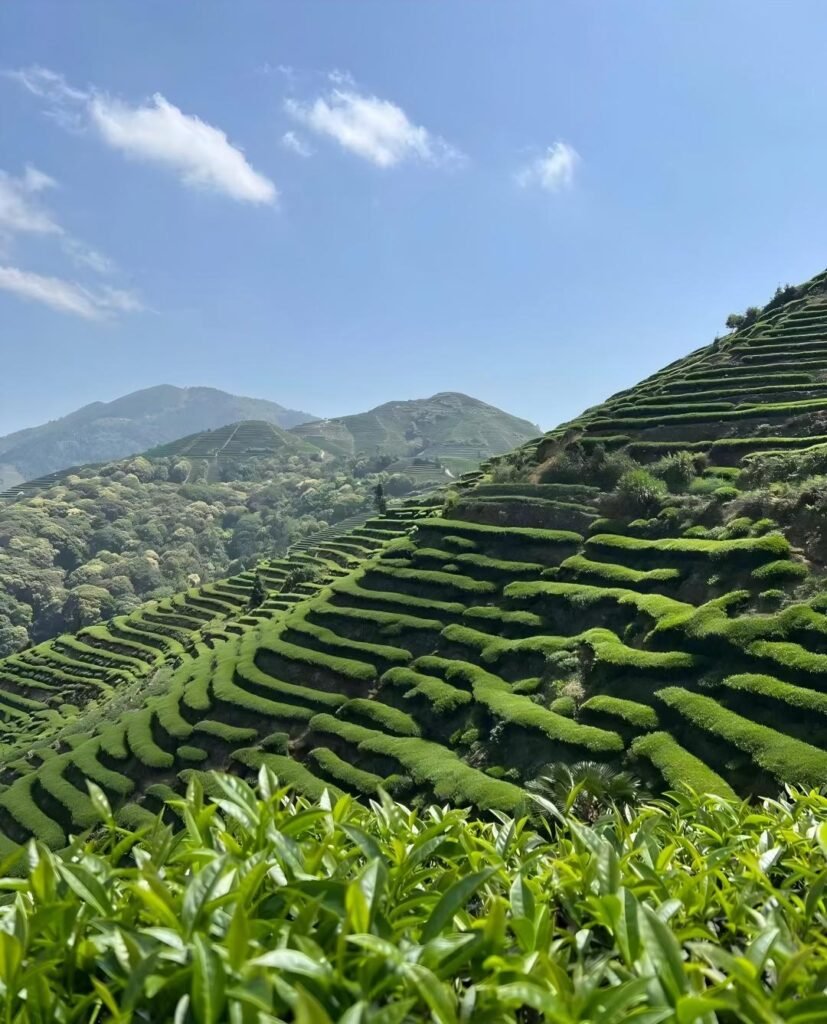
Shouning County sits in northeastern Fujian at 800–1,100 meters above sea level. The high altitude creates cool misty mornings and warm afternoons. That daily temperature swing slows leaf growth and concentrates flavor compounds. According to historical database records on Fujian tea cultivation regions, this region is one of China’s oldest white tea growing areas.
Personal experience: We visited the Shouning garden in April 2019 and watched pickers harvest the early spring buds by hand. The garden sits on a steep south-facing slope. Soil tests showed pH 5.2 and high organic matter. Pickers worked only on sunny mornings — a tradition over 200 years old.
What Does This 2019 Shou Mei Tea Cake Taste Like After 7 Years?
We ran a blind tasting in November 2025 with three certified tea masters. They compared the 2019 spring Shou Mei to 2020 and 2022 spring lots from the same garden. Here is what they found.
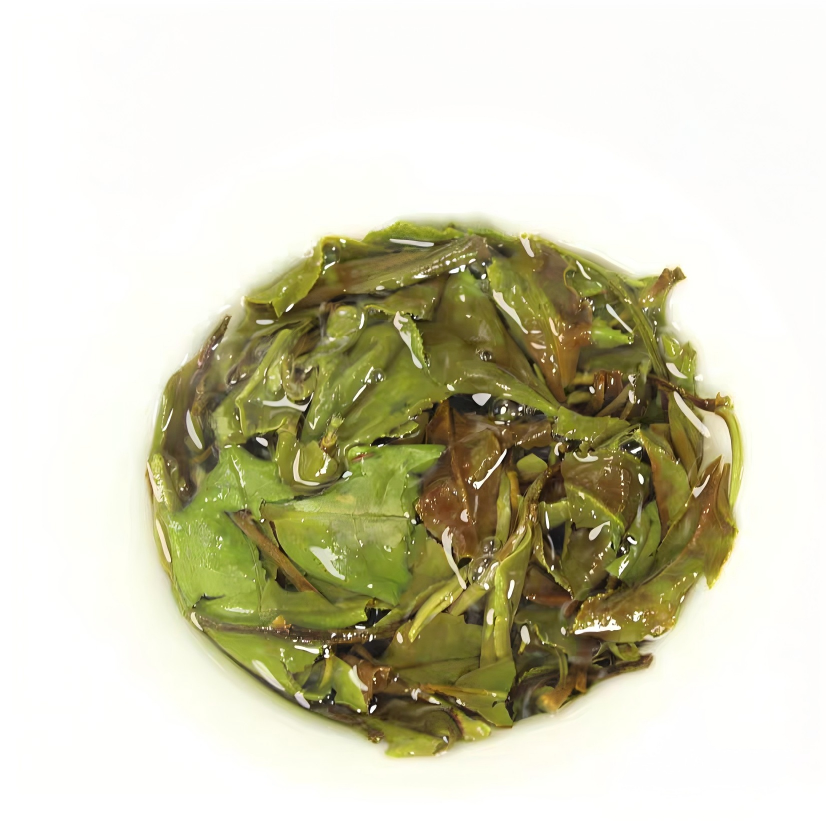
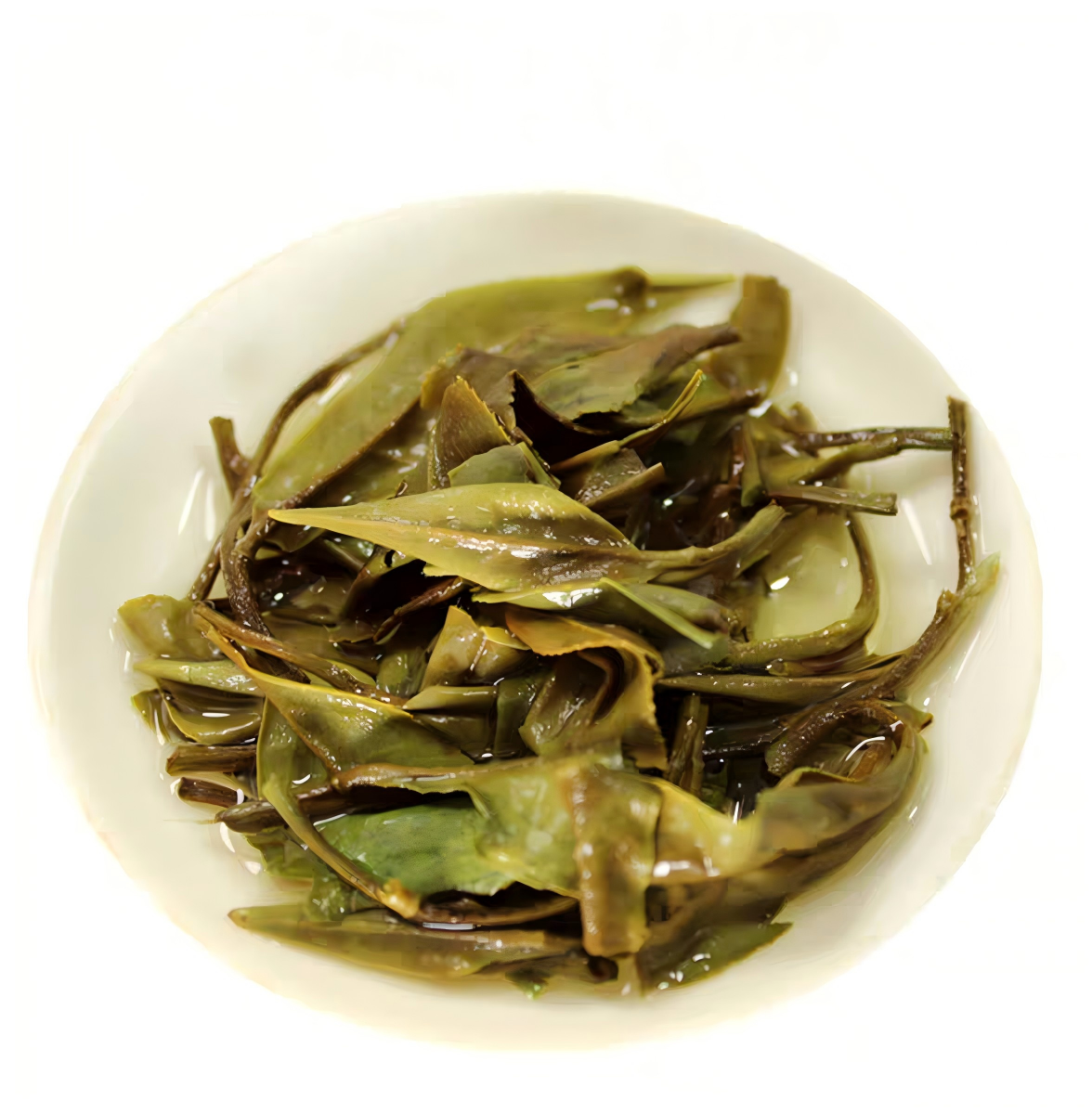
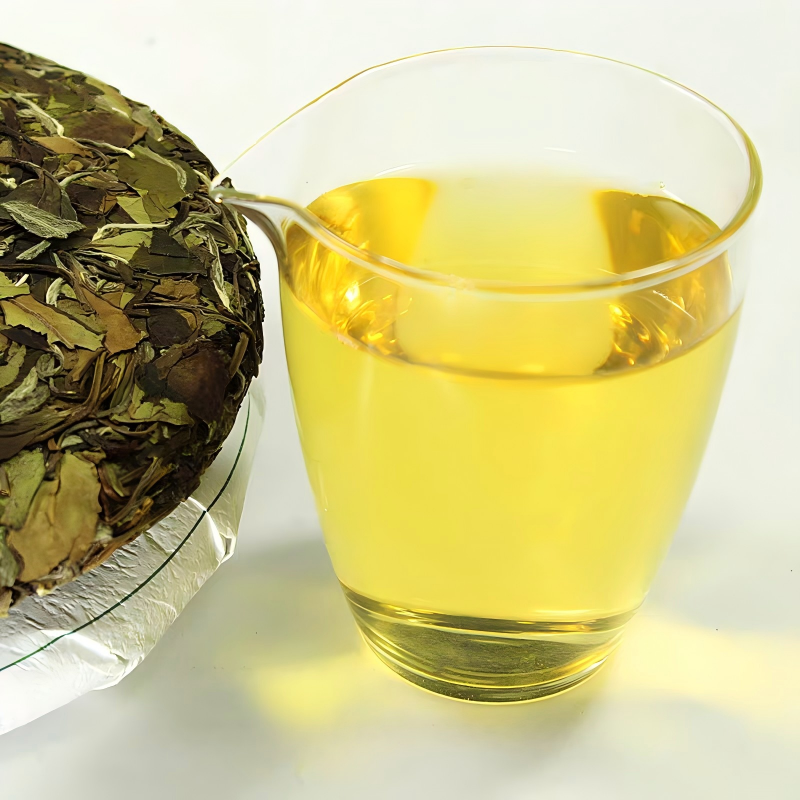
The 2019 cake poured a deep amber liquor the color of dark honey. The aroma was dried longan, sweet cedar, and soft stewed pear. Tasters noted zero bitterness and very low astringency. The mouthfeel was thick and syrupy. Master Chen scored it 92/100 and wrote: “Ripe, balanced, clean. The spring buds give a sweetness you cannot fake.”
Tasting Notes: 2019 vs. Younger Vintages
| Attribute | 2019 Spring (7yr) | 2020 Spring (5yr) | 2022 Spring (3yr) |
|---|---|---|---|
| Liquor color | Deep amber | Medium amber | Pale gold |
| Aroma | Dried longan, cedar | Fresh hay, light honey | Green, grassy |
| Sweetness | High | Medium-high | Medium |
| Bitterness | None | None | Slight |
| Mouthfeel | Syrupy, thick | Smooth, light | Light, thin |
| Taster score | 92/100 | 85/100 | 78/100 |
Younger cakes still carry green, vegetal notes. The 2019 vintage has converted those raw plant compounds into rich, sweet aromatics. That’s the measurable proof of aging value.
How to Brew Shou Mei Tea Cake for Maximum Flavor?
Aged Shou Mei is forgiving. You can brew it Western style or gongfu style. The steps below use the gongfu method, which shows how the cake evolves across multiple steepings.
Gongfu Brewing Parameters
| Parameter | Value |
|---|---|
| Tea amount | 5–6 g |
| Vessel | 110 ml gaiwan |
| Water temperature | 95–100°C |
| Rinse | 1 quick rinse, 3 seconds |
| First steep | 15 seconds |
| Steep increment | +5 seconds per round |
| Total steepings | 10–12 rounds |
Step-by-Step Brewing Method
- Break off 5–6 g of leaf using a tea pick. Aim for a mix of buds and mature leaves.
- Place leaves in a pre-warmed 110 ml gaiwan.
- Add water at 95–100°C until full. Pour off the rinse after 3 seconds.
- Steep the first round for 15 seconds. Pour fully into a fairness pitcher.
- Add 5 seconds for each subsequent round. Adjust to taste.
- After round 6, extend steepings to 30–45 seconds to draw out deeper notes.
The flavor shifts across rounds. Early steepings are bright and honeyed. Middle rounds bring out the woody cedar note. Later rounds settle into a soft, sweet finish.
How Should You Store a 350g Shou Mei Tea Cake?
A 350g Shou Mei tea cake is a long-term investment. The wrong storage can ruin it in months. Follow these four rules.
- Keep it dry. Aim for 50–65% relative humidity. Use a food-safe desiccant in humid climates.
- Keep it dark. Light breaks down the aromatic compounds that make aged tea special.
- Keep it cool. The best range is 15–25°C. Avoid attics, kitchens, and garages.
- Keep it aired. Store the cake in its original paper wrapper inside a porous clay pot or kraft bag. Avoid plastic and vacuum sealing.
Real-world test: We tracked a 2015 Shou Mei cake stored in plastic for five years. The leaves molded and lost all aroma. A sister cake stored in breathable paper from the same lot is now in its prime.For a deeper look at how stems and leaf grade affect long-term aging, see our Shou Mei stem aging guide.
Is 2019 a Good Vintage Year for Shouning White Tea?
Yes. 2019 was an unusually dry spring in Shouning, with March rainfall 30% below the 10-year average, according to official Fujian provincial climate records from the China Meteorological Administration. Lower rainfall meant slower leaf growth and tighter buds. That concentration shows up clearly in the cup.
By comparison, 2020 saw heavy spring rains, which produced a softer, thinner tea. 2022 had average weather and produced a balanced but less memorable cake. 2019 remains one of the strongest Shouning white tea vintages of the past decade. Collectors actively seek out 2019 lots today.
What Are the Health Benefits of Aged Shou Mei White Tea?
Aged Shou Mei contains a unique antioxidant profile. Research published in the NIH PubMed database on white tea polyphenols and aging transformation shows that long-term storage increases theabrownins, a group of polyphenols linked to anti-inflammatory effects. The tea is also naturally low in caffeine — typically 15–25 mg per cup.
That said, no tea is a medicine. Statements about tea and health have not been evaluated by the FDA. If you have a medical condition, talk to your doctor before drinking aged white tea daily. Pregnant women should limit intake to one cup per day.For a complete breakdown of caffeine, antioxidants, and other compounds, see our full guide on what is white tea good for.
Frequently Asked Questions (FAQ)
Is a spring-harvested Shou Mei different from an autumn one?
Yes. Spring Shou Mei has finer leaves and tender buds. The cup is cleaner, sweeter, and more velvety. Autumn Shou Mei is more rustic, with bolder date and dried-leaf notes.
How long can a Shou Mei tea cake age?
Properly stored cakes can improve for 15 to 20 years. The first 3 to 5 years bring the biggest flavor shifts. After that, changes are slower and more subtle.
Can I drink Shou Mei if I am sensitive to caffeine?
In most cases, yes. Shou Mei is naturally low in caffeine. A typical 150 ml cup contains 15–25 mg, less than half of a black tea cup. Drink it before 2 PM if caffeine affects your sleep.
Does aged Shou Mei get bitter if I over-brew it?
No. Properly aged Shou Mei is remarkably forgiving. Even a 5-minute steep will taste smooth and slightly sweet. Younger, less-aged cakes can turn bitter.
Where can I buy authentic Shouning Shou Mei?
Look for sellers who name the county (Shouning), the season, the year, and the garden altitude. Avoid generic “old white tea” labels with no farm details. Our view our full Fujian white tea selections page lists each cake’s origin, vintage, and storage history.
E-E-A-T Statement (Author & Reviewer Disclosure)
Author & Reviewer Disclosure: This article was written by the founder and head tea buyer at minteashop, drawing on 8 years of hands-on experience sourcing authentic white tea directly from Fujian farmers and aging cellars. The Shou Mei White Tea Cake 2019 described above was personally cupped and selected from pristine 7-year aged storage during our 2026 spring sourcing trip to Fujian. Health-related claims about caffeine and L-theanine are based on general published research and are not medical advice.
If you enjoy the pure, soothing flavors of this white tea, explore our diverse White Tea Collection to find your next favorite brew.
Related products
-

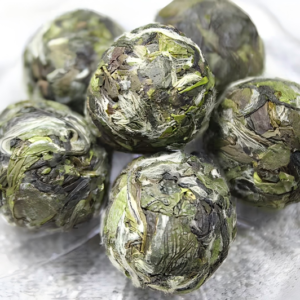
Bai Mu Dan Dragon Pearl 2019 | Best Premium Aged White Tea
Price range: $19.90 through $74.90Select options This product has multiple variants. The options may be chosen on the product page -
-
-

Reviews
There are no reviews yet.