



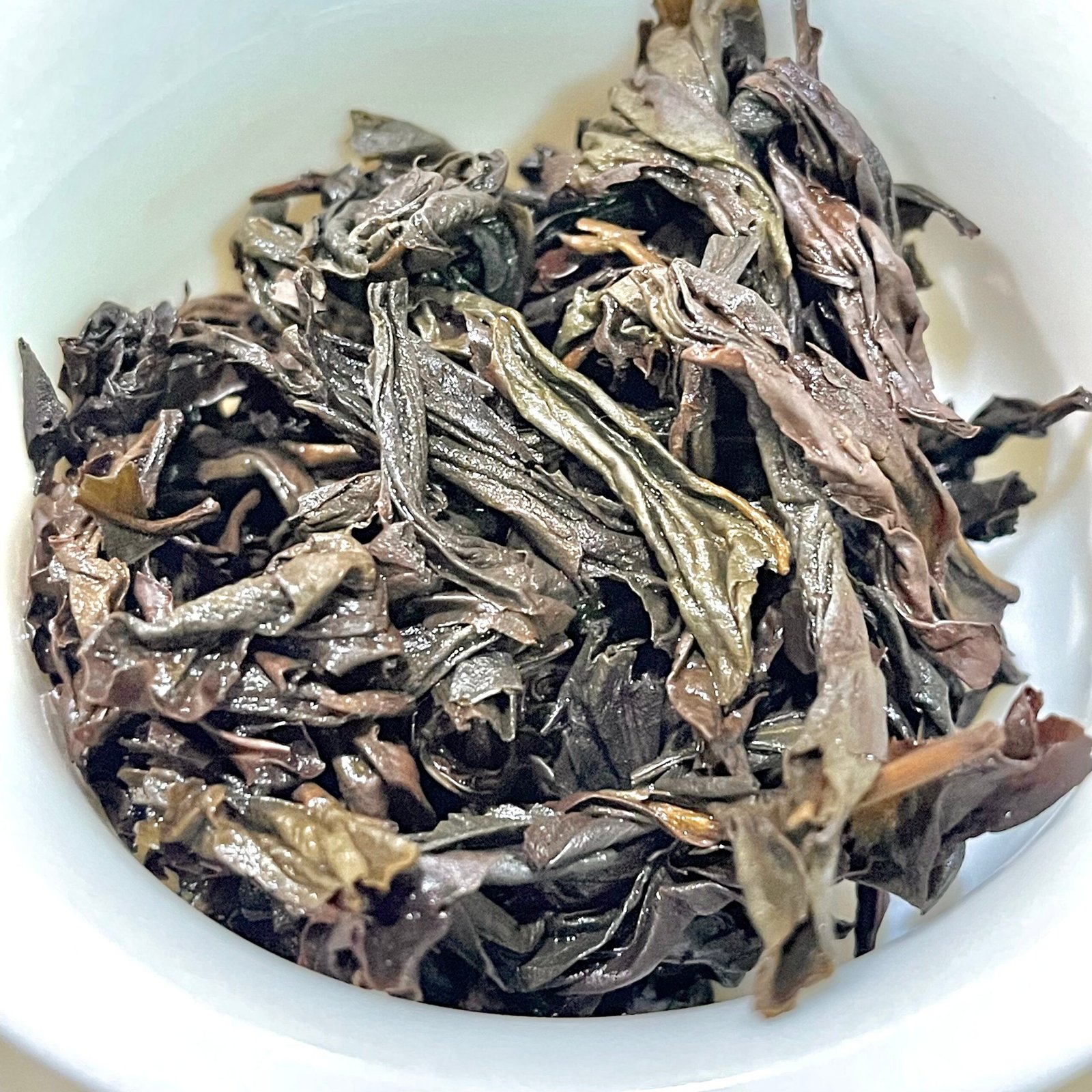
Wuyi Rock Tea Shui Xian: 38-Year Old Bush Reserve 2026
Price range: $9.90 through $106.90
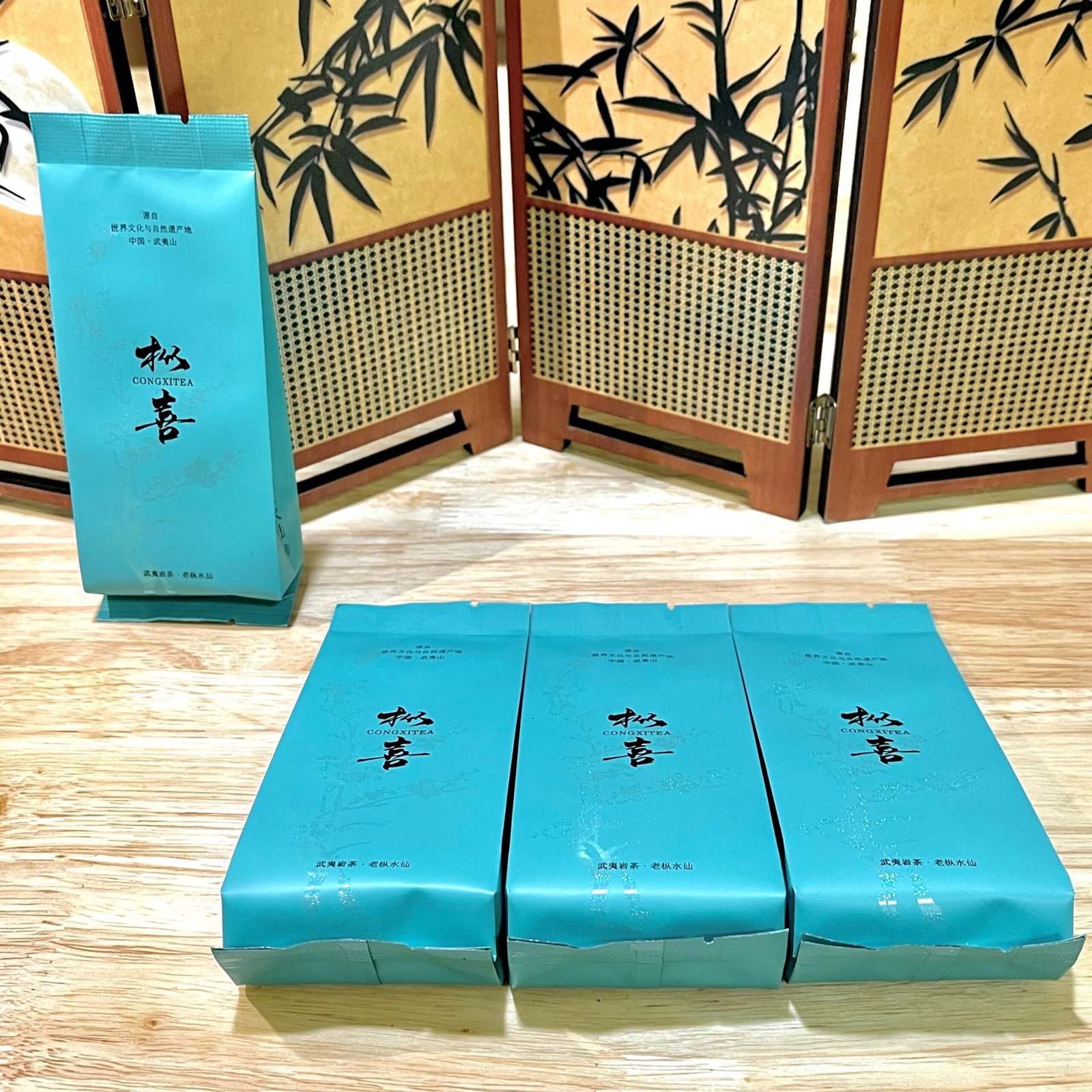
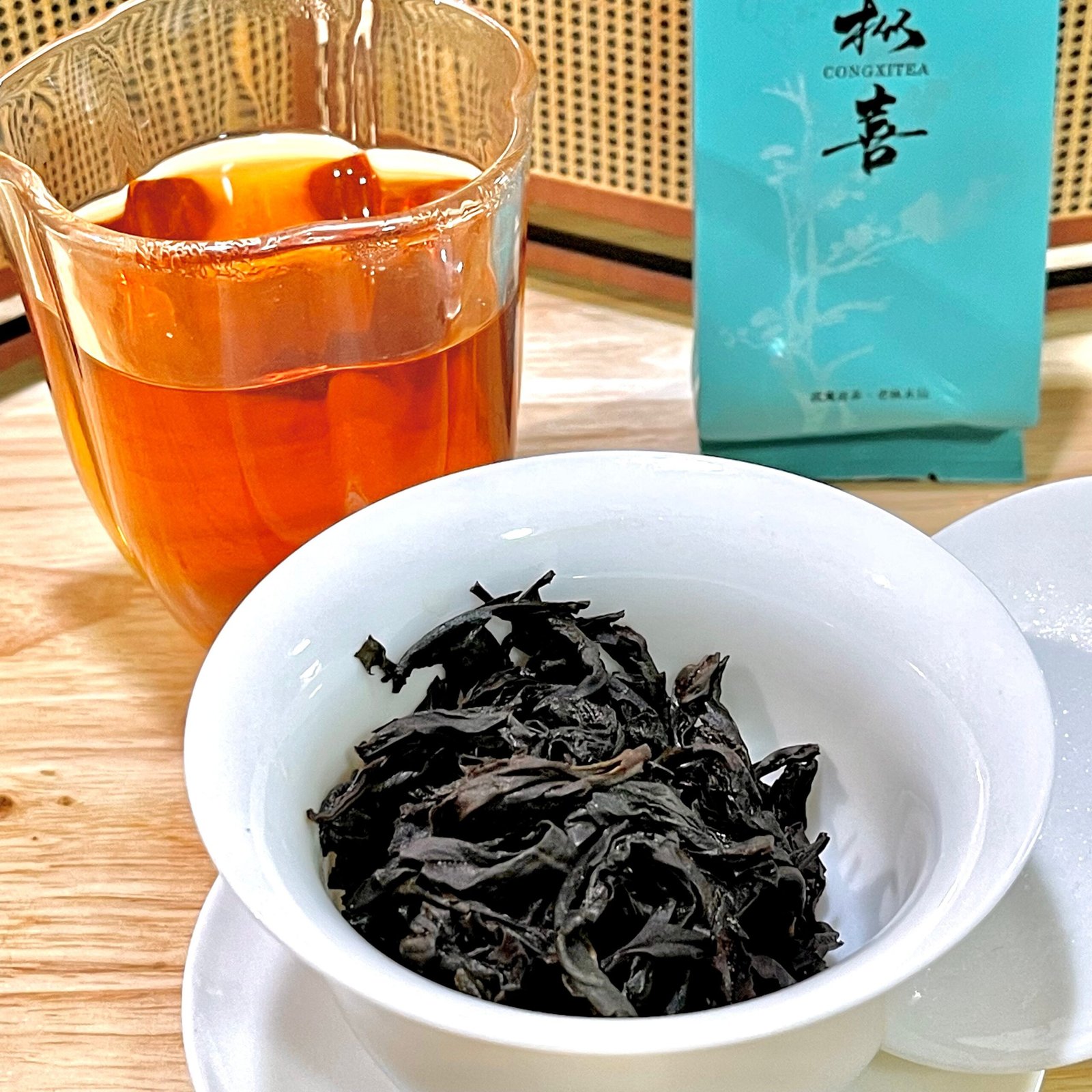
Taoyuan Ke Shui Xian rock tea from bushes our grower lists as 38 years old. Triple charcoal roast, orchid and aged-wood notes, 6–8 gongfu infusions.
Description
First published: 2 November 2026 · Last updated: 9 November 2026
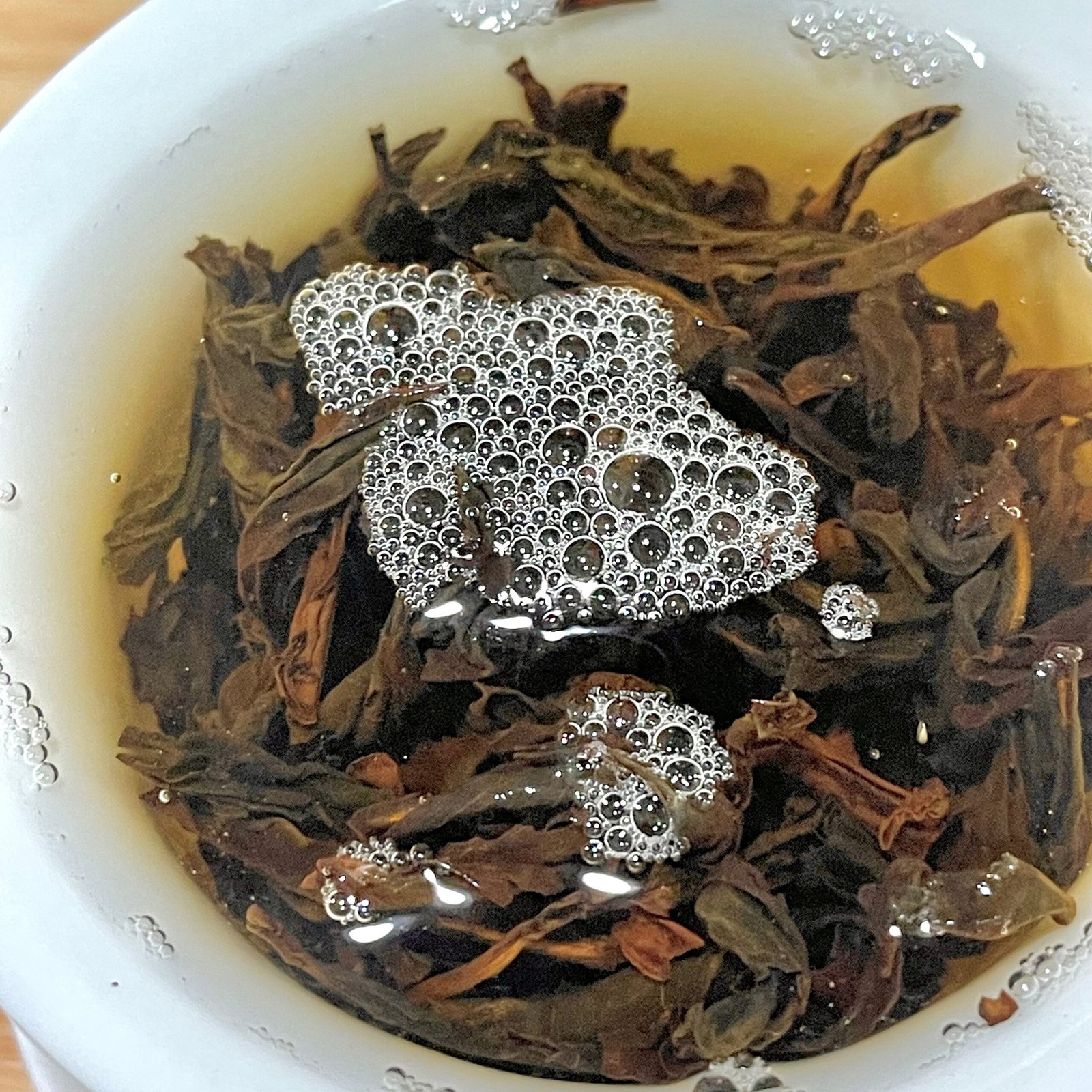
Most tea sold as yancha tastes like one thing: charcoal. It smokes up the room, then fades into thin sweetness. That is a roasting problem, not a terroir problem. Our Wuyi rock tea Shui Xian comes from one small garden in Taoyuan Ke, and the cup shows it. The bush age is the figure our grower gives us: 38 years. We have not independently dated the bushes, so treat the age as the supplier’s record rather than a laboratory result.
Below you will find the terroir, the roast method, the brew numbers and the batch details, so you can judge the tea before you spend a cent.
What Is Wuyi Rock Tea Shui Xian?
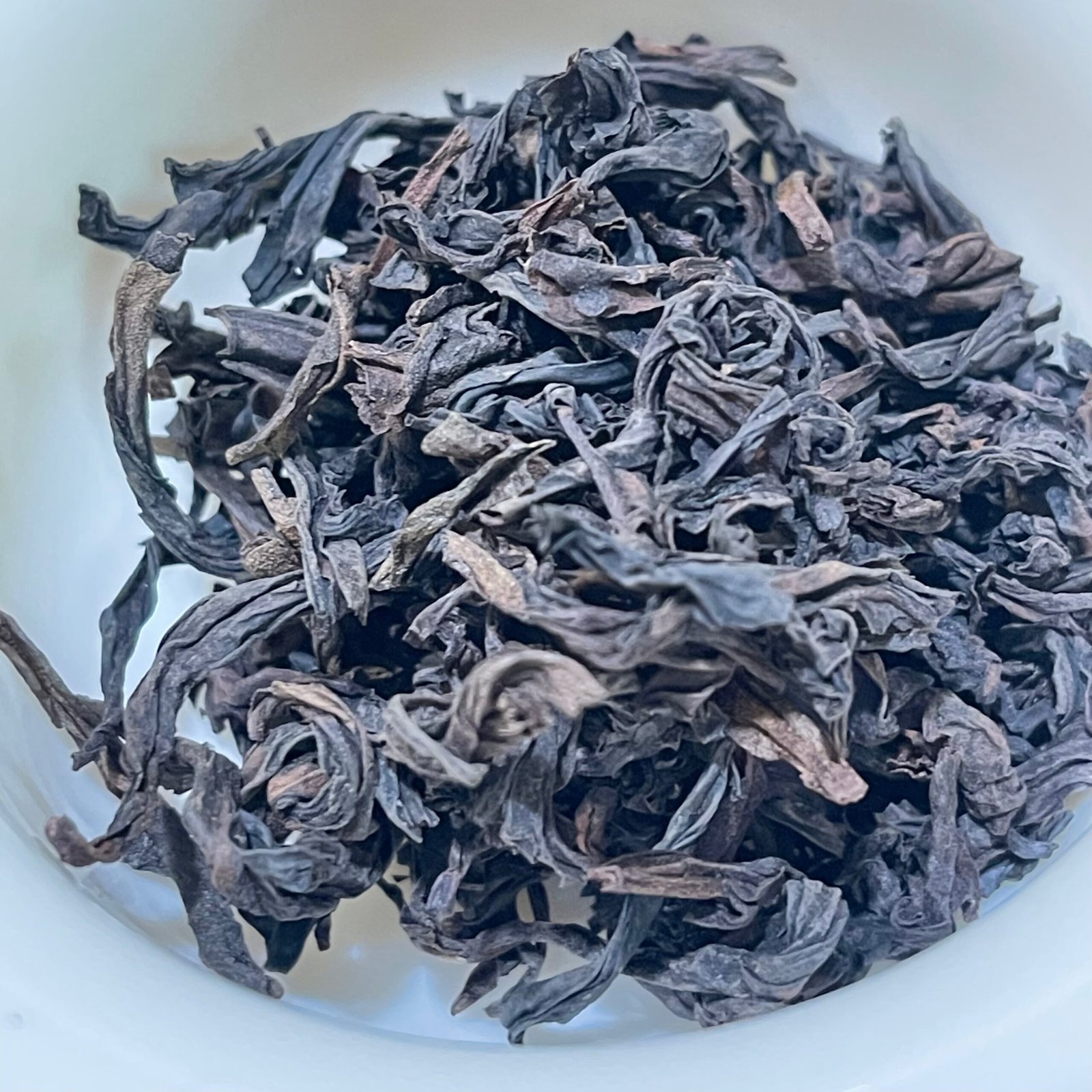
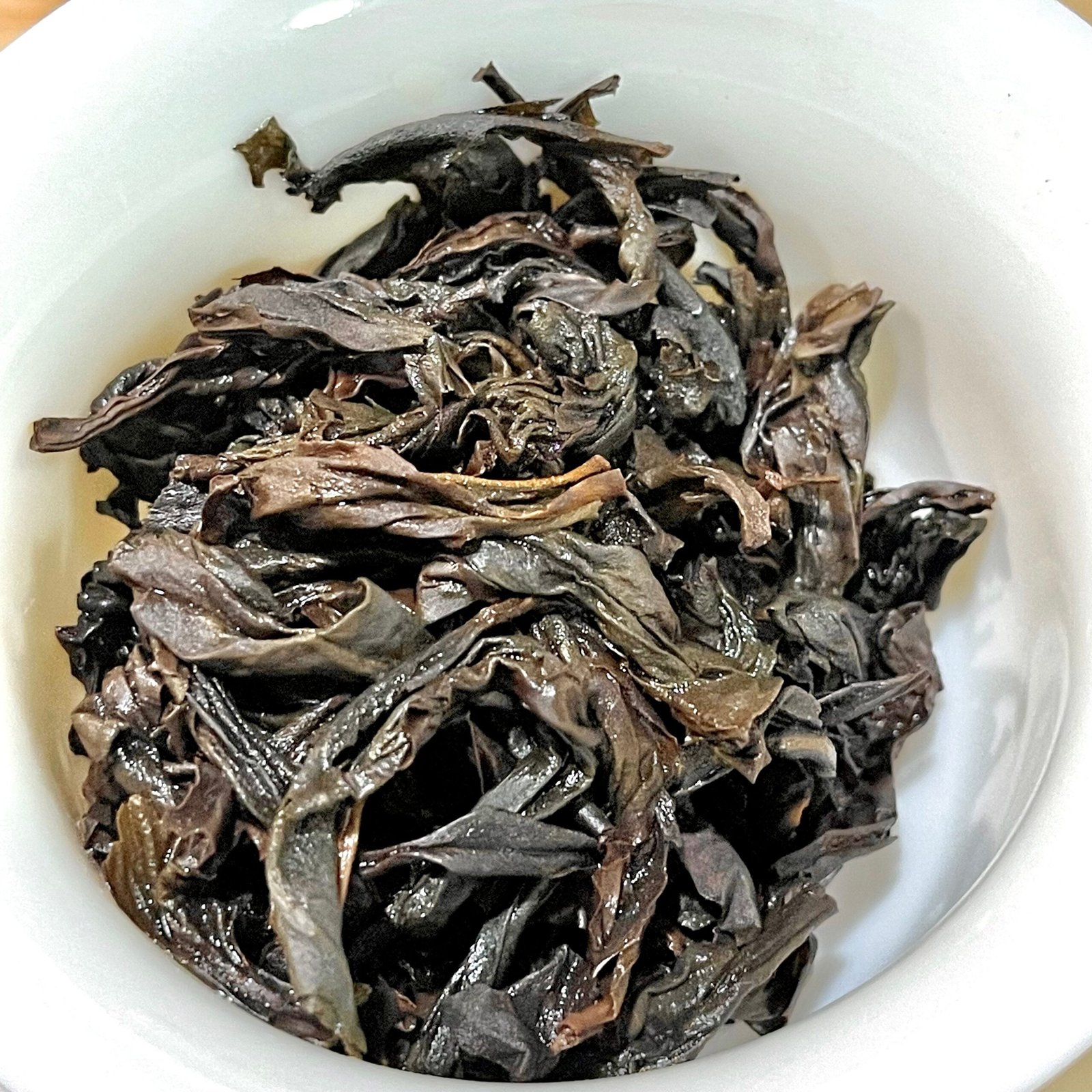
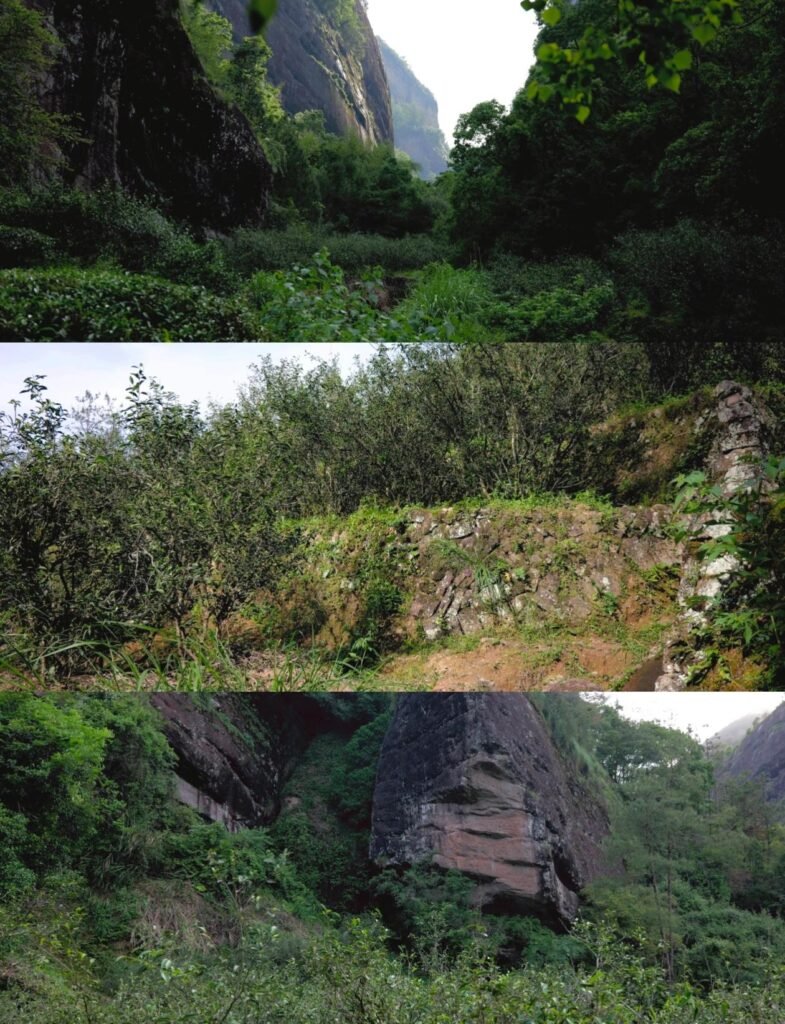
Wuyi rock tea Shui Xian is a Wuyi Mountains oolong made from the Narcissus cultivar, one of the oldest varieties in the region. Our batch comes from Taoyuan Ke, a small rock pocket in Fujian. It grows on bushes our supplier lists as 38 years old and gets three slow charcoal firings. Tea drinkers call the woody, mossy note Cong Wei.
Yancha, or rock tea, is the Chinese name for teas grown in the rocky soil of the Wuyi Mountains. The rock holds water and feeds the roots. UNESCO lists the Wuyi Mountains as a World Heritage site for the landscape and for the tea culture that grew in it. Shui Xian means narcissus. It gives a rounder and sweeter cup than the sharper Wuyi cultivars.
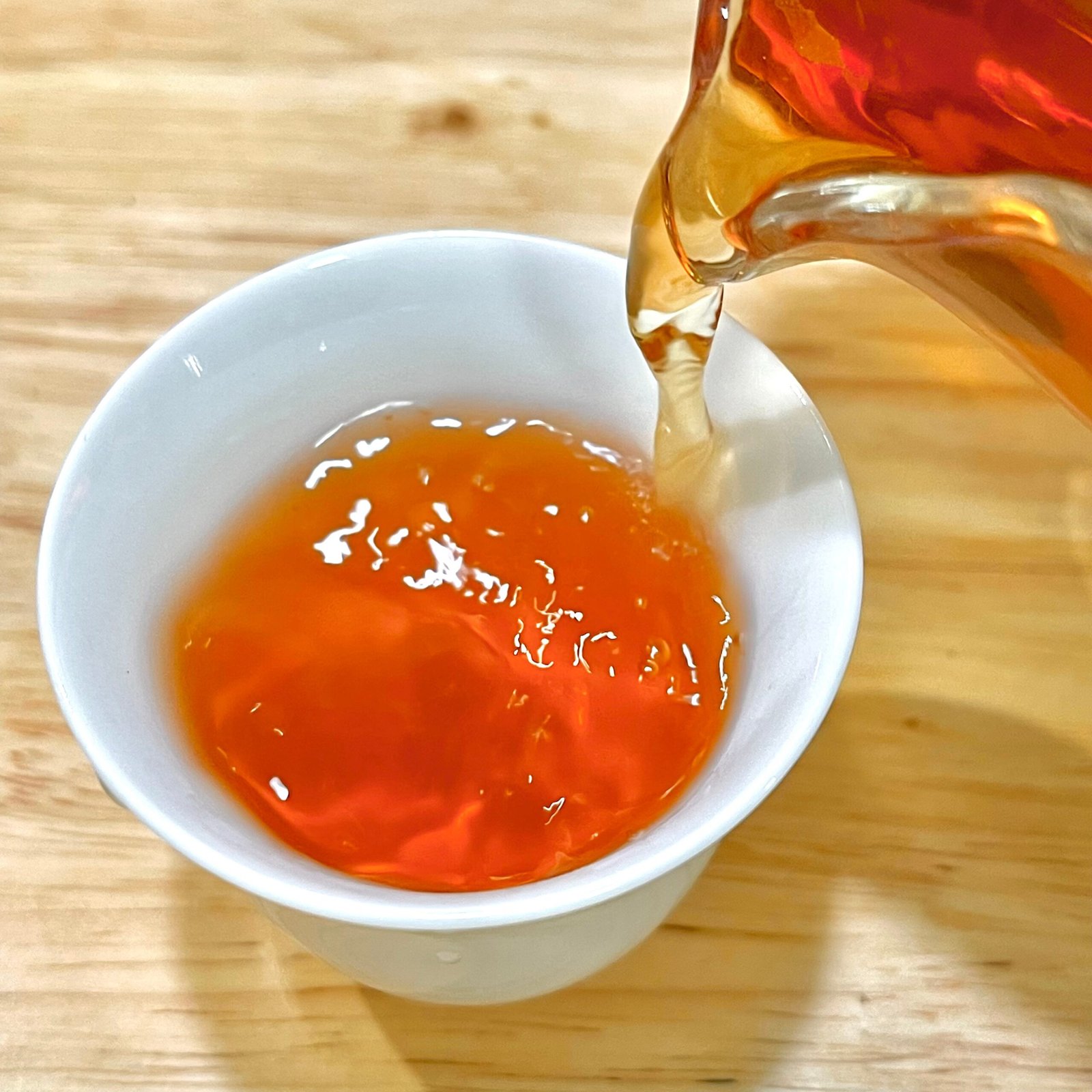
I brewed the third infusion next to a roasted oolong from Anxi. The mineral edge was clearly stronger. Tea people call that long mineral finish Yan Yun. Beginners usually just say rocky. The difference matters. Yan Yun means depth that lingers after the cup is empty.
Why Does Taoyuan Ke Tea Taste Different From Other Wuyi Oolong?
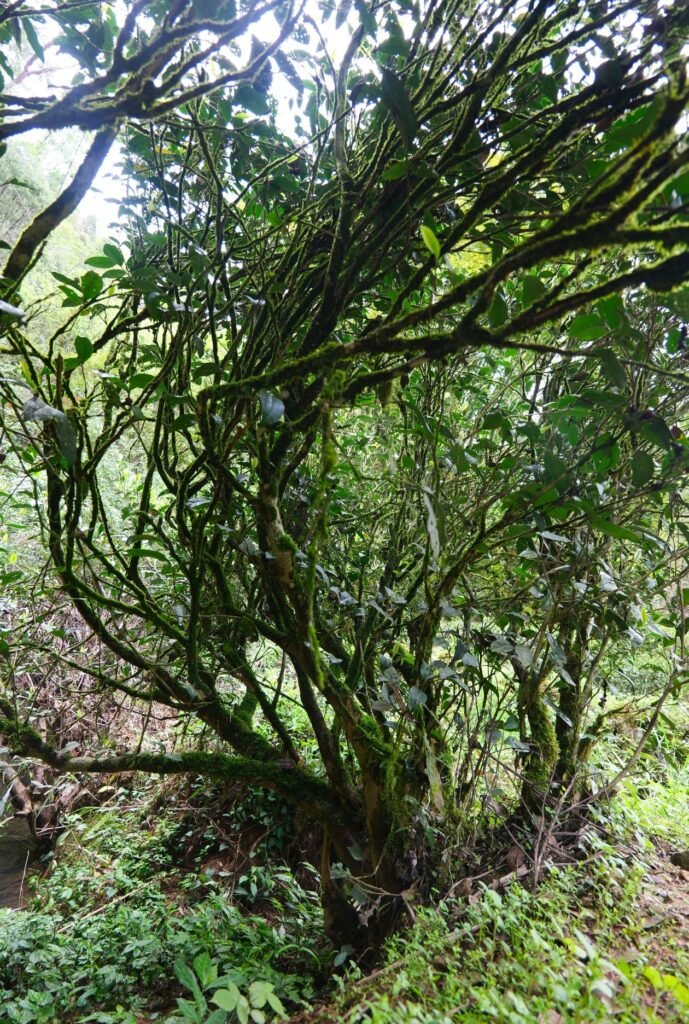
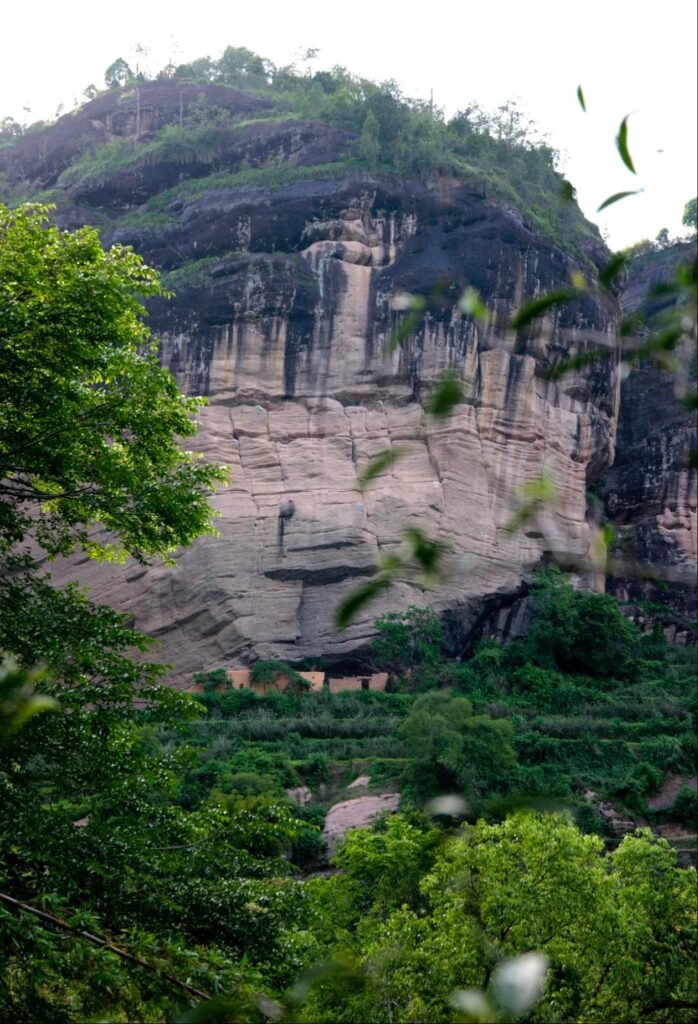
Taoyuan Ke sits in a narrow valley between limestone crags. Mist hangs there most mornings, and the soil holds a lot of minerals. The rock slows water in the ground, so the roots push deeper. Deeper roots mean more minerals in the leaf. That gives a longer, cleaner finish than tea grown in the valley gardens below.
Our garden sits in the Ban Yan zone, the semi-rock area between the valley floor and the cliff-side gardens. We harvest by hand, one leaf and two buds at a time, then sort the leaf again in our own workshop.
| Growing area | Where it sits | What you taste |
|---|---|---|
| Taoyuan Ke (our garden) | Narrow valley between limestone crags, Ban Yan zone | Strong rock rhyme, deep mineral finish |
| Wuyi cliff-side gardens | High on the rock face, above the valley | Bright and floral, lighter body |
| Anxi (Tieguanyin) | Not Wuyi rock soil at all | Rounded and creamy, no rock rhyme |
Why Does Triple Charcoal Roasting Change the Flavor?
The roast does the heavy lifting here. Our roastmaster puts the leaves over slow charcoal fires three times. We call it Zhong Zu Huo, or medium-heavy fire. Each pass adds toast and depth without burning the leaf. Charcoal leaves a faint smoke note on top of that toast.
We rest the tea for two to three weeks after the last firing. The rest takes the edge off the smoke and keeps the natural sweetness in the cup. Skip it and the same leaf tastes sharp and smoky. Many sellers skip it. That is why most yancha on the shelf feels flat.
| Fire level | Charcoal passes | What you taste |
|---|---|---|
| Qing Huo (light) | 1 | Floral and green, very little toast |
| Zhong Huo (medium) | 2 | Balanced toast and sweetness |
| Zhong Zu Huo (medium-heavy) | 3 — ours | Toast, dark honey, faint smoke, strong Cong Wei |
| Zu Huo (heavy) | 4 or more | Heavy char and smoke, less leaf character |
How Do You Brew Wuyi Rock Tea Shui Xian?
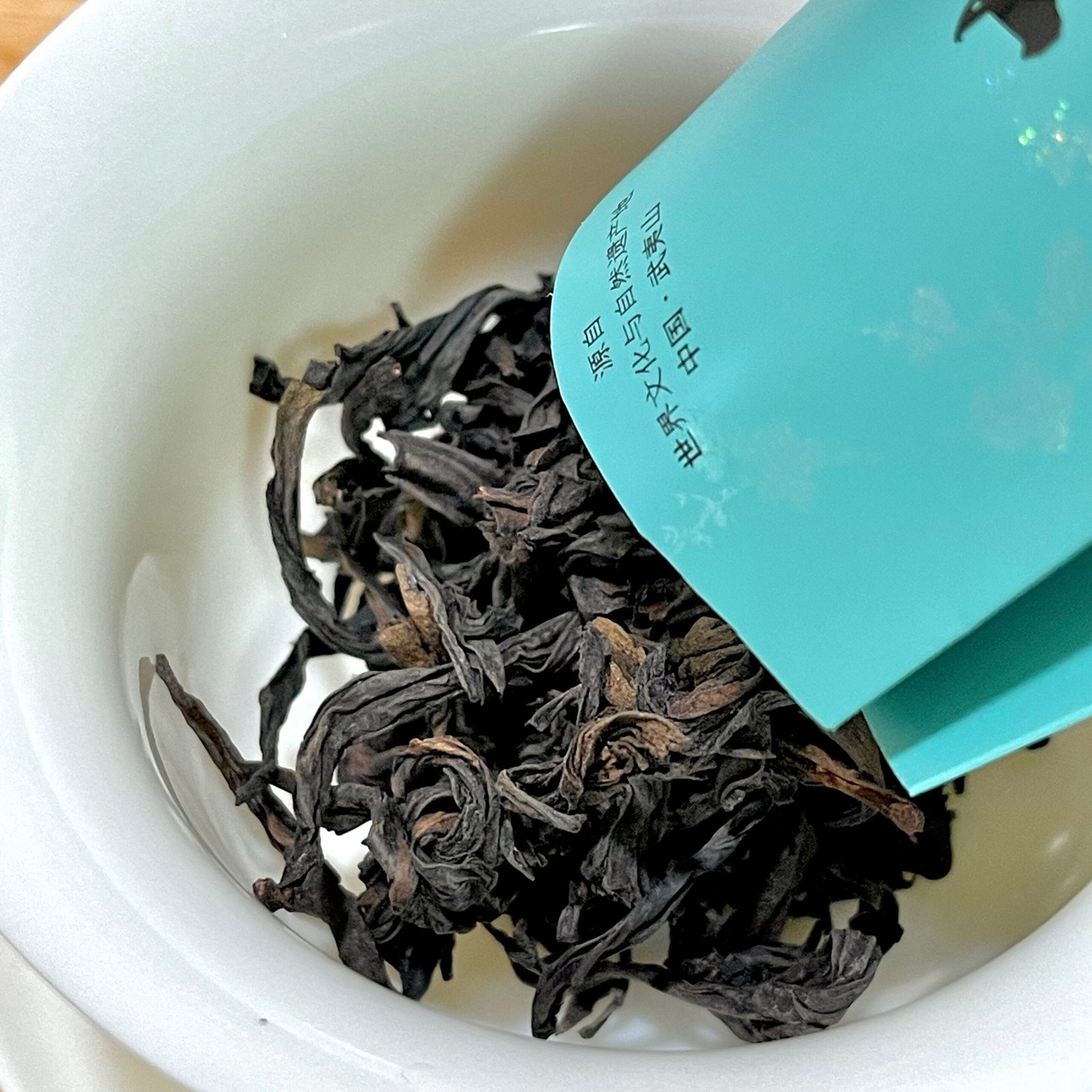
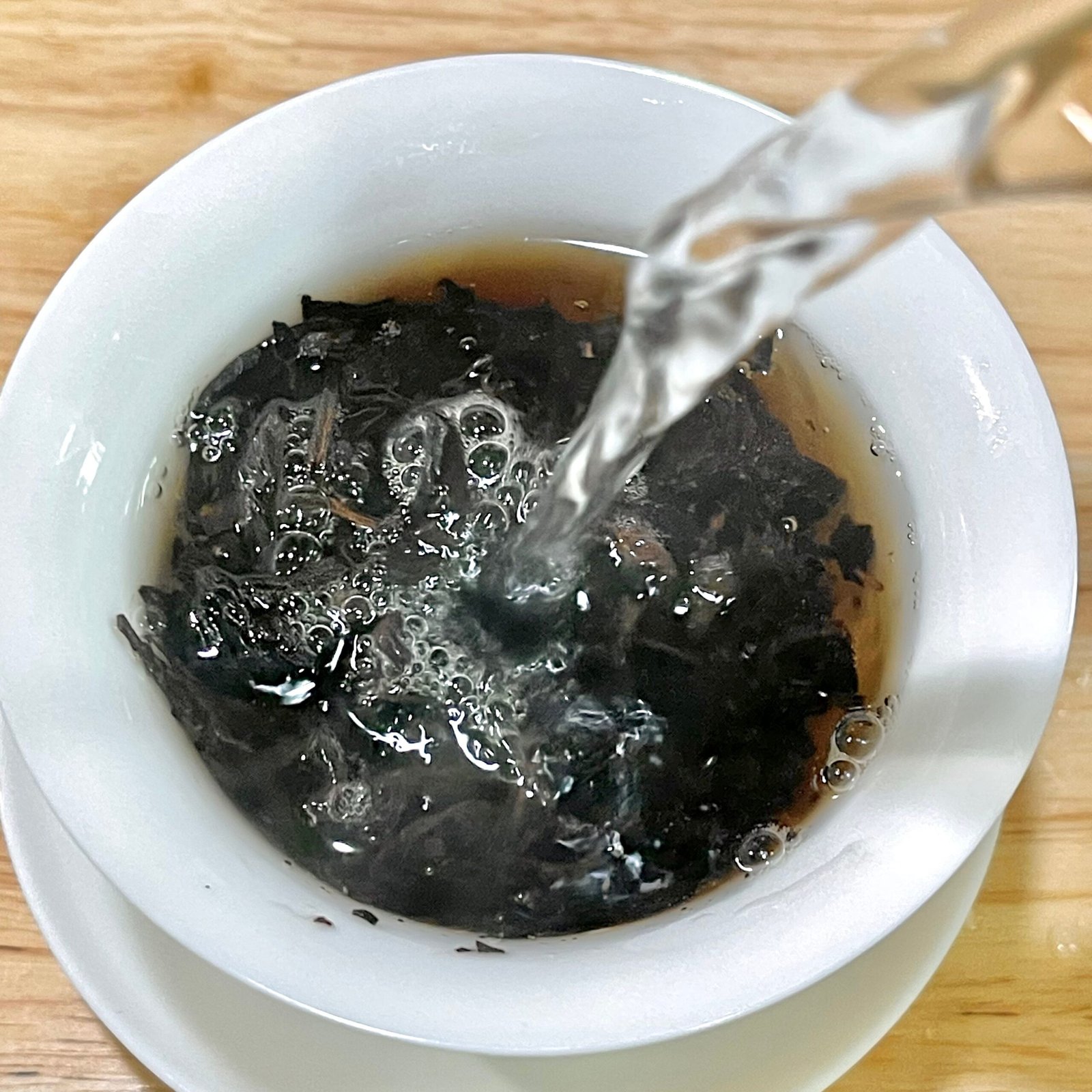
Use one 8.3 g sachet in a 100–110 ml gaiwan and heat the water to 95–100 °C, or 203–212 °F. Steep 10–15 seconds for the first three rounds. Then add 5–10 seconds each round. For a mug, use 3 g in 240 ml and steep 3–4 minutes. A good session gives you six to eight infusions.
- Vessel: 100–110 ml porcelain gaiwan.
- Leaf: one 8.3 g sachet.
- Water: 95–100 °C. Old-bush leaf is more delicate than it looks, so start just off a rolling boil.
- Rinse: five seconds, discarded.
- Steeps 1–3: 10–15 seconds each.
- Steeps 4–6: add 5 seconds per round.
- Steeps 7–9: add 10 seconds per round.
Do not shorten the steeps to save time; this leaf has depth that comes out slowly and it will taste thin if you rush it. Do not use hard, heavily chlorinated water either. Filtered water lets the mineral note read clearly.
| Setting | Gongfu (gaiwan or Yixing) | Western mug |
|---|---|---|
| Leaf | 8.3 g | 3 g |
| Water | 100 ml | 240 ml |
| Temperature | 95–100 °C (203–212 °F) | 95–100 °C (203–212 °F) |
| First steep | 10–15 seconds | 3–4 minutes |
| Total rounds | 6–8 infusions | 3–4 re-steeps |
| Best for | Tasting aroma and Yan Yun | Quick desk brewing, daily use |
How Old Should Wuyi Rock Tea Bushes Be?
Most Wuyi gardens use bushes planted in the 1980s and the 2000s. Our grower states that this garden was planted around 1988, which makes the bushes 38 years old at the 2026 harvest. We do not have an independent planting record, and we would rather say that plainly than dress a supplier figure up as a laboratory fact.
Older roots dig deeper into the rock, so the leaves take up more natural plant compounds. That gives thicker texture and a stronger Cong Wei. Many buyers think bush age is a marketing trick. Actually it matters most when the roots have rock to grow into. A young bush on the same rock still gives a lighter cup. Age alone will not save a bad garden.
Who Should Drink Wuyi Rock Tea Shui Xian?
This is our go-to everyday Chinese oolong. It has enough depth for a weekend gongfu session. It also holds up to a quick mug brew at your desk. Daily drinkers like the clean finish. Coffee drinkers who want a roasted body often move over to it in the afternoon. It also sits well after a heavy meal.
If you are pregnant, nursing, taking medication or sensitive to caffeine, talk to your clinician before drinking it regularly. This page is general information, not medical advice.
Specifications and Batch Details
| Attribute | Detail |
|---|---|
| Origin | Taoyuan Ke, Wuyi Mountains, Fujian, China |
| Zone | Ban Yan (semi-rock) |
| Cultivar | Shui Xian (Narcissus cultivar) |
| Bush age | 38 years at the 2026 harvest, supplier-stated; not independently dated |
| Harvest | Spring 2026 |
| Roast | Triple charcoal roast, medium-heavy (Zhong Zu Huo) |
| Rest | Two to three weeks after the final firing |
| Format | 8.3 g sachets; 3, 6, 18, 30 or 60 sachets per order |
| Brewing | One 8.3 g sachet per 100–110 ml gaiwan; 3 g per 240 ml mug |
| Infusions | 6–8 in gongfu; 3–4 mug re-steeps |
| Storage | Sealed, cool, dark and dry; avoid the fridge |
| Standard | GB/T 18745-2006, the national standard for Wuyi rock tea |
Wuyi Rock Tea Shui Xian FAQs
Is this Wuyi rock tea Shui Xian suitable for beginners?
Yes. High-fire rock tea can taste sharp or smoky, but we rest this batch for two to three weeks after the triple charcoal roast. The smoke turns soft and the cup tastes rounded, with no harsh bitterness. Start with a shorter steep and add time as you go.
What is the difference between Wuyi rock tea and regular oolong tea?
Rock tea is oolong, but a very specific kind. It grows in the rocky soil of the Wuyi Mountains in Fujian, and every maker works with charcoal fires. Regular oolong comes from many places. Anxi Tieguanyin is rolled and oxidized, then lightly baked. Rock tea gets three charcoal firings and then weeks of rest. That process builds the toast and the layered mineral finish.
What does Cong Wei mean?
Cong Wei is the woody, mossy note that follows the toast in a well-made rock tea. Tea writers translate the Chinese name in different ways. Most describe it as bark, old wood, or forest floor. Many drinkers assume it is a smoke note. It is not. Cong Wei comes from the leaf and the soil, not from the charcoal.
What is the Ban Yan or semi-rock growing area?
Ban Yan sits between the valley floor and the cliff-side gardens. It gets some rock soil, but not the full cliff exposure. Our Taoyuan Ke garden is in this zone. Against the cliff gardens, the cup has less fragrance but more body. Against the valley gardens below, it carries more mineral weight.
Who grows and roasts this tea?
We buy the leaf from our grower partner in Taoyuan Ke. Our own workshop does the sorting and the three charcoal firings. We rest the tea for two to three weeks before it ships. That means one party answers for what lands in the cup, and the tasting notes on this page are our own, logged in our cupping journal.
What makes 38-year-old tea bushes special?
Tea from mature bushes tends to have thicker leaf cells and a fuller body. Our grower gives the age as 38 years; we have not independently dated the bushes. Root age plus rock soil can give deeper mineral notes and a clearer Cong Wei, but age alone will not save a bad garden.
Why does Wuyi rock tea cost more than Tieguanyin?
Three costs stack up. Hand picking costs more than machine harvesting, and one picker can only work so fast. Rock soil gives a low yield per acre. Charcoal roasting is slow, and the fires take leaf weight off the scale. Tieguanyin grows in bigger fields and needs one lighter roast.
Will this tea taste burnt?
No. We rest the tea for two to three weeks after the third firing. The rest takes the raw edge off the charcoal and keeps the leaf’s own sweetness in the cup. Toast and honey come first, and the smoke stays in the background. If a rock tea tastes burnt, the usual cause is old stock or damp storage.
Does this Taoyuan Ke oolong tea taste smoky?
Only lightly. Triple charcoal roasting adds a faint smoke note over warm toast and dark honey. We rest the tea after the last firing, which keeps the smoke soft and leaves the natural sweetness in the cup. If you want less smoke, shorten your steeps.
How much leaf do I need per cup?
Use one 8.3 g sachet for a 100–110 ml gaiwan or Yixing pot. For a 240 ml mug, use 3 g. One sachet gives a full gongfu session of six to eight infusions; a 3-pack is the smallest order size.
How many infusions can I get from Wuyi rock tea Shui Xian?
You can get six to eight infusions. In gongfu style, steep the first three rounds for 10–15 seconds, then add 5–10 seconds each round. In Western style, steep for 3–4 minutes and re-steep three to four times.
What water should I use?
Start with filtered or bottled water. It should taste clean, with no chlorine and no heavy mineral taste. Very hard tap water dulls the aroma. Distilled water goes too far the other way and flattens the body.
Should I rinse the leaves before the first infusion?
A quick rinse is optional here. Many gongfu drinkers swish the leaf with hot water for three seconds, then throw it away. That warms the pot and wakes the leaf. You do not need it for safety. Skip it for a casual mug brew.
Can I use a Yixing pot or a regular teapot?
Both work. A 100 ml Yixing pot or gaiwan gives you the most control and the clearest aroma. A small glass pot works too, and you can watch the leaves open. A Western teapot loses some aroma, but the tea still tastes fine.
Why is the first infusion stronger than the later ones?
The leaf opens across a session. Early on, you drink the roast: toast, honey, warmth. Later rounds drop the toast and keep the mineral finish. The sweetness also turns clearer. After round six the cup thins out, and that is usually where you stop.
How should I store the tea after opening?
Keep the sachets sealed in a cool, dark, dry cupboard, away from coffee, spices and dampness. Do not refrigerate the tea; cold pulls in odours and moisture. Drink it within about a year of the roast for the clearest flavour.
What size is the pack and is the tea loose leaf?
Each sachet holds 8.3 g of loose leaf. Orders are available as 3, 6, 18, 30 or 60 sachets. There are no tea bags, and we keep the broken bits out of the pouch.
Does this tea contain caffeine?
Yes. It contains caffeine at roughly the level of brewed oolong. We do not sell a decaffeinated version. If caffeine affects you, talk with your doctor before drinking it. It is not recommended for children or for people who are sensitive to caffeine.
Sources and disclosure
The standard cited above is GB/T 18745-2006, Wuyi rock tea. The UNESCO listing is the Mount Wuyi World Heritage property. Brewing times and infusion counts come from our own test kitchen; flavour notes come from our cupping log and will vary with water, vessel and palate.
Supplier disclosure: the 38-year bush age is the figure provided by our Taoyuan Ke grower. We have not independently verified it. Health disclosure: this page is general information, not medical advice. Affiliate disclosure: this page contains no paid placements or affiliate links.
Additional information
| Weight | 0.0249 kg |
|---|---|
| size | 3 Packs (0.88 oz), 6 Packs (1.76 oz), 18 Packs (5.27 oz), 30 Packs (8.78 oz), 60 Packs (17.57 oz) |
Related products
-

Wuyi Rougui Rock Tea, Lingyang Pass, Wuyishan, 2026
Price range: $12.90 through $189.90Select options This product has multiple variants. The options may be chosen on the product page -
Liuxiangjian Zhengyan Rougui Rock Tea, 2026 Wuyishan
Price range: $49.90 through $129.90Select options This product has multiple variants. The options may be chosen on the product page -
Wuyi Rougui Rock Tea, Yixiantian Zhengyan, 2026
Price range: $10.90 through $149.90Select options This product has multiple variants. The options may be chosen on the product page -
Mao Er Shi Zhengyan Rougui Rock Tea, 2026 Wuyishan
Price range: $39.90 through $99.90Select options This product has multiple variants. The options may be chosen on the product page
Reviews
There are no reviews yet.