
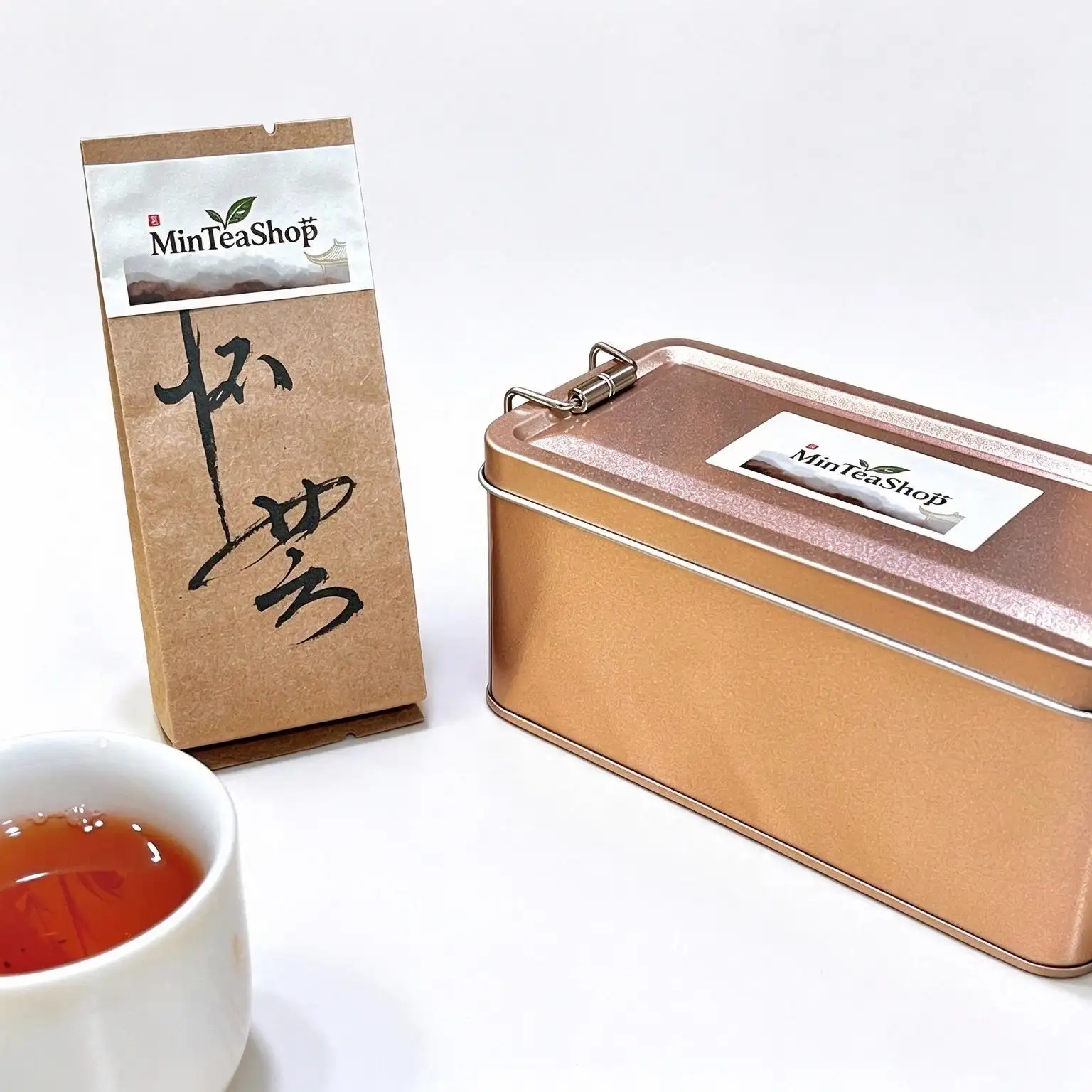
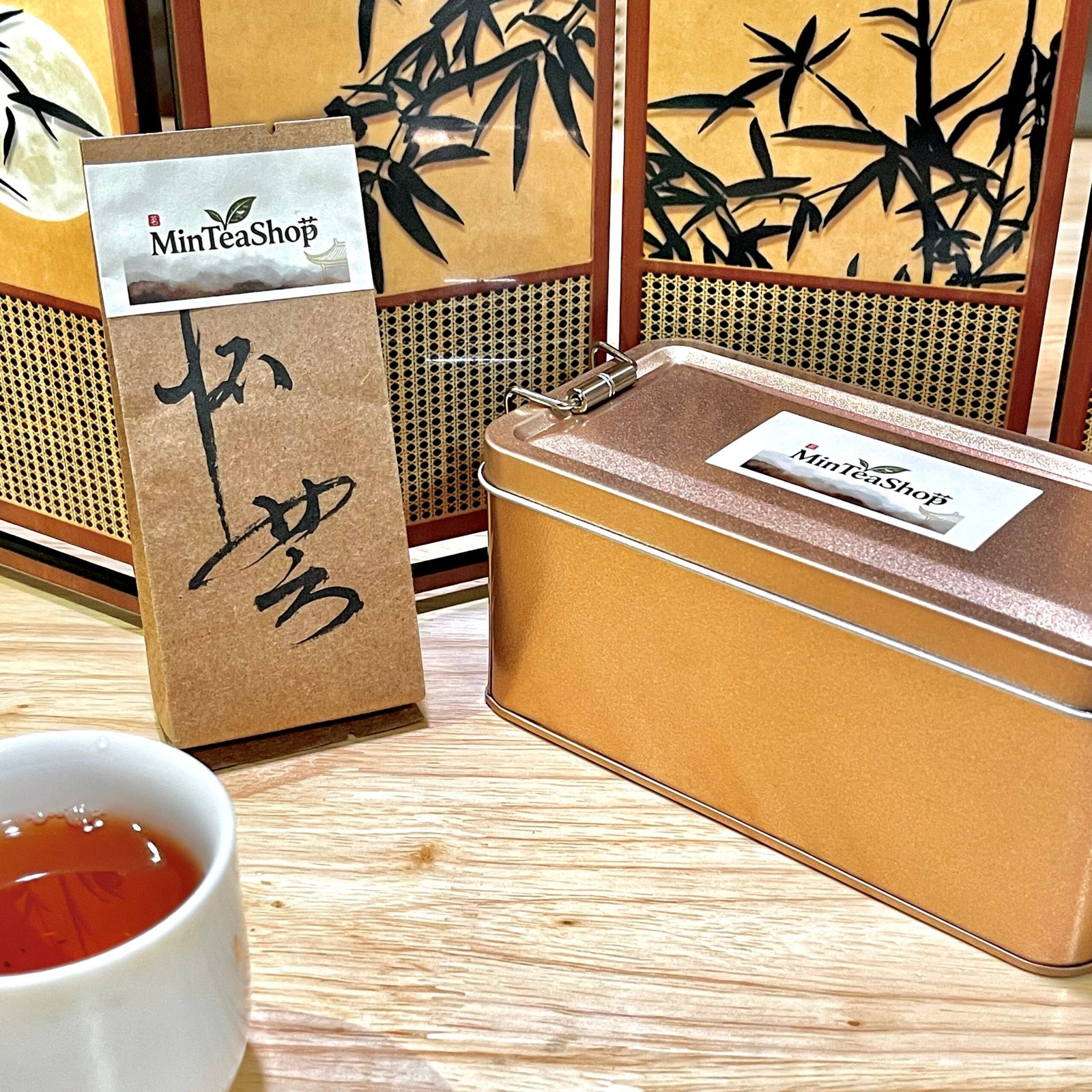
Liuxiangjian Zhengyan Rougui Rock Tea, 2026 Wuyishan
Price range: $49.90 through $129.90
2026 Liuxiangjian Zhengyan Rougui rock tea from Wuyishan, Fujian. Wild orchid, cassia and honey sweetness with a long, cooling mineral finish.
Description
First published: 20 October 2026 · Last updated: 5 November 2026
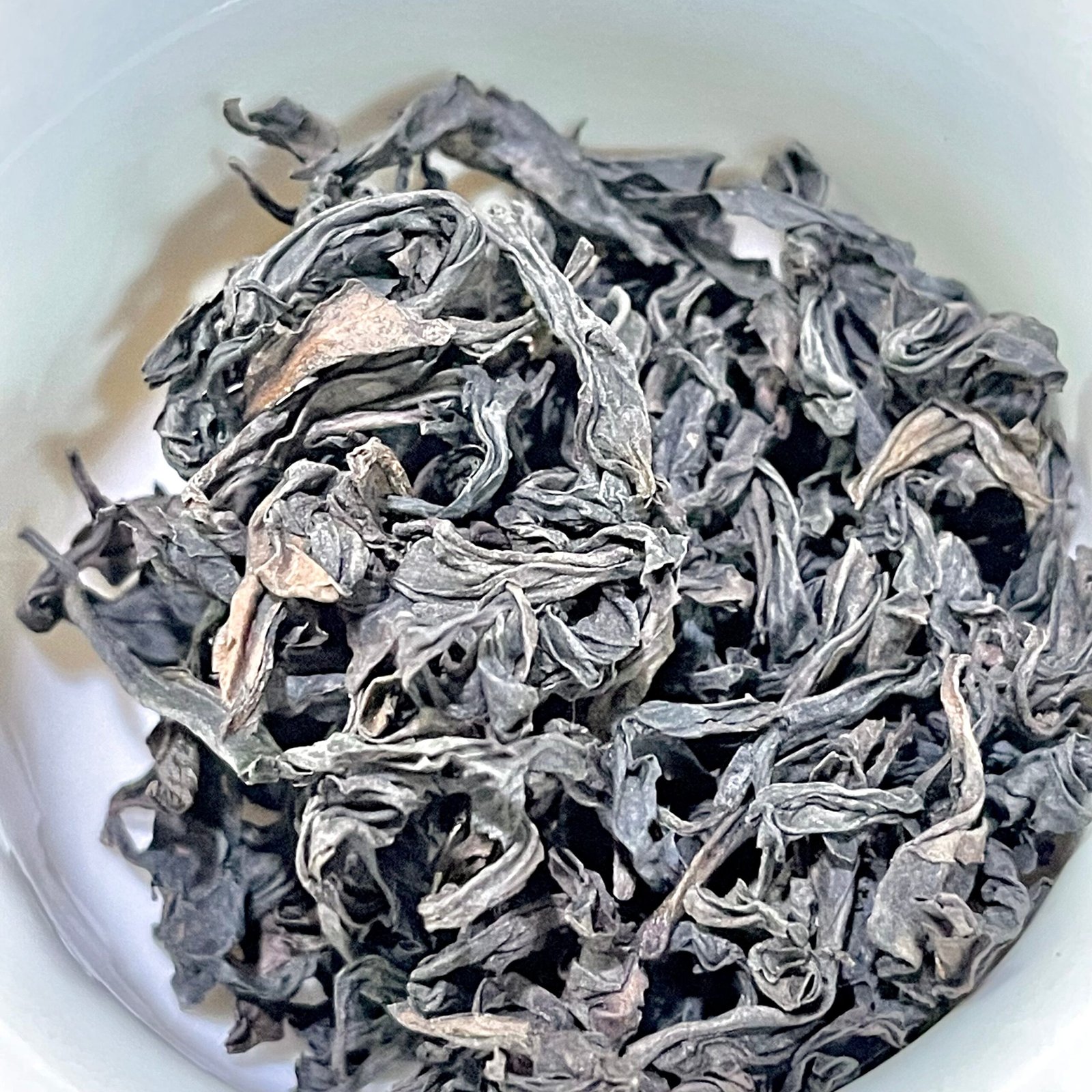
This Liuxiangjian is a 2026 Zhengyan Rougui from one of the two streams that make up Wuyi’s famous three pits and two streams, the most quoted address in rock tea. Wild orchid and cassia come up first, then honey and a cooling mineral finish that stays in an empty cup. It suits drinkers who want a top-tier site, and collectors who already know what they are tasting.
What is Liuxiangjian?
It is one of the two streams in the phrase every rock tea drinker learns first, and this is the Rougui we buy from it.
The saying goes 三坑两涧 — san keng liang jian, three pits and two streams: 牛栏坑 Niulankeng, 慧苑坑 Huiyuankeng and 倒水坑 Daoshuikeng for the pits, and 流香涧 Liuxiangjian and 悟源涧 Wuyuanjian for the streams. Those five sites are the most quoted addresses in yancha, and Liuxiangjian, whose name means flowing fragrance stream, is one of them. Jiemian’s explainer sets out the market view.
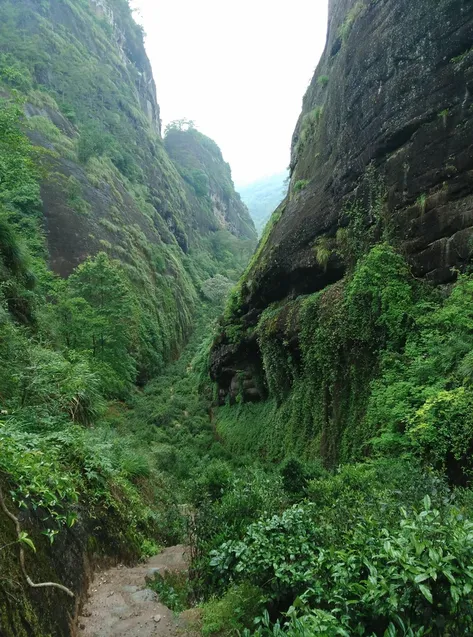
The site is a narrow cleft with damp moss on the sandstone walls and shade for most of the day. Leaf grown there is small and slow, and the cup carries the two things people mean by cliff tea: a soft tannic edge and a fragrance that stays in an empty cup after the tea is gone.
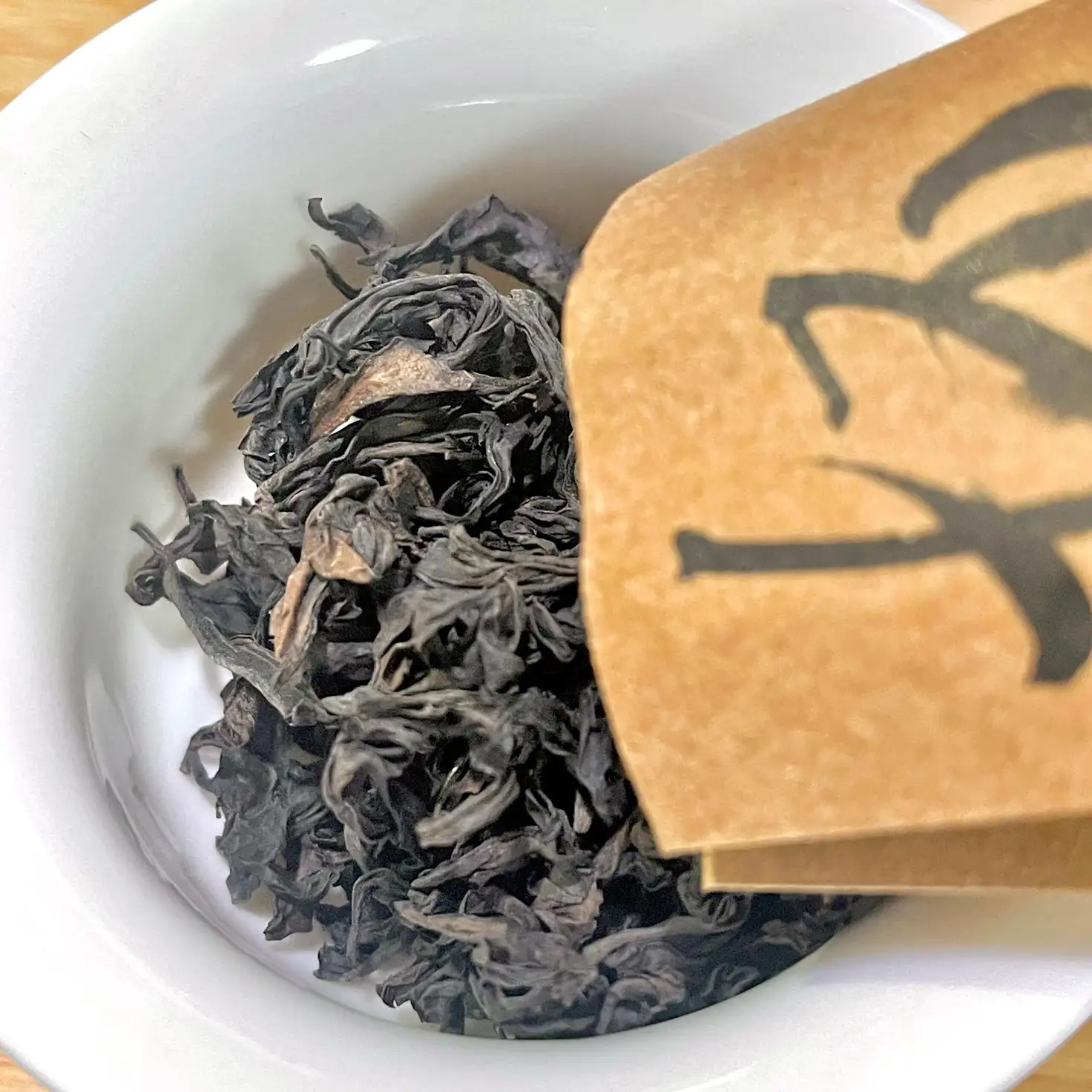
This lot is Batch LF-2026-S04-A. The batch number and the hand-brushed Huai Fang calligraphy are the traceable parts of the package, and we have kept them.
The batch number breaks down as LF for Liuxiangjian, 2026 for the year, S04 for the fourth spring picking from this plot, and A for the first roast series of the season. If you have a pouch and want to know which firing you are drinking, the number is on it.
One historical note, because it is the first thing people ask when they hear this name. In the old Wuyi gazetteers the six Da Hong Pao mother bushes at Jiulongke are located by reference to this stream — east past Liuxiangjian, over a small ridge — which is why the name turns up in that story at all. That is a piece of local geography, not a claim about this tea. This lot is Rougui from a stream-side plot; it is not leaf from the mother bushes, and no amount of proximity on a map would make it otherwise. Our Jiulongke page is where we talk about the mother bushes themselves.
Is “Zhengyan” a legal designation?
No, and the honest version is more useful than the marketing one.
China’s national standard for Wuyi rock tea is GB/T 18745-2006, “Product of geographical indication — Wuyi rock tea”, in force since December 2006. It sets the geographical indication area as the whole of the Wuyishan administrative district — the scenic area and everything around it. The standard text is published free on the national standards portal.
The split into Mingyan and Danyan that you meet in older trade writing came from the 2002 version of the standard. The 2006 revision dropped the division of the raw-material producing areas altogether. So the Zhengyan and semi-Zhengyan wording that shops use is the trade’s own description of growing areas rather than a state boundary. Zhengyan tells you the leaf grew inside the scenic area’s tea mountains, which is why a stream-side lot costs what it does. It does not tell you the tea was roasted well. That part is on the maker, and you can only judge it in the cup.
| Item | Detail |
|---|---|
| Origin | 流香涧 Liuxiangjian stream, Wuyi scenic area, Fujian, China |
| Growing area | Inside the scenic Mingyan zone of the Wuyi rock tea geographical indication |
| Cultivar | Rougui |
| Harvest | Spring 2026 |
| Batch | LF-2026-S04-A |
| Roast | Three charcoal rounds with rests between them |
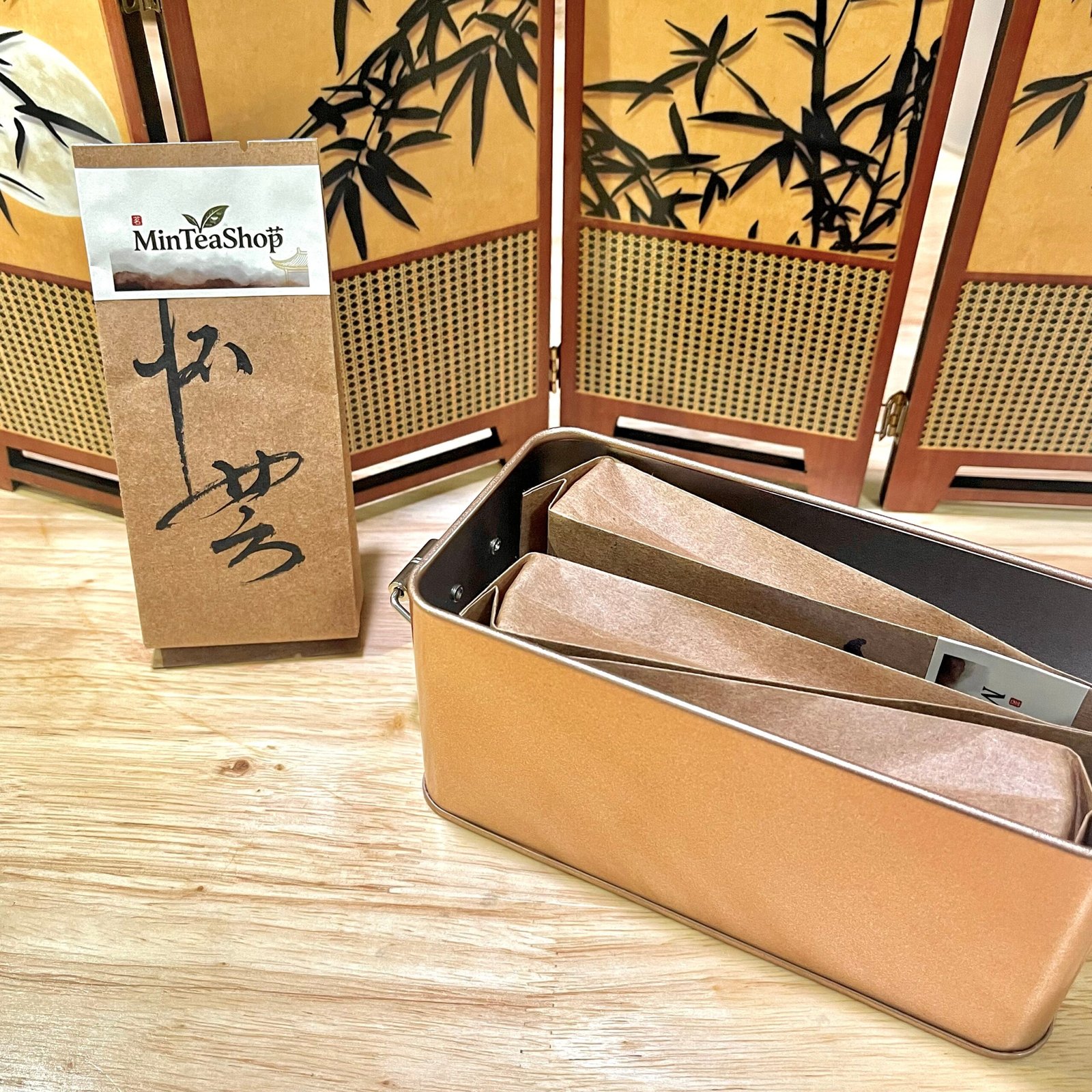
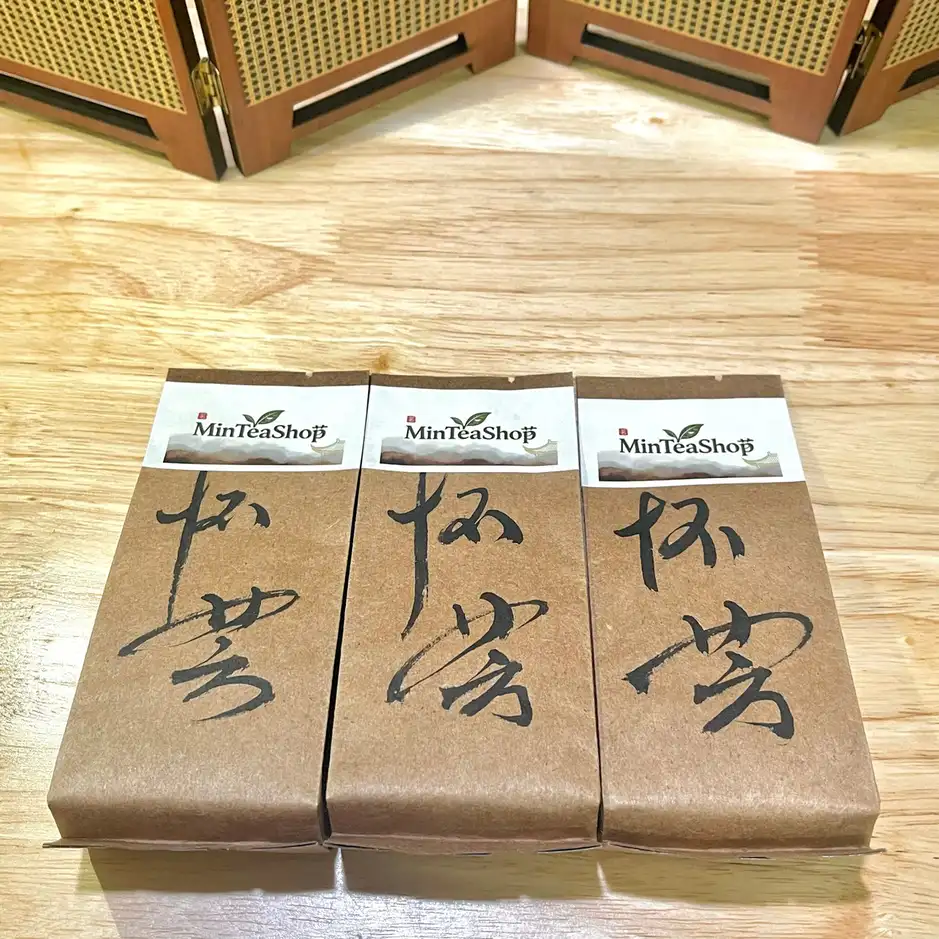
| Format | 8.5 g foil pouches, hand-brushed 怀芳 calligraphy |
| Price per 100 g | About $510–$590 — the highest in our range, and explained below |
What does the site do to the cup?
It softens the grip and stretches the finish, which is the opposite of what a bolder site like Matouyan does.
| Liuxiangjian | Matouyan plots | |
|---|---|---|
| Light | Shaded most of the day | Some direct sun, cliff-filtered |
| Leaf | Small, slow | Larger, faster |
| Aroma | Wild orchid over cassia | Cassia dominant, louder |
| Tannin | Softer | More grip |
| Finish | Long, floral-mineral | Cool, stony |
Neither is better. Liuxiangjian is the site you buy when you want fragrance and length; Matouyan is the site you buy when you want power.
What does it taste like?
Orchid and cassia first, mineral in the middle, honey at the end.
| Steeps | What you notice |
|---|---|
| 1–3 | Bright wild orchid over warm cassia |
| 4–6 | Mineral depth builds, the rock note arrives |
| 7–9 | Honey sweetness rises through the finish |
| 10–12 | A delicate floral memory that fades slowly |
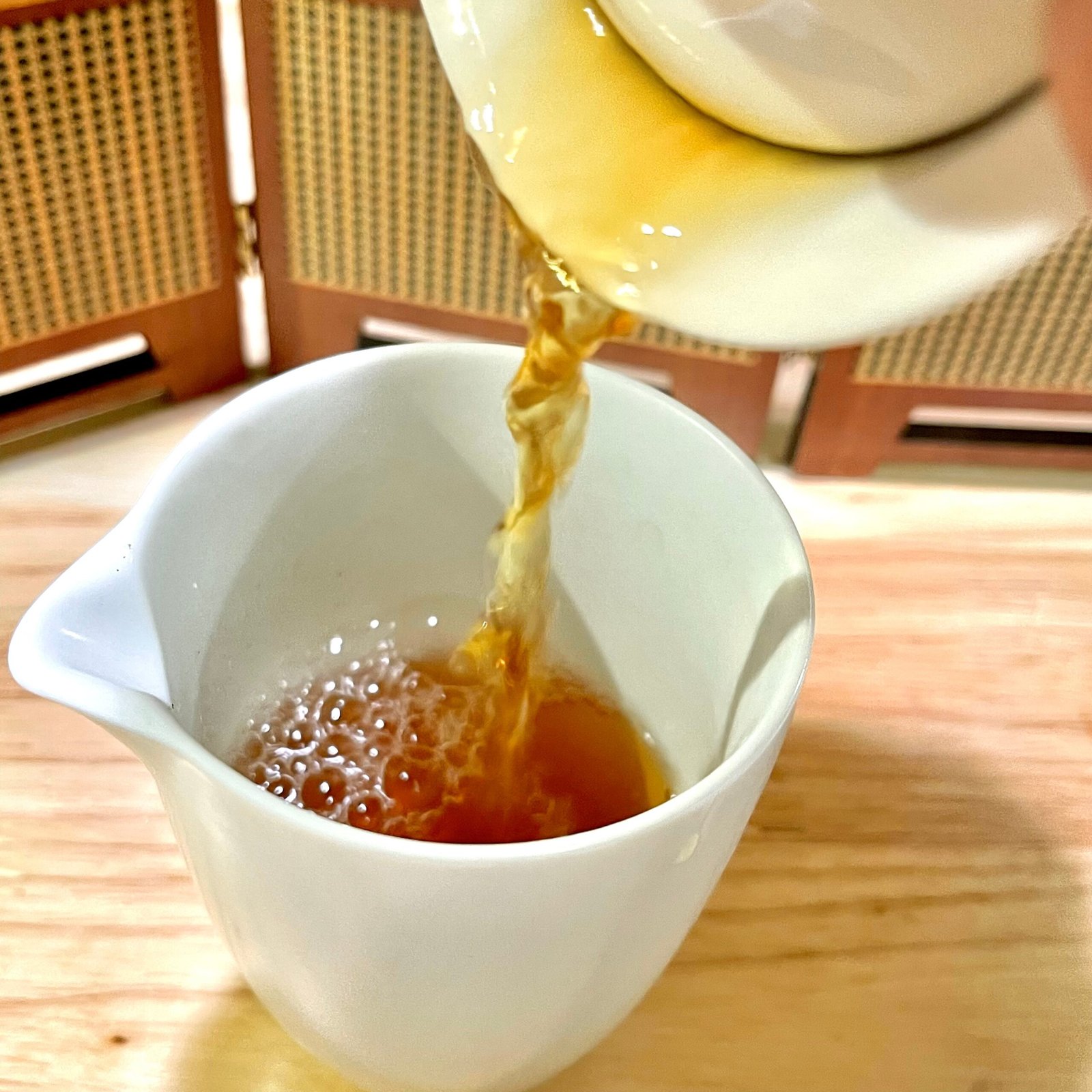
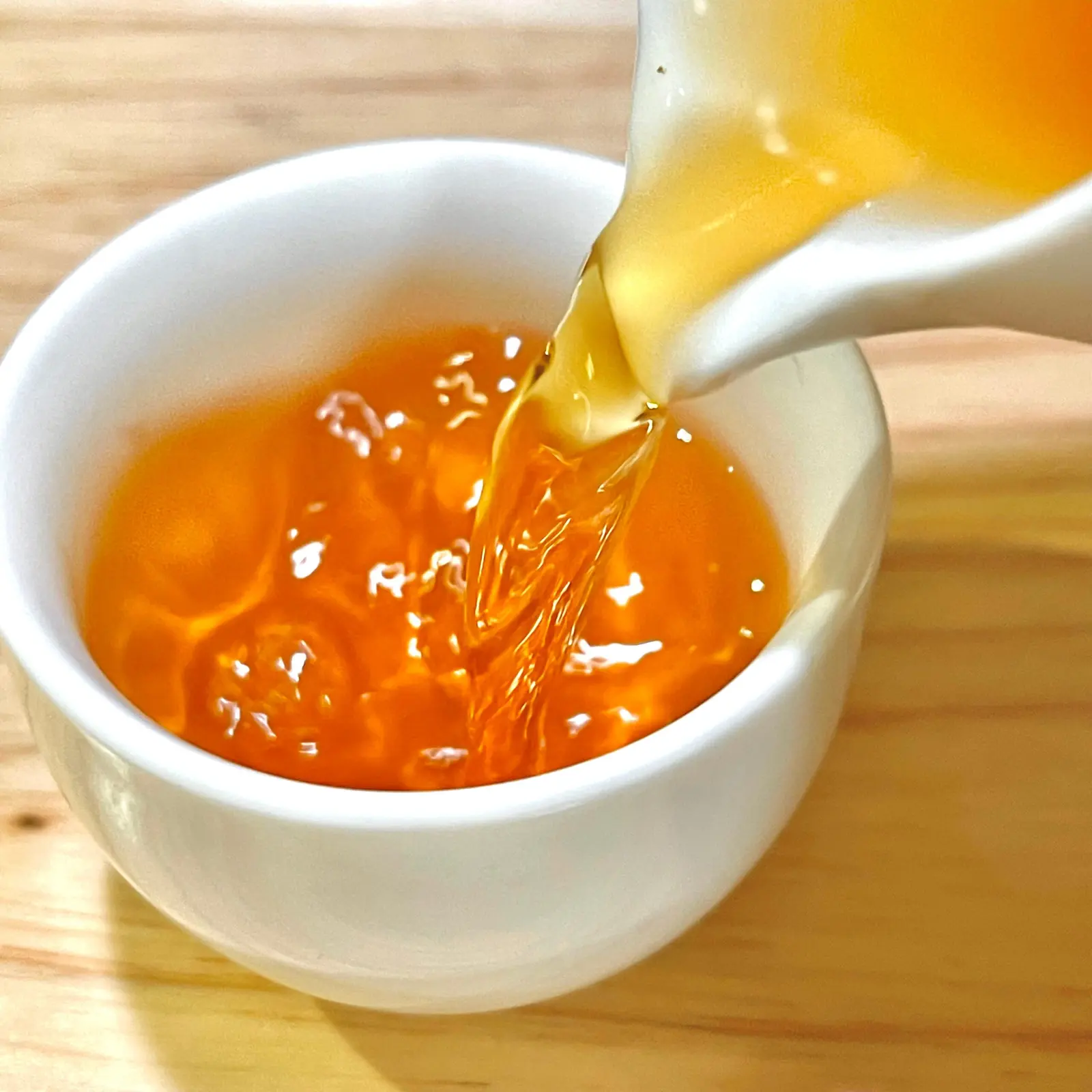
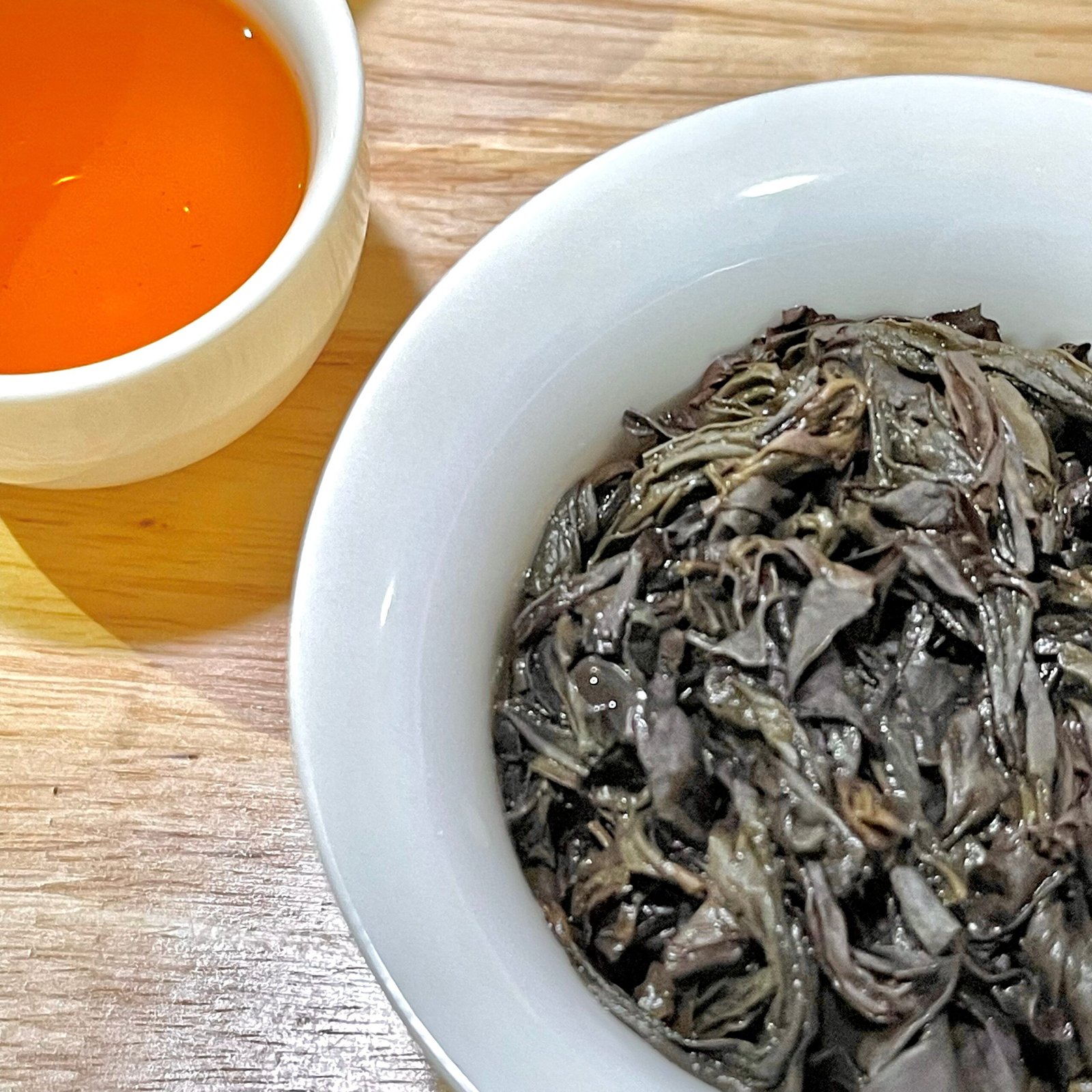
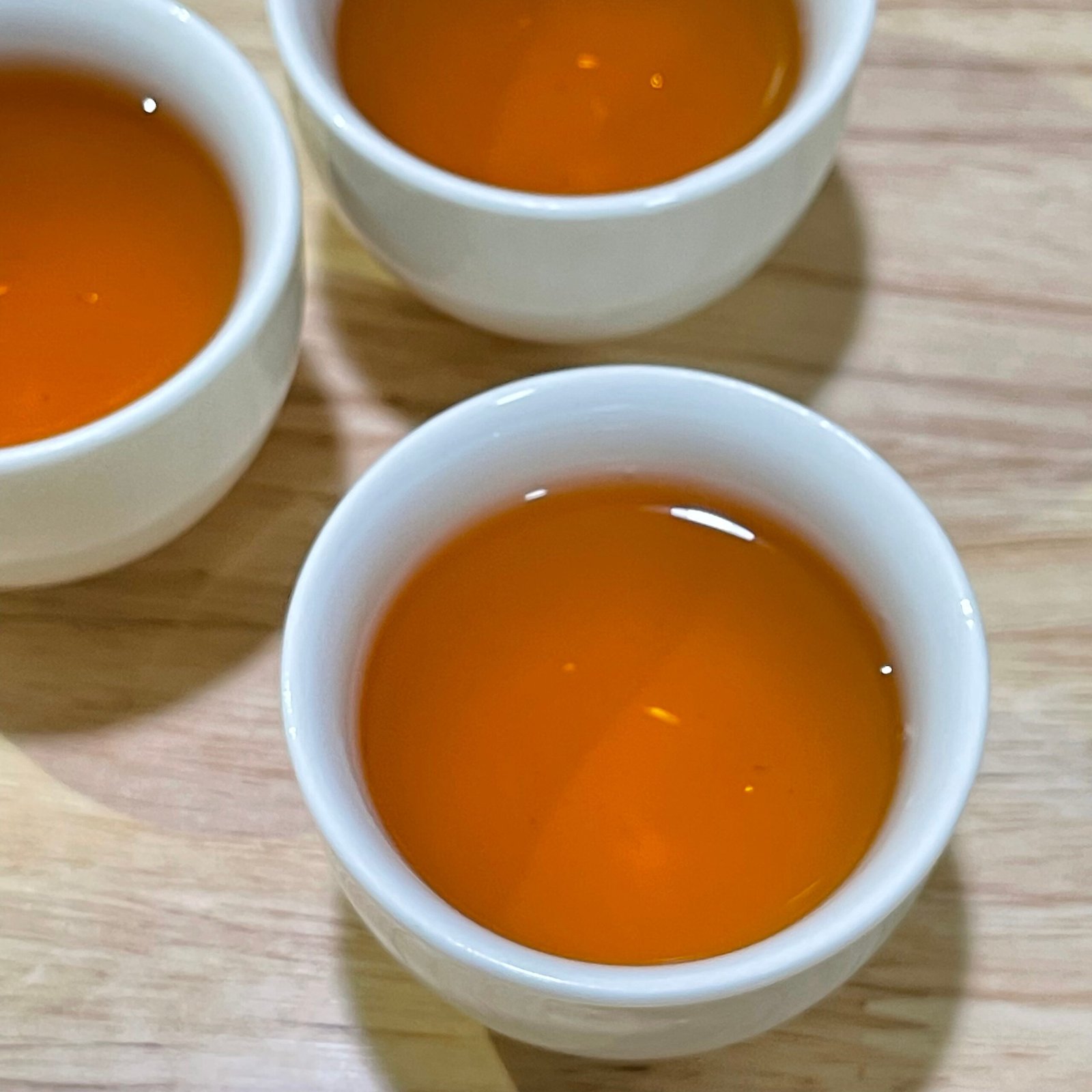
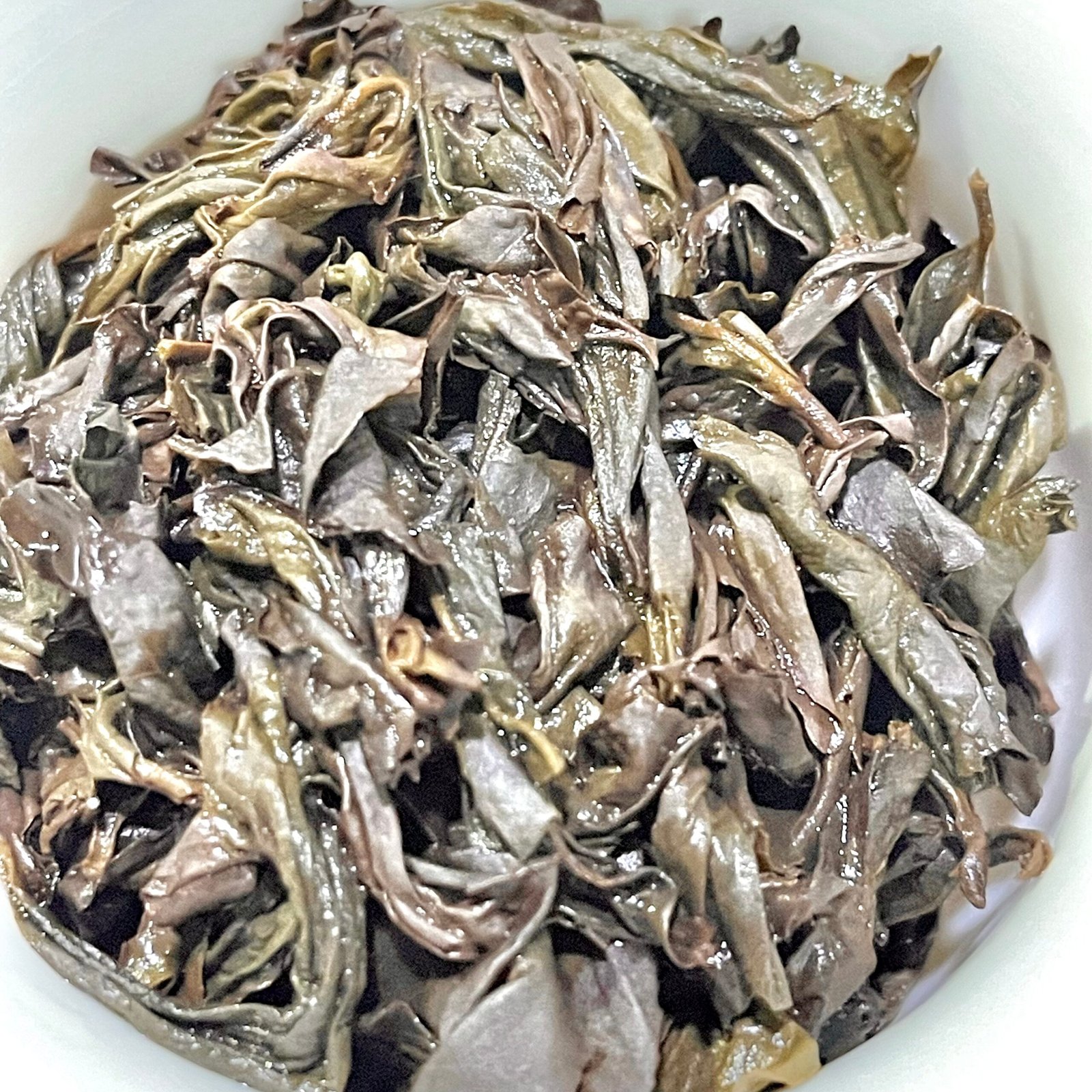
The liquor is translucent orange-red with a golden rim. The first impression is on the front of the palate, bold but not harsh, and the fragrance in the empty cup is the part that surprises people who have only had supermarket rock oolong.
We are not going to give you a number of minutes for the aftertaste. Nobody measures that, and a page that does is inventing it.
How is it roasted?
Three charcoal rounds over several months, and the rests between them are what make it drinkable.
| Round | What it does |
|---|---|
| First | Sets the base character and drives off the raw edge |
| Rest | Lets the leaf settle before the next fire |
| Second | Integrates the mineral note with the spice |
| Third | Polishes the finish |
Roasting is where most of the risk sits. Too hot and the leaf burns; too cool and it stays flat and green. The aim here is a roast that feels integrated rather than laid on top, so the site still shows through the fire.
How do you brew it?
A 100 ml gaiwan, 8.5 g of leaf, and full boiling water.
| Step | What to do |
|---|---|
| Vessel | 100 ml porcelain gaiwan, or a clay pot under 150 ml |
| Leaf | One 8.5 g pouch |
| Water | 100°C, full boil |
| Rinse | 3 seconds, discarded |
| Steeps 1–3 | 10 seconds each |
| Steeps 4–6 | 15–20 seconds |
| Steeps 7–9 | 30–35 seconds |
| Steeps 10–12 | 60 seconds and up |
| Always | Pour every drop into a side pitcher |
The gaiwan shows the liquor colour best and the clay pot rounds the edges over a session. Both work; pick one and stay with it so you can taste the tea rather than the vessel.
The mistake I made with my first pouch was a 30-second first steep in fully boiling water with no rinse. It tasted like wet cardboard. Short steeps and a rinse fix it.
In a western pot, 5 g per 250 ml for two minutes gives three decent cups, though you lose the arc.
What does the Huai Fang calligraphy mean?
Huai Fang, 怀芳, means cherishing fragrance, and it is brushed by hand on each pouch.
怀 conveys remembrance and appreciation; 芳 is fragrance, of flowers and of good tea. The ink varies slightly from pouch to pouch, so no two parcels are identical.
We have kept the pouches after the tea is gone, which is not something we say about most packaging. It is a small thing, but it is the part of the product that outlasts the leaf.
How does Spring 2026 compare with 2025?
Our 2026 lot reads more lifted and less roast-heavy than the 2025 release.
The 2025 lot was deeper and more roasted, with slightly less floral lift. This year the orchid sits further forward and the finish is cleaner. That is our own tasting across the two releases, not a weather attribution; we do not have a reliable local weather record to tie it to.
How many infusions will one pouch give?
Ten to twelve, and fifteen if you are patient with the last rounds.
The first three are flash steeps that set the baseline. Four to six is where the mineral depth arrives. Seven to nine turns to honey, and ten to twelve is the floral fade. Past twelve the leaf is giving you texture rather than flavour.
How should you store it?
Sealed, cool, dark, and away from the kitchen.
Keep the pouch closed at room temperature, ideally 18–24°C, away from sunlight, spices and moisture. Do not refrigerate it. Stored that way the roast holds for twelve to eighteen months, and some drinkers prefer it at eighteen months, when the fire has mellowed.
Once opened, use the pouch within three months; the orchid is the first thing to go.
This is the most expensive tea we sell, so it is worth putting the number on the table rather than hiding it. At our starting price 100 g of Liuxiangjian works out at roughly $590, against about $60–$90 for our valley Rougui and roughly $22–$30 for the high-mountain lots. Three things account for the gap, and only the first of them is about the tea.
The first is the address. A stream-side plot in the scenic area yields a fraction of what an open slope gives, and the five famous sites carry a premium that has nothing to do with the roast. The second is the format: 8.5 g foil pouches, hand-brushed, with the ink differing on every one — a single plot of this size simply does not come off the mountain in bulk. The third is that we sell three sizes and no more, because we buy what one small plot gives.
What you get for it is one named site, one batch number, ten to twelve infusions per pouch, and a cup that keeps its fragrance in an empty glass after the tea is gone. Whether that is worth $49.90 is a question about your palate and your wallet rather than ours, and we would rather you decide it with the numbers in front of you. The Mao Er Shi Rougui is the other high-price plot; compare the two if you want to see what the site does. For the rest of the range, our guide to Wuyi rock tea prices explains how the growing area drives the number.
Who is it for?
For drinkers who want a top-tier site and the fragrance that goes with it, and for collectors filling in the five famous addresses.
It suits people who already drink yancha and want to compare Liuxiangjian against Niulankeng or Huiyuankeng, and anyone buying a gift that arrives with a hand-brushed pouch and a batch number. It is a poor first rock tea, not because it is hard to brew but because the subtlety is wasted on a palate that has not met the category yet.
If you are new, start with our Wuyi rock tea beginner’s guide and a valley lot, then come back. If you want power instead of fragrance, the Mao Er Shi Rougui is the other side of the mountain. The Yanzi Ke is the softer comparison, the six-site Rougui set puts the differences in one box, and the Wuyi rock tea collection has the rest.
Frequently Asked Questions
What does Liuxiangjian mean?
Flowing fragrance stream. It is one of the two streams in san keng liang jian, the three pits and two streams that rock tea drinkers use to describe the most prized addresses in Wuyi.
Why is it more expensive than other Rougui?
The address, mostly. A stream-side plot inside the scenic area yields less leaf than open ground, and the five famous sites carry a premium that has nothing to do with the roast. Our starting price reflects that, and we would rather explain it than dress it up.
Is it a Zhengyan tea?
Yes, in the trade sense: the garden sits inside the tea mountains of the Wuyi scenic area, roughly 70 square kilometres. The national standard defines two production zones, Mingyan and Danyan, and the Zhengyan wording is the trade’s own rather than a legal certification.
How many infusions will it give?
Ten to twelve, with fifteen possible if you extend the later rounds. The fragrance peaks early and the honey arrives late.
What water temperature should I use?
A full boil, 100°C, on every round. This is a fully oxidised, charcoal-roasted tea, and cooler water leaves the roast sitting flat.
How much caffeine is in it?
Around the level of brewed oolong. Mayo Clinic puts brewed oolong at 37 mg per 8 oz, against 96 mg for brewed coffee, and the total for a full session of eight to twelve small cups is well above a single cup but spread over an hour or more.
Can I drink it during pregnancy?
It contains caffeine, and ACOG recommends keeping total daily caffeine under 200 mg during pregnancy, which is a limit rather than a target. Count a full session as more than one cup and talk to your own clinician.
How should I store an opened pouch?
Sealed at room temperature, 18–24°C, away from light, spices and moisture. Never in the fridge. Use it within three months of opening.
Author and reviewer disclosure
This page was written by the founder and head tea buyer at Min Tea Shop, who has bought and cupped tea directly from Fujian growers for eight years. The tea described above was selected during our 2026 sourcing trip to Fujian, and the tasting notes come from our own gongfu sessions.
Statements about production standards and caffeine are general, are sourced to the published documents cited above, and are not medical advice. No sponsored content, no paid placements, and no affiliate links appear on this page, and we do not sell or share your personal data — see our privacy policy for details. If a specification on this page is wrong, tell us and we will correct it.
Additional information
| Weight | 0.0085 kg |
|---|---|
| size | 1 Packs (0.3 oz), 2 Packs (0.6 oz), 3 Packs (0.9 oz) |
Related products
-

Wuyi Rougui Oolong Tea from Taoyuan Ke, 2026
Price range: $10.90 through $149.90Select options This product has multiple variants. The options may be chosen on the product page -
The Ultimate 2026 Wuyi Rock Tea Guide: Best Rougui Tasting & Brewing
Price range: $9.90 through $106.90Select options This product has multiple variants. The options may be chosen on the product page -
Sanyang Peak Wuyi Zhengyan Rougui Rock Tea, 2026
Price range: $12.90 through $189.90Select options This product has multiple variants. The options may be chosen on the product page -
Wuyi Alpine Rougui 2026: A High Slope Rock Oolong Tea
Price range: $9.90 through $106.90Select options This product has multiple variants. The options may be chosen on the product page
Reviews
There are no reviews yet.