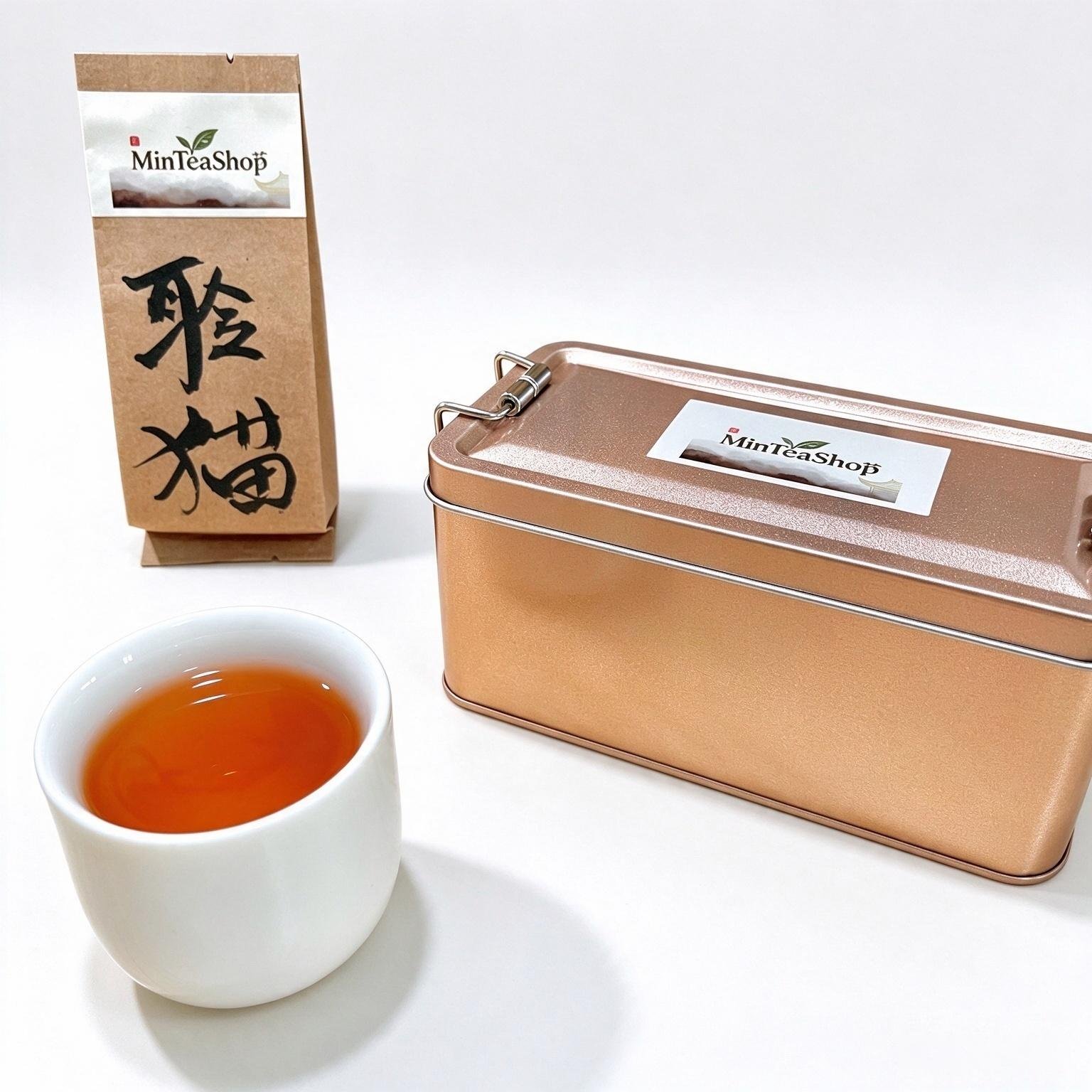
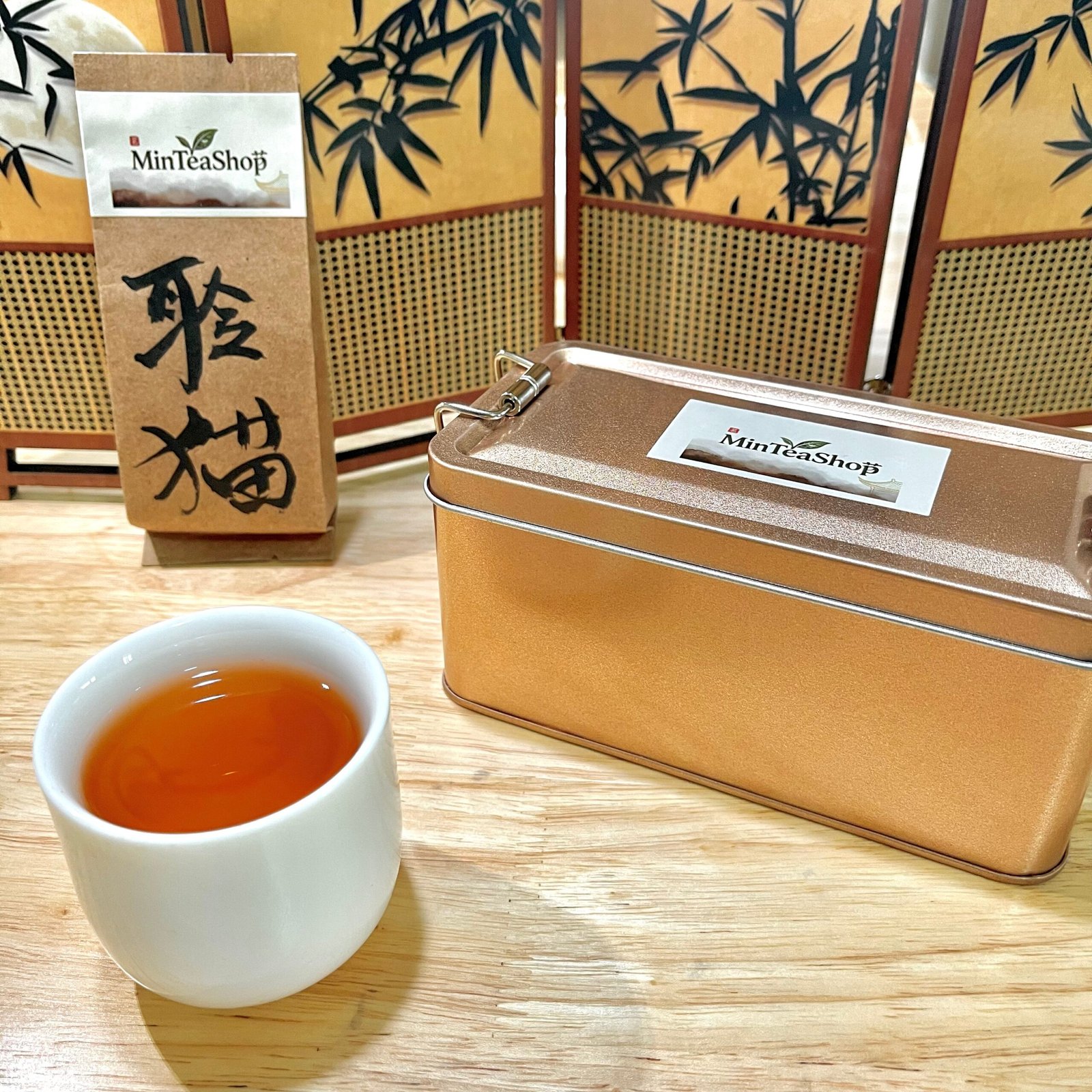
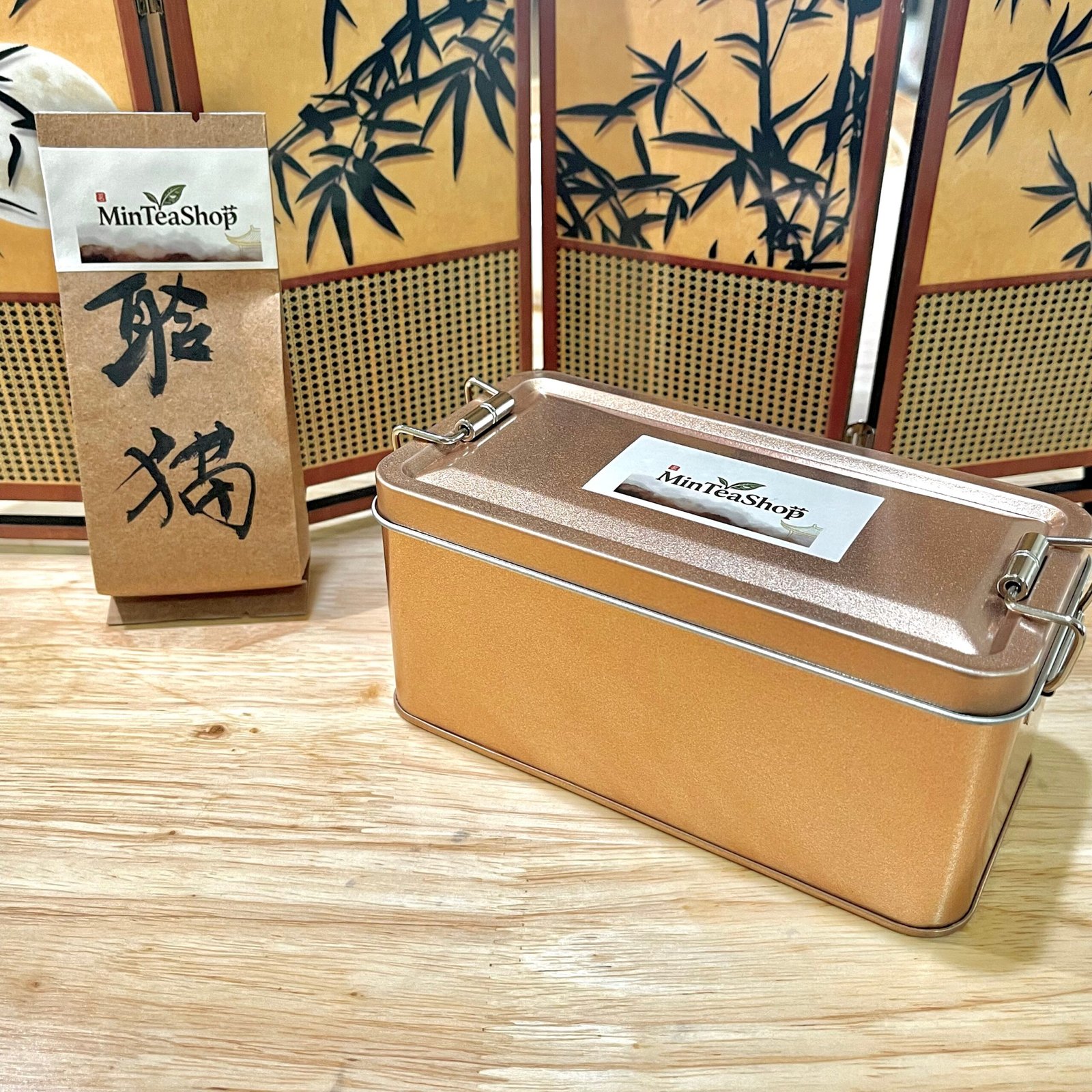
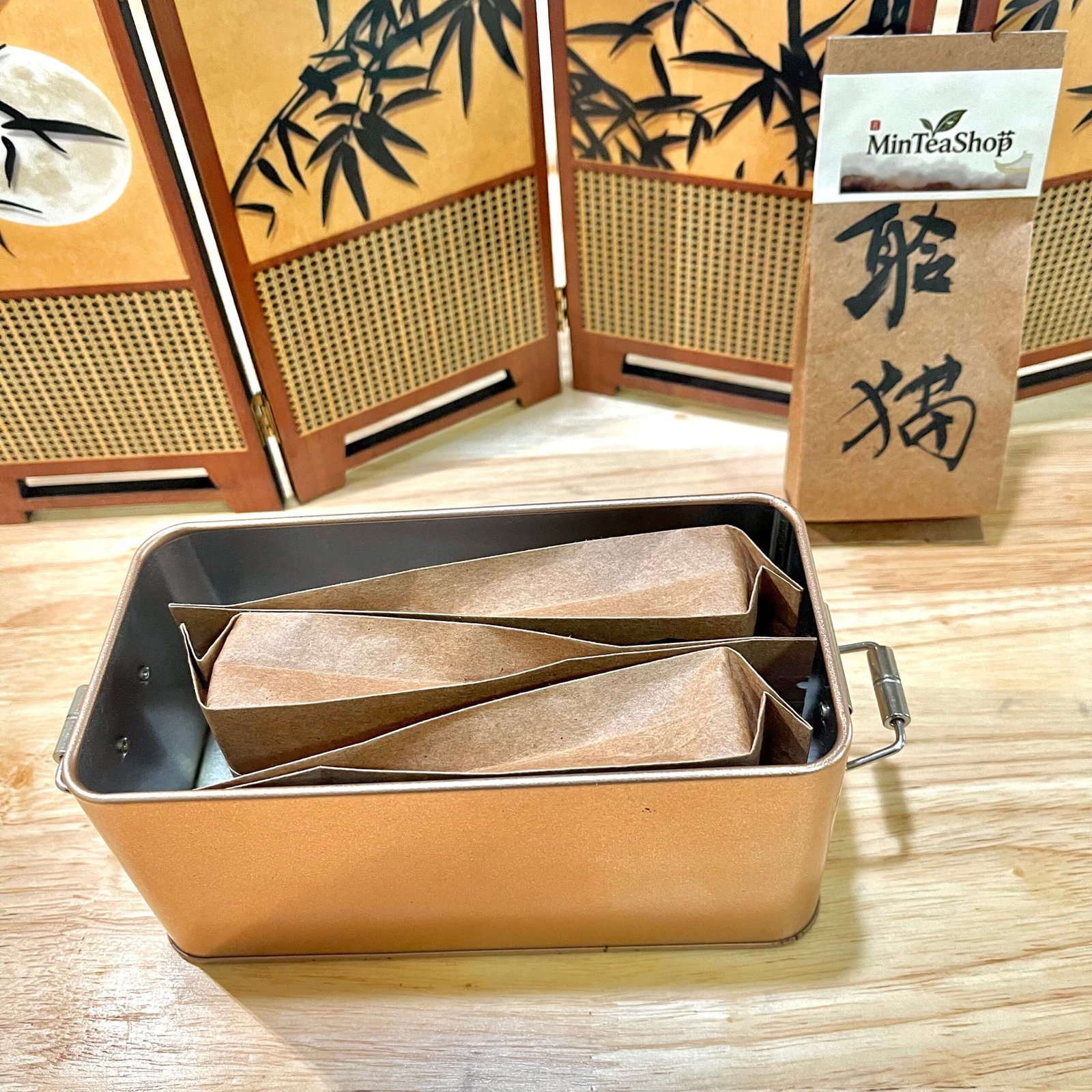
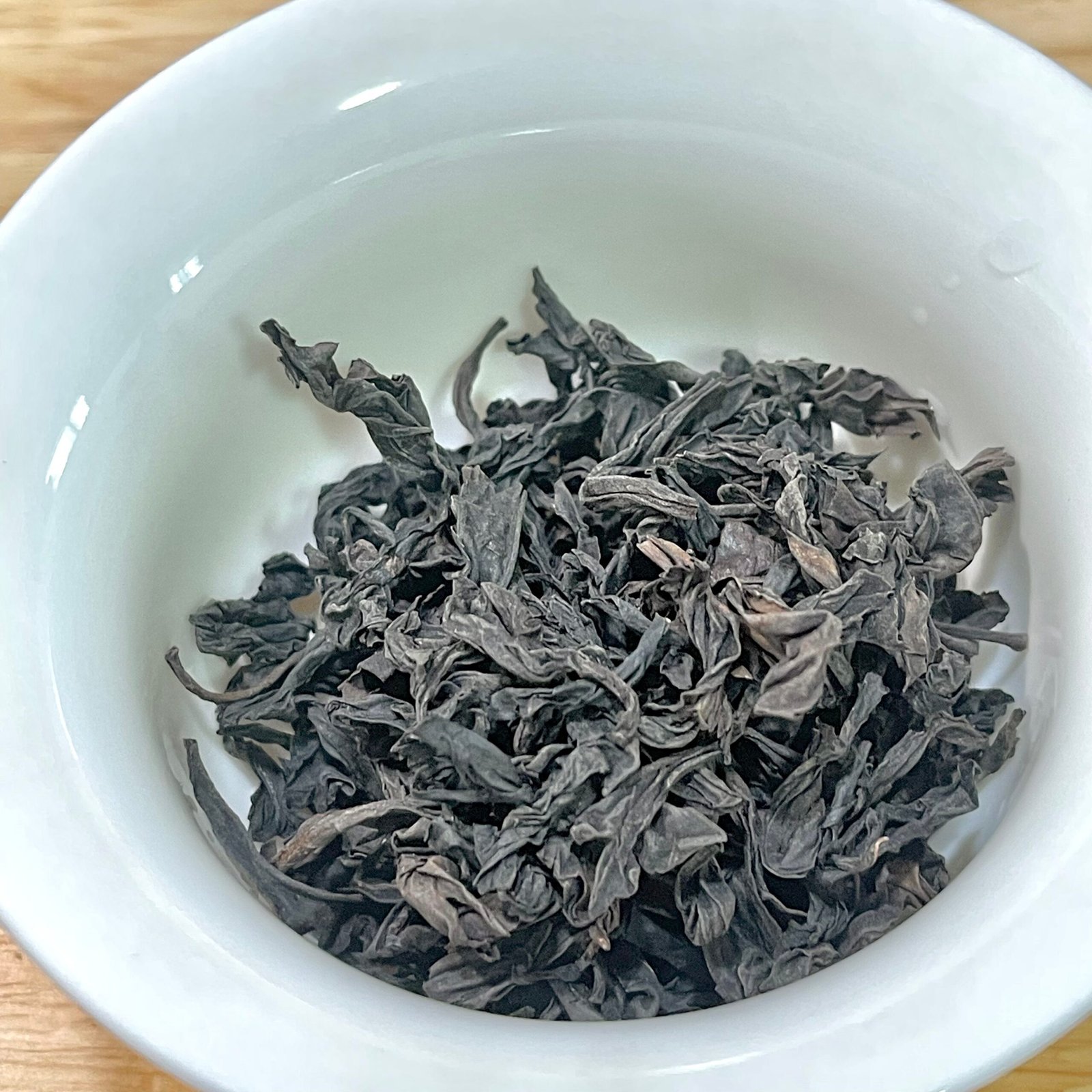
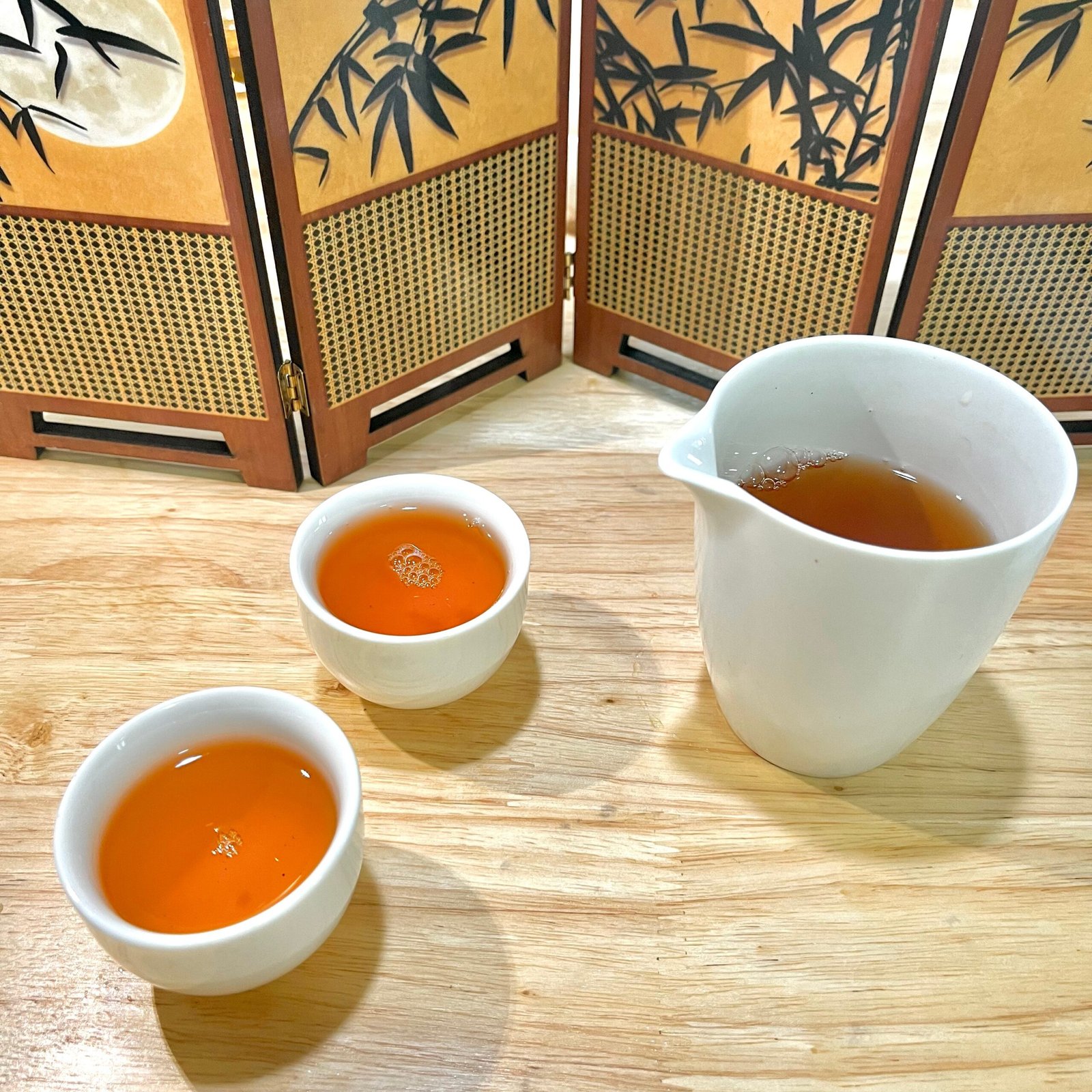
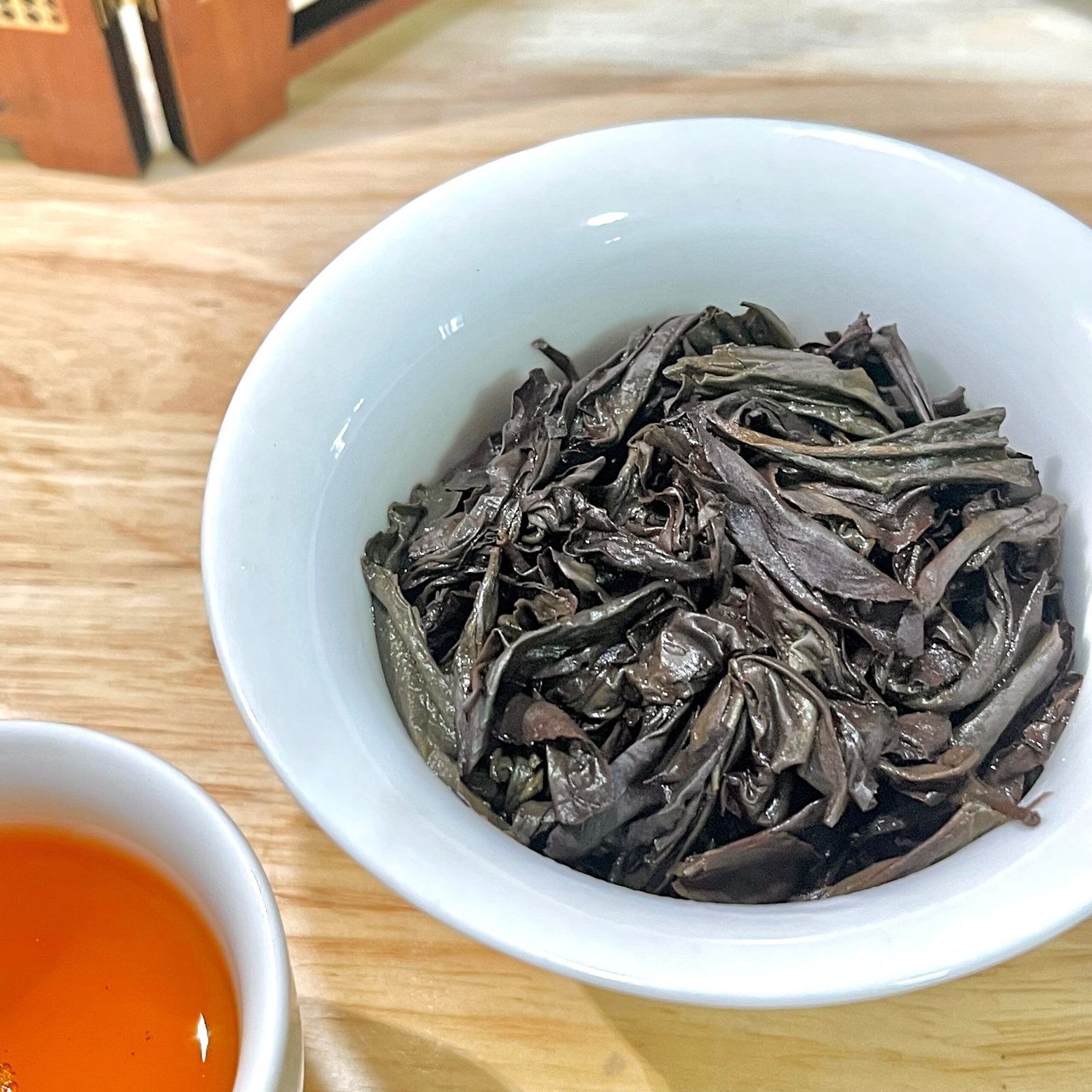
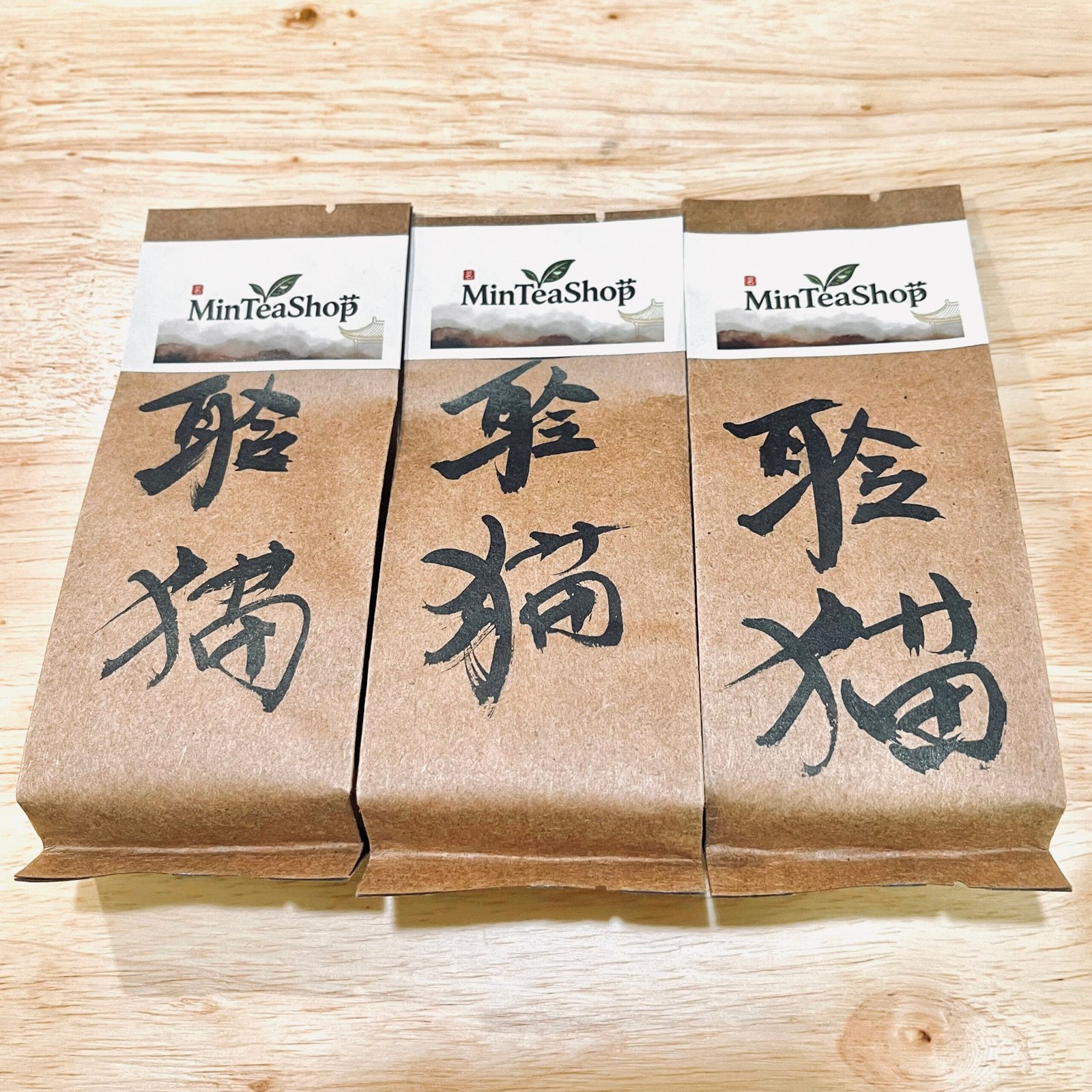
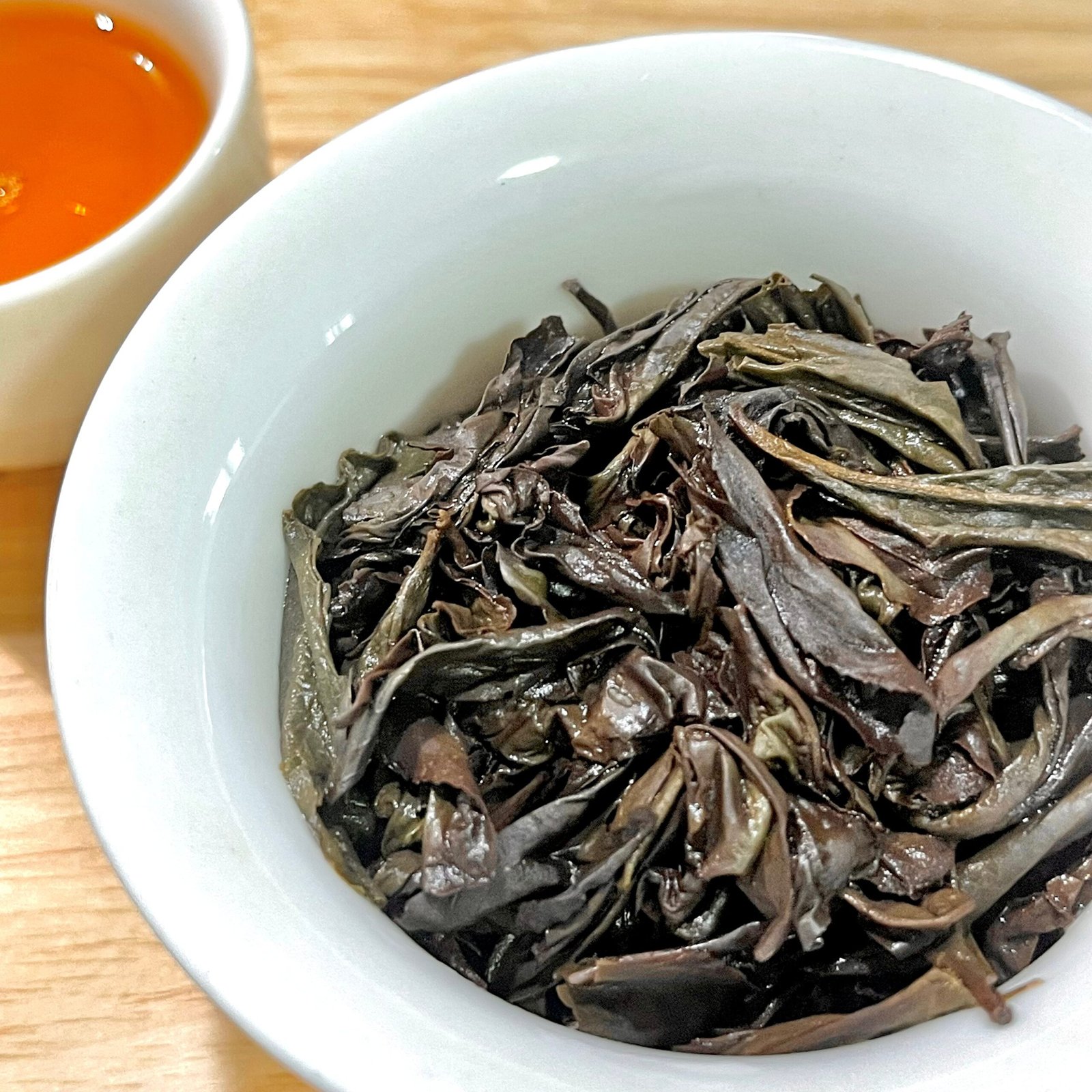
2026 Mao Er Shi, Wuyishan Zhengyan Rougui Rock Tea
Price range: $39.90 through $99.90
2026 Mao Er Shi Zhengyan Rougui rock tea from Ma Tou Yan, Wuyishan, Fujian. Volcanic-rock soil gives bold cassia spice and a cool mineral finish.
Description
Mao Er Shi Rou Gui: Complete Spring 2026 Wuyi Rock Tea Guide
Why Doesn’t All Wuyi Rock Tea Taste the Same?
If you’ve ever tried tea sold as Wuyi Rock Tea and felt the flavor fell short, you’re not alone.
The reason is simple: origin is everything.
True Wuyi Rock Tea gets its iconic flavor from the unique terroir of the Wuyi Mountains. However, teas from other regions are often processed in a similar style and sold under the same name, leaving buyers guessing what they’re actually drinking.
With MinteaShop, you don’t have to take origin on faith.
We own our tea gardens and processing facility in the heart of the Wuyi Mountains, managing quality from leaf to cup. By skipping flashy packaging and excess cost, we focus entirely on what matters most: the quality of the tea inside.
Have you ever paid high prices for Wuyi Rock Tea only to get a flat, bitter cup? You are not alone. Many buyers confuse mass-produced “Rou Gui” with real Zhengyan from core terroirs. This guide gives you the facts on Mao Er Shi Rou Gui, the rare Spring 2026 harvest from Ma Tou Yan. By the end, you will know exactly why this tea costs more, how to brew it right, and if it fits your collection.
What Is Mao Er Shi Rou Gui and Why Is It So Rare?
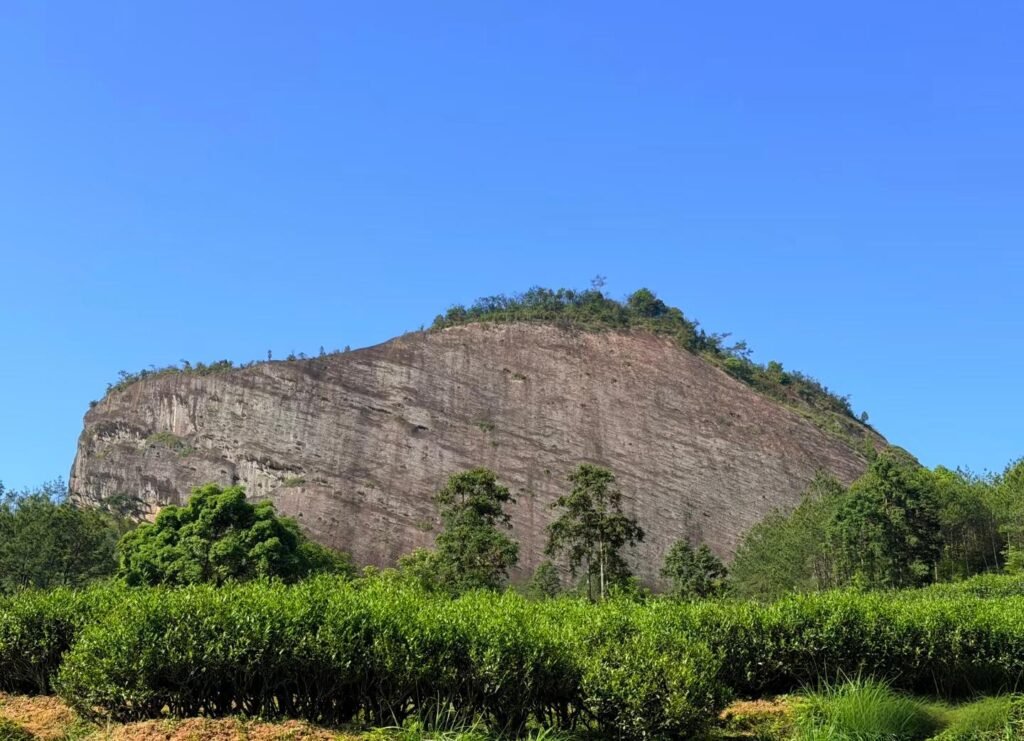
Mao Er Shi is a micro-terroir inside Ma Tou Yan. It is one of the most sought-after spots among Wuyi collectors. Why? Ma Tou Yan produces under 2% of Wuyishan’s annual Rou Gui output.
This plot sits at 450 meters elevation. Volcanic rock lines the soil. The tea plants grow slow. They absorb minerals from the cliff walls. The result is a flavor you cannot fake.

We visited the Ma Tou Yan region in 2023. The air smelled different there. Wet stone. Wild herbs. The tea plants looked stressed in a good way. Stress makes good oolong.
Most “Rou Gui” sold online comes from outer terraces. Those have weaker mineral notes. Zhengyan Rou Gui, like Mao Er Shi, tastes deeper and longer.
How Does Ma Tou Yan Terroir Change the Taste of Rou Gui?
Terroir means how place shapes flavor. In Ma Tou Yan, three factors stand out:
- Volcanic rock soil — Rich in iron and minerals
- High elevation mist — Slows growth, concentrates flavor
- North-facing slopes — Less direct sun, more cool air
These conditions create Yan Yun. This term means “rock rhyme” in Chinese. It describes a mineral buzz on the palate after swallowing. You feel it on the sides of your tongue.
Regular Rou Gui tastes spicy. Mao Er Shi Rou Gui tastes spicy AND mineral. The heat hits the front of your palate immediately. Then a cool, stone-like aftertaste lingers for minutes.
If you want to compare, try our complete guide on Wuyi rock tea Rou Gui for beginners. It explains terrace levels and flavor differences.
What Does Triple Charcoal Roasting Actually Do?
This tea goes through three rounds of roasting. Each round uses medium-density charcoal. Weeks of rest separate each round.
Why so much work?
- First roast — Removes excess moisture, firms up the leaves
- Second roast — Develops the cinnamon spice notes
- Third roast — Balances everything, adds depth
The process takes months. It is not fast. Mass producers skip steps or use machines. They call it “light roasting.” It is not the same.
After three roasts, the leaves turn dark brown. They smell like baked cinnamon. When you brew them, the scent opens up slowly. First steep: sweet. Second steep: spicy. Third steep: rocky.
We recommend this for collectors who already drink Zhengyan regularly. First-time buyers should start with our beginner’s guide to Wuyi rock tea or explore our Gongfu brewing guide for Wuyi oolong to learn how to brew Wuyi oolong tea the right way.
How to Brew: Gongfu Ritual Guide
Gongfu means “skill with effort.” It is the traditional way to brew Yancha. Here is what you need:
Equipment:
- Gaiwan or clay teapot (100–150ml)
- Boiling water (205–210°F / 96–99°C)
- 8.5g of Mao Er Shi Rou Gui
- Timer
- Small cups for tasting
- Use 8g of dry leaf in a 110ml gaiwan (about 70% full)
- Water temperature: 212°F (100°C), full boil
- First rinse: 3 seconds, discard — this wakes the leaf
- Steeps 1–3: 10 seconds each
- Steeps 4–7: 15–20 seconds each
- Steeps 8+: Add 10 seconds per infusion
- Pour every drop into a side pitcher to prevent over-steeping
Infusion Schedule:
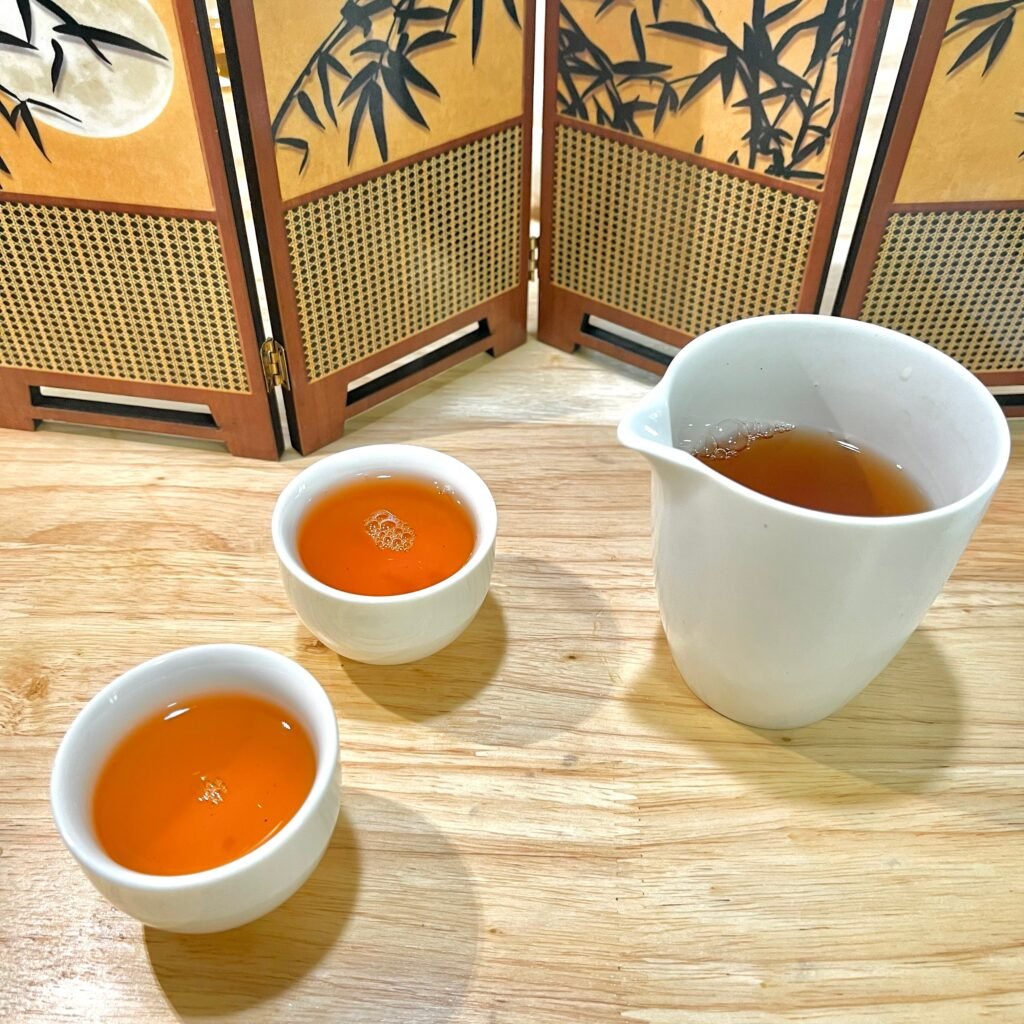
Best time of day to drink it: late afternoon or evening. The warmth settles you. Many people compare it to a quiet moment alone.
How Many Times Can You Steep an 8.5g Pouch of Rock Tea?
An 8.5g pouch gives you 8 to 10 solid steeps. Some collectors push to 12 if the leaves are high quality.
What counts as a “steep”? Each pour with fresh water and a timed rest. Some brewers rest 10 seconds. Others rest 30. Longer rests extract more.
Math time: If you brew 8 times from one pouch, each cup costs about 1.50–1.50–2.00. That is cheap for a premium tea session.
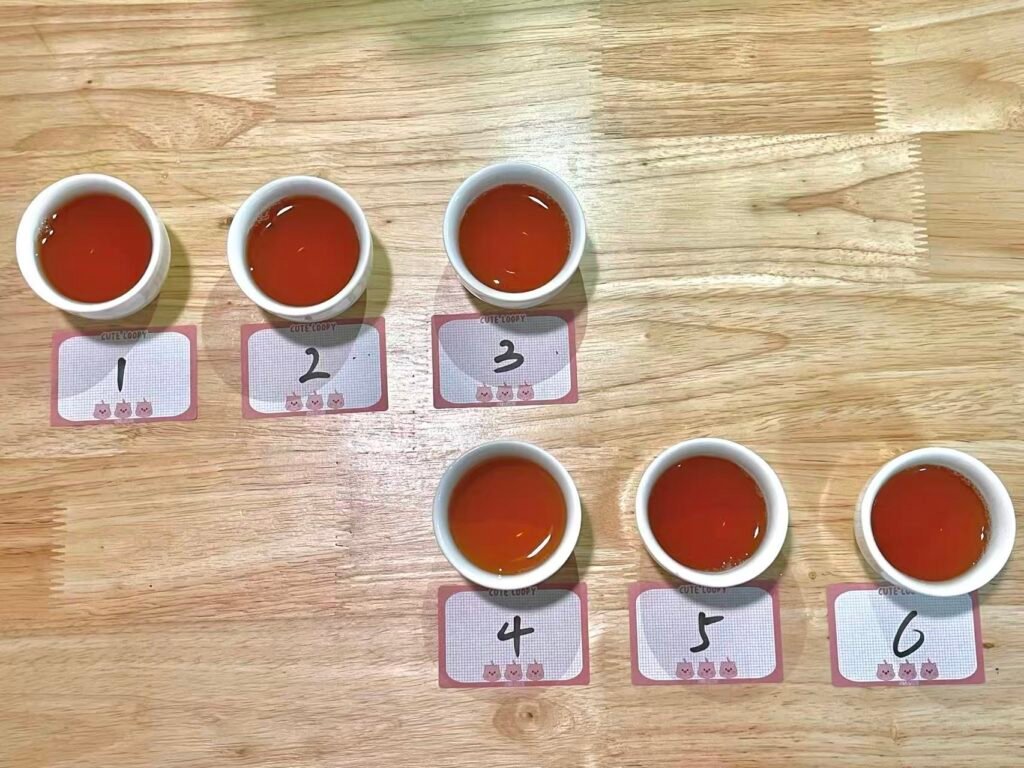
Pro tip: Store used leaves in a breathable container. Some people resteep them the next day. The flavor drops, but it still tastes good.
Is Mao Er Shi Rou Gui a Good Gift for Someone New to Oolong?
It depends.
Good for:
- People who already enjoy dark tea or Pu-erh
- Collectors looking for a specific terrour
- Gifts for tea enthusiasts who know the difference
Not ideal for:
- Beginners who prefer mild, sweet tea
- People who drink mostly green tea
- Casual drinkers who want quick, simple flavor
If you buy this as a gift, include our [Wuyi oolong brewing guide for beginners-guide on brewing Wuyi rock tea for the first time]. It helps new brewers avoid common mistakes.
What Do Reviews Say About This Tea?
Our customers rate it 4.9 out of 5 stars. Common praise:
- “Tastes like being in the mountains.”
- “Best Rou Gui I have ever had.”
- “Spicy but not overwhelming.”
- “Mineral finish lasts forever.”
One buyer said: “I thought I knew Rou Gui. This is something else. The aftertaste stayed with me for 20 minutes.”
Scientific Backing & Wellness Benefits
Beyond its captivating aroma and complex mineral flavor, traditional charcoal-roasted oolong tea offers a rich profile of bioactive compounds. Research highlights that the controlled fermentation and roasting process of oolong leaves helps preserve essential catechins, polyphenols, and unique aromatic compounds that contribute to daily relaxation and antioxidant support. For a deeper dive into the specific molecular profile and compound composition of oolong tea leaves, see this NCBIPubMed study on oolong catechins.
Frequently Asked Questions
Here are the most common questions we get about Mao Er Shi Rou Gui:
What makes Mao Er Shi Rou Gui different from regular Rou Gui?
Mao Er Shi is a micro-terroir inside Ma Tou Yan, one of the core volcanic valleys in Wuyishan. It produces under 2% of Wuyishan’s annual Rou Gui output. The volcanic rock soil and 450-meter elevation create a mineral flavor that outer-terrace Rou Gui simply cannot match. You will taste it in the long, stone-like aftertaste.
How should I store this tea after opening?
Keep the pouch sealed tight. Store it in a cool, dry place away from direct sunlight. Do not refrigerate it. The nitrogen seal keeps the leaves fresh for months, but once opened, oxygen starts breaking down the volatile oils. We recommend using the entire pouch within 3 months of opening.
Why is this tea roasted three times?
Each roast round serves a specific purpose. The first removes moisture. The second builds the cinnamon spice character. The third round brings everything together into a balanced, complex profile. The weeks of rest between rounds allow the leaves to settle. Mass producers skip steps to save time. The flavor suffers.
Can I brew this in a regular teapot instead of a gaiwan?
Yes, but the ratio changes. Use 5g instead of 8.5g per 300ml of water. Steep for 2–3 minutes. The flavor will still be good, but you lose the layering effect that gongfu brewing reveals. We wrote a [guide on brewing Wuyi oolong with regular teapots-complete guide on brewing Wuyi oolong tea with regular teapots] if you want to try both methods.
Is this tea good for people with sensitive stomachs?
Yancha is fermented and roasted. Both processes reduce astringency compared to green tea. Many customers report that it sits well after meals. We do not make medical claims. If you have a sensitive stomach, start with a small amount (3g) and see how you feel. Do not drink it on an empty stomach if you are new to rock tea.
What does “Zhengyan” mean?
Zhengyan means “true rock.” It refers to tea grown in the original Wuyishan rock zone, the UNESCO World Heritage area. Only tea from this zone can legally carry
A Final Note
Whether you’re a seasoned tea drinker or just starting out, every order includes a free bonus: a sample of our everyday Wuyi Tea, alongside an extra variety sample to explore.
Pure, clean, and delicious, this is our go-to for daily sipping. But why include it?
For Experienced Tea Lovers: You might quickly realize that what other vendors market as “premium” is simply our everyday baseline. We cut the markup—never the quality.
For Beginners: It gives you a reliable reference point. Tasting it side-by-side with your main order lets you instantly recognize authentic Wuyi Rock Tea notes, so you’ll never overpay again.
More Wuyi rock tea to explore: Liuxiangjian Zhengyan Rougui · Mazhenfeng Zhengyan Rougui · Xiao Niu Rou Zhengyan Rougui · all rock tea
Additional information
| size | 1 Packs (0.3oz), 2 Packs (0.6oz), 3 Packs (0.9 oz) |
|---|
Related products
-

2026 Mazhenfeng, Wuyishan Zhengyan Rougui Rock Tea
Price range: $10.90 through $149.90Select options This product has multiple variants. The options may be chosen on the product page -
2026 Yezhuke, Wuyishan Zhengyan Rougui Rock Tea
Price range: $9.90 through $139.90Select options This product has multiple variants. The options may be chosen on the product page -
2026 Jiulongke, Wuyishan Zhengyan Rougui Rock Tea
Price range: $23.90 through $299.90Select options This product has multiple variants. The options may be chosen on the product page -
2026 Lingyang Pass, Wuyishan High Mountain Rougui Rock Tea
Price range: $12.90 through $189.90Select options This product has multiple variants. The options may be chosen on the product page
Reviews
There are no reviews yet.