


Wuyi Rougui Oolong Tea from Taoyuan Ke, 2026
Price range: $10.90 through $149.90
Taoyuan Ke Rougui oolong from Wuyishan: a Ban Yan rock tea with cinnamon, charcoal and a mineral finish. 8.3 g sachets, 8–10 infusions.
Description
Taoyuan Ke Rougui: A Ban Yan Rock Tea
First published: 2 November 2026 · Last updated: 9 November 2026
Most rock teas priced for daily drinking taste thin. The famous names cost too much for a morning cup, and the cheaper options taste flat.
We drink Wuyi Rougui Oolong Tea most mornings ourselves. It comes from the Taoyuan Ke area in Wuyi Mountain, Fujian. Master roaster Lin, who has worked these ovens for 22 years, roasts it three times over charcoal. One 8.3 g sachet gives us eight to ten cups.
This guide covers what the tea tastes like, where it grows, and how to brew it well. You will also learn how Ban Yan and Zheng Yan rock teas differ. Last, we share an honest take on caffeine and daily drinking. We updated every figure in 2026 after a fresh tasting round.
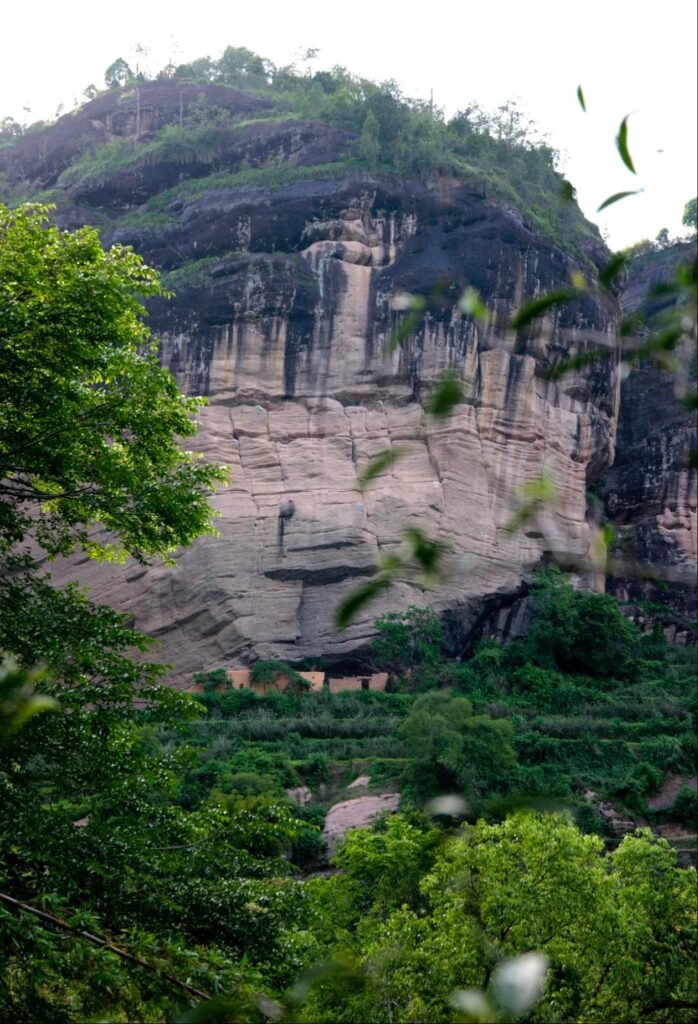
What Is Taoyuan Ke Rougui Tea?
Taoyuan Ke Rougui tea is a semi-rock (Ban Yan) oolong from the Taoyuan Ke micro-terroir in Wuyi Mountain, Fujian. It grows at 300 to 500 meters and receives a triple charcoal roast. You get the cinnamon aroma and mineral body of full-rock teas at a lower price.
The name splits into three parts. Each one tells you something useful:
- Wuyi — the mountain range in northern Fujian, China, and the source of all Wuyi Yancha.
- Rougui — the tea shrub cultivar, or plant type, behind most Wuyi oolong.
- Taoyuan Ke — a well-known Ban Yan growing area inside the Wuyi range.
The whole process runs in three steps:
- Terroir — Taoyuan Ke, Ban Yan zone, Wuyi Mountain, 300 to 500 m.
- Roast — three rounds over slow charcoal embers, medium-heavy.
- Cup — spicy cinnamon, wild floral, Yan Yun mineral body.
What Does Yan Yun Taste Like in Wuyi Rougui Oolong Tea?
Yan Yun (岩韵) means rock charm. It is the mineral depth that Wuyi rock teas are famous for. Many drinkers assume it means bitterness or a dry, heavy throat. In practice it is closer to drinking slate water. The liquor feels thick and clean, and the aroma fades into a sweet finish.
We taste every batch with three people before it ships. Here is what the cup gives us, in order:
- Aroma: warm cinnamon bark, wild floral notes, and a light caramel sweetness.
- Taste: spice first, then a mineral pull that dries the mouth just enough to keep you sipping.
- Body: thick and heavy in the mouth, but never syrupy.
- Finish: clean and long, and the cinnamon note still shows in the last cup.
This is the Yan Yun that drinkers look for in a good rock tea, and it arrives early. You feel it by the second cup.

Lab work on Wuyi rock tea has mapped the aroma compounds behind the cinnamon note. A search of the PubMed literature turns up the peer-reviewed studies. Our tasting notes agree with what those papers describe.
If you enjoy the mineral body, you may also like the other Rougui tea varieties we sell from Wuyi Mountain.
Why Does Taoyuan Ke Matter for Rock Tea?
Taoyuan Ke sits in the Ban Yan belt of Wuyi Mountain, 1,000 to 1,600 feet above sea level. Mist, weathered rock, and old leaf litter feed the Rougui shrubs that grow there. Wuyi Mountain has held UNESCO World Heritage status since 1999. It is also one of the oldest oolong regions on earth.
Ban Yan means half rock. The soil holds less rock than the Zheng Yan core, so the mineral character is gentler. You pay less, and the tea is easier to drink every day.
Here is how the two main rock tea zones compare:
| Attribute | Taoyuan Ke (Ban Yan) | Zheng Yan (full rock) |
|---|---|---|
| Soil | Semi-rock soil | Core rock soil |
| Altitude | 300–500 m | Up to 700 m |
| Mineral body | Medium and clean | Heavy and sharp |
| Aging | Good for 1–2 years | Often aged 3 years or more |
| Price | Accessible | Premium |
| Best use | Daily cups | Gifting and long sessions |
How Do You Brew Wuyi Rougui Oolong Tea?
Good brewing matters more here than with most teas. A rolled, charcoal-roasted oolong opens fast, and one long steep turns the cup harsh. Work in short steeps and it stays sweet from the first pour to the last.
Gaiwan method: fast and high fidelity
- Warm the gaiwan. Fill it with hot water, swirl, and pour the water out.
- Add the leaf. Use one 8.3 g sachet, or about 5 g of loose leaf per 100 ml.
- Pour the first steep. Add about 120 ml of 100°C (212°F) water.
- Pour and repeat. Steep 5 to 10 seconds, then pour the liquor out fully. Add 5 more seconds after the third cup.
- Stop at the right point. End when the sweetness fades, usually after 8 to 10 infusions.
Teapot method: easy and larger cups
Use 4 g of leaf for every 8 fl oz of water. Steep for 3 minutes and pour. A second steeping of 2 minutes works well, and the leaves still hold up for a third, shorter cup.
Water, timing, and common mistakes
Water at 100°C (212°F) is right for a rolled oolong. If you only have boiling water, let it sit for a minute. Filtered water gives a cleaner cup than hard tap water, which dulls the aroma.
- Water below 90°C leaves the leaf tight and bitter.
- A long first steep turns the liquor harsh and flat.
- Skip the rinse. This roast does not need one, and rinsing wastes aroma.
- In winter we steep the sachets slightly longer at 205°F and get a sweeter cup.
New to gongfu brewing? Our gaiwan brewing guide covers the gear and the rhythm.
Want one cup before you commit? The single 8.3 g sachet makes eight to ten cups and costs less than a cafe tea. Browse our loose leaf oolong collection to compare other daily-drinking options.
How Many Infusions Can Wuyi Rougui Oolong Tea Take?
In our test kitchen, this triple charcoal-roasted Rougui holds its flavor for 8 to 10 infusions. Some drinkers report more. Steep strength and longevity vary with water temperature, leaf age, and pour time. A shorter steep gives you a longer session, so save the longest pours for the end.

How Much Caffeine Is in Wuyi Rougui Tea?
Roasted oolong sits in the middle range for tea caffeine. The FDA puts most tea between 14 mg and 61 mg of caffeine per 8-ounce cup. The number moves with leaf and brew time.
Our own batch spec puts this tea near 20 to 30 mg per 8 fl oz cup. Use 3 g per 8 fl oz if you want a milder cup, and keep your last steep short. People who are sensitive to caffeine should start low and check with a doctor if unsure.
Is Taoyuan Ke Rougui Tea the Same as Zheng Yan Rock Tea?
No. Taoyuan Ke is a Ban Yan (semi-rock) area, not a Zheng Yan (full-rock) core area. It shares the cinnamon aroma and mineral body of Wuyi rock teas. It also costs less, which makes it easier to drink daily. Zheng Yan tea comes from small rock pockets with older shrubs. In our experience, those lots sell for several times the price.
Is Wuyi Rougui Oolong Tea Good for Daily Drinking?
Yes. The balanced triple charcoal roast and smooth mouthfeel make it easy to drink every day. The medium caffeine level suits an afternoon cup. The leaf is also full of polyphenols, the natural compounds behind tea color and taste.
Three reasons it works well in a daily rotation:
- Daily drinking Wuyi Rougui Oolong Tea: an affordable, premium-quality staple for daily tea rituals, with a per-cup cost that stays low.
- Clean roast profile. Medium-heavy and not smoky, so it does not wear out your palate by noon.
- Long sessions. Eight to ten infusions means one sachet covers a whole workday.
If you are pregnant, nursing, taking medication, or sensitive to caffeine, talk to your doctor first. This article is for general information, not medical advice.
Wuyi Rougui Tea Specifications and Batch Details
| Attribute | Detail |
|---|---|
| Origin | Taoyuan Ke, Wuyi Mountain, Fujian, China |
| Zone and altitude | Ban Yan (semi-rock), 300–500 m |
| Cultivar | Rougui (Camellia sinensis) |
| Harvest | Spring harvest |
| Roast | Triple charcoal roast, medium-heavy |
| Leaf ratio | 8.3 g per 120 ml (gaiwan), 4 g per 8 fl oz (teapot) |
| Water | 100°C / 212°F |
| Infusions | 8–10 |
| Formats | 3, 6, 18, 30 or 60 × 8.3 g sachets |
| Caffeine | Medium, roughly 20–30 mg per 8 fl oz cup |
| Standard | GB/T 18745-2006 |
The lot is sold as Wuyi Yan Cha under GB/T 18745-2006, the national standard for Wuyi rock tea.
Health Disclosure and Sourcing Notes for Wuyi Rougui Tea
Affiliate disclosure: This article may contain affiliate links. If you buy through one of them, we may earn a small commission at no extra cost to you. Our editorial decisions are not influenced by commission.
Health disclaimer: This content is for general information only and is not medical advice. Caffeine content in tea varies by batch and brew time. The FDA notes that typical tea ranges from about 14 mg to 61 mg of caffeine per 8-ounce cup. Consult your physician if you are pregnant, nursing, taking medication, or sensitive to caffeine. Statements about polyphenols and digestion describe tea composition in general terms, not health claims.
Sourcing: Steeping figures (8–10 infusions, 5–10 second first steep) come from our own test kitchen protocol. Flavor descriptions come from a sensory panel of three tasters and vary by palate and water temperature.
Last fact-check:
Frequently Asked Questions About Wuyi Rougui Oolong Tea
What is Taoyuan Ke Rougui tea?
Taoyuan Ke Rougui tea is a semi-rock, or Ban Yan, oolong. It comes from the Taoyuan Ke micro-terroir in Wuyi Mountain, Fujian. It grows at 300 to 500 meters and receives a triple charcoal roast. You get the cinnamon aroma and mineral body of full-rock teas at a lower price.
How do you brew Wuyi Rougui Oolong Tea?
Use one 8.3 g sachet in a 120 ml gaiwan with 100°C (212°F) water. Steep 5 to 10 seconds for the first cups, then add 5 more seconds after the third cup. End when the sweetness fades, usually after 8 to 10 infusions. For a teapot, use 4 g of leaf per 8 fl oz and steep for 3 minutes.
How many infusions can it take?
In our test kitchen, the triple charcoal-roasted Rougui holds its flavor for 8 to 10 infusions. Some drinkers report more. Strength and longevity vary with water temperature, leaf age, and pour time. Shorter steeps give you a longer session.
How much caffeine is in a cup?
Roasted oolong sits in the middle range for tea caffeine. The FDA puts most tea between 14 mg and 61 mg of caffeine per 8-ounce cup. Our own batch spec puts this tea near 20 to 30 mg per 8 fl oz cup. Use 3 g per 8 fl oz for a milder cup.
Is Taoyuan Ke Rougui tea the same as Zheng Yan rock tea?
No. Taoyuan Ke is a Ban Yan (semi-rock) area, not a Zheng Yan (full-rock) core area. Both share the cinnamon aroma and mineral body of Wuyi rock teas. Zheng Yan comes from small rock pockets with older shrubs. In our experience, those lots sell for several times the price.
Is it good for daily drinking?
Yes. The balanced triple charcoal roast and smooth mouthfeel make it easy to drink every day. The medium caffeine level suits an afternoon cup. One 8.3 g sachet covers 8 to 10 cups, so the cost per cup stays low. People who are sensitive to caffeine should start with short steeps and check with a doctor.
What does Yan Yun taste like?
Yan Yun means rock charm. It is the mineral depth that Wuyi rock teas are famous for. Many drinkers think it means bitterness or a dry throat, but it is closer to drinking slate water. The liquor feels thick and clean, and the aroma fades into a sweet finish.
Why does the terroir matter?
Taoyuan Ke sits in the Ban Yan belt of Wuyi Mountain, 1,000 to 1,600 feet above sea level. Mist, weathered rock, and old leaf litter feed the Rougui shrubs that grow there. Ban Yan means half rock, so the soil holds less rock than the Zheng Yan core. The mineral character is gentler and the price is easier to live with.
Additional information
| Weight | 0.0249 kg |
|---|---|
| size | 3 Packs (0.88 oz), 6 Packs (1.76 oz), 18 Packs (5.27 oz), 30 Packs (8.78 oz), 60 Packs (17.57 oz) |
Related products
-

Wuyi Rock Oolong Tea: Best Taoyuan Ke Rou Gui 2026 Ultimate Guide
Price range: $12.90 through $189.90Select options This product has multiple variants. The options may be chosen on the product page -
Jiulongke Rougui Rock Tea, 2026 Wuyishan Zhengyan
Price range: $23.90 through $299.90Select options This product has multiple variants. The options may be chosen on the product page -
The Ultimate 2026 Wuyi Rock Tea Guide: Best Rougui Tasting & Brewing
Price range: $9.90 through $106.90Select options This product has multiple variants. The options may be chosen on the product page -
Wuyi Rock Tea Shui Xian: 38-Year Old Bush Reserve 2026
Price range: $9.90 through $106.90Select options This product has multiple variants. The options may be chosen on the product page


Reviews
There are no reviews yet.