Bai Hao Yin Zhen (Silver Needle): Grades, Taste and Brewing
Bai Hao Yin Zhen is the bud-only white tea from Fuding, Fujian — the highest of the four white tea grades. What it tastes like, how to judge it and how to brew it.


Bai Hao Yin Zhen is the bud-only white tea from Fuding, Fujian — the highest of the four white tea grades. What it tastes like, how to judge it and how to brew it.

Gong Mei and Shou Mei differ in what is picked and how fast they age. Compare picking standard, taste, body, and which suits daily drinking or storage.

Silver Needle is the bud alone; White Peony is one bud and two leaves. Compare taste, body, how forgiving each is to brew, caffeine reality and price.

Shouning white tea guide: county elevations, climate and soil, the 2014 GI registration, the 2020 protection project, and why Taimushan is not in Shouning.

If you only ever drink one white tea, make it this one. White Peony — Bai Mudan, 白牡丹 — is the grade that sits between the delicacy of Silver Needle and the robustness of Shoumei, and it is the one most people find immediately drinkable. It is also the grade with the most internal variation:…
Shoumei tea (also written Shou Mei) is the leaf-and-stem white tea from Fujian. It is the fourth of the four white tea types, and the one picked latest in spring. Where Silver Needle is all bud and White Peony is bud plus leaf, Shoumei tea is the fully opened leaf with its stem still attached….
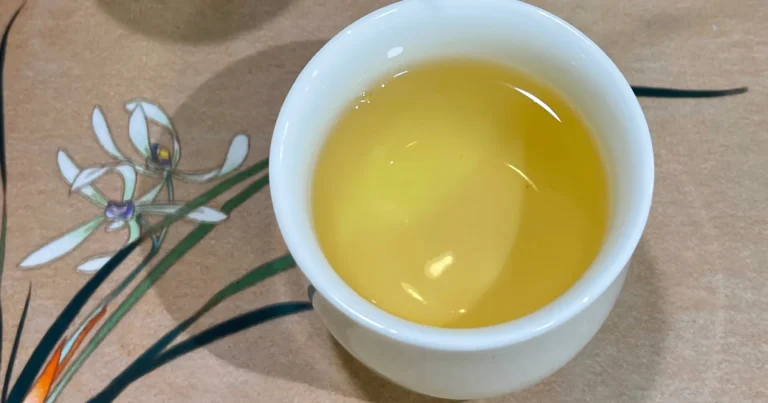
New to white tea? Learn how to start drinking white tea: pick a forgiving type, brew at 85–90°C, steep 15–20 seconds, and store it dry. Five simple steps.
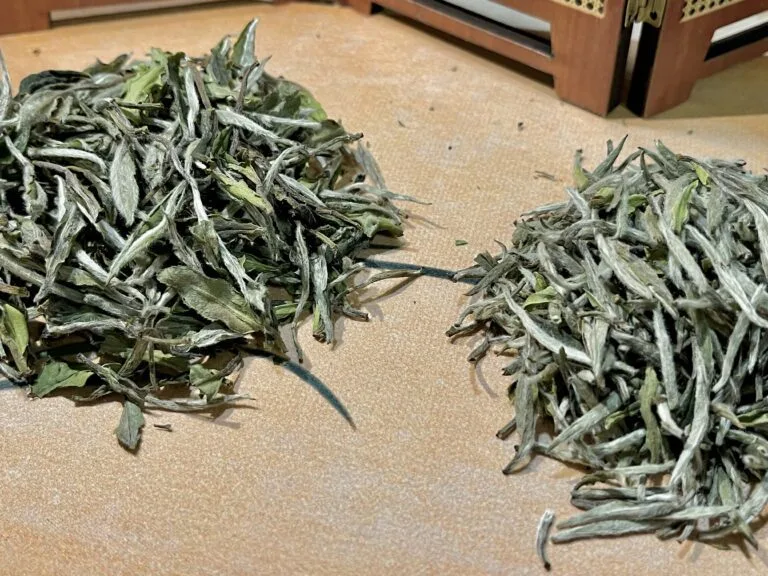
Chinese white tea is not one product. The national standard defines exactly four, and the difference between them is not quality — it is which parts of the plant were picked. That single fact explains most of what follows: why Silver Needle costs more than Shoumei, why one tastes delicate and the other rounded, and…

Quick Answer White tea is good for three ordinary things: a clean, gentle flavour, a moderate caffeine lift, and a polyphenol profile broadly similar to green tea. It is not a medicine, and the strongest claims made for it are not supported by human trials. What the evidence actually shows: Antioxidants. White tea contains catechins…