
How to Brew Shou Mei White Tea: 4 Methods + 3 Mistakes
It’s the dog days of summer. The AC is blasting at 16°C. A steaming cup of tea sits by your side—sounds odd?
Ask any seasoned tea drinker. They’ll tell you: white tea is the summer connoisseur’s choice.
Shou Mei is the most underrated of the bunch. With its thick stems and broad leaves, it looks rough at first glance. But once steeped, it reveals a sweet, velvety depth.
That “roughness” is exactly where most people mess up their first try. Water temperature too low. Ratios off. Or worse—reaching for a Yixing clay teapot. Just like that, a perfectly good Shou Mei gets reduced to “leaf water.”
This guide pulls together four reliable brewing methods and three common mistakes to avoid. By the end, you’ll brew like a pro.
🍵 New to white tea in general? Start with our White Tea Beginner’s Guide before diving in.
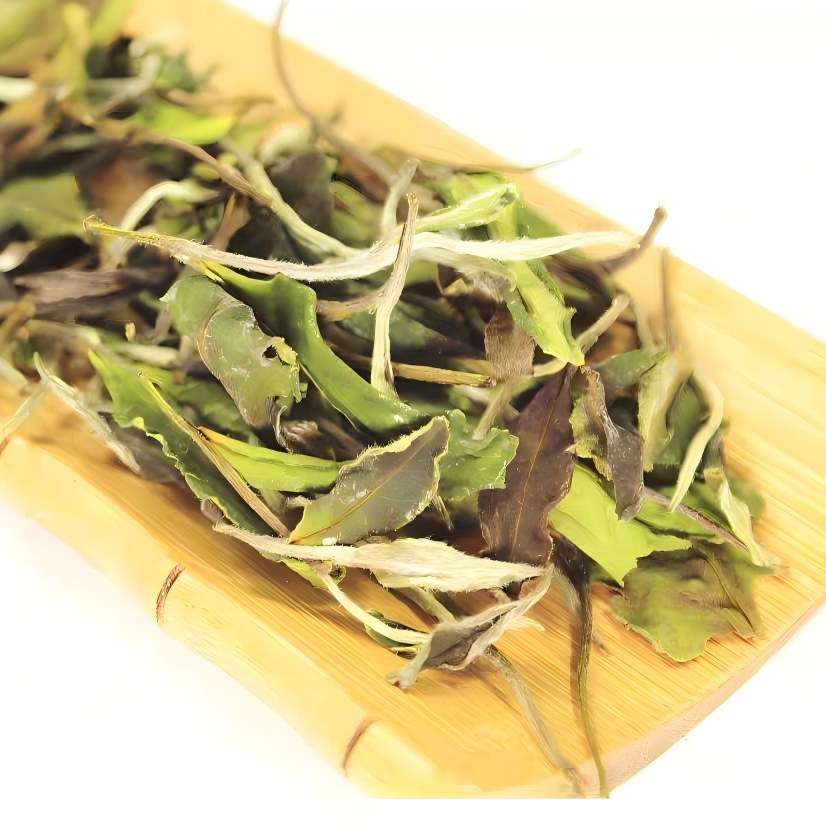
What Is Shou Mei—and Why Are the Stems the Secret?
Shou Mei (寿眉) is one of the four official categories of Chinese white tea. Under the national standard GB/T 22291-2017 “White tea”—which replaced the older GB/T 22291-2008 in May 2018—Shou Mei is defined as a product made from young shoots or leaves of Da Bai (大白茶), Shui Xian (水仙), or heirloom tea cultivars, processed through withering, drying, and sorting. (Source)
So those thick stems you see in your Shou Mei aren’t accidental. They’re part of the spec.
But here’s where it gets interesting. A 2024 study in Food Chemistry found that those stems actively shape white tea’s flavor during withering: leaf catechins decrease, but stem proteins break down into amino acids, theanine converts partly into GABA, and a key aroma compound—phenylacetaldehyde—forms primarily in the stems. (Source)
In other words, Shou Mei’s “roughness” isn’t a flaw. It’s the secret to its depth.
Where the Best Shou Mei Grows
Some of the most prized Shou Mei comes from Fujian’s high-mountain regions, where cooler temperatures, misty mornings, and mineral-rich soils slow leaf growth and concentrate flavor compounds. The tea we source from Shouning County, Fujian—a tea-growing region with over a thousand years of history—has all of this built in. That’s part of why our Shou Mei tastes naturally sweet, holds up across many infusions, and needs no additives.
📚 Want to see how Shou Mei fits among China’s white teas? See our guide to the 4 types of Chinese white tea.
A separate metabolomic study confirmed that Shou Mei differs significantly from Silver Needle and Bai Mu Dan in catechins, dimeric catechins, amino acids, phenolic acids, and flavonoid glycosides—with key taste compounds like EGCG, ECG, theogallin, and caffeine all contributing to its distinct profile. (Source)
To unlock all that, the way you brew it matters.
📚 Related: For the official processing standard, see GB/T 32743-2016 “White tea processing technical specification” (in Chinese).
How Do You Brew Shou Mei White Tea? 4 Methods That Work
There’s no single “right” way. Different occasions call for different methods. Here are four that work.
🥢 Method 1 | Gaiwan Steeping | The Classic
Best for: everyday drinking, hosting guests, savoring layered aromas
① Warm the vessels
Rinse the gaiwan, fairness pitcher, and cups with boiling water. This step is easy to skip—especially when you’re in a hurry. Cold vessels cool your tea on contact, and you lose the fragrance.
② Add the leaves
Use about 5–6 grams of dry tea per 100 ml of water as a starting point. Across Chinese, English, and Reddit tea communities, this ~1:50 tea-to-water ratio is the most consistent recommendation for Shou Mei. (Reddit discussion) Want it stronger? Try 6–7 g per 100 ml. Shou Mei leaves are bulky but weigh very little.
③ Rinse the leaves
Pour boiling water, decant within 30 seconds, discard. This wakes up the dried leaves.
④ Steep
Pour boiling water from a height. Decant the first infusion after 10–15 seconds. Add 5–10 seconds for each subsequent round.
Research on white tea brewing found that 98 °C with extended steeping extracts more antioxidant polyphenols, though shorter times preserve delicate aroma better (2018 study). Find the sweet spot that matches your taste.
When brewed right, Shou Mei shows subtle notes of bamboo leaf, honey sweetness, and dates. You’ll get a lingering throat feel—what tea drinkers call houyun (喉韵).
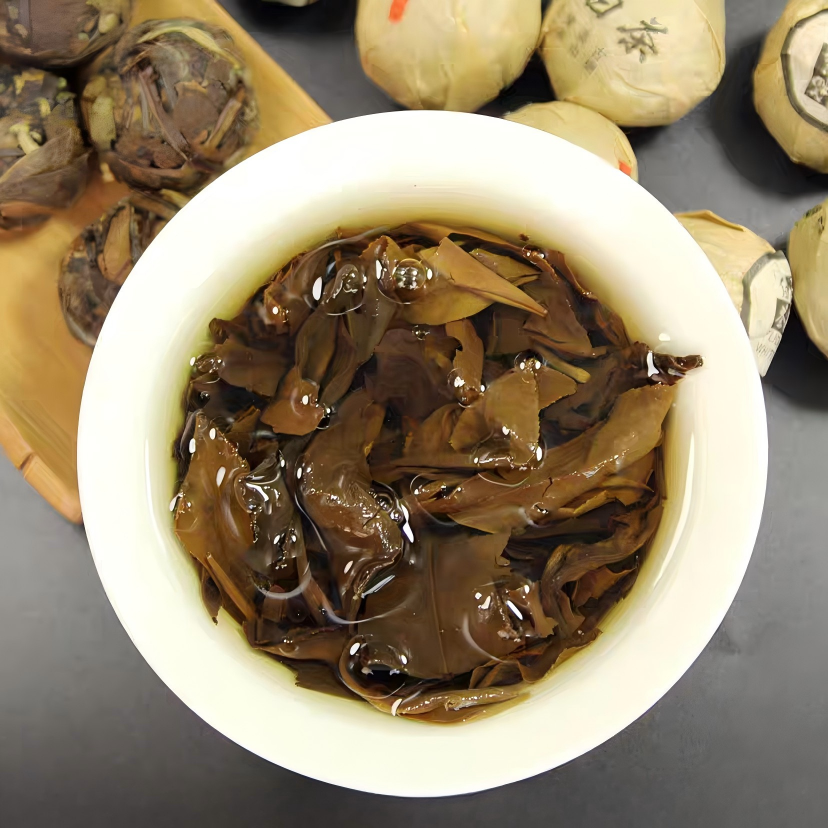
🍵 Method 2 | Direct Boiling | The Richest, Most Ritualistic
Best for: air-conditioned rooms in summer, lazy weekend afternoons, when you want the deepest date aroma
The soul of boiled Shou Mei comes down to one word: slow.
① Add the leaves
Use about 5–6 grams of dry tea per 600 ml of water.
② Rinse the leaves
Steep briefly in a gaiwan, then discard. This cleans the leaves.
③ Add cold water and heat
⚠️ Critical: Always start with cold water.
Traditional Chinese gongfu brewing holds that, as cold water gradually heats, compounds in the leaves release layer by layer, producing a more balanced brew.
If you start with already-boiling water, that gradual extraction balance is lost—some compounds over-extract while others don’t get a chance to release.
④ Simmer gently
Bring to a boil on high heat. Then drop to low. For aged Shou Mei (3+ years), simmer 1–2 minutes after boiling, then turn off the heat and use the residual warmth to keep extracting. For a fuller extraction, you can extend to 3–5 minutes, but longer than that often turns bitter. (Pinminghui guide, 19lou community guide) Let it rest 2 minutes off the heat, then pour.
For new Shou Mei (under 3 years), boiling is generally not recommended. Stick to gaiwan or thermos.
The result: a Shou Mei bursting with date aroma. The liquor is silky and rich. Drinking it feels like sipping warm rice porridge.
📖 The science: A 2016 modeling study found that white tea polyphenol extraction peaks vary by compound—total polyphenols are best around 65 °C, while maximum antioxidant activity appears closer to 90 °C (source). This is why gentle extraction and high extraction can give different results.
🔄 Method 3 | Steep First, Then Boil | Wastes Not a Drop
Best for: experiencing Shou Mei’s full aromatic “prelude” and rich “coda”
This is the seasoned drinker’s secret. The front end brings out the fragrance. The back end delivers the depth.
The process:
- First, steep the leaves in a gaiwan for 3–5 infusions. Notice how the aroma shifts each round.
- Move all the spent leaves into a tea kettle. Add hot water (saves time—the leaves have already given up their delicate top notes).
- Once it boils, drop to low and simmer 2–3 minutes. Decant.
⚠️ Three things to watch:
- Don’t fill the kettle past two-thirds capacity. Boil-overs are no fun.
- Don’t simmer too long. The tea turns thick and bitter.
- When serving, leave some liquid behind before adding more water. This lets the flavors release in waves.
One batch. Two experiences. Fragrance up front, depth at the end.
☕ Method 4 | Thermos Infusion | The Office Lifesaver
Best for: the office, business trips, outdoors—anywhere without proper tea gear
Brewing Shou Mei in a thermos is the “lazy drinker’s method.” But it has its own rules.
① Use less tea than usual
Long infusion time means bitter brews if you overdo it. Try about half what you’d use for gaiwan—roughly 2.5–3 g per 350 ml.
② Rinse the leaves
Pour boiling water over the leaves for 30 seconds. Discard.
③ Infuse
Add boiling water, seal, and let it steep for 10 minutes before drinking.
⚠️ Never steep more than 4 hours. Beyond that, the brew turns stale and astringent. Shou Mei’s signature sweetness disappears.
The result: clean date aromas with a subtle sticky-rice leaf fragrance. Not as full-bodied as the boiled version—but unbeatable for convenience. Good tea, anytime, anywhere.
What Mistakes Will Ruin Your Shou Mei? 3 Pitfalls to Avoid
Even veterans steer clear of these.
❌ Pitfall 1: Using a Yixing Clay Teapot for White Tea
Yixing teapots are works of art. They’re just not for white tea.
Here’s why. Peer-reviewed research has confirmed that Yixing clay (zisha, including zhuni) interacts strongly with tea compounds. Over time, a hydrophobic layer of lipophilic tea compounds forms on the inner wall of the pot. (Source) This is part of why Yixing pots “season” with use—and why they’re prized for oolong and pu’er.
A separate study comparing teapot materials found that clay pots generally produce brews that are less bitter and richer in certain beneficial compounds. (Source) For deeply oxidized, roasted, or aged teas, this seasoning dynamic is a feature.
For Shou Mei, it’s a bug. White tea’s charm lies in its fresh, layered aromatic release. The clay’s adsorption-and-release dynamic—ideal for building depth in oolong and pu’er—tends to mute those subtle top notes over time. Gaiwans, glass kettles, and porcelain pots preserve Shou Mei’s character better.
❌ Pitfall 2: Teaware That’s Too Small
Shou Mei leaves are bulky. Easy to over-portion. The leaves look like a modest amount but are actually too much.
The fix? Size up your gaiwan.
A 110 ml gaiwan paired with 5–6 grams of Shou Mei is the most commonly cited starting ratio across Chinese tea guides, English brewing guides, and community forums. (Reddit reference) If your gaiwan is bursting at the seams, upgrade. Getting the leaf-to-water ratio right is the only way to hit the strength you want.
❌ Pitfall 3: Using Lukewarm Water
This is the most common mistake of all. Many people think Shou Mei is “coarse and old,” so 80–90 °C should be enough.
Wrong.
Research on white tea drying shows that high temperatures change the chemistry: drying at 90 °C produces more bitterness and less sweetness than drying at 65 °C. (Source) The lesson carries over to brewing—if you under-heat during brewing, you may not fully extract the compounds that give Shou Mei its depth.
Shou Mei is rich in stem-derived amino acids and aroma precursors. They need boiling water (100 °C) to fully wake up.
Brewing Shou Mei with lukewarm water is a crime against the leaf.
Does Shou Mei Get Better with Age?
Yes—and the chemistry is more interesting than many drinkers assume.
Chinese research on stored white tea found that caffeine doesn’t drop dramatically in the short term, though longer aging does show a downward trend. Polyphenols, free amino acids, and soluble sugars also gradually decrease, while flavonoids tend to rise slightly. (Source)
In other words, aged Shou Mei isn’t simply “less caffeinated.” It’s rebalanced—the same compounds rearranged, which is why a 5-year-old Shou Mei tastes softer, sweeter, and more date-like than a fresh one.
Different white tea types respond to aging differently. Some research suggests Shou Mei is less affected by storage than Bai Mu Dan, though proper conditions still reduce grassy notes and bitterness over time.
The trick? Keep it sealed, dry, and out of sunlight.
📚 Want the full storage deep-dive? Read our Shou Mei Stem & Aging Guide for humidity, containers, and the science of why stems matter.
💡 Don’t want to wait 5 years? Some of our Shou Mei is already aged when you buy it. See our 2019 Shou Mei (5+ years) and 2014 Shou Mei Dragon Pearl (10+ years) below.
How Long Does Brewed Shou Mei Last?
- In a thermos: drink within 4 hours. After that, it turns stale.
- In a covered pitcher at room temp: 6–8 hours max.
- In the fridge: up to 24 hours, but the flavor dulls.
Pro tip: don’t reheat brewed Shou Mei. The fragrance dies. Brew fresh each round instead.
What Does Shou Mei Taste Like, Exactly?
Formal Chinese tea evaluation (the kind used by professional tasters) examines the leaf, the liquor color, the aroma, the taste, and the infused leaf separately. (Fuding White Tea Association reference) This structured approach works just as well at home.
Common flavor notes across sources:
- Young Shou Mei (1–2 years): fresh bamboo leaves, light honey, hint of grass.
- Aged Shou Mei (3–7 years): red dates, dried longan, brown sugar, a sticky-rice note that coats your mouth. English tea reviews often describe aged Shou Mei as woody, mossy, leafy, with hints of tart berry. (Oolong Owl review)
- Vintage Shou Mei (10+ years): closer to a light pu’er than a white tea. More medicinal, woody, deeply sweet.
The longer it ages, the more the flavor profile shifts toward “date-sweet” and woody.
📚 Beyond taste — what about wellness? See our guide on what white tea is good for for the full picture on antioxidants, caffeine, and traditional use.
🍵 From Our Teahouse: 4 Shou Mei Picks to Try Tonight
After writing this guide, we asked ourselves: which Shou Mei would we actually brew tonight? Here are our picks, ordered by what each one does best.
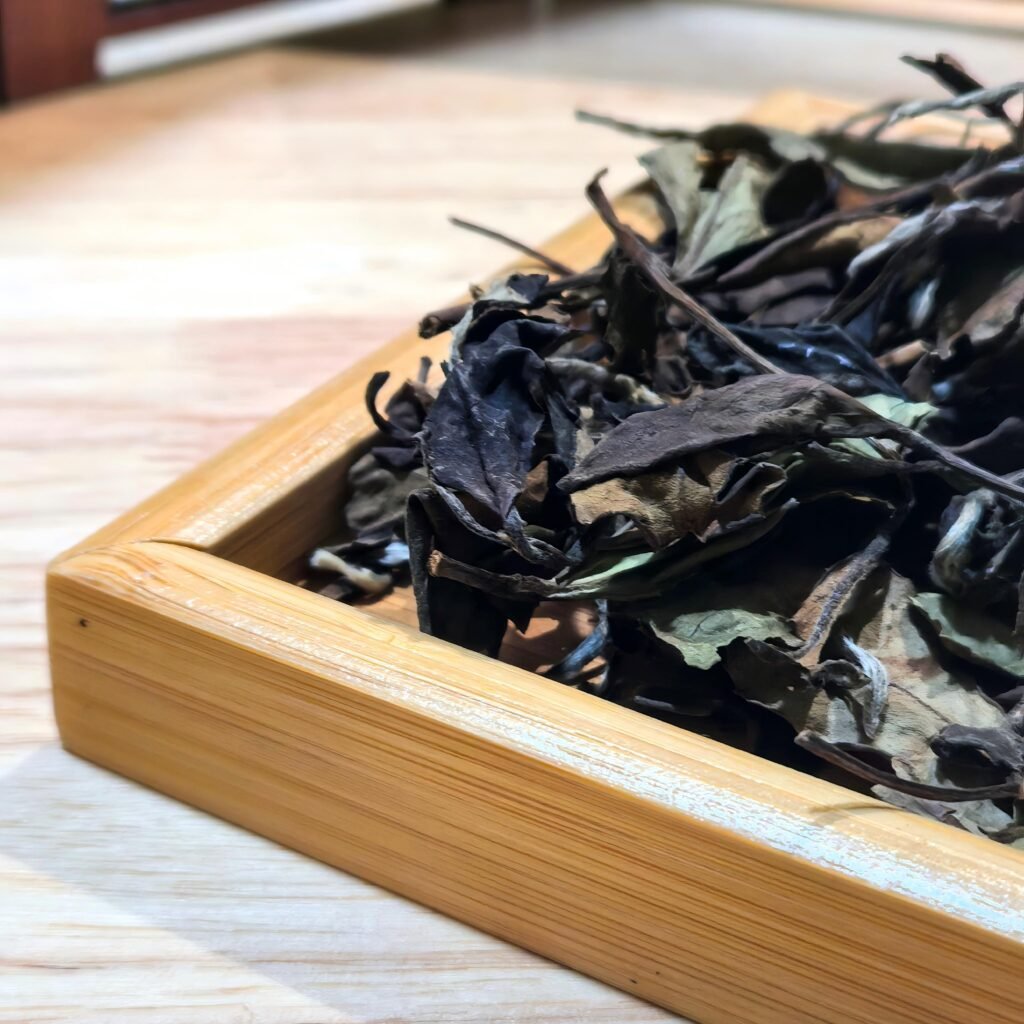
1. For the daily drinker — 2025 Shou Mei
Fresh, bright, and ready to drink now. This is the one to reach for when you want Method 1 (gaiwan) on a Tuesday evening. Naturally sweet, very forgiving on ratios—great for new brewers.
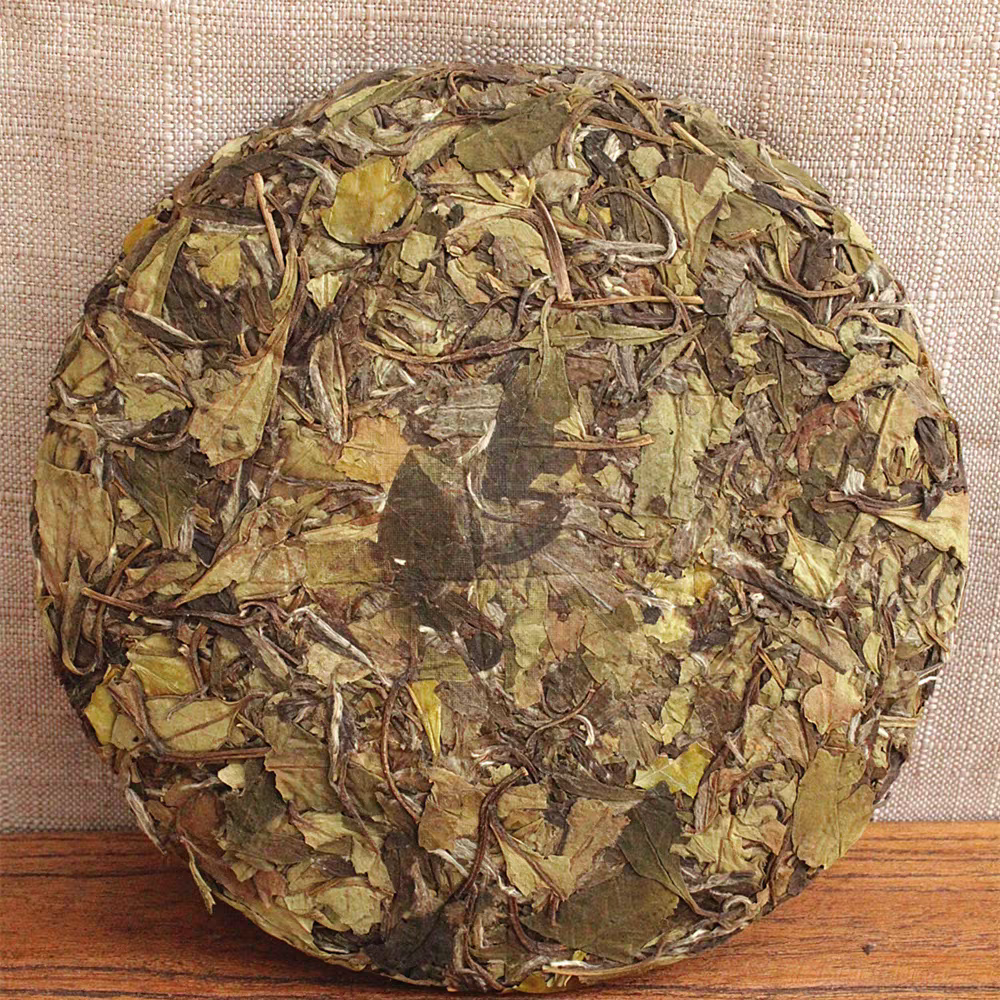
2. For the cake-curious — 2020 Shou Mei White Tea Cake
Compressed into a 5-year-aged cake. Slice off what you need with a tea knife; the rest ages further in your cupboard. Excellent for Method 2 (direct boiling).
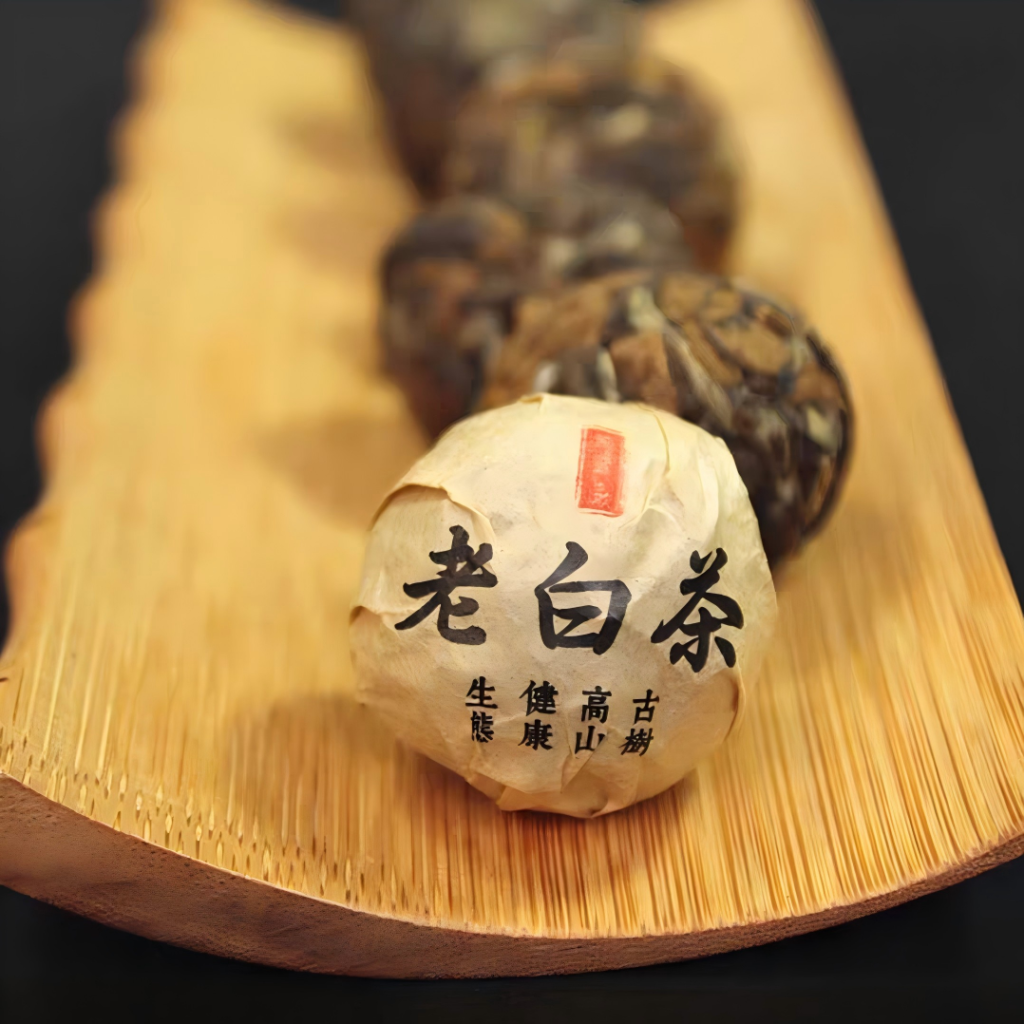
3. For the patient connoisseur (skip the wait) — 2014 Shou Mei Dragon Pearl
Over a decade aged and hand-rolled into pearls. This is the one to open when guests are coming—or when you want to taste what “vintage Shou Mei” really means. Date, brown sugar, dried longan. Worth the splurge.
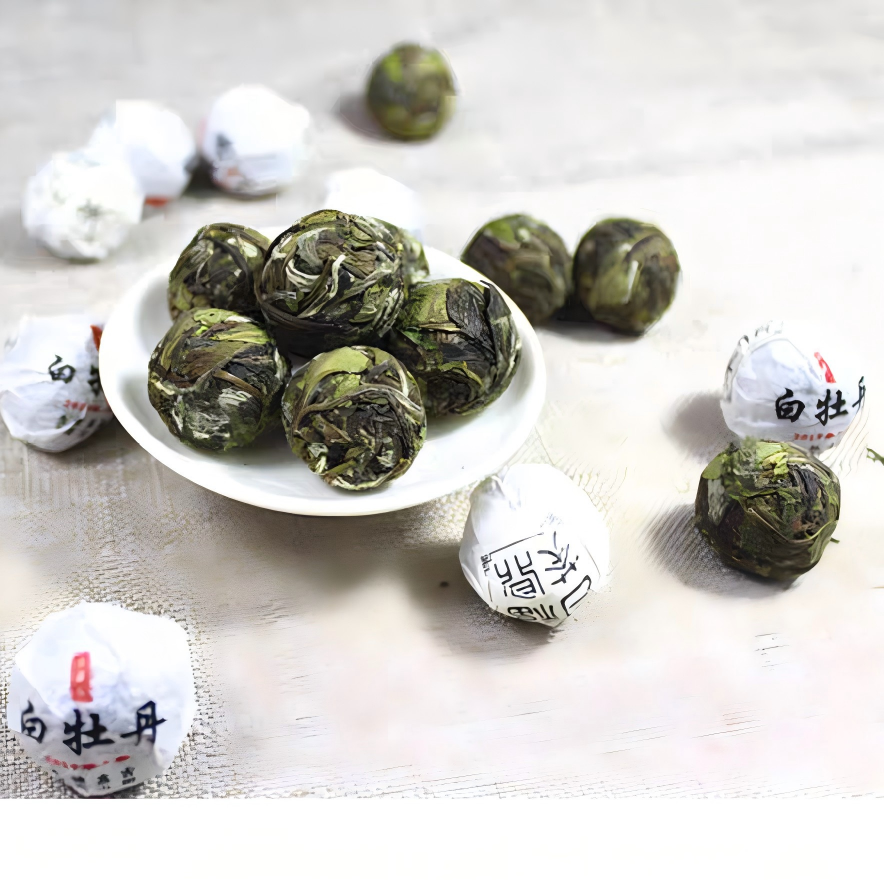
4. For comparing white teas — 2019 Bai Mu Dan Dragon Pearl
If you want to taste how Shou Mei differs from its smoother sibling, brew these side by side. Bai Mu Dan (White Peony) is lighter, more floral, with less stem weight.
🛒 Browse our full white tea collection →
🚚 Shipping, Payment & Service
We ship every order from our home base in Fujian, China. Here’s what to expect:
| Detail | Info |
|---|---|
| Processing time | 24–48 hours (we pack carefully) |
| Fast shipping | 7–15 days via DHL, FedEx, or our Europe dedicated line |
| Standard shipping | 9–25 days via China Post or Cainiao (used when customs or policy factors require) |
| Delays | Severe weather, customs, or force majeure events may extend delivery |
| Payment | PayPal, Visa, Mastercard, JCB credit/debit cards, Western Union, bank transfer |
| Returns | 7-day window for defects or our errors (wrong item, damage on arrival) |
| Support | 7×24 customer service via email |
| Storage tip | Once your Shou Mei arrives, store in a cool, dry place away from sunlight |
❓ Got a question we didn’t cover? Email our team anytime — we usually reply within a few hours.
Final Thoughts: A Slow Conversation with the Leaf
Here’s the thing about brewing tea. It’s a conversation. The leaf tells you what it needs—you listen.
The moment boiling water pours in, Shou Mei’s stems and leaves unfurl like a slow dance. Bamboo leaf. Honey. Dates. One layer after another. That velvety sweetness in your cup is what time and hot water create together.
Summer is long. But with a pot of good tea in hand, not a single day is wasted.
Pick a method. Pick a tea. Try it tonight 🍵
📋 Quick Reference: Shou Mei Brewing Cheat Sheet
| Method | Tea-to-Water Ratio | Water Temp | Total Time | Best For |
|---|---|---|---|---|
| Gaiwan Steeping | 5–6 g per 100 ml (~1:50) | 100 °C | 10–15s + 5–10s/round | Daily drinking |
| Direct Boiling (aged only) | 5–6 g per 600 ml | Cold start → boil | 1–5 min simmer | Deep date aroma |
| Steep + Boil | 5–6 g per 100 ml → kettle | Boiling | Gaiwan first, then 2–3 min simmer | Full flavor spectrum |
| Thermos | 2.5–3 g per 350 ml | 100 °C | 10 min (max 4 hrs) | Office, travel |
💡 Save this table to your phone for quick reference at home or on the go.
📚 More from Our White Tea Library
- 🍃 White Tea Beginner’s Guide — start here if you’re new to white tea
- 🌿 The 4 Types of Chinese White Tea — Shou Mei vs. Silver Needle vs. Bai Mu Dan vs. Gong Mei
- 💚 What Is White Tea Good For? — benefits, caffeine, traditional use
- 🕰️ Shou Mei Stem & Aging Guide — how stems transform with age
References
- Stem contribution to white tea quality formation during withering — Food Chemistry (2024)
- White tea composition by subtype (Shou Mei, Bai Mu Dan, Silver Needle metabolomics) — Food Research International (2018)
- Effect of brewing time and temperature on white tea antioxidant polyphenols (2018)
- Modeling extraction of white tea polyphenols: temperature effects (2016)
- Lipophilic tea compound residues in Yixing clay pots (2017)
- Effect of teapot material on tea infusion composition (2017)
- Effect of drying parameters on white tea quality (2024)
- Chinese research on white tea storage effects on biochemical components
- GB/T 22291-2017 “White tea” — National Standard of PRC
- Reddit r/tea — Shou Mei gaiwan brewing discussion
- Fuding White Tea Association — formal tasting evaluation method
- Oolong Owl — aged Shou Mei tasting notes review
Found this helpful? Share it with a tea-loving friend. Got questions or your own Shou Mei brewing tips? Drop them in the comments below — or browse our full white tea collection.

3 Comments