
Rock Tea Buying Myths: Why Price Doesn’t Equal Quality
👋 New to rock tea? Read our complete Wuyi Rock Tea Beginner’s Guide first — it covers origins, processing, and how to brew. The article below focuses specifically on buying myths and price traps.
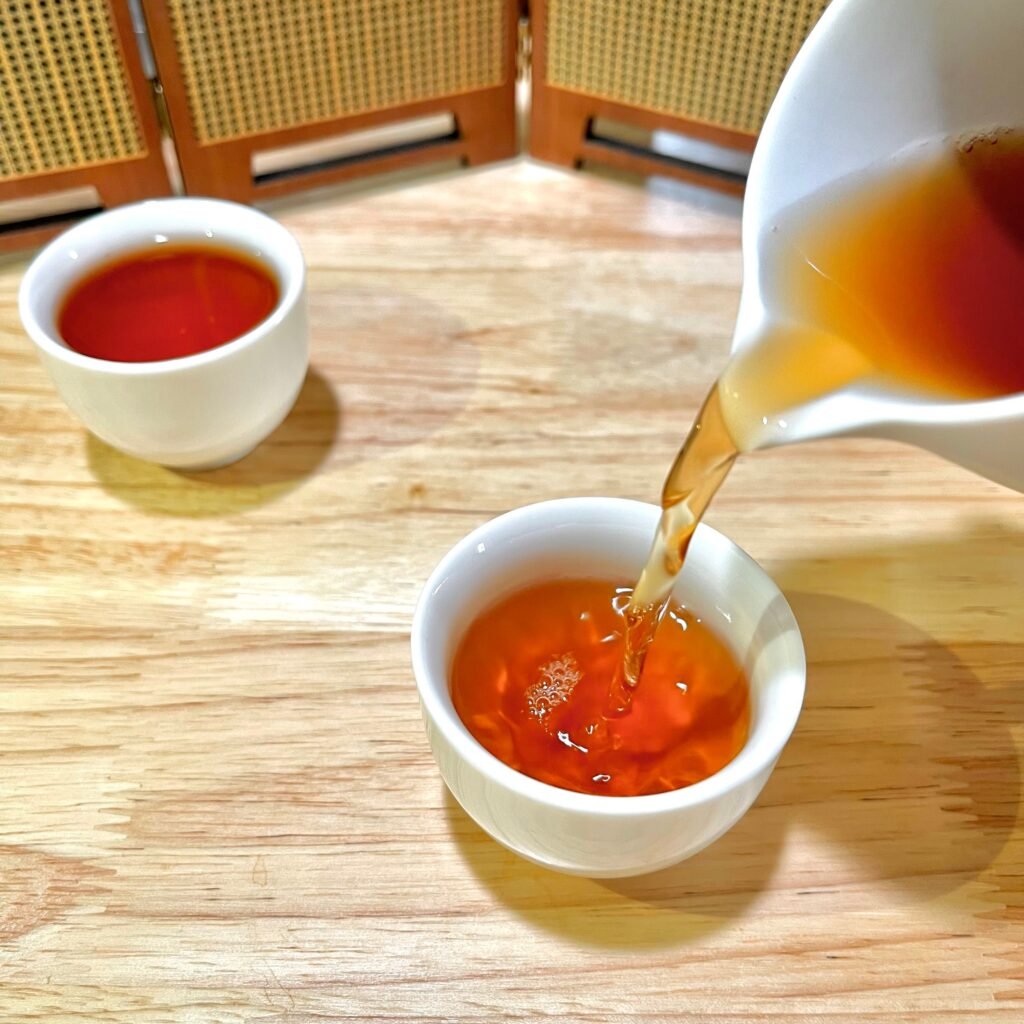
I’ve watched a lot of newcomers to Wuyi rock tea (Yancha) make the same mistake: assume that the higher the price, the better the tea. They chase famous mountain names, pay premiums for “mother tree” labels, and end up with a tin of over-roasted leaves that tastes like ash.
After talking with tea makers in Wuyishan and tasting hundreds of cups over the past few years, here’s what we’ve actually learned: price is a terrible way to judge rock tea.
What Makes Some Rock Teas So Expensive?
Most of what you’re paying for in premium rock tea isn’t actually the leaves. It’s:
- The mountain garden name — locations like Niulan Keng or Huiyuan Keng can add hundreds to thousands of dollars per 500g
- Packaging and gift-box design — often more expensive than the tea inside
- “Master maker” branding — a celebrity blender’s signature doubles the price overnight
- Marketing spend — Xiaohongshu and Douyin campaigns get factored into your purchase
We’ve seen ordinary semi-rock teas rebranded as scarce Zhengyan varieties and marked up five times their actual value. The dry leaves looked the same. The liquor looked the same. The only real difference was the sticker.
Why Are Famous Mountain Gardens Not for Beginners?
In Wuyi rock tea, the traditional phrase “Three Pits and Two Streams” (三坑两涧, Sān kēng liǎng jiàn) refers specifically to five iconic micro-terroirs at the heart of the Zhengyan (正岩, “true rock”) area:
- Huiyuan Keng (慧苑坑)
- Niulan Keng (牛栏坑)
- Dakengkou (大坑口)
- Liuxiang Jian (流香涧)
- Wuyuan Jian (悟源涧)
These valleys and streams share a particular terroir: steep rocky walls, shallow mineral-rich soil, year-round humidity, and limited direct sunlight. Tea grown here develops the sensory quality called Yan Yun (岩韵, “rock rhyme” or “rock resonance”) — a deep, layered, mineral character that takes years of regular drinking to actually recognize. China’s Ministry of Agriculture and Rural Affairs, together with the Fujian Provincial Department of Agriculture, explicitly identify these five locations as the core producing area for traditional Zhengyan tea. (Note: some English tea references substitute Daoshui Keng / 倒水坑 for Dakengkou; official Chinese government materials use Dakengkou / 大坑口.)
There is also a wider set of renowned Zhengyan sites — most notably Matou Yan (马头岩, Mǎtóu Yán), especially celebrated for its Rougui — that sit outside the fixed “Three Pits Two Streams” list but are considered premier Zhengyan mountains in their own right. Matou Yan is not one of the five, though its teas often sell for comparable prices.
For most beginners, these famous teas come across as heavy, dense, and underwhelming. Without palate context, you won’t taste what experienced drinkers taste. Save those purchases for when your palate has developed — or skip them entirely. Plenty of excellent rock tea comes from less famous gardens at a fraction of the price.
📖 Looking for an introduction to specific gardens? Read our Wuyi Rock Tea Beginner’s Guide for a map of Wuyishan’s terroir.
How Can You Tell If Rock Tea Has Been Over-Fired?
Roasting is what makes or breaks rock tea. Get it wrong and you’ve basically bought expensive charcoal. But here’s the counterintuitive part — more fire isn’t better.
Historically, heavier firing of Wuyi rock tea developed first as a preservation technique: lowering moisture helped the tea survive long-distance shipping without going “green again” (返青, fǎn qīng) before reaching distant markets. Over time, roasting also became a central flavor-shaping stage — moderate firing can add sweetness, depth, and reduce grassy notes. Modern craft uses lighter, more controlled roasting to highlight each cultivar’s natural floral and fruity character.
Peer-reviewed research confirms what experienced drinkers already know: as roasting increases, Wuyi rock tea generally shifts from floral toward fruitier and caramel-like notes, while grassy and astringent sensations decline. Light and medium roasting tend to give the best balance; excessive firing produces burnt or acrid flavors that no amount of terroir can rescue.
Signs your rock tea is probably over-fired:
- The first steep tastes burnt or acrid rather than aromatic
- Your throat feels dry and scratchy after a few sips
- The liquor is dark brown, almost black
- You feel heat rising in your chest after drinking
- No matter how many steeps you do, the harshness never mellows
Does the Look of Dry Leaves Really Matter?
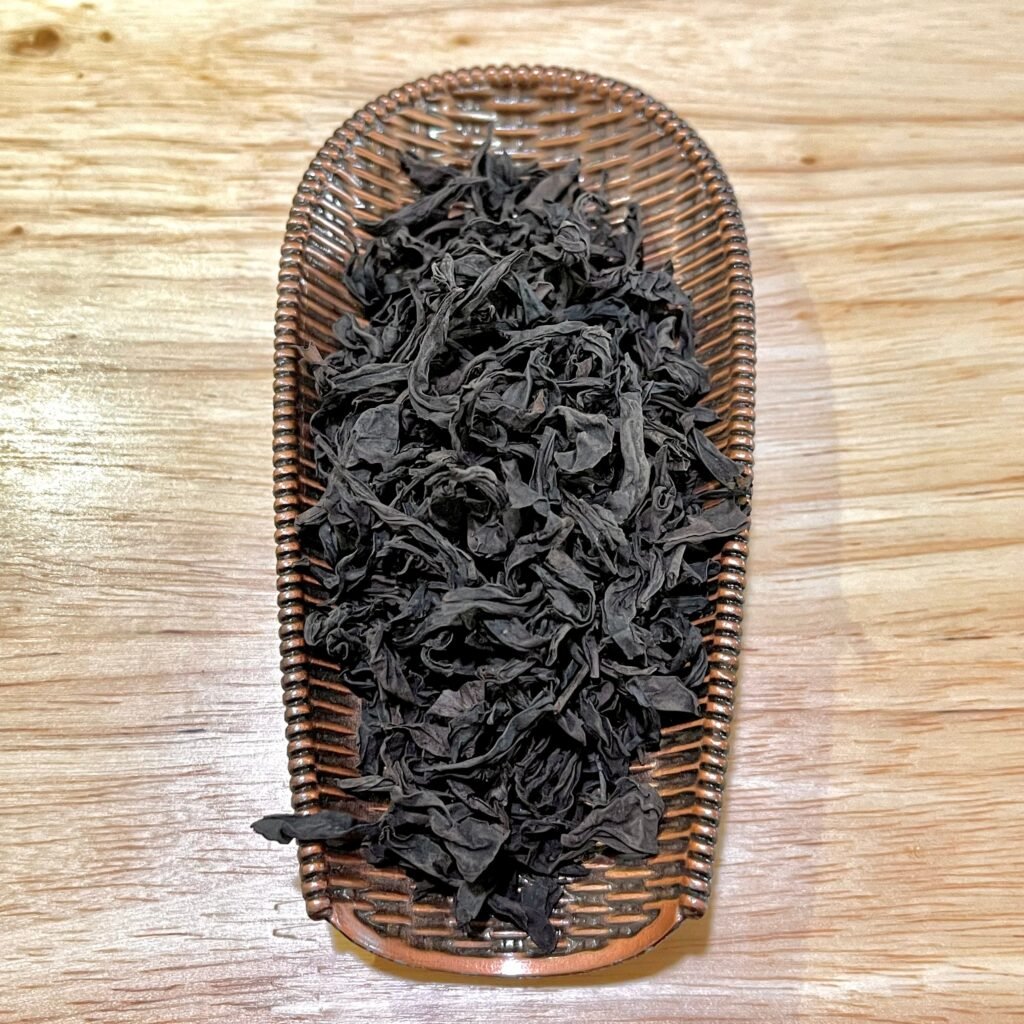
This is one we had to unlearn. For our first year in the tea business, we judged everything by how the dry leaves looked. Tight strips? Must be quality. Dark color? Premium. Glossy surface? High-grade, no question.
Then we tasted some magazine-perfect looking tea at a tea expo. It tasted like dishwater. The vendor had clearly machine-shaped the leaves to look pretty without putting real craftsmanship into the processing.
Real rock tea, especially hand-rolled traditional styles, often has:
- Slightly uneven strip sizes
- The occasional bent or broken piece
- A less “polished” overall appearance
Meanwhile, machine-styled teas can look flawless on the outside but taste hollow in the cup. Judge rock tea by what’s in the cup, not what’s in the bag.
Which Rock Tea Should You Buy for Daily Drinking?
Based on what we see customers actually enjoy in our shop, here’s the practical breakdown grounded in 2025–2026 international market prices:
| Tier | USD per 500g | USD per kg | What it usually represents |
|---|---|---|---|
| Entry-level daily drinker (口粮茶) | around 15–70 | around 30–140 | Factory-style or blended Wuyi-style oolong; broadly sourced material |
| High-mountain / BanYan (semi-rock) | around 50–170 | around 100–340 | A noticeable step up in clarity and minerality; not automatically better than Zhengyan |
| Standard Zhengyan (non-core gardens) | around 150–420 | around 300–840 | Traceable origin, stronger material, good craft |
| Three Pits Two Streams / Matou Yan core sites | typically $450 and up | typically $900 and up | Small-lot, traceable, often gift-positioned |
Sweet spot for beginners: roughly 50–150 per 500g — enough to get good BanYan or standard Zhengyan material without paying for rarity you won’t taste.
What to look for:
- Recent roast — within the last 6 months is ideal
- Clean storage — no musty or off odors when you open the bag
- Clear cultivar and producer information on the package
Starter varieties we usually recommend:
- Rou Gui (肉桂, cinnamon) — forgiving, aromatic, easy to like
- Shui Xian (水仙, water sprite) — mellow, smooth, classic Wuyi character
- Huang Jin Gui (黄金桂) — light, sweet, a good introduction to rock tea style
One warning about “Da Hong Pao”: be skeptical of any vendor selling “Da Hong Pao” for under around $70 per 500g and claiming it comes from the mother trees. The six original mother-tree bushes on the Jiulongke cliff in Wuyishan — officially described as more than 350 years old — have been off the commercial market since the Wuyishan Municipal People’s Government imposed a stop-harvest and conservation policy in May 2006. The final documented batch — 20 grams made from leaves picked on 3 May 2005 — was donated to the National Museum of China in October 2007. Anything labeled “mother tree Da Hong Pao” on the market today is either a clonal-propagation descendant, a commercial Da Hong Pao blend, or pure marketing language.
The Three Things That Actually Matter in Rock Tea
Strip away the marketing, the mountain names, the celebrity endorsements. Here’s what really determines whether a rock tea is any good:
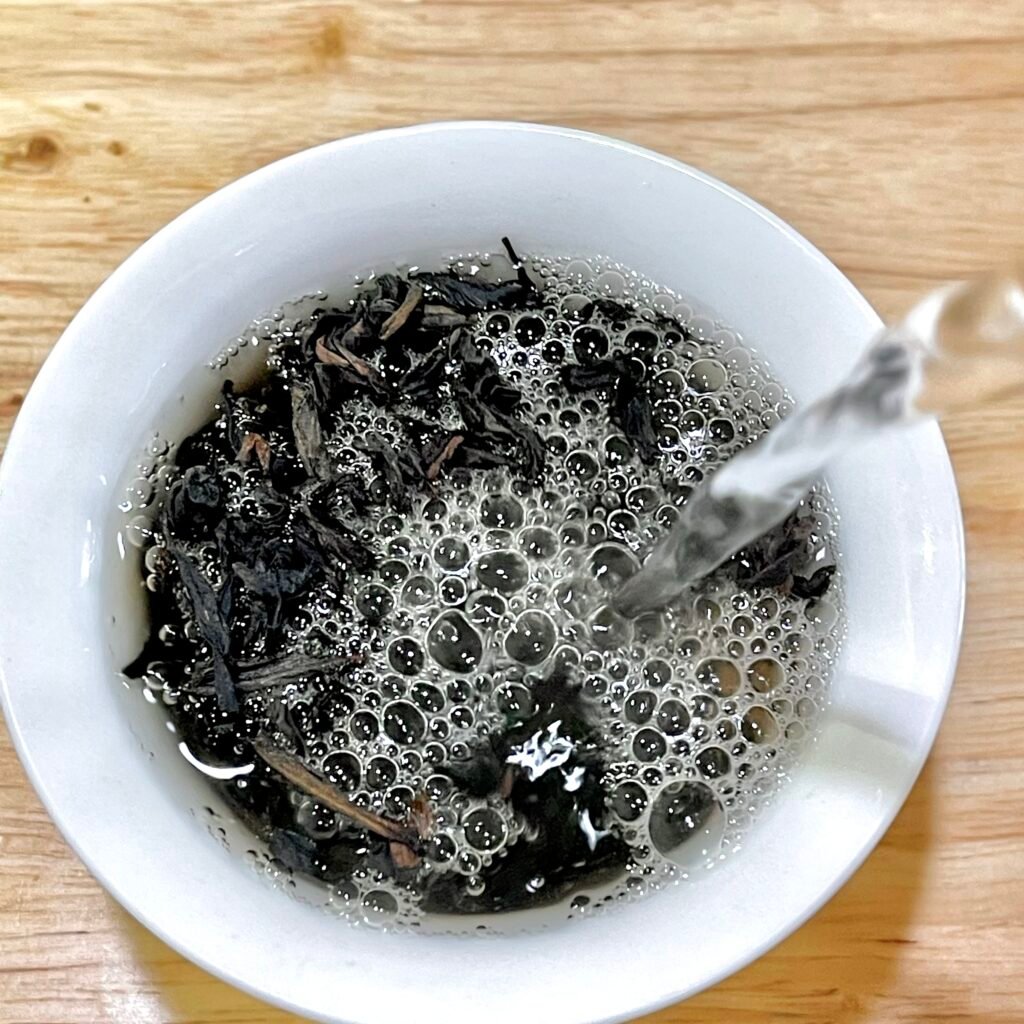
- The liquor is translucent, not muddy. Hold it up to the light. You should be able to see the cup’s pattern through the soup.
- The aftertaste is sweet and lingers. Sip, swallow, then breathe out through your nose. A good rock tea leaves a sweet, cooling sensation that stays for 30+ seconds.
- You can brew it at least 7 times. If it dies after 3 steeps, the leaves were either over-fired or improperly stored. Either way, that’s not good rock tea.
That’s it. Everything else is noise.
Where Can You Buy Authentic Wuyi Rock Tea?
Once your palate has developed and you’re ready to explore premium Zhengyan rock tea, the most reliable sources are retailers who:
- Name the specific garden or area the tea comes from (not just “Wuyi”)
- Provide the cultivar, roast level, and harvest year on the product page
- Stock tea from multiple gardens so you can compare side-by-side
- Offer transparent return policies (you should be able to send it back if it’s not for you)
Here’s what we currently stock at minteashop.com — all sourced directly from growers in Wuyishan, Fujian:
| Tea | Garden / Origin | Why it’s worth trying |
|---|---|---|
| Niulan Keng Rougui (小牛肉) | Niulan Keng (牛栏坑) — one of the Three Pits Two Streams | The benchmark Rougui for serious drinkers. Mineral, layered, with strong cinnamon depth. Start here once your palate is calibrated. |
| Yanzi Ke Rougui (燕子窠肉桂) | Yanzi Ke (燕子窠) — classic Zhengyan garden | A more approachable Zhengyan Rougui. Good middle step before tackling the famous pits. |
| Mazhenfeng Rougui (马枕峰肉桂) | Mazhenfeng (马枕峰) — one of the 36 peaks | Softer profile than Niulan Keng, with a sweeter finish. Excellent daily-premium choice. |
| Yezhuke Rougui (竹窠肉桂) | Yezhuke (竹窠) — elite Zhengyan | From the same elite cluster as Jiulongke. Deeper mineral character, very well-balanced. |
| Yixiantian Rock Tea (一线天岩茶) | Yixiantian (一线天) — scenic Zhengyan site | Aromatic and more floral-forward; great for drinkers who prefer lighter-roast profiles. |
| Sanyang Peak Rougui (三仰峰肉桂) | Sanyangfeng (三仰峰) — broad Zhengyan | Balanced and versatile; works well across most brewing styles. |
| Xuntao Rougui (寻桃肉桂) | Zhengyan blend, distinctive peach note | Fruity and approachable Rougui — a more unusual profile for those who find classic Rougui too intense. |
| Jiulongke Rougui (九龙窠肉桂) | Jiulongke (九龙窠) — home of the Da Hong Pao mother trees | A fascinating tasting for context. Note: this is garden-grown Rougui — not mother tree Da Hong Pao, which is no longer in commerce. |
| Wu San Di Old Bush Shui Xian (吴三地老丛水仙) | Wu San Di (吴三地) — old bush Shui Xian terroir | A rare old-bush Shui Xian with the distinctive lancang (兰花丛味, orchid-bush aroma) that only mature bushes develop. |
👉 Browse the full Wuyi Rock Tea collection →
📦 Ordering from Min Tea Shop: We prepare orders within 24–48 hours. Standard shipping (China Post / Cainiao) takes 9–25 days; express shipping (DHL, FedEx, Europe dedicated line) takes 7–15 days. We accept Visa, Mastercard, JCB, PayPal, Western Union, and bank transfer.
One Thing I’d Tell My Past Self
We used to think customers needed to “level up” their palate before they could enjoy good tea. That was nonsense. Good tea should taste good to you, full stop. If an around-60dailydrinker(per500g)∗∗bringsyoumorejoythana∗∗550-plus collector’s piece, congratulations — you already understand rock tea better than most marketers want you to.
Drink what you like. Spend what feels right. Skip the influencer hype.
The mountain will still be there next time you want to try something new.
📚 References & Further Reading
All factual claims in this article are grounded in the following authoritative sources:
Government / Geographical Indication sources:
- Wuyi Rock-Essence Tea (Geographical Indication reference)
China National Intellectual Property Administration (CNIPA)
http://english.cnipa.gov.cn/attach/0/d87e11bd806a447686ea33f67a79d818.pdf2. National Intangible Cultural Heritage: Wuyi Rock Tea (Da Hong Pao) Craftsmanship
Fujian Provincial People’s Government
https://www.fujian.gov.cn/english/cultureandtravel/cultureandarts/202508/t20250811_6989993.htm - China–EU Geographical Indications Agreement: Wuyi Rock Tea listing
Ministry of Commerce of the People’s Republic of China
https://ipr.mofcom.gov.cn/hwwq_2/chn_eu_gi/chn/chn-cat-02-1.8.html
Peer-reviewed academic sources:
- Chemical characterization of Wuyi rock tea with different roasting degrees and their discrimination based on volatile profiles
RSC Advances, Royal Society of Chemistry (2021)
https://pubs.rsc.org/en/content/articlehtml/2021/ra/d0ra09703a - Characterization of Key Aroma-Active Compounds in Rough and Moderate Fire Rougui Wuyi Rock Tea
Journal of Agricultural and Food Chemistry, American Chemical Society
https://pubs.acs.org/doi/10.1021/acs.jafc.1c06066
Further reading on Min Tea Shop:
- Wuyi Rock Tea Beginner’s Guide — A complete introduction to origins, processing, and brewing technique.
⚠️ Disclaimer
This article is based on the team’s personal experience buying, tasting, and selling rock tea, supplemented by public-domain government documentation and peer-reviewed research. It is intended for educational purposes only and does not constitute professional tea investment advice. Rock tea contains caffeine and may not be appropriate for everyone — please consult a healthcare provider if you are pregnant, have a medical condition, or are sensitive to stimulants.
Pricing & availability: All pricing references reflect typical 2025–2026 international market conditions and may vary by seller, channel, season, and packaging. Prices and stock for products linked from Min Tea Shop are subject to change without notice. We recommend comparing per-500g or per-kg prices rather than per-tin, since tin weight varies.
Returns & refunds (Min Tea Shop policy): Returns or exchanges are accepted within 7 calendar days of receipt. We cover return shipping if the issue is on our side (defective product, wrong item shipped, etc.). Buyer-remorse returns (“don’t like the taste,” “changed my mind,” damaged after delivery) are the customer’s responsibility. To start a return, contact our customer service team by email with photos or video if the product is damaged. Approved refunds are issued to the original payment method within 3 to 30 business days after both parties confirm the refund.
Shipping: Orders are processed within 24–48 hours. Standard shipping (China Post / Cainiao): 9–25 days. Express shipping (DHL, FedEx, Europe dedicated line): 7–15 days. Delivery may be delayed by force majeure events (typhoons, blizzards, earthquakes, etc.).
Affiliate disclosure: Some links in this article are product links to minteashop.com. If you purchase through these links, Min Tea Shop may receive a small commission at no extra cost to you. Product recommendations are based on the editorial judgment of our team; commission does not influence which teas we recommend. See our full affiliate disclosure page for details.
This article is not affiliated with the National Museum of China, the Wuyishan Municipal Government, or any academic institution cited in the References section.

4 Comments