
Best Cold Brew Tea Duo | Fujian Spring 2026 Harvest
Price range: $13.90 through $138.90
Experience the elegant harmony of traditional Chinese white tea craftsmanship with our high-mountain duo from Shouning, Fujian. Harvested in Spring 2026, this set brings together two distinctive expressions of white tea: delicate White Peony (Bai Mu Dan) with its floral sweetness, and prized Silver Needle (Bai Hao Yin Zhen) with its silky, subtle sweetness and refined character.
• Set Includes: 50% Jin Jun Mei + 50% Silver Needle (Bai Hao Yin Zhen)
• Origin: Shouning, Fujian, China (High Mountain Tea Garden)
• Harvest: Spring 2026 Harvest
• Size Options:
50g Pack
- 100g Pack
200g Pack
500g Pack
Discover our Premium Cold Brew Tea Duo featuring Fujian 2026 Spring Harvest Silver Needle & Jin Jun Mei. Smooth, naturally sweet, and infinitely refreshing. Shop now!
Description
Premium Cold Brew Tea Duo | Silver Needle & Jin Jun Mei
Most “iced tea” is just hot tea that lost its soul on the way to the fridge. The aromatics fade. The bitterness climbs.
What you get is a brown liquid that vaguely tastes like tea.
Cold brew tea is different. It uses time, not heat, to pull flavor from the leaves. The result is smoother, sweeter, and far more aromatic than anything you’d get from yesterday’s leftovers.
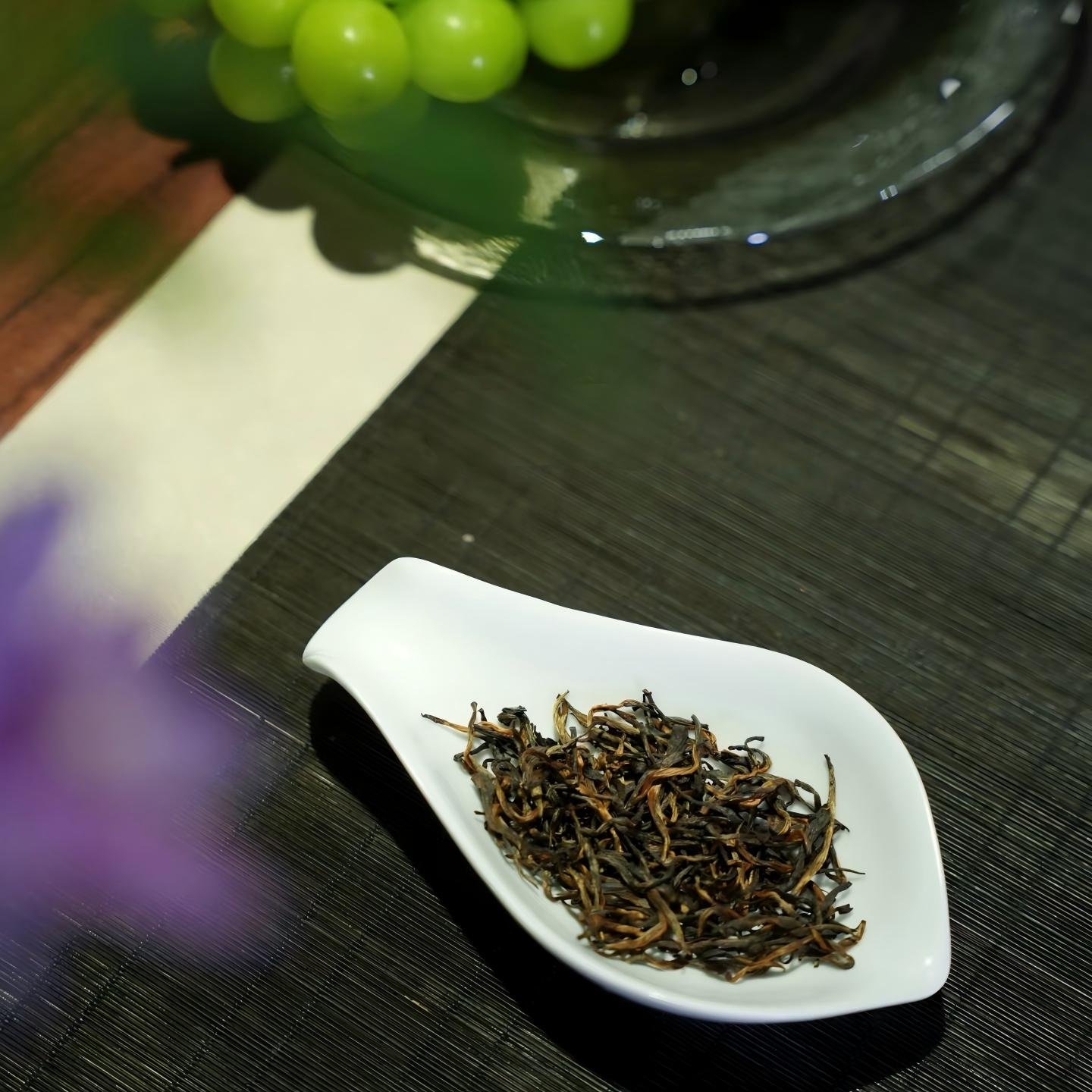
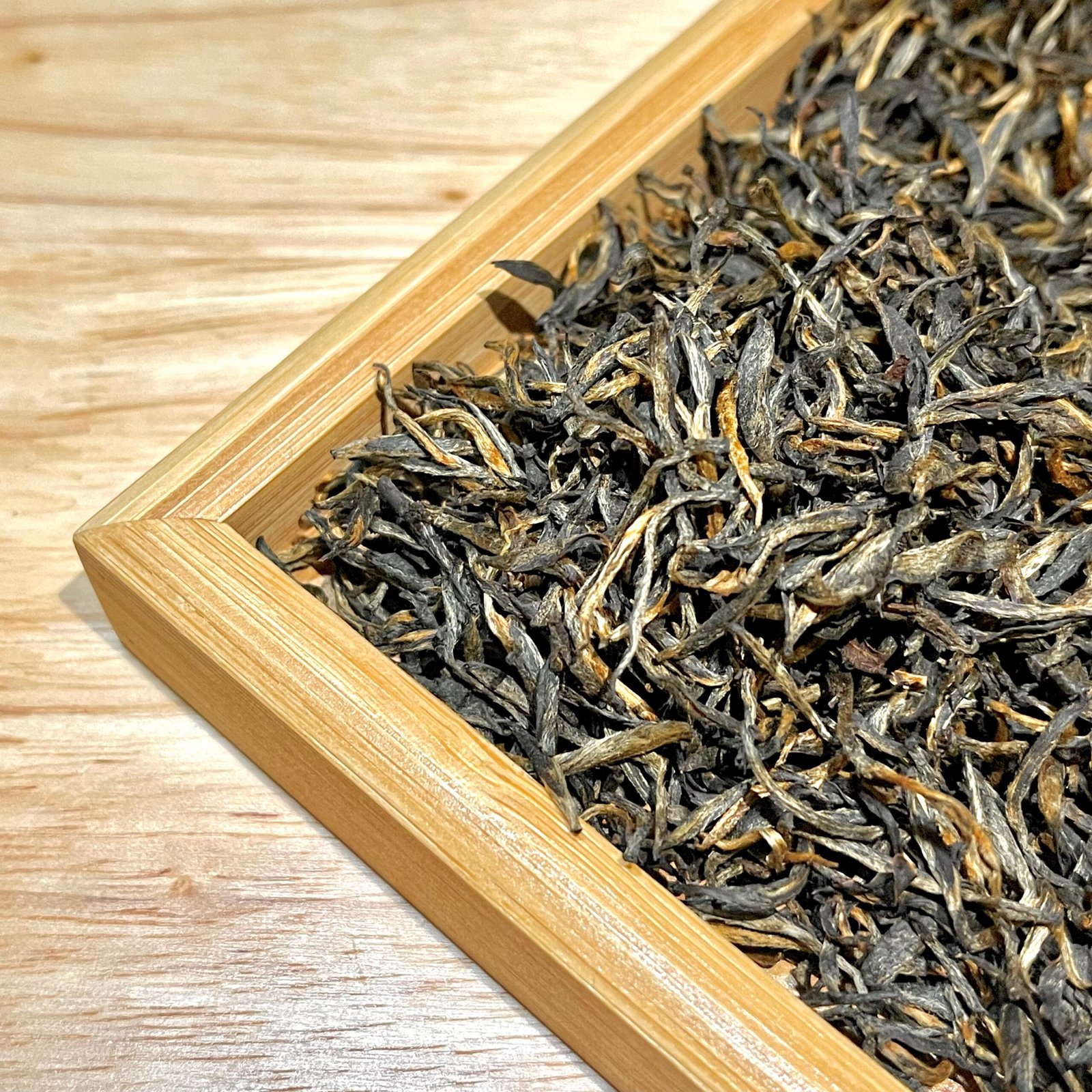
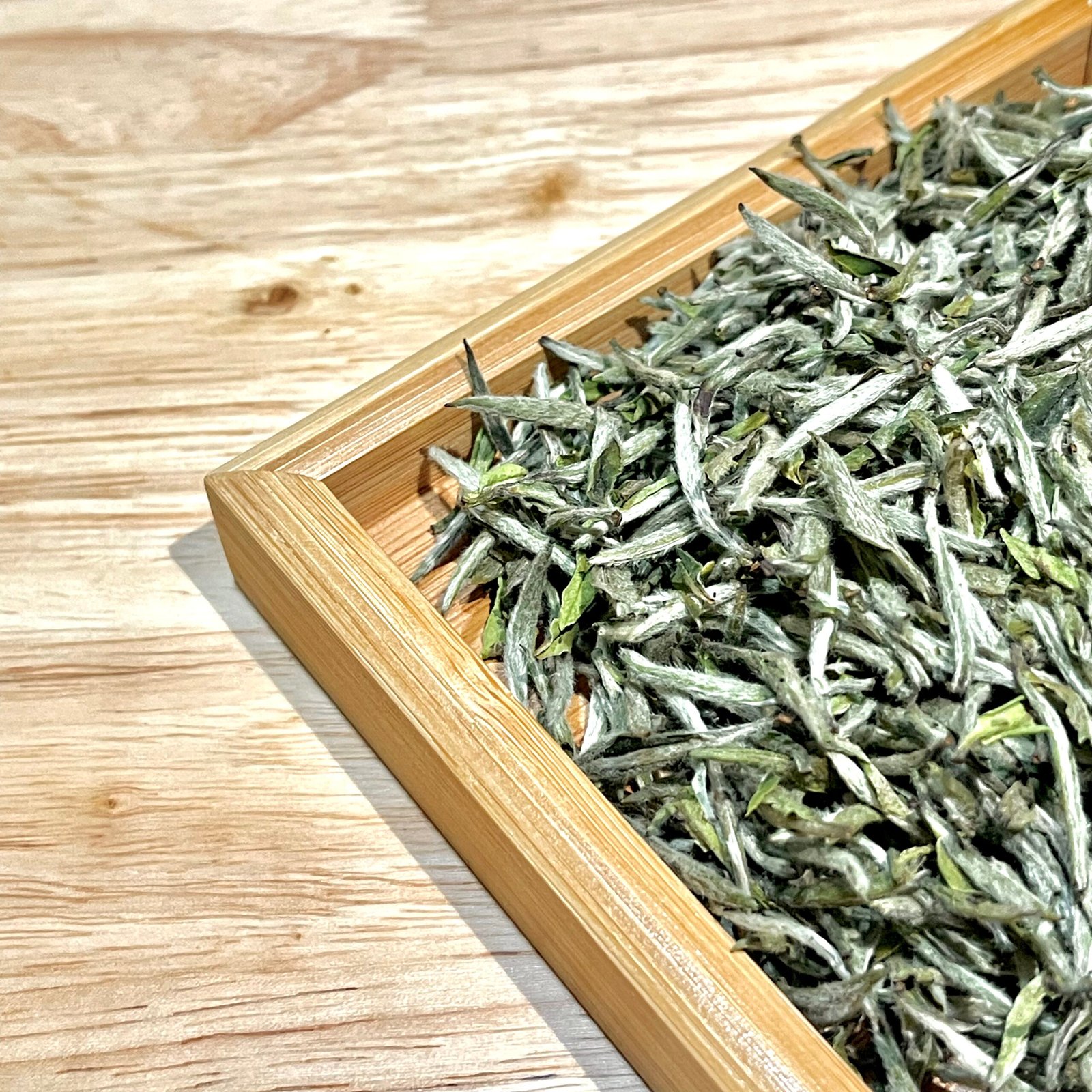
For the 2026 spring harvest, we paired two of Fujian’s most legendary teas into a single cold brew tea duo — Bai Hao Yin Zhen Silver Needle and Jin Jun Mei golden-tips black tea. Both picked in early April from high-mountain gardens in Shouning, Fujian, at 800m+. Both built to shine in cold water.
In this 2026 guide, you’ll find what’s in the duo, how to cold brew it properly, why cold infusion beats hot for these specific teas, and how to taste the difference like a pro.
What’s Inside Our Cold Brew Tea Duo
The 2026 duo contains two 50g pouches of whole-leaf tea (100g total). Both come from the same harvest window in Shouning County, Fujian — but they sit at opposite ends of the oxidation spectrum.
| Attribute | Silver Needle (Bai Hao Yin Zhen) | Jin Jun Mei |
|---|---|---|
| Tea Type | White tea (minimally processed) | Black tea (fully oxidized) |
| Plucking Standard | Single bud, no leaves | Single bud, no leaves |
| Harvest Date | Late March 2026 | Early April 2026 |
| Garden Elevation | 800–950m | 850–1000m |
| Aroma Profile | Honeydew, white peach, fresh hay | Honey, cocoa, dried apricot |
| Cold Brew Time | 6–8 hours | 6–8 hours |
| Caffeine per 8oz | ~15mg | ~30mg |
| Best Paired With | Light meals, fruit, salads | Rich meals, desserts, cheese |
Both teas consist of single buds — no stems, no leaves, no dust. According to the Wikipedia Shouning County entry and our internal Fujian cold brew tea origin report, Shouning’s microclimate — high humidity, cool nights, and frequent fog — produces some of the world’s finest downy buds.
We worked directly with three family farms above 800m to secure this lot. The farmers hand-pluck only the downy unopened buds — a tradition passed down for over a thousand years in this corner of Fujian.
We tested roughly forty cold brew tea samples before landing on this specific pair. They weren’t the most expensive. They weren’t the most famous. They were the cleanest.
Loose Leaf Tea for Cold Brew
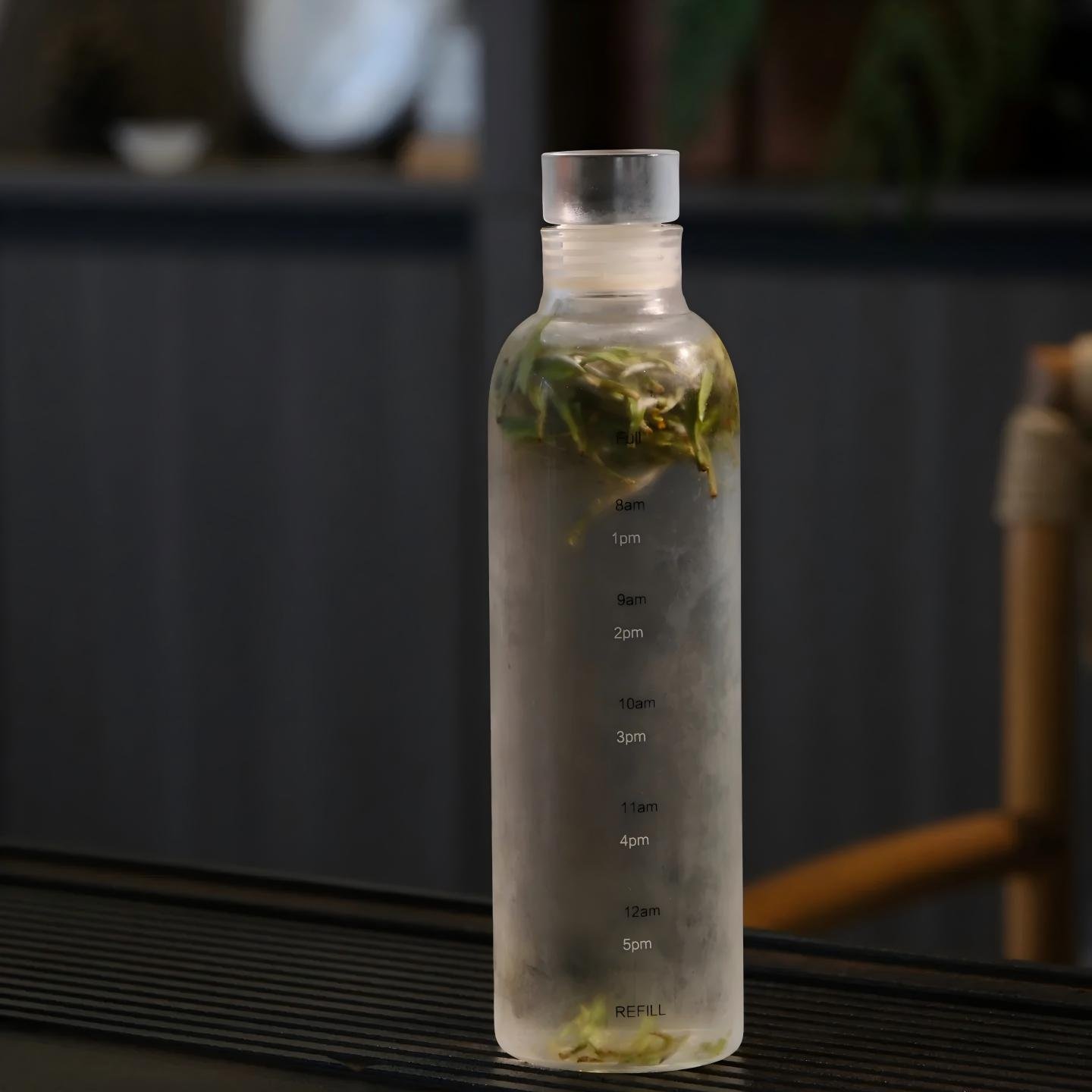
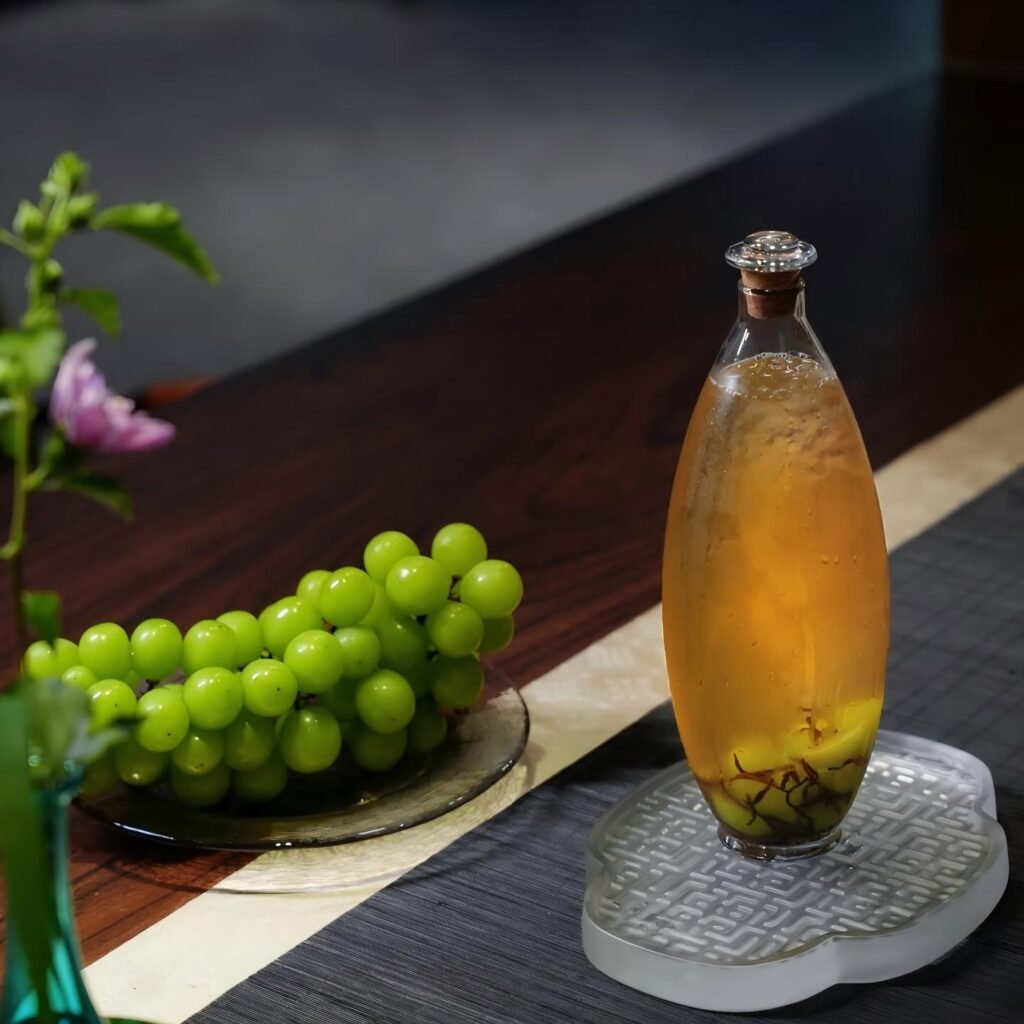
When cold brewing, leaf integrity changes everything. Standard commercial tea bags rely on fannings and tea dust—tiny crushed particles that extract quickly, often leaving behind a cloudy, flat, or paper-tainted brew. Whole loose leaf tea works completely differently. Because the leaves and single buds remain intact, cold water gently unrolls them over 6 to 8 hours, drawing out layered aromatic oils, L-theanine, and natural sugars without leaching harsh, bitter tannins. The result is a vibrant, crystal-clear infusion with a velvety mouthfeel. Beyond the superior taste, watching whole downy buds dance and unfurl inside a glass pitcher turns the simple act of cold brewing into a visual ritual.
Why Cold Brew This Tea Duo? Side-by-Side Comparison
Hot water pulls catechins and tannins fast, which can make premium teas bitter if you oversteep. Cold water works slower — it draws out L-theanine, amino acids, and natural sugars first, leaving most bitter compounds behind.
A 2023 study published in PubMed (Journal of Food Science) confirmed that cold infusion yields 60–70% less catechins while preserving up to 85% of the original L-theanine. For delicate teas like Silver Needle and Jin Jun Mei, this matters a lot.
I tasted these side by side on a humid June afternoon in Shanghai. The Silver Needle tasted like the mist itself — thin, cool, almost transparent. The Jin Jun Mei tasted like that same mist concentrated into syrup. Same leaves, same mountain, completely different soul.
What each one brings to the glass:
- Silver Needle: A clean, almost weightless cup. Chilled honeydew and white peach. Caffeine around 15mg per 8oz serving.
- Jin Jun Mei: A fuller, rounder cup. Caramelized honey and dried apricot. Caffeine around 30mg per 8oz serving.
- Together: A two-act tasting. Start with Silver Needle, move to Jin Jun Mei — the contrast shows how the same season can produce two completely different masterpieces.
Cold Brew VS Hot Brew Tea?
It depends on the tea. For everyday black tea bags? Either works fine. For premium single-bud teas like these? Cold brew tea wins almost every time.
The L-theanine — the calm-focus amino acid unique to real tea — extracts best below 60°C, according to USDA FoodData Central. Above that, tannins start leaching instead. We brew hot for early-morning wake-ups. We brew cold for everything else.
Many people think cold brew tea is just iced tea with a marketing spin. It isn’t. Iced tea is hot-brewed, then chilled — tannins and bitterness fully extracted during the hot phase. Cold brew tea starts cold. Those harsh compounds never get pulled into the cup.
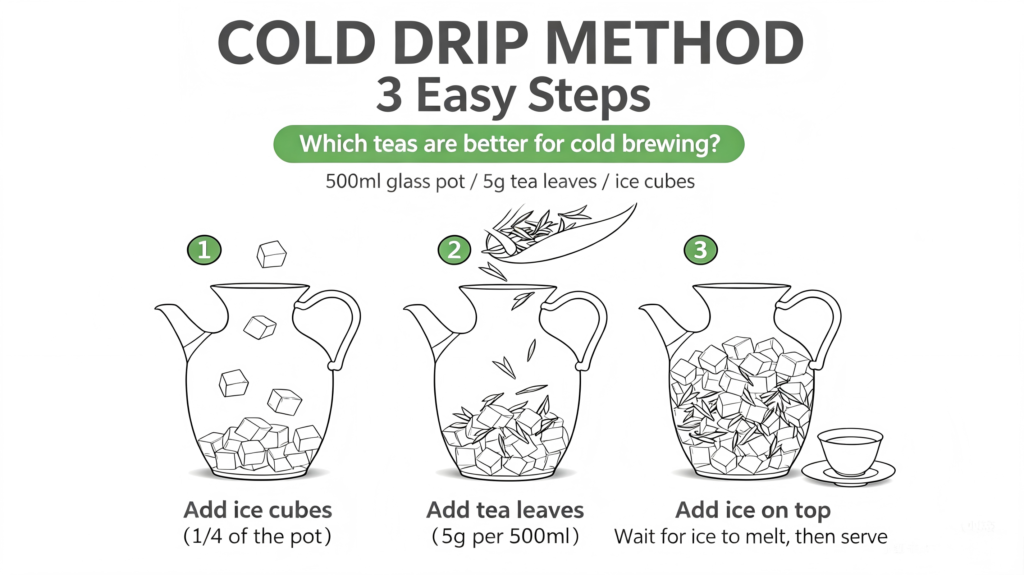
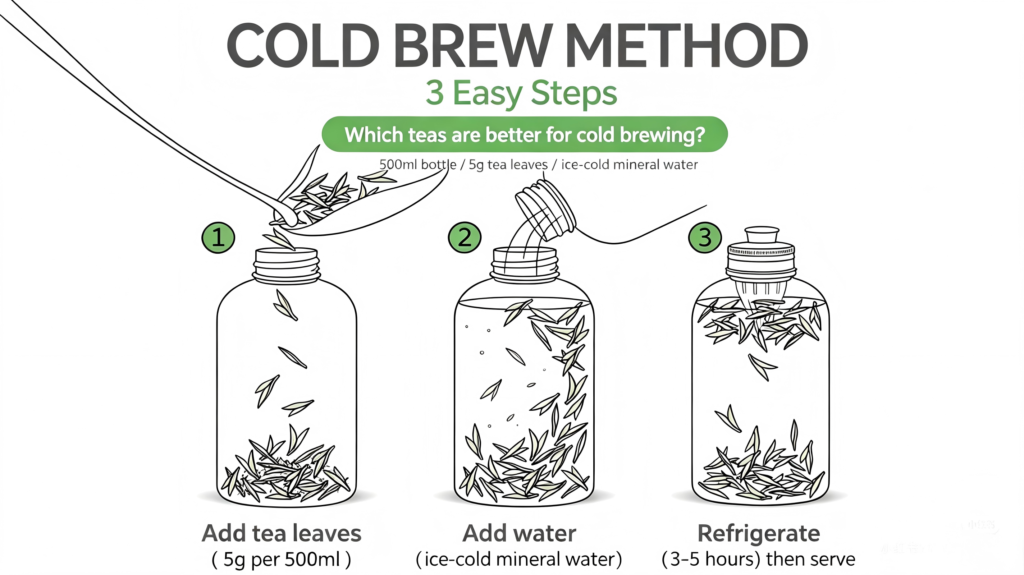
How to make cold brew tea: Step-by-Step Guide
Cold brewing is the easiest method in tea. No kettle. No timer anxiety. Just leaves, water, and patience.
- Measure the leaves. Use 5g of tea (about 1.5 tablespoons) per 500ml of cold filtered water. Standard ratio: 1:100.
- Rinse (optional). Pour 100ml of cool water over the leaves, swirl for 5 seconds, and discard. This clears any loose dust from shipping.
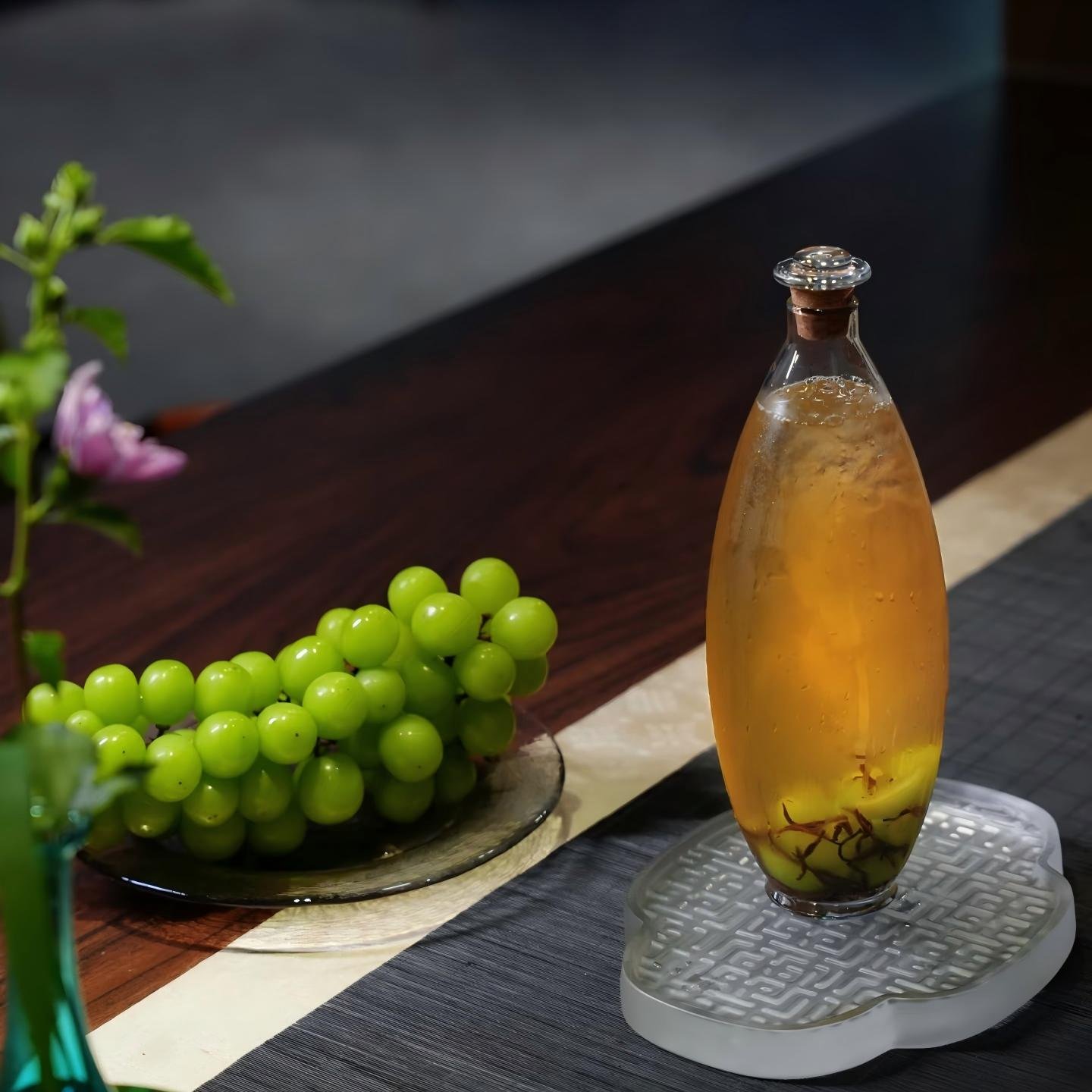
- Add cold water. Pour 500ml of cold filtered water over the leaves in a glass pitcher.
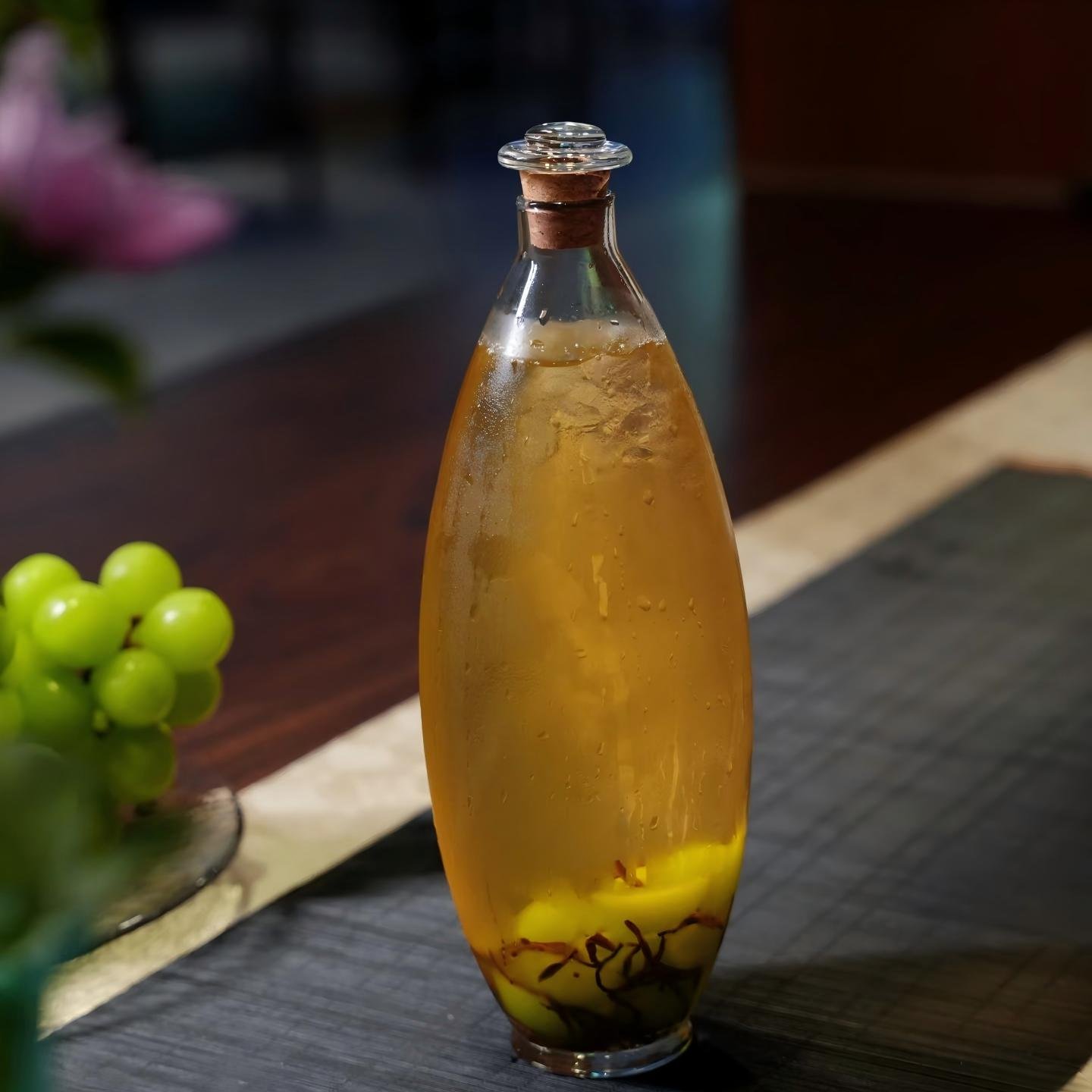
- Refrigerate. Place in the fridge (4°C / 39°F). Steep for 6–8 hours. Overnight works perfectly.
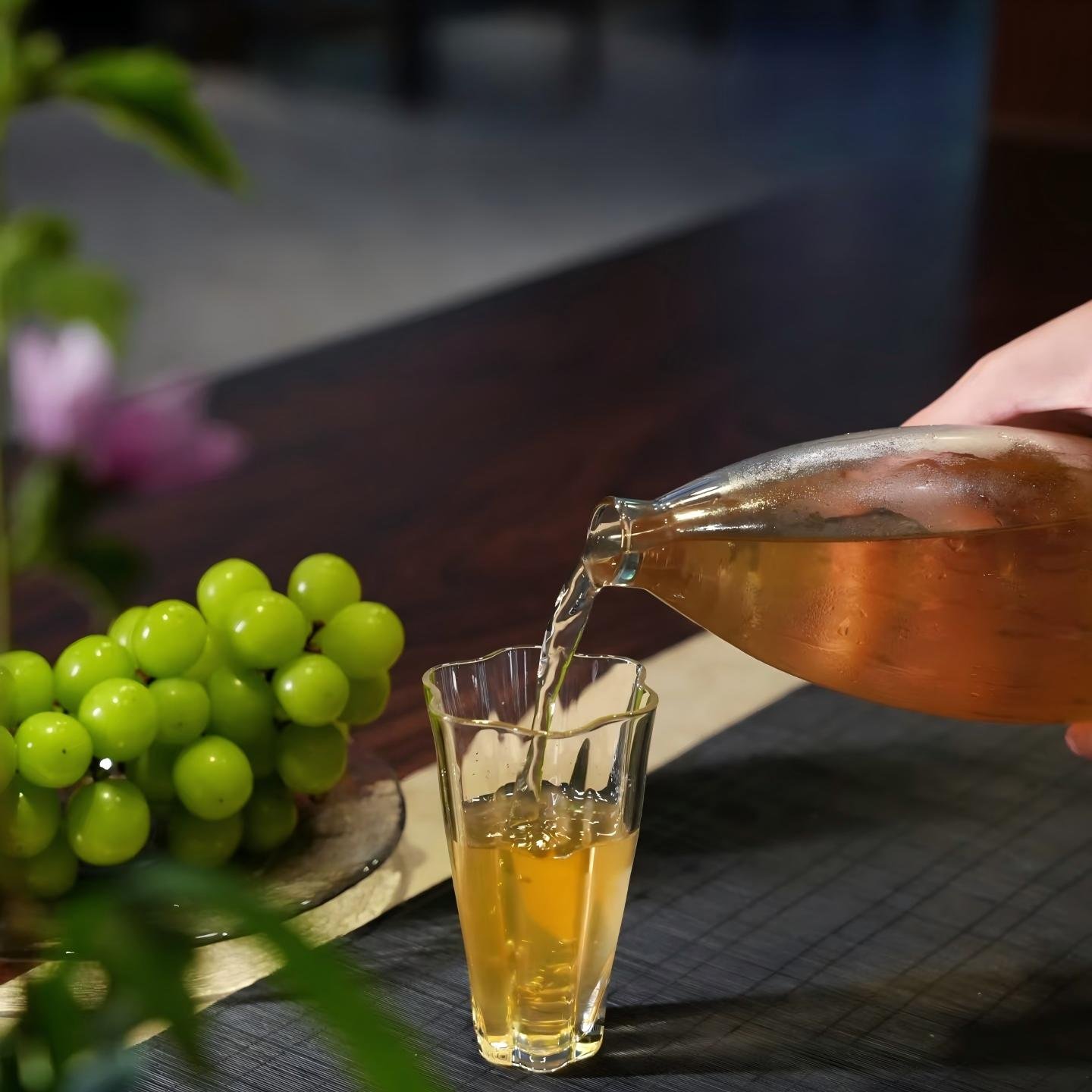
- Strain and serve. Remove the leaves. Pour over ice. Garnish with fresh fruit if desired.
- Re-steep once. Top off the same leaves with another 500ml of cold water. Steep for 10–12 hours for a lighter second infusion.
A common mistake: people try to speed up cold brewing with hot water. This defeats the purpose. L-theanine — the “calm-focus” amino acid unique to tea — extracts best below 60°C. Above that, you start pulling tannins instead. Slow and cold is the entire point.
Visuals make it simpler — follow this quick 3-step guide with illustrations below.
Tasting Notes: Cold-Brewed Silver Needle vs Jin Jun Mei
The first time I cold-brewed Jin Jun Mei, I expected bitterness. I was wrong. The cold water left the heavy tannins behind. What came through was all the natural sugar from the buds — deep, round, almost like liquid honey. Silver Needle surprised me the other way: I expected it to be weak. Instead, it bloomed into something almost floral.
| 品鉴阶段 | Silver Needle (Cold Brew) | Jin Jun Mei (Cold Brew) |
|---|---|---|
| Dry Aroma | Sweet hay, cucumber skin | Toasted cocoa, dried fruit |
| Wet Aroma | White peach, melon, faint orchid | Honey, brown sugar, malt |
| Body | Light, almost weightless | Medium, velvety |
| Finish | Cool, clean, faintly mineral | Long, sweet, hints of caramel |
| Best Time to Drink | Midday, mid-afternoon | After dinner, late evening |
Cold Brew Tea Storage & Summer Serving Suggestions
Both teas are 2026 first-flush harvests. To keep them fresh:
- Store in the original airtight pouch, sealed, away from light.
- Keep below 25°C (77°F). Refrigerator storage is fine for opened pouches.
- Best consumed within 18 months of opening.
- Once brewed, strain the leaves and keep the liquid refrigerated. Drink within 48 hours for best flavor.
Summer serving ideas we tested in our Shanghai lab:
- Silver Needle + sliced white peach + mint: A garden in a glass.
- Jin Jun Mei + orange peel + star anise: A winter-meets-summer twist. Surprisingly good.
- Equal parts, blended: Layered cup — light on top, rich underneath.
Frequently Asked Questions About Cold Brew Tea
Q1: What is the main difference between Silver Needle and Jin Jun Mei? Both teas consist of tender young spring buds, but their processing creates unique profiles. Silver Needle is a minimally processed white tea with subtle floral lightness. Jin Jun Mei is a fully oxidized black tea featuring deep honey, fruit, and caramel notes.
Q2: Are both teas from the same region? Yes. Both are harvested from high-mountain tea gardens in Shouning County, Fujian, China, at elevations above 800 meters. Shouning has produced white tea for over 1,000 years.
Q3: Is cold brewing suitable for premium loose-leaf teas? Absolutely. Cold infusion is ideal for premium teas because cold water gently extracts natural sugars and delicate aromatics while leaving behind heavy tannins and bitterness. Read more in our cold brew tea science guide.
Q4: Can I re-steep these leaves? Yes. Because these teas are made from high-grade buds, you can top off your cold brew pitcher with cold water for a second flavorful infusion — roughly 10–12 hours.
Q5: How long does cold brew tea last in the fridge? When properly strained and stored in a sealed glass container, your cold-brewed white or black tea will stay fresh for up to 3 days in the refrigerator. For best flavor, drink within 48 hours.
Looking for more options? Explore our full lineup of cold brew tea bundles.
Additional information
| gram | 50g, 100g, 200g, 500g |
|---|
Related products
-

Best Premium Cold Brew White Tea Duo: 2026 Spring Harvest from Fujian
Price range: $23.90 through $118.90Select options This product has multiple variants. The options may be chosen on the product page -
Ultimate Cold Brew Tea Duo 2026: White Peony & Xiaocai Black Tea
Price range: $18.90 through $90.90Select options This product has multiple variants. The options may be chosen on the product page -
Ultimate Summer Cold Brew Tea Duo 2026: White Peony & Green Tea
Price range: $18.90 through $90.90Select options This product has multiple variants. The options may be chosen on the product page -
White Tea Cold Brew Duo 2026: Perfect White Peony & Shou Mei
Price range: $15.90 through $75.90Select options This product has multiple variants. The options may be chosen on the product page

Reviews
There are no reviews yet.