
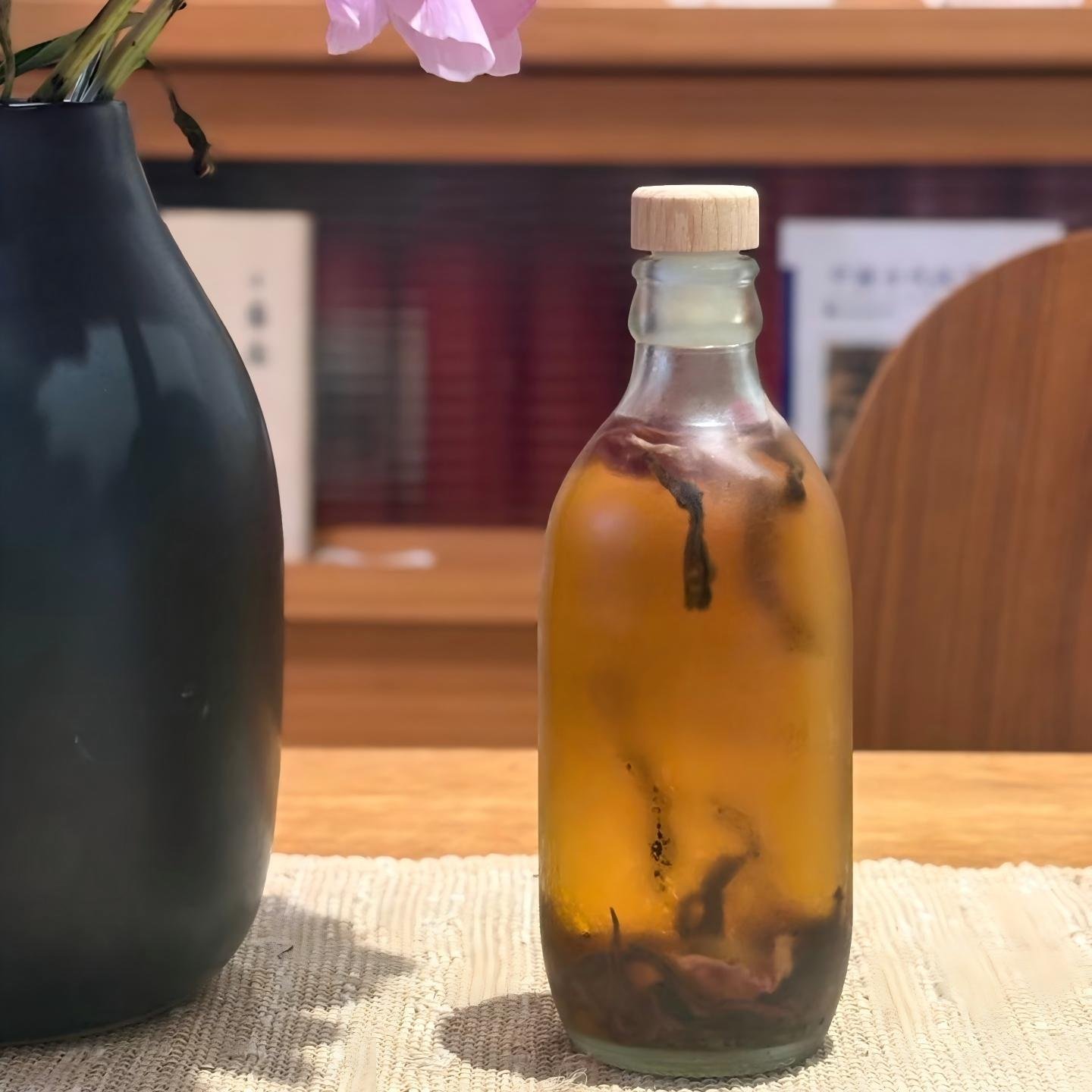
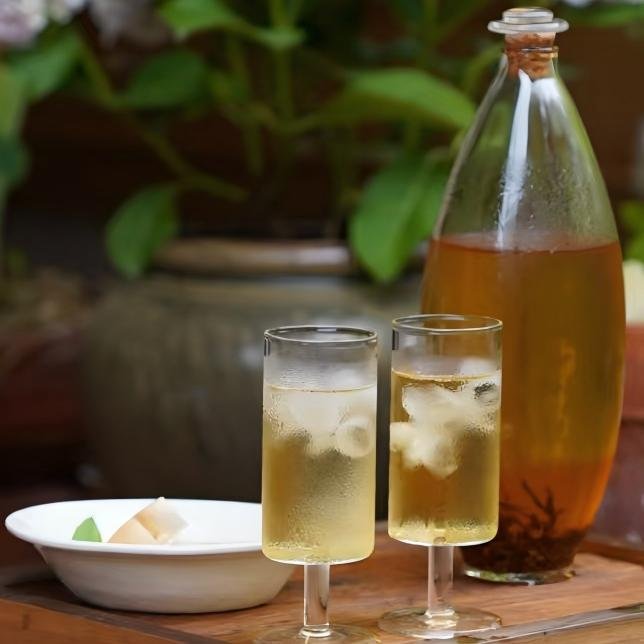
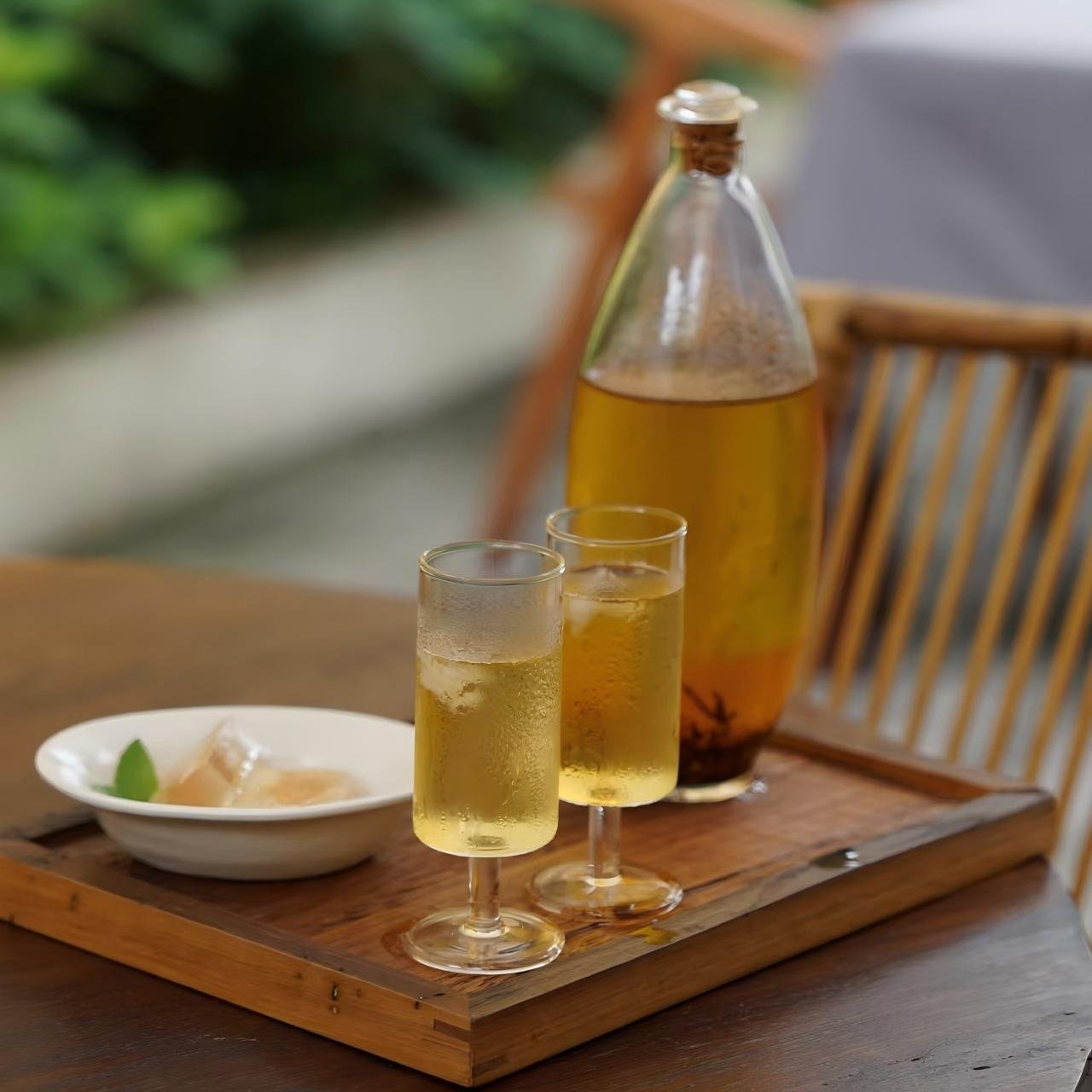
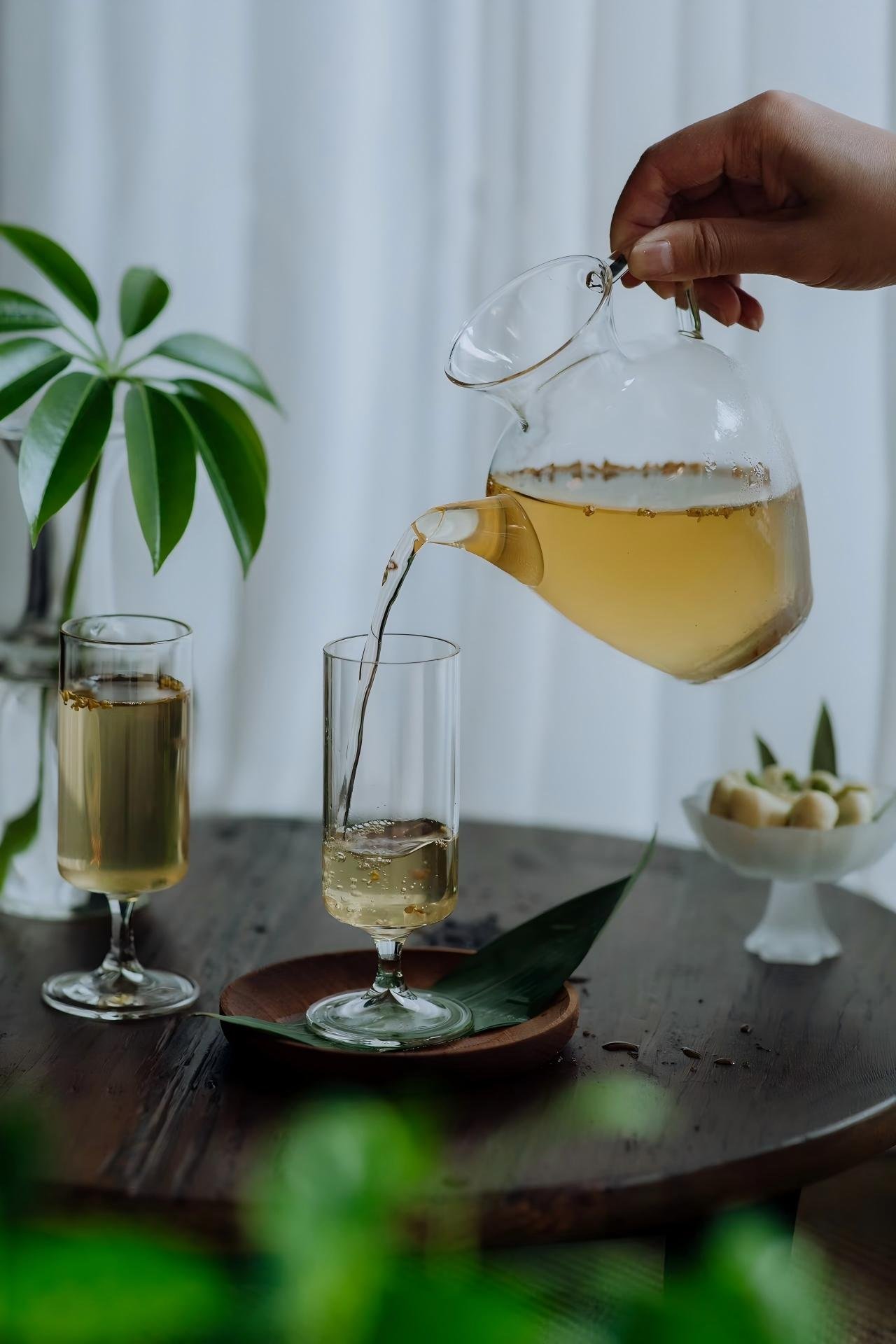
Ultimate Cold Brew Tea Duo 2026: White Peony & Xiaocai Black Tea
Price range: $18.90 through $90.90
Experience the elegant balance of traditional Chinese tea craftsmanship with our high-mountain duo from Shouning, Fujian. Hand-harvested in Spring 2026, this set features delicate White Peony White Tea paired with naturally sweet, honey-toned Xiaocai Black Tea.
• Set Includes: 50% White Peony (Bai Mu Dan) + 50% Xiaocai Black Tea • Origin: Shouning, Fujian, China (High Mountain Garden) • Harvest: Spring 2026 Harvest • Size Options:
100g Pack
200g Pack
500g Pack
Ideal for morning-to-evening tea rituals, flavor exploration, and thoughtful gifting.
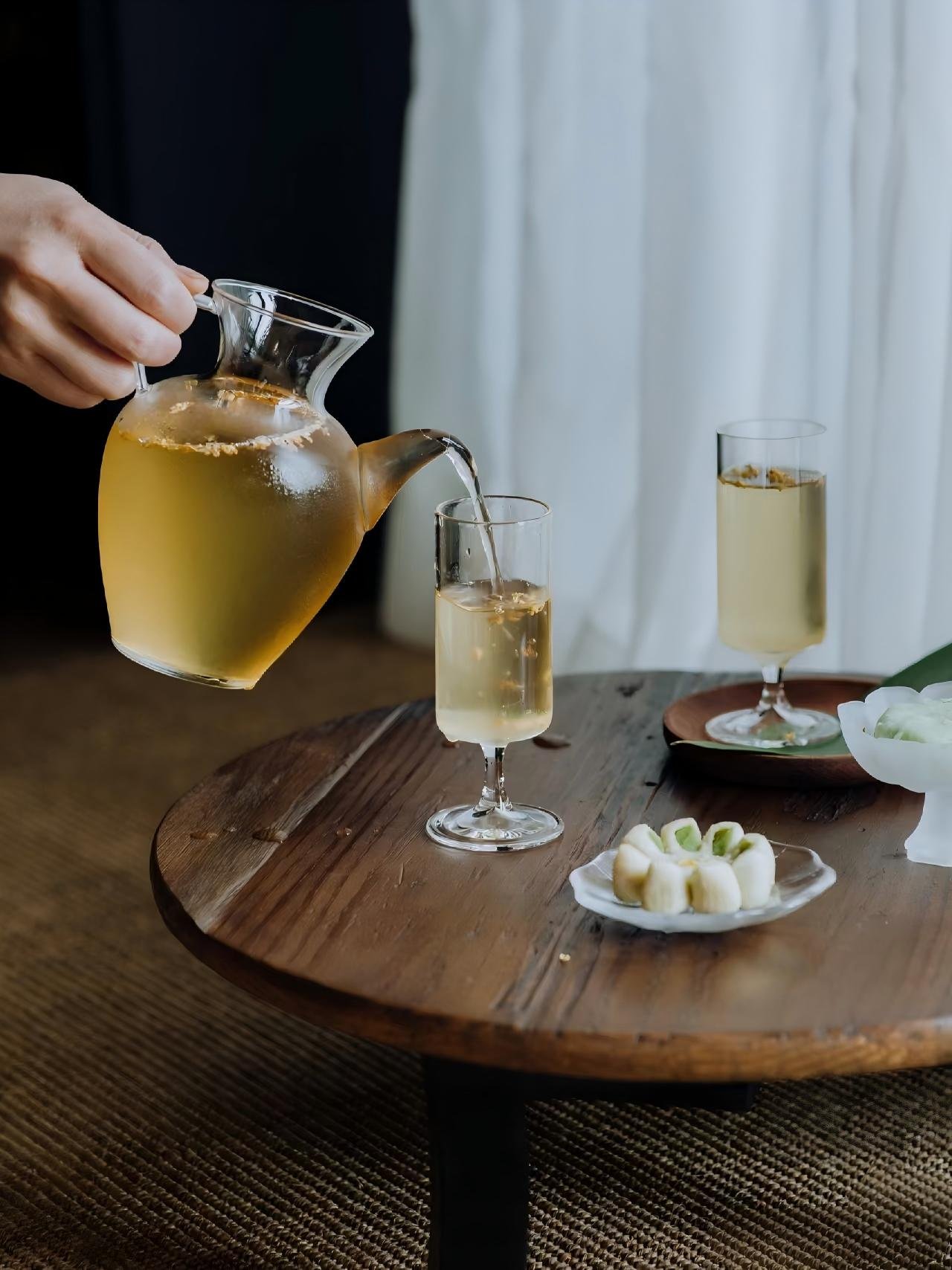
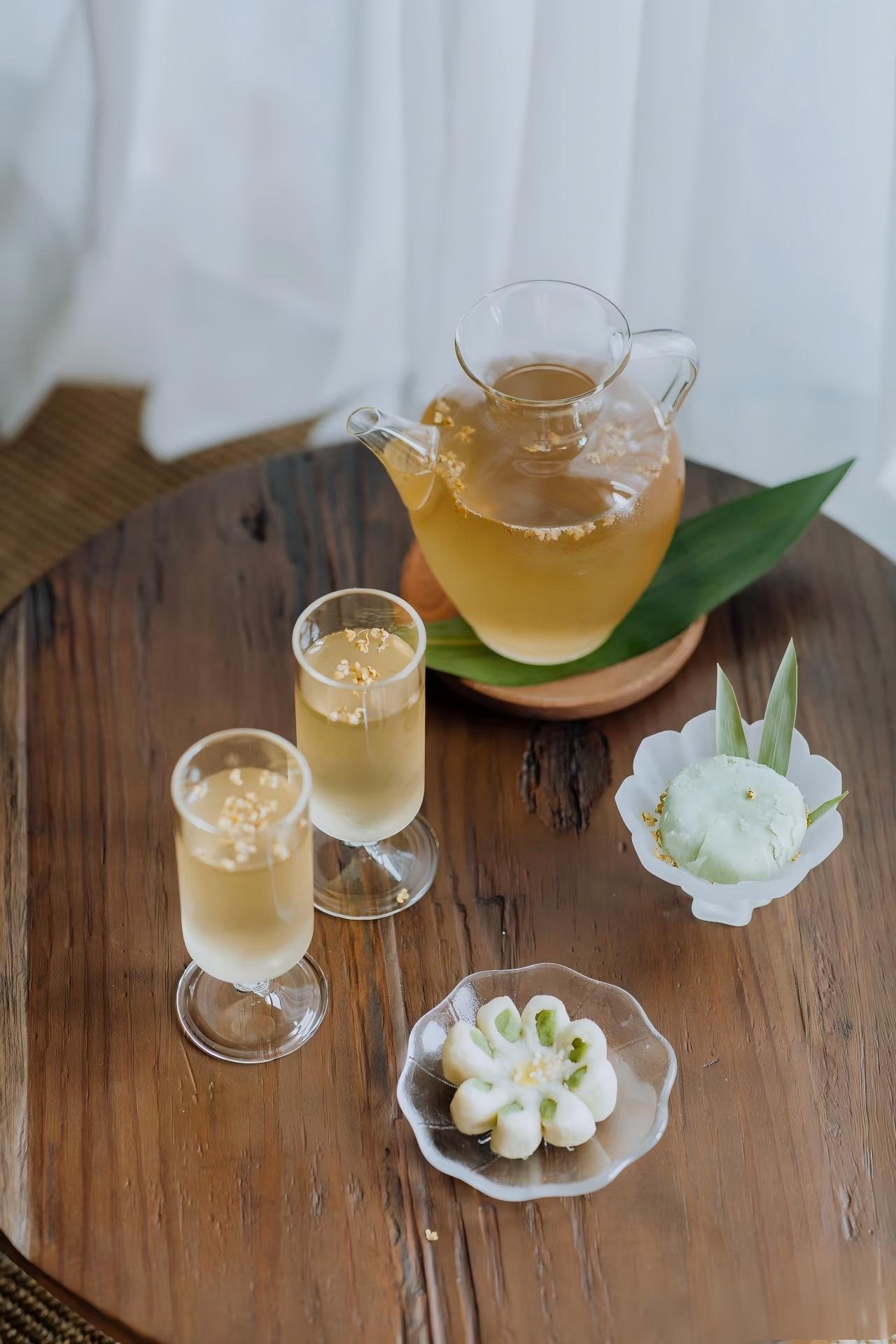
Master summer cold brew tea with our 2026 Shouning duo. Featuring White Peony & Xiaocai Black Tea for a smooth, naturally sweet, zero-bitterness drink.
Description
Cold Brew Tea Duo: White Peony & Xiaocai Black Tea Guide 2026
Every summer, I watch the same thing happen. People pour boiling water over tea bags, dump in a fistful of ice, and call it “iced tea.” What they end up with is bitter, cloudy, and tastes nothing like the actual leaf.
There is a better way. It’s been hiding in your fridge this whole time—and it’s called cold brew tea.
Two Shouning teas—White Peony and Xiaocai Black—absolutely sing in cold water. Here’s what happened when I tested them. You’ll get the overnight method, a side-by-side flavor comparison, and answers to the questions I get most often from first-time cold brew tea makers.
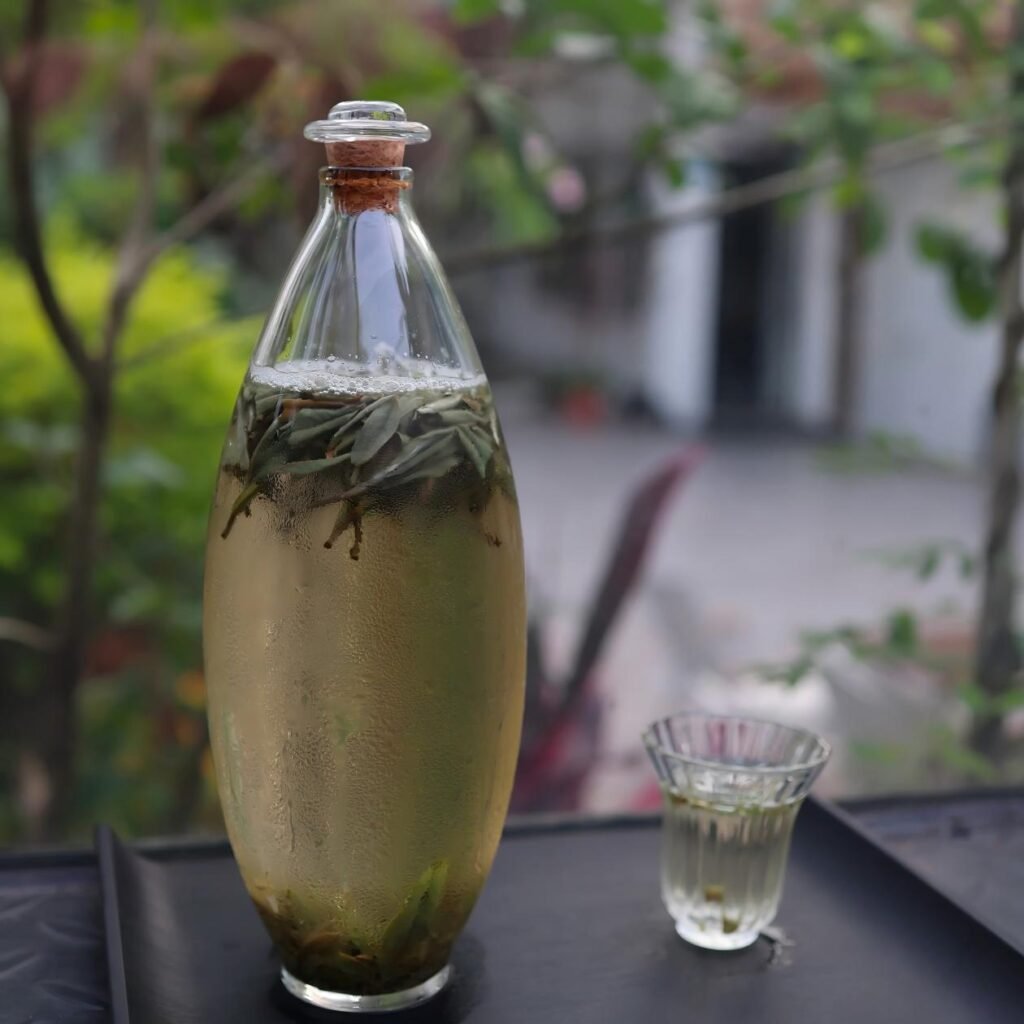
What Makes Cold Brew Tea Taste Better Than Iced Tea?
Most people think iced tea means brewing hot and chilling. That’s backward. When you pour boiling water over tea leaves, you pull out catechins, harsh tannins, and a heavy dose of caffeine in the first 30 seconds. Diluting it with ice mutes the flavor but does not undo the bitterness.
Cold water pulls the opposite stuff. Over 6–8 hours in the fridge, it pulls out the sweet, amino-acid–rich compounds. It also leaves the harsh tannins behind. What comes out the other side is rounder, sweeter, and rarely needs sugar.
I ran this experiment in my own kitchen for two weeks before launching this duo. Every morning I’d brew one pitcher hot-and-chilled and another cold-steeped overnight. The cold version won every time—not just in taste, but in how it made me feel. No jitters, no bitter aftertaste, just clean hydration that carried me through a 90-degree afternoon.
Meet the Two Teas in This Duo
This bundle pairs two distinct teas from Shouning, Fujian high-mountain tea gardens—one of China’s oldest tea-growing regions. They serve different moods, but both shine when steeped cold.
White Peony (Bai Mu Dan): Light, Floral, and Naturally Sweet
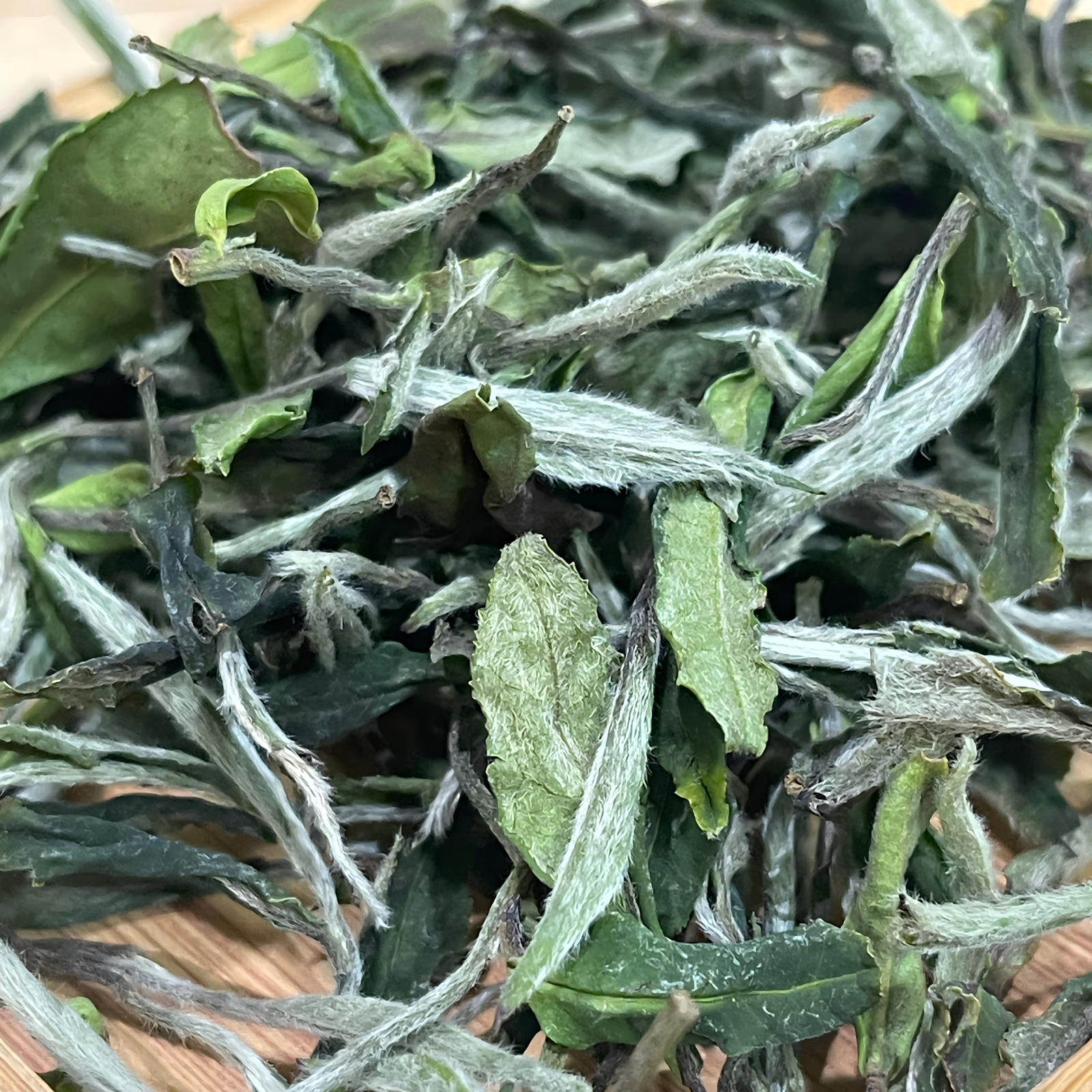
White Peony (Bai Mu Dan white tea brewing guide) is a minimally processed white tea made from young leaves and unopened buds. In hot water it’s delicate. In cold water it deepens into ripe peach, honeysuckle, and a soft mineral finish—the kind of cup you reach for when the AC is broken and the humidity is unbearable.
- Origin: Shouning, Fujian, 600–900m elevation
- Flavor notes: White peach, fresh hay, faint wildflower honey
- Caffeine per 8oz cold brew: ~15mg (low)
- Pairs with: Fresh peach slices, cucumber, or a sprig of lemon balm
Xiaocai Black Tea: Rich, Honeyed, and Zero-Bitterness
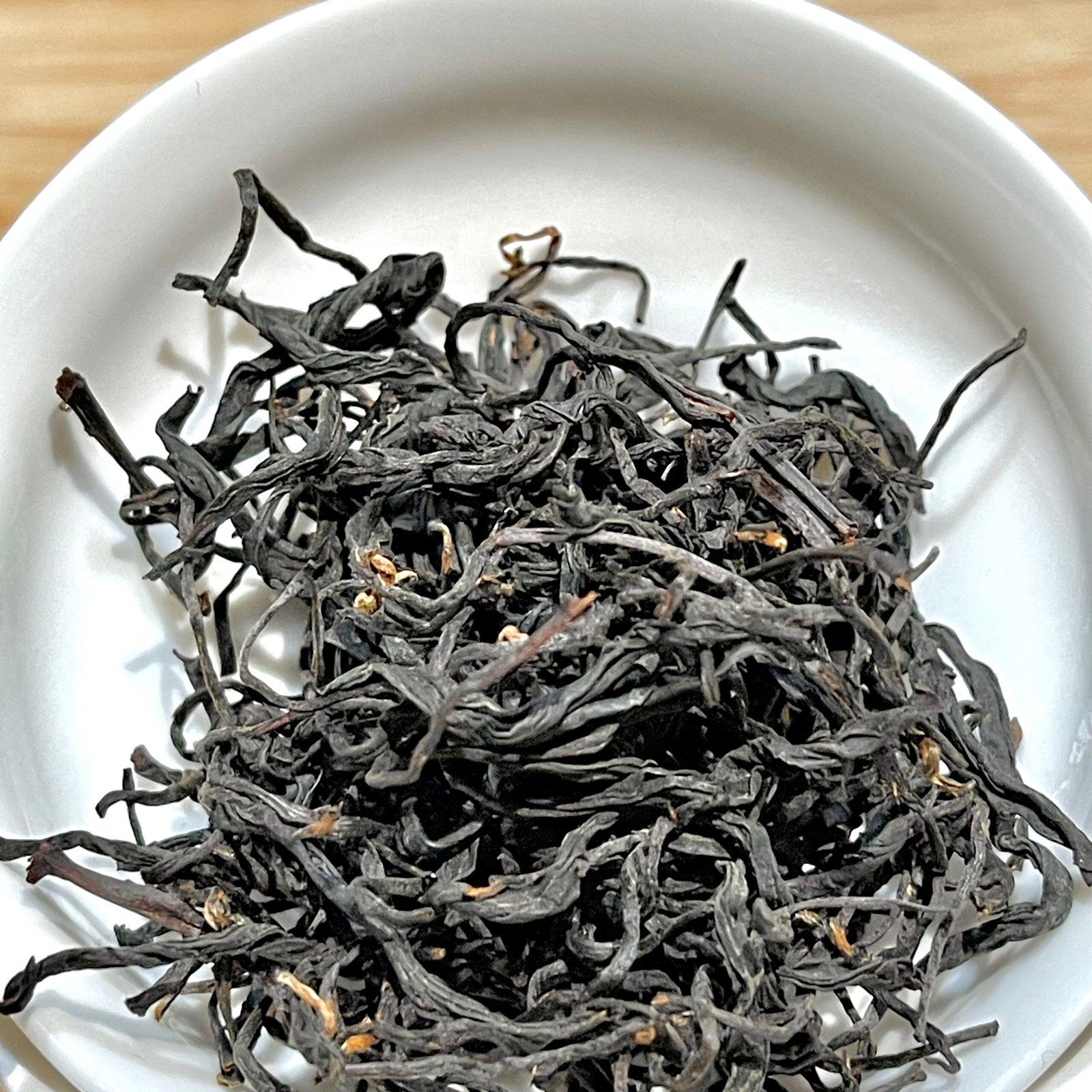
Xiaocai is an heirloom small-leaf cultivar native to Shouning. Unlike modern hybrids bred for yield, the Xiaocai heirloom cultivar is naturally high in amino acids, which translates to a thick, honeyed sweetness even with no sugar at all. When you cold-brew it, the maltiness softens into caramelized fig and toasted grain.
- Origin: Shouning, Fujian, centuries-old local cultivar
- Flavor notes: Caramel, dried fig, toasted grain, brown sugar
- Caffeine per 8oz cold brew: ~30mg (medium)
- Pairs with: Lemon wheel, fresh mint, or a splash of oat milk
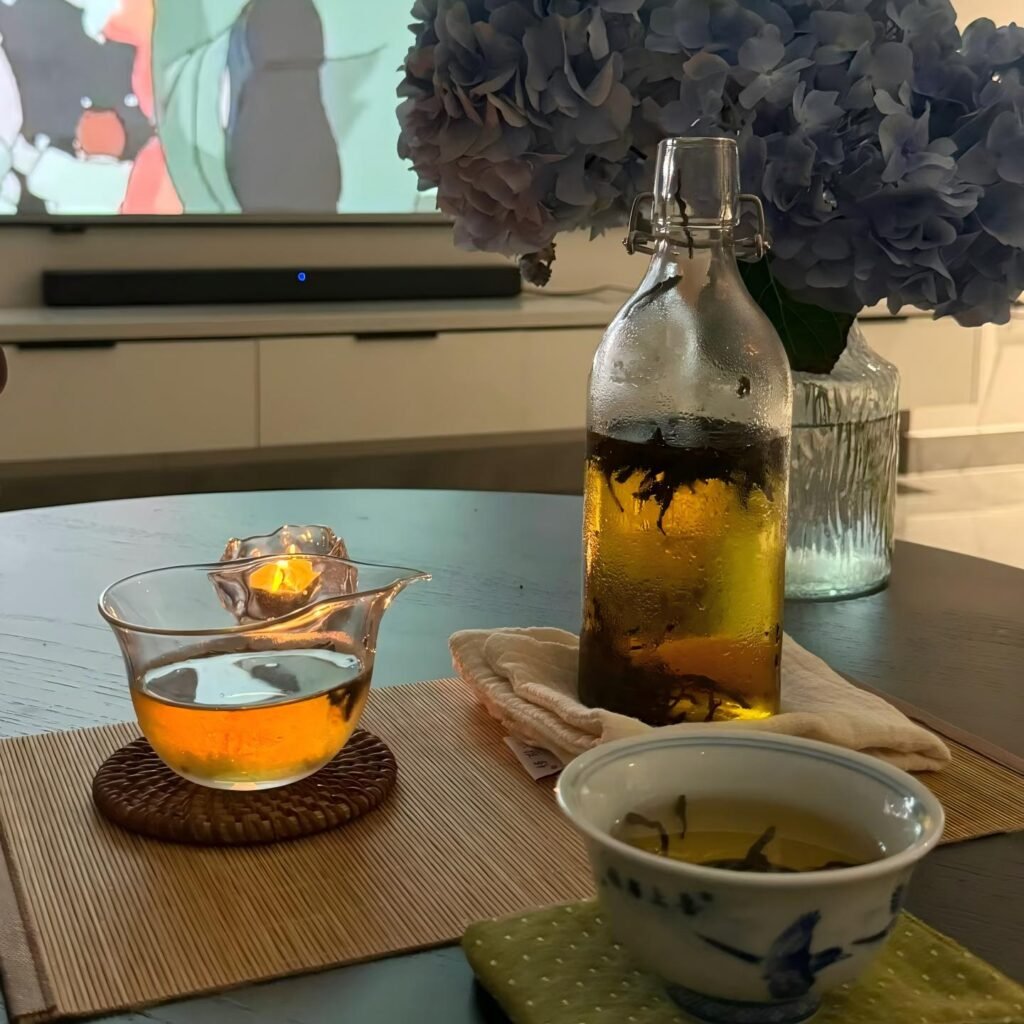
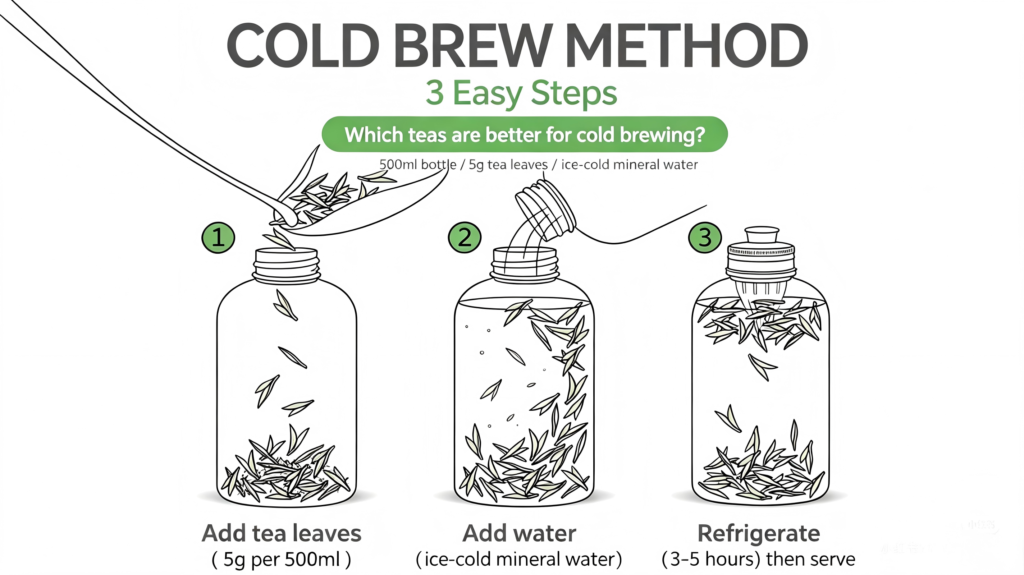
How to Cold Brew Tea: A Simple 4-Step Method
What You’ll Need
- 5g loose-leaf tea (about 1 heaping tablespoon)
- 500ml cold filtered water
- A glass pitcher or mason jar with a tight lid
- A fine mesh strainer
The Steps
- Measure your tea. Add 5g of loose-leaf into your clean pitcher.
- Pour cold filtered water over the leaves. Skip the kettle entirely—you’re not heating anything.
- Refrigerate for 6–8 hours. Overnight is the sweet spot. The leaves will slowly sink as they release flavor.
- Strain and serve. Pour over ice. Garnish if you like—peach slices for White Peony, lemon for Xiaocai.
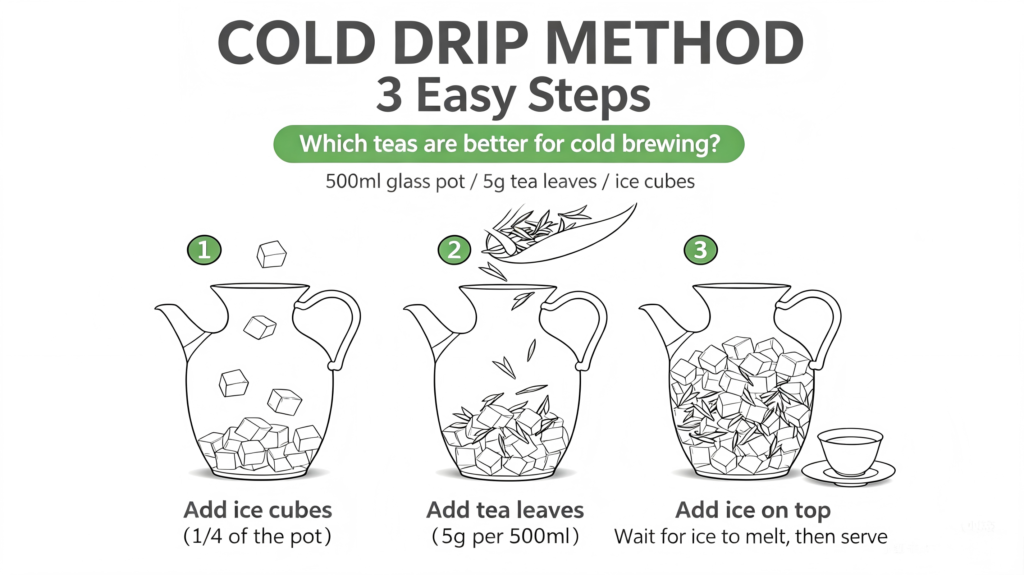
Pro tip: I keep two pitchers going at once—one White Peony started Monday, one Xiaocai started Tuesday. By the weekend, I have a rotation that never runs dry.
Cold Brew vs. Hot Brew: A Side-by-Side Comparison
If you’ve only ever brewed hot, you may wonder if the cold method is actually worth the wait. Here’s how they stack up across the dimensions that actually matter.
| Factor | Cold Brew (8 hrs) | Hot Brew (5 min, then iced) |
|---|---|---|
| Bitterness | None to minimal | Noticeable, especially as it sits |
| Caffeine extracted | ~70% of hot brew | 100% |
| Natural sweetness | Present (amino acids) | Requires added sugar or fruit |
| Fridge shelf life (strained) | Up to 3 days | 12–18 hours (turns sour) |
| Antioxidant retention | Higher (less heat degradation) | Lower (heat breaks down catechins) |
| Effort level | Set it and forget it | Active brewing + cooling + dilution |
Sources: caffeine and antioxidant data from NCBI peer-reviewed studies on cold-water caffeine extraction; shelf life based on USDA cold-storage guidelines for brewed tea.
Health Benefits Worth Knowing
Cold-steeping changes not just the taste, but what’s actually in your cup. Three findings matter most:
- Less caffeine, more L-theanine. Cold water pulls roughly 20–30% less caffeine than hot, while leaving more of the calming amino acid L-theanine intact. You get focus without the jitters.
- More antioxidants preserved. Catechins like EGCG begin to degrade above 80°C. Cold extraction keeps more of them in the liquid.
- Hydration without additives. Both teas are calorie-free, sugar-free, and contain trace minerals like manganese and potassium.
According to the NIH Office of Dietary Supplements antioxidants fact sheet, tea is among the top dietary sources of antioxidants in many populations. How you brew it directly affects how much you actually absorb—and cold brewing consistently comes out ahead on retention.
Frequently Asked Questions
Q1: What Is Cold Brew Tea vs. Iced Tea?
Cold brew tea is steeped slowly in cold or room-temperature water for 6–8 hours. Iced tea is brewed hot and then chilled over ice. Cold-steeping avoids the harsh tannins that come with hot extraction, producing a naturally sweeter, smoother cup.
Q2: Can You Cold Brew Black Tea?
Yes—and it’s one of the best ways to enjoy high-quality black tea. Hot water pulls aggressive tannins from black tea leaves, which is why most iced black tea tastes astringent. Cold water sidesteps that, leaving the natural malt and honey notes intact.
Q3: How Much Caffeine Is in Cold Brew Tea?
Cold brewing extracts roughly 20–30% less caffeine than hot brewing. A typical 8oz cold-brewed black tea contains about 30mg of caffeine, while a cold-brewed white tea contains about 15mg.
Q4: Can You Re-Steep Tea Leaves After Cold Brewing?
Yes. After an 8-hour cold steep, high-quality whole leaves still have plenty of flavor to give. You can re-steep them cold once more for another 6 hours, or pour 80°C water over them for 3–5 minutes for a quick hot cup.
Q5: What Is Xiaocai and What Makes It Special?
Xiaocai (小菜茶) is a native heirloom tea cultivar from the high-altitude gardens of Shouning, Fujian. Cultivated locally for centuries, it naturally produces high levels of amino acids, which give it a signature honey sweetness that shines brilliantly in cold water.
Q6: How Long Does Cold Brew Tea Last in the Fridge?
Once you strain out the leaves, the finished tea stays fresh in the refrigerator for up to 3 days. Keep the bottle sealed to preserve its bright aromatics.
Q7: Can You Leave Cold Brew Tea Steeping Too Long?
Cold brew is extremely forgiving. Leaving the leaves in the fridge for 10–12 hours won’t ruin your batch. However, after 16+ hours, the tea may begin to extract slight woody notes. For peak sweetness, we recommend straining between 6 and 10 hours.
Q8: What Is the Best Water to Use for Cold Brew Tea?
Filtered tap water or soft spring water works best. Avoid unfiltered tap water, as chlorine flattens delicate floral notes (especially in White Peony).
Q9: Is Cold Brew Tea Safer Than Sun Tea?
Yes, significantly safer. Traditional “sun tea” sits at room temperature for hours, creating a warm environment where bacteria can grow. Cold brewing inside your refrigerator keeps the infusion food-safe, clean, and crisp.
Q10: Do I Need Special Equipment to Cold Brew Tea?
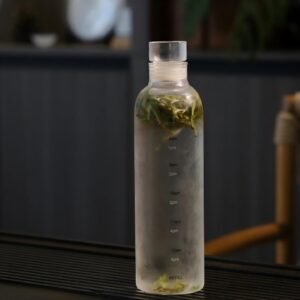
Not at all. Any clean glass mason jar, pitcher, or water bottle with a lid will do. To serve, simply pour the tea through a fine mesh kitchen strainer into your glass.
Q11: Can I Add Sweeteners, Fruit, or Milk to These Cold Brews?
Both teas in this duo are naturally sweet without any additives. However, fresh peach or cucumber slices pair wonderfully with White Peony. For Xiaocai Black Tea, a squeeze of fresh lemon, a sprig of mint, or a splash of oat milk creates a velvety milk tea treat.
Try the Duo for Yourself
If you’ve read this far, you already know the difference. Hot-and-iced is a compromise. Cold brew tea is what these leaves were always meant to do.
The Classic Cold Brew Tea Duo ships with 50g of White Peony and 50g of Xiaocai Black Tea—enough for roughly 20 pitchers. Order today, and your next summer morning will not taste the same.
Additional information
| gram | 100g, 200g, 500g |
|---|
Related products
-

Best Premium Cold Brew White Tea Duo: 2026 Spring Harvest from Fujian
Price range: $23.90 through $118.90Select options This product has multiple variants. The options may be chosen on the product page -
White Tea Cold Brew Duo 2026: Perfect White Peony & Shou Mei
Price range: $15.90 through $75.90Select options This product has multiple variants. The options may be chosen on the product page -
Ultimate Summer Cold Brew Tea Duo 2026: White Peony & Green Tea
Price range: $18.90 through $90.90Select options This product has multiple variants. The options may be chosen on the product page -
Best Cold Brew Tea Duo | Fujian Spring 2026 Harvest
Price range: $13.90 through $138.90Select options This product has multiple variants. The options may be chosen on the product page



Reviews
There are no reviews yet.