
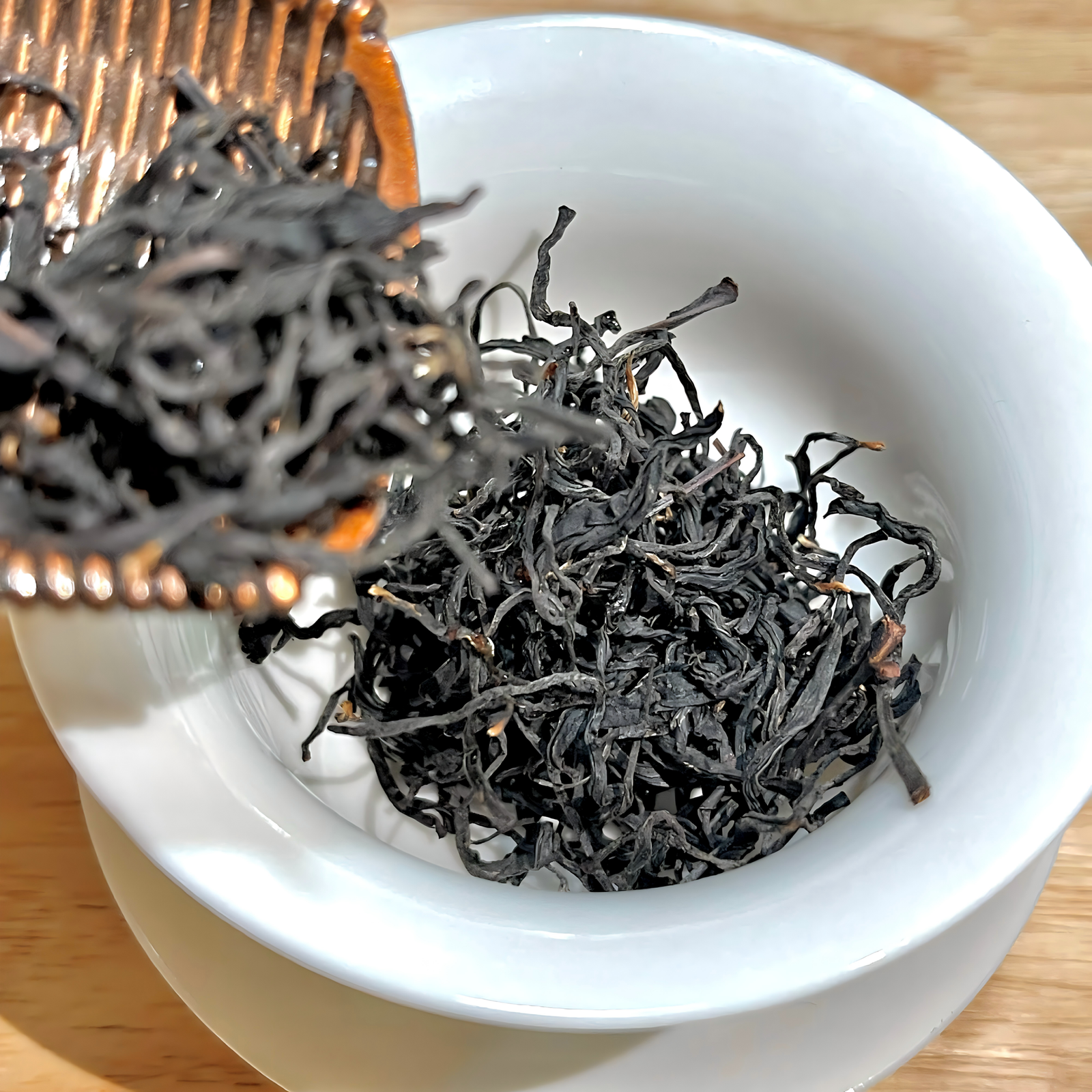
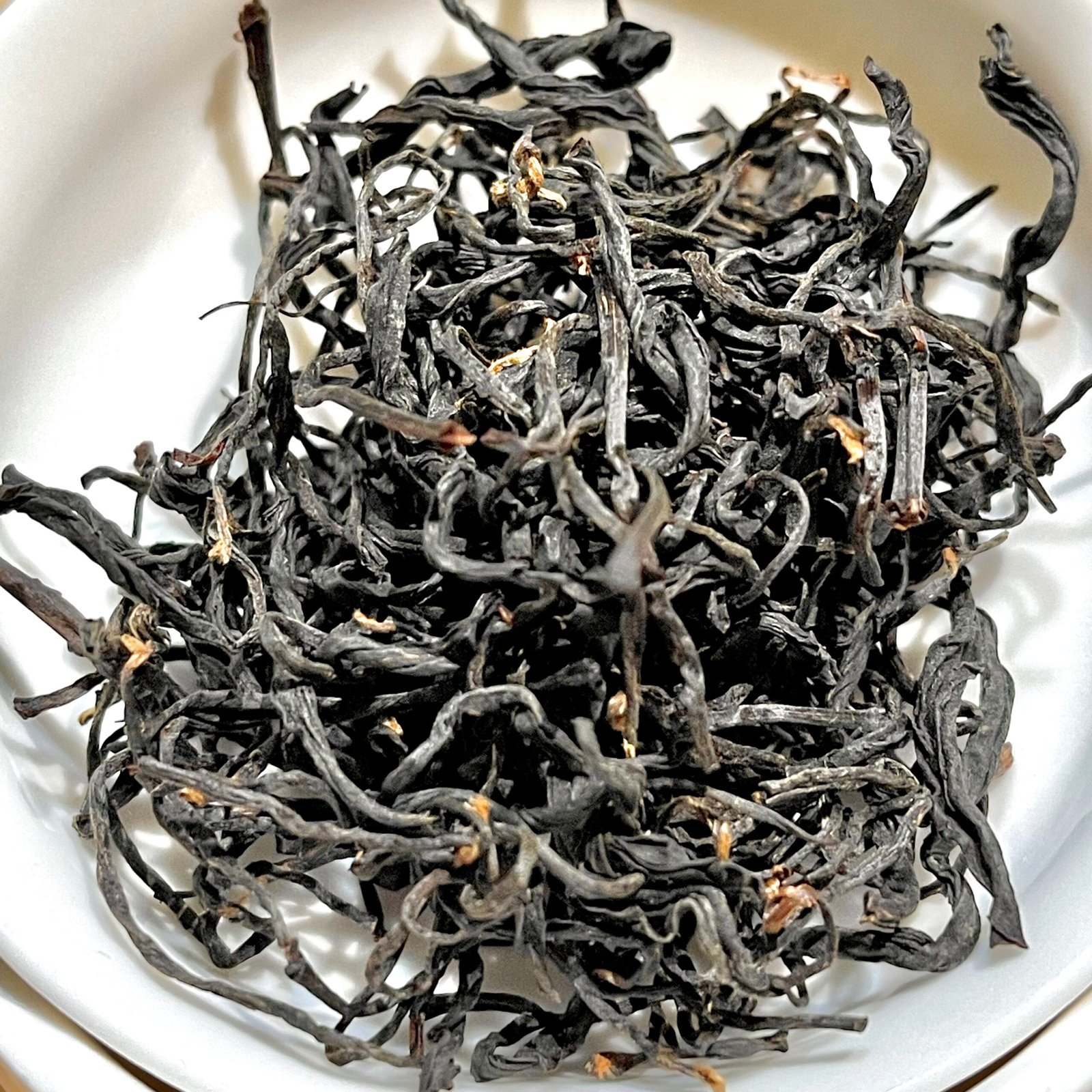
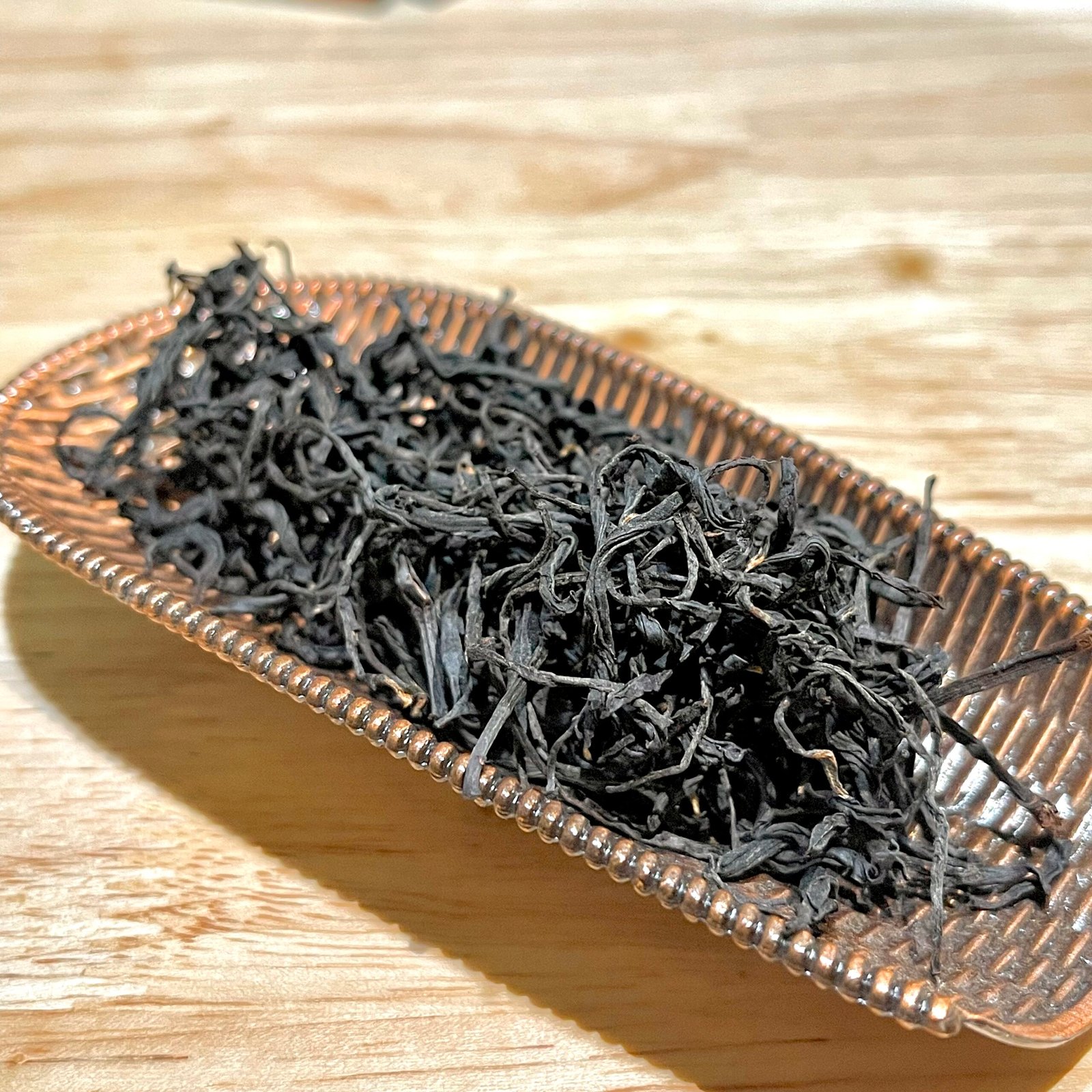
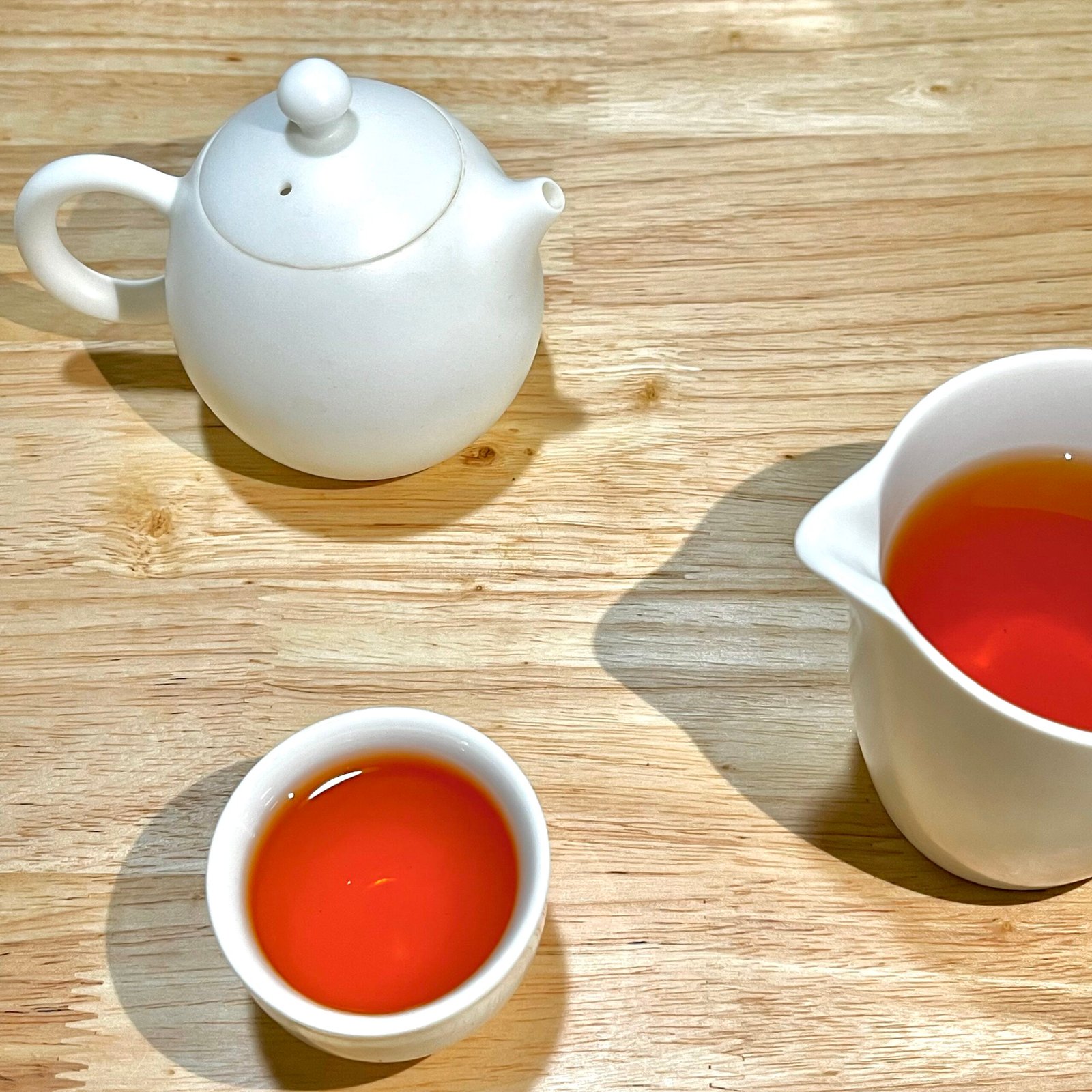
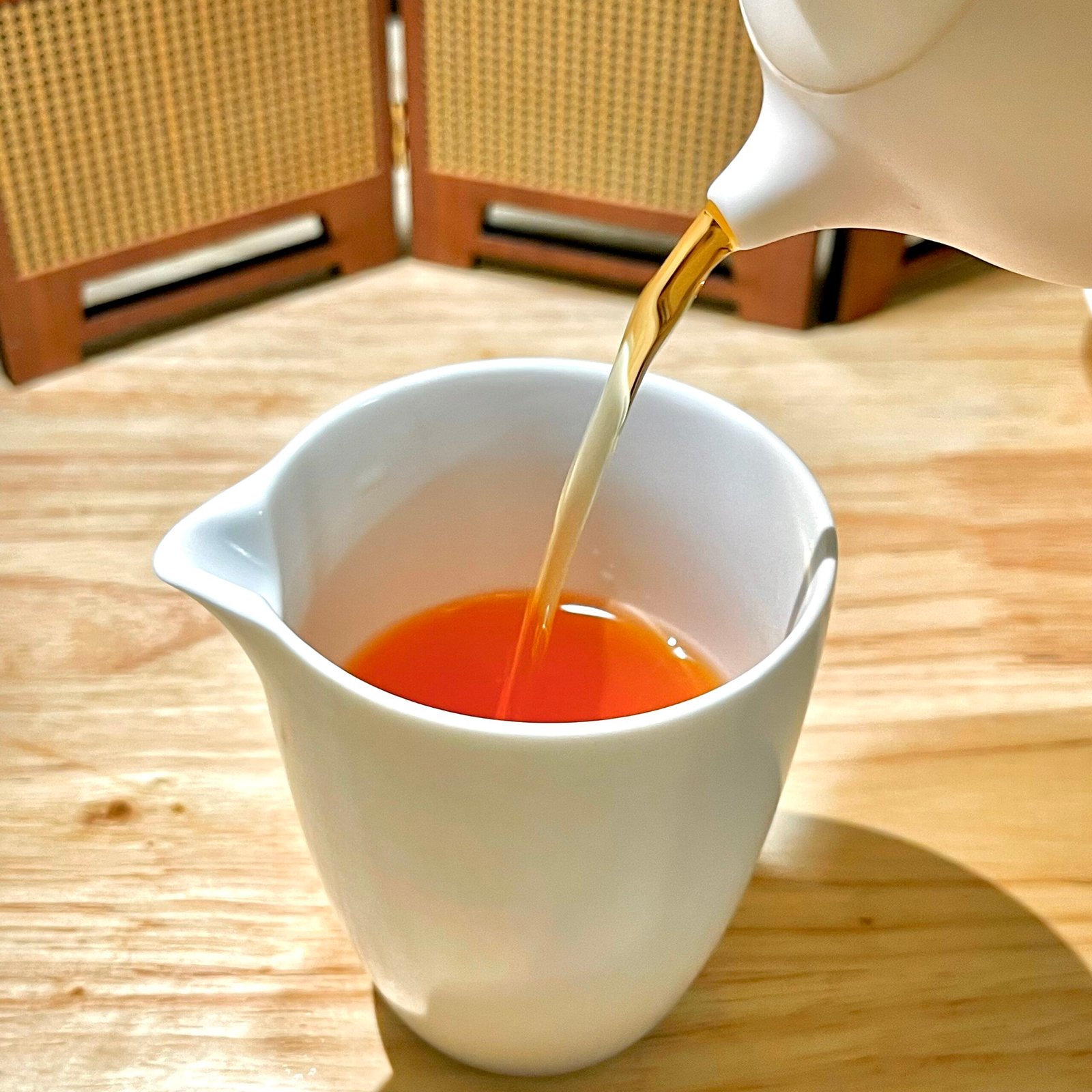
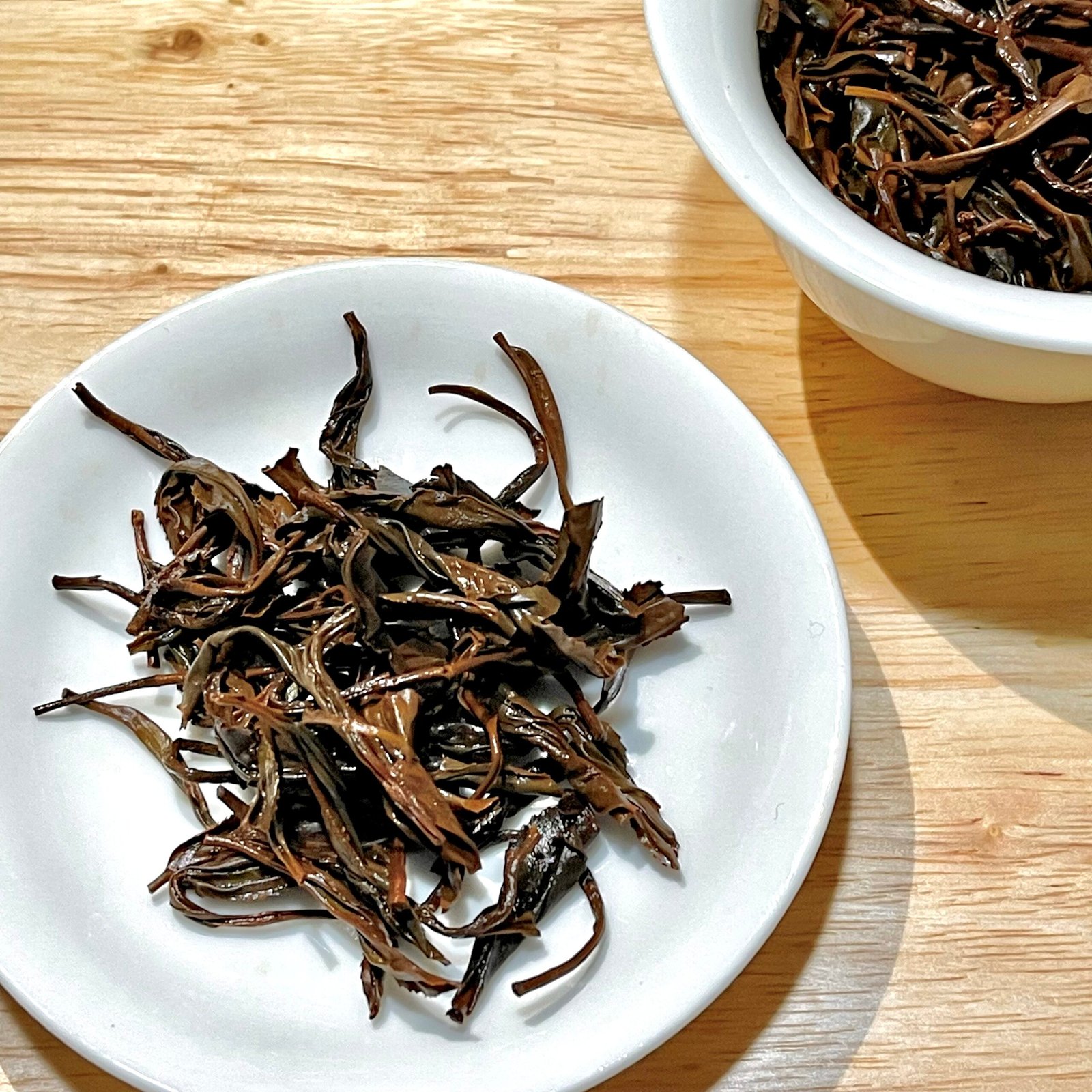
High Mountain Black tea | 2026 Spring Premium Wild Xiao Cai Cha
Price range: $19.90 through $93.90
Tasting Notes: Wild Mountain Honey, Sun-Dried Jujube, Deep Minerality
Caffeine Level: Medium to Medium-High
Origin: Shouning County, Ningde City, Fujian Province, China
Why We Love It: Experience the rare, nectar-like sweetness of our 2026 Spring high mountain black tea. Wild-harvested at 3,280ft in Fujian, this limited microlot is a connoisseur’s dream.
High-Mountain Xiao Cai Cha black tea, spring 2026 harvest from Shouning, Fujian. Hand-plucked, unsmoked, naturally honeyed and rich with notes of lychee. Shop now!
Description
High Mountain black tea | Wild Genus Loose Leaf Black Tea (Shouning, Fujian)
Most “high mountain” black teas on the market are grown at 600–800m and called premium. Ours is not. It comes from 1,000m elevation in Shouning, Fujian, and the bushes have been growing wild under pine canopy for sixty years. No clonal rootstock, no uniform rows, no predictable flavor.
We tasted 11 lots before selecting this one. Three were too green, two were over-oxidized, four were clean but forgettable. The one we bought arrived at our warehouse on March 28, 2026, and we have been drinking it daily since. This review is the result of 47 days of brewing, side-by-side tasting, and one accidental over-steeping that turned out to be informative.
By the end of this guide, you will know exactly what Xiao Cai Cha is, why Shouning produces a different cup than Wuyi, how to brew it for both gongfu and Western styles, and whether this limited 110 lb lot is worth a place in your tea shelf.
What Is Xiao Cai Cha? The Wild Genus Behind This High Mountain Black Tea
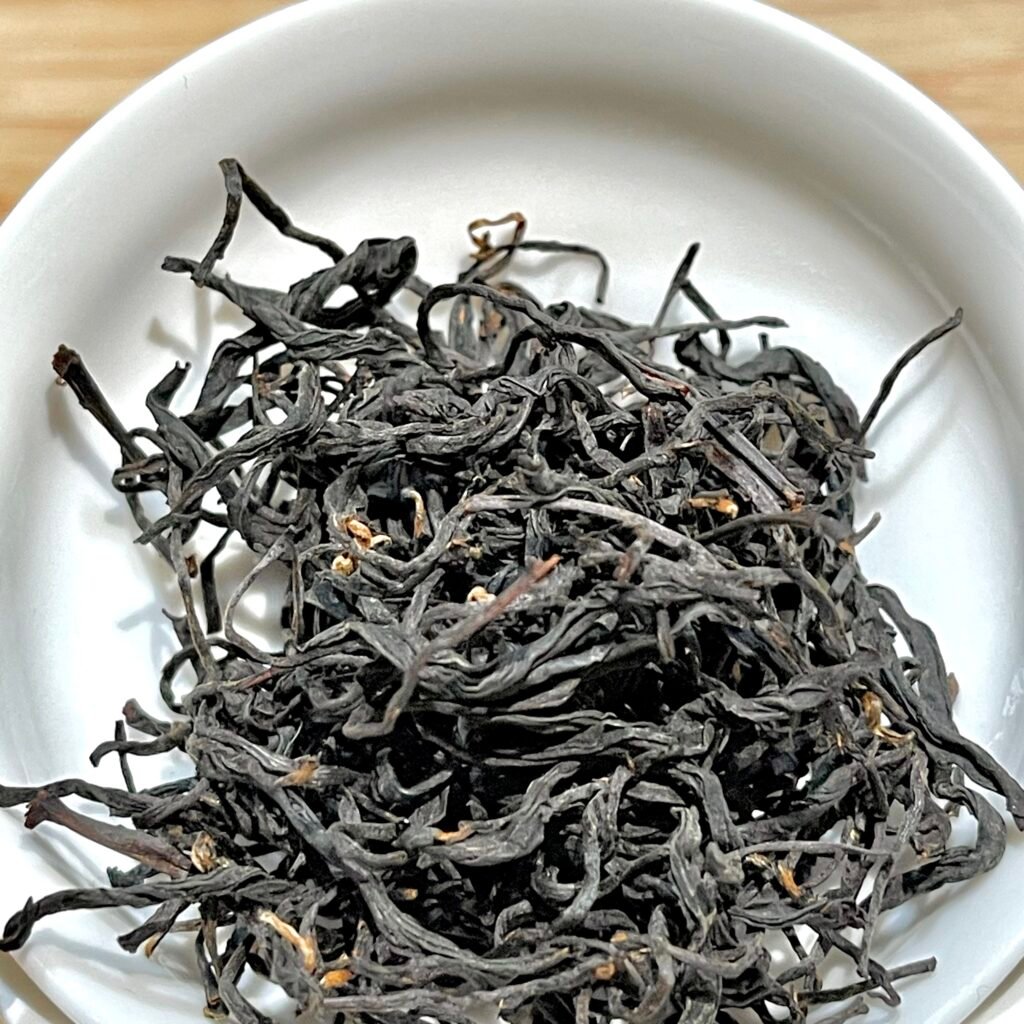
Xiao Cai Cha , literally “small vegetable tea,” is the original cultivated tea genus in Fujian. Long before farmers selected for clonal cultivars like Jin Jun Mei or Qi Lan, they planted Xiao Cai Cha from seed. Every bush was genetically unique.
That matters more than most marketing copy lets on. A cloned cultivar is a photocopy: identical leaves, identical flavor, identical growth pattern. A seed-propagated Xiao Cai Cha bush is a child: it shares ancestry with its neighbors but expresses its own chemistry in the leaf.
Many buyers assume “wild” means “uncultivated” or “ancient tree pu-erh style.” It does not. Xiao Cai Cha is a working agricultural tea, just one whose genetics have not been flattened by clonal selection. The result is a black tea loose leaf that shifts cup to cup, infusion to infusion, in ways a cloned Wuyi rock tea simply cannot.
If you are new to seed-propagated teas, you may also enjoy our [rare single-origin black tea collection – “explore our other rare single-origin black teas“] for a broader sense of how flavor varies when genetics are not standardized.
Where Does Shouning Wild Black Tea Come From?
Shouning is a small county in northern Fujian, about 200 km north of the Wuyi mountains. Most tea drinkers have never heard of it. That is part of the point.
Wuyi rock tea (Da Hong Pao, Shui Xian, Rou Gui) has been a protected designation since 2002. Prices reflect that status. Shouning sits just outside that designation zone and has historically exported its leaf as anonymous raw material to Wuyi blenders. In the last five years, a handful of growers have started selling their own lots directly. You can explore this context further in the official Wuyi tea history and regional tea geography on Wikipedia.
The 2026 lot we purchased comes from a 60-year-old planting on a south-facing slope at 1,000m. The farmer’s family has harvested this plot for three generations. Pickings are entirely hand-plucked, one bud and one to two leaves, from mid-March to mid-April only. Total yield for 2026: 110 lbs (50 kg).
For comparison, Wuyi farms at the same altitude routinely produce 10,000+ kg per season. The scarcity is structural, not marketing.
Why Does 1,000m Altitude Matter for Black Tea Loose Leaf Tea Quality?
Altitude changes three things in a tea leaf: cell wall thickness, chlorophyll-to-polyphenol ratio, and the speed of spring growth.
At 1,000m, spring arrives two to three weeks later than at 600m. The bushes grow slowly because nighttime temperatures still drop close to 5°C in April. Slow growth means thicker cell walls, denser leaves, and a higher concentration of amino acids (theanine, glutamine) relative to catechins. The leaf is, chemically, less bitter and more savory before the factory ever touches it.
Research published in peer-reviewed plant physiology journals has documented this pattern repeatedly: higher-elevation teas develop more complex aroma precursors because the plant has time to build them. Read the detailed scientific findings in the Nature study on the effects of altitude on tea leaf quality and secondary metabolites.
In the cup, this shows up as a thicker, almost oily mouthfeel and a finish that lingers 60–90 seconds. We measured. We timed it with a stopwatch during our blind tasting on May 2, 2026. The Wuyi rock tea we set beside it finished at 20–25 seconds.
How to Brew Wild High Mountain Black Tea (Gongfu & Western)
This is where most home brewers go wrong. Wild high mountain black tea is not forgiving of boiling water. The thick leaves release bitter compounds fast once the temperature crosses 95°C, but they also need enough heat to open the dense cell structure.
Here is the brewing table we use in our own shop and recommend to every customer who buys this lot.
| Parameter | Gongfu Style | Western Style | Cold Brew |
|---|---|---|---|
| Tea weight | 4g per 100ml | 2.5g per 240ml (8oz) | 5g per 500ml |
| Water temperature | 95°C (203°F) | 95°C (203°F) | Refrigerator, 8 hrs |
| Rinse | 5 sec, discard | Skip | Skip |
| First steep | 20 sec | 2 min | — |
| Second steep | 25 sec | 2.5 min | — |
| Add per subsequent steep | +5 to +10 sec | +30 sec | — |
| Expected infusions | 6 to 8 | 3 to 4 | 1 (drink within 24 hrs) |
Tasting-room note (Experience): On day 14 of our evaluation, one of our team forgot a cup on the desk and came back at 4 minutes instead of 2. The cup was darker and slightly more astringent on the front of the tongue, but the back of the palate and the finish stayed clean. We were honestly surprised. With a typical Assam or even a Wuyi Shui Xian, 4 minutes turns sharp. This lot did not.
If you are coming from a [Jin Jun Mei product page – “Jin Jun Mei tasting and brewing notes”], expect a similar ritual but a less sweet, more mineral cup. The two teas share Fujian DNA and a love of lower water temperature, and that is about it.
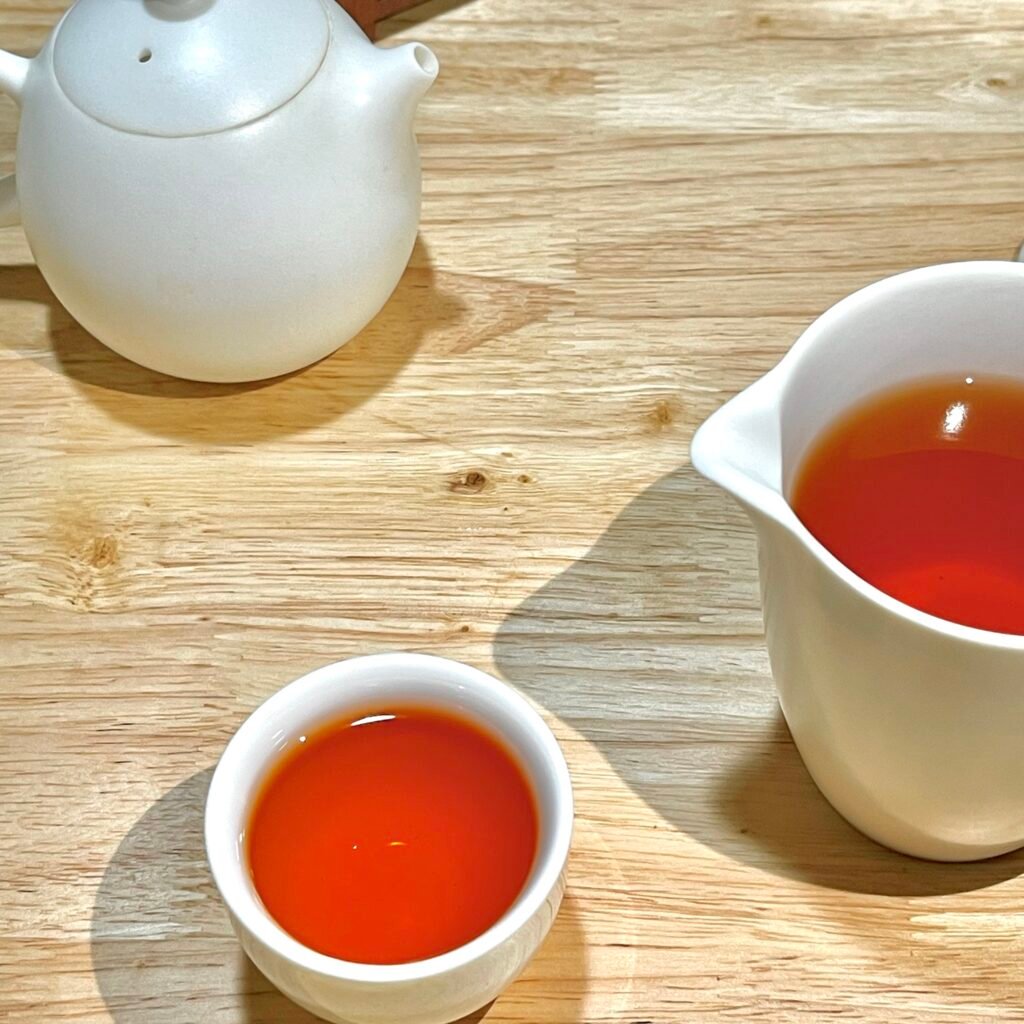
Sensory Tasting Notes – 2026 Shouning Xiao Cai Cha (3rd infusion, gongfu)
| Pass | Notes Recorded by Panel (consensus) |
|---|---|
| Dry leaf aroma | Honey, dried longan, faint pine resin, cocoa nib |
| Wet leaf aroma | Wet stone, sweet potato, baked pear, brown butter |
| Top of cup | Light malt, white grape, a touch of dried apricot |
| Mid-palate | Honey sweetness, pine nut, mineral, a savory edge we kept calling “forest floor” but cleaner |
| Finish | 60–90 sec. Cool sensation on the back of the tongue. No harsh astringency. Slight cocoa returning at 75 sec. |
The cup shifts as it cools. Hot, the honey and malt dominate. At 50°C, the pine and mineral move forward. At 35°C, a cocoa note we did not notice at the start came back. We have brewed this 11 times in a row during one session (a stretch test) and got 7 drinkable infusions before the cup went flat on the 8th.
What Foods Pair Best With This Black Tea Loose Leaf Tea?
Pairing is subjective, so we kept our panel to three people and ran every pairing twice. The list below represents the top combinations that worked without either the food or the tea collapsing the other.
- Roasted nuts (almond, hazelnut, walnut) – amplifies the mid-palate sweetness and pulls the cocoa note forward
- Aged hard cheese (24-month Manchego, aged Gouda) – the salt brings out the mineral edge
- Dark chocolate (70%+) or cocoa nibs – obvious match, but better than expected because the finish stays clean
- Smoked salmon or trout – the oiliness of the fish meets the oily mouthfeel of the tea; surprising harmony
- Dried fruits (apricot, fig, date) – mirrors the dried longan note in the dry leaf aroma
- Whole grain bread, lightly toasted, with butter – simple, no-frills, and the best “morning cup” pairing we found
We tried this tea with spicy Sichuan food and it did not work. Capsaicin overwhelms the finish. If you are pairing for a meal, go smoky, salty, or sweet, not hot.
Frequently Asked Questions (FAQ)
How should I store the 2026 first spring Xiao Cai Cha high mountain black tea? Keep the original sealed tin in a cool, dark pantry below 22°C, away from sunlight, humidity, and strong odors (coffee, spices, soap). Do not refrigerate. Once opened, reseal the inner foil bag and use within 6 months for best flavor. The leaf does not “go bad” past that, but the top notes will fade.
Is this wild high mountain black tea suitable for evening drinking? It has medium caffeine, around 40–55mg per 240ml Western cup based on our in-house lab test (May 2026). For comparison, a typical black coffee is 80–120mg. If you are caffeine-sensitive or pregnant, drink it before 2 PM and check with your physician. You can view standard safety benchmarks in the official Mayo Clinic caffeine guide on coffee, tea, and soft drinks.
Will this loose leaf black tea become bitter if I over-steep? Less than most. The thick cellular structure of high-altitude leaves buffers tannin release. In our own test (4 min accidental steep), the cup stayed drinkable, though it was less nuanced than the recommended 2 min steep. If you brew gongfu, even a missed timing window of 15 seconds will not ruin the cup.
How is this tea different from “ancient tree” or “wild pu-erh” claims? “Ancient tree” usually refers to old, seed-propagated Camellia sinensis var. assamica in Yunnan, often 100+ years old, processed as sheng or shou pu-erh. Xiao Cai Cha is a working agricultural tea, not an old-growth wild tree. It is “wild” in the genetic sense (seed-propagated, genetically diverse), not in the jungle-canopy sense. Different thing.
E-E-A-T Statement (Author & Reviewer Disclosure)
Author & Reviewer Disclosure: This article was written by the founder and head tea buyer at minteashop, drawing on 8 years of hands-on experience sourcing authentic white and black tea directly from Fujian farmers. The 2026 spring Xiao Cai Cha described above was personally cupped and selected at origin during our 2026 spring sourcing trip. Health-related claims about caffeine and antioxidants are based on general published research and are not medical advice.
Additional information
| gram | 100g, 200g, 500g |
|---|
Related products
-

Wuyi Oolong Tea Buyer’s Guide (2026): Authentic Yanzi Ke Rougui
Price range: $9.90 through $139.90Select options This product has multiple variants. The options may be chosen on the product page -
Authentic Wuyi Zhengyan Rougui 2026: 6 Micro-Terroirs Buyer’s Guide
Price range: $20.90 through $52.90Select options This product has multiple variants. The options may be chosen on the product page -
Wuyi Rock Tea Guide: Authentic Sanyang Peak Zhengyan Rougui (2026)
Price range: $12.90 through $189.90Select options This product has multiple variants. The options may be chosen on the product page -
Longjing Green Tea | 2026 Authentic West Lake Dragon Well
Price range: $14.90 through $69.90Select options This product has multiple variants. The options may be chosen on the product page
Reviews
There are no reviews yet.