
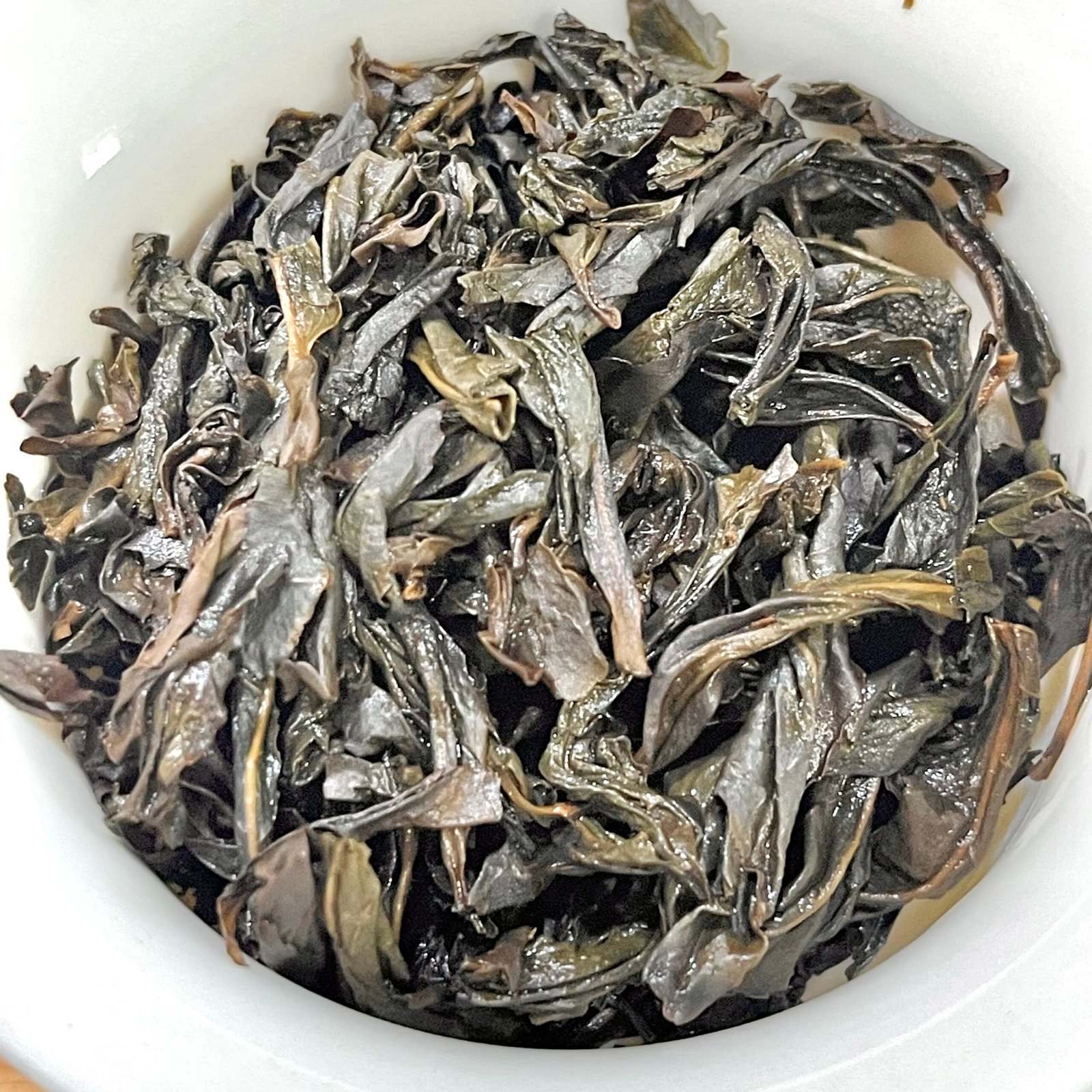
Zhengyan Da Hong Pao: 2026 Buyer’s Guide to Big Red Robe
Price range: $23.90 through $299.90
Specifications at a Glance
Type: Premium Wuyi Zhengyan Mituoyan Da Hong Pao (Oolong)
Origin: Mituoyan Micro-Terroir, Core Reserve Zone, Wuyishan, Fujian Province, China
Harvest: Spring 2026
Altitude: 984 ft – 1,312 ft (300 m – 400 m)
Caffeine: Moderate
Sizes:
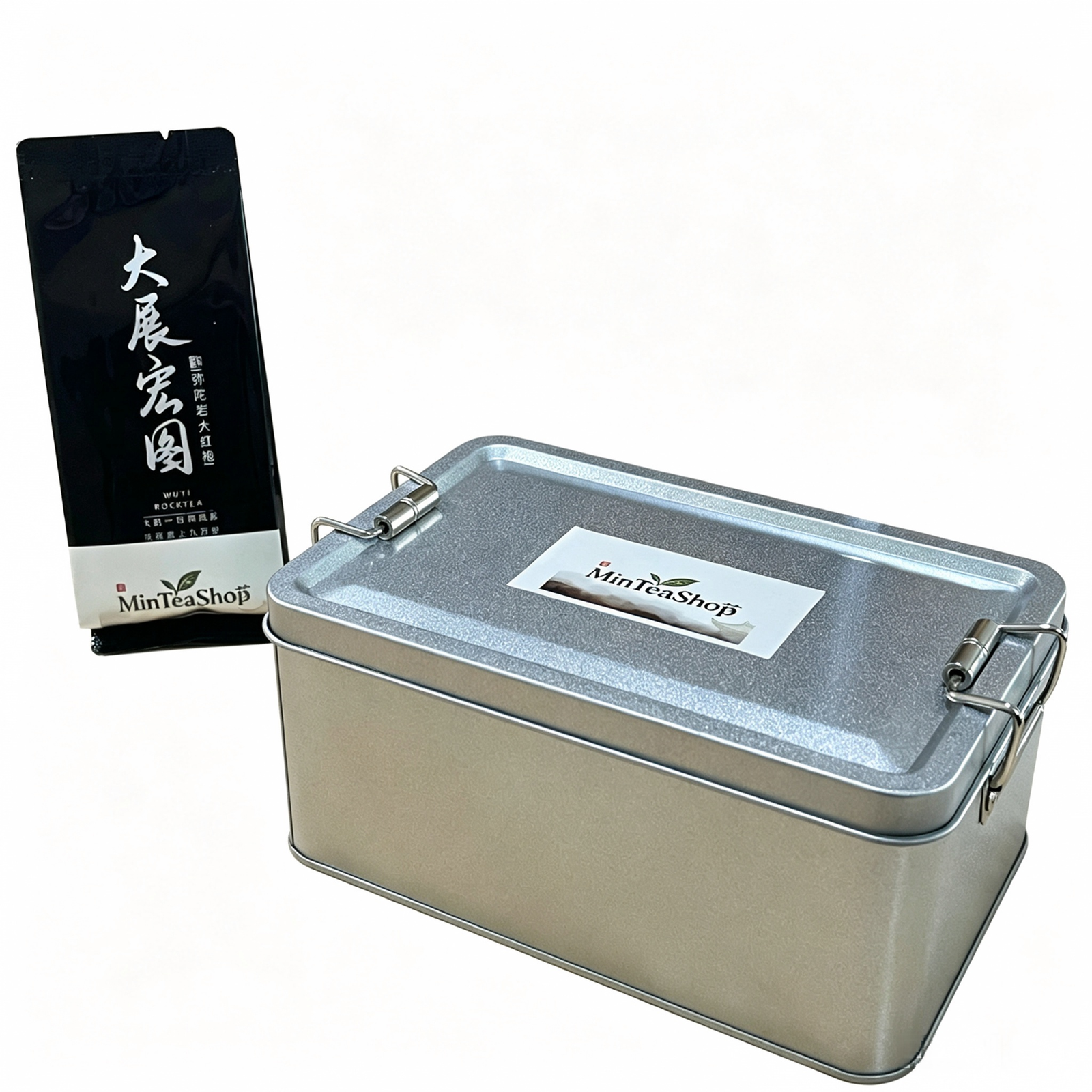
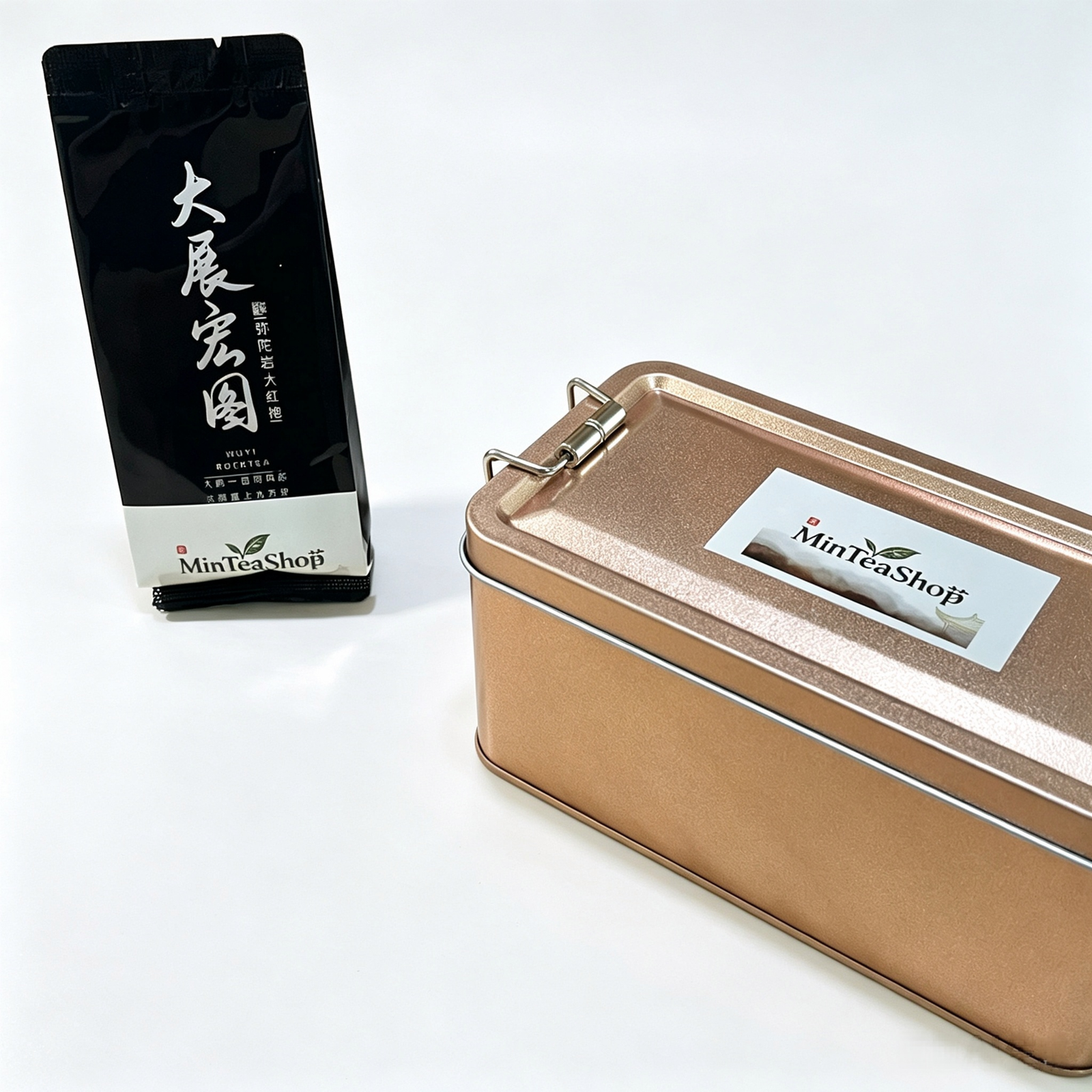
3 Packs: 0.88 oz (24.9g | 8.3g × 3)
6 Packs: 1.76 oz (49.8g | 8.3g × 6)
18 Packs: 5.27 oz (149.4g | 8.3g × 18)
30 Packs: 8.78 oz (249g | 8.3g × 30)
60 Packs: 17.57 oz (498g | 8.3g × 60)
Whether you’re new to Wuyi Rock Tea or a seasoned oolong enthusiast, Mituoyan Da Hong Pao offers an unforgettable benchmark for authentic Zhengyan depth—from its rich dark cocoa and hazelnut aromas to its deep, lingering mineral sweetness. Every order includes a complimentary surprise sample alongside your tea, so you can explore even more rich, rock-tea nuances firsthand.
Description
Zhengyan Da Hong Pao: 2026 Buyer’s Guide to Big Red Robe
If you’ve ever tried tea sold as Da Hong Pao and felt the flavor fell short, you’re not alone.
The reason is simple: origin is everything.
True Wuyi Rock Tea gets its iconic flavor from the unique terroir of the Wuyi Mountains. However, teas from other regions are often processed in a similar style and sold under the same name, leaving buyers guessing what they’re actually drinking.
With MinteaShop, you don’t have to take origin on faith.
We own our tea gardens and processing facility in the heart of the Wuyi Mountains, managing quality from leaf to cup. By skipping flashy packaging and excess cost, we focus entirely on what matters most: the quality of the tea inside.
Most Da Hong Pao you’ll find online isn’t real Zhengyan. That gap matters — and it’s the reason we wrote this guide.
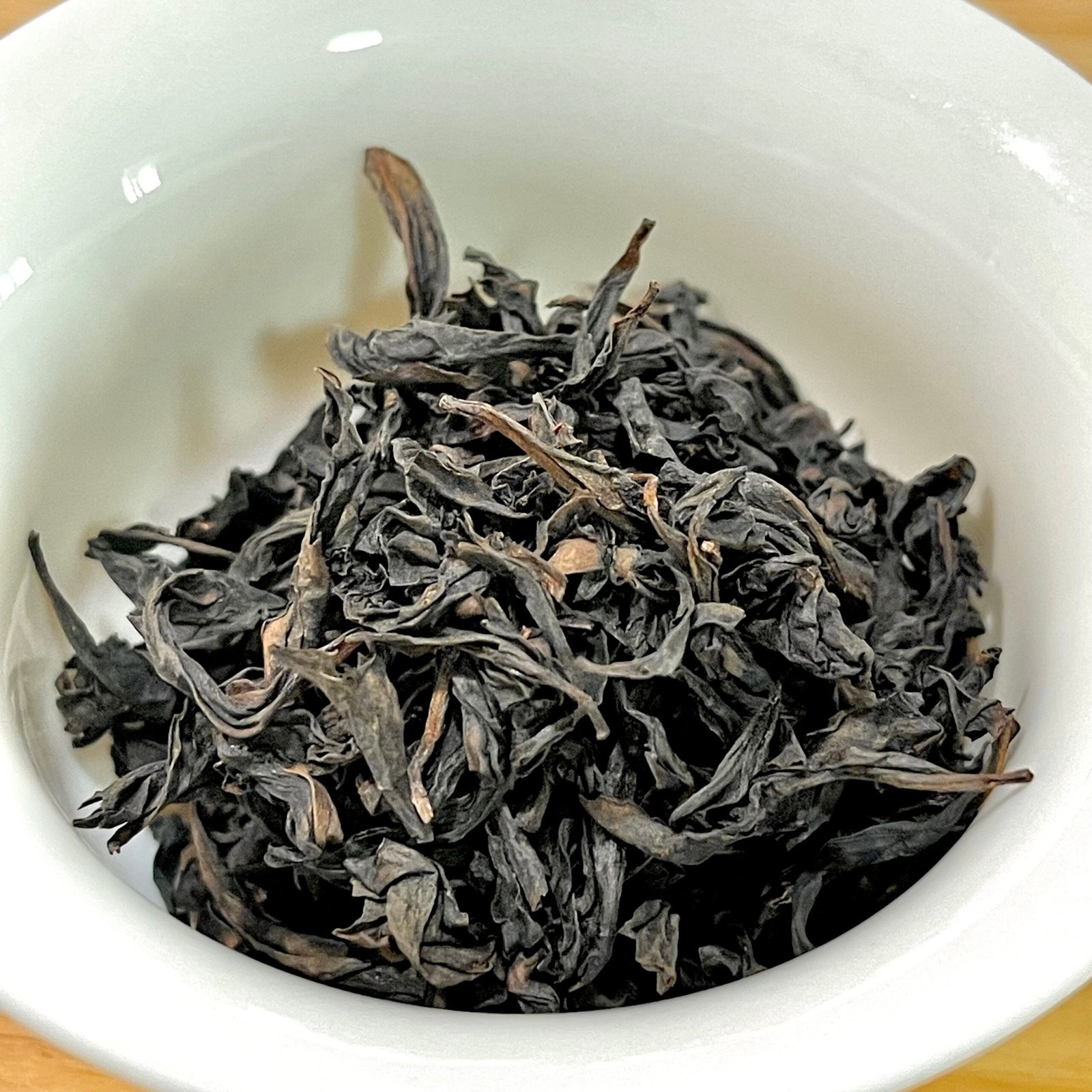
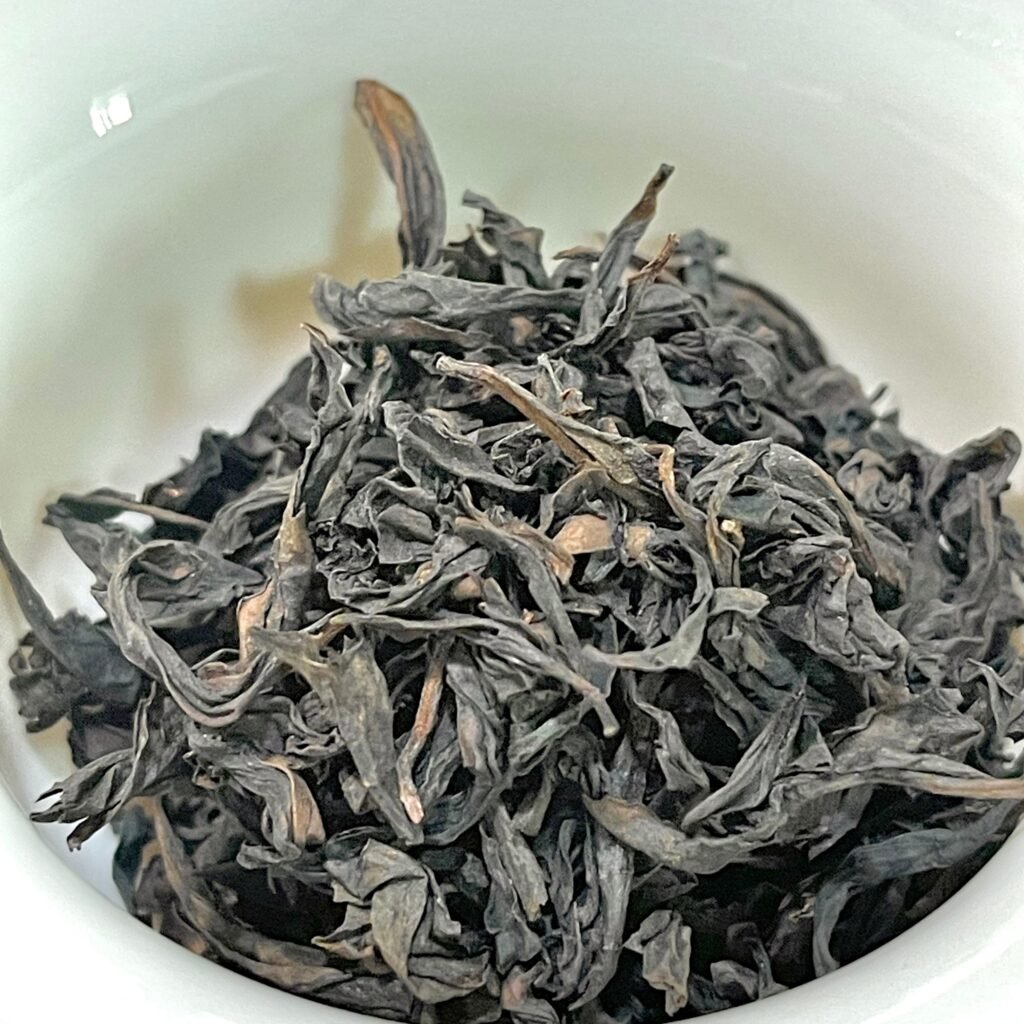
When we opened the tin of Mituoyan Zhengyan Da Hong Pao, the leaves smelled like cocoa. The first steep gave off a deep, savory sweetness. That kind of depth comes from one thing: origin. If you’ve never tried real Zhengyan Da Hong Pao, this guide will save you a lot of trial and error.
This guide covers what Zhengyan really means. You’ll learn how to spot authentic Big Red Robe, what it should taste like, and how to brew it so the flavor lasts. You’ll also see why the price tag makes sense — and where to buy without getting burned.
What Is Zhengyan Da Hong Pao and Why Is It Special?
Zhengyan Da Hong Pao is a rare Big Red Robe grown inside the core reserve of Wuyishan, a UNESCO World Heritage Site in Fujian, China. Only tea from this small cliffside zone can legally use the “Zhengyan” name. The mineral soil and cool mountain air give the leaves a flavor you can’t get anywhere else.
The Wuyi mountains have produced rock teas for over a thousand years. Zhengyan is the heart of that region, covering less than 70 square kilometers within the Mount Wuyi UNESCO World Heritage Site. Inside this zone, tea bushes grow between steep rock cliffs, their roots reaching deep into weathered mineral soil.
We learned this the hard way. Our first batch of “Da Hong Pao” years ago turned out to be from a low-elevation farm outside the reserve. The leaves looked right. The taste was flat. Real Zhengyan Da Hong Pao has weight and a long finish that stays on your tongue.
Where Does the Best Zhengyan Wuyi Rock Tea Come From?
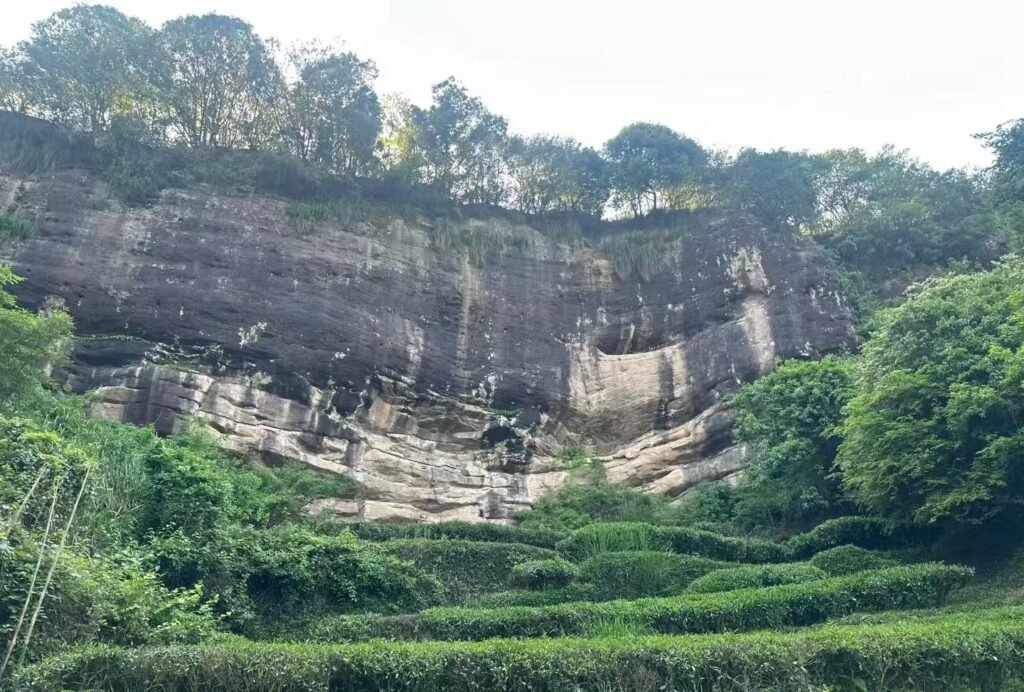
The best Zhengyan Wuyi Rock Tea comes from Mituoyan, a tiny micro-region inside the Wuyishan core reserve in northern Fujian. Mituoyan sits between limestone cliffs at 300 to 400 meters elevation. Its rocky soil, daily fog, and big temperature swings produce leaves with deep mineral flavor and thick body.
Most people don’t realize how small this zone is. Wuyishan National Park covers about 1,000 square kilometers. But the “Zhengyan” zone — where true Wuyi Rock Tea earns its name — is much smaller. Think of it like Burgundy in France. The word means the place.
Inside Zhengyan, a few micro-regions stand out. Mituoyan is one of them. Its name means “Bewildering Cliff.” Tea bushes here grow on narrow ledges. Rain drains fast through the rock. The roots have to dig deep for water. That struggle builds flavor.
We’ve tasted samples from three Mituoyan plots. The 2025 spring harvest from the north-facing slope had the cleanest roast and the longest sweet finish. The 2026 spring pick builds on that. We expect even more depth this year.
How Can You Tell If Da Hong Pao Is Authentic?
You can tell if Da Hong Pao is authentic by checking three things: origin (must be inside the Zhengyan zone), roast level (deep charcoal notes without burned smell), and resteep count (real Big Red Robe gives 8 to 12 infusions). Avoid any product with no farm name and no harvest date.
Fakes are common. Meaning “Big Red Robe,” Da Hong Pao has enjoyed legendary status since the Ming dynasty—a rich history documented on Britannica—and that widespread fame naturally spawned countless imitations. Here’s a quick checklist we use:
- Look for the exact farm or village name (Mituoyan, Tianjing, etc.)
- Check the harvest year on the tin
- Real leaves are tightly rolled, dark brown, not black
- Dry leaves should smell like cocoa or toast, not smoke
- Brewed tea should resteep at least 8 times
- If the price is below $20 per 50g, it’s almost certainly not Zhengyan
If a seller can’t answer where the tea came from, walk away. No farm name usually means no Zhengyan.
What Does Mituoyan Big Red Robe Taste Like?
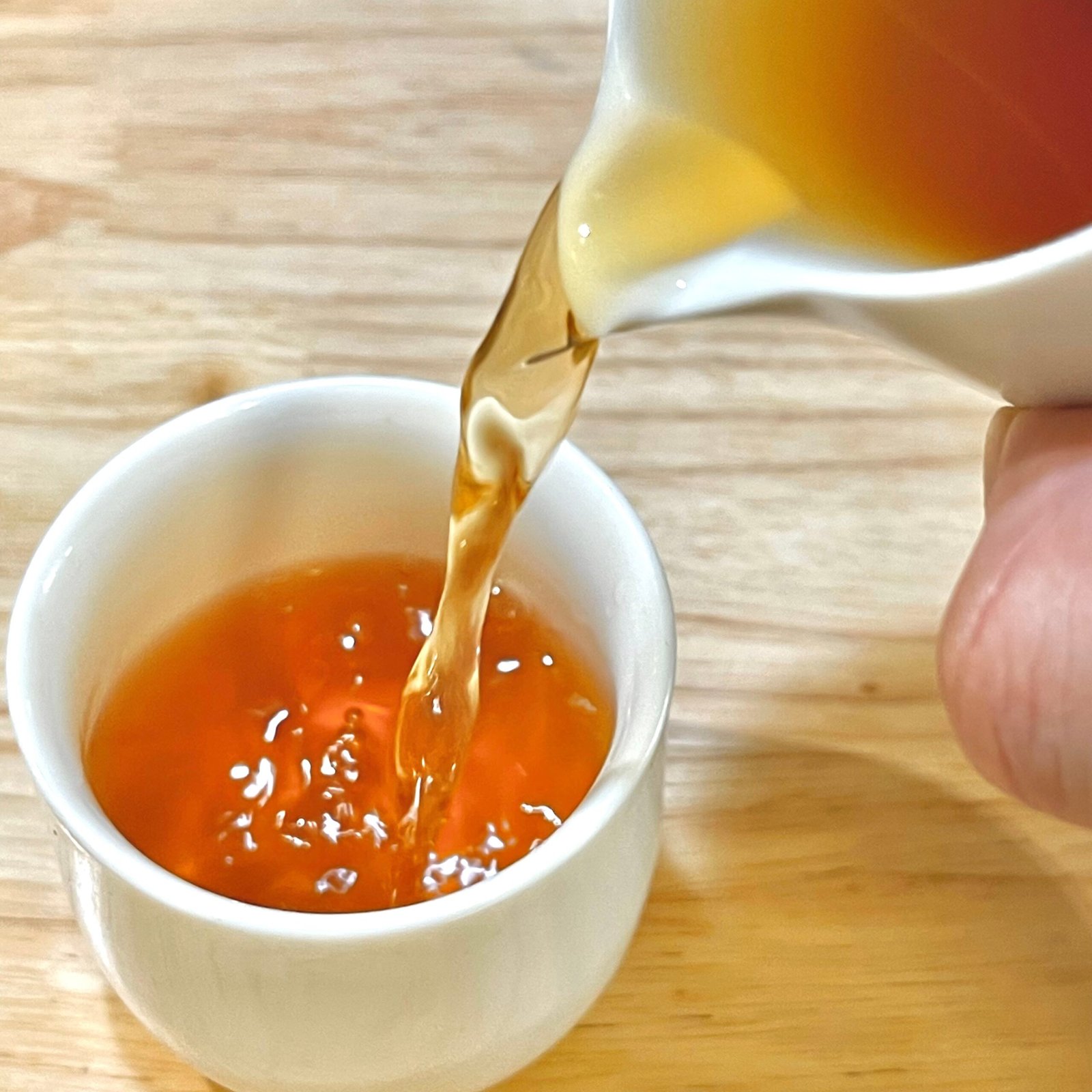
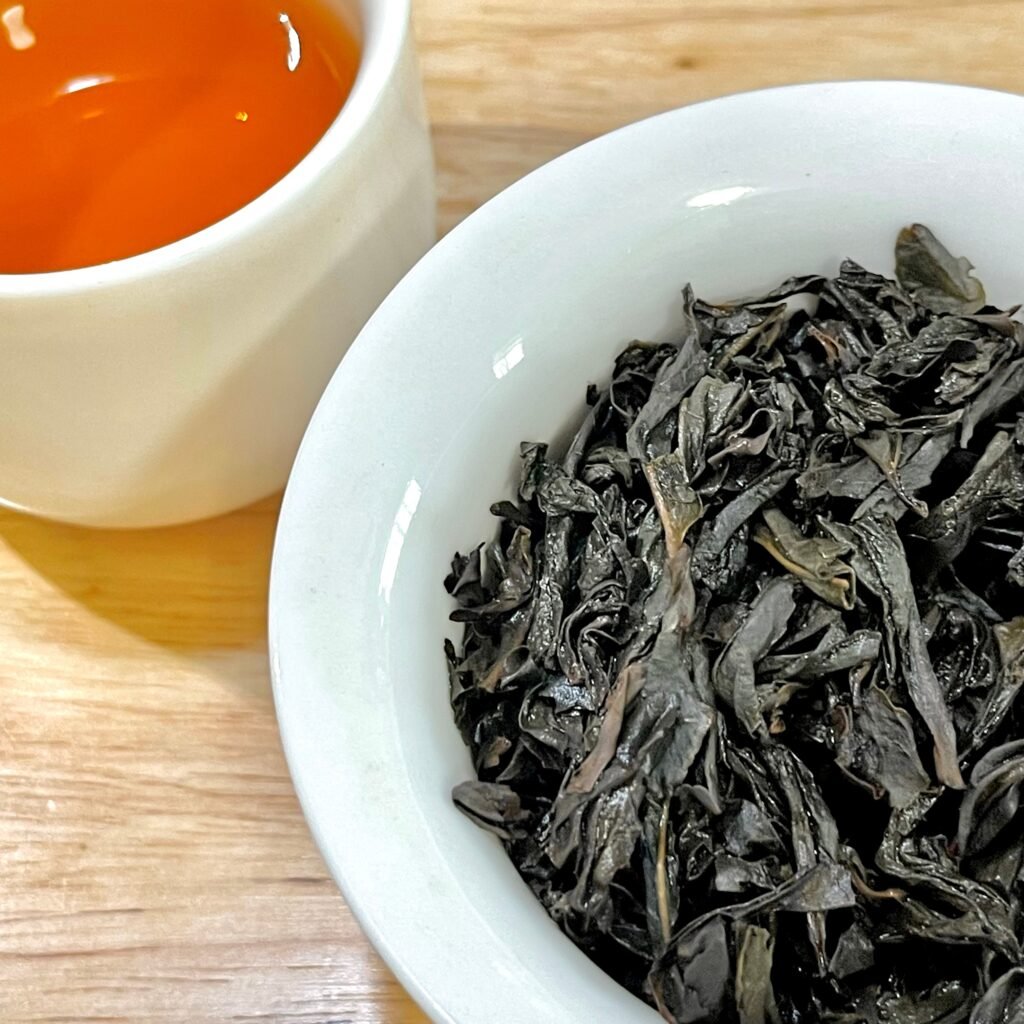
Mituoyan Big Red Robe tastes like roasted nuts, dark cocoa, and ripe stone fruit. The body is thick and smooth. There’s a long mineral sweetness that lingers on the back of the tongue for 30 seconds or more. The roast is deep but not bitter. Each resteep shifts the flavor slightly.
On the first steep, you get the strongest roast notes. Hazelnut and dark chocolate lead. By the third steep, the fruit shows up — think ripe plum or dried apricot. Later steeps go softer. Sweet. Almost floral.
We hosted a small tasting last fall. Seven tea drinkers, all daily oolong drinkers. Six of them picked the Mituoyan Big Red Robe over a $90 competitor from the same reserve. The reason they gave: “It finishes sweeter.” That long sweet tail is the Wuyi Rock Tea signature.
Why Is Charcoal-Roasted Da Hong Pao More Expensive?
Charcoal-roasted Da Hong Pao costs more because the process is slow and hands-on. Master roasters bake the leaves three times over hardwood charcoal. Each round takes 8 to 12 hours. The technique is called San Dao Tan Bei. It removes harsh green notes and adds the deep cocoa-roast flavor the tea is famous for.
Most green or lightly-oxidized teas skip this step. Big Red Robe cannot. The charcoal roast is what gives Zhengyan Da Hong Pao its signature depth (learn more about oolong tea processing on Wikipedia).
Here’s what the three rounds actually do:
- First roast: kills green taste, sets the base flavor
- Second roast: deepens the cocoa and nut notes
- Third roast: locks in moisture for long aging
A skilled roaster handles each batch by hand. They watch the color. They smell the smoke. One bad batch can ruin months of work. That’s why the price is high.
We’ve seen the price climb from about $25 per 50g in 2020 to over $40 per 50g in 2026.
How Do You Brew Zhengyan Wuyi Rock Tea the Right Way?
Brew Zhengyan Wuyi Rock Tea gongfu style for the best flavor. Use 5g of leaves in a 100ml clay pot. Water at 212°F (full boil). First steep: 10 seconds. Add 5 seconds each round. You should get 10 to 12 good infusions before the flavor fades.
Western style works too. Use 3g per 8oz cup. Steep 2 to 3 minutes. But you’ll only get 4 or 5 resteeps that way. Gongfu pulls out more depth.
Step-by-Step Gongfu Method:
- Warm up. Preheat your gaiwan and tasting cups with 212°F (100°C) boiling water. Discard the water.
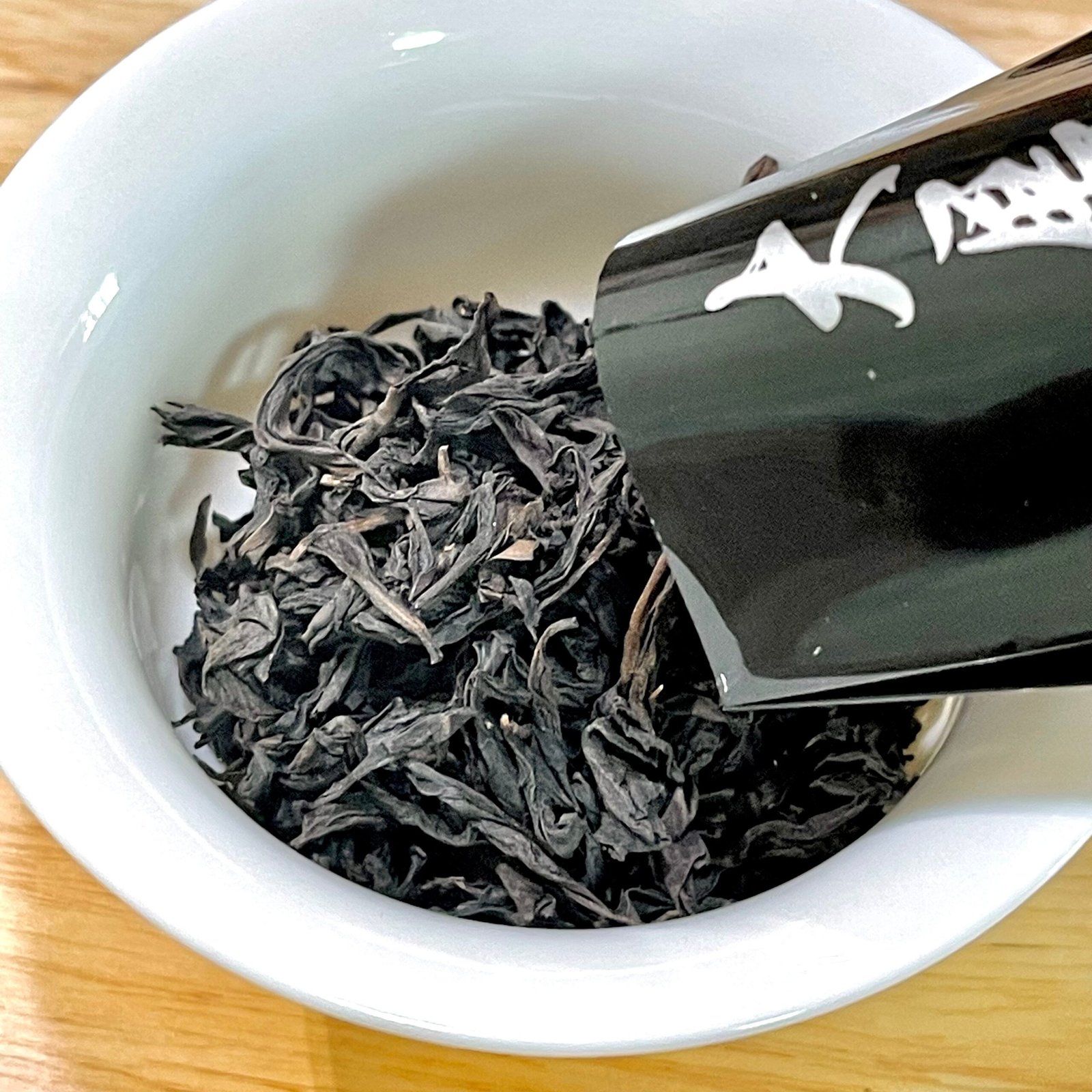
- Add tea. Drop in one pre-portioned 8.3g sachet.
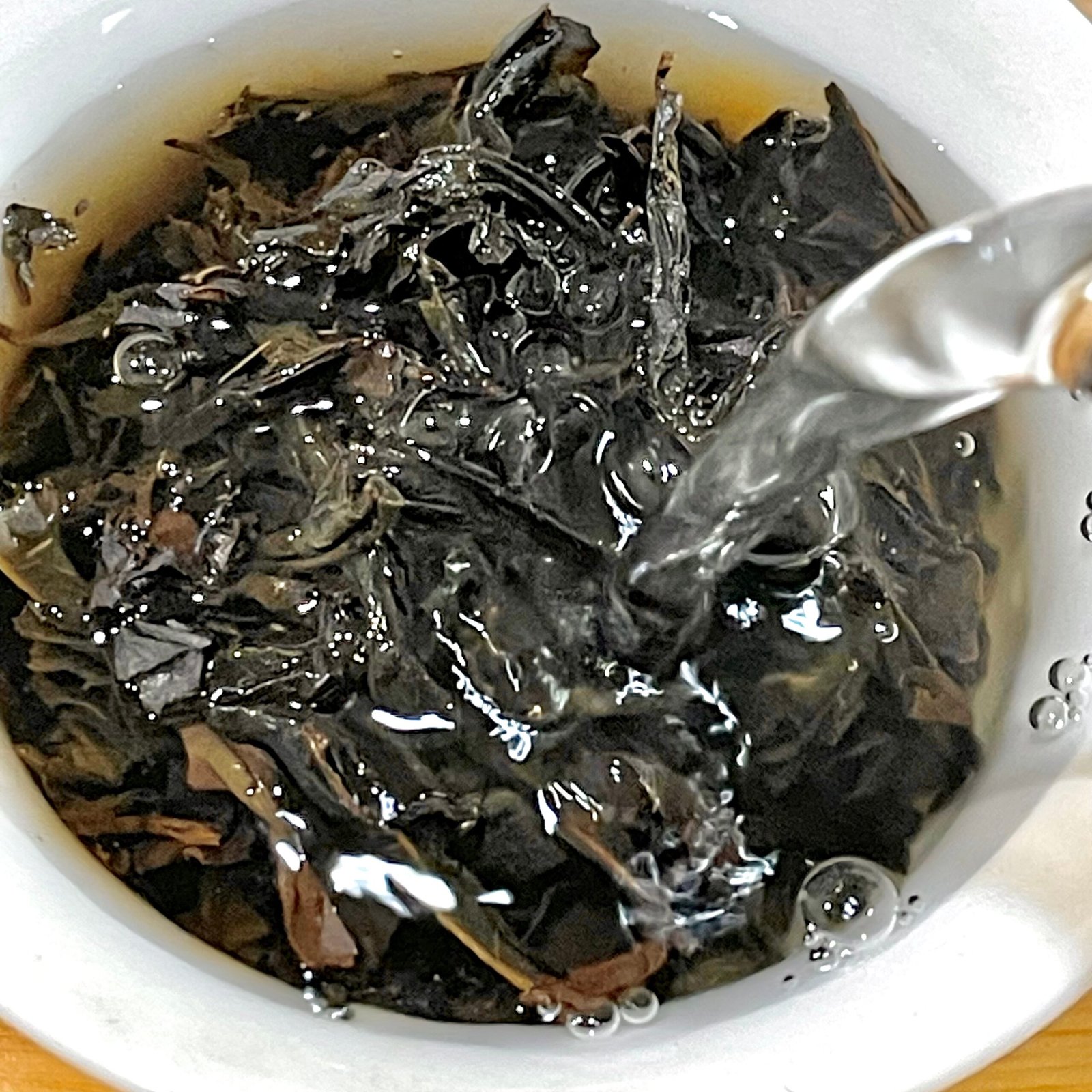
- Rinse (Flash Rinse). Pour boiling water to the rim and decant immediately—do not steep. Discard the rinse to awaken the leaves.
- First 4 Steeps (Flash Infusions). Refill to the rim and decant immediately for steeps 1 through 4. High-grade Zhengyan leaves release rich flavor instantly without needing rest time.
- Build (5th Steep Onward). Starting from the 5th steep, add 5–10 seconds to each subsequent steep to draw out the deeper mineral notes.
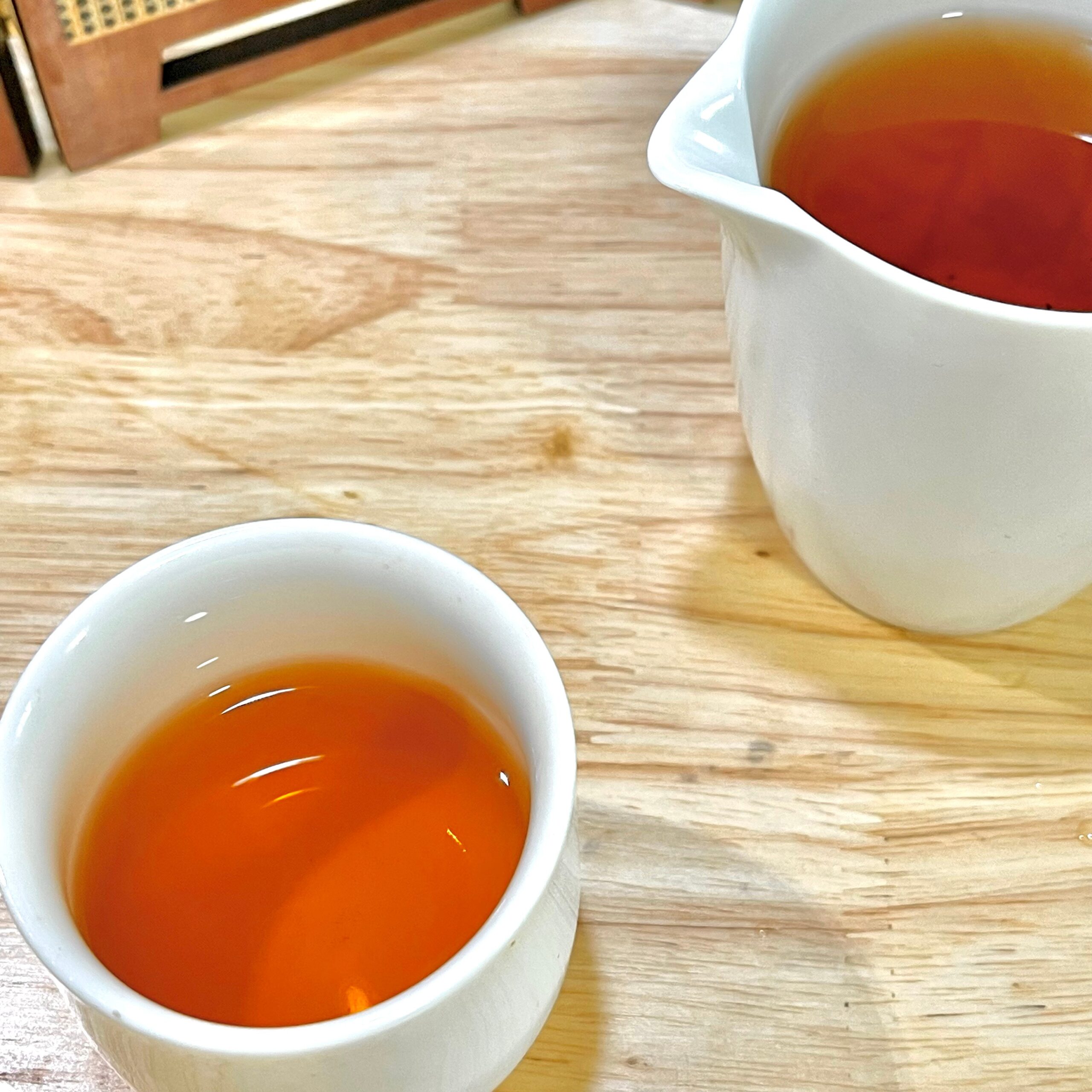
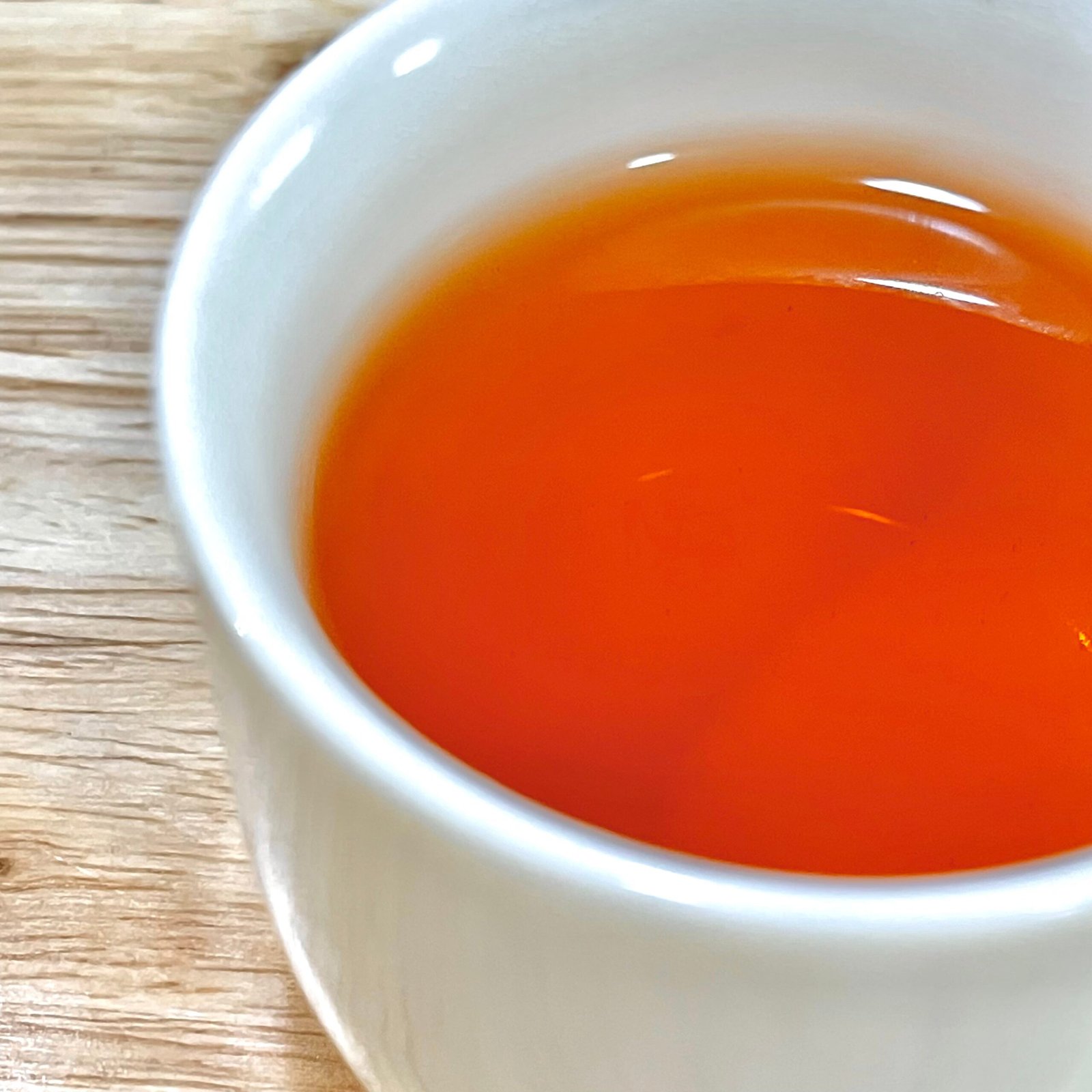
- Stop. When the tea liquor turns pale golden yellow and the cinnamon aroma flattens.
A few tips from our test sessions:
- Always preheat the pot or cup
- Use filtered water — chlorine ruins the taste
- Drink it without milk or sugar
- Save the wet leaves — you can eat them or compost them
- Reuse leaves the next day; cold-brewed Da Hong Pao is excellent in summer
Frequently Asked Questions About Zhengyan Da Hong Pao
Is Zhengyan Da Hong Pao the same as the original mother bushes? No. The original mother bushes are six ancient plants on a Wuyi cliffside. They’ve been picked only a few times in modern history. Today’s Zhengyan Da Hong Pao comes from grafted descendants of those bushes, grown in the same reserve. The flavor is close — but a 2026 leaf is not the same as a leaf from the 1972 imperial gift batch.
How much caffeine is in Big Red Robe? A typical 8oz cup of Big Red Robe has about 30mg of caffeine. That’s less than black tea (50mg) and about the same as green tea. Roast level doesn’t change caffeine content much.
Can I drink Da Hong Pao every day? Yes. Most regular Wuyi Rock Tea drinkers have one pot a day. It’s lower in caffeine than coffee. The polyphenols in oolong may support heart and gut health, though we don’t make medical claims (see peer-reviewed research on tea polyphenols).
How should I store open Da Hong Pao? Keep it in the original tin, sealed tight. Store away from sunlight, spices, and humidity. A cool, dark pantry works. Avoid the fridge. Moisture is the enemy. Properly stored, an opened tin stays fresh for about 12 months.
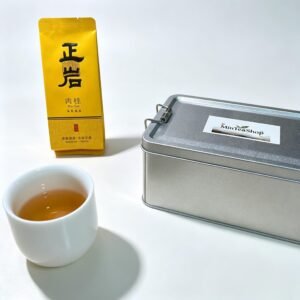
Is Mituoyan Zhengyan Da Hong Pao a good gift? Yes. It’s a solid pick if you need a gift for someone who already drinks oolong. The tin packaging looks clean. The flavor is bold enough to impress even non-tea drinkers. We send gift notes on request.
Final Verdict: Is Mituoyan Zhengyan Da Hong Pao Worth Buying?
Yes — if you want a real Zhengyan Da Hong Pao and you care about origin.
There are cheaper Big Red Robe teas. Most of them come from outside the Zhengyan reserve. They taste thinner. They don’t resteep as well. Once you’ve tried real Zhengyan Da Hong Pao, the difference is hard to miss.
Mituoyan is one of the smallest and best micro-regions in Wuyishan. The 2026 spring harvest is clean. The roast is steady. The price is fair for the quality. We keep a tin on our shelf year-round.
A Final Note
Whether you’re a seasoned tea drinker or just starting out, every order includes a free bonus: a sample of our everyday Wuyi Tea, alongside an extra variety sample to explore.
Pure, clean, and delicious, this is our go-to for daily sipping. But why include it?
For Experienced Tea Lovers: You might quickly realize that what other vendors market as “premium” is simply our everyday baseline. We cut the markup—never the quality.
For Beginners: It gives you a reliable reference point. Tasting it side-by-side with your main order lets you instantly recognize authentic Wuyi Rock Tea notes, so you’ll never overpay again.
If you’d like to try other authentic styles, explore our Wuyi Rock Tea Collection.
Additional information
| size | 3 Packs (0.88 oz), 6 Packs (1.76 oz), 18 Packs (5.27 oz), 30 Packs (8.78 oz), 60 Packs (17.57 oz) |
|---|
Related products
-

Rougui Oolong: Authentic & Rare Wuyi Zhengyan Yezhuke Rock Tea 2026
Price range: $9.90 through $139.90Select options This product has multiple variants. The options may be chosen on the product page -
Authentic Wuyi Zhengyan Rougui 2026: 6 Micro-Terroirs Buyer’s Guide
Price range: $20.90 through $52.90Select options This product has multiple variants. The options may be chosen on the product page -
Bai hao Yin zhen | Exquisite 2026 First Flush Silver Needle White Tea
Price range: $12.90 through $127.90Select options This product has multiple variants. The options may be chosen on the product page -
Jin Jun Mei | 100% Authentic Black Tea | Honey-Sweet Aroma
Price range: $9.90 through $46.90Select options This product has multiple variants. The options may be chosen on the product page
Reviews
There are no reviews yet.