

White Tea Cold Brew Duo 2026: Perfect White Peony & Shou Mei
Price range: $15.90 through $75.90
Experience the elegant harmony of traditional Chinese white tea craftsmanship with our high-mountain duo from Shouning, Fujian. Harvested in Spring 2026, this set brings together two distinctive expressions of white tea: delicate White Peony (Bai Mu Dan) with its floral sweetness, and Shou Mei White Tea with its deeper honeyed, fruity character.
• Set Includes: 50% White Peony (Bai Mu Dan) + 50% Shou Mei White Tea
• Origin: Shouning, Fujian, China (High Mountain Tea Garden)
• Harvest: Spring 2026 Harvest
• Size Options:
- 100g Pack
- 200g Pack
- 500g Pack
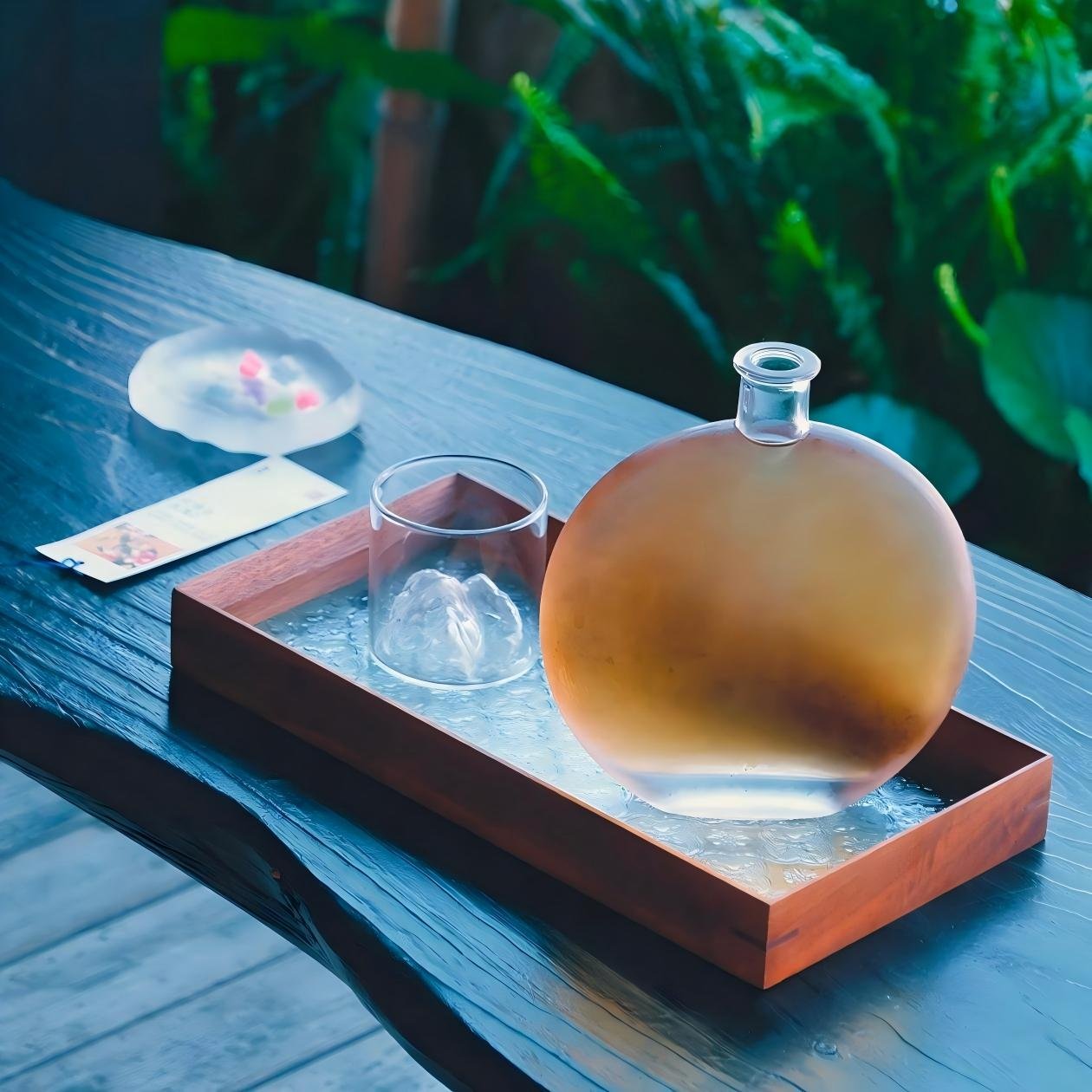
Perfect for exploring the different personalities of Chinese white tea, from the fresh elegance of young leaves to the rich sweetness of mature tea leaves. Ideal for daily tea rituals, cold brewing, flavor exploration, and thoughtful gifting.
Master summer hydration with our White Tea Cold Brew Duo. Featuring 2026 spring White Peony and Shou Mei for a smooth, naturally sweet, zero-bitterness drink.
Description
White Tea Cold Brew Guide 2026: White Peony vs. Shou Mei
By July my kettle hides in the cupboard. Cold brew takes over — and white tea is the leaf I keep reaching for. After two summers steeping both, I’ve settled on a duo: White Peony for floral afternoons, Shou Mei for honeyed evenings. This 2026 guide shows how I make them, what each tastes like, and answers the ten questions readers keep asking about cold-brewed white tea.
Why Cold Brew White Tea Is Summer’s Quietest Upgrade
Bottled iced tea is sweet. Teabag iced tea is bitter. And neither really tastes like the leaf it came from. Cold-brewed white tea is the third option — and it’s the one I reach for every July.
White tea asks the least of the leaf. Most processing is skipped: no rolling, no fermentation, no high-heat kill-the-green step. What’s left is whatever sweetness the spring leaf carried into the basket. Drop that leaf into cold water for eight hours and it answers back with honey, peach, and a quiet mineral edge — no tannic bite, no sugar needed.
Cold water moves at a different tempo than boiling water — and the cup you end up with tells the story. Hot water rushes in, drags out caffeine, pulls tannins hard, and leaves bitterness behind. Cold water barely lifts the tannins out of the leaf. That’s where the bite usually lives. What reaches your glass is the gentler half of the leaf: the soft florals, the natural sugars, the L-theanine calm that drinkers describe as “focused without the jitters.” Many tea drinkers assume white tea is “weak” because it looks pale — but that’s a visual accident. The cup is light-bodied, not low in active compounds.
Cold Brew White Peony (Bai Mu Dan): The Floral Cup
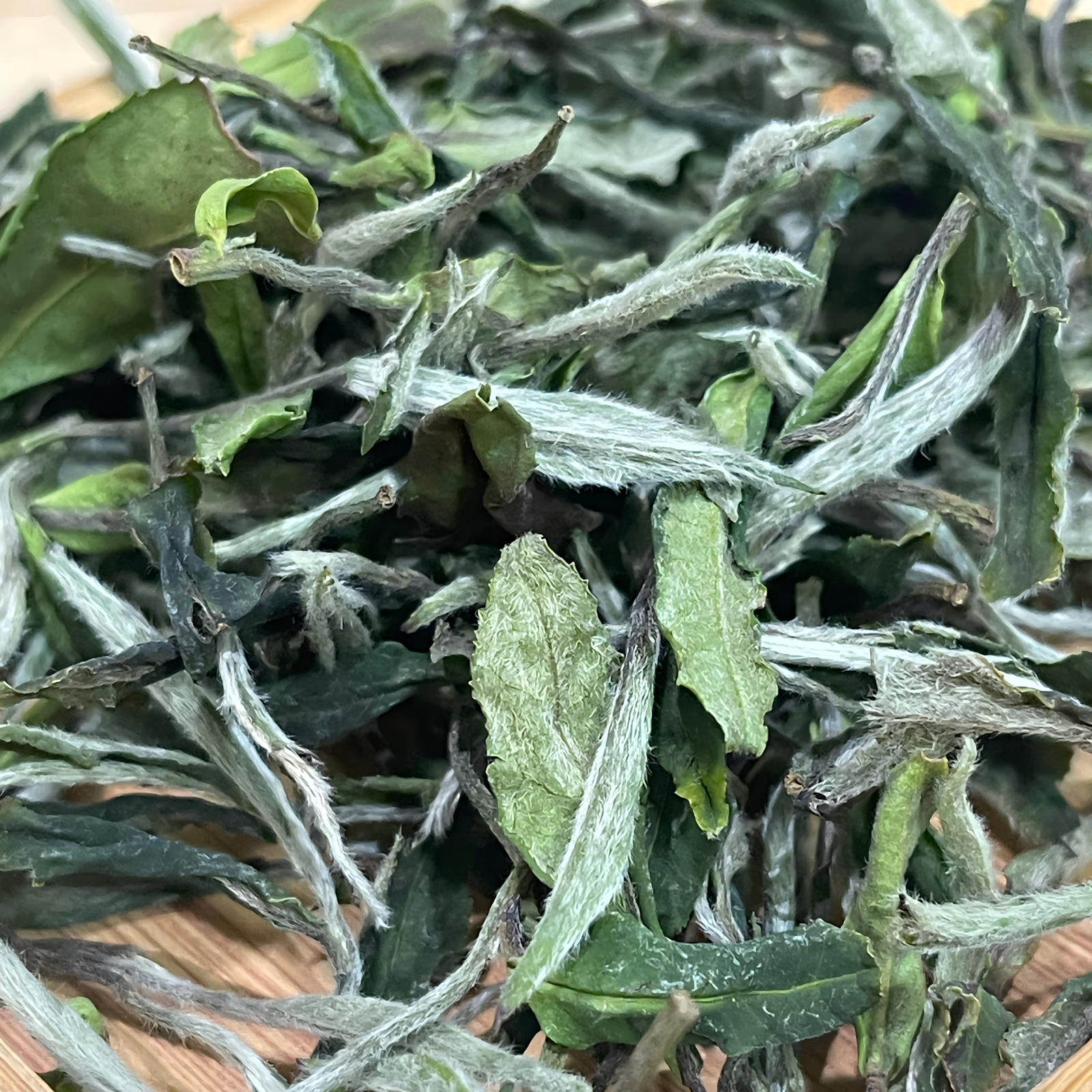
White Peony — called Bai Mu Dan in Chinese — uses spring buds wrapped by one or two young leaves. The picking standard is strict: only the first flush, hand-plucked when the bud is still silvery and the leaf barely unfurled. If you want to read the picking rules in detail, see our White Peony (Bai Mu Dan) tea guide.
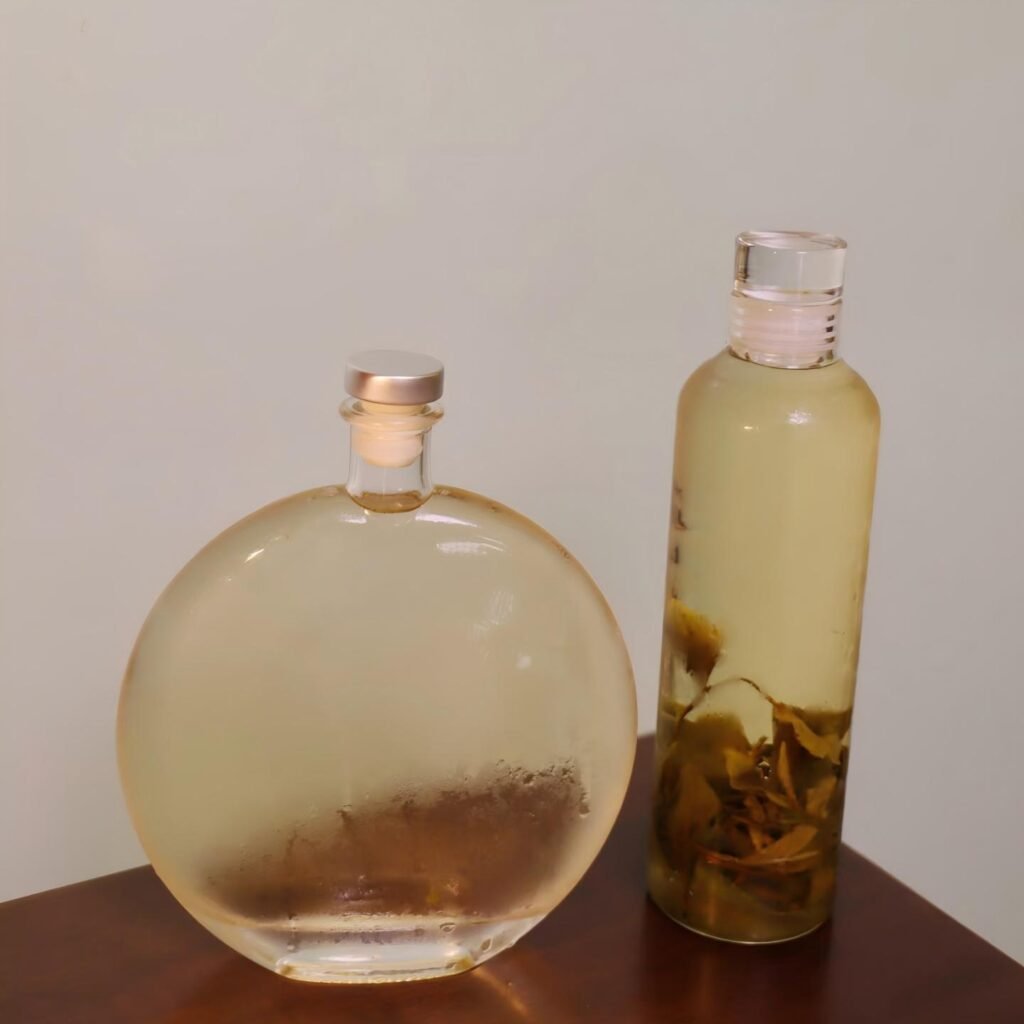
Cold-brewed White Peony tastes like a slow July afternoon: pale gold in the glass, honeysuckle on the nose, ripe peach across the tongue, a finish that disappears cleanly into thirst. There’s almost no bitterness — cold water simply doesn’t pull enough tannin to register.
For first-timers, White Peony is the easier of the two. The flavors are bright, the body is light, and you can drink it at 3pm without ruining your sleep. Caffeine lands around 10–18mg per 8oz glass — that’s roughly a quarter of a brewed coffee. The pale color in the pitcher is not a sign of weakness; it’s a sign of restraint.
Cold Brew Shou Mei: The Honeyed Cup
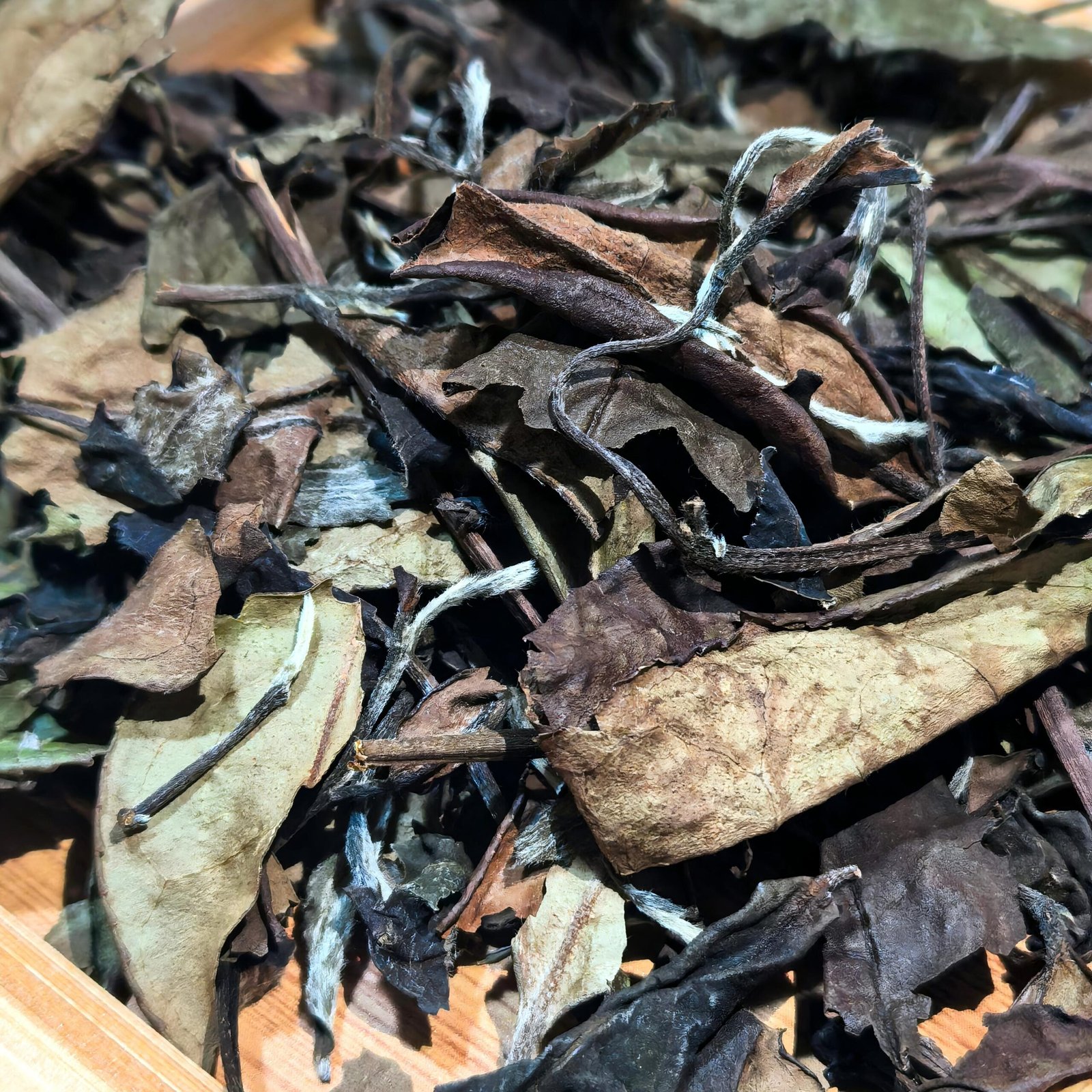
Shou Mei is the older cousin in the white tea family. The picking standard is looser — which on the shelf looks like a less polished leaf — but that’s exactly what gives it depth. Mature summer and early autumn leaves are picked and sun-dried with minimal handling, then aged briefly to settle the moisture. If you want to read how it differs from Peony in processing, see our Shou Mei white tea guide.
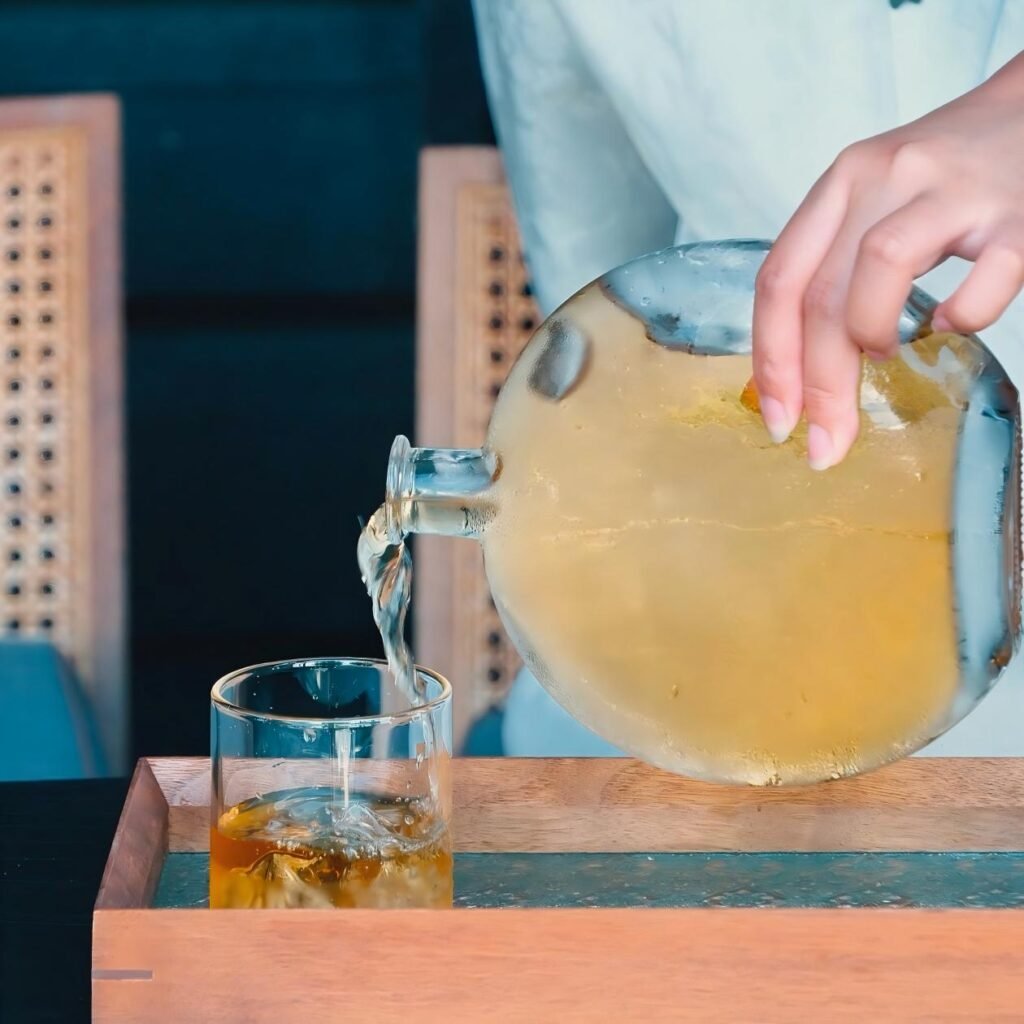
Cold-brewed Shou Mei comes out copper-amber in the glass. The aroma is darker: dried apricot, baked apple, a touch of honey that tastes like it was always there. By the second sip you notice the body — round, almost chewy — without the astringency a black tea would carry. It’s the cup I open when the day winds down and I want something that feels grounded rather than bright.
Shou Mei is for drinkers who want a fuller cup. It’s also the cold-brew choice if you like your tea late in the day and want something a little more anchored. Caffeine runs 14–22mg per 8oz — slightly higher than Peony, still less than half of an espresso.
White Peony vs. Shou Mei: Side-by-Side Comparison
Choosing between them isn’t about which is “better” — it’s about what you want in the glass. The picking standards create two distinct personalities, and once you’ve tasted both, you’ll know which one your fridge should always hold. Here’s how they line up:
| Dimension | White Peony (Bai Mu Dan) | Shou Mei |
|---|---|---|
| Picking standard | Spring buds + 1–2 young leaves | Mature summer/autumn leaves |
| Color when brewed | Pale gold, almost clear | Deep amber, copper |
| Dominant flavor notes | Floral, peach, honeysuckle | Honey, dried fruit, autumn leaf |
| Caffeine per 8oz | 10–18mg | 14–22mg |
| Cold steep time | 4–6 hours | 6–10 hours |
| Tea-to-water ratio | 5g per 500ml | 6g per 500ml |
| Best food pairing | Salads, fruit, light cheese, afternoon | Desserts, aged cheese, evening |
| Beginner friendly? | Yes — gentler flavors | Yes — richer flavors |
How to Cold Brew White Tea in 4 Simple Steps
You don’t need a thermometer, a timer, or any idea what you’re doing. The four steps below are the method I’ve used at home since 2024, adapted from cold-brew coffee technique. The biggest mental shift is forgetting the kettle — that’s the whole point.
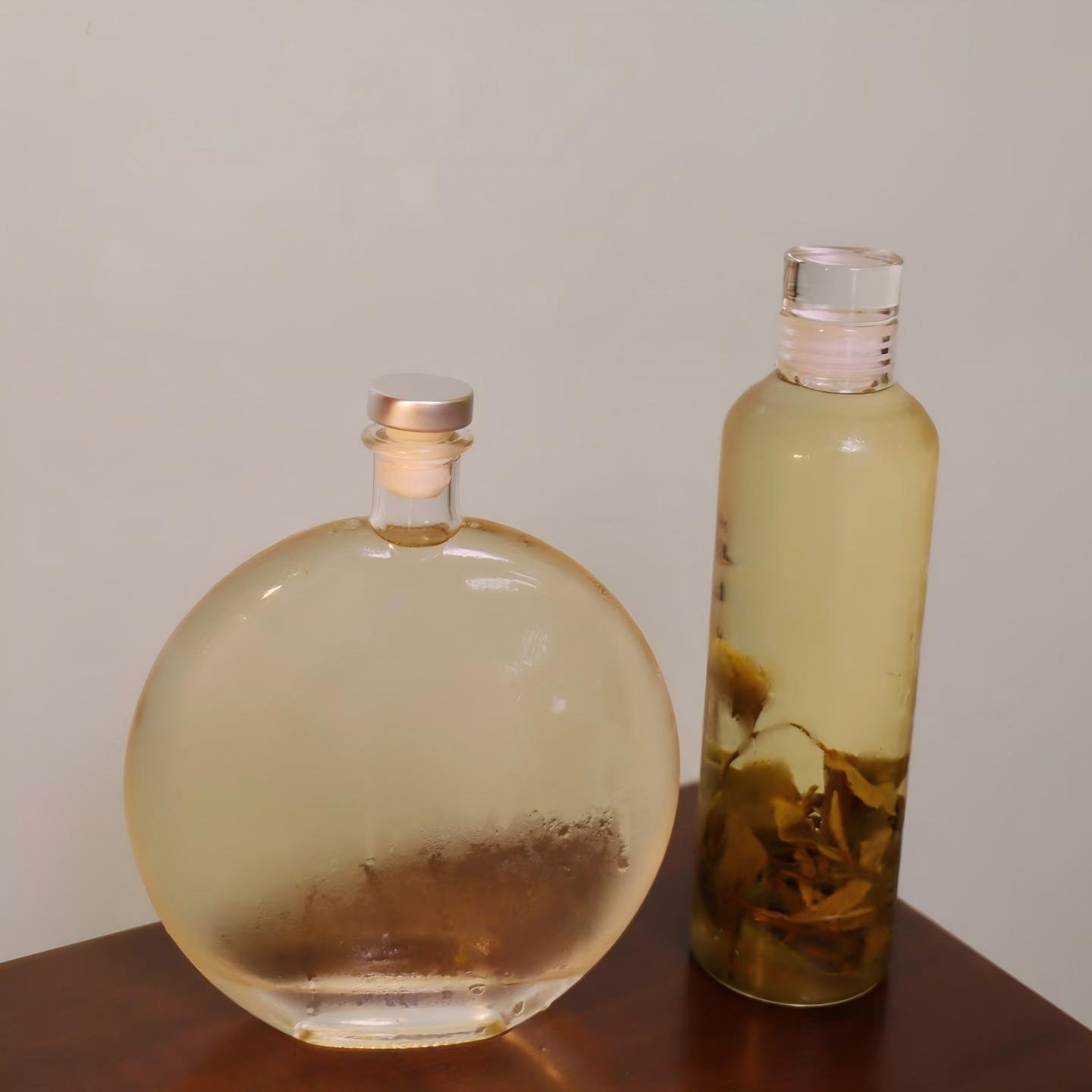
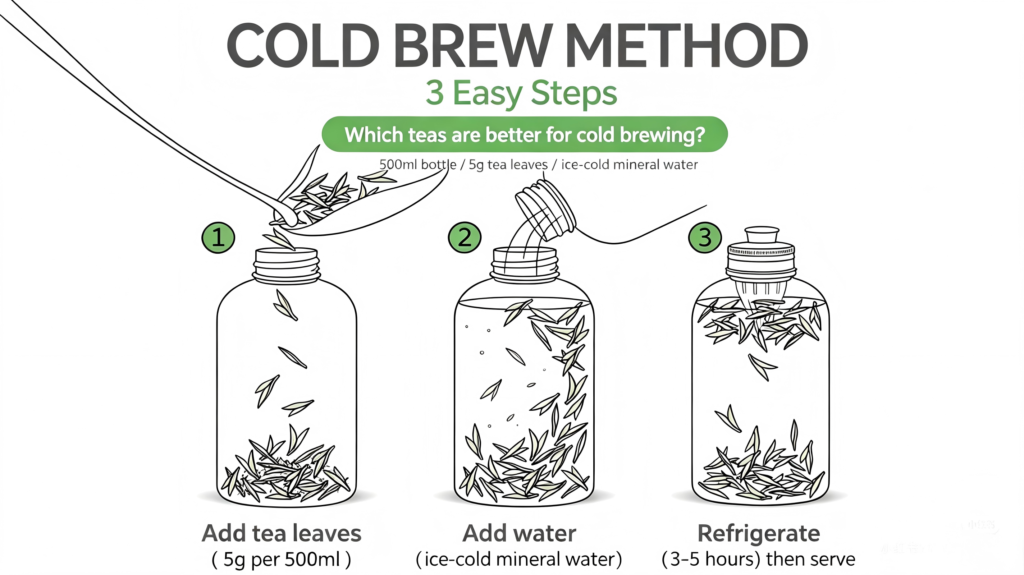
- Add tea leaves. Drop 5g of White Peony (or 6g of Shou Mei) into a clean glass pitcher or mason jar. Pour 500ml of cold filtered water directly over them.
- Skip the tap water. Use cold filtered water. Chlorine in unfiltered municipal water flattens delicate white tea florals within minutes — you’ll taste the difference immediately.
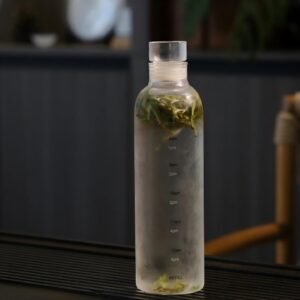
- Refrigerate and wait. Cover the pitcher, place it in the fridge at 4°C. Cold brew White Peony for 4–6 hours for a lighter floral taste. Cold brew Shou Mei for 6–10 hours to unlock the deeper fruit sweetness.
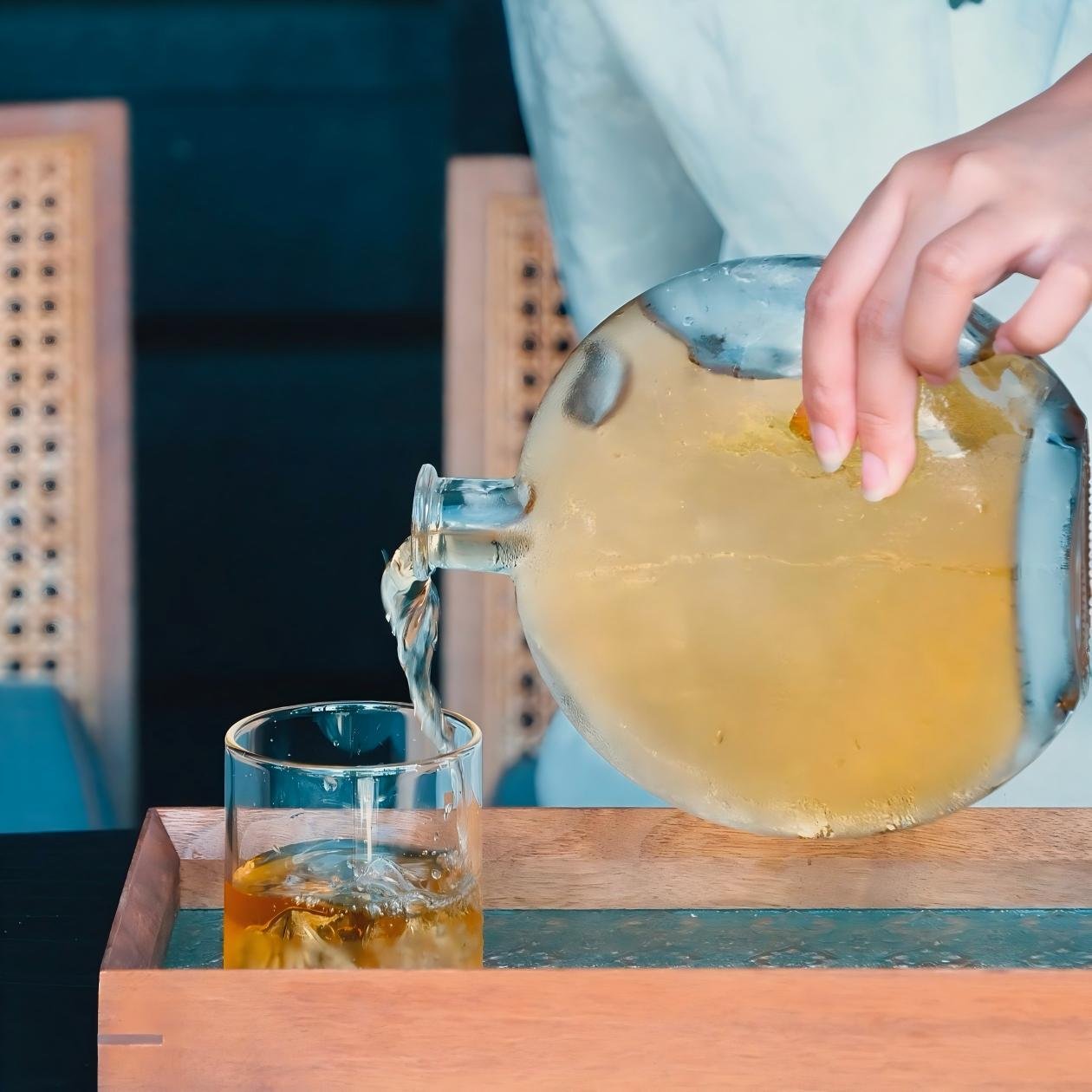
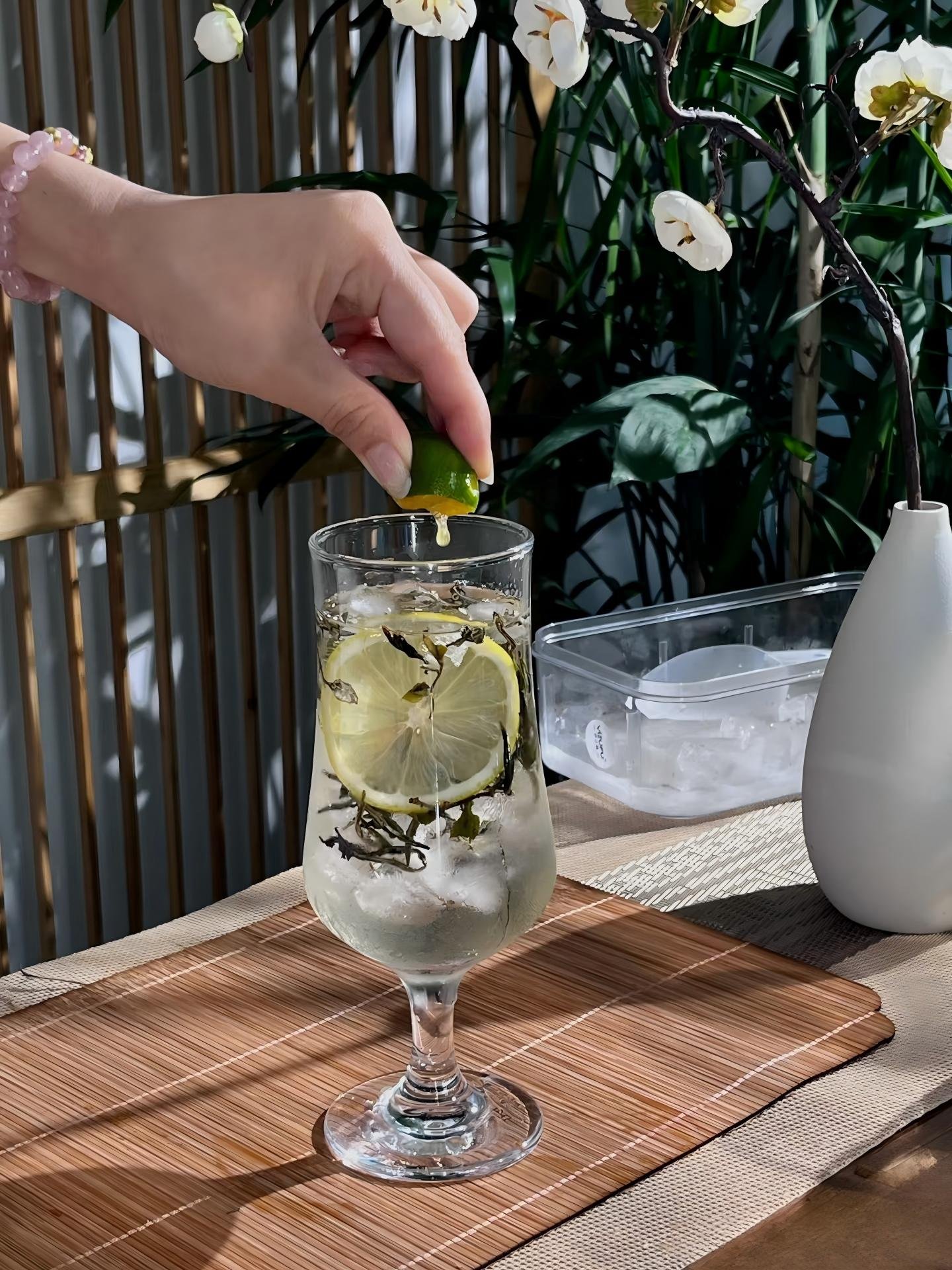
- Strain and serve. Pour through a fine-mesh strainer over a tall glass of fresh ice. Garnish gently: White Peony plays nicely with peach or cucumber slices; Shou Mei loves a thin lemon wheel or a few fresh berries.
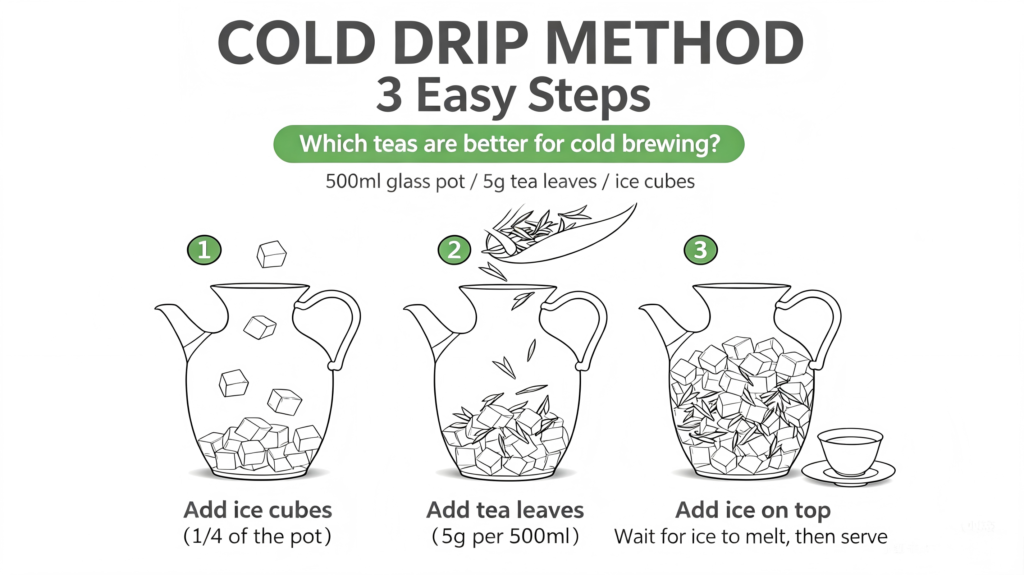
Visuals make it simpler — follow this quick 3-step guide with illustrations below.
Cold Brew Ratios, Water Choice, and Steep Times
A few rules of thumb I’ve settled on after running this duo through two summers of fridge pitchers:
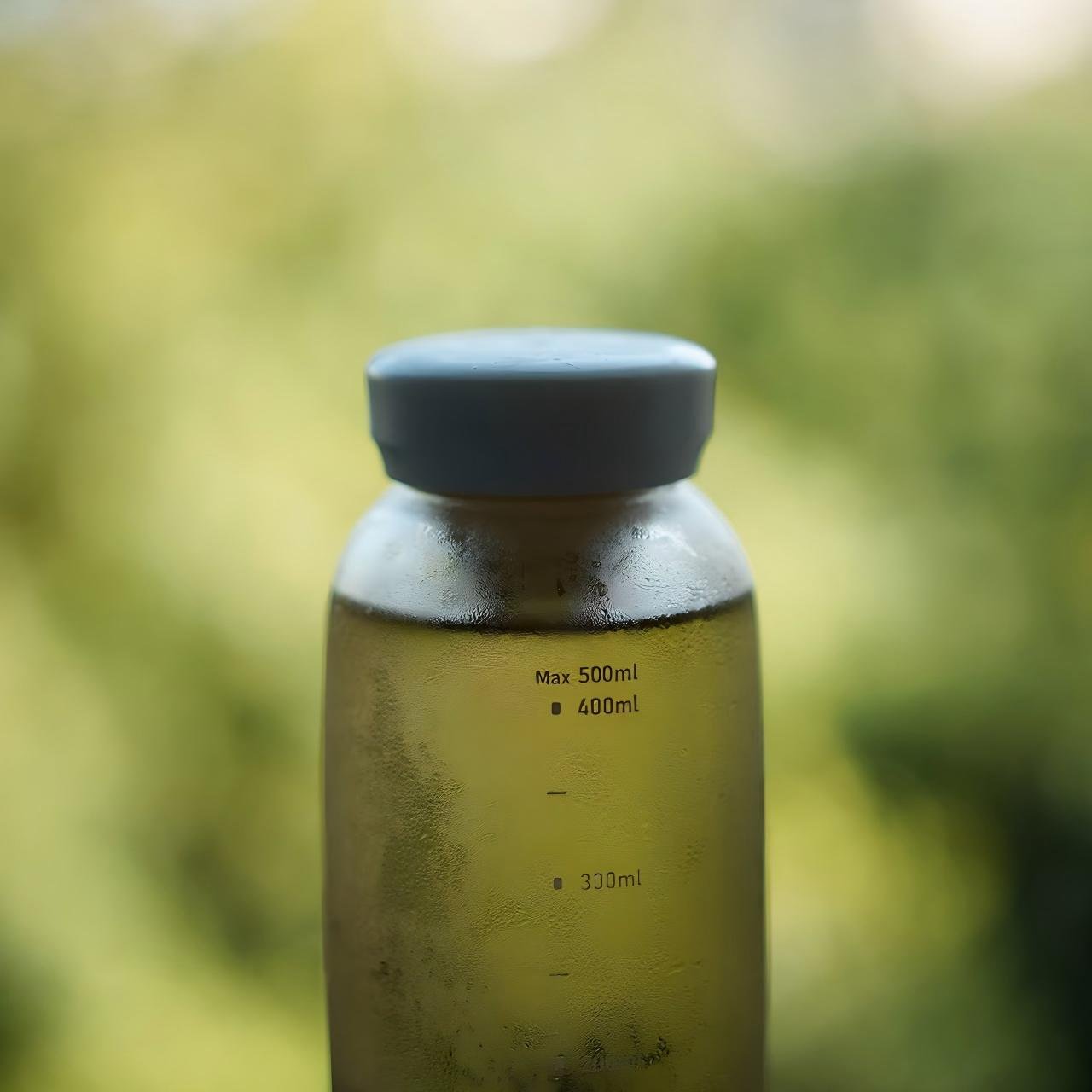
- Ratio: 5g of White Peony per 500ml water; 6g of Shou Mei. Shou Mei needs a touch more leaf to match Peony’s body.
- Water temperature: 4–10°C straight from the fridge. Never room temperature — warm water lets bacteria grow during the long steep.
- Water source: Filtered tap or soft spring water. Hard water mutes flavor; chlorinated tap water kills the aromatics.
- Steep time sweet spot: 4–6 hours for Peony, 6–10 hours for Shou Mei. Beyond 12 hours the cup turns grassy rather than smoother.
- Leaf-to-water ratio matters more than time. Use too little leaf and you’ll under-extract; too much and the cup turns dusty.
- Storage of finished brew: Once strained, finished cold brew lasts up to 3 days sealed in the fridge.
The biggest mistake home brewers make is leaving the leaves in too long. Cold brew rewards patience, but it punishes greed. Set a phone reminder for 6 hours and taste from there.
When to Drink Each Tea (Pairing Guide)
Both teas handle a wide range of summer food, but they shine at different times of day:
White Peony belongs in the early afternoon. Pair it with a green salad dressed in citrus, fresh stone fruit, a slice of goat cheese, or any moment your mouth wants something clean and bright. It’s the cup I bring out when guests arrive and I don’t want to overwhelm the food.
Shou Mei fits the slow end of the day. Think honey cake, dried apricots, a soft aged cheese plate, or just a porch at dusk. The honeyed body stands up to richer food without competing. It also handles a splash of sparkling water if you want a longer “spritz” drink.
Both work for “spa-style hydration” — drinking a tall pitcher through the day instead of plain water. That alone is the easiest way to cut back on sugary bottled drinks during hot months. A two-pitcher rotation (one Peony, one Shou Mei) covers breakfast through dusk without ever needing to boil a kettle.
Is Cold-Brewed White Tea Safe to Drink?
Yes — and it’s actually safer than the old-school method many of us grew up with. Traditional sun tea sits on a porch in warm, direct light for hours, which creates exactly the temperature window where bacteria thrive. The CDC’s food-safety division explicitly recommends refrigeration over sun-steeping for any infusion kept longer than two hours.
Cold brewing inside a refrigerator at or below 4°C keeps the tea clean and food-safe throughout the entire steep. I’ve brewed pitchers that sat for 14 hours overnight without any off-flavors or safety concerns, as long as the leaves went in cold from the start.
Two rules keep the cup safe:
- Always start cold. If water sits at room temperature for 30+ minutes before you add the leaves, discard it and start over.
- Strain after 12 hours no matter what. Even in the fridge, leaves left in contact with water past 12 hours start breaking down into dull, grassy flavors and the safety margin shrinks.
Once strained, finished cold brew stays fresh in a sealed glass container in the refrigerator for up to 3 days. After that, oxidation dulls the aromatics and the cup turns flat. The smartest move is to brew smaller pitchers more often rather than one big batch for the week.
Frequently Asked Questions
What Is the Main Difference Between White Peony and Shou Mei?
Both are authentic varieties of Fujian white tea, but they differ in picking standard. White Peony uses tender spring buds wrapped by one or two young leaves, yielding a lighter, floral cup with notes of peach and honeysuckle. Shou Mei uses mature leaves harvested later in the season, creating a fuller body with deeper fruit, honey, and autumn-leaf notes. The processing is similar; the leaf age is not.
Is White Tea Actually Good for Cold Brewing?
Yes — arguably the best tea family for it. Minimal processing keeps the leaf’s natural sugars intact, and slow cold extraction pulls out a smooth, naturally sweet drink without the astringency that hot brewing coaxes out. There’s no lower-effort route to a better summer cup than white tea in cold water.
Does Cold-Brewed White Tea Taste Bitter?
No. Cold water extracts far fewer bitter tannins than hot water. Even Shou Mei left for 12 hours in the fridge stays smooth and naturally sweet. The trade-off of cold brew isn’t less flavor — it’s a different flavor: lighter-bodied, sweeter, more aromatic, less bracing. If you want a strong black-tea-like mouthfeel, cold brew isn’t for you. If you want a clean, juicy cup, it is.
Which Tea Is Better for Cold Brew Beginners?
White Peony is usually the easier start if you prefer subtle, floral, peach-like notes and a very light body. Shou Mei suits those who like a fuller-bodied tea with distinct honeyed fruit flavor and a longer finish. Both are forgiving — the choice really comes down to which flavor profile you already enjoy in hot tea.
Can You Re-Steep White Tea Leaves After Cold Brewing?
Yes. High-quality loose-leaf white tea can be cold-brewed a second time. The second infusion is noticeably lighter but still crisp and refreshing. Alternatively, pour 85°C water over the same leaves for a quick hot cup — you’ll get a different but related flavor profile, which is one of the underrated joys of working with whole-leaf tea.
How Much Caffeine Is in Cold-Brewed White Tea?
Cold brewing extracts roughly 20–30% less caffeine than hot brewing, because caffeine needs heat to fully migrate out of the leaf. Cold-brewed white tea typically runs 10–22mg per 8oz glass — significantly less than iced black tea (40–60mg) or a brewed coffee (95mg+). Most people can drink it in the late afternoon without losing sleep, though sensitivity varies.
What Is the Best Water to Use for Cold Brew Tea?
Filtered tap water or soft spring water works best. Hard water mutes delicate flavors and leaves mineral haze. Unfiltered chlorinated tap water flattens the floral aromatics within minutes — you’ll taste the difference side by side. Avoid distilled water; it’s too pure and produces a flat, hollow cup. A simple charcoal filter on your tap is usually enough.
Is Cold Brew Tea Safer Than Traditional Sun Tea?
Yes. Traditional sun tea sits at warm room temperatures where bacteria can multiply to risky levels within a few hours. Cold brewing inside a refrigerator at or below 4°C keeps the tea clean and food-safe throughout the entire steep. Health agencies such as the CDC’s food-safety division consistently recommend refrigeration over sun-steeping for exactly this reason.
How Long Does Cold Brew White Tea Last in the Fridge?
Once the leaves are strained out, finished cold brew stays fresh in a sealed glass container in the refrigerator for up to 3 days. After that, oxidation dulls the aromatics and the cup turns flat. The smartest move is to brew smaller pitchers more often rather than one big batch for the week.
How Should I Store Unbrewed White Tea Leaves?
Keep loose-leaf tea in its original airtight pouch (or transfer to a tin with a tight lid), stored in a cool, dry pantry away from direct sunlight, moisture, heat, and kitchen odors. White tea absorbs nearby smells — coffee, spice, onion — very easily. Properly stored away from light and moisture, good white tea keeps beautifully for 18–24 months.
Additional information
| gram | 100g, 200g, 500g |
|---|
Related products
-

Ultimate Summer Cold Brew Tea Duo 2026: White Peony & Green Tea
Price range: $18.90 through $90.90Select options This product has multiple variants. The options may be chosen on the product page -
Best Cold Brew Tea Duo | Fujian Spring 2026 Harvest
Price range: $13.90 through $138.90Select options This product has multiple variants. The options may be chosen on the product page -
Ultimate Cold Brew Tea Duo 2026: White Peony & Xiaocai Black Tea
Price range: $18.90 through $90.90Select options This product has multiple variants. The options may be chosen on the product page -
Best Premium Cold Brew White Tea Duo: 2026 Spring Harvest from Fujian
Price range: $23.90 through $118.90Select options This product has multiple variants. The options may be chosen on the product page


Reviews
There are no reviews yet.