
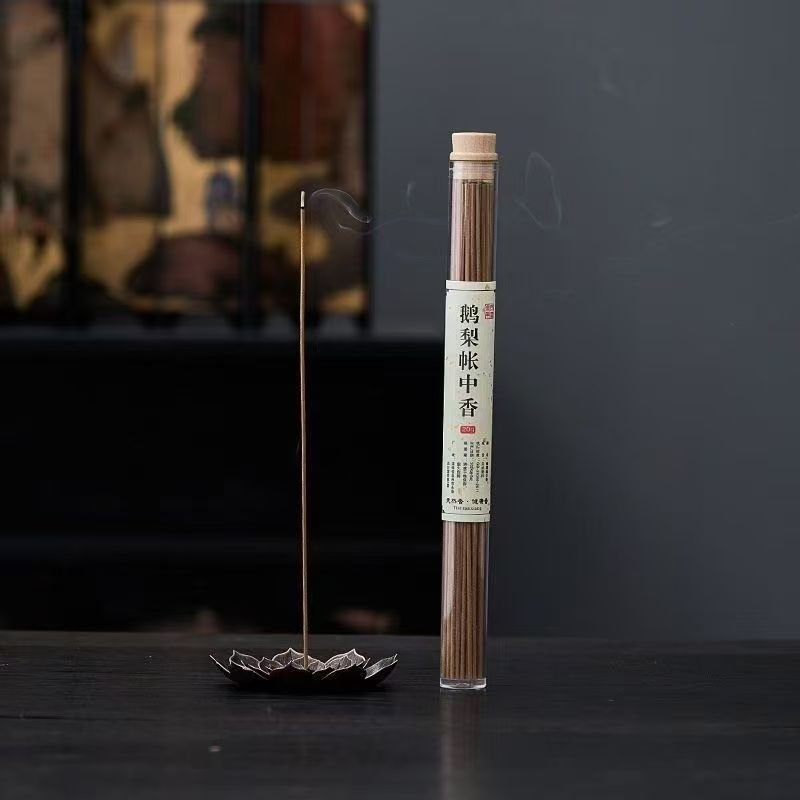
Three-Layer Lotus Incense Holder: 2026 Complete Buyer’s Guide
$29.90
The Lifelong Incense Ritual
With your purchase, you are automatically enrolled in our complimentary Zen Circle membership.
Your Welcome Gift: 120 premium incense coils arrive alongside your new burner.
Every Order After: We will include a fresh box of 120 incense coils with every future shipment—no minimum purchase required, for life.
If you’d like to know more about how the membership works, feel free to drop us a line. We’d love to chat.
Discover the Three-Layer Lotus Incense Holder crafted in Yongchun. Precision die-cast alloy with a wide ash basin to keep your desk clean. Shop now!
20 in stock
Description
Three-Layer Lotus Incense Holder: 2026 Complete Buyer’s Guide
The ash kept falling onto my desk. That was the moment I knew a flat brass plate was not enough.
If you burn incense daily, you already know the problem. A single stick burns for 40 minutes. Most of that time, ash hangs in the air. Then gravity wins. A small three-layer lotus incense holder solves this in a way most ceramic trays cannot.
Crafted in Yongchun, Fujian—a region famous for agarwood and incense-making for over a thousand years—this lotus-shaped holder turns a quick stick of incense into a small, grounded ritual. In this 2026 buyer’s guide, you’ll learn how the three-tier design works, what makes zinc alloy different from solid brass, and how to keep the antique bronze finish looking clean for years.
What Is a Three-Layer Lotus Incense Holder?
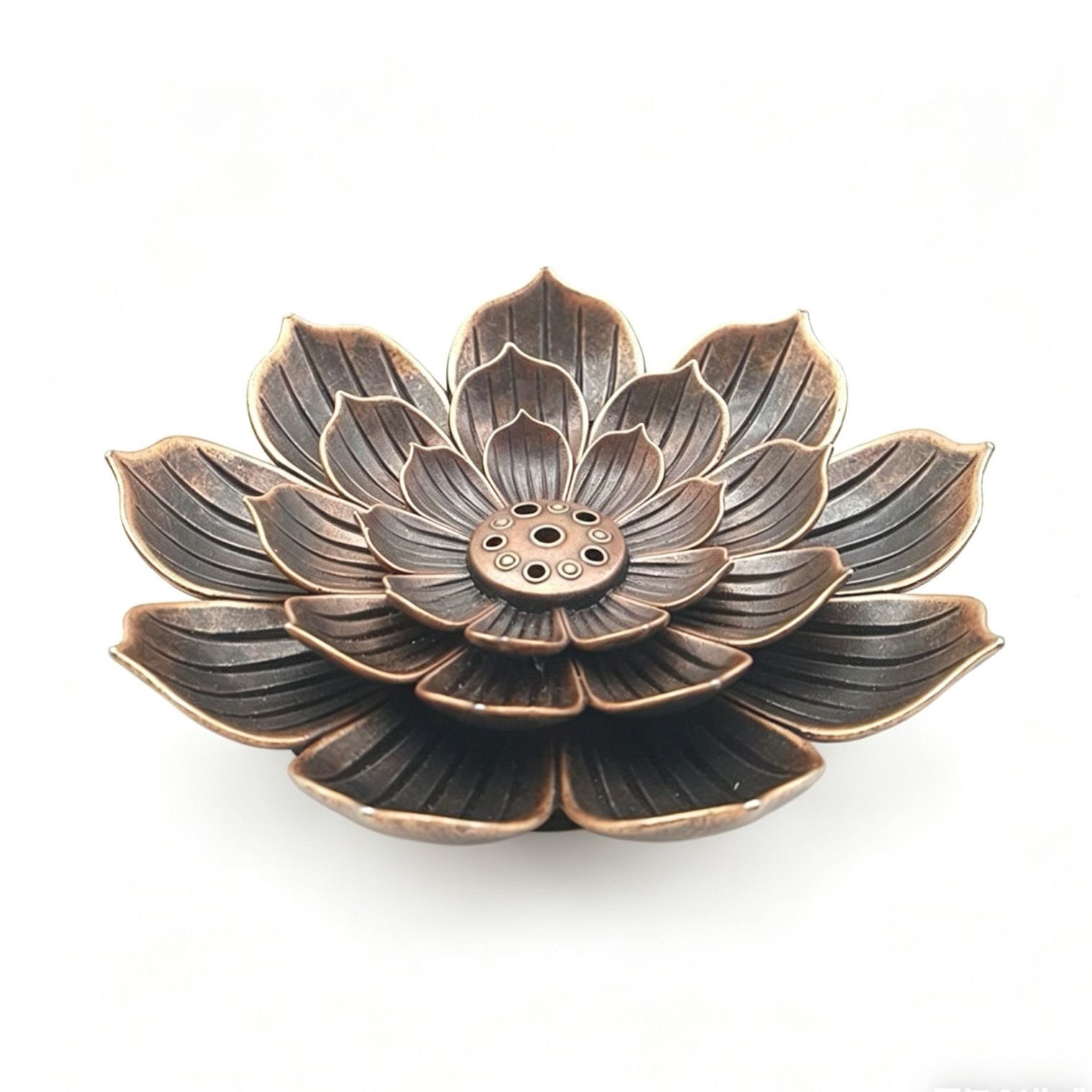
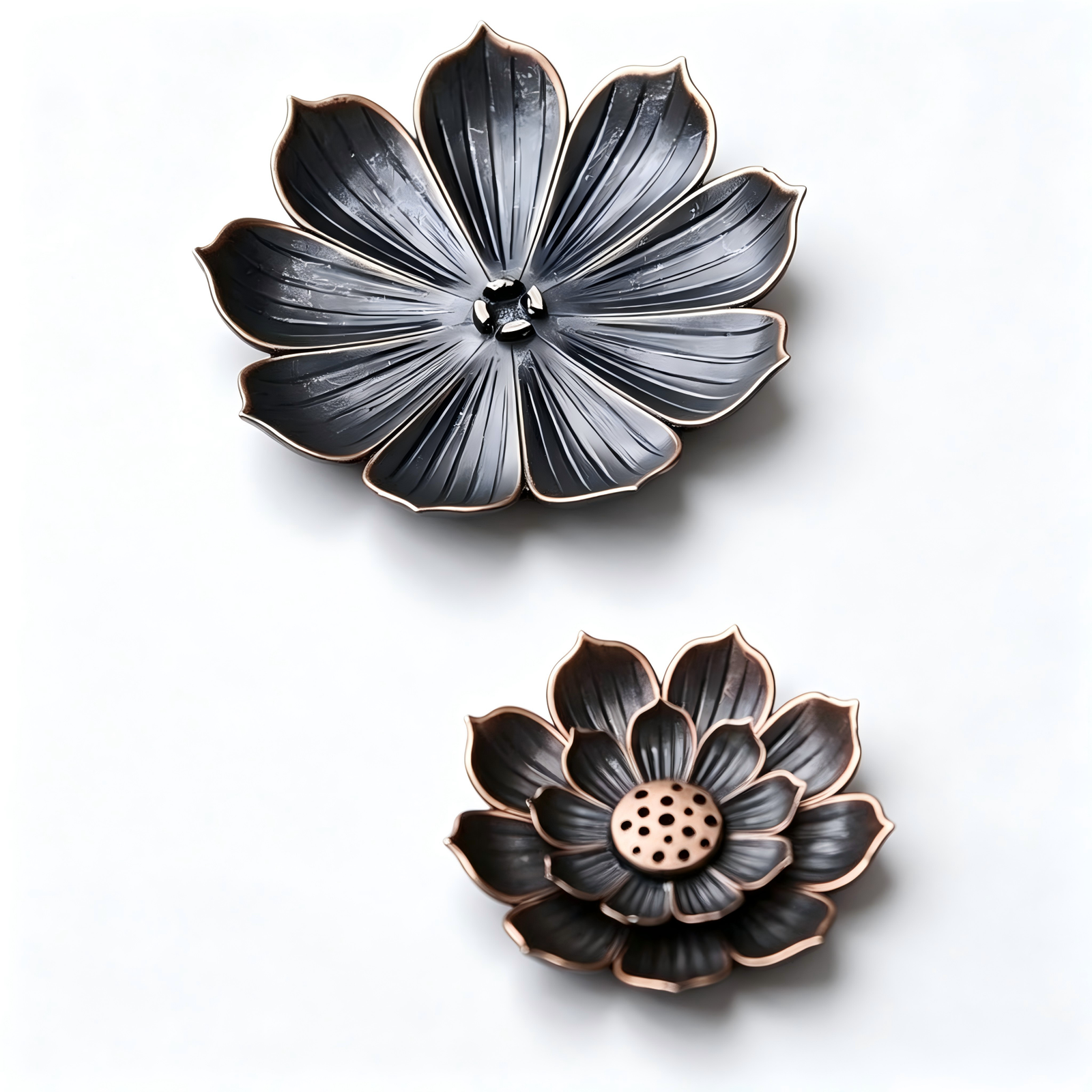
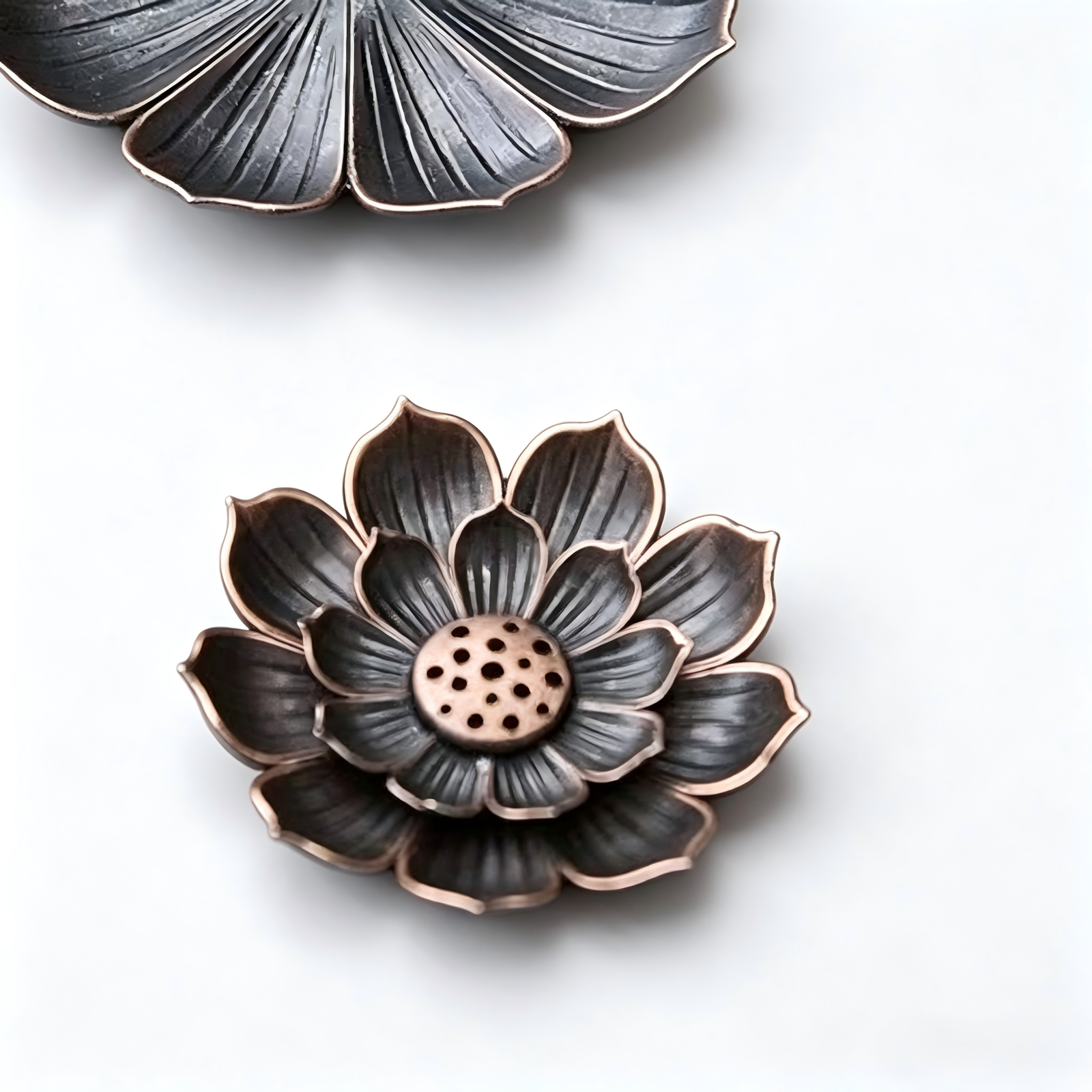
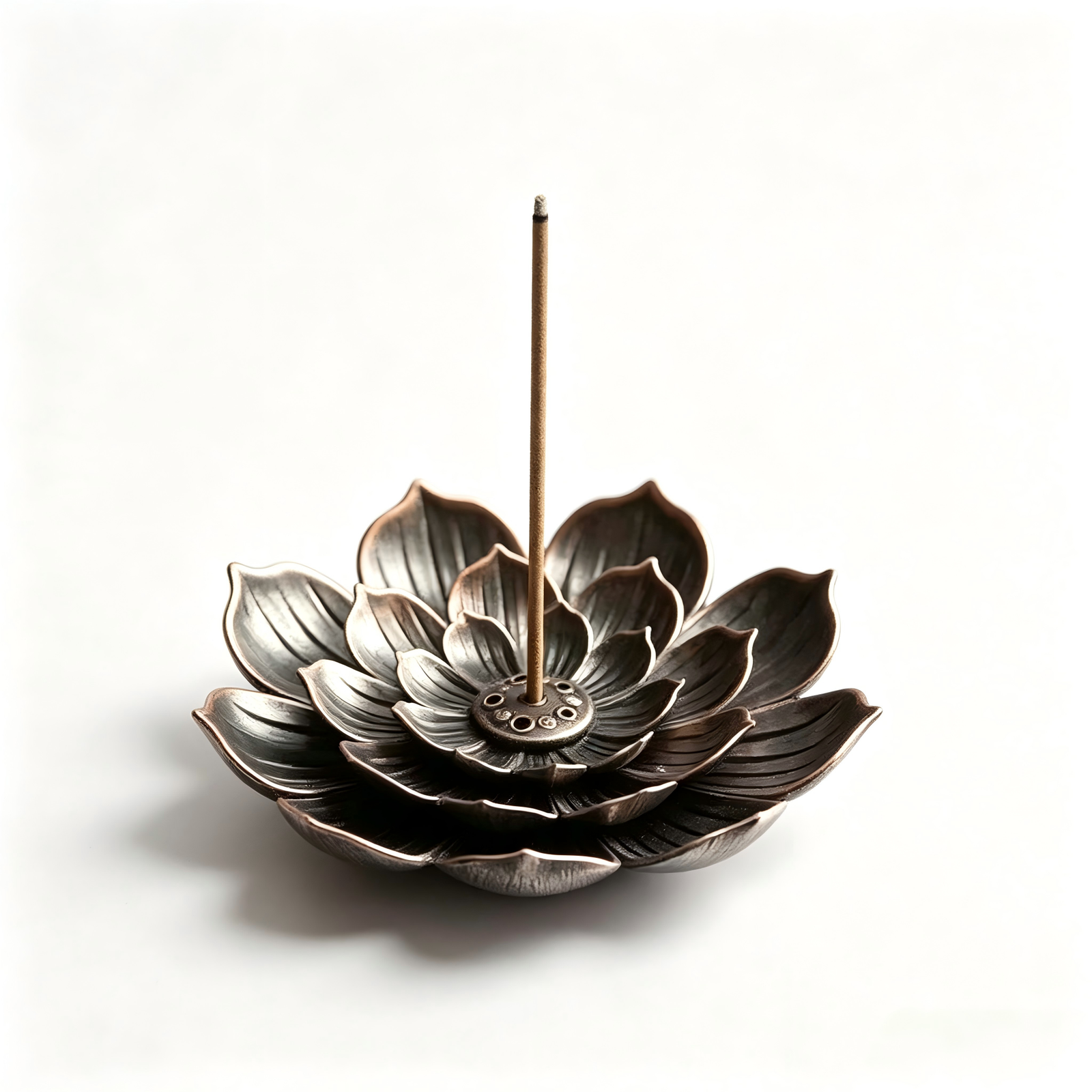
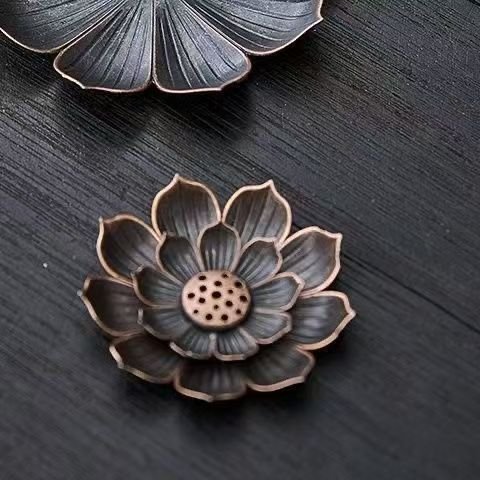
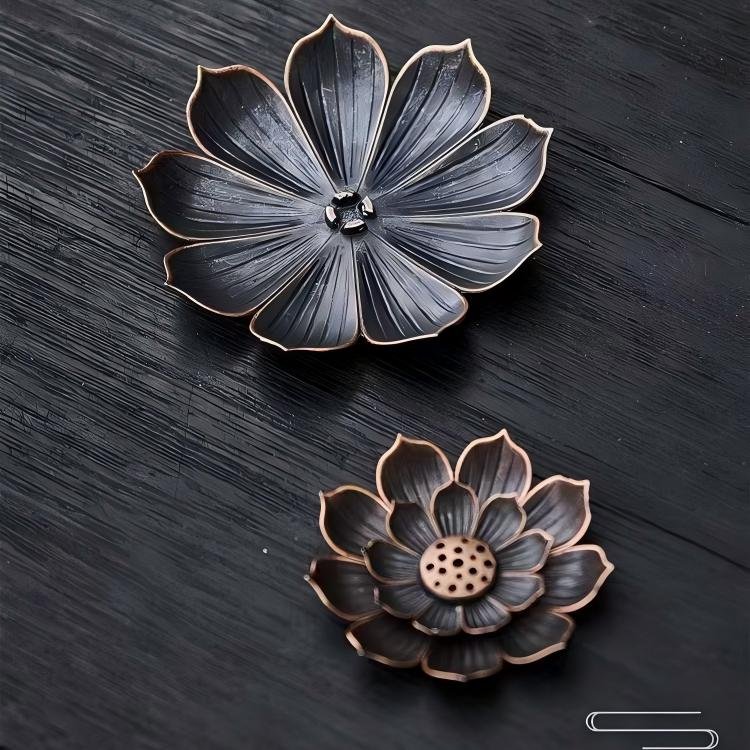
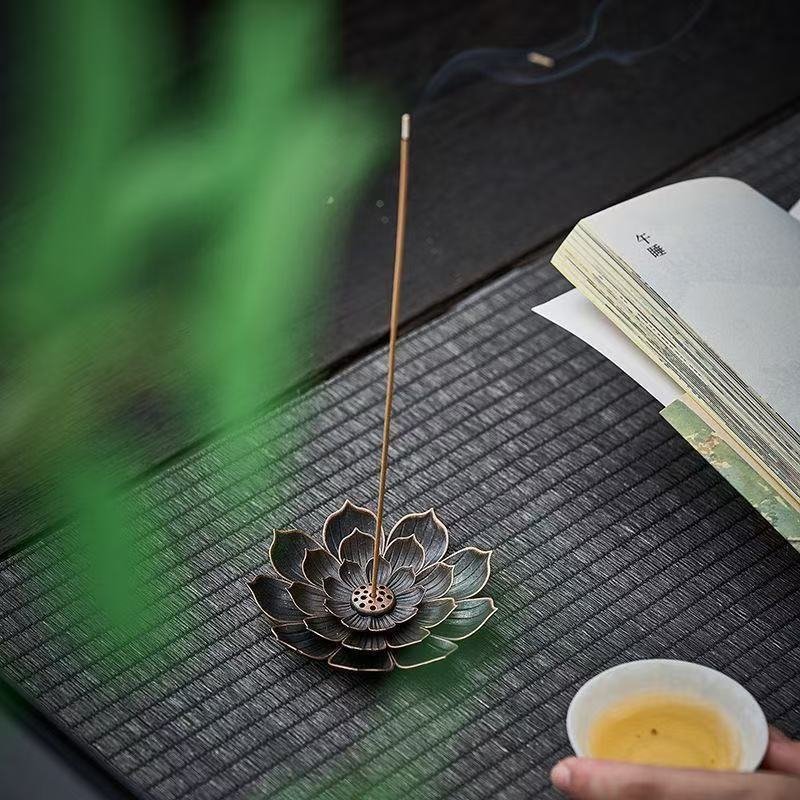
A three-layer lotus incense holder is a small, lotus-shaped metal stand with three stacked petal tiers. Each tier has multiple holes that hold upright incense sticks. Below the petals sits a wide catch basin that collects falling ash.
We die-cast each piece from zinc alloy. Then artisans hand-finish the surface with a matte antique-bronze coat. The result feels solid and slightly cool in your hand. It weighs about 118 grams, which is heavy enough to stay put on a wooden altar or desk.
The design comes from traditional Chinese incense ceremonies. In those rituals, multiple sticks burn at once. The three tiers let you light three sticks at different heights. The smoke rises in a staggered plume. That staggered plume is what makes the lotus shape visually distinct from a flat tray.
How Does the Multi-Bore Design Catch Ash?
Most flat incense trays fail at one job. They let the ash fall straight down. The wind from a door opening blows that ash across your table. The multi-bore lotus incense catcher solves this with three stacked rings of holes.
Here is how it works in practice:
- The top tier catches the longest sticks first.
- Mid-length sticks sit in the middle ring.
- Shorter sticks or incense cones rest near the lotus center.
- All ash falls into a 3.5-inch wide basin below.
We tested this with six sticks burning at once. After 45 minutes, the basin held every flake of ash. Nothing landed on the surrounding wood. That is the practical test no flat brass plate can pass.
Why Choose Zinc Alloy Over Solid Brass?
Many buyers assume brass is always better. In practice, that is not true for a small tabletop incense burner. Below is the main differences.
| Feature | Zinc Alloy (Our Holder) | Solid Brass |
|---|---|---|
| Weight | 118 g (stable on desk) | 220–300 g (heavier, feels industrial) |
| Typical Price | $24–35 | $60–120 |
| Finish Options | Antique bronze, matte black, copper | Polished gold, brushed nickel |
| Heat Resistance | Up to 280 °C | Up to 320 °C |
| Patina Behavior | Slow, even tone over 2+ years | Uneven green patina in humid rooms |
| Casting Detail | Sharp lotus petal edges | Slightly softer edges |
For a daily-use piece you want to enjoy for years, zinc alloy offers better visual detail at one-third the weight and price. According to the Smithsonian Freer Gallery’s collection notes on East Asian incense tools, alloy casting became the standard for portable burners during the Ming dynasty for exactly these reasons.
How to Clean and Care for Your Lotus Incense Catcher
The antique bronze finish develops a soft, even patina over time. This is normal and desirable for many owners. If you prefer the brighter out-of-box look, here is what to do.
- Let the ash cool for 30 minutes before touching.
- Empty the basin into a trash bin. Do not wash ash down a sink.
- Wipe the surface with a soft, dry microfiber cloth.
- Skip chemical cleaners. They strip the electroplated coat.
- For sticky residue, use a barely damp cloth, then dry immediately.
One thing most owners get wrong: they reach for brass polish. That polish is for solid brass only. On an electroplated zinc alloy surface, it leaves dull patches that cannot be buffed out.
Where Are Yongchun Lotus Incense Holders Made?
Yongchun is a small county in Fujian province, southern China. It has produced incense for over 1,000 years. The local agarwood (chenxiang) tradition is so important that the Ministry of Culture recognizes it as part of China’s national intangible cultural heritage registry for traditional incense-making.
If you walk into a workshop there, you will smell sandalwood, agarwood, and cedar in the air. Artisans hand-finish each piece after the casting process. That is why no two lotus holders look exactly alike. The casting mold is identical. The hand work is not.
How to Set Up Your Lotus Incense Holder for Meditation
To make the most of your lotus incense holder, placement and environment play an important role. Place the burner on a heat-resistant wooden or stone surface away from strong air drafts or open windows. While the wide basin catches falling ash effectively, direct breeze can blow lightweight ash away from any tray.
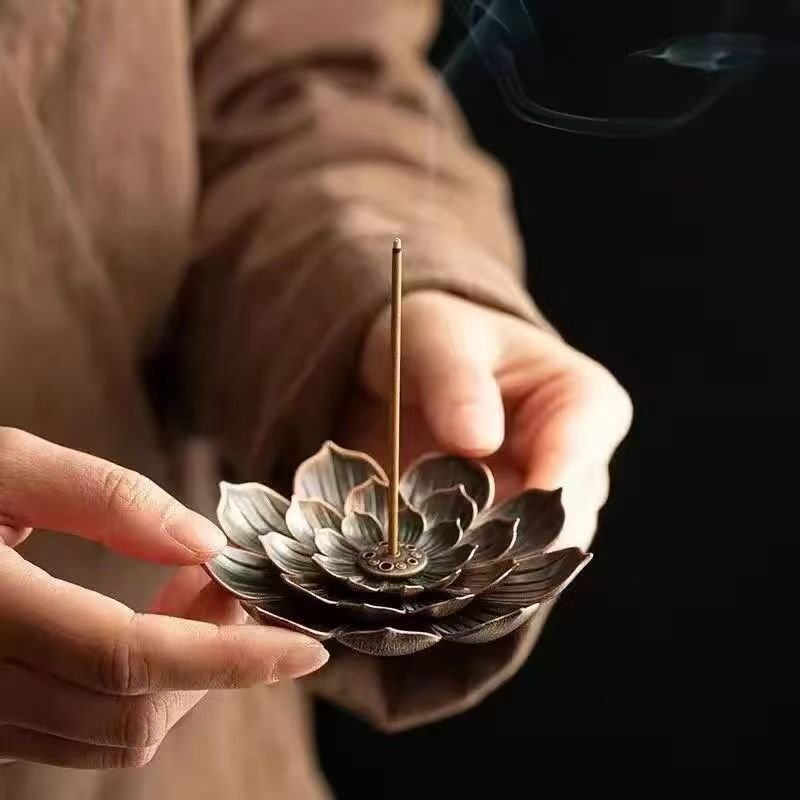
Before lighting your stick, take a brief moment to ground yourself. Insert the stick straight into one of the designated holes on the lotus incense holder, light the tip until a red ember appears, and gently blow out the flame. Watch the quiet smoke plume rise as you begin your daily meditation or reading session.
Is This Vintage Lotus Incense Burner Right for You?
This style works best in specific situations. It is not a universal fit for every incense user.
Best for:
- Daily stick incense users who want ash control.
- Meditation or yoga rooms with a small altar.
- Gift buyers seeking a tactile, solid piece under $40.
- Collectors of East Asian-style home goods.
Less ideal for:
- Backflow cone incense (use a backflow fountain instead).
- Outdoor patios (wind still defeats the basin).
- Buyers who want a bright gold polished finish (solid brass suits that better).
Looking for a different style or smoke effect? Explore our [curated collection of artisan incense burners] to find the perfect piece for your ritual.
Which Incense Types Pair Best with a Lotus Incense Holder?
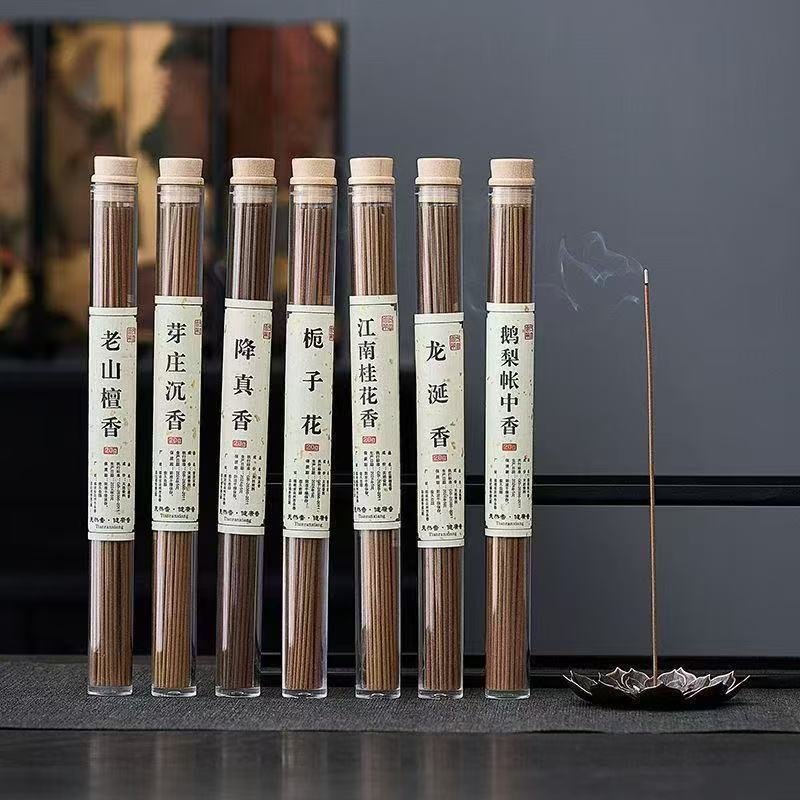
Choosing the right aromatic stick enhances both the burn quality and the visual appeal of your brass or alloy burner. A multi-bore lotus incense holder accommodates a wide variety of incense styles:
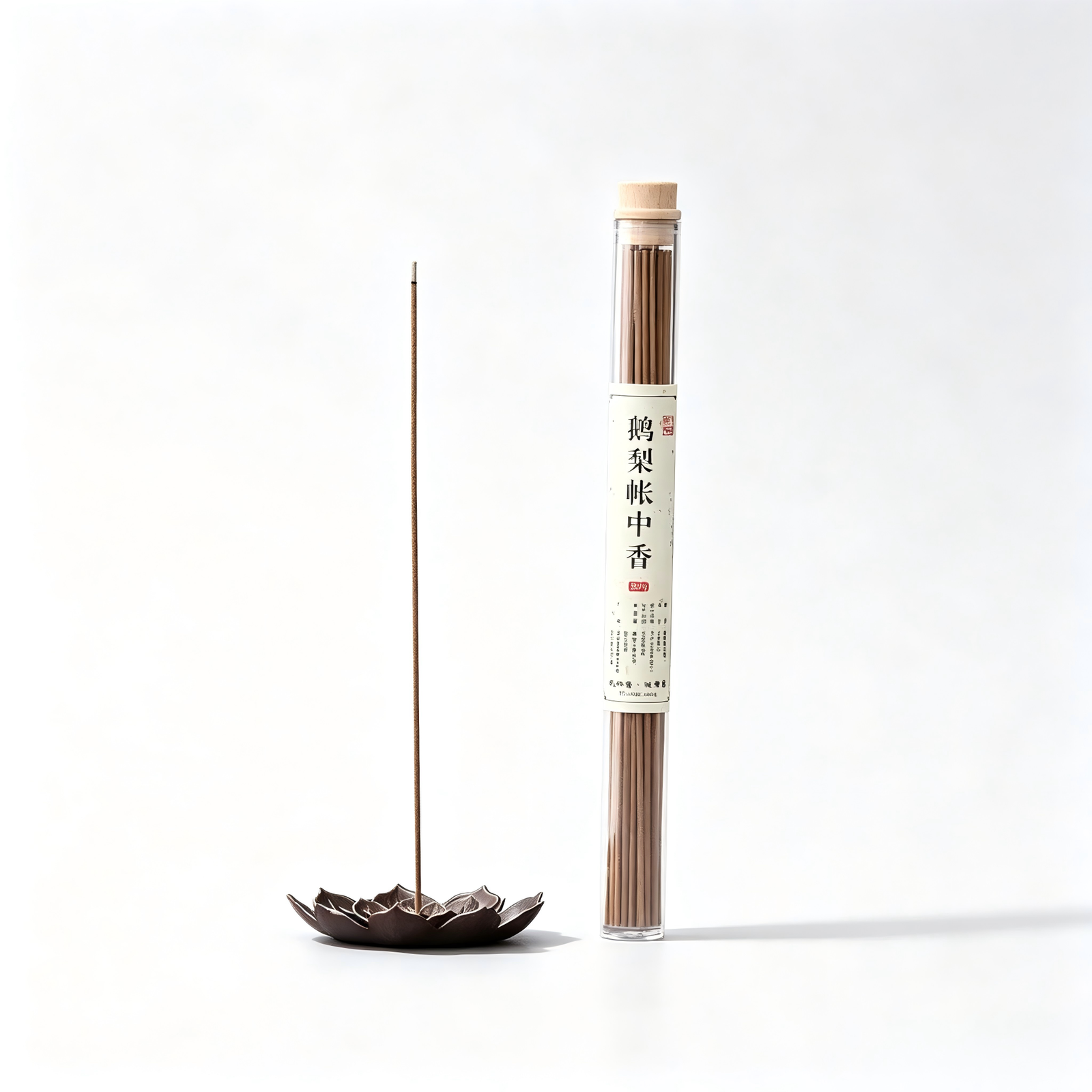
Japanese-Style Incense (Coreless): These coreless sticks burn clean and produce light ash. Standard sizes (such as 5.25-inch sticks) fit seamlessly into the inner petal holes of the lotus incense holder, ensuring all ash drops neatly inside the 3.5-inch tray.
Chinese Agarwood & Sandalwood: Thicker traditional sticks sit upright in the center bore without leaning, allowing the fragrance to disperse evenly across the room.
Small Cones: If you prefer burning incense cones, place them directly on the solid flat heart of the lotus base for a stable, fire-safe burning surface.
Styling Your Lotus Incense Holder for Minimalist Home Decor
Beyond its practical ash-catching capabilities, a three-tier lotus incense holder serves as a subtle, grounding accent piece for modern interiors. Its antique bronze finish pairs gracefully with natural materials like raw wood, unglazed ceramics, stone, and linen textiles.
To create a tranquil tea table or meditation nook setup, place your lotus incense holder on a small wooden tray alongside a stoneware cup or a small indoor plant. The metallic lotus petals catch warm sunlight and ambient candle glow, adding timeless warmth to coffee tables, bookshelves, or office desks without overcrowding your space.
A Quick Safety Note: Always place your lotus incense holder on a stable, heat-resistant surface away from strong drafts, open windows, pets, and flammable fabrics. Ensure the burning embers are completely extinguished before stepping away from the room.
Lotus Incense Holder FAQs
What types of incense does this lotus incense burner hold?
It holds standard Chinese and Japanese stick incense up to 2.8 mm thick. The center well also fits small cone incense under 25 mm tall.
Will the three tiers really catch all the ash?
Yes, for normal stick incense. The 3.5-inch basin caught every flake we measured during a 45-minute burn test with six sticks.
Is this holder made of solid brass?
No. It is precision die-cast zinc alloy with an antique bronze electroplating. The visual warmth is similar to brass. The weight and price are about one-third.
How long does the bronze finish last?
With basic care, the electroplating holds its color for 5+ years of daily use. After that, a slow, even patina develops. Most owners prefer the patina look.
Where exactly is this lotus incense holder made?
It is hand-finished in Yongchun, Fujian, China. Yongchun is recognized for over 1,000 years of agarwood and incense-craft heritage.
Can I use this holder with backflow cones?
No. Backflow cones need an open, downward-facing hole. This lotus design is built for upright stick incense only.
Reviews
There are no reviews yet.