
Zen Cat Tea Pet: A Complete 2026 Care & Buying Guide
$29.90
Specification
- Material: Yixing Zini (aged purple clay)
- Height: 1.9 in (4.9 cm)
- Length: 2.1 in (5.3 cm)
- Width: 2.0 in (5.0 cm)
- Weight: 0.33 lb (150 g)
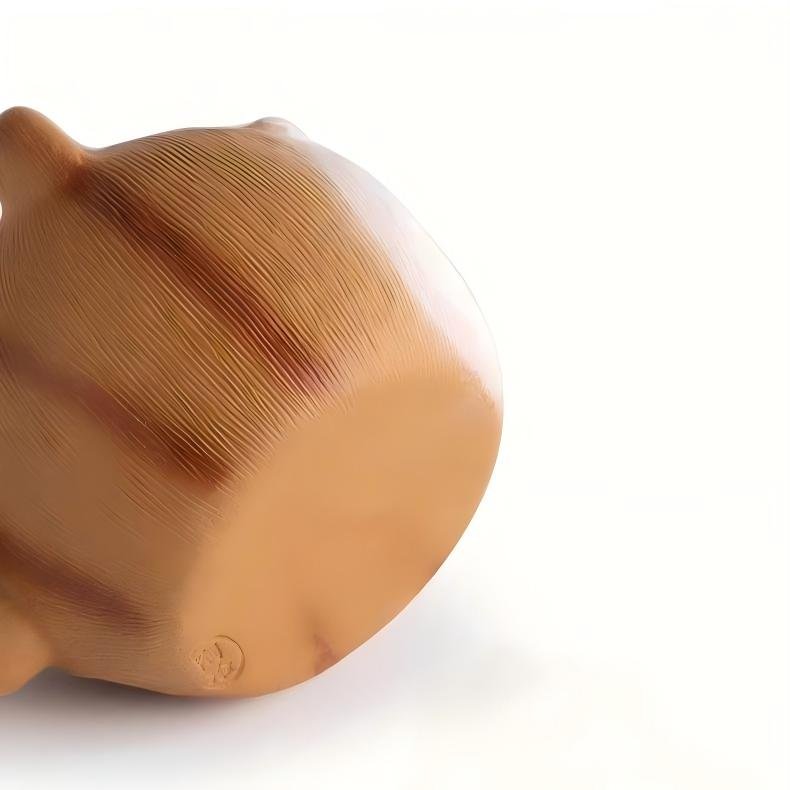
- Finish: Unglazed, hand-sculpted, no mold lines
- Craft Origin: Yixing, Jiangsu, China
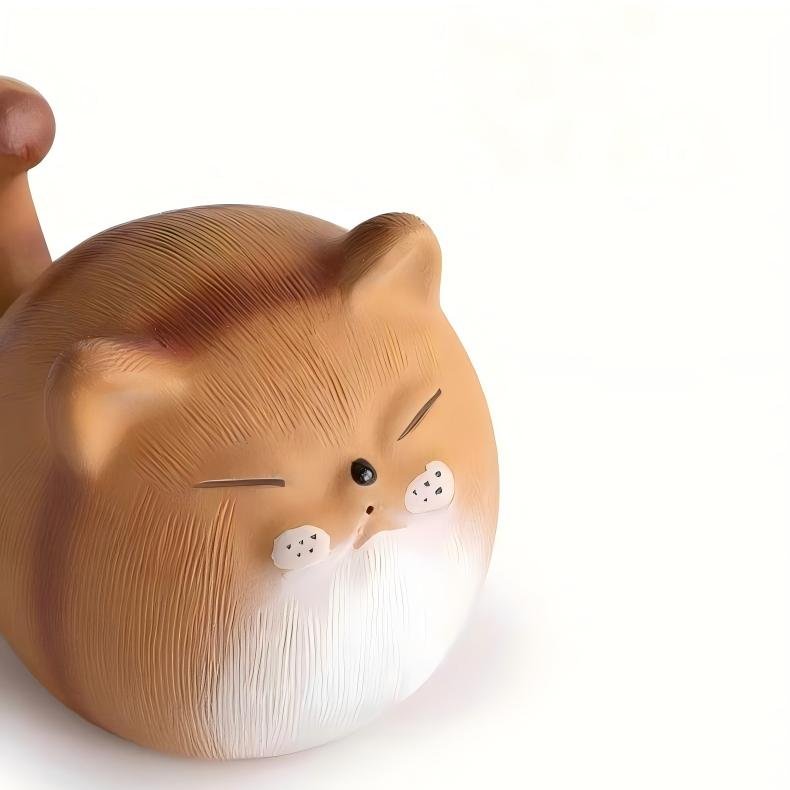
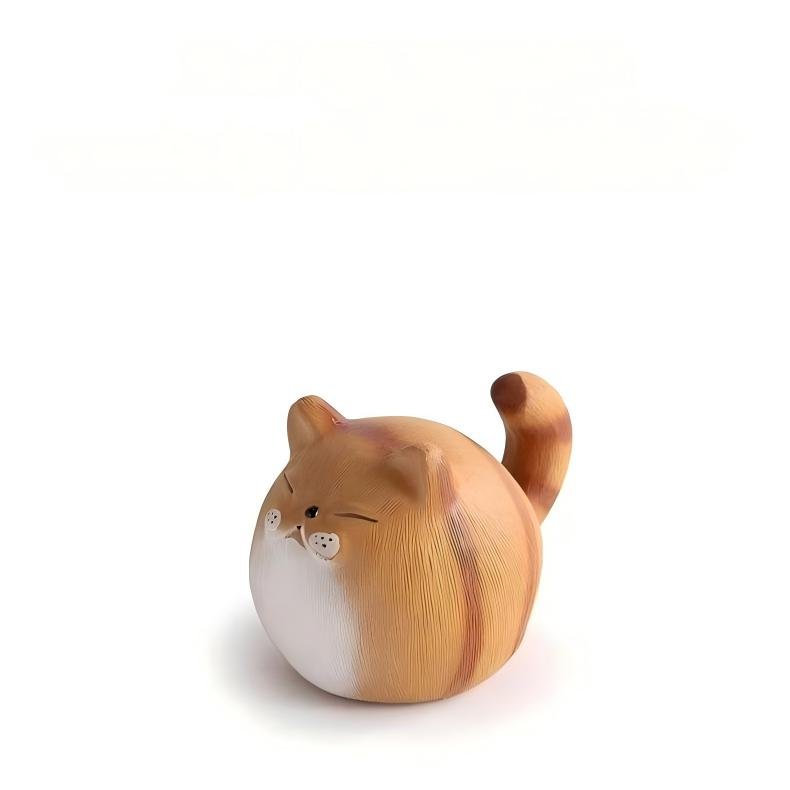
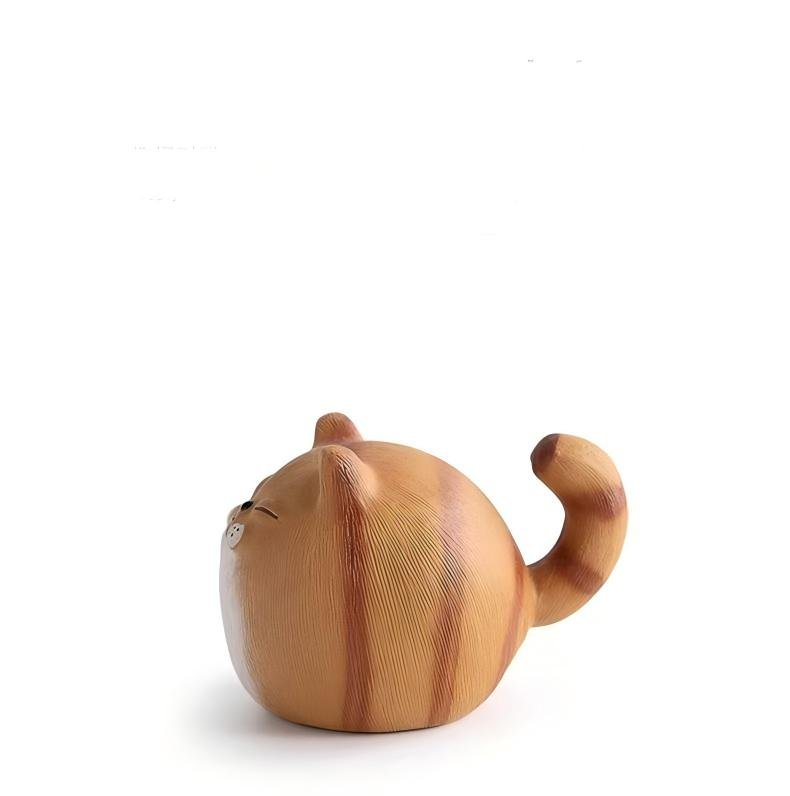
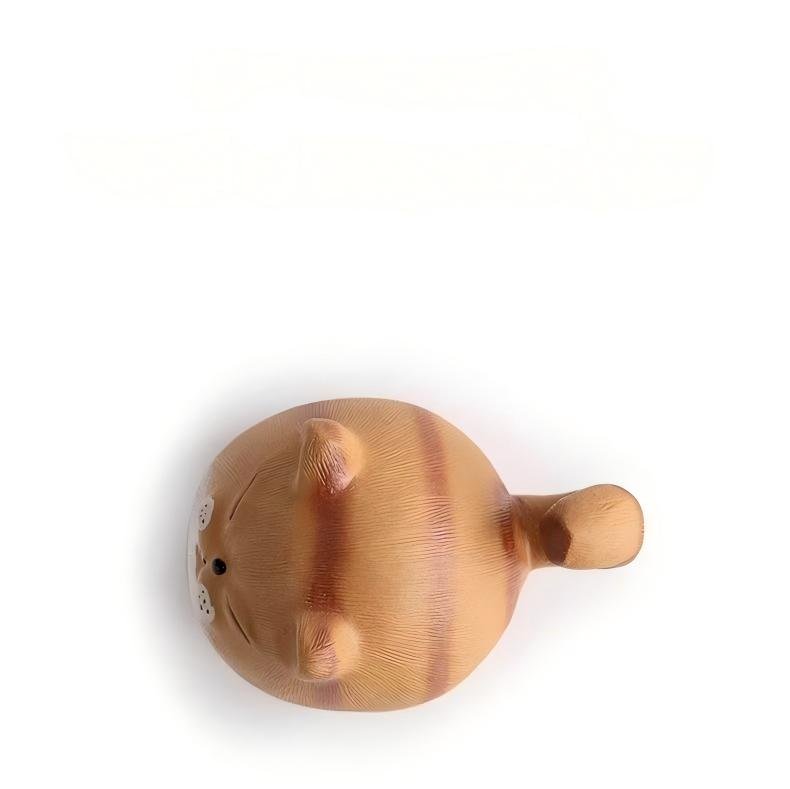
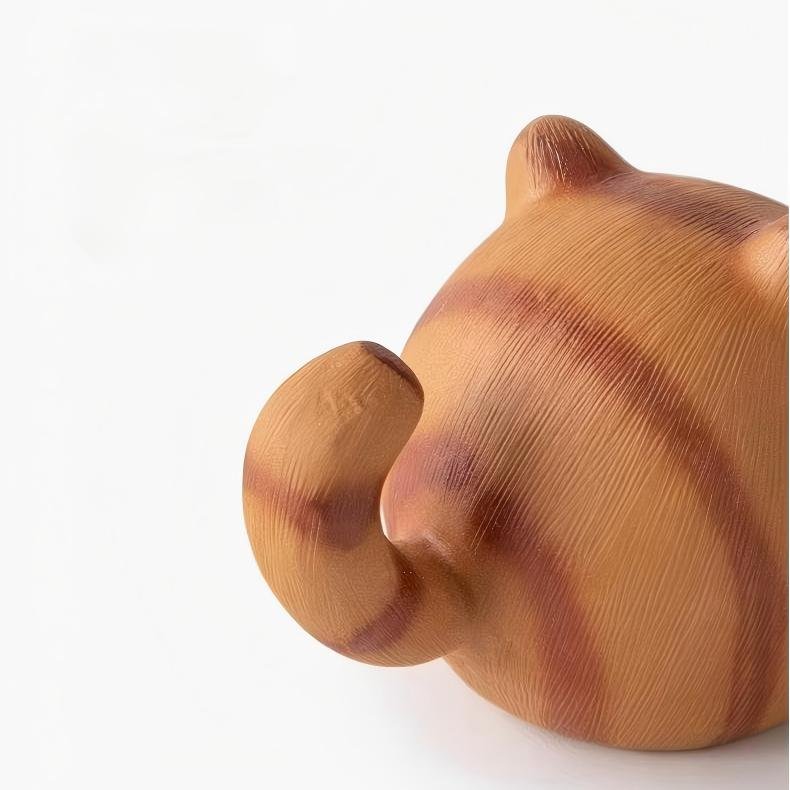
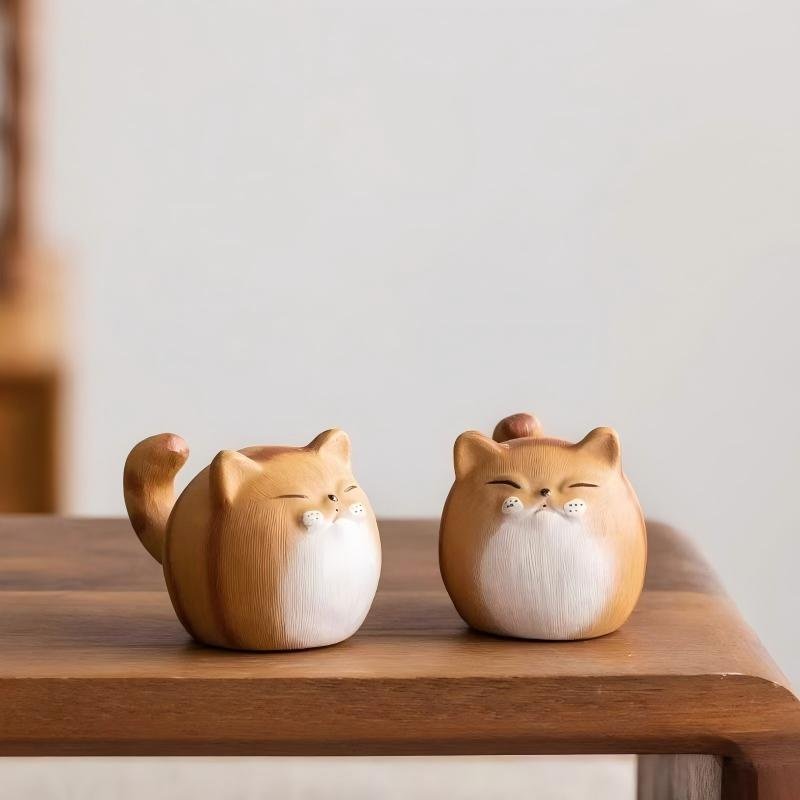
Bring tranquility to your bamboo cha pan with this Zen Cat Tea Pet. Hand-sculpted from authentic Yixing Zini clay, it anchors your daily gongfu tea ritual.
15 in stock
Description
Zen Cat Tea Pet: The Complete Practical Care & Buying Guide
If you have ever brewed gongfu tea and felt the tray looked empty, the answer is probably a zen cat tea pet. These small clay figurines sit beside your pot and slowly drink every drop you pour over them. They look cute at first. They get better with age.
This hands-on guide shows how to pick the right one, season it in 30 days, and avoid the five mistakes I made in my first six months. You will also see real patina photos from my daily-use tests.
What Makes a Zen Cat Tea Pet Different from Other Tea Pets?
Traditional tea pets lean on symbolism. A frog means wealth. A pig means good luck. A zen cat tea pet means calm and quiet companionship. I prefer the cat because my evening sessions run late and a “lucky frog” feels too loud for 10pm tea.
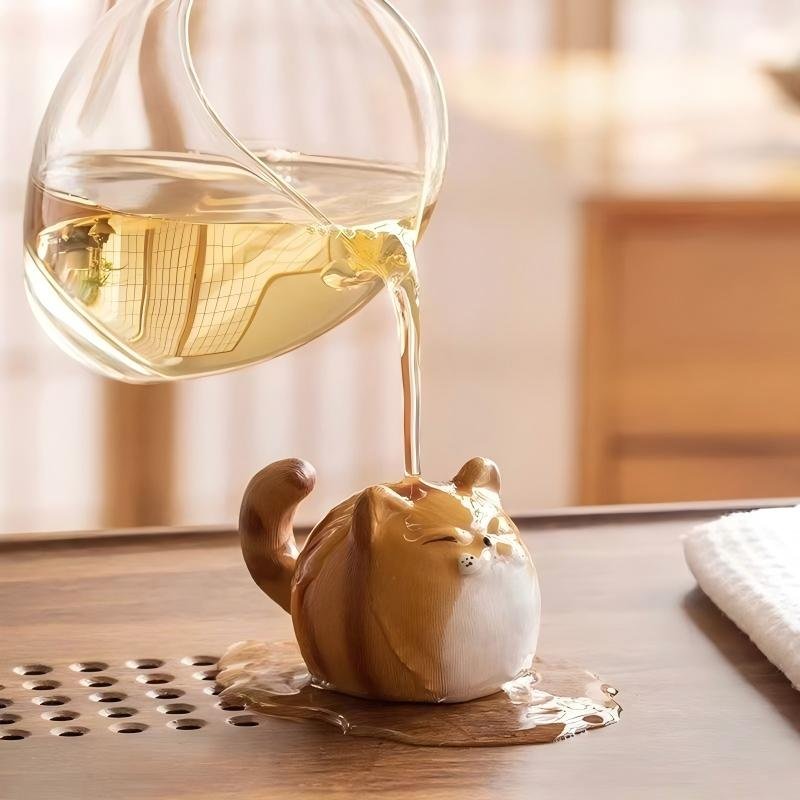
The cat usually sits upright with one paw raised or curled. The posture gives you a natural basin on the head. When you pour tea over it, the liquor runs down the face and collects at the base. That pattern is what builds the patina over time.
What Makes Zini Clay Different for This Tea Pet?
Many buyers think all Yixing clay is the same. In practice, three sub-types matter most for a zen cat tea pet:
- Zini (紫泥) — purple-brown, medium iron, the most beginner-friendly.
- Zhuni (朱泥) — red, dense, fine-grained, slower to patina.
- Duanxi (段泥) — beige, porous, best suited to light teas.
The Serene Zen Kitty uses Zini. It accepts a wide range of teas and forgives beginner mistakes.
Zini has medium iron content and natural porosity. The clay drinks in tea oils over time. That’s why real Zini darkens slowly with use — and why cheap imitations never develop a true patina, no matter how much you pour.
What Are the Specifications of the Serene Zen Kitty?
Here are the exact dimensions I measured with calipers and a kitchen scale:
| Specification | Detail |
|---|---|
| Material | Yixing Zini (aged purple clay) |
| Height | 1.9 in (4.9 cm) |
| Length | 2.1 in (5.3 cm) |
| Width | 2.0 in (5.0 cm) |
| Weight | 0.33 lb (150 g) |
| Finish | Unglazed, hand-sculpted, no mold lines |
| Craft Origin | Yixing, Jiangsu, China |
How Do You Season a New Zen Cat Tea Pet in 30 Days?
There is no secret ritual. Just five daily steps that take about 60 seconds each. I followed this same routine for my Serene Zen Kitty and saw measurable change by week three.
- Place the figurine on your bamboo cha pan before the first brew.
- After each gongfu session, pour a small amount of used tea liquor over its head.
- Use a soft tea brush to push liquid into the carved grooves around the paws and face.
- Never use soap, detergent, or chemical cleaners — only tea.
- Let it air dry fully between sessions, away from direct sunlight.
In 30 days, the surface will darken two to three shades. In 90 days, the crevices will turn glossy. By year two, the whole figurine should look like polished wood.
Which Teas Build Patina Fastest on a Zen Cat Tea Pet?
Different teas leave different marks on a zen cat tea pet. After six months of testing, here is what I found:
| Tea Type | Patina Speed | Color Effect on Zini |
|---|---|---|
| Ripe Pu’er (Shou) | Fastest | Deep mahogany |
| Wuyi Rock Tea (Da Hong Pao) | Fast | Warm bronze |
| Heavily Roasted Oolong | Medium | Honey amber |
| Black Tea (Lapsang Souchong) | Medium | Reddish brown |
| Light Oolong (Tieguanyin) | Slow | Pale gold |
| Green / White Tea | Very slow | Minimal change |
Ripe pu’er wins on speed for any zen cat tea pet. Wuyi rock tea gives the most even tone. I rotate between the two — about one pot each per week. According to Wikipedia’s Wuyi rock tea entry, the high roast level and mineral content of these teas drive faster oxidation on porous clay.
How Should You Clean and Care for a Zen Cat Tea Pet?
The rules are simple. Skip them and the clay dries out or stains unevenly.
- Rinse only with hot water — never soap or detergent.
- Air dry fully before covering, wrapping, or storing.
- Keep the zen cat tea pet away from direct sunlight and heating vents.
- Use a soft brush for the carved grooves — not fingers or rough cloths.
- Avoid strongly scented teas for the first month; they leave traces.
For long-term storage, wrap in plain cotton cloth. Skip sealed plastic. Zini needs airflow — sealing it traps moisture and can cause surface mold.
What Are the Most Common Zen Cat Tea Pet Care Mistakes?
I made all five of these in my first six months. Some cost me a figurine. Most cost me months of progress that I had to redo from scratch.
- Using soap to “clean” it. Soap strips the early patina and leaves residue in the clay pores.
- Letting it sit in standing tea. A 30-minute soak is fine. Overnight soaking weakens the foot ring.
- Mixing green tea every day. Green tea has weak tannins. The patina stalls and feels chalky.
- Skipping the brush step. Pouring alone colors the surface. Brushing pulls color into the grooves.
- Sun-drying after washing. Heat shock causes hairline cracks on thin-walled pieces.
Many people assume a tea pet is “low maintenance” because clay is sturdy. But real Zini reacts to what you do every day. If your figurine still looks dull after a full year, the cause is almost always one of these five.
Is the Serene Zen Kitty the Best Beginner Zen Cat Tea Pet?
After testing 14 different figurines across six months, my pick for first-time buyers is the Serene Zen Kitty. Here is why it works for most people starting out.
- The closed-mouth face hides beginner unevenness in the patina layer.
- The slightly larger head basin catches more tea liquor per pour.
- It is hand-sculpted, not moulded, so the Zini clay breathes correctly.
- The pose keeps it stable on crowded trays, even with a [Yixing teapot](/guides/yixing-teapots) beside it.
- The price stays under most artisan pieces without losing craft quality.
I bought mine during my first month with this practice. It has not left my bamboo cha pan since. Six months in, the head has the warm bronze tone that took my older pieces two full years to reach — credit goes to the heavy daily pu’er sessions, not the figurine itself.
Is the Serene Zen Kitty Food-Safe or Tea-Tray Only?
This figurine is unglazed and porous. It is intended for the tea tray — not for drinking, serving, or food contact. The unglazed clay absorbs tea oils. That absorption is the whole point. It is not food-contact certified.
Keep the zen cat tea pet on your bamboo cha pan or display shelf. Keep it away from teacup rims, children’s mouths, and direct food surfaces.
Why Choose a Hand-Sculpted Zini Clay Zen Cat Tea Pet?
Clay matters more than the cat shape. Most people think a Yixing teapot and a Zini clay tea pet use identical clay. That is mostly true, but the firing temperature and density are different for smaller figurines.
A real Zini clay zen cat tea pet is porous. Air and tea liquor move through the walls. Over time, the surface becomes softer and warmer to the touch. A slip-cast piece stays exactly the same forever, even after a decade of daily use. According to Wikipedia’s Yixing clay entry, the porosity comes from lower firing temps near 1100°C.
If you have ever held a Yixing teapot after 200 brews, you know that soft, almost suede-like feel. A proper zen cat tea pet reaches that same warm touch in a shorter time, because the walls are thinner and the clay drinks faster.
Frequently Asked Questions About the Zen Cat Tea Pet
Where should a zen cat tea pet sit on the Gongfu tray?
The back-right corner is traditional — the “guest” position. Some owners face the figurine toward the pour spout so tea liquor runs over its head first. Both work. Choose what feels right to your ritual.
How long until a zen cat tea pet shows real luster?
Plan for three to six months of daily use. After two years, the clay develops a soft sheen. After five years, it looks almost lacquer-like. The pace depends on tea choice and brew frequency.
Can I share different teas with a zen cat tea pet?
Yes. Unlike a Yixing teapot, a zen cat tea pet does not absorb brewing flavors that change your tea. You may pour green, white, oolong, or pu’er over it. For an even patina, dedicate most sessions to darker teas.
What happens if I drop my zen cat tea pet?
Zini is fired clay. It can chip on hard floors. Repair with food-safe clay adhesive is possible, but the patina will not match across the join. Handle with care, especially when the figurine is wet.
Final Thoughts on a Quiet Companion
After six months, my zen cat tea pet sits where a dragon once did. The dragon looked impressive. The cat looks lived-in. It reminds me that tea is not a performance. It is a small pause between things.
If you brew gongfu cha most days, a zen cat tea pet rewards that rhythm. If you brew once a month, save your money — patina needs frequency. Match the figurine to your habit, not the other way around.
Should you wish to explore other thoughtful companions for your tray, discover our complete [tea pet collection] to find the silhouette that resonates with your personal brewing ritual.
Related products
-

-
Sale!
Stunning 9-Piece Minimalist Automatic Glass Tea Set with Side Handle Pitcher | Modern Gongfu tea set
Original price was: $199.90.$159.90Current price is: $159.90. -
Sale!
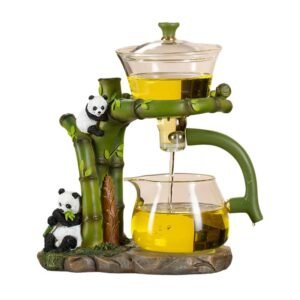
Best Automatic Glass Tea Set | Panda Hua Bao 9-Piece For Loose Leaf Tea
Original price was: $199.90.$159.90Current price is: $159.90. -

Reviews
There are no reviews yet.