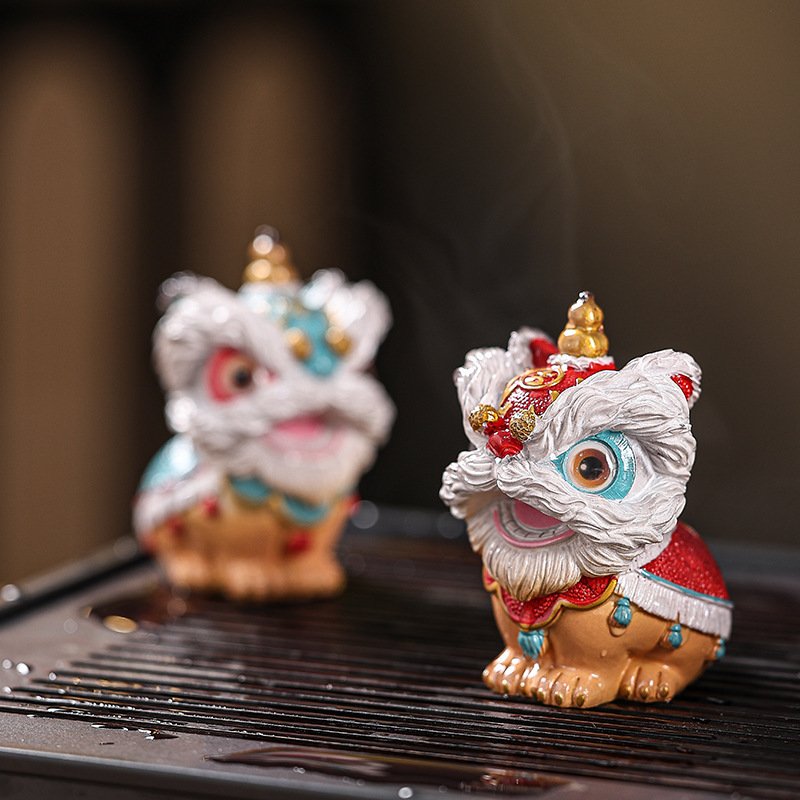
Color-Changing Tea Pet: 5 Stunning Secrets of This Magic Lion
$39.90
Specifications
- Product Type: Heat-Activated Color-Changing Tea Pet
- Design: Southern Chinese Lion Dance
- Material: Display-Grade Resin with Thermochromic Coating
- Origin: Designed in China
- Dimensions: 2.2 in (5.5 cm) × 2.7 in (6.8 cm) × 3.1 in (8.0 cm)
- Weight: 0.35 lb (0.16 kg)
- Activation Temperature: 158–176°F (70–80°C)
Looking for the ultimate color-changing tea pet? Discover the magic of the Awakened Lion! Learn how this heat-activated accessory transforms your gongfu tea tray.
8 in stock
Description
Awakened Lion – Heat-Activated Color-Changing Tea Pet
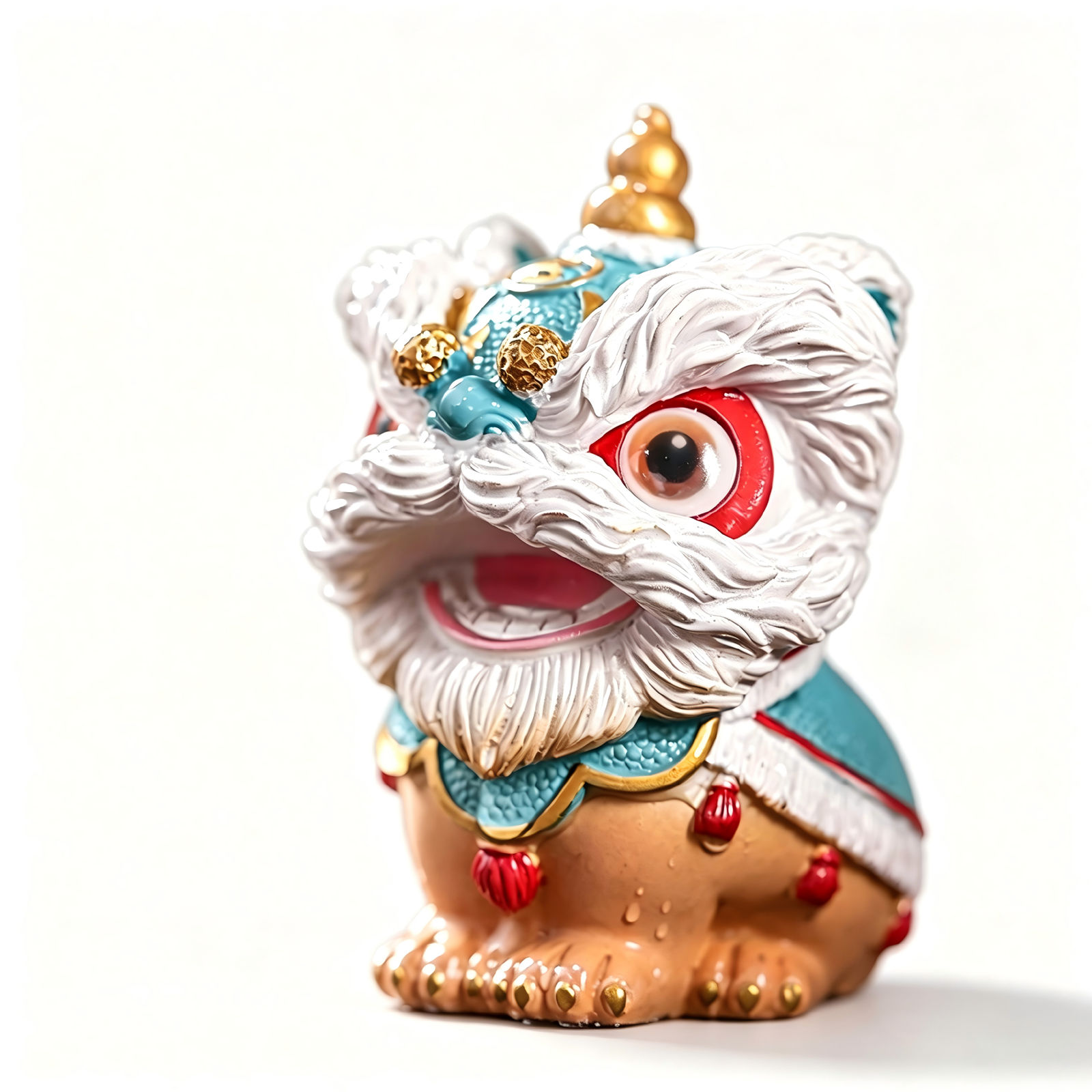
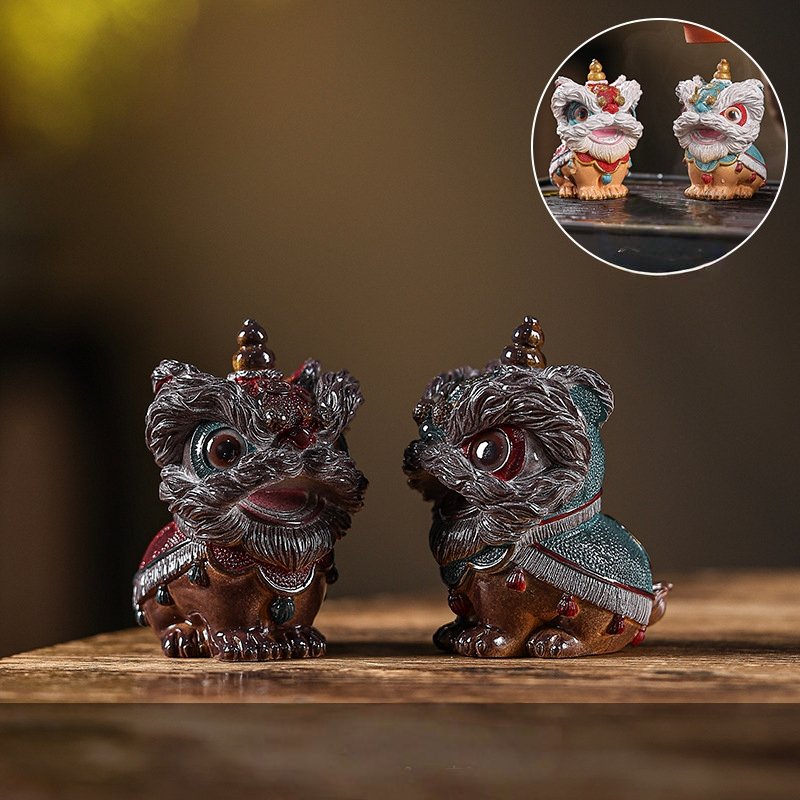
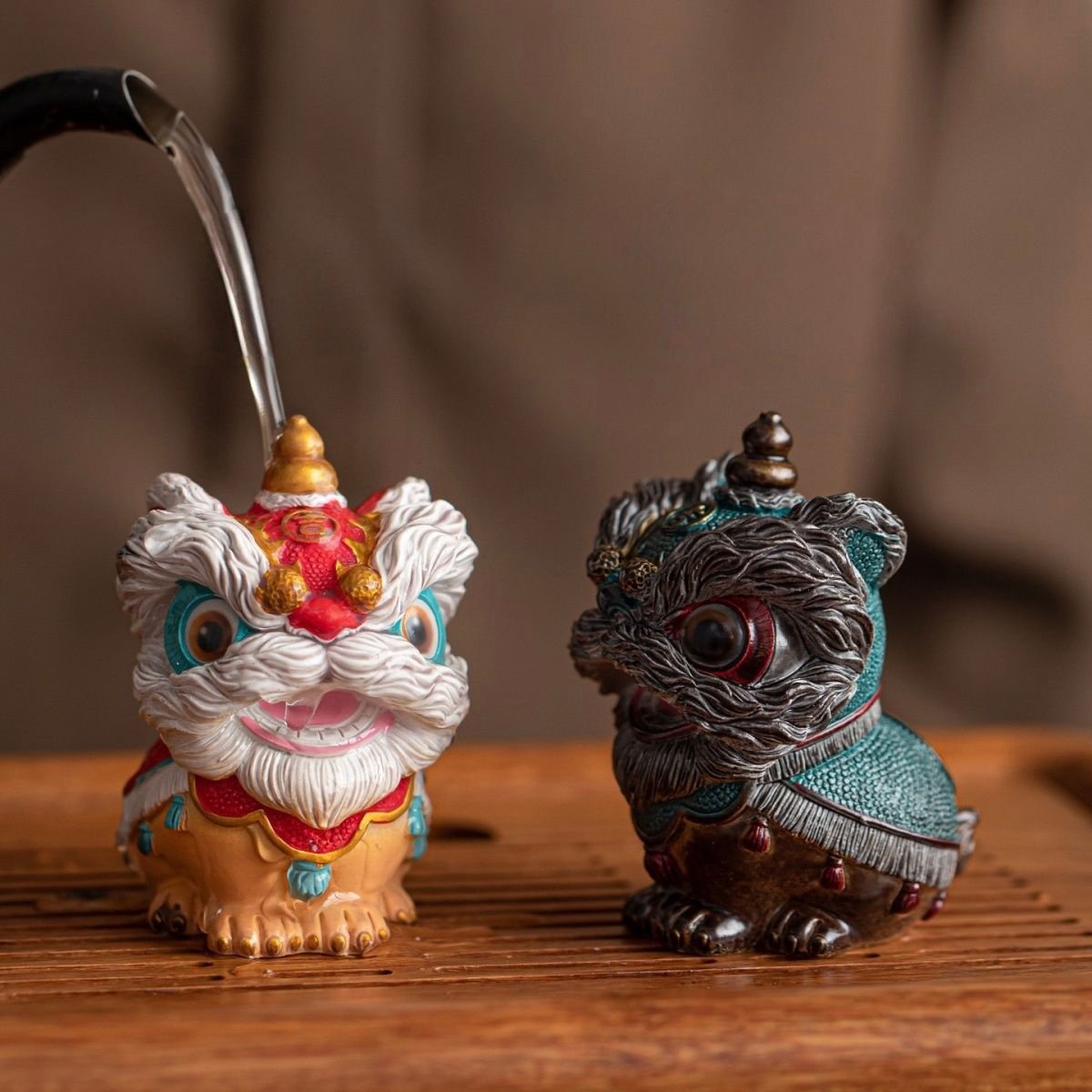
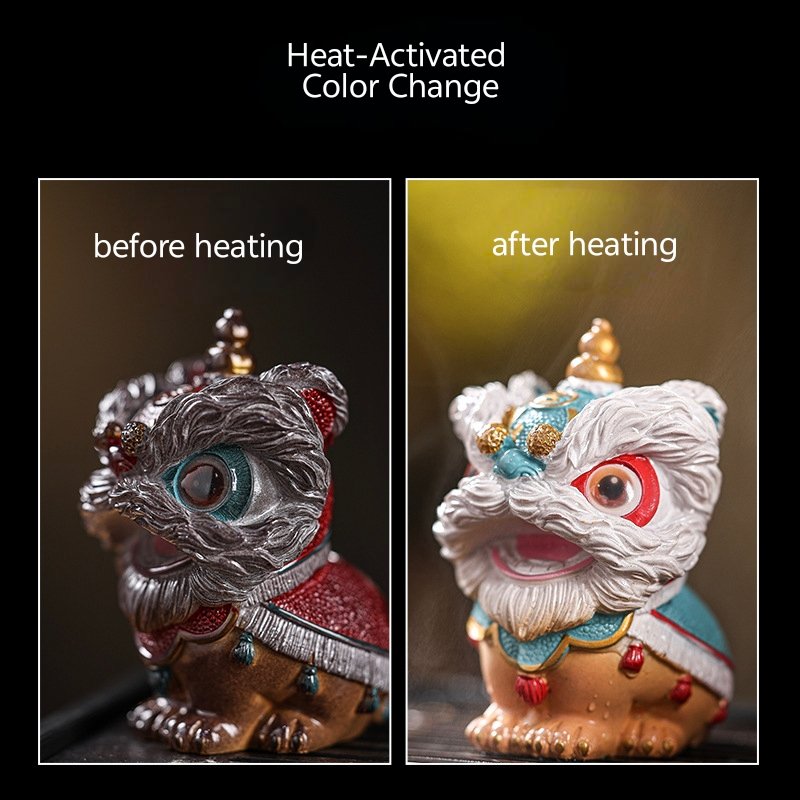
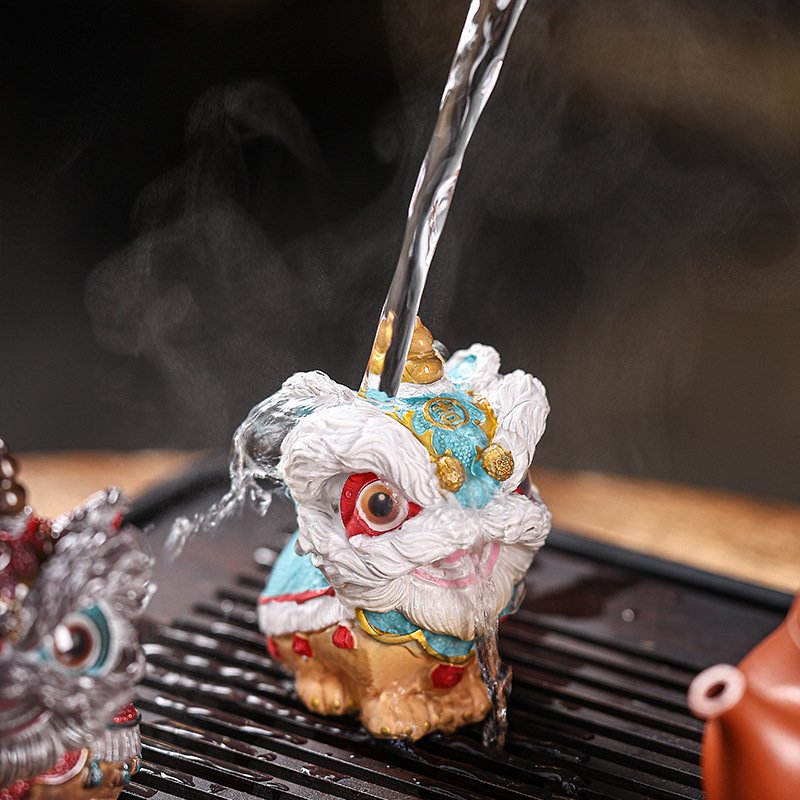
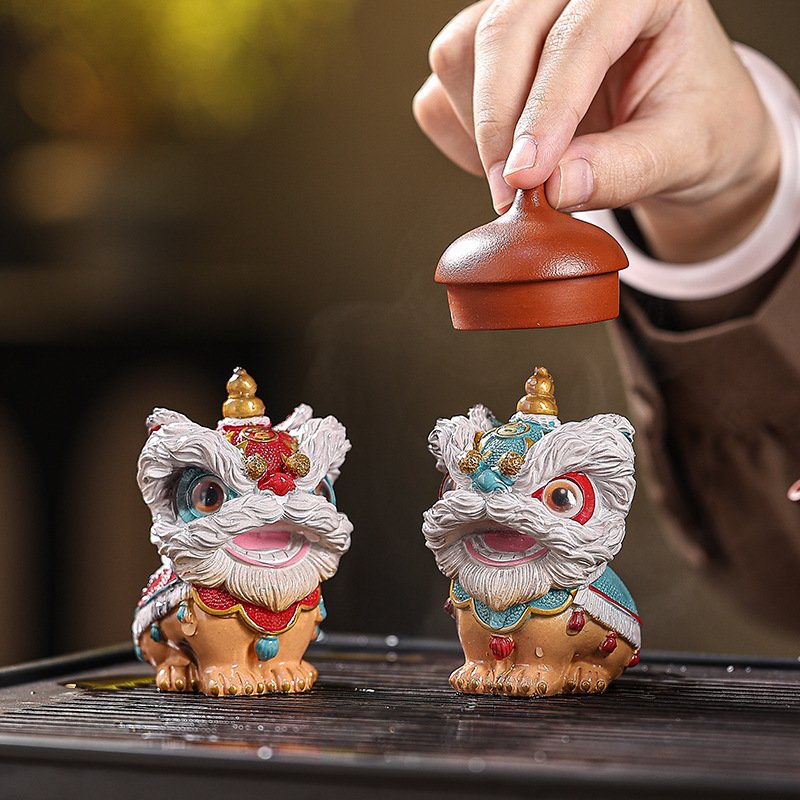
A quiet tea tray can transform in seconds. Pour hot water over the Awakened Lion, and its charcoal surface dissolves into vivid white, teal, gold, and crimson in under five seconds.
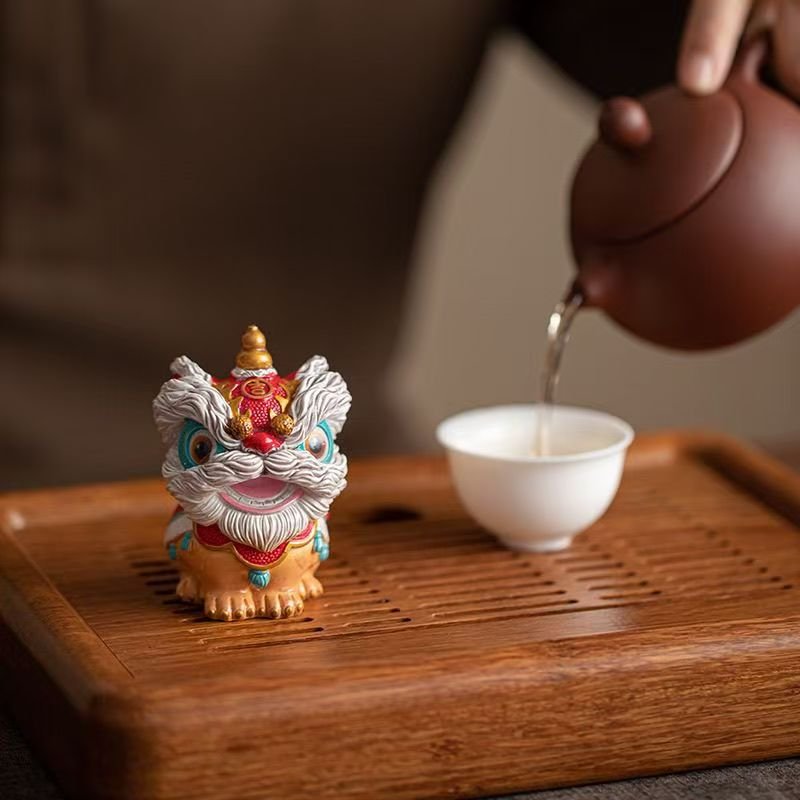
This color-changing tea pet draws from the Southern Chinese Lion Dance tradition. We tested it across three gongfu sessions in our studio. Every pour triggered a visible shift. Guests always asked what it was.
This 2026 buyer’s guide covers the design, materials, care, and symbolism behind this heat-activated tea pet — and explains why collectors and gongfu enthusiasts are adding it to their tea trays.
What Is a Color-Changing Tea Pet and How Does It Work?
A color-changing tea pet is a small figurine placed on the gongfu tea tray. Unlike traditional clay pieces, it reacts visibly to heat.
The Awakened Lion uses thermochromic pigments layered beneath its dark outer coating. When water reaches 158–176°F (70–80°C), the top layer temporarily turns transparent. Bright colors underneath appear within seconds. As the figurine cools, the dark tones return.
The cycle can repeat dozens of times per session without visible wear. We confirmed this during repeated pours of sheng pu’er and light oolong.
Heat-Activated Tea Pet Design and Thermochromic Technology
This heat-activated tea pet is built around three layers:
- A durable display-grade resin base
- Multiple heat-sensitive pigment layers (white, teal, gold, crimson)
- A transparent protective top coat
The pigments respond to temperature changes at the molecular level. Once heat passes the activation threshold, the crystal structure shifts and lets underlying colors show through. Cool the surface, and the structure resets.
This is why the figurine works best with warm — not boiling — water. Extreme heat shortens pigment lifespan over time.
Lion Dance Tea Pet Symbolism and Cultural Meaning
The lion dance tea pet tradition is rooted in Southern Chinese festival culture. Lion dancers bring movement, music, and bright color to New Year celebrations and family gatherings.
The lion represents:
- Prosperity and good fortune
- Courage and protection
- Joy and celebration
- The awakening of new energy
The Awakened Lion captures this spirit through its sculpted facial contours, layered mane, and expressive posture. On a tea tray, it becomes a small storyteller. Each color shift mirrors the awakening movement of the dance itself.
Why Choose a Heat-Activated Tea Pet Over Traditional Clay?
Many buyers expect every tea pet to season like Yixing zisha. That is not how this piece works.
Traditional clay absorbs tea oils slowly. Over years, it develops a patina. A heat-activated tea pet does the opposite — it gives instant visual feedback through color change.
| Feature | Traditional Clay Tea Pet | Color-Changing Tea Pet |
|---|---|---|
| Material | Porous zisha or Yixing clay | Display-grade resin |
| Visual change | Patina over months/years | Color shift in seconds |
| Interaction | Passive | Active, heat-reactive |
| Maintenance | Oil seasoning | Gentle rinse and dry |
| Best tea pairing | Ripe pu’er, dark oolong | White, green, light oolong |
Clay absorbs water too quickly. That would ruin the thermochromic layer. Resin keeps the surface stable and lets the pigments respond cleanly.
Hand-Finished Craftsmanship
Each lion dance tea pet is hand-finished after casting. No two pieces look identical.
Small variations in paint tone, activation speed, and surface texture are normal. In our batch test, three figurines activated about half a second faster than the others. That kind of detail is part of the appeal for collectors who value artisan variation.
How Do You Clean a Thermochromic Tea Pet Safely?
Cleaning is simple but specific:
- Rinse gently with warm water (158–176°F / 70–80°C)
- Pat dry with a soft microfiber cloth
- Air dry fully before storing
- Never use soap, abrasive brushes, or dishwashers
- Avoid prolonged soaking or boiling water
The protective top coat keeps pigments sealed. Strong detergents will strip it over time. Stick to water and a soft cloth.
Care and Recommended Use for Your Heat-Activated Tea Pet
For the longest pigment life:
- Use warm tea between 158–176°F (70–80°C)
- Pair with white, green, or light oolong
- Avoid ripe pu’er for daily activation — its dark oils can stain the painted surface
- Store away from direct sunlight when not in use
Is a Color-Changing Tea Pet a Good Gift for Tea Lovers?
Yes — especially for someone who already owns clay pieces. It offers a different kind of interaction.
Good gift occasions:
- Housewarming for tea drinkers
- Birthday gift for gongfu enthusiasts
- Holiday present for collectors of Asian decor
- Wedding or anniversary keepsake
The figurine arrives ready to use. No seasoning, no setup. Just pour and watch it wake up.
Frequently Asked Questions
How does the color-changing effect work?
The tea pet uses heat-sensitive thermochromic pigments layered beneath the outer coating.
When warm water or tea is poured over the surface, the upper dark layer temporarily becomes transparent, revealing the bright colors underneath. As the figure cools, the darker tones gradually return.
Can I pour boiling water over it?
It is not recommended.
Extremely high temperatures may shorten the lifespan of the thermochromic coating over time. Warm water between 158–176°F (70–80°C) provides the best balance between color activation and long-term durability.
Will it develop a patina like a clay tea pet?
No.
Unlike porous zisha or Yixing clay tea pets, this resin tea pet is designed for repeated visual transformation rather than tea oil absorption or seasoning.
Is every tea pet identical?
No. Because each piece is individually hand-finished, small differences may appear in paint tone, activation behavior, texture, and detailing.
These variations are normal and part of the handcrafted nature of the product.
How should I clean it?
Rinse gently with warm water after use and dry with a soft cloth.
Avoid:
- soap
- abrasive brushes
- dishwashers
- prolonged soaking
- boiling water
These can damage the thermochromic surface over time.
If you appreciate the rich heritage of traditional tea culture, we invite you to explore our thoughtfully [curated collection of Chinese tea pets] to find the perfect interactive companion for your tea table.
Related products
-

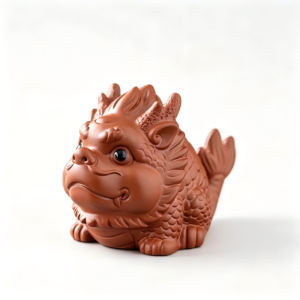
Dehua Zisha Tea Pet: 100% Authentic, Beautiful Dragon Fish
$39.90Select options This product has multiple variants. The options may be chosen on the product page -
-
-
Reviews
There are no reviews yet.