Chinese Tea Pet: Delightful 100% Handcrafted Artisan Companion
$39.90
Specifications
- Product Type: Water-Spitting Chinese Tea Pet
- Material: Unglazed Zisha (Purple Clay) or Zhu Ni (Red Clay)
- Origin: Dehua, Fujian Province, China
- Dimensions: 4.3 in (11 cm) × 3.1 in (8 cm) × 3.3 in (8.3 cm)
- Finish: Mostly unglazed with minimal glaze accent
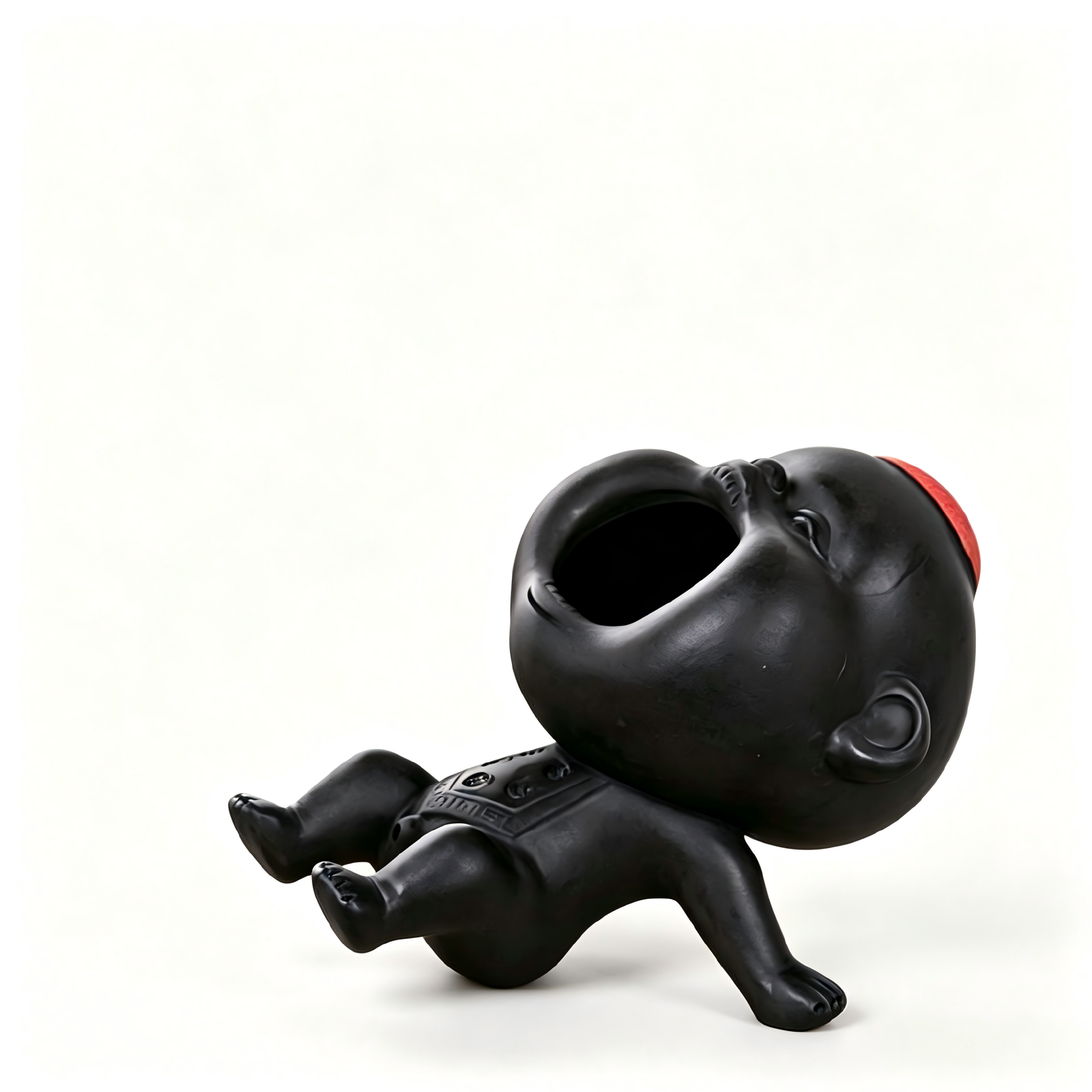
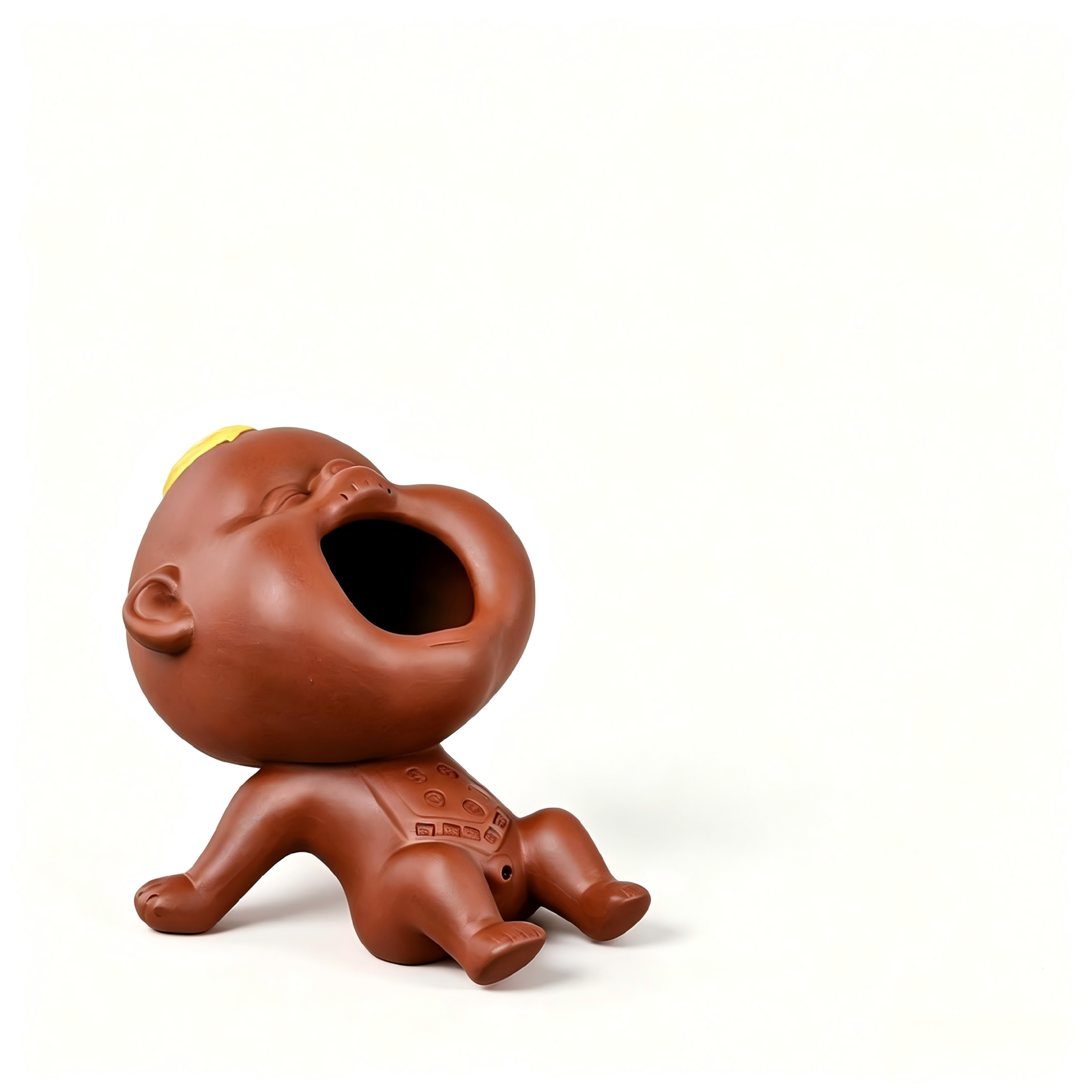
Discover our playful, water-spitting Chinese Tea Pet. Hand-sculpted from premium clay, this interactive Gongfu Tea pet companion develops a rich patina over time.
Description
Chinese Tea Pet: Interactive 100% Handcrafted Gongfu Tea Pet-pee pee boy tea pet
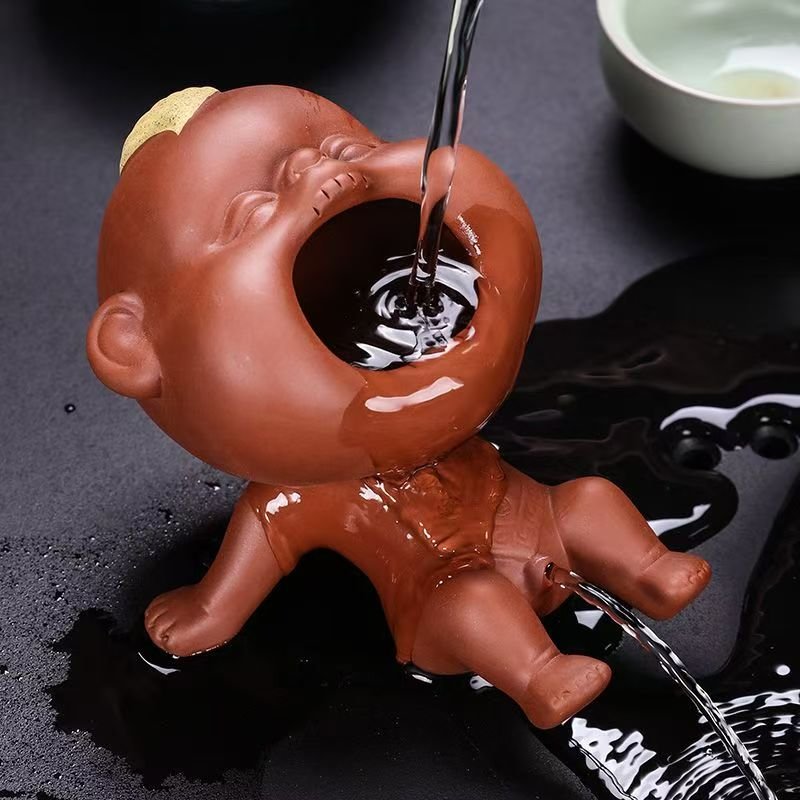
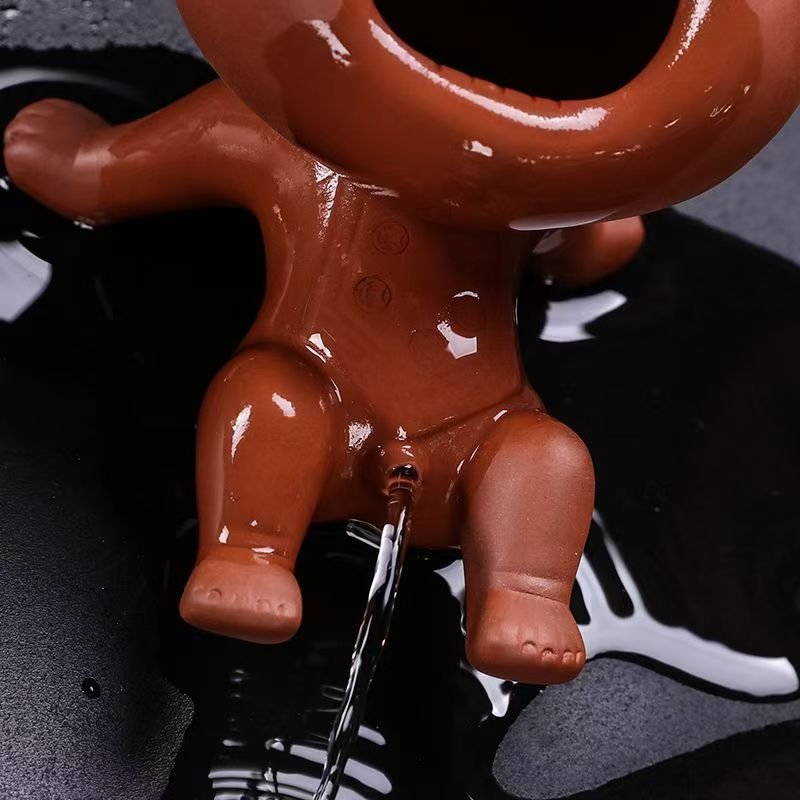
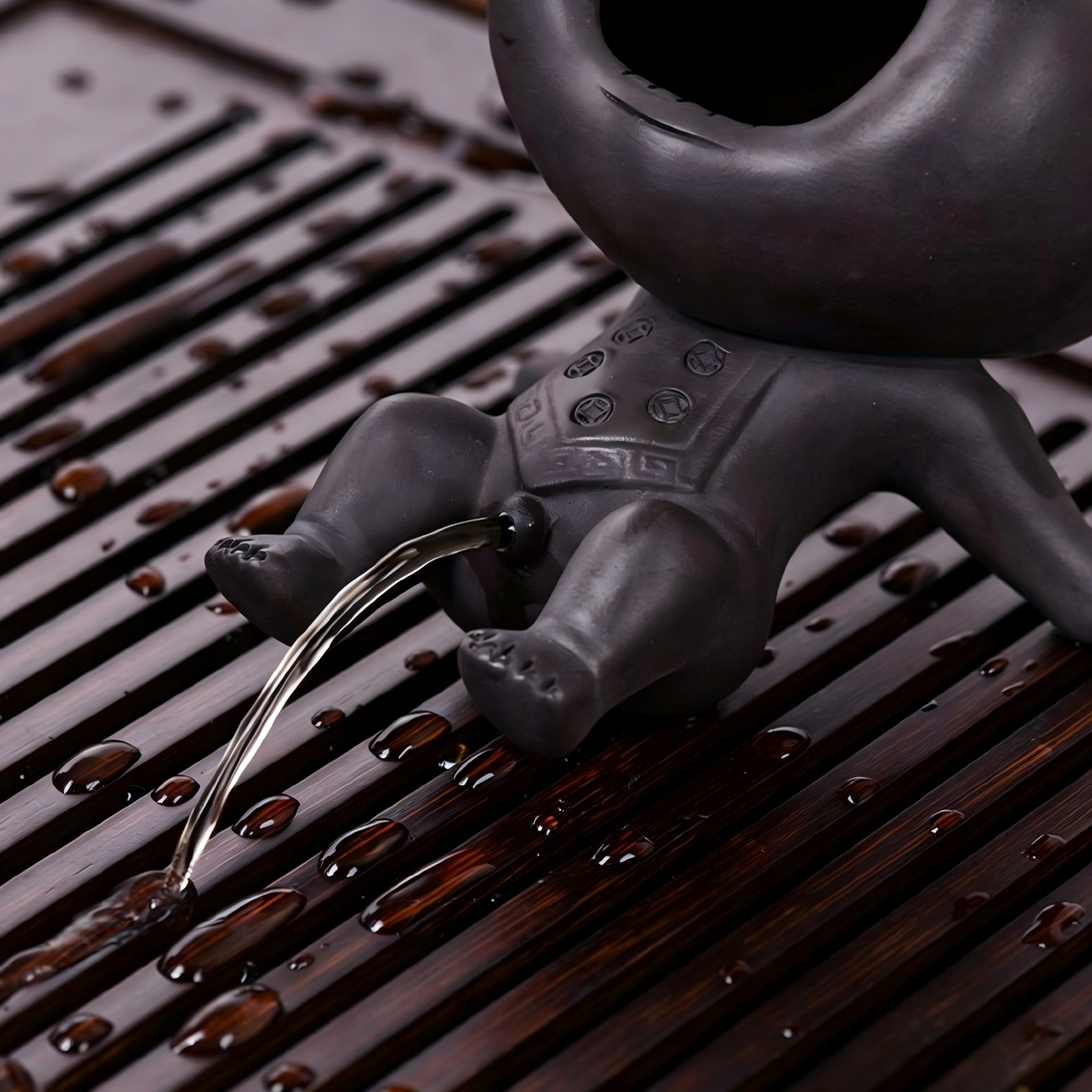
Most tea pets sit quietly on the tray. The Pee Pee Boy does not. Pour hot water over its head and it sprays a tiny stream across your bamboo cha pan. In a single gongfu rinse, this handcrafted figurine turns a quiet tea ritual into a moment the whole table remembers.
This 2026 guide covers how the clay is sourced, how the spray mechanism works, what to expect as the patina develops, and how to choose the right Chinese tea pet for your daily brewing practice.
What Is a Chinese Tea Pet?
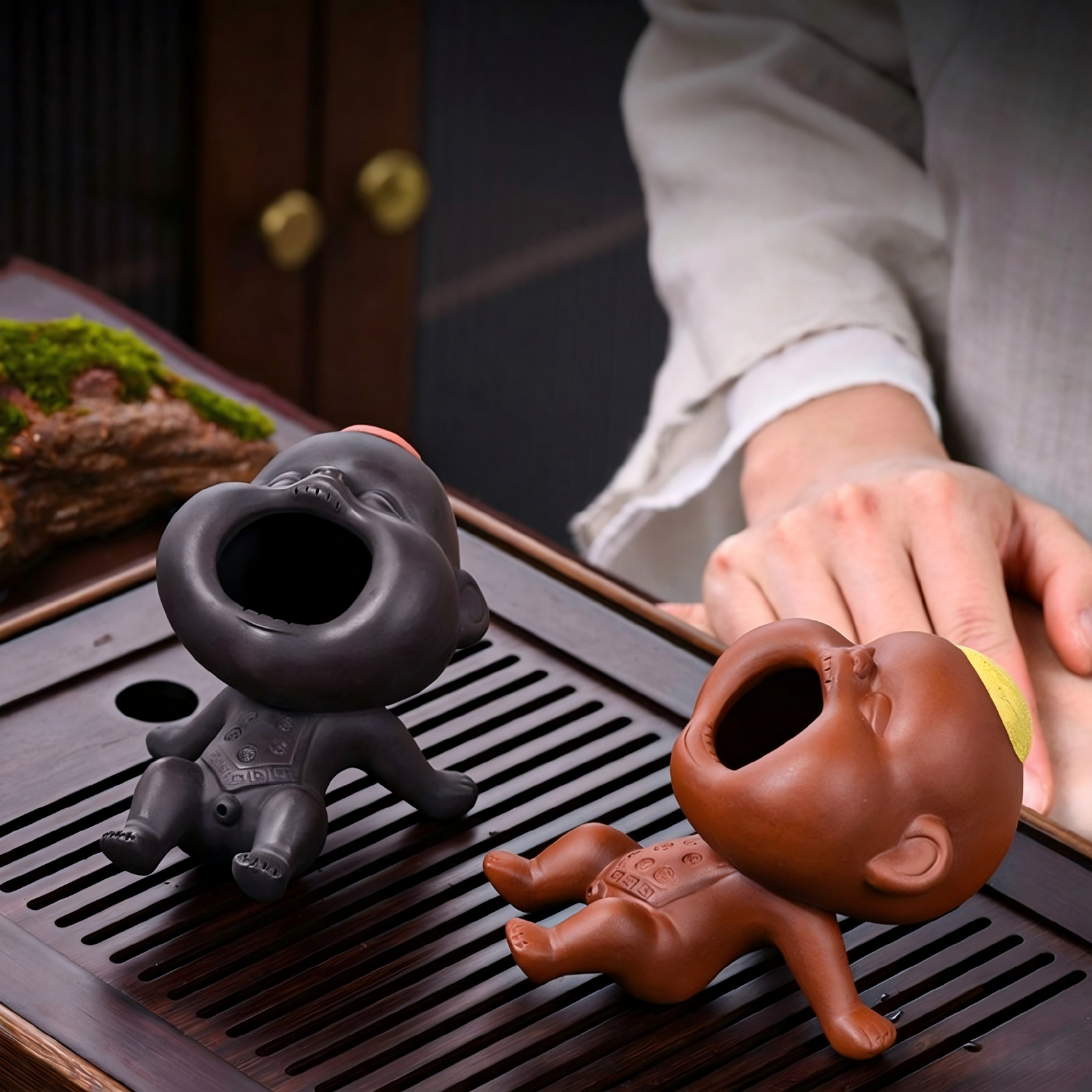
A Chinese tea pet is a small clay figurine that sits on your tea tray during gongfu sessions. Brewers pour rinse water, tea, and steam over the figurine as they brew. Over time, the unglazed clay absorbs tea oils and develops a rich patina.
The tradition started in the Yixing region of Jiangsu Province during the Ming Dynasty. Craftspeople who made clay teapots began producing small companion figurines from the same unglazed Zisha clay. Many tea drinkers treated these figurines as lifelong companions — their surfaces recorded years of brewing habits.
A Gongfu tea pet serves three roles on the tray:
- It marks your brewing space and personal tea corner.
- It absorbs tea oils over time to develop a one-of-a-kind patina.
- In the case of interactive pieces like the Pee Pee Boy, it adds a playful moment to the rinse.
Authentic Zisha and Zhu Ni Clay Options
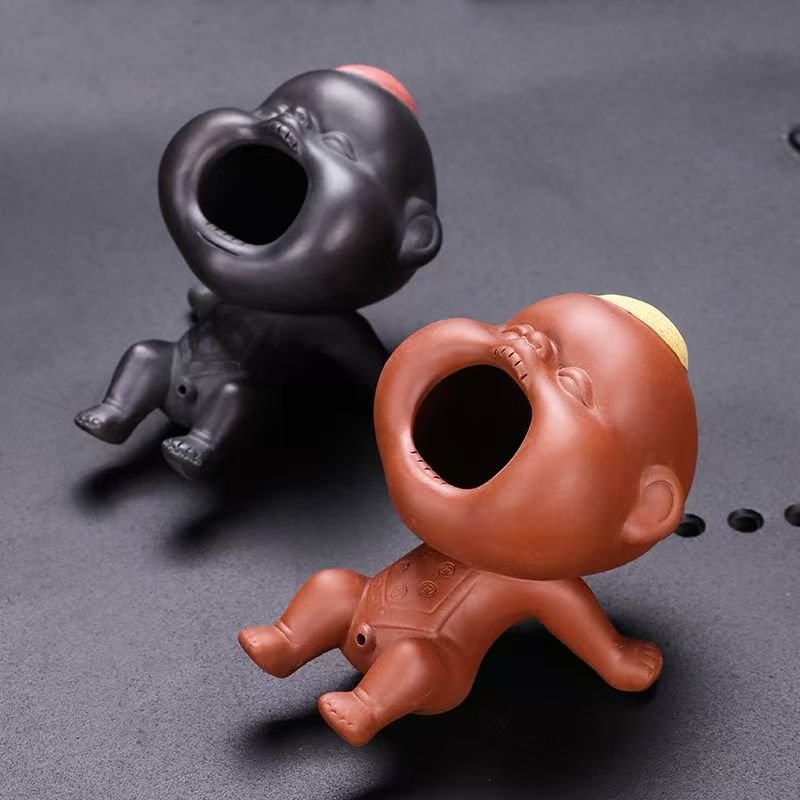
This Chinese tea pet is available in two traditional clay finishes. The choice affects color, weight, and how the patina develops.
Zisha (Purple Clay)
A deep espresso-brown clay with earthy warmth. The most famous source is Yixing in Jiangsu, where miners have extracted Zisha for over 500 years. According to Wikipedia’s entry on Yixing Zisha clay tradition, the region’s purple sandstone deposits remain the gold standard for unglazed clay teaware.
Zhu Ni (Red Clay)
A mineral-rich clay with soft terracotta and coral undertones. Zhu Ni comes from specific veins near Yixing and is rarer than Zisha. Its finer grain produces a slightly denser, smoother finish.
Both clay bodies stay unglazed across nearly the entire surface. The clay breathes. Tea oils sink in. The surface slowly darkens.
How the Water-Spitting Mechanism Works
The Pee Pee Boy runs on thermal expansion. No batteries. No moving parts. Just air, water, and heat.
To activate the spray:
- Submerge the figurine in cool water for 2–3 minutes. The hollow chamber inside fills.
- Place it on your tea tray.
- Pour hot rinse water over the head.
The trapped air inside heats up fast. It expands. It pushes the stored water out through the figurine’s mouth in a thin stream.
We tested this mechanism on every piece before shipping. Cool water must reach the chamber first — pouring hot water on a dry figurine produces no spray. This is the most common issue new owners report.
A Gongfu Tea Pet That Develops Character Over Time
Fresh from the kiln, the clay looks pale and matte. After weeks of regular brewing, the surface deepens. Tea drinkers call this process “raising” or “seasoning” the tea pet.
Ripe Pu’er, roasted oolong, and full-bodied black teas work especially well. Their higher oil content speeds up the patina. Light green teas produce a slower, more subtle change. According to research on tea polyphenols and clay absorption indexed on PubMed, unglazed clay interacts with tea polyphenols during brewing, which contributes to both flavor development and visible surface change.
No two pieces season in exactly the same way. Pouring habits, tea type, water mineral content, and handling all leave small traces. After a year, your figurine looks different from anyone else’s.
Handmade Chinese Tea Pet: Artisan Details and Variations
Because every piece is hand-finished, small differences appear naturally:
- Facial expression
- Clay tone
- Surface texture
- Spout pressure
- Minor asymmetry
These variations are not flaws. They are how buyers tell a handmade piece from a factory mold. According to Wikipedia’s entry on Dehua ceramic heritage, Dehua in Fujian Province has produced porcelain and unglazed clay figurines for over 1,000 years. Each workshop keeps its own clay blends, glaze recipes, and shaping methods.
Subtle kiln markings and mineral specks may also appear on the surface. They are part of the clay’s natural character.
Perfect For
- Gongfu tea practitioners — A playful daily companion on the tray.
- Tea pet collectors — A handcrafted piece that develops long-term patina.
- Gift buyers — A [unique tea lover gift] for pottery fans and tea drinkers.
- Tea room spaces — Pairs with bamboo trays, clay teapots, and incense burners.
Frequently Asked Questions
How does the water-spitting function work?
The tea pet contains a hollow internal chamber. After being filled with cool water, pouring hot water over the surface causes the air inside to expand rapidly, forcing water outward through the mouth.
No batteries or mechanical components are required.
Will tea improve the surface over time?
Yes. Many tea drinkers intentionally pour tea rinse over unglazed tea pets to help develop a richer patina.
Dark teas with heavier oil content—especially ripe Pu’er and roasted oolong—tend to produce the most noticeable surface transformation.
Is each tea pet exactly the same?
No. Because every piece is hand-finished, small variations naturally occur in expression, clay coloration, texture, and water-spitting behavior.
These subtle differences are considered part of the charm of handmade chinese tea pets.
How should I clean it?
After each session:
- Flush the inside using clean hot water.
- Allow the tea pet to spit several times to clear the chamber.
- Wipe dry with a soft tea cloth.
- Air dry fully before storage.
Avoid soap, detergents, or dishwashers, as the porous clay absorbs external substances very easily.
If you appreciate the rich heritage of traditional tea culture, we invite you to explore our thoughtfully [curated collection of Chinese tea pets] to find the perfect interactive companion for your tea table.
Additional information
| color | Dark Grey (Zi Ni), Red Clay (Zhu Ni) |
|---|
Related products
-

-
-
-
Sale!
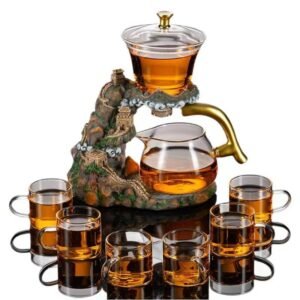
Beautiful 9-Piece Glass Automatic Tea Set | Great Wall Edition
Original price was: $199.90.$159.90Current price is: $159.90.
Reviews
There are no reviews yet.