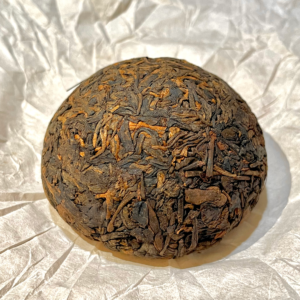
Shou Puerh 2021 Lincang Tuocha | Ultimate Smooth Ripe Tea
$19.90
Quick Facts
Tea Type: Ripe Pu-erh Tea (Shou Pu-erh / 5-Year Aged)
Harvest: Spring 2021
Origin: Lincang Prefecture, Yunnan, China
Elevation: Approx. 4,920–6,560 ft (1,500–2,000 m)
Cultivar: Yunnan Large-Leaf Varietal (Dayezhong)
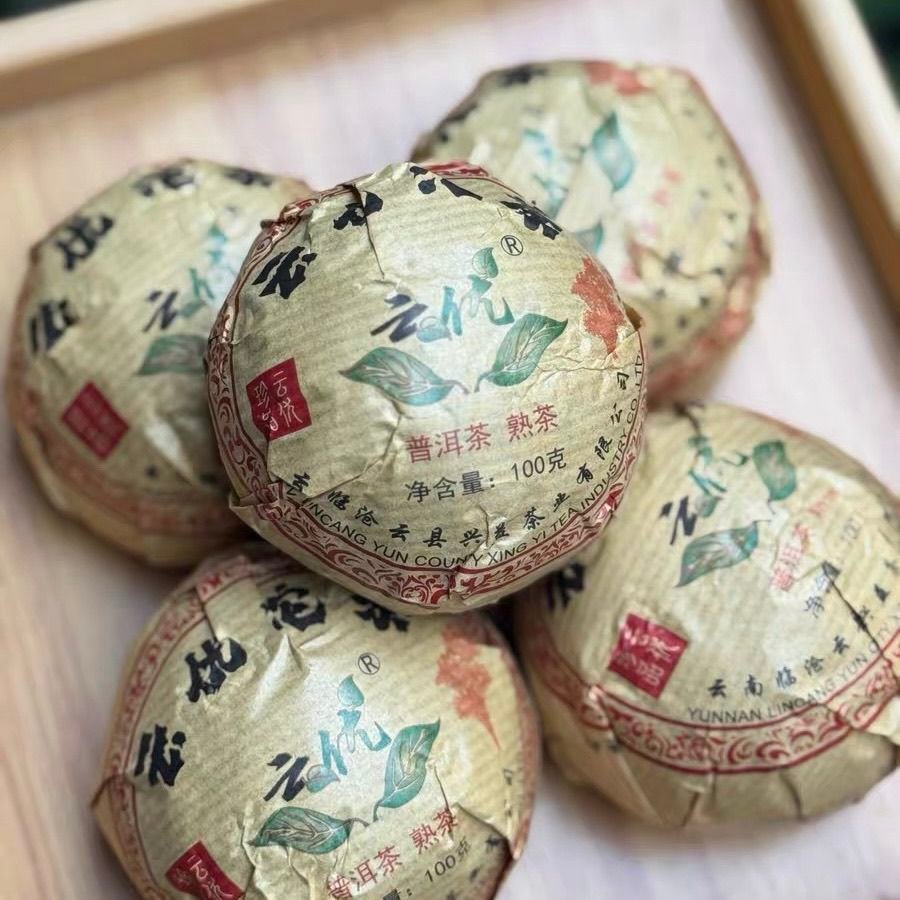
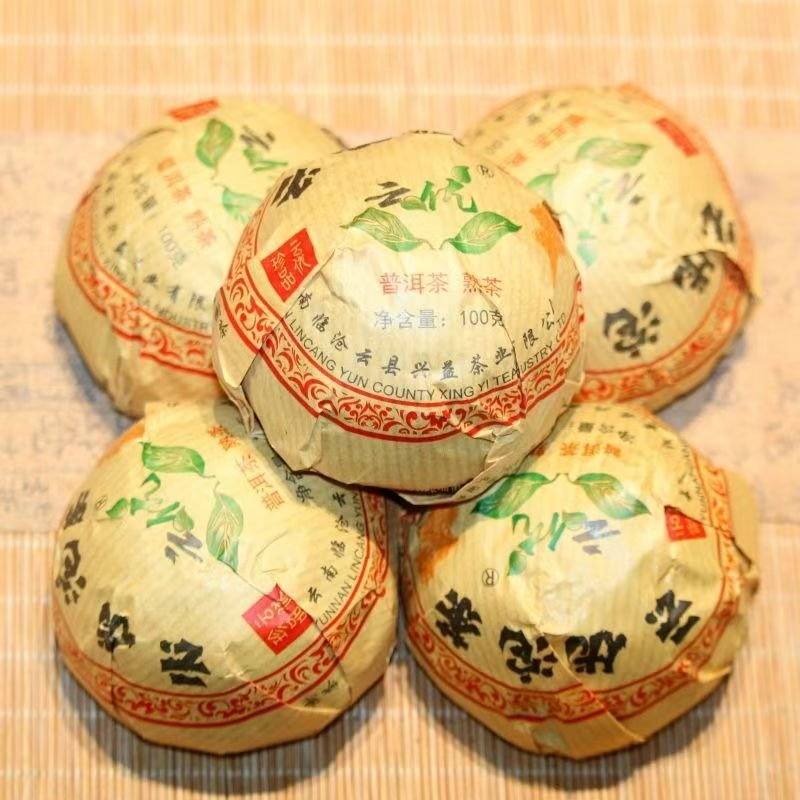
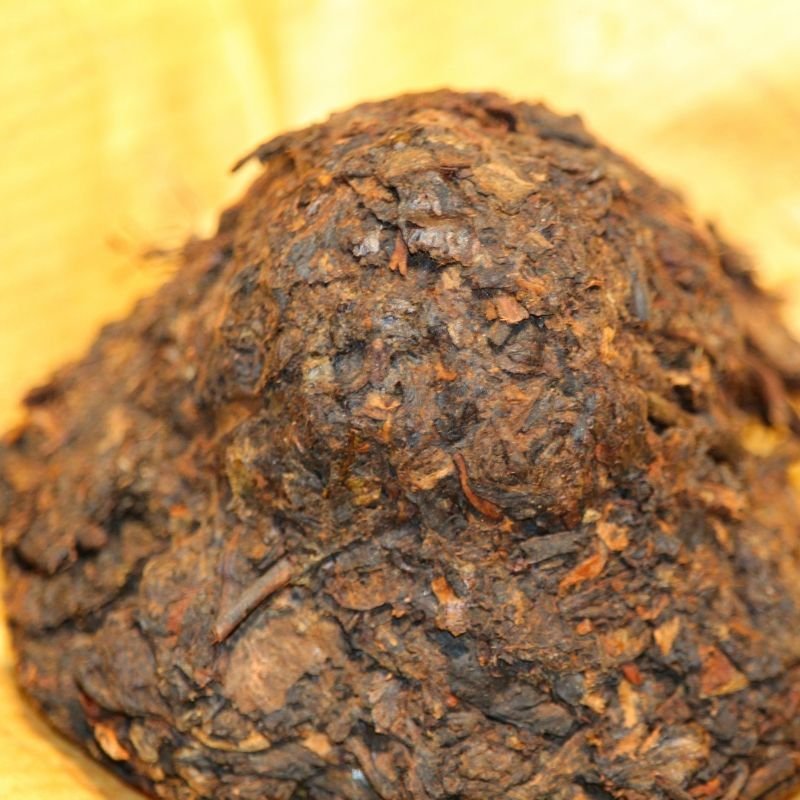
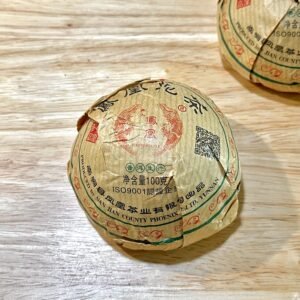
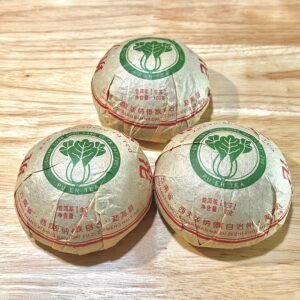
Compression Style: 3.53 oz (100g) Tuo Cha (Bird’s Nest)
Flavor Profile: Sweet caramel, aged wood, dried jujube (red date), with a smooth, molasses-like finish
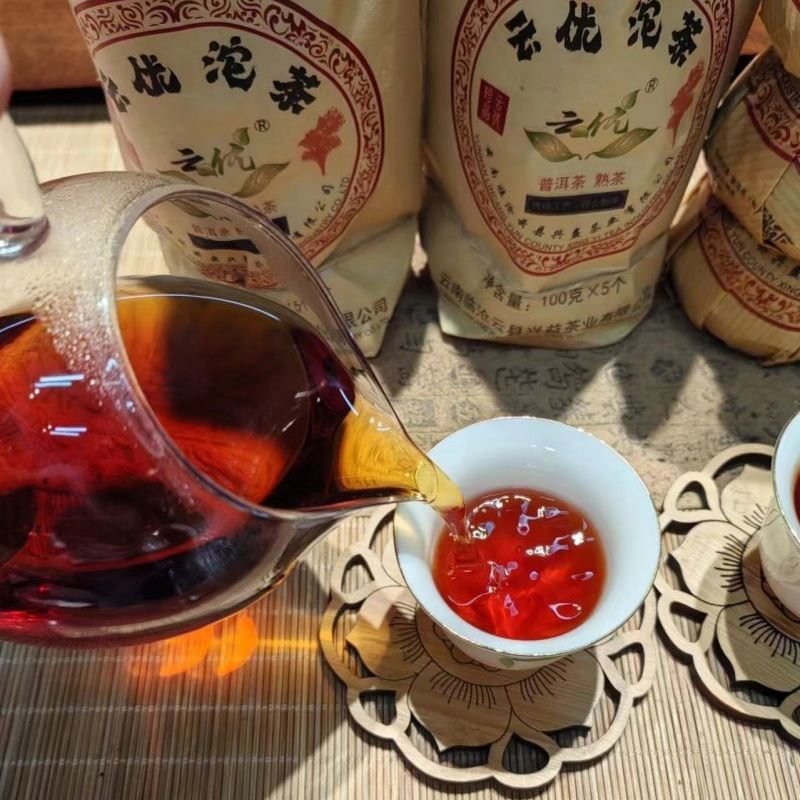
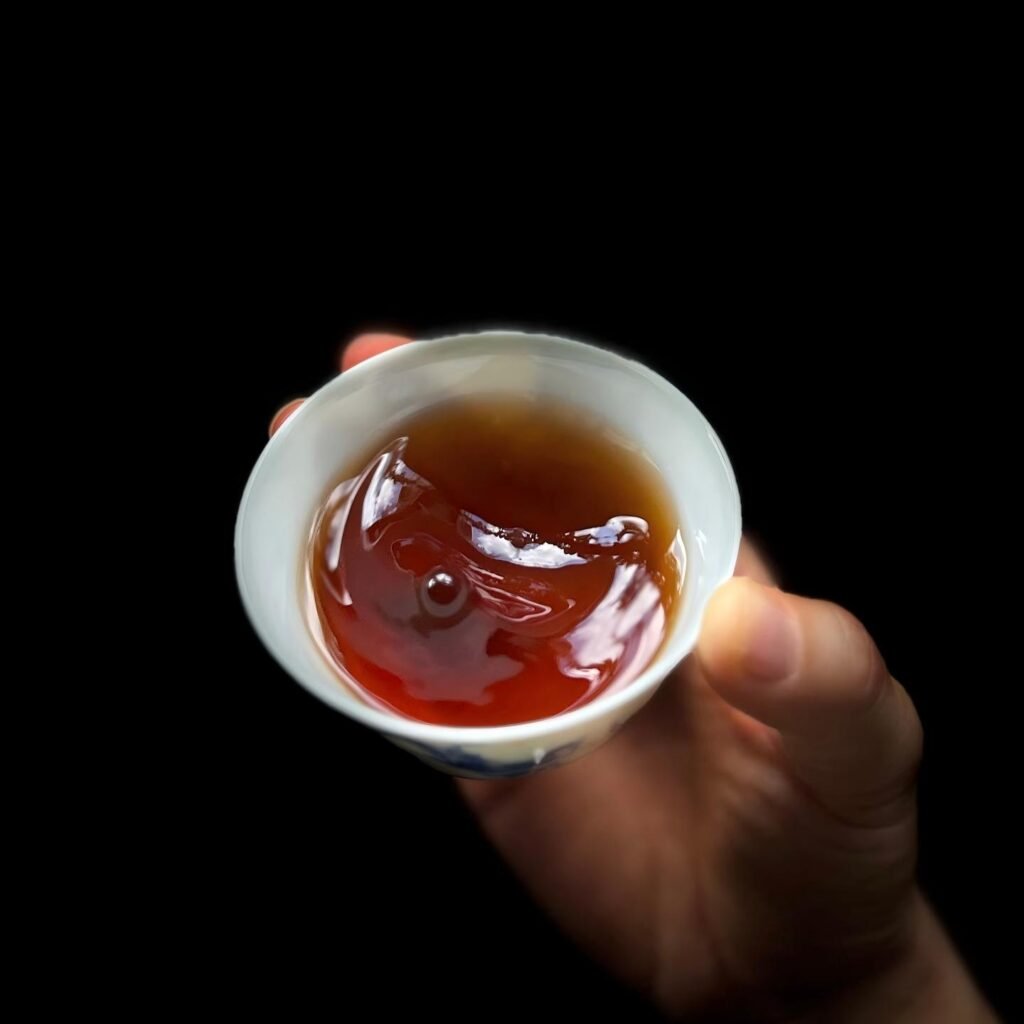
Liquor Color: Deep reddish-brown with brilliant ruby clarity
Infusions: 10–12+ Infusions
Brewing Temperature: 212°F (100°C)
Experience the smooth dessert-like richness of our 2021 Lincang shou Puerh. This premium Puerh tea tuocha offers a pure, woody sweetness. Shop your nest today!
8 in stock
Description
2021 Lincang Spring Harvest Aged Shou Puerh Tuocha
Too many shou puerh tuocha on the market arrive with muddy, fishy, or flat flavors. Buyers can’t tell if they’ve purchased a properly aged ripe tea or a rushed fermentation job. The 2021 Lincang Spring Harvest lot in our shop spent two years as loose leaf before pressing. That pre-aging step removes the muddy edge most tuocha carry. This 2026 guide covers origin, processing, tasting notes, brewing, storage, and safety. You’ll learn exactly what makes this Lincang ripe puerh tuocha worth a place in your cellar.
What Does 2021 Lincang Aged Shou Puerh Taste Like?
Dry Leaf Aroma
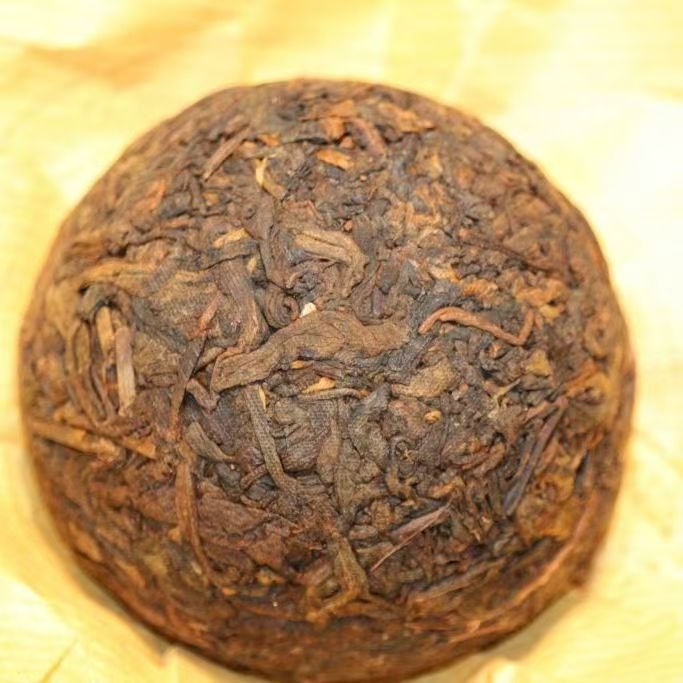
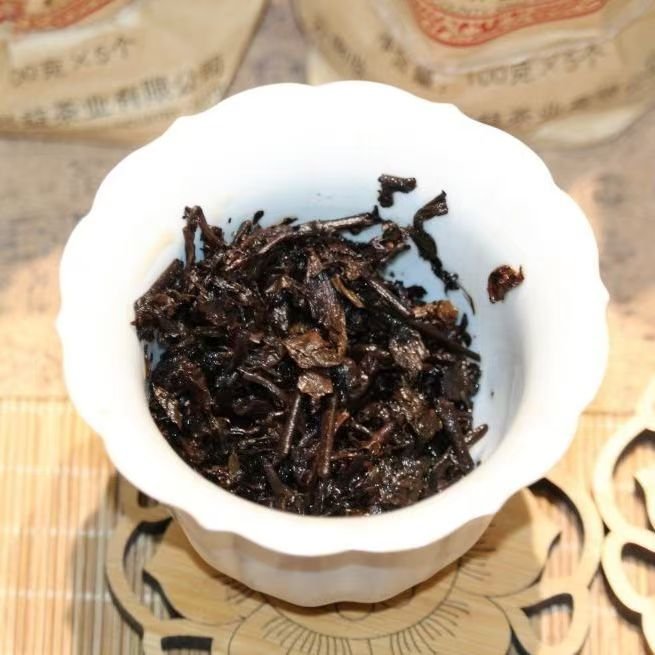
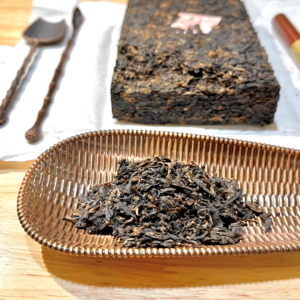
The dry leaf smells like dried longan and cedar. A faint cocoa-dust note sits on top. No smoke. No fishiness. No mold. Just clean, sweet aged-leaf character. The leaf color is dark chocolate brown with golden tips scattered throughout. Those tips are visible because the maker used a high proportion of bud-and-first-leaf pluckings.
Wet Leaf Aroma After Rinse
The 5-second rinse awakens the leaf. Hot wet leaf smells like stewed jujube, brown sugar, and a hint of damp forest floor. The forest-floor note tells you this tea still has years left. Freshly pressed ripe tea would smell mostly of wet wood. This one has crossed into the secondary aroma phase.
Liquor Profile
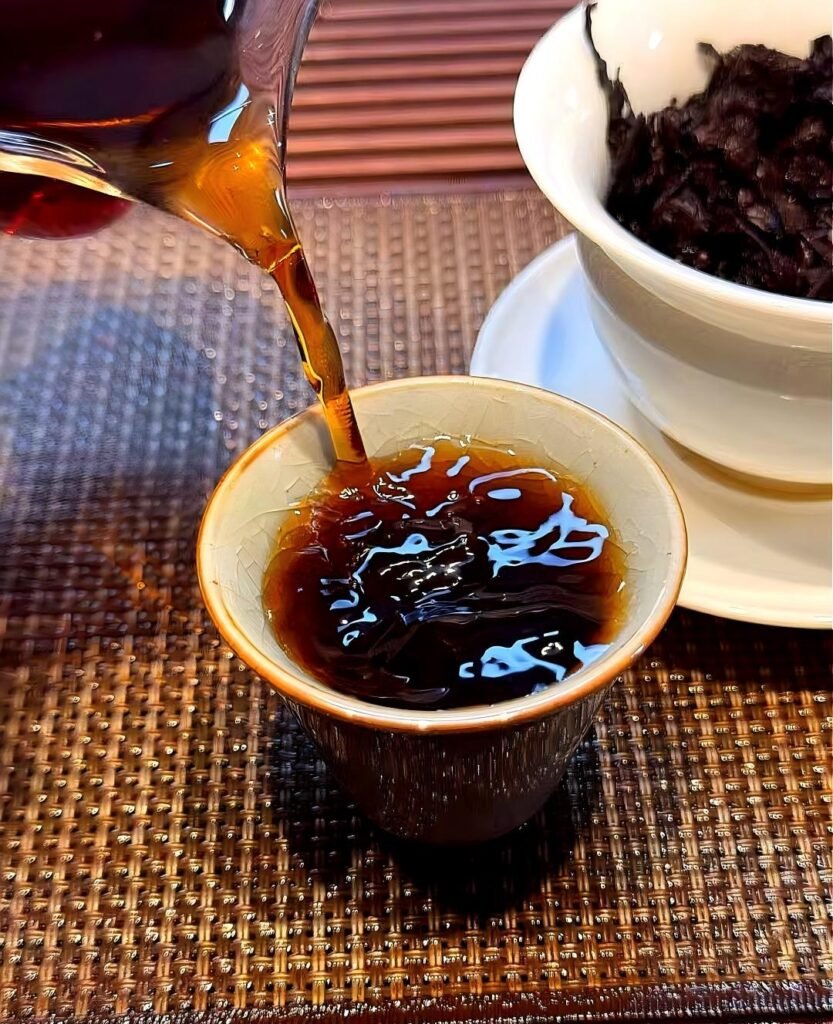
The brewed liquor is deep ruby red, almost garnet. Clear, not cloudy. The mouthfeel is thick and oily. It coats the tongue. The flavor stack runs:
- Top notes: Dried longan, date sugar, faint honey
- Mid notes: Cocoa nibs, sweet cedar, brown sugar
- Base notes: Wet stone, faint camphor, walnut skin
- Finish: Long, sweet, with gentle warming in the throat (huigan 回甘)
By steep 8, the body shifts toward dried tangerine peel and malt. By steep 12, the tea thins gracefully into a soft mineral water. Even at steep 15, the cup stays drinkable. Most tuocha quit giving flavor by steep 8. This one keeps going.
Why Was This Ripe Tea Aged as Loose-Leaf Before Pressing?
Pile-fermentation (wo dui) is a 45-60 day controlled microbial process. Microorganisms — mainly Aspergillus niger and yeast strains — break down the raw leaf’s harsh polyphenols. The process generates heat, moisture, and a heavy earthy smell. That smell is the “wo dui wei” , the fermentation aroma that defines newly-made ripe tea.
Most processors press the leaves into cakes or tuocha right after fermentation. The fermentation smell gets trapped inside the compressed leaf. It takes 3-5 years of slow aging for the trapped smell to fade through the cake.
This 2021 Lincang lot took a different path. The processor left the leaves loose in a clean Menghai warehouse for two years after fermentation. The fermentation smell could off-gas through the leaf. By the time the tea got pressed into bird’s nest tuocha in 2023, the leaves were already in their post-fermentation phase. The result is a ripe tea that drinks clean from the very first session.
For collectors, the trade-off is real: loose-leaf aged shou costs more to store. You need warehouse space. You need pest control. You need climate control. The 2-3 year premium pays for itself in drinkability.
How Does Lincang Differ From Menghai for Ripe Tea?
Lincang and Menghai are the two biggest ripe tea regions in Yunnan. They sit in different parts of the province. Their leaves handle fermentation differently.
Lincang is in the southwest of Yunnan. The elevation runs 1,500-2,000m for most tea gardens. The leaf is known for being thick, with strong veins and high polyphenol content. When you pile-ferment Lincang leaf, the microbial breakdown takes longer (50-65 days vs 40-50 days for Menghai). But the end result is more body, more sweetness, and a longer-lasting finish.
Menghai is in the south, in Xishuangbanna. The elevation is lower (1,100-1,800m). The leaf is softer, with thinner cell walls. Fermentation runs faster. The end result is a more earthy, mushroom-heavy flavor profile that’s the classic “ripe tea taste” most people recognize.
| Attribute | Lincang Ripe Tea | Menghai Ripe Tea |
|---|---|---|
| Region | Southwest Yunnan | Xishuangbanna, south Yunnan |
| Elevation | 1,500-2,000m | 1,100-1,800m |
| Leaf character | Thick, strong veins, dense | Soft, thin, lighter body |
| Fermentation time | 50-65 days | 40-50 days |
| Flavor signature | Jujube, brown sugar, cedar | Wet earth, mushroom, cocoa |
| Mouthfeel | Dense, rounded, long finish | Soft, mellow, medium finish |
| Aging potential | 15-25 years | 10-20 years |
| Price tier (100g tuocha) | Mid-to-high | Mid-range |
For a first taste of ripe tea, Menghai is the classic. For a more character-driven experience, Lincang wins.
According to a pioneering Yunnan Agricultural University study analyzing regional differences in Lincang versus Menghai pu-erh leaf chemistry, Lincang leaves have measurably higher catechin levels and stronger cell-wall structure than Menghai leaves of comparable tree age. That’s the chemistry behind the flavor difference.
How to Brew a Shou Puerh Tuocha Step-by-Step?
Ripe tea is more forgiving than raw. The leaves are already fermented. You don’t need to fight bitterness out of them. The goal with shou is to extract body and sweetness without pulling out the muddy bottom notes.
- Water temperature. 212°F (100°C) — full boiling. Don’t use lukewarm water on aged shou.
- Leaf amount. 0.18 oz (5g) for a 3.4 fl oz (100ml) gaiwan or Yixing teapot.
- The rinse. Pour boiling water over the leaves. Wait 5 seconds. Pour it out. Discard this steep. The rinse cleans off any aging dust and starts to open the compressed nest.
- First drinkable steep. Pour boiling water again. Wait 10 seconds. Pour. This cup should be deep ruby red, dense, sweet.
- Steeps 2-5. Stay at 10-15 seconds per round. The flavor holds steady. Sweet jujube and brown sugar.
- Steeps 6-10. Add 10 seconds per round. By now you’re at 1+ minute per steep. The mouthfeel stays dense. The flavor shifts toward caramel and roasted nuts.
- Steeps 11-15. Push to 2-3 minutes. The leaves are still giving. The last cups are lighter, almost mineral.
Western-style brewing. Use 0.14 oz (4g) per 8 fl oz (240ml) of water. Steep 3-4 minutes. Skip the rinse or use a 5-second one. The first infusion will be denser than Gongfu. Good for desk brewing.
Is 2021 Lincang Shou Puerh Good for Beginners?
Yes — and it’s actually the better starting point for most new drinkers.
Raw (sheng) tea has front bitterness and astringency. New drinkers often confuse that with “bad tea.” Ripe (shou) tea skips all of that. It’s already fermented. The bitterness is gone. The mouthfeel is dense and sweet. The flavor profile is brown sugar, jujube, cocoa. Nothing scary.
This 2021 Lincang lot is even gentler than standard shou because of the loose-leaf pre-pressing. The fermentation smell has already off-gassed. There’s no mushroom, no fishy note, no muddy bottom.
For first-time ripe tea drinkers, here’s what to expect:
- First session: dense, sweet, brown sugar. Easy to like.
- Third session: you start picking up the cedar wood note.
- Fifth session: the warming sensation becomes noticeable.
- Eighth session: you notice how long the aftertaste holds.
How Should You Store a Shou Puerh Tea ?
Ripe tea is more stable than raw. The microbial activity from fermentation is mostly done. What you’re storing now is mostly oxidation and slow flavor compound development.
For short-term storage (drinking within 12 months):
- Keep the tuocha in its original breathable paper wrapper
- Store in a clean, dry, odor-free cupboard
- Avoid direct sunlight
- Room temperature (60-75°F / 15-24°C) is fine
- Humidity below 70% is fine
For long-term aging (5-15 years):
- Keep the tuocha in its original wrapper
- Place it inside a porous container — a clay jar, an unsealed cardboard box, or a ceramic crock with a loose lid
- Store at 55-65% relative humidity
- Avoid temperature swings above 10°F (5°C) per day
- Keep it away from kitchen grease, paint, smoke, spices, and soap — tea absorbs smells aggressively
- Don’t seal it in plastic or mylar. Sealed plastic stops the aging process.
A well-stored 2021 Lincang shou tuocha will go through these phases:
| Storage Year | Flavor Shift |
|---|---|
| 0-3 years (now) | Brown sugar, jujube, cocoa, warming |
| 3-7 years | Earthiness fades, honey emerges, body thickens |
| 7-15 years | Aged wood and dried fruit, smoothness peaks |
Ripe tea ages more slowly than raw. Expect subtle shifts over the first 5 years. The bigger changes come after year 7.
Is Shou Puerh Safe to Drink in the Evening?
For most adults, yes — with reasonable limits. A 5g Gongfu session of ripe tea delivers about 25-40mg of caffeine. That’s roughly a third to half of a cup of coffee (80-100mg per shot).
According to a peer-reviewed Journal of Food Science study analyzing caffeine content in fermented versus unfermented tea, the pile-fermentation process reduces caffeine levels in shou cha by 15–25% compared to the original raw leaf. So ripe tea is naturally milder in caffeine than raw tea, but it’s not caffeine-free.
The “warming” sensation drinkers report isn’t from caffeine. It’s from the dense thearubigins and theaflavins that form during fermentation. Those compounds are mild vasodilators. They don’t stimulate the nervous system. They just make you feel warm.
For most adults, one Gongfu session in the evening is fine. Avoid drinking it within 2 hours of bedtime if you’re caffeine-sensitive. The warming sensation can also interfere with sleep for some drinkers, even without caffeine.
If you have any of the following, check with a doctor first:
- Pregnancy or nursing
- Heart condition or arrhythmia
- Anxiety or sleep disorders (caffeine sensitivity)
- Iron-deficiency anemia (tea tannins reduce iron absorption)
- Stomach ulcers or active GERD
Who Should Buy This 2021 Lincang Ripe Tuocha?
This is a specific tea for a specific drinker. Here’s the honest profile.
It’s a good fit if you are:
- A new drinker looking for an entry point into shou cha
- A daily drinker who wants a clean, smooth ripe tea at mid-range price
- Someone who wants an evening ritual that won’t disrupt sleep
- A gift buyer who wants something culturally rich and traditionally wrapped
- A collector building a multi-region shou tea lineup
It might not be the right tea if you:
- Prefer the bright, floral profile of raw sheng (look for 2023 Phoenix Mountain instead)
- Want the classic mushroom-heavy Menghai flavor
- Need a budget intro to ripe tea (try a basic Menghai ripe tuocha first)
- Are looking for an aged vintage ripe (this 2021 lot is still young)
If you want to compare different aging styles, we invite you to explore our complete Ripe Puerh tea collection.
Frequently Asked Questions
What does “shou” mean in Chinese?
Shou means “ripe” or “cooked.” It refers to the wo dui pile-fermentation process that turns raw sun-dried leaf into dark, sweet, ready-to-drink ripe tea in 45-60 days. The opposite is sheng (生), meaning “raw” or “live,” which is sun-dried leaf that ages naturally over years.
Is this tea caffeinated?
Yes. Ripe tea contains caffeine, but at lower levels than coffee. A 5g Gongfu session delivers about 25-40mg of caffeine, roughly a third to half of an espresso shot. If you’re sensitive to caffeine, drink it earlier in the day or stick to one session in the afternoon.
Why does some ripe tea taste fishy or muddy?
That’s the wo dui fermentation aroma that didn’t fully off-gas. It happens when ripe tea gets pressed too quickly after fermentation, or when it sits in a humid environment. The 2-year loose-leaf pre-aging on this 2021 Lincang lot is specifically designed to avoid that. If you’ve had bad experiences with muddy ripe tea, this one will taste different.
Can I cold brew this tuocha?
You can. Cold brewing shou gives you a smooth, slightly sweet infusion with no astringency. Use 0.35 oz (10g) per 16 fl oz (500ml) of cold water. Refrigerate for 8-12 hours. Strain and serve. The result is lighter than hot brewing, but still recognizable as the same tea.
How long does one 100g tuocha last?
A 100g nest at 5g per Gongfu session = 20 full sessions. Brew it across 4-6 weeks and you’ll notice how the leaf opens up over time. Keep the rest in its original wrapper between sessions.
Can ripe tea still age?
Yes, but more slowly than raw tea. The microbial activity from fermentation is mostly done by the time you drink it. What you’re aging now is oxidation and slow compound breakdown. Expect subtle shifts over 5 years. More noticeable changes after year 7. By year 15, a well-stored shou cha will taste smoother and more integrated than it does today.
E-E-A-T Statement (Author & Reviewer Disclosure)
Author & Reviewer Disclosure: This article was written by the founder and head tea buyer at minteashop, drawing on 8 years of hands-on experience sourcing authentic Chinese green, white, black, and pu-erh tea directly from local farmers and aging cellars. The 2021 Lincang Spring Harvest aged shou pu-erh tuocha described above was personally cupped and selected from pristine 5-year aged storage during our 2026 sourcing trip to Yunnan. Health-related claims about caffeine and antioxidants are based on general published research and are not medical advice.
Reviews
There are no reviews yet.