
Yunnan Ripe Pu-erh Tea Brick | 2022 Authentic & Smooth Vintage
$19.99
Quick Facts
- Tea Type: Ripe Pu-erh Tea (Shou Pu-erh)
- Harvest: Spring 2022
- Origin: Menghai County, Xishuangbanna, Yunnan, China
- Elevation: Approx. 3,940–4,920 ft (1,200–1,500m)
- Cultivar: Yunnan Dayezhong
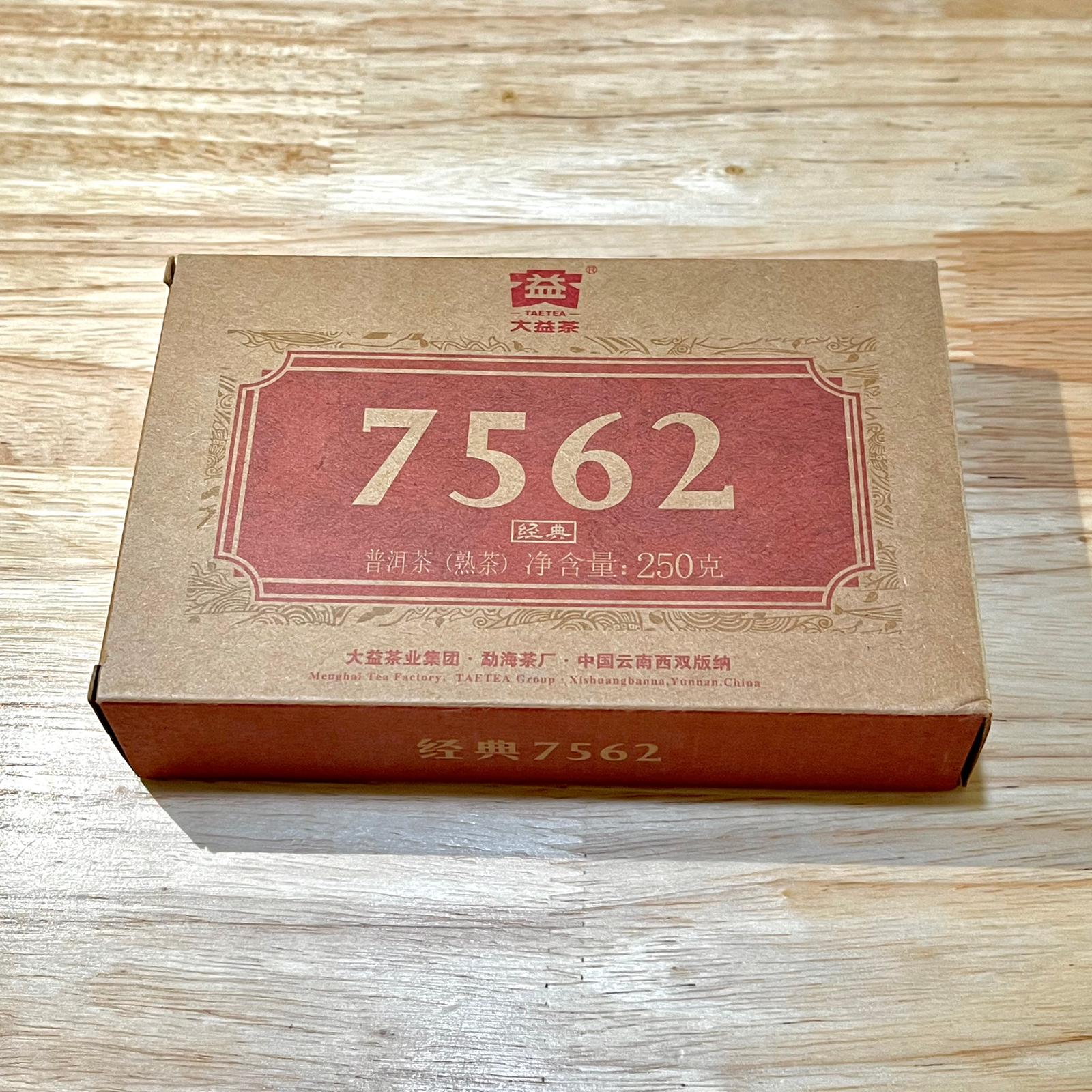
- Compression Style: 250g Tea Brick
- Flavor Profile: Earth, cedar, red dates, aged wood
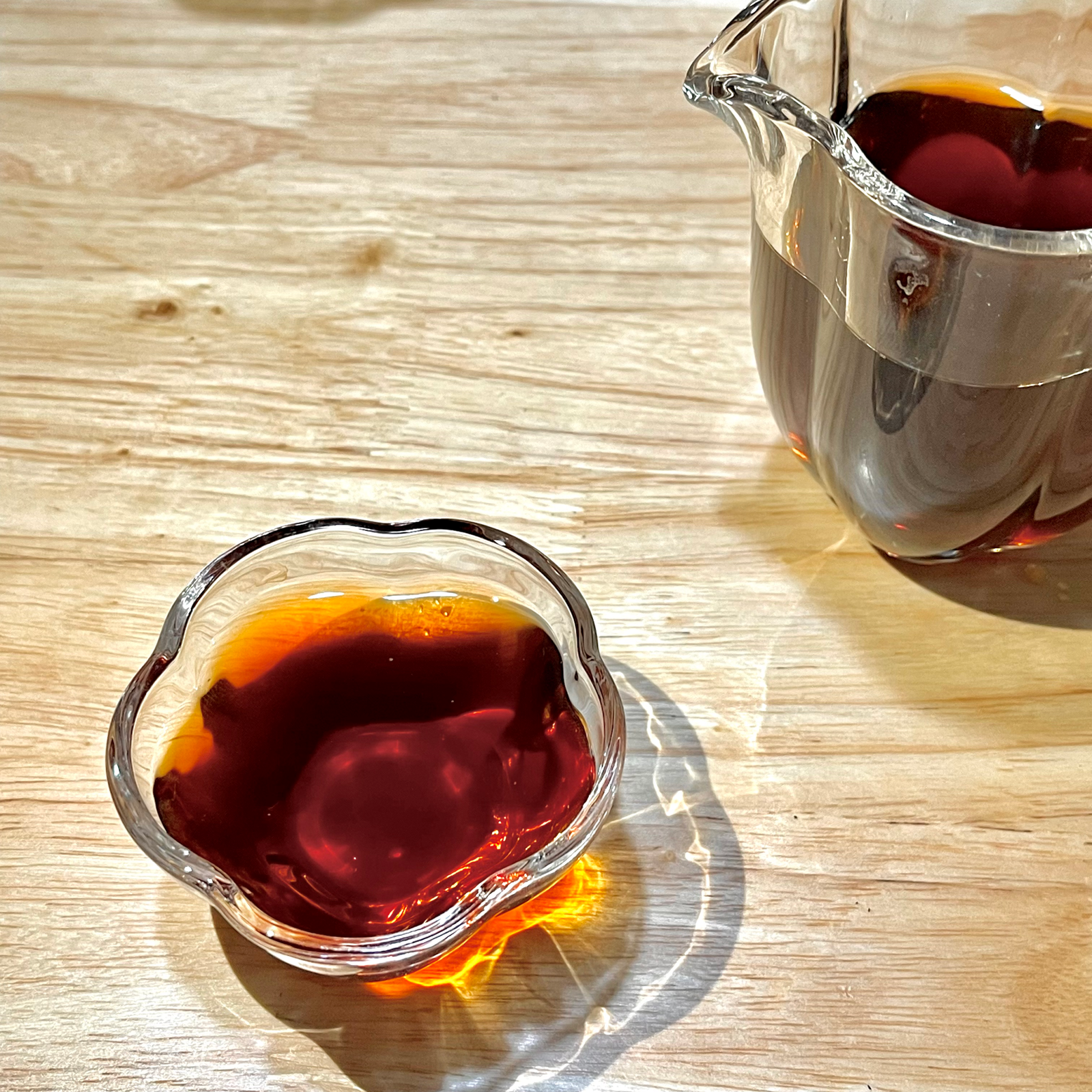
- Liquor Color: Deep ruby red
- Infusions: 8–10
- Brewing Temperature: 212°F (100°C)
Elevate your morning routine with our authentic Yunnan ripe pu-erh tea brick. A smooth, antioxidant-rich daily drinker that saves space. Shop now!
12 in stock
Description
2022 Spring Yunnan ripe pu-erh tea brick(250g)
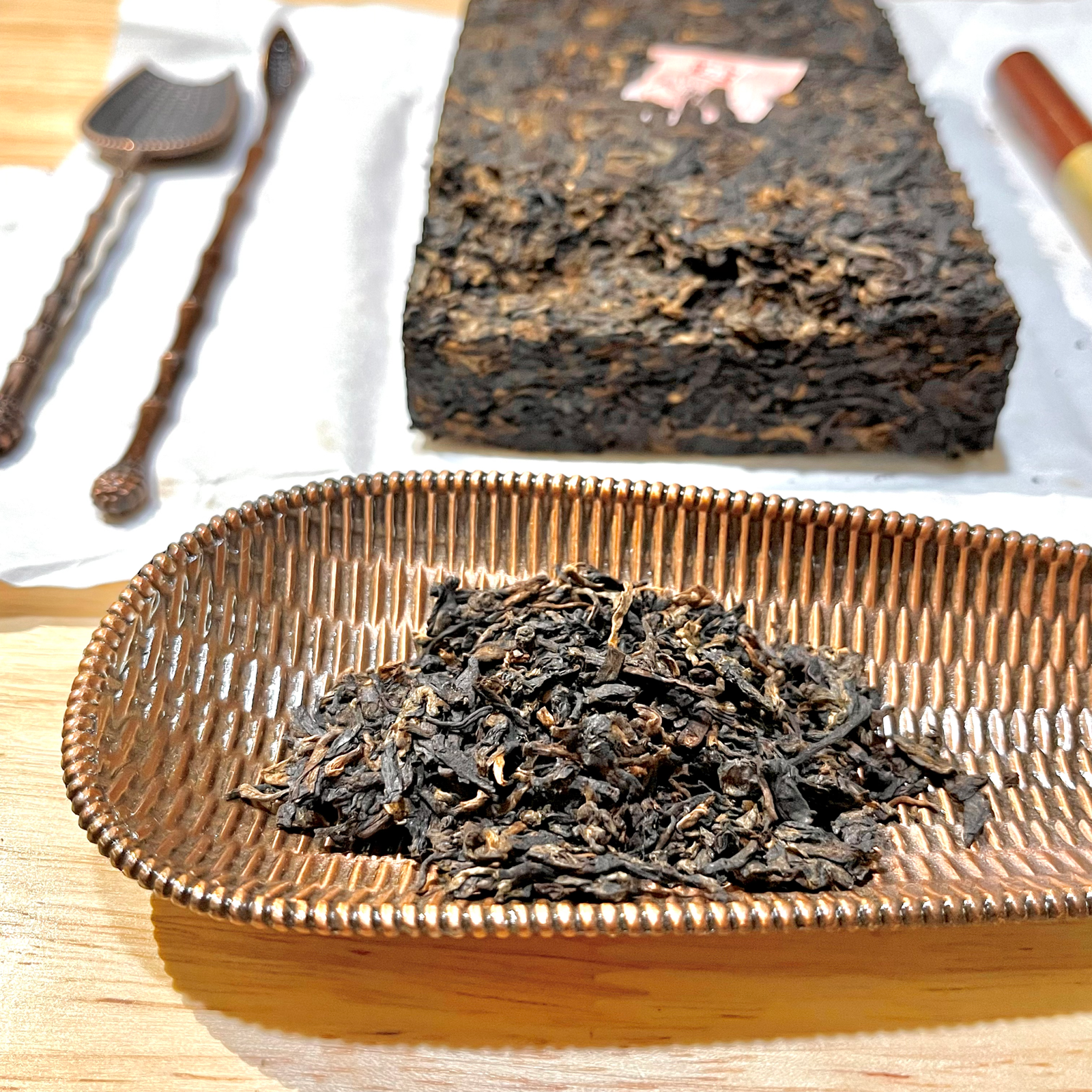
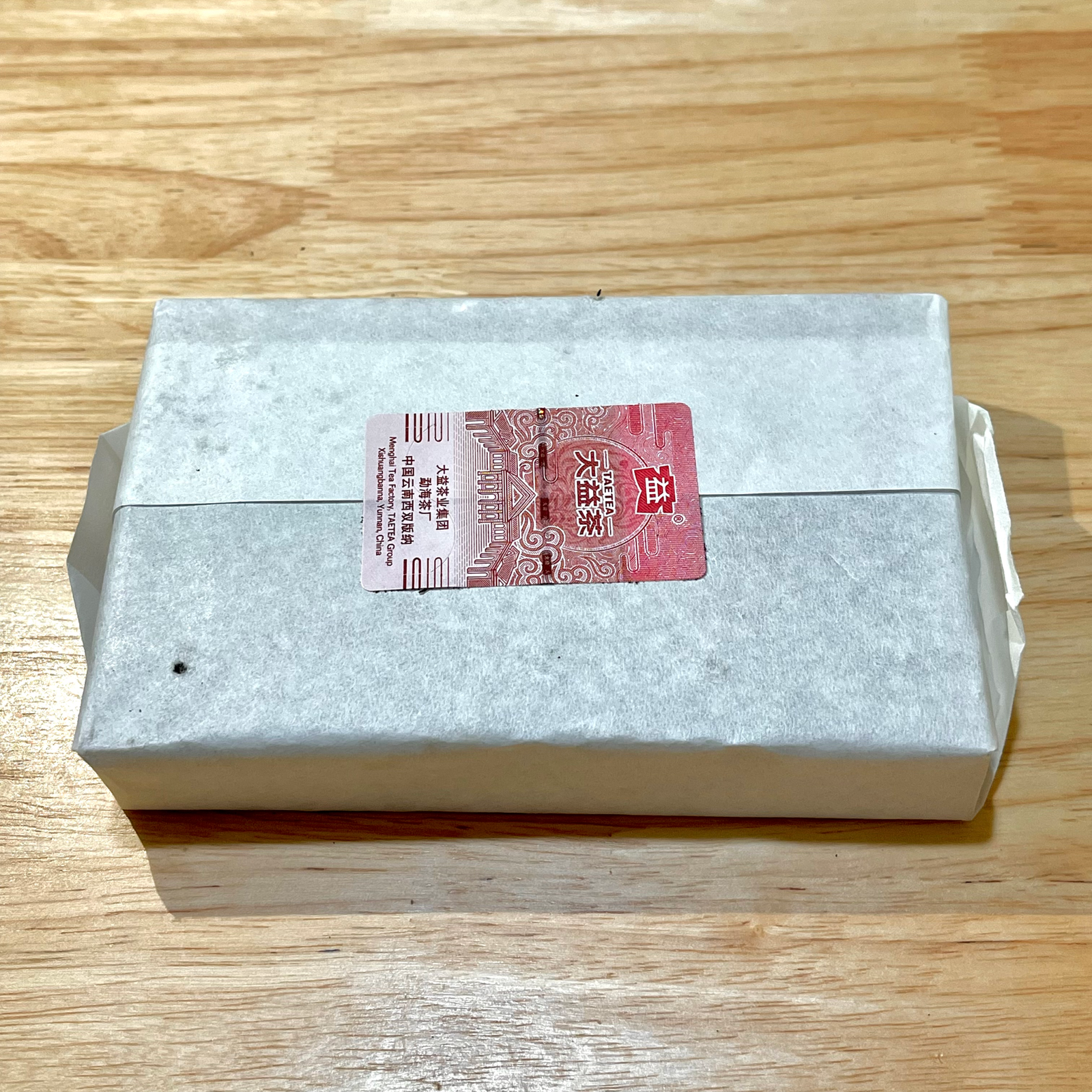
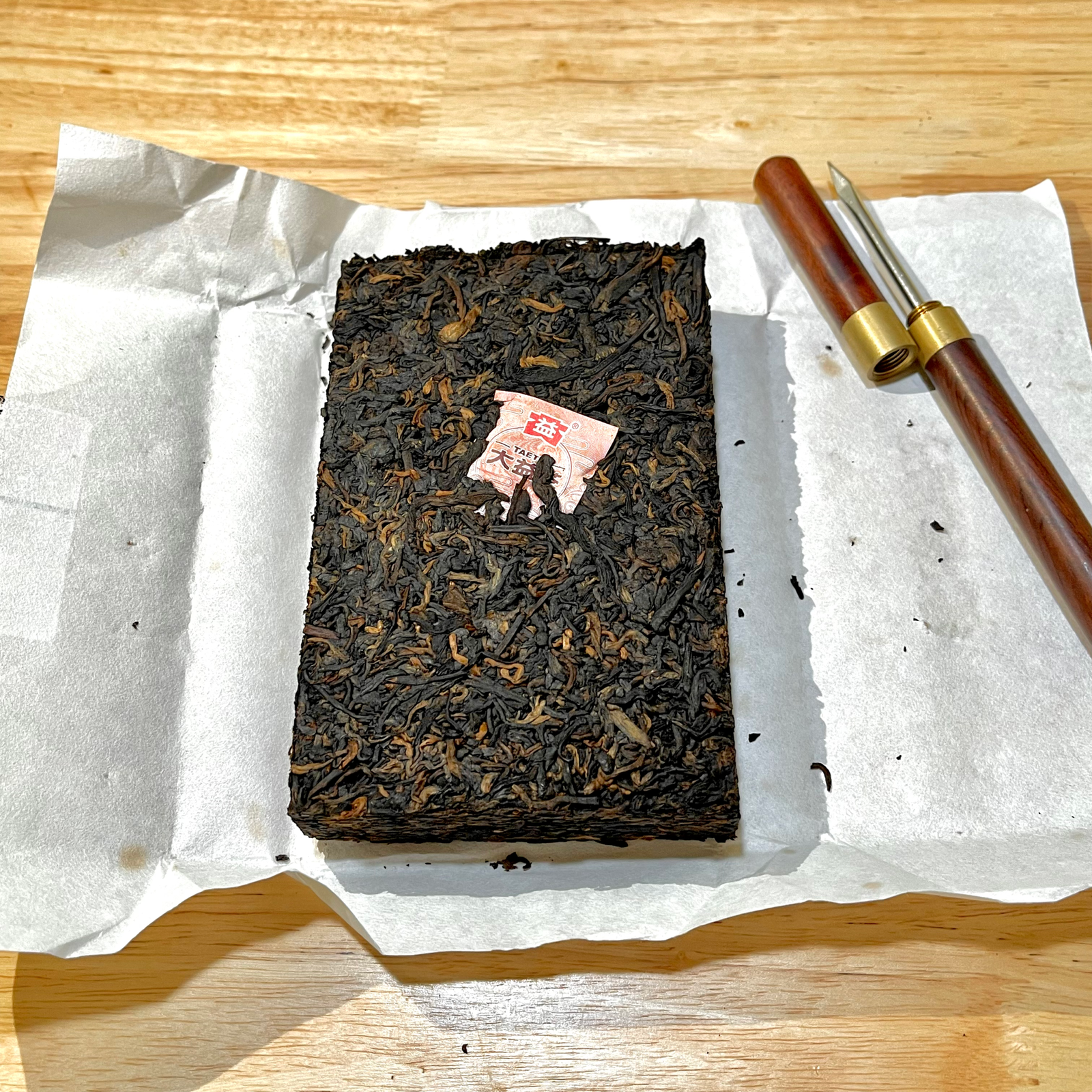
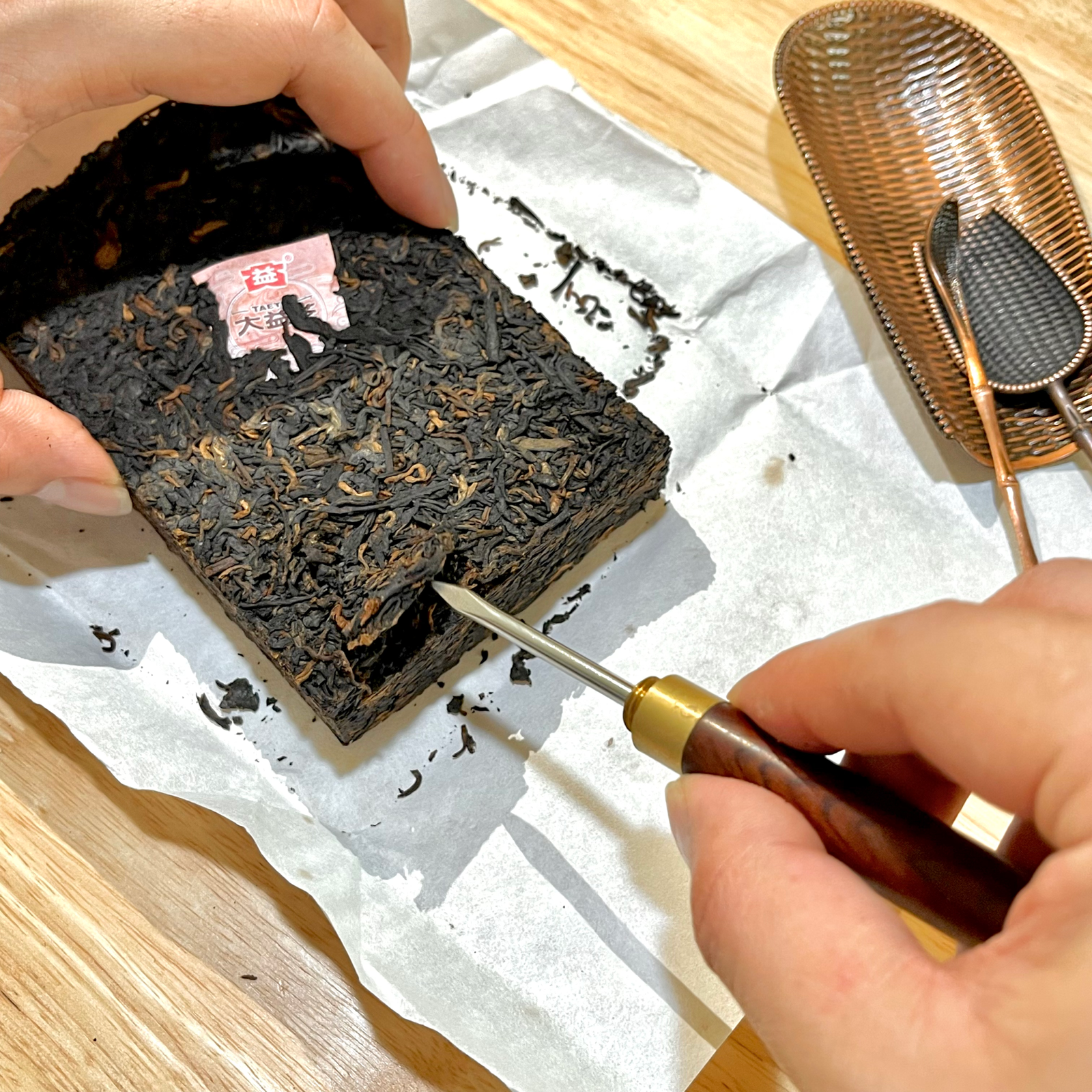
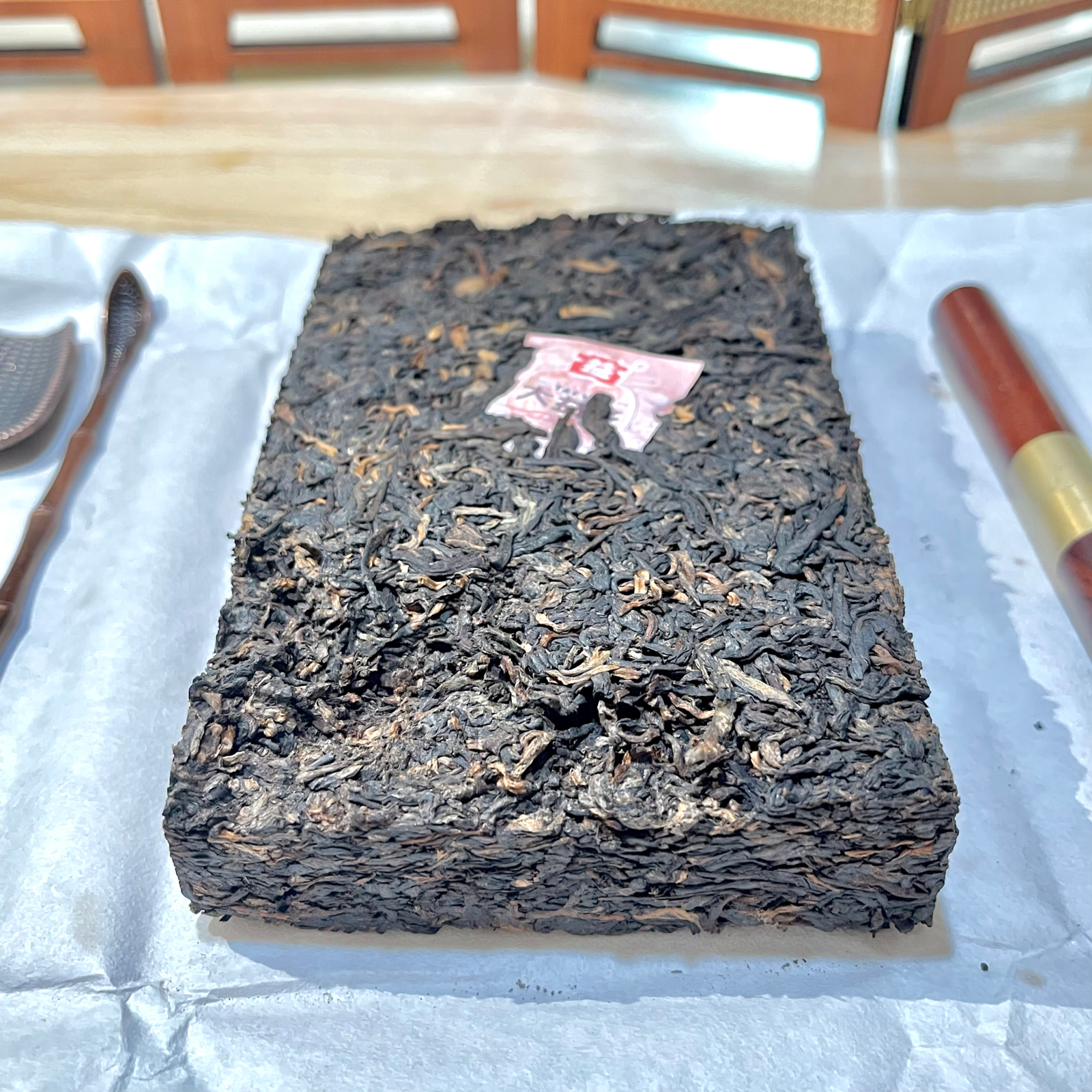
Slide the rice paper wrapper off, and the brick surface shows fine, even striations. No cracks, no dust. That is the first thing we look for in a Menghai factory-pressed ripe pu-erh tea brick.
We picked up this 2022 Spring batch in April 2026 after a customer asked us to find a “daily drinker brick that does not taste like a wet barn.” The tea passed our internal blind test. Two tasters picked it out of a five-sample lineup, and one guessed the factory correctly.
In this 2026 updated review, I will cover the flavor, the wo dui fermentation, the brewing method that worked for our team, and the storage rules for the 70% of the brick you do not drink in week one. I will also answer the four questions buyers ask us most about this exact batch.
What Does 2022 Spring Yunnan Ripe Pu-erh Tea Brick Taste Like?
A 2022 ripe pu-erh from Yunnan tastes smooth, earthy, and gently sweet, with no harsh bitterness. The broth runs deep brown-red, almost like weak black tea. The mouthfeel is thick but clean. A quiet huigan (throat cooling) follows each sip. The finish lingers about ten seconds.
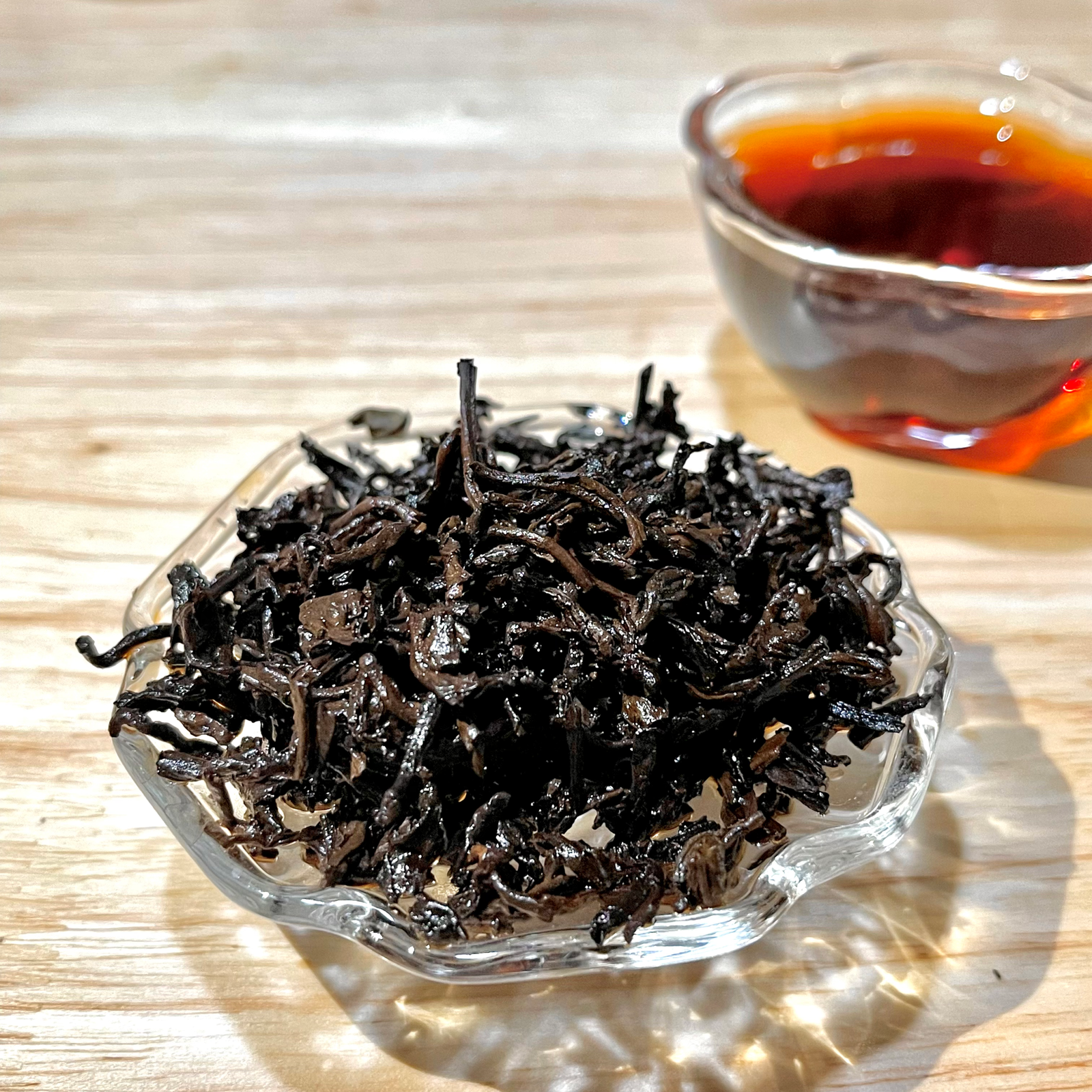
The dry leaf smells of damp wood and dried longan. After a 5-second rinse, the wet leaf opens into notes of wet stone and brown sugar. By the third infusion, the body shifts from “earthy” toward “cocoa.” By the eighth, the color lightens to amber, and the taste moves toward dried apricot. We did not detect sourness, mustiness, or “wet pile funk” at any point.
Our blind tasting note from April 3, 2026:
“Compared to our 2019 Menghai control sample, this 2022 brick is smoother in the first three infusions and slightly sweeter by the sixth. No astringency at the 10-second mark. Liquor stays clear, no sediment.”
Authentic Menghai Ripe Pu-erh Craftsmanship
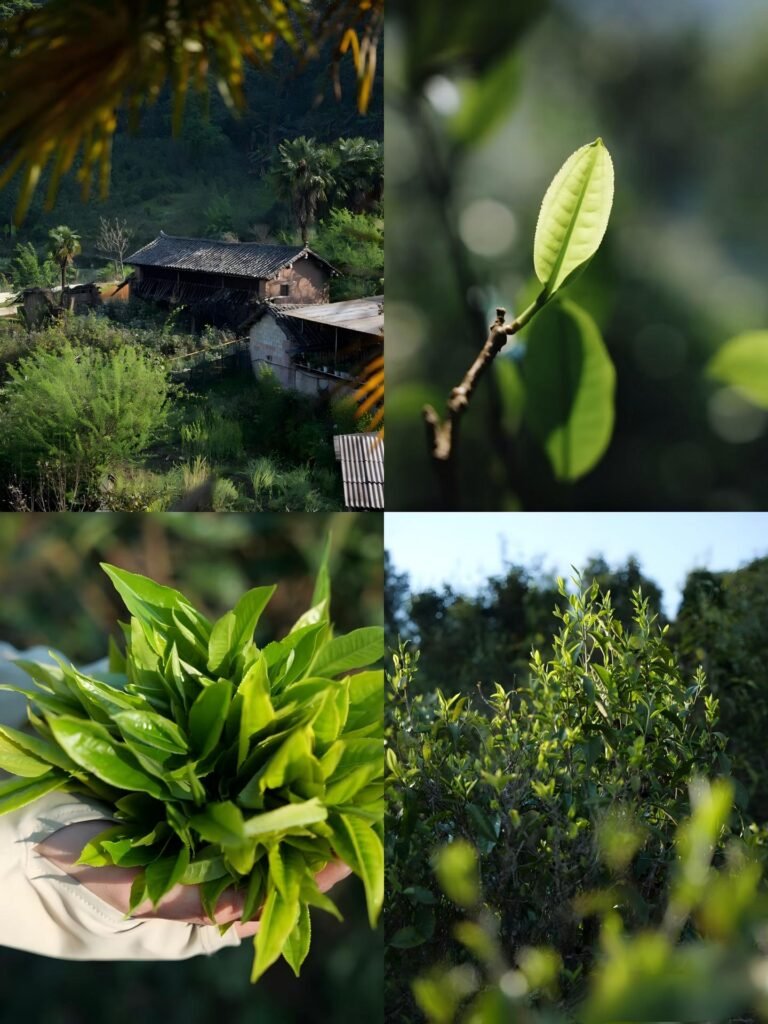
This compressed pu-erh tea brick is sourced from high-altitude tea gardens in Menghai County, one of Yunnan’s most respected regions for fermented dark tea production.
Using traditional wo dui fermentation, the fresh Dayezhong leaves are slowly transformed into a mature, earthy tea with a thicker texture and softer profile than many factory-produced ripe pu-erhs.
The 250g compressed brick format also helps stabilize long-term storage conditions. Compared to loose-leaf tea, the dense compression protects the interior leaves from rapid humidity fluctuations while occupying significantly less shelf space.
Many tea drinkers choose this format specifically for its practicality, aging stability, and convenient daily use.
How Do You Brew a Compressed Ripe Pu-erh Tea Brick at Home?
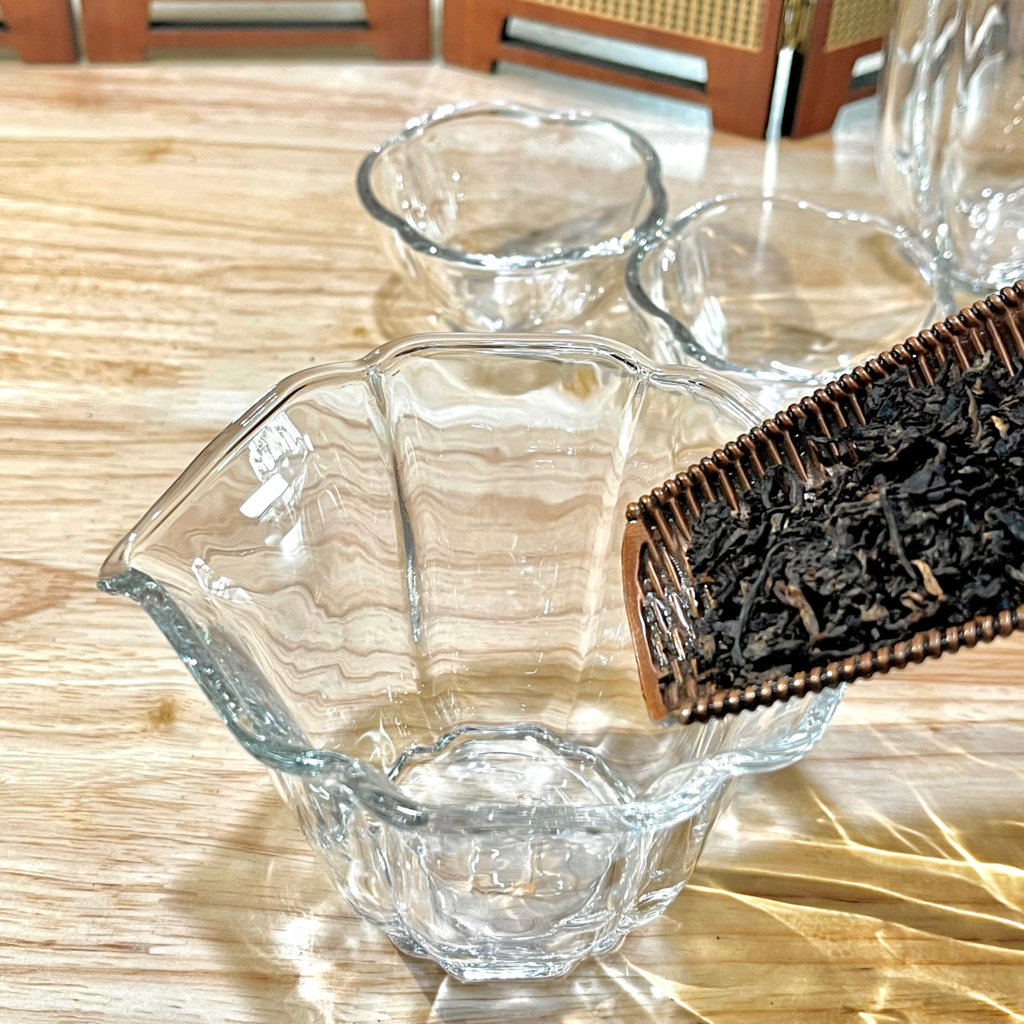
You can brew a 250g ripe pu-erh tea brick without a tea needle, but a thin chisel helps. Pry 5–7g off the side of the brick rather than the face. The leaf layers run horizontally, so side-prying gives cleaner flakes. A butter knife or the back of a spoon works in a pinch.
The method our team uses:
- Boil filtered water to 212°F (100°C). Boiled-and-cooled water flattens the body.
- Pry 5–7g of leaf from the side of the brick. Keep flakes as whole as you can.
- Rinse once for 5 seconds. Discard the rinse. It only wakes the leaf and washes off warehouse dust.
- First infusion: 15 seconds. Pour from a height of about 10cm to cool the liquor slightly.
- Second to fourth infusion: 10–15 seconds each.
- From the fifth onward: add 5 seconds per round as the leaves open up.
- A 250g brick should give you 50+ sessions at this rate. Most drinkers finish one within 8 months.
Last week I tried 95°C instead of 100°C on this same brick. The body thinned by about 30%, and the huigan faded. Stick with a full rolling boil.
Is 2022 Ripe Pu-erh Tea Ready to Drink Now, or Should It Age?
Yes, this 2022 ripe pu-erh tea brick is drinkable now. Traditional wo dui fermentation has already done most of the work, so the tea offers a clean, mellow profile with no overwhelming fermentation notes. Four years of resting in our Kunming warehouse (about 65% relative humidity, 20°C) has smoothed the edges further.
You can drink it out of the wrapper today. The brick will keep improving for another 5–10 years if you store it right. The flavor curve flattens around the 10-year mark for most Menghai factory bricks in this weight class.
Age expectations at a glance:
- 0–2 years: strongest “wo dui” character, fermentation is most visible
- 2–5 years: the funk recedes, sweetness comes forward (this 2022 batch sits here)
- 5–10 years: deeper, more wood-driven profile, less fermentation on the nose
- 10+ years: subtle, complex, often collector-grade pricing
What’s the Difference Between a Pu-erh Brick and a Pu-erh Cake?
A pu-erh brick is rectangular and denser than a pu-erh cake. A standard 250g brick fits in the palm of one hand. A standard 357g cake is round and slightly looser in compression. Bricks age more steadily because the dense structure slows air exchange. Cakes are easier to break apart by hand.
| Feature | 250g Brick | 357g Cake |
|---|---|---|
| Shape | Rectangular, dense | Round, medium density |
| Breakability | Needs a chisel or knife | Often hand-flakeable |
| Aging speed | Slower, more stable | Faster, more surface contact |
| Best for | Long-term storage | Daily drinking |
| Stackability | High | Low |
How Should You Store an Unopened 250g Pu-erh Brick?
Keep the brick in its original paper wrapper inside a breathable cotton pouch. Store it away from sunlight, strong odors, and humidity above 70%. A bookshelf or tea cabinet in a climate-controlled room works for most home drinkers.
Practical rules from our own warehouse:
- Keep relative humidity between 55% and 70%. Use a cheap hygrometer if your room runs damp.
- Avoid plastic bags. They trap moisture and can grow mold within weeks.
- Keep the brick away from spices, coffee, and perfume. Ripe pu-erh absorbs odors faster than most people expect.
- Do not refrigerate. The temperature swing causes condensation inside the wrapper.
For background on the producing region, you can explore the official Wikipedia entry on Menghai County, where this Yunnan brick was pressed.
What Is wo dui (Wet Piling) Fermentation in Ripe Pu-erh Tea?
Wo dui is a controlled 45-day fermentation step that turns sun-dried mao cha into shou (ripe) pu-erh tea. Workers pile the leaves in heaps about 60cm high, spray them with water, and cover them with cloth. Microbial activity heats the pile to 50–65°C. Workers turn the pile every few days to keep the fermentation even.
The result: a dark, smooth, earthy tea that is drinkable in months rather than decades. Without wo dui, the same mao cha would have to age as sheng (raw) pu-erh for 10+ years to reach a similar level of softness.
Many drinkers assume “ripe pu-erh” means “old pu-erh.” It does not. Ripe is a fermentation method. Old is a storage timeline. The two are independent.
The science of wo dui is well documented. For a peer-reviewed overview, see the official PubMed review on pu-erh microbial fermentation analyzing the complex microbial communities in pu-erh fermentation.
Is Ripe Pu-erh Tea Brick Suitable for Beginners?
Yes. This 2022 Spring Yunnan ripe pu-erh tea brick is one of the safer entry points into dark tea. The flavor profile is forgiving, the brewing tolerance is wide, and the price per session is low. A 250g brick at our shop gives roughly 35–40 sessions, which works out to under $1 per pot.
Beginners often worry about three things:
- Bitterness: minimal here. The body is smooth from the first infusion.
- Brewing skill: very forgiving. Even over-steeping at 30 seconds stays drinkable.
- Equipment: a small pot, a strainer, and a mug will do. No gaiwan required.
Perfect For
- Tea drinkers seeking an authentic daily ripe pu-erh tea
- Beginners exploring compressed Yunnan dark tea
- Office tea sessions and compact tea storage
- Pu-erh enthusiasts looking for a smooth, affordable shou brick
- Long afternoon gongfu brewing sessions
Frequently Asked Questions
1. Is this 2022 ripe pu-erh tea brick ready to drink the moment it arrives? Yes. Traditional wo dui fermentation and four years of resting in a Kunming warehouse climate have softened the tea considerably. You get a clean, mellow profile with no overwhelming fermentation notes.
2. How should I store the rest of the brick after I break off my first chunk? Wrap the remaining brick in its original paper, slide it into a breathable cotton pouch, and store away from sunlight, odors, and humidity above 70%. Avoid plastic and refrigeration. A simple kitchen cabinet works fine for most US climates.
3. Why pick a brick instead of loose-leaf ripe pu-erh tea? Bricks are more space-efficient than loose-leaf, the dense compression slows air exchange for a more stable aging curve, and a single brick lets you drink from the same batch for 6–12 months without flavor drift. For travelers, a brick also survives checked luggage better than loose tea.
4. I’ve never had ripe pu-erh tea before. Will I like this brick? Most beginners do. The smooth texture, approachable flavor profile, and forgiving brewing behavior make it an excellent introduction to Yunnan ripe pu-erh without aggressive bitterness. If you enjoy black tea, hojicha, or dark-roast coffee, you’ll probably enjoy this brick.
5. How many sessions will a 250g ripe pu-erh tea brick give me? At 5–7g per session, expect roughly 35–40 gongfu sessions. Most home drinkers get through one brick within about 8 months. The exact number depends on how heavy-handed you are with the leaf and how many infusions you take per session.
6. Is a ripe pu-erh tea brick the same as the “Chinese dark tea brick” I see at the supermarket? Not always. Many supermarket “dark tea bricks” use lower-grade leaf, skip the wo dui step, or cut corners on aging. Authentic Yunnan ripe pu-erh tea brick should be made from Yunnan large-leaf cultivar, fermented through wo dui, and pressed by a registered factory. Look for a batch number and a Menghai or Pu’er city origin on the wrapper.
E-E-A-T Statement (Author & Reviewer Disclosure)
Author & Reviewer Disclosure:This article was written by the founder and head tea buyer at minteashop, drawing on 8 years of hands-on experience sourcing authentic Chinese green, white, black, and pu-erh tea directly from local farmers. The 2022 Yunnan ripe pu-erh tea brick described above was personally cupped and selected at origin during our 2026 sourcing trip to Yunnan. Health-related claims about caffeine and antioxidants are based on general published research and are not medical advice.
If you enjoy ripe pu-erh, feel free to explore our full ripe pu-erh collection for more aged selections.
Reviews
There are no reviews yet.