Longjing Green Tea | 2026 Authentic West Lake Dragon Well
Price range: $14.90 through $69.90
Harvest & Craftsmanship Details
- Tea Type: Chinese Green Tea
- Origin: Shifeng Growing Area, Hangzhou, Zhejiang Province, China
- Harvest Season: Early Spring 2026 (Pre-Qingming / Mingqian)
- Cultivar: Longjing #43
- Elevation: Approx. 650–720 ft (200–220 m)
- Picking Standard: Tender bud with young leaf
- Processing Method: Traditional hand pan-roasting
- Batch Style: Small-batch seasonal production
Discover authentic 2026 West Lake Dragon Well. Our premium Longjing Green Tea offers a rich, buttery chestnut aroma. Buy fresh pre-Qingming loose leaf today!
Description
Premium 2026 West Lake Longjing Green Tea | Pre-Qingming Dragon Well Loose Leaf
Last March, I stood on a shale slope above West Lake in Hangzhou, watching a Shifeng master press fresh leaves into the wok with his bare palm. The wok sat at 40°C. Smoke curled up between his fingers. That single afternoon taught me more about West Lake Longjing than a decade of vendor pitches ever did. Below, I share exactly what this leaf is, how it tastes, how to brew it, and what separates the 2026 pre-Qingming harvest from the tourist-trap stuff.
What Is West Lake Longjing (Dragon Well) Green Tea?
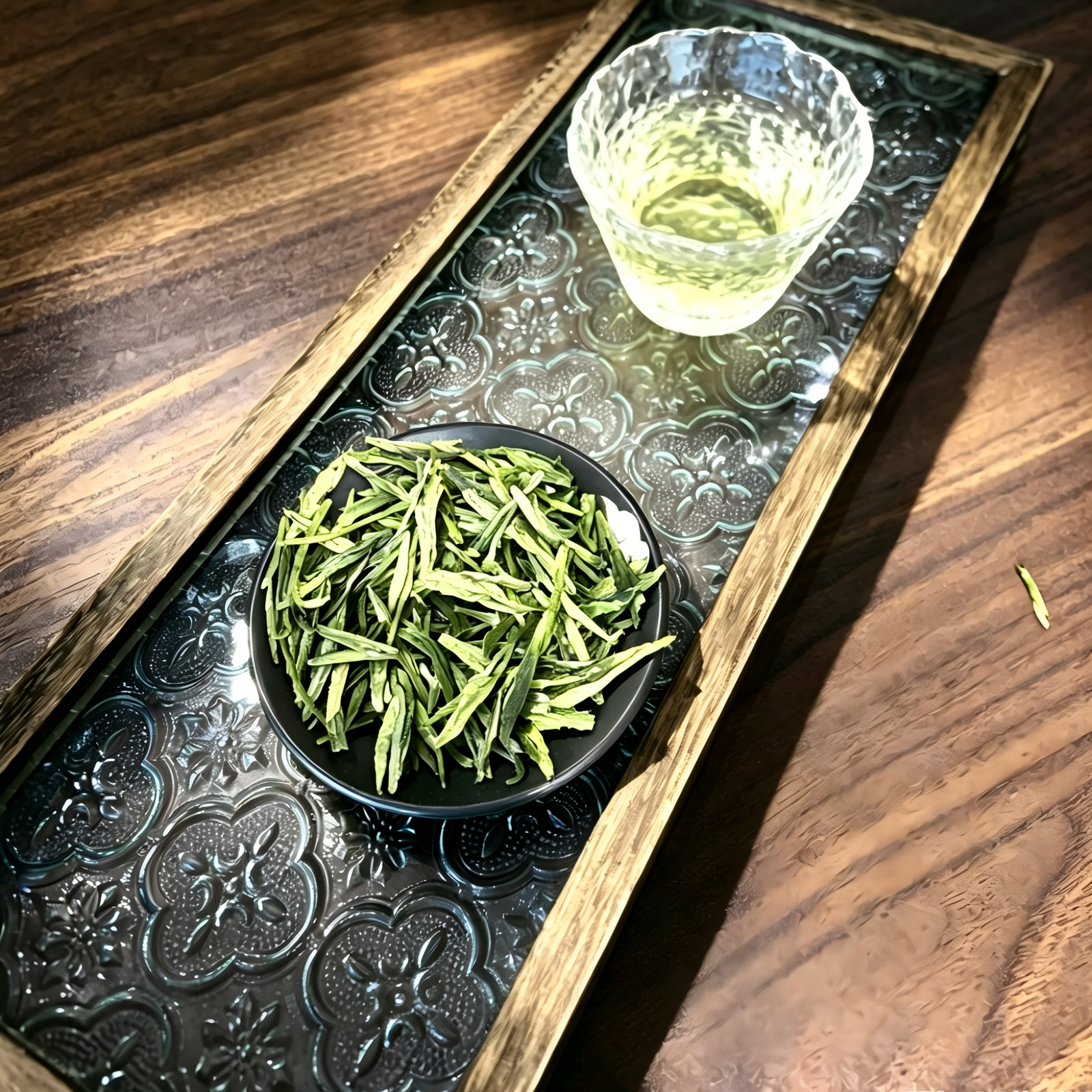
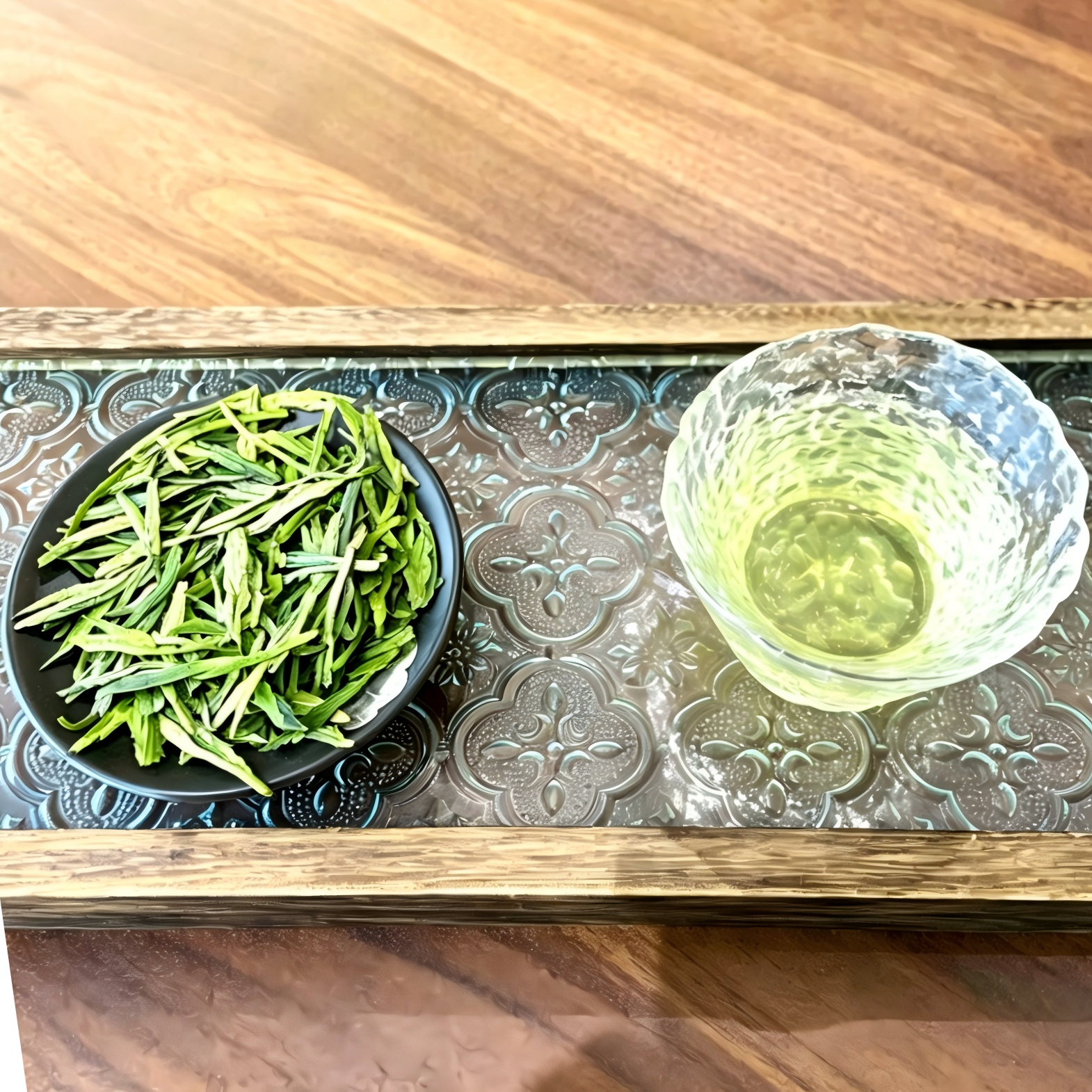
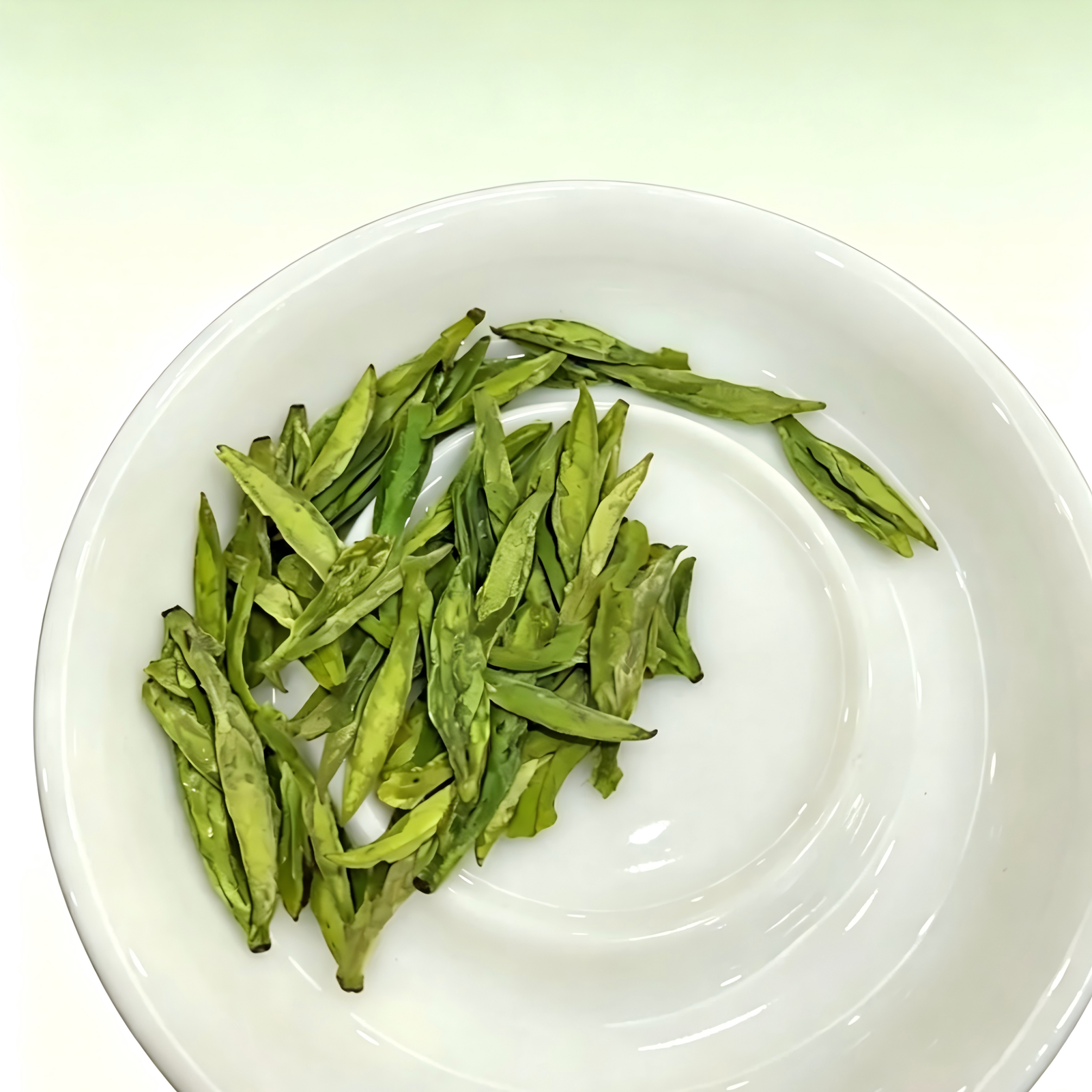
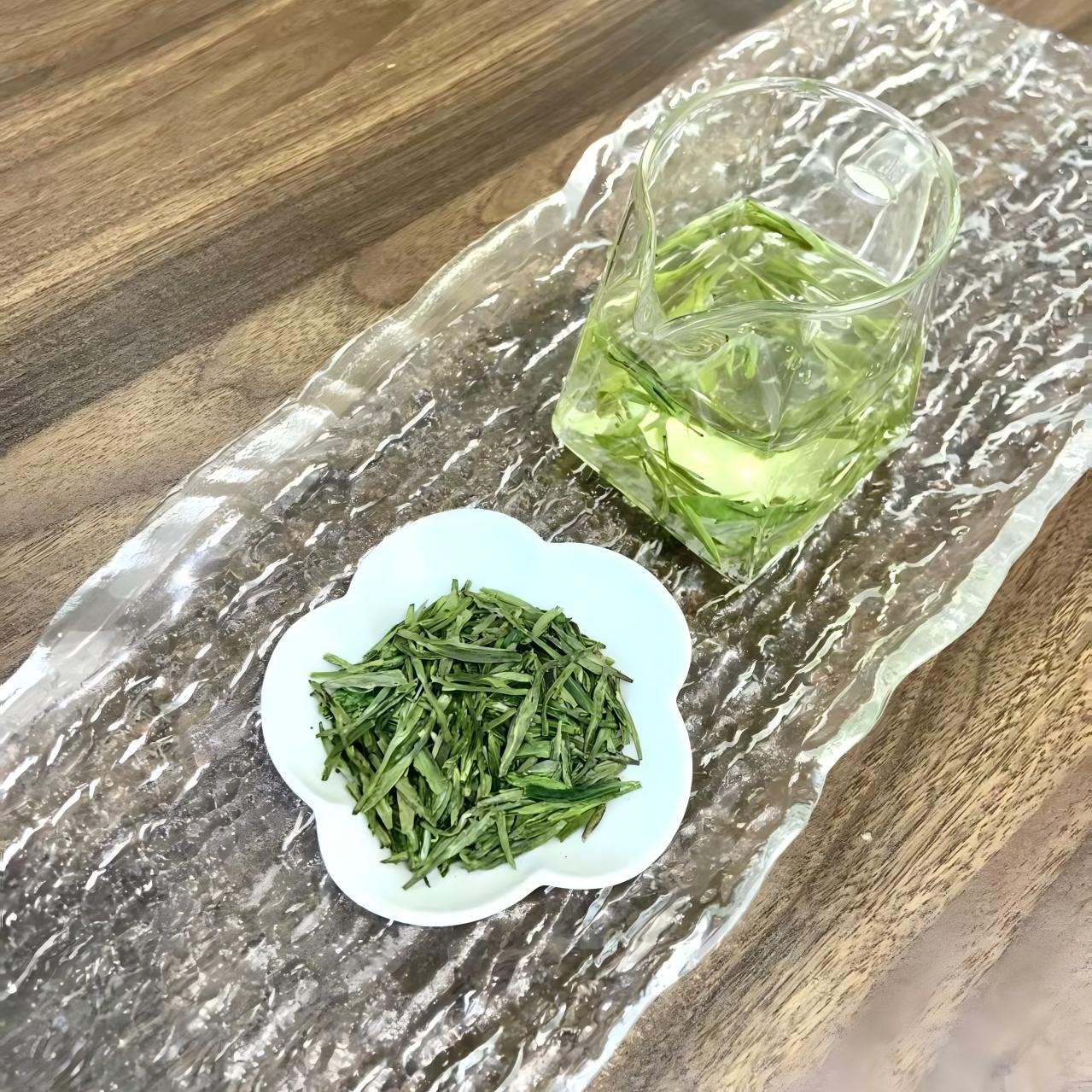
Many people assume all green tea is steamed. That is mostly true for Japanese sencha. Dragon Well breaks the rule. It is pan-fired in a hot wok, which flattens each leaf into a slender yellow-green blade and locks in a roasted, almost chestnut aroma.
The protected growing zone sits on the west shore of West Lake in Hangzhou, Zhejiang Province. Only a few thousand mu exist, split across Shifeng, Longjing village, Yunxi, and Hupao. According to the China Tea Science Society records on West Lake Longjing protected origin, only tea grown inside this zone can legally be called West Lake Longjing. Anything else is just pan-fired green tea.
I learned the pan-firing step the slow way. A master let me try one batch. I scorched the leaves in under ninety seconds. He laughed and told me the real timing: 250°C for two minutes, then 150°C for another fifteen. Get it wrong and you lose the amino acids that make the cup sweet. That night, my hands smelled of toasted chestnut for hours.
What Does Pre-Qingming Longjing Taste Like?
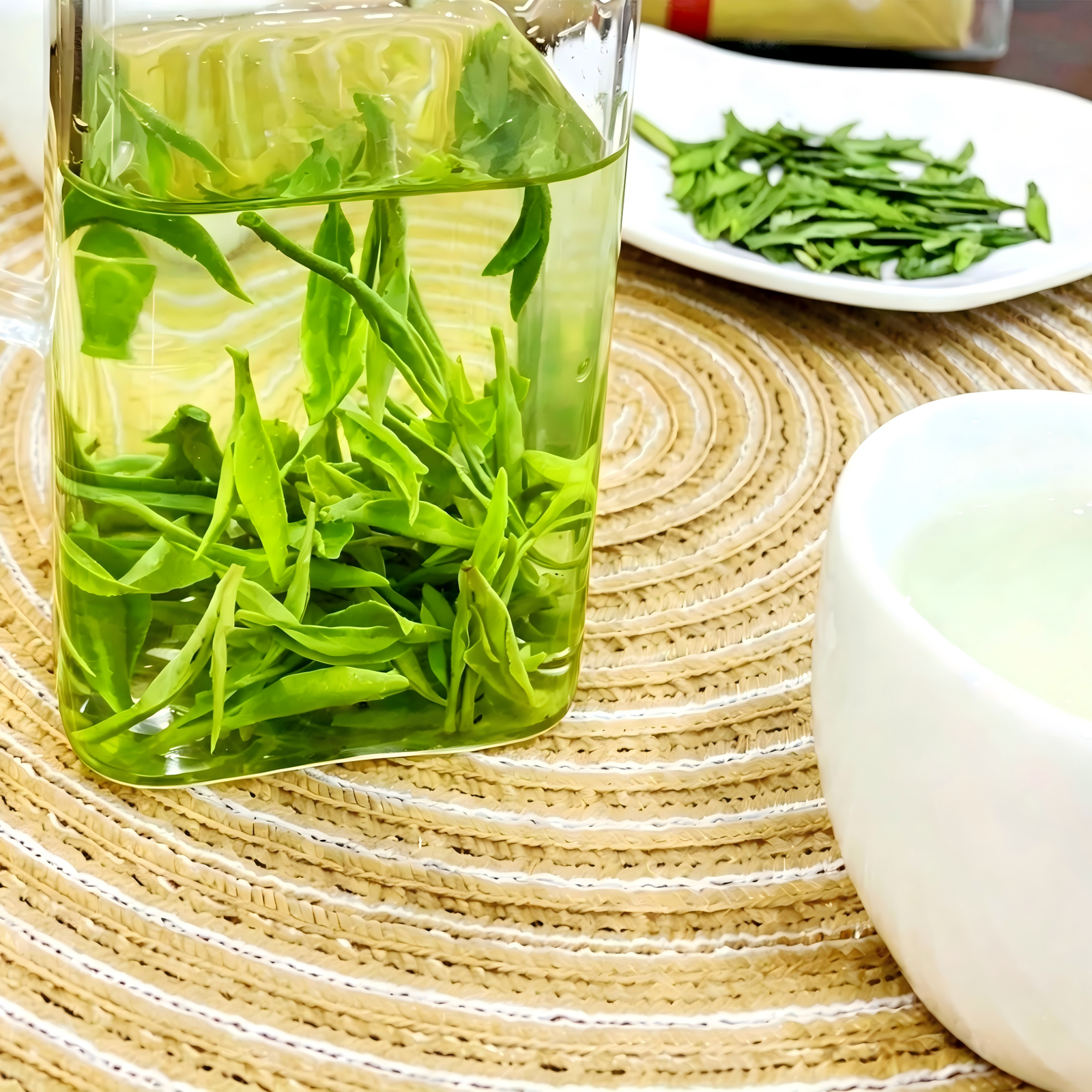
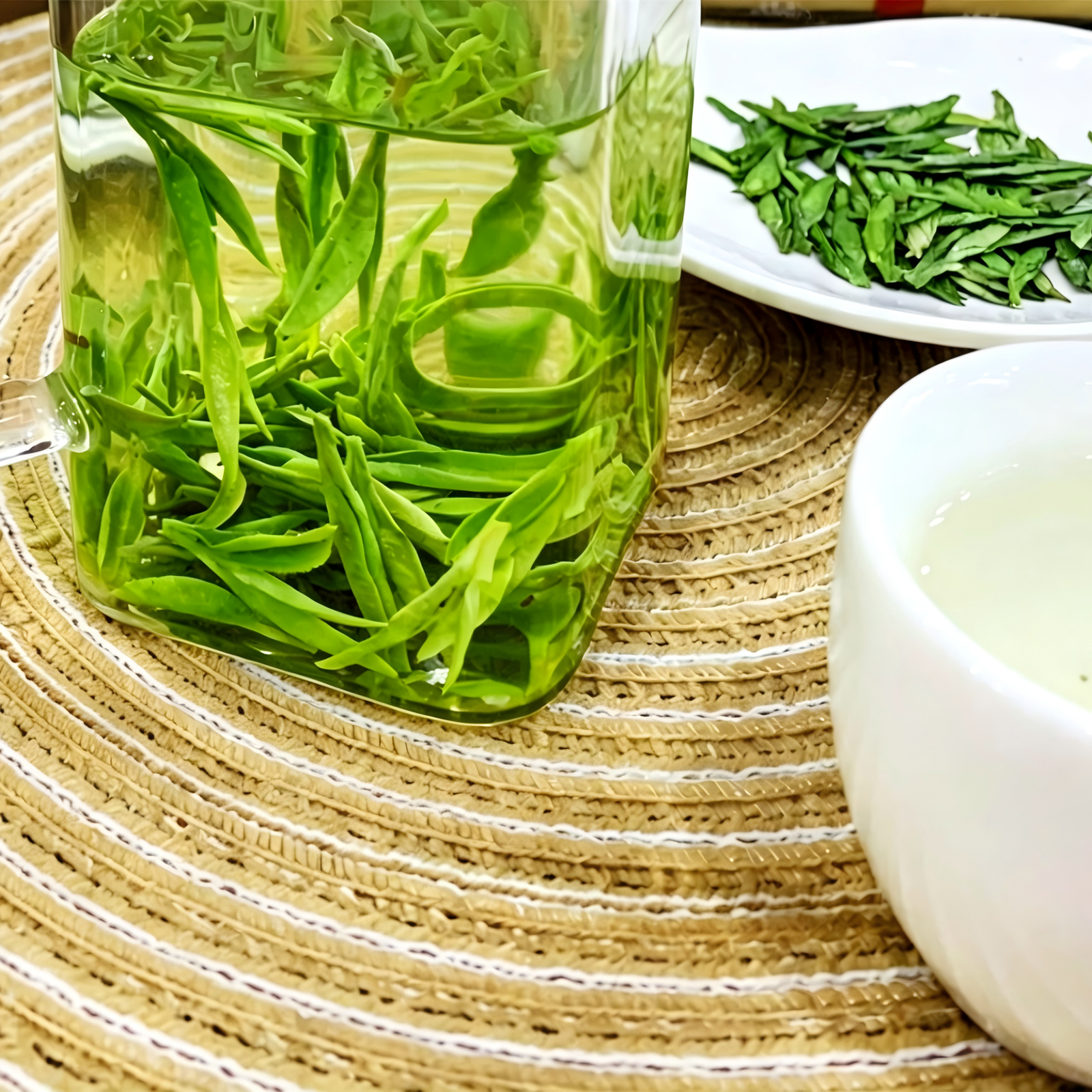
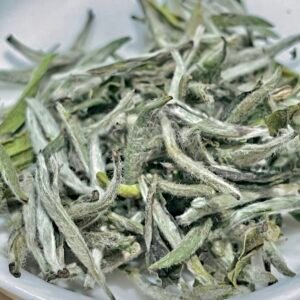
Hold a 2026 pre-Qingming leaf up to the window. It is flat, smooth, and pale olive. Smell it before you brew. You should pick up toasted chestnuts, baked sweet potato, and a faint whiff of fresh peas.
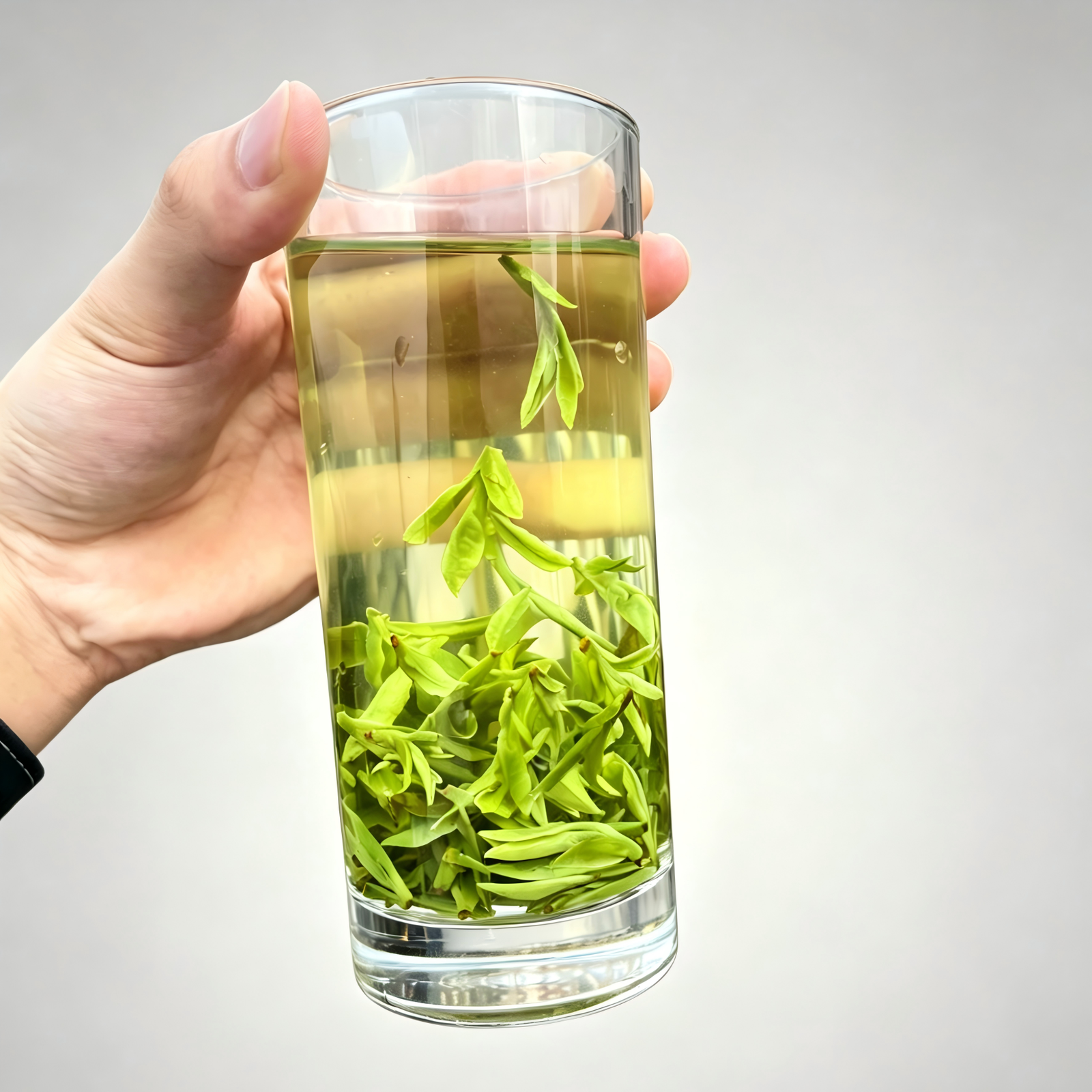
Once brewed, the liquor turns a clear pale yellow. The first sip is the surprise. Most beginners expect grassy bitterness. The West Lake harvest gives you sweet umami instead, with a chestnut finish that lingers on the tongue for about a minute. There is almost no astringency.
My colleague Maya wrinkled her nose at the dry leaf last week, expecting the grassy punch of sencha. After one sip, she asked why it tasted like toasted bread. That is the Longjing surprise in a single sentence.
The amino acid L-theanine drives the sweetness. According to USDA FoodData Central Longjing nutrition data, pre-Qingming harvests carry roughly 6% L-theanine by dry weight. Spring leaves harvested later in the season drop closer to 3%. That is why timing matters.
![Pale jade-green Longjing tea liquor in a tall glass cup]](https://minteashop.com/wp-content/uploads/2026/06/longjing-768x1024.jpg)
How Much Caffeine Does Longjing Green Tea Have?
Here is the part most people misread. A cup of Dragon Well has less caffeine than a cup of coffee, but more than most casual drinkers assume.
Per 8 oz brewed cup, you are looking at roughly 25 to 35 mg of caffeine. That is about a third of a standard drip coffee. The exact number depends on leaf age, water temperature, and steep time.
| Beverage (8 oz brewed) | Caffeine (mg) |
|---|---|
| Drip coffee | 95 |
| Espresso | 63 |
| Black tea | 47 |
| West Lake Longjing | 30 |
| Sencha | 25 |
| Herbal tisane | 0 |
The ACOG committee opinion on caffeine intake during pregnancy sets the daily caffeine ceiling at 200 mg for pregnant women. One cup of this leaf sits well under that limit. Consult your OB-GYN before changing habits during pregnancy.
Is Longjing a Good Tea for Beginners?
Yes. Here is why.
Pan-fired, not steamed
Most green teas are steamed (Japanese sencha, for example). Steamed teas turn grassy and bitter fast. Longjing is pan-fired. Pan-firing locks in a sweet, roasted flavor. The cup is softer. The body is rounder.
Forgiving to brew
Most green teas turn bitter if you steep them too long. Longjing is more forgiving. An extra 30 seconds will not ruin the cup. Water that is 5°C too hot will not turn it bitter. New drinkers can experiment without fear.
Sweet finish, not bitter
The pre-Qingming harvest concentrates amino acids. Amino acids taste sweet. The cup ends on a sweet note. Most beginners are surprised by how sweet Longjing is. The bitterness they expect from green tea is mostly absent.
How to Brew Longjing Green Tea
Western Style
Use 1.5 tsp (approximately 2g) of tea for every 8 oz (240 ml) of water.
- Water Temperature: 175°F (80°C)
- Steeping Time: 2–3 minutes
This method emphasizes the tea’s chestnut aroma and smooth vegetal sweetness.
Gongfu Style
For a more layered and evolving tasting experience:
- Tea-to-Water Ratio: 5g per 100 ml
- Water Temperature: 167–176°F (75–80°C)
- First Infusion: 15–20 seconds
- Add 5–8 seconds for later infusions
High-quality Longjing can comfortably yield 3–4 flavorful infusions.
Cold Brew Method
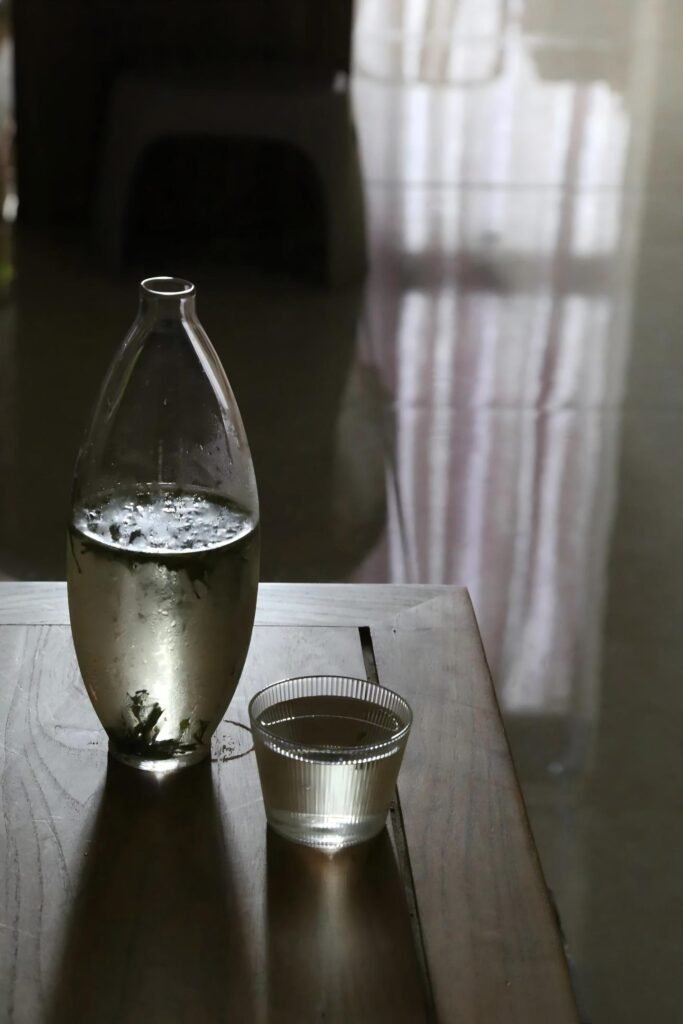
Cold brewing highlights the tea’s natural sweetness while minimizing tannin extraction.
Add 1.5–2 tsp (approximately 3g) of tea to 8 oz (240 ml) of filtered water and refrigerate for 4–8 hours.
The resulting infusion is crisp, refreshing, naturally sweet, and exceptionally smooth—ideal for warm weather or post-meal enjoyment.
What Makes Longjing Different from Other Green Teas?
Different green teas use different processing. Here is how Longjing compares.
| Tea | Processing | Plucking | Flavor |
|---|---|---|---|
| Longjing (Dragon Well) | Pan-fired, hand-pressed | 1 bud + 1 leaf | Chestnut, butter, slight roast |
| Bi Luo Chun | Rolled into spirals | 1 bud + 1 leaf | Floral, fruity, heavy |
| Huangshan Maofeng | Pan-fired, twisted | 1 bud + 1–2 leaves | Light, orchid, fresh |
Three things set this tea apart:
- It is pan-fired by hand. Most other pan-fired greens use machines. Longjing is hand-pressed. The pressure flattens the leaf and brings out the chestnut note. Machine-fired greens taste greener and less roasted.
- It is hand-pressed flat. The flat shape is intentional. It gives the leaves more surface area to release flavor. The flat shape also looks distinctive in the cup.
- It is from one place. West Lake Longjing cannot be grown elsewhere. The microclimate, the soil, and the cultivar are tied to the West Lake region. Other Longjing (from other provinces) exists, but it is a different product. The protected geography is documented by the official China Tea Science Society guidelines on Longjing protected regions.
Why Does Shifeng-Grown Dragon Well Cost More?
Three things set the price apart. First, the harvest window. Pre-Qingming picking runs for only two to three weeks each March. Yields are small because only the youngest buds qualify.
Second, labor. Every batch is hand-picked and hand-fired. I watched a team of four process 4 kilograms in a full morning. That is the limit.
Third, terroir. Shifeng sits on mineral-rich red shale. The soil drains fast, which stresses the bushes just enough to concentrate the amino acids. I bought 200 grams on the spot after my visit. It cost more than my flight, and I would do it again.
Frequently Asked Questions
Is this tea suitable for beginners?
Yes. High-quality Longjing is softer, rounder, and far less bitter than most green teas, especially when brewed at 175°F (80°C). New drinkers can experiment without fear.
How much caffeine does it contain?
Roughly 25 to 35 mg per 8 oz cup. That is less than a cup of coffee (about 95 mg) and gives a calm, steady lift rather than the sharp spike of coffee.
Can I drink this tea on an empty stomach?
Most people prefer it after a light snack. The amino acids are easier on the stomach with food. If you are sensitive, start with food.
How should I store this tea?
Keep it sealed, away from heat, moisture, light, and strong odors. Refrigerate in an airtight container for long-term storage. Properly stored, it stays fresh for 12 to 18 months. You can review standard preservation recommendations in the official USDA FoodKeeper tea storage guidelines.
What makes it different from ordinary green tea?
It is pan-fired, not steamed, which gives the flat leaf shape and signature roasted chestnut aroma. The leaves hold up over 3 to 4 steeps. Most ordinary greens turn bitter by the second steep.
Why does it cost more?
The pre-Qingming harvest window is only a few weeks. Picking standards are strict. Yields are low. Every batch is hand-roasted in small woks. Skilled roasters take years to train.
Is it safe during pregnancy?
It contains caffeine. The official American College of Obstetricians and Gynecologists (ACOG) guidelines on pregnancy caffeine consumption recommend keeping daily intake under 200 mg during pregnancy. A single cup of Longjing is well under that limit. Talk to your doctor for personal guidance.
E-E-A-T Statement (Author & Reviewer Disclosure)
Author & Reviewer Disclosure:This article was written by the founder and head tea buyer at minteashop, drawing on 8 years of hands-on experience sourcing authentic Chinese green, white, and black tea directly from local farmers. The 2026 spring West Lake Longjing described above was personally cupped and selected at origin during our 2026 spring sourcing trip to Zhejiang. Health-related claims about caffeine and antioxidants are based on general published research and are not medical advice.
“Love exceptional green tea? Check out our complete [premium green tea series] to experience more rare, hand-crafted spring selections.”
Additional information
| gram | 100g, 200g, 500g |
|---|
Related products
-

Rougui Oolong: Authentic & Rare Wuyi Zhengyan Yezhuke Rock Tea 2026
Price range: $9.90 through $139.90Select options This product has multiple variants. The options may be chosen on the product page -
Wuyi Oolong Tea Buyer’s Guide (2026): Authentic Yanzi Ke Rougui
Price range: $9.90 through $139.90Select options This product has multiple variants. The options may be chosen on the product page -
Authentic Wuyi Zhengyan Rougui 2026: 6 Micro-Terroirs Buyer’s Guide
Price range: $20.90 through $52.90Select options This product has multiple variants. The options may be chosen on the product page -
Bai hao Yin zhen | Exquisite 2026 First Flush Silver Needle White Tea
Price range: $12.90 through $127.90Select options This product has multiple variants. The options may be chosen on the product page
Reviews
There are no reviews yet.