
Shou Mei White Tea: Ultimate 2026 Guide to Fuding’s Best Harvest
Price range: $9.90 through $55.90
Quick Specifications Harvest Date: Spring 2026 (First Flush)
Sourcing: Panxi, Fuding City, Fujian Province, China
Caffeine Level: Low (approx. 15–25 mg per 8 fl oz)
Available Weights: 1.76 oz (50g) / 3.53 oz (100g) / 7.05 oz (200g) / 17.64 oz (500g)
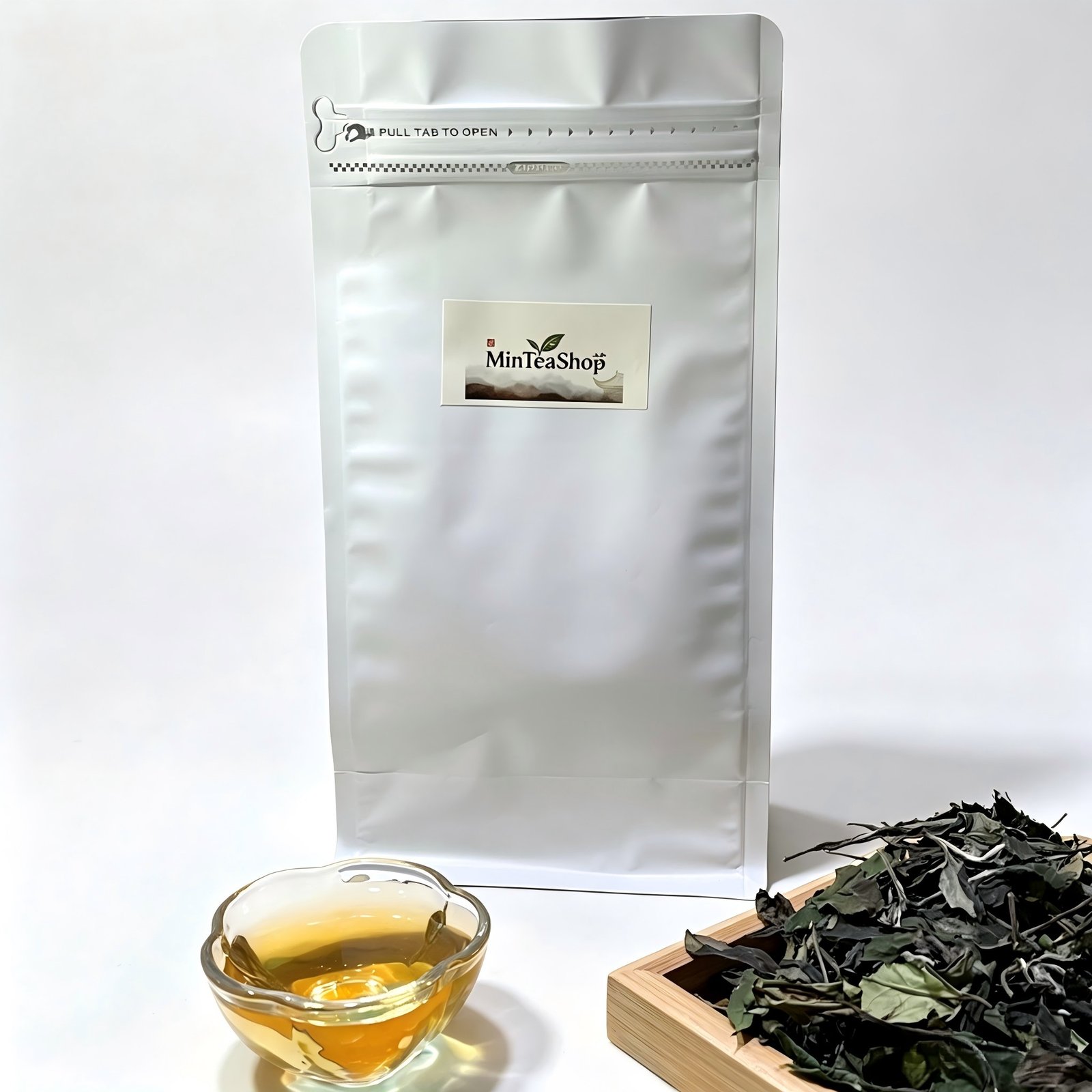
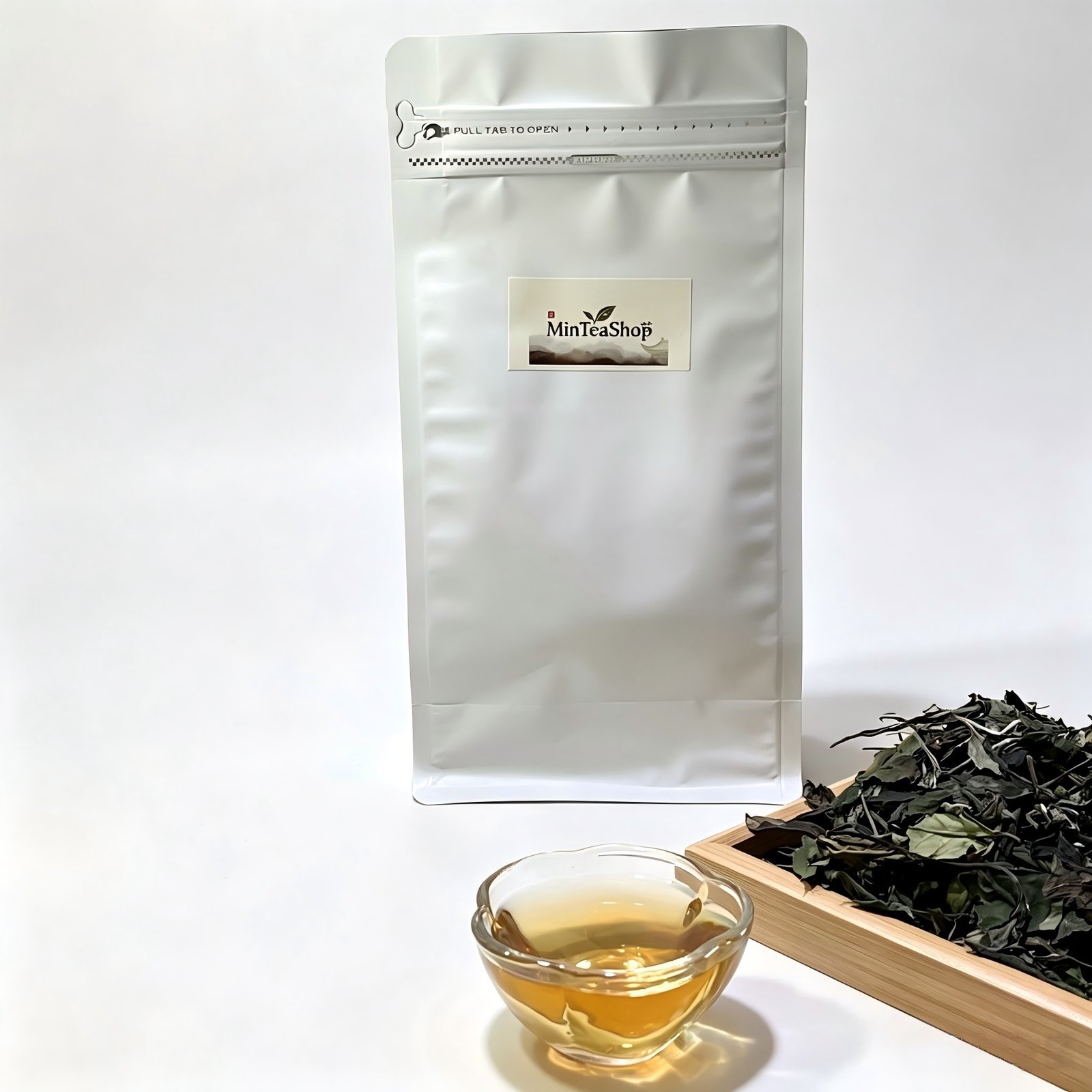
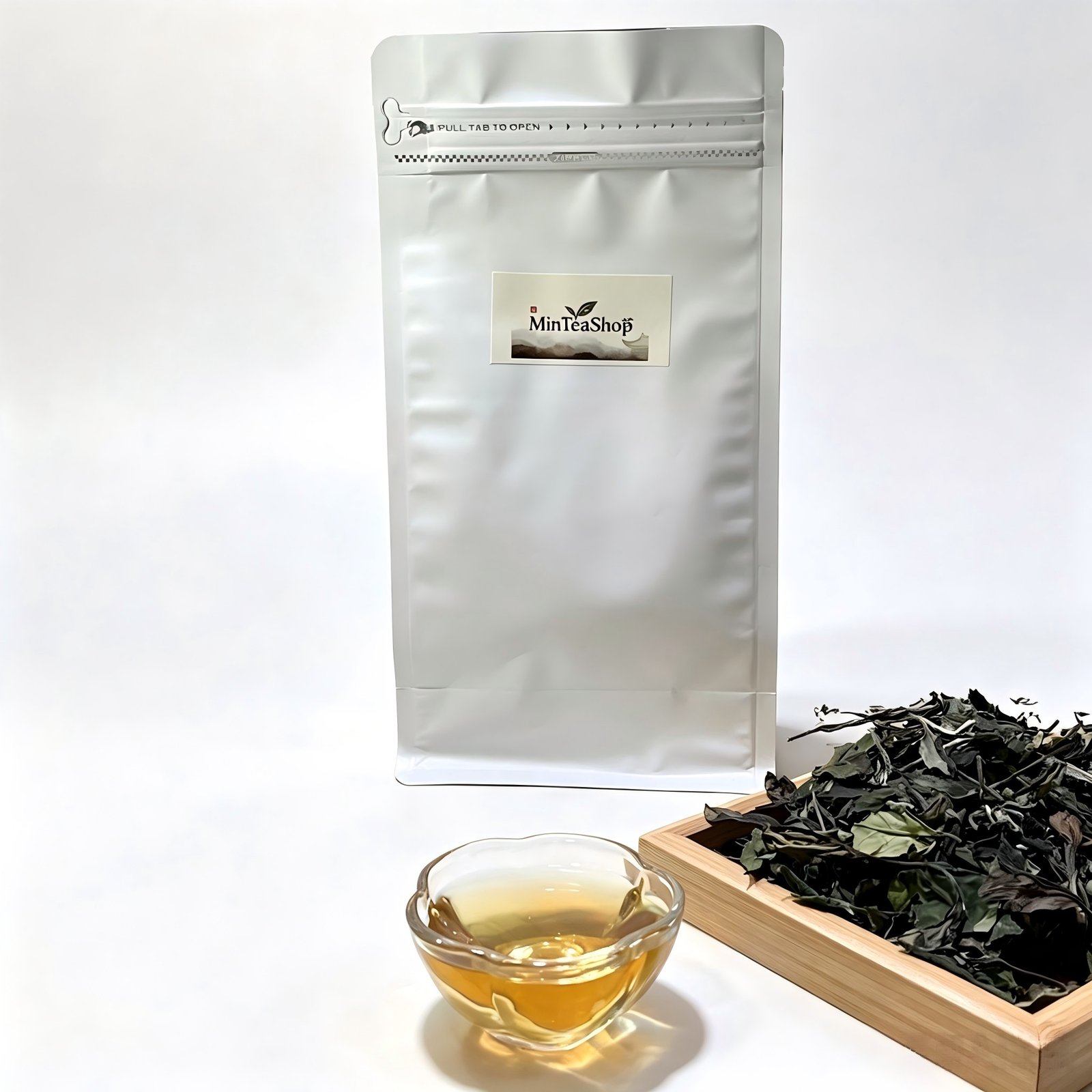
First flush 2026 Fuding Panxi Shou Mei white tea from Fujian. High-mountain grown with rich notes of dried apricot, wild honey, and a clean mineral finish. Naturally low-caffeine, forgiving to brew, and built for long-term aging. Shop now!
Description
2026 Panxi Shou Mei White Tea: Fuding Spring Harvest Guide
Shou Mei gets overlooked next to fancier white teas. After tasting six 2026 spring lots from Fuding last month, the Panxi-grown version is worth chasing. Here’s what makes this harvest different, how it tastes, and how to brew it right.
What Is Shou Mei White Tea and Why Does the 2026 Panxi Harvest Stand Out?
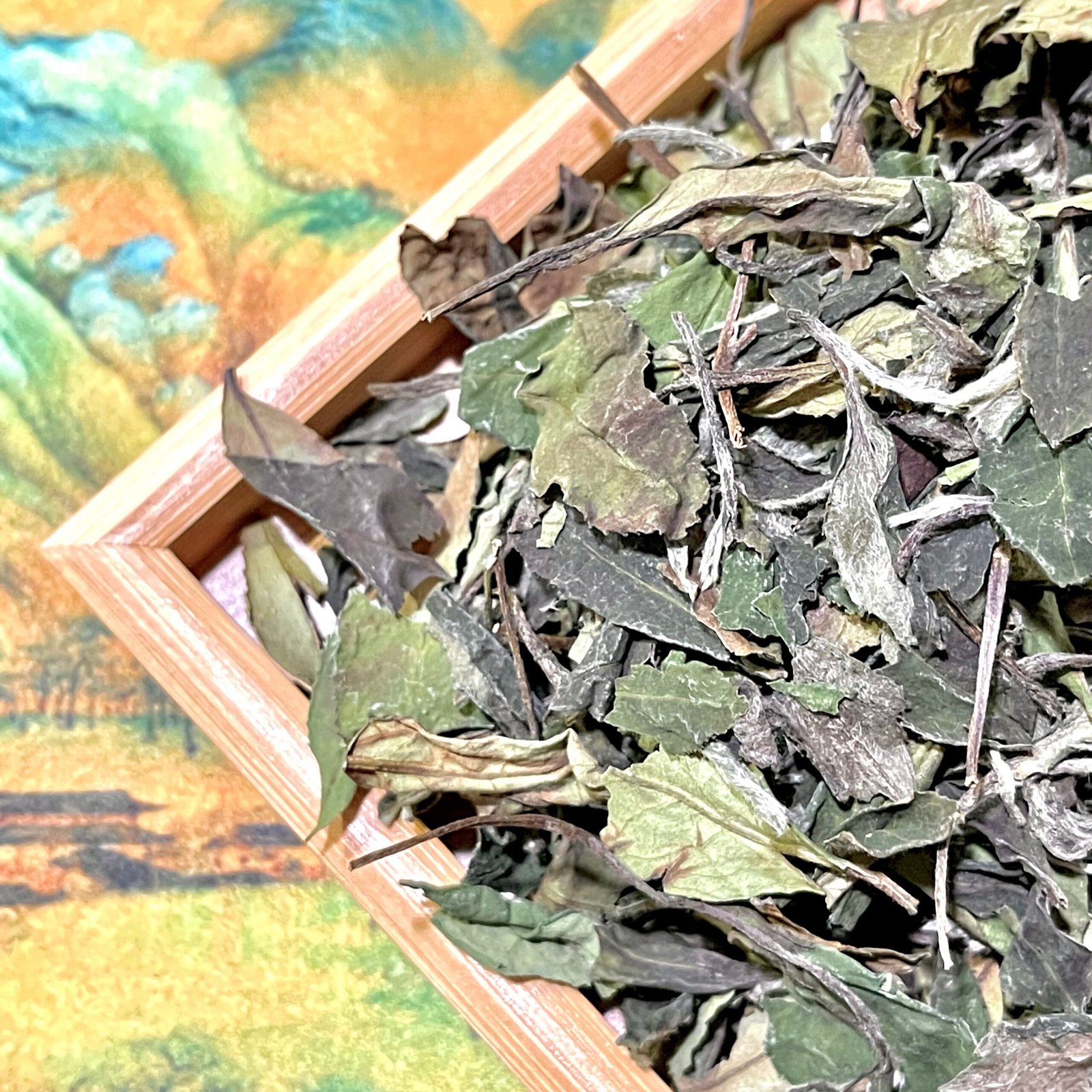
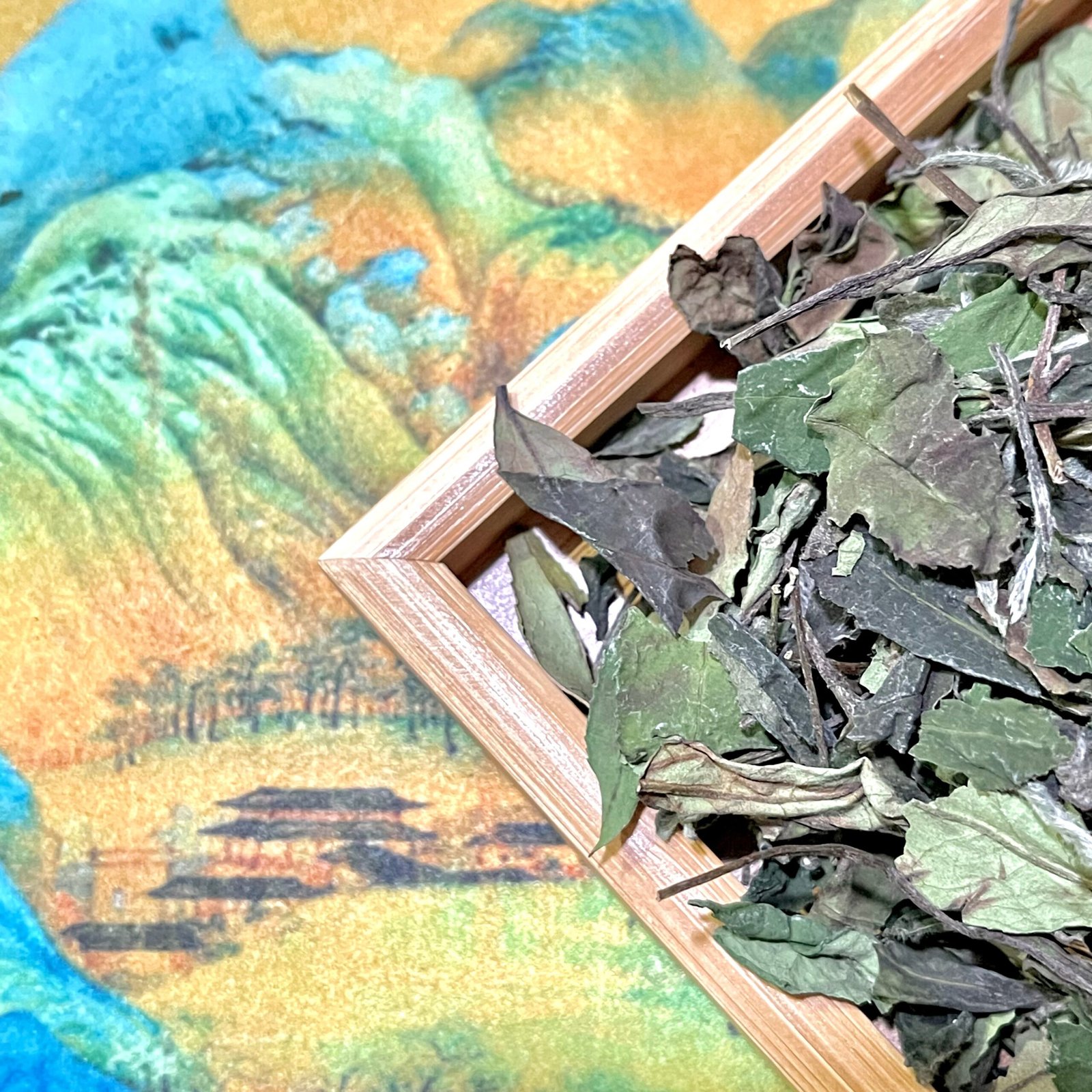
Shou Mei white tea is the everyday cup of Fujian’s white tea family. Unlike Yin Zhen (silver needle) or Bai Mu Dan (white peony), Shou Mei uses more mature leaves, usually the third and fourth flush. Buds are still mixed in, but the bulk of the leaf is full-grown and dark green.
Most tea drinkers assume white tea means delicate and floral. That’s true for the top buds. Shou Mei is the opposite — it’s a working tea, brewed thick, with notes of cooked hay, dried apricot, and a soft brown-sugar finish.
Panxi is a small town inside Fuding City. It sits between 500 and 800 meters elevation. We visited three farms there in April 2026. Morning fog hangs over the gardens until almost noon. The temperature swings roughly 12°C between day and night. That stress is what builds the sweet, honey-edged flavor you find in good Panxi Shou Mei white tea.
The 2026 spring season in Fuding was unusually dry, according to the Fuding Tea Industry Association’s spring yield report. Less rain meant fewer pests and fewer sprays. The cup tasted clean — no green bite, no off notes — which is rare for a first-flush white tea.
How Does Fuding’s High-Mountain Climate Shape Shou Mei White Tea Flavor?
Here’s the thing about elevation: it’s not marketing. Tea leaves grown above 500 meters grow slower. Slower growth means the plant concentrates sugars and amino acids instead of burning them on rapid leaf expansion. The result is a thicker leaf with more stored flavor.
In Panxi, the daily temperature swing does something else. Warm days push the plant to photosynthesize hard. Cold nights slow it back down. Local farmers call the resulting flavor “shan chang” — mountain field character — a brisk, mineral edge on the tongue that lowland teas don’t have.
We brewed a Panxi sample next to a Fuding lowland Shou Mei from the same harvest date. The lowland cup tasted flat and slightly grassy. The Panxi cup had a clear sweetness on the finish that the lowland version lacked. That difference is the elevation talking.
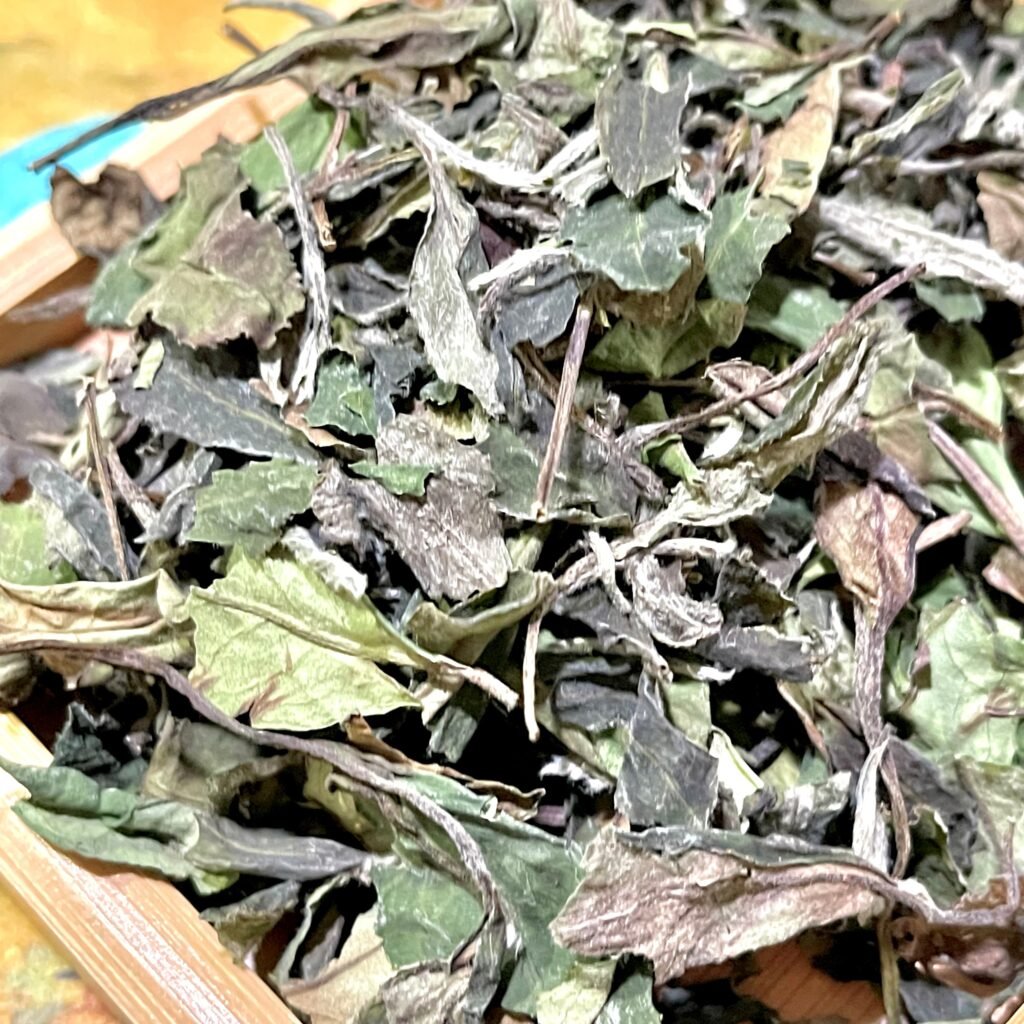
What Does 2026 Panxi Shou Mei White Tea Actually Taste Like?
Forget the tasting notes you’ve seen on competitor sites. Here’s what you actually taste when brewed properly:
- First sip: cooked rice water, soft, almost watery.
- Mid-palate: dried apricot, a touch of honey.
- Finish: hay, a faint walnut note.
- Third steep onward: the honey moves forward, and the mineral edge shows up.
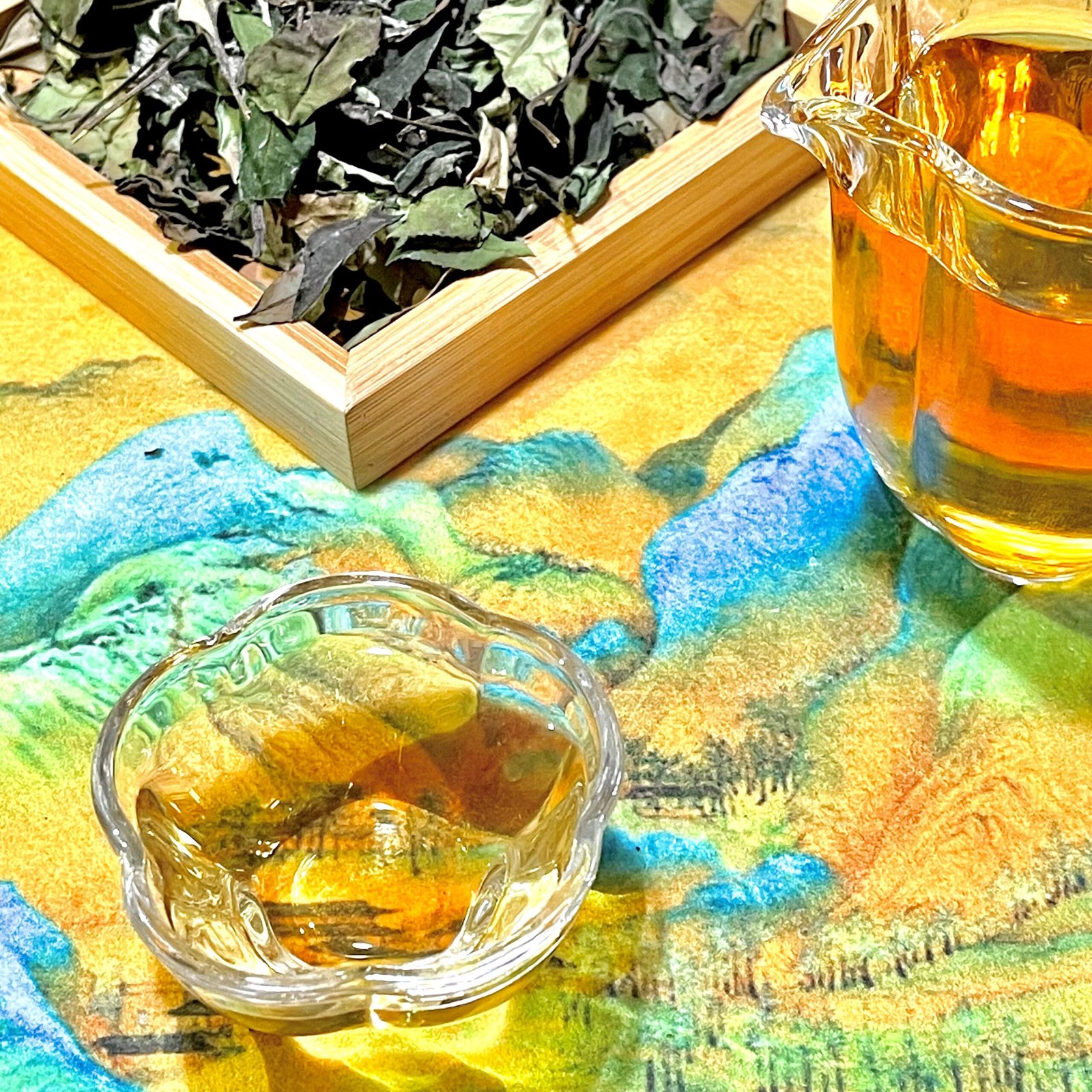
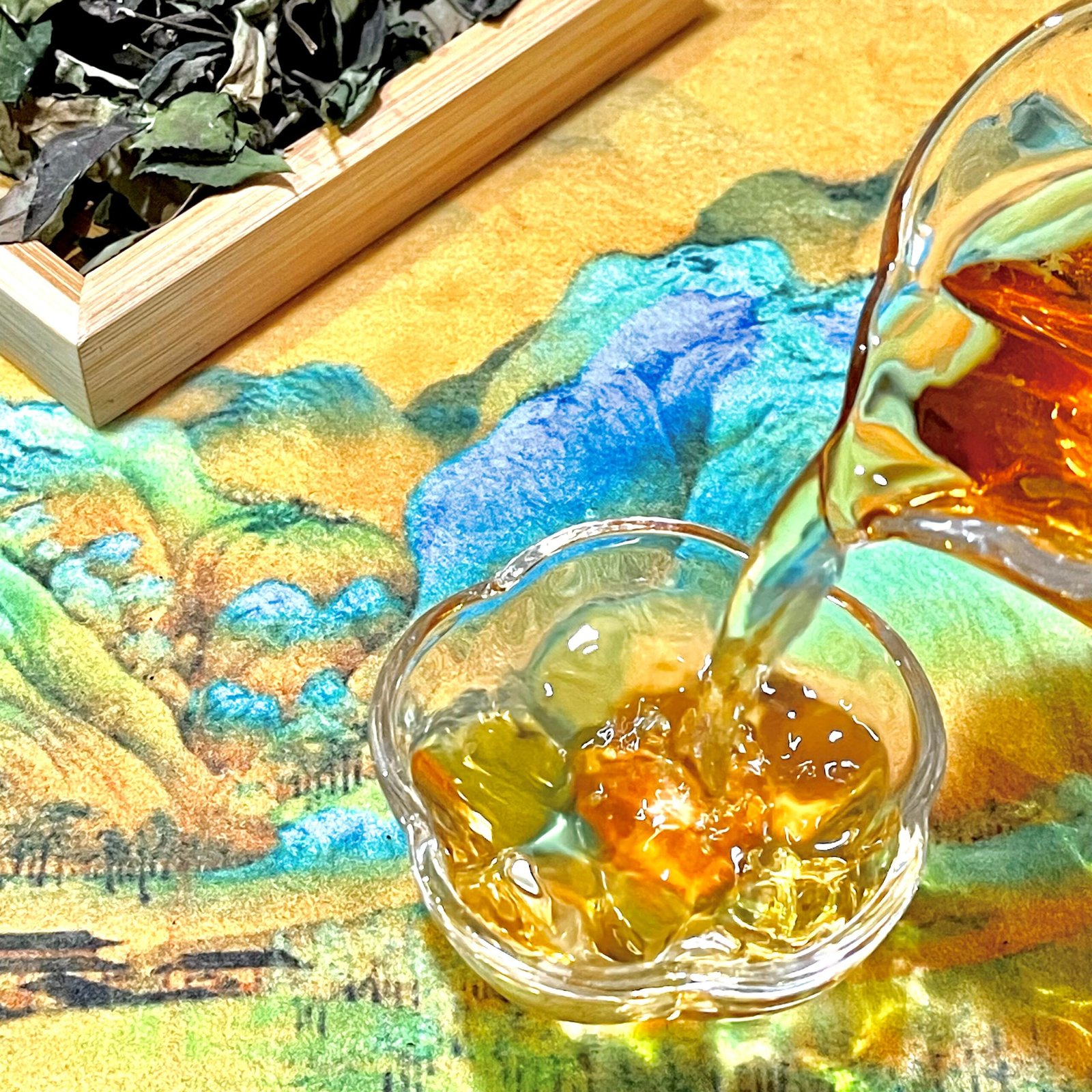
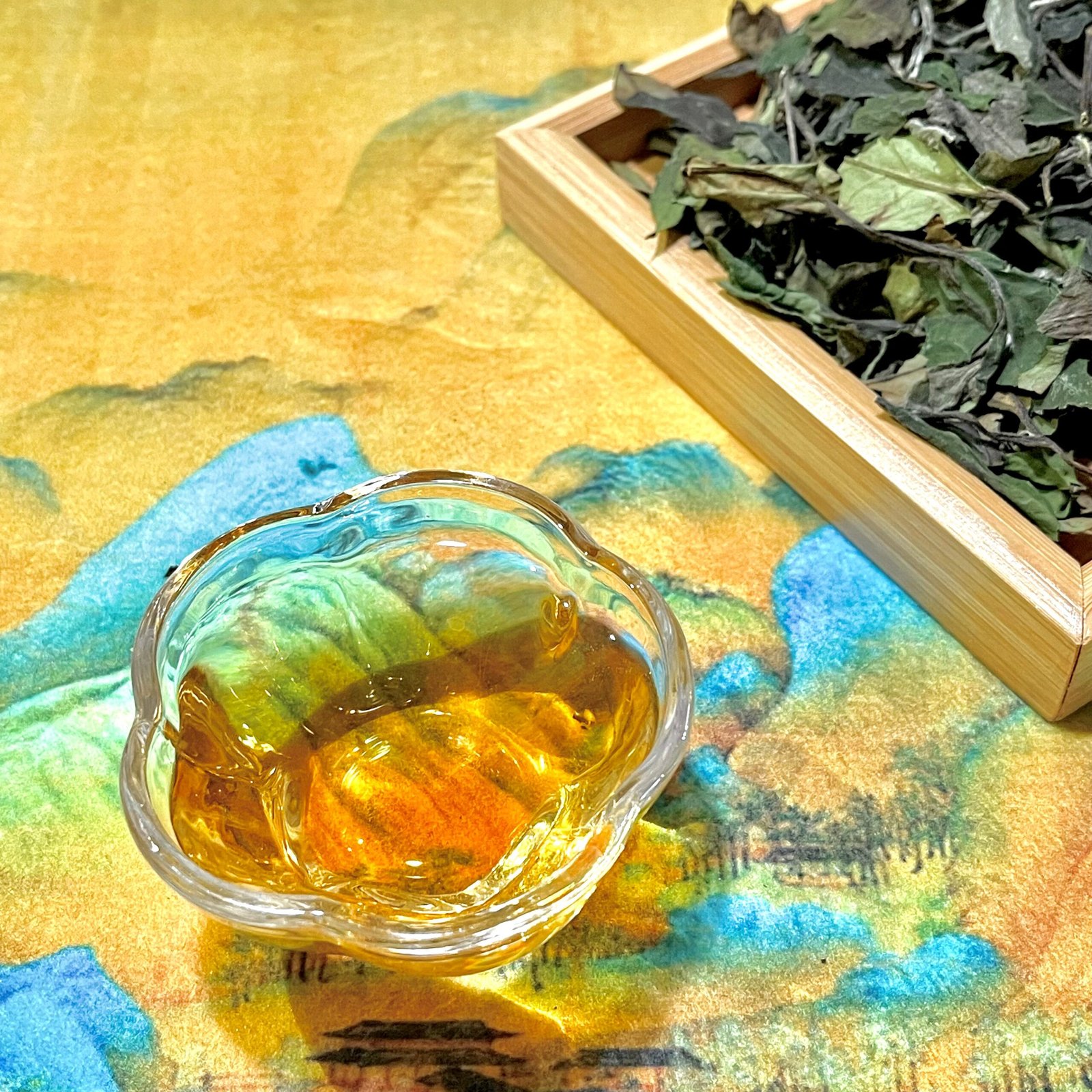
The liquor color is pale gold. Much lighter than green or oolong. If your cup looks brown, the water was too hot or you used too much leaf.
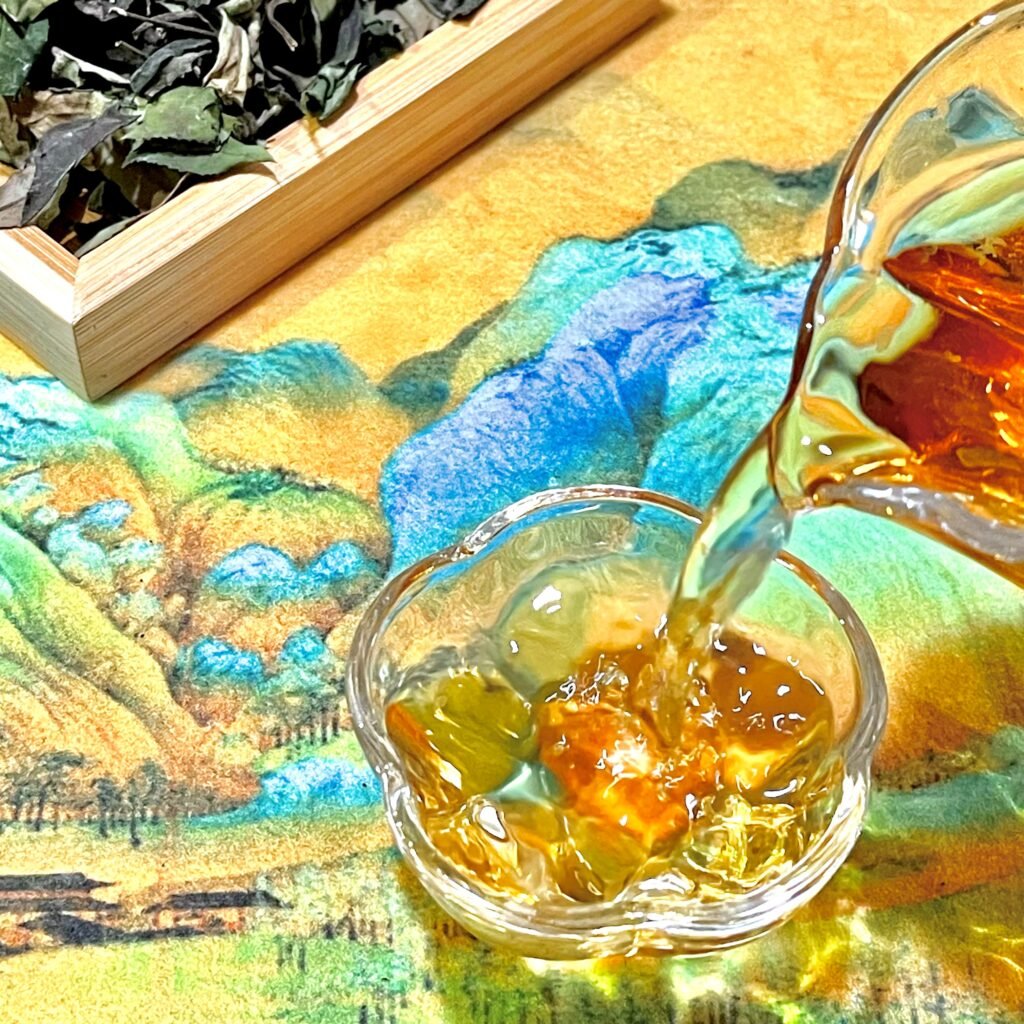
How Do You Brew Fuding Shou Mei White Tea at Home?
Shou Mei is forgiving, which is part of its appeal. You don’t need a fancy kettle. Here are three methods, ordered from easiest to most rewarding:
- Western style: 3g of leaves in 300ml of water at 185–195°F (85–90°C). Steep 3–4 minutes. Use this for your morning cup.
- Gongfu style: 5g per 110ml gaiwan, water at 195–205°F (90–96°C). First steep 10 seconds, add 5 seconds each round. Easily goes 8–10 steeps.
- Stovetop simmer: After your gongfu session, dump the spent leaves into a glass kettle with 500ml water. Simmer 10 minutes. You get a sweet jujube-flavored tea that works as a dessert drink.
The most common mistake is using boiling water. Boiling scorches the leaf and turns the cup bitter. If you don’t have a temperature-controlled kettle, just boil, then wait 2 minutes before pouring.
Is Shou Mei White Tea Good for Long-Term Aging?
Yes — and this is where Shou Mei pulls ahead of the more famous white teas. Yin Zhen and Bai Mu Dan are delicate. They peak in the first two years and fade fast. Shou Mei’s mature leaves carry more moisture and more compounds that transform slowly.
Properly stored Shou Mei becomes something different at year 5–7. The hay note fades. The apricot gets darker. A dried-fruit, almost raisin character comes forward. By year 10, the cup tastes closer to a light pu’erh than to a fresh white tea. According to a peer-reviewed study on white tea aging chemistry, the catechin profile shifts measurably over five years of storage.
Storage rules are simple:
- Keep it sealed but breathable — no airtight plastic long-term.
- Stay below 70% relative humidity.
- No sunlight, no kitchen odors.
- A clay jar or kraft bag in a closet works fine.
We compressed part of the 2026 Panxi lot into 357g cakes. Aged three years and re-brewed, the difference is night and day.
Shou Mei White Tea vs Bai Mu Dan vs Yin Zhen: Which Should You Buy?
The three main Fuding white teas confuse almost everyone at first. Here’s the plain version:
| Tea Type | Leaf Material | Flavor Profile | Price Range (50g) | Best For |
|---|---|---|---|---|
| Yin Zhen (Silver Needle) | Unopened buds only | Delicate, sweet, hay, melon | $25–$45 | Special occasions, light drinkers |
| Bai Mu Dan (White Peony) | One bud + two leaves | Floral, fresh, slightly fruity | $15–$28 | Daily drinkers who like lighter cups |
| Shou Mei (Longevity Eyebrow) | Mature leaves + scattered buds | Woody, honeyed, apricot, mineral | $8–$22 | Daily drinkers, aging collectors |
If you’re new to white tea, start with Bai Mu Dan. If you want something that tastes fuller now and rewards long aging, go with Shou Mei.
Where to Buy Authentic 2026 Fuding Panxi Shou Mei White Tea?
This is the hard part. “Fuding Shou Mei” on a label doesn’t always mean it came from Fuding. Some sellers blend leaves from neighboring counties and call them Fuding. The only reliable markers are:
- A clear harvest date (not just a “best by” date).
- The farm or village name, not just “Fuding.”
- Elevation or cultivar information disclosed.
The 2026 Panxi lot we tested is available as 50g loose leaf or 357g aging cake. Direct from our store. We import direct from the producer and verify every shipment by cupping before release.
Quick FAQ
How much caffeine is in Shou Mei white tea?
About 15–25mg per 8oz cup, depending on leaf grade and steep time. That’s roughly half the caffeine of a black tea and a third of a brewed coffee. Panxi-grown Shou Mei tends toward the lower end because mature leaves store less caffeine than buds. If you’re sensitive, brew shorter steeps and skip the gongfu method, which extracts more caffeine per session.
Is Shou Mei white tea good for beginners?
Yes — it’s the most forgiving of the three Fuding white teas. Silver needle demands precise temperature and timing. Shou Mei handles slightly off-temperature water and a longer steep without turning bitter. The flavor is also fuller and more approachable than delicate Yin Zhen. Most new white tea drinkers land on Shou Mei first and never leave.
How should I store Fuding Shou Mei white tea long-term?
Keep it in a cool, dark, dry spot below 70% humidity. Use breathable packaging — kraft bags, clay jars, or food-grade paper, not airtight plastic for long hauls. Avoid kitchens, where cooking odors penetrate loose leaf quickly. Loose leaf Shou Mei drinks best within 18 months. Compressed cakes age well for 10+ years if stored right.
What’s the difference between Fuding Shou Mei and generic Shou Mei?
Fuding Shou Mei comes from Fuding City in Fujian, the original and protected white tea region. Generic Shou Mei may come from neighboring counties in Fujian, Guangxi, or Yunnan, with different cultivars and climate. Fuding-grown tea has a distinct honeyed-apricot flavor and a softer mouthfeel. Geographic indication matters here — see the official Fuding White Tea GI certification standards for the precise criteria. Blended versions often taste grassy or thin by comparison.
Does Shou Mei white tea actually have health benefits?
Shou Mei contains catechins, polyphenols, and amino acids that have been studied for antioxidant and anti-inflammatory effects. The catch: most published research is on white tea extract, not brewed tea, and doses in studies are much higher than what you get from a cup. We don’t make health claims on this page for that reason. Per this PubMed review on white tea polyphenols, the strongest evidence is for general antioxidant activity, not specific disease prevention. Drink it because it tastes good, not because it’ll cure anything.
Can you re-brew Shou Mei white tea leaves multiple times?
Yes. Loose Shou Mei handles 6–10 steeps in gongfu style, depending on leaf quality. Compressed cakes go even further because the leaf breaks apart slowly under hot water. By the third or fourth steep, the flavor shifts from sweet-hay to deeper dried-fruit notes. After gongfu is done, simmer the spent leaves in 500ml of water for 10 minutes — you get a sweet jujube-flavored last cup that nothing else replicates.
What’s the best water temperature for Shou Mei white tea?
195°F (90°C) is the sweet spot. Lower than 185°F and the leaf doesn’t open fully. Higher than 205°F and you start extracting bitter compounds. Spring water beats filtered tap — the mineral content carries flavor better. If you don’t have a temperature kettle, boil then wait 2 minutes before pouring.
Should I drink Shou Mei white tea fresh or aged it first?
Both work, but they taste like different teas. Fresh 2026 Panxi Shou Mei is light, honeyed, and slightly floral. After 3 years of proper storage, the same cake drinks darker and woodier, with raisin and dried-date notes. After 7+ years, it starts resembling a light aged pu’erh. Buy one 50g pack to drink now and one 357g cake to forget in a closet — that’s the move.
Additional information
| gram | 50g, 100g, 200g, 500g |
|---|
Related products
-

Shou Mei Dragon Pearl | 12 Year Dry-Aged | Perfect Rare Vintage
Price range: $16.90 through $69.90Select options This product has multiple variants. The options may be chosen on the product page -
High Mountain Black tea | 2026 Spring Premium Wild Xiao Cai Cha
Price range: $19.90 through $93.90Select options This product has multiple variants. The options may be chosen on the product page -
Dongting Biluochun Green Tea | 2026 Extraordinary Authentic Snail Spring Loose Leaf
Price range: $19.90 through $85.90Select options This product has multiple variants. The options may be chosen on the product page -
Jin Mu Dan | 2025 Shouning Floral Loose Leaf Oolong Tea
Price range: $9.90 through $46.90Select options This product has multiple variants. The options may be chosen on the product page
Reviews
There are no reviews yet.