2026 Liuxiangjian, Wuyishan Zhengyan Rougui Rock Tea
Price range: $49.90 through $129.90
2026 Liuxiangjian Zhengyan Rougui rock tea from Wuyishan, Fujian. Wild orchid, cassia and honey sweetness with a long, cooling mineral finish.
Description
Wuyi Mountain Core Terroir · Liuxiangjian Rougui Wuyi Oolong Tea
Why Doesn’t All Wuyi Oolong Tea Taste the Same?
If you’ve ever tried tea sold as Wuyi Rock Tea and felt the flavor fell short, you’re not alone.
The reason is simple: origin is everything.
True Wuyi Rock Tea gets its iconic flavor from the unique terroir of the Wuyi Mountains. However, teas from other regions are often processed in a similar style and sold under the same name, leaving buyers guessing what they’re actually drinking.
With MinteaShop, you don’t have to take origin on faith.
We own our tea gardens and processing facility in the heart of the Wuyi Mountains, managing quality from leaf to cup. By skipping flashy packaging and excess cost, we focus entirely on what matters most: the quality of the tea inside.
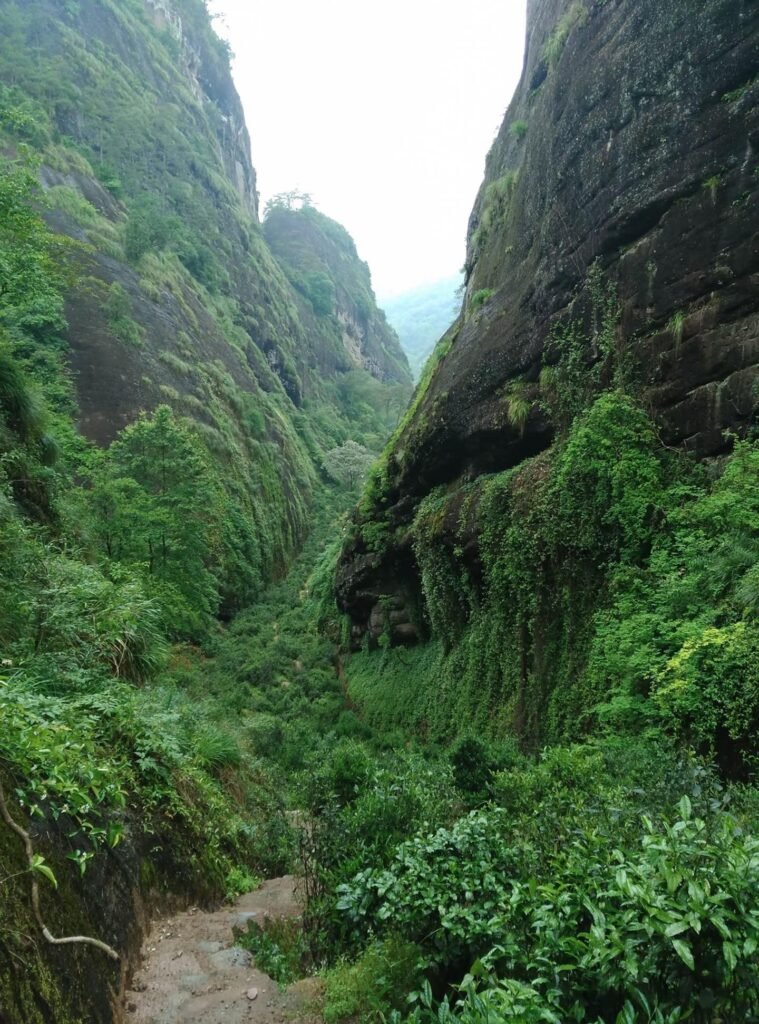
Tucked into a shaded cleft of the Wuyi range, this Liuxiangjian micro-lot grows on mossy cliff walls in the Zhengyan core zone. The cool, humid conditions slow leaf growth. That means smaller harvests but far richer flavor.
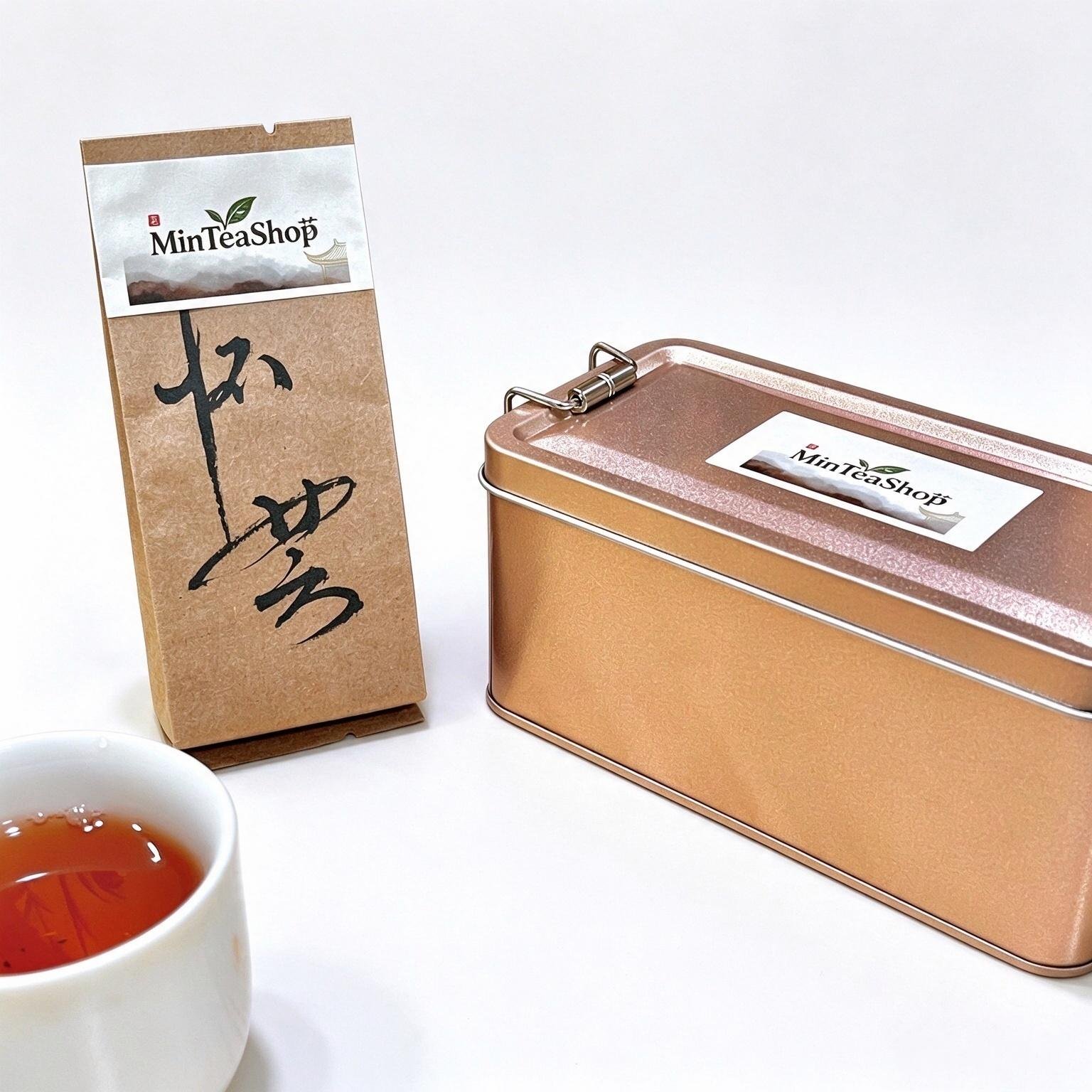
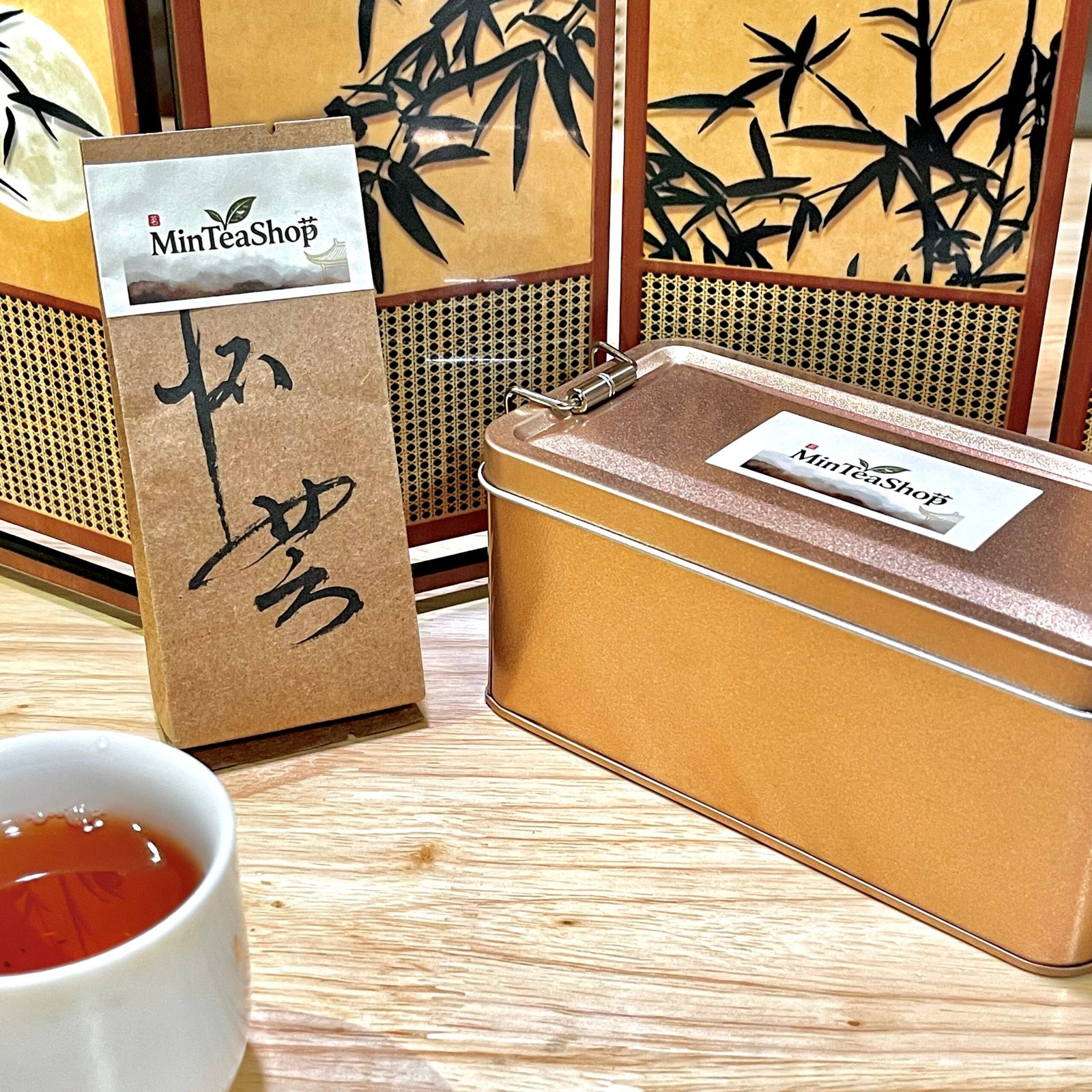
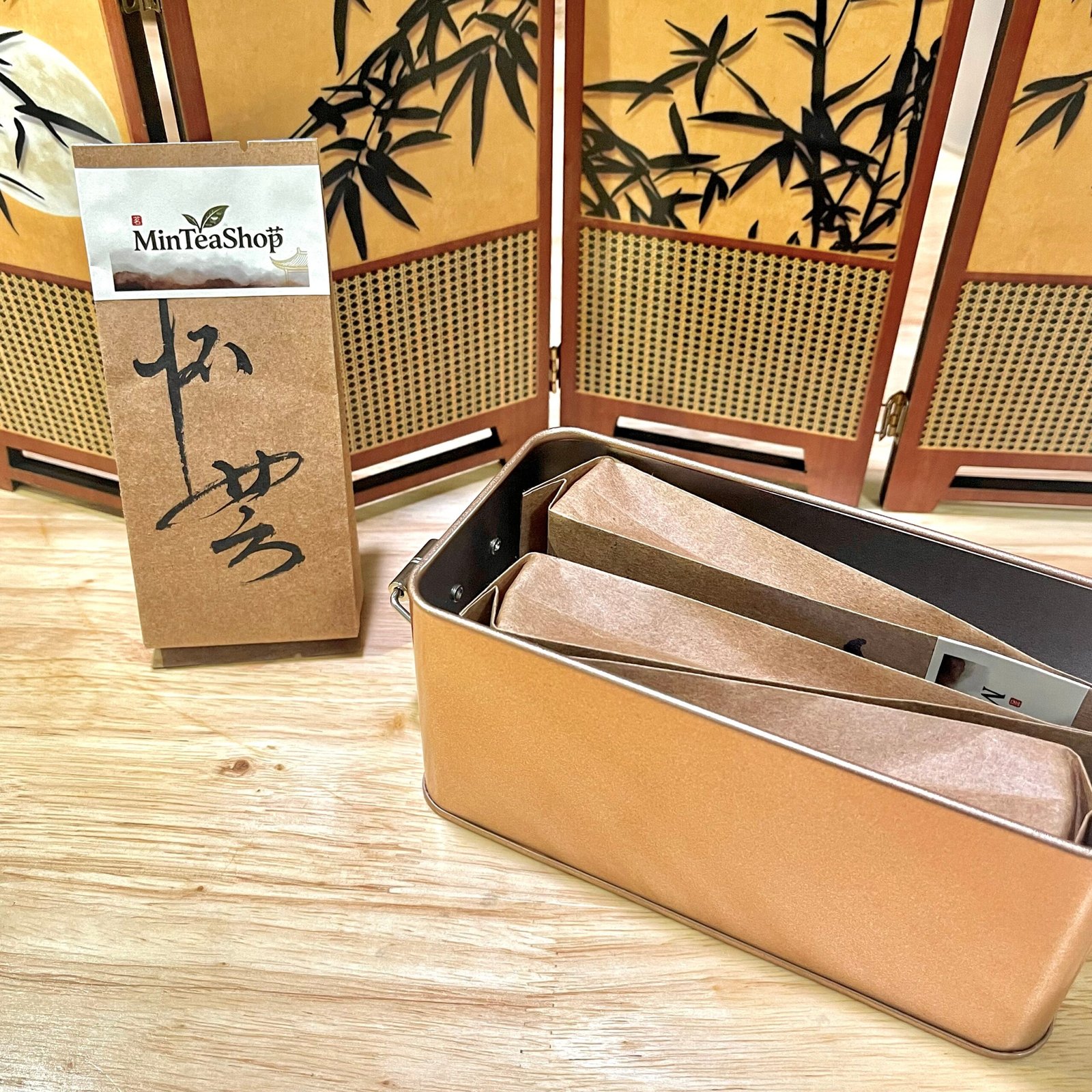
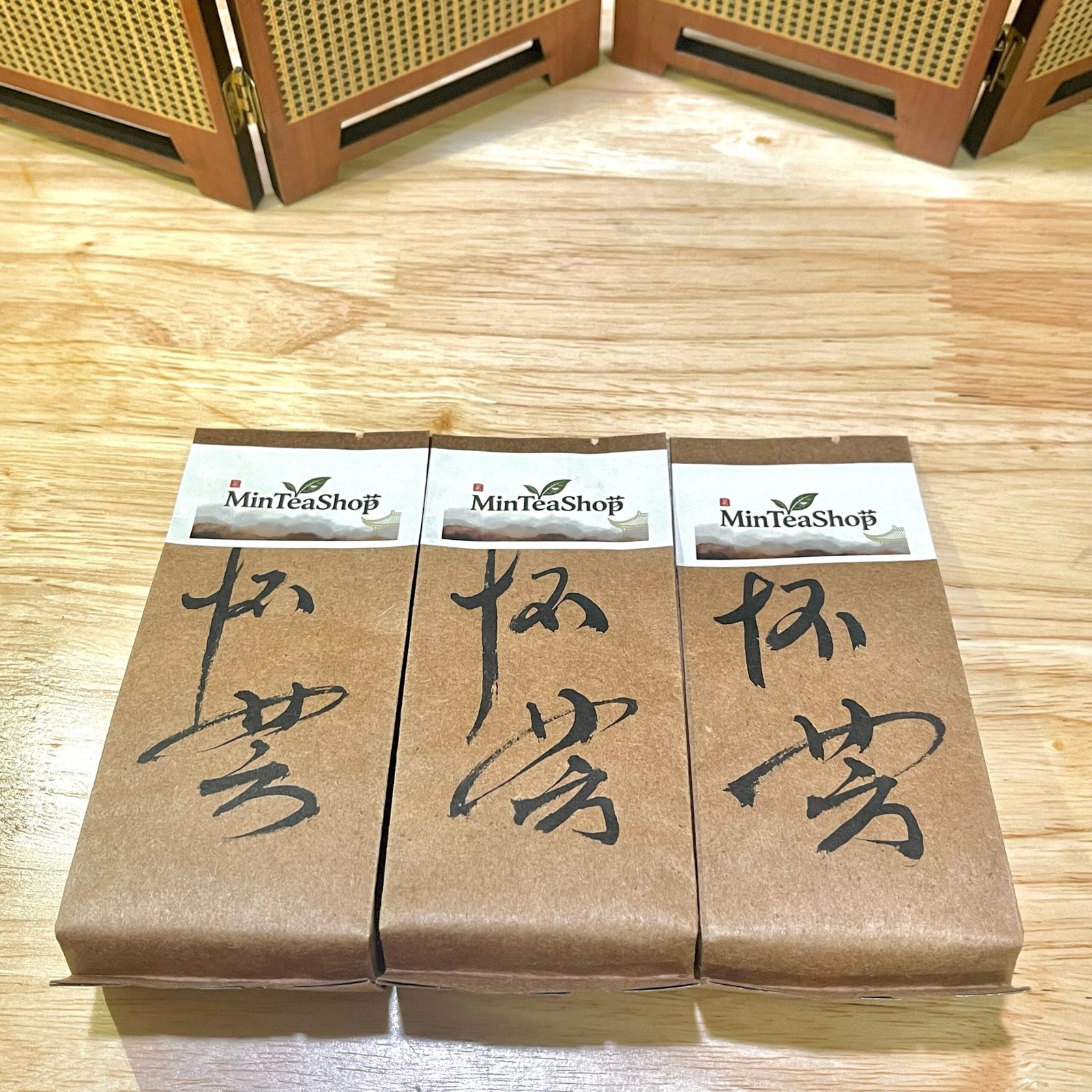
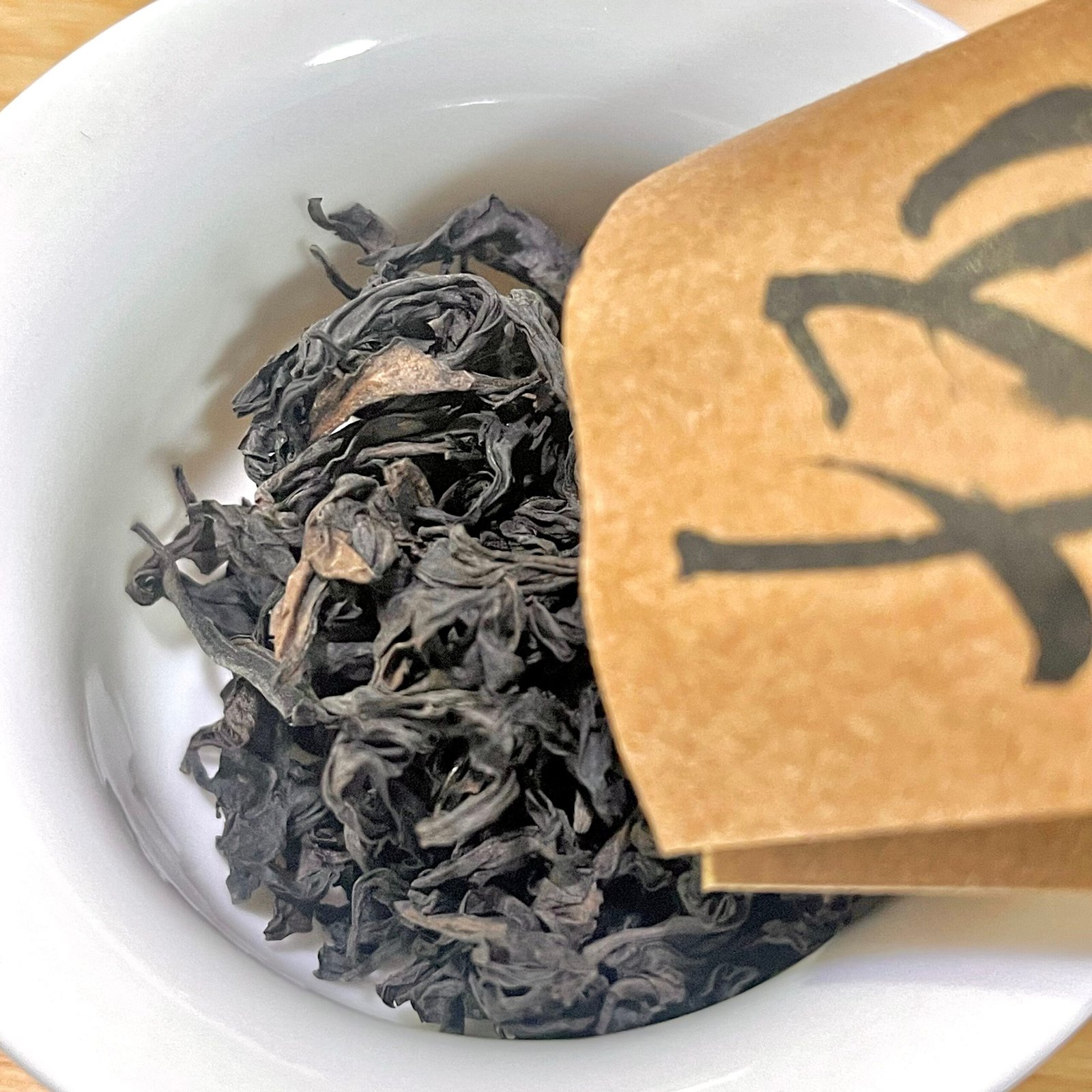
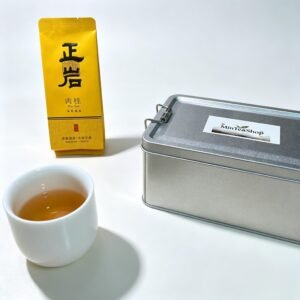
Harvested in Spring 2026, this rock-grown cinnamon cultivar delivers the real spice drive that yancha collectors chase for years. Each 8.5g pouch features the characters “Huai Fang” (怀芳 — “Cherishing Fragrance”) brushed by hand. Every parcel becomes a small piece of art.
What is Zhengyan Cliff Tea and Why Does Liuxiangjian Qualify?
The Wuyi Mountains earned UNESCO World Heritage status in 1999 for their unique geology and biodiversity. Within this protected zone, only certain areas qualify as “Zhengyan” (正岩) — the strictest designation for rock tea.
Liuxiangjian sits inside this core zone. Its narrow valley walls block direct sunlight. Damp moss clings to the sandstone cliffs. These conditions create what tea experts call a “micro-terroir” — a tiny area with its own climate and soil signature.
Batch #LF-2026-S04-A comes from this specific micro-terroir. When I cupped this lot last month, the mineral backbone stood out immediately. That’s the “yan yun” — the stony, rocky feel that defines great cliff tea.
How Does Liuxiangjian Rougui Differ from Standard Cliff Tea?
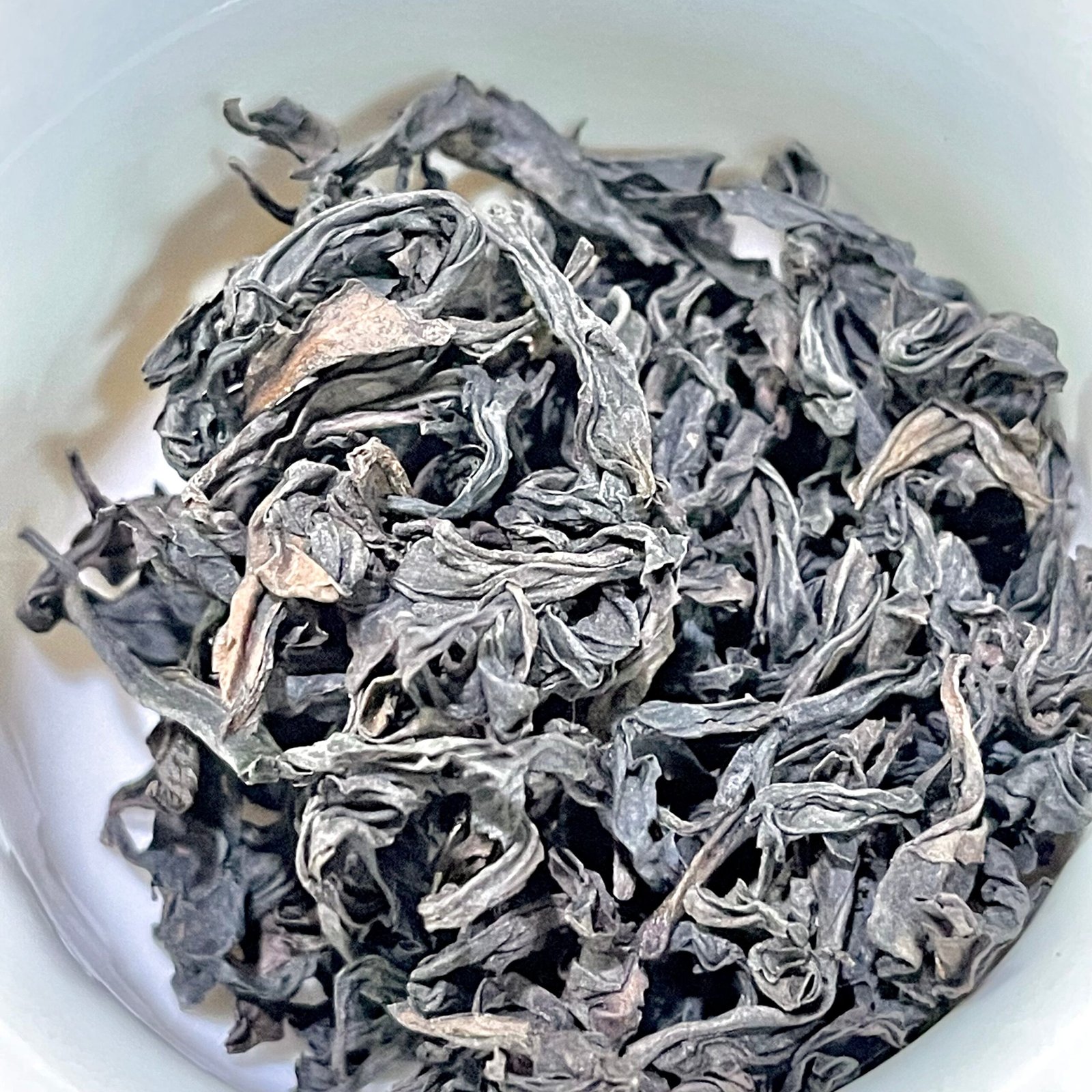
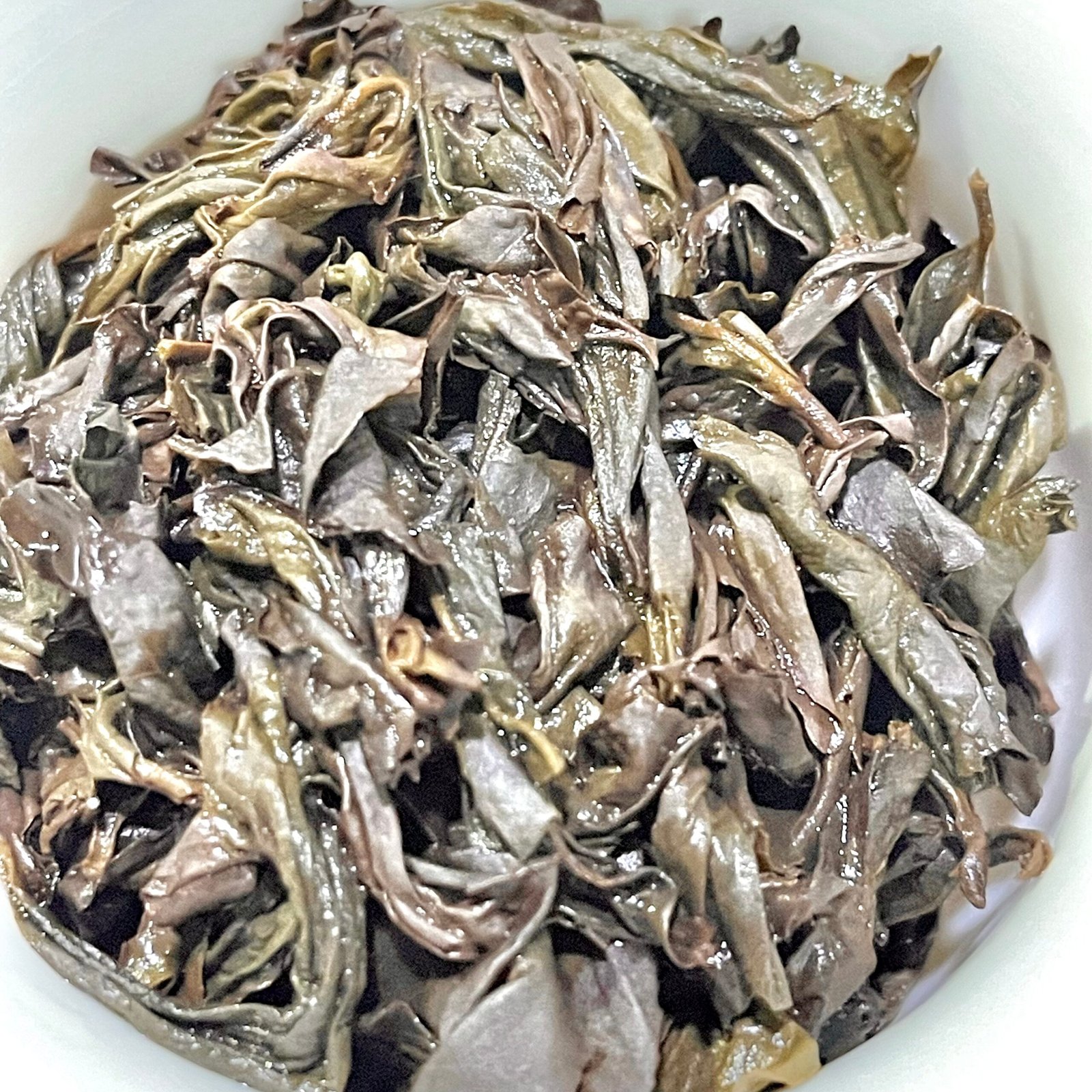
This cultivar — Liuxiangjian Rougui — is a cinnamon-scented variety unique to the Wuyi zone. Local farmers have cultivated it for generations. The leaves produce a distinctive cassia aroma when steeped.
Standard regional harvests come from broader zones. They offer good flavor but lack the concentrated mineral depth found in strictly protected micro-terroirs.
The difference shows in the cup. Our lot has a softer tannic edge and a longer-lasting orchid-cinnamon aftertaste. You’ll notice it in the empty cup — the fragrance lingers.
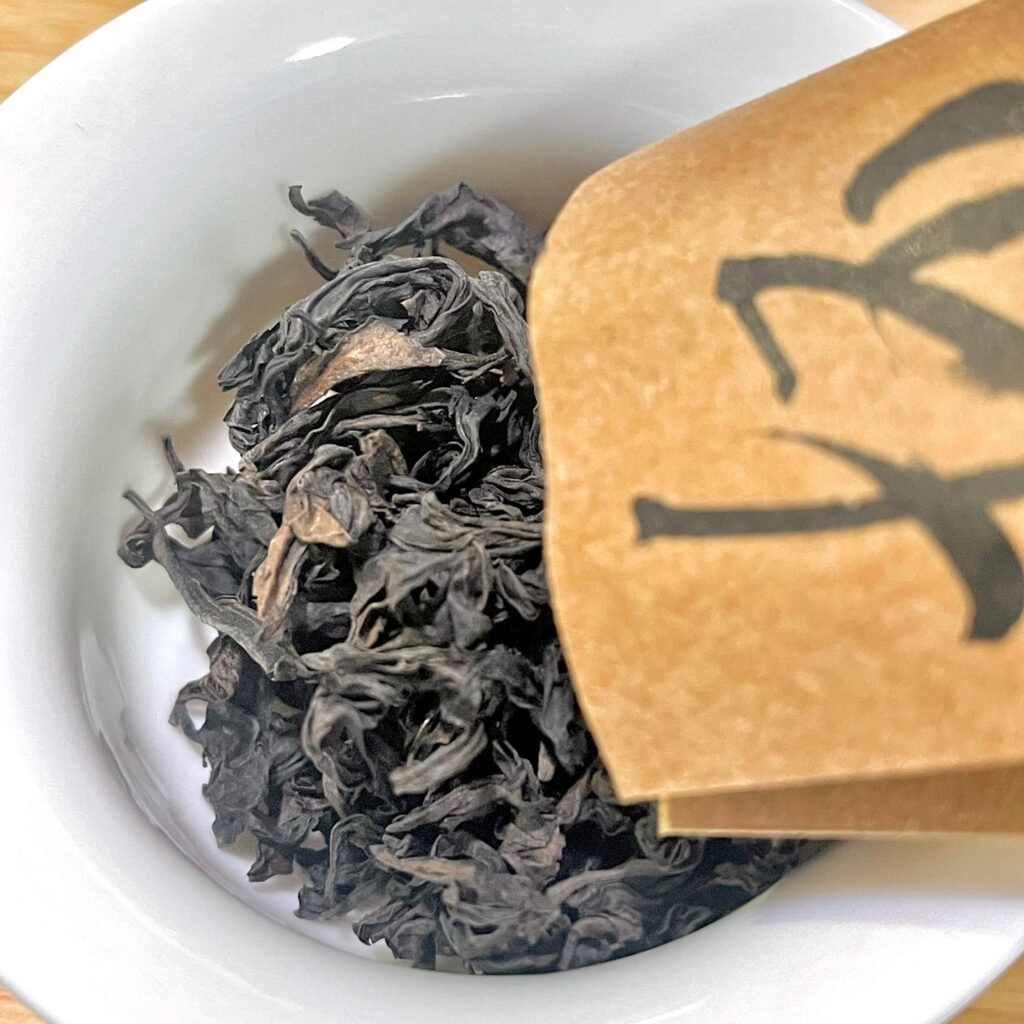
What Does the Sensory Journey Look Like?
Hot water hits the leaves. Wild orchid and cinnamon come through fast.
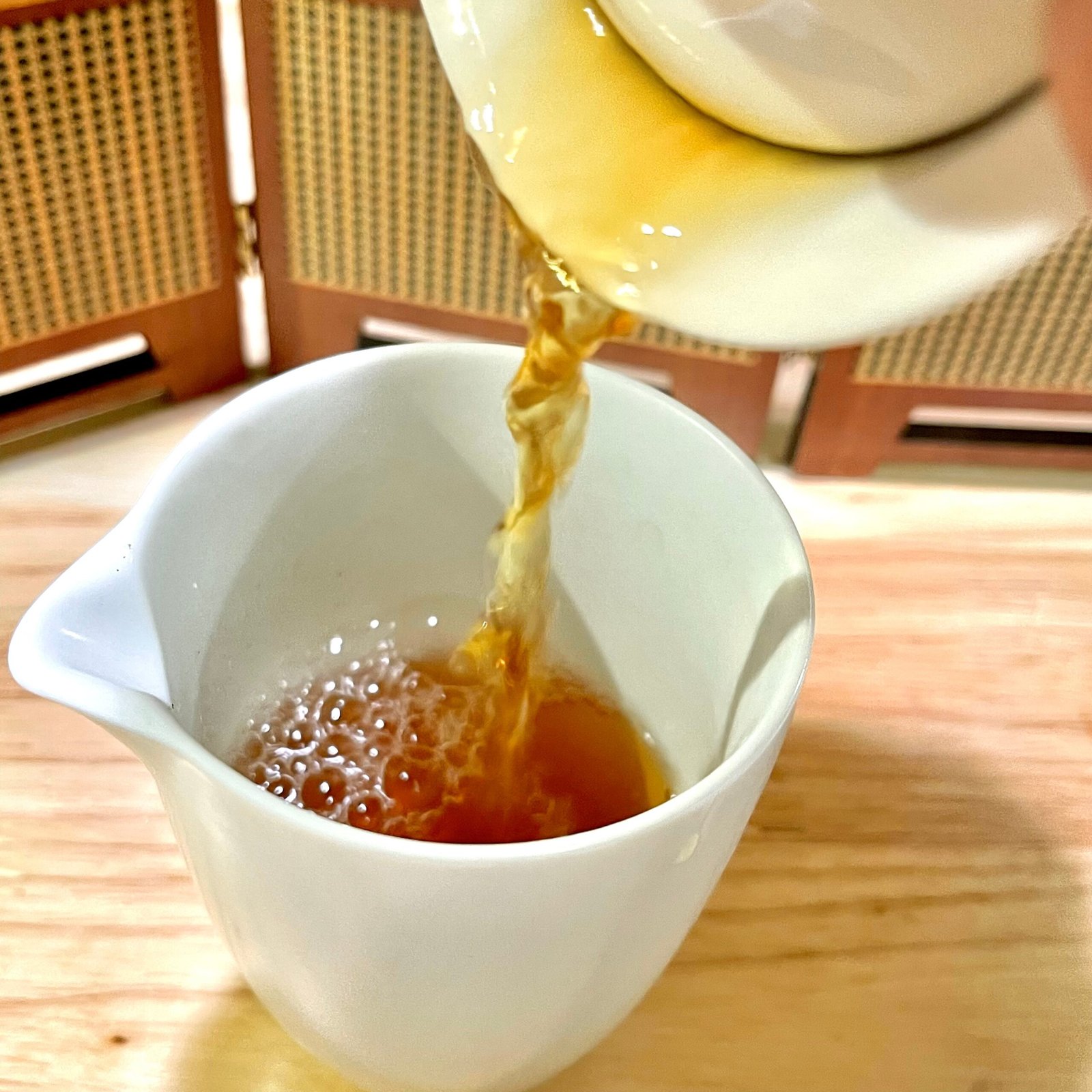
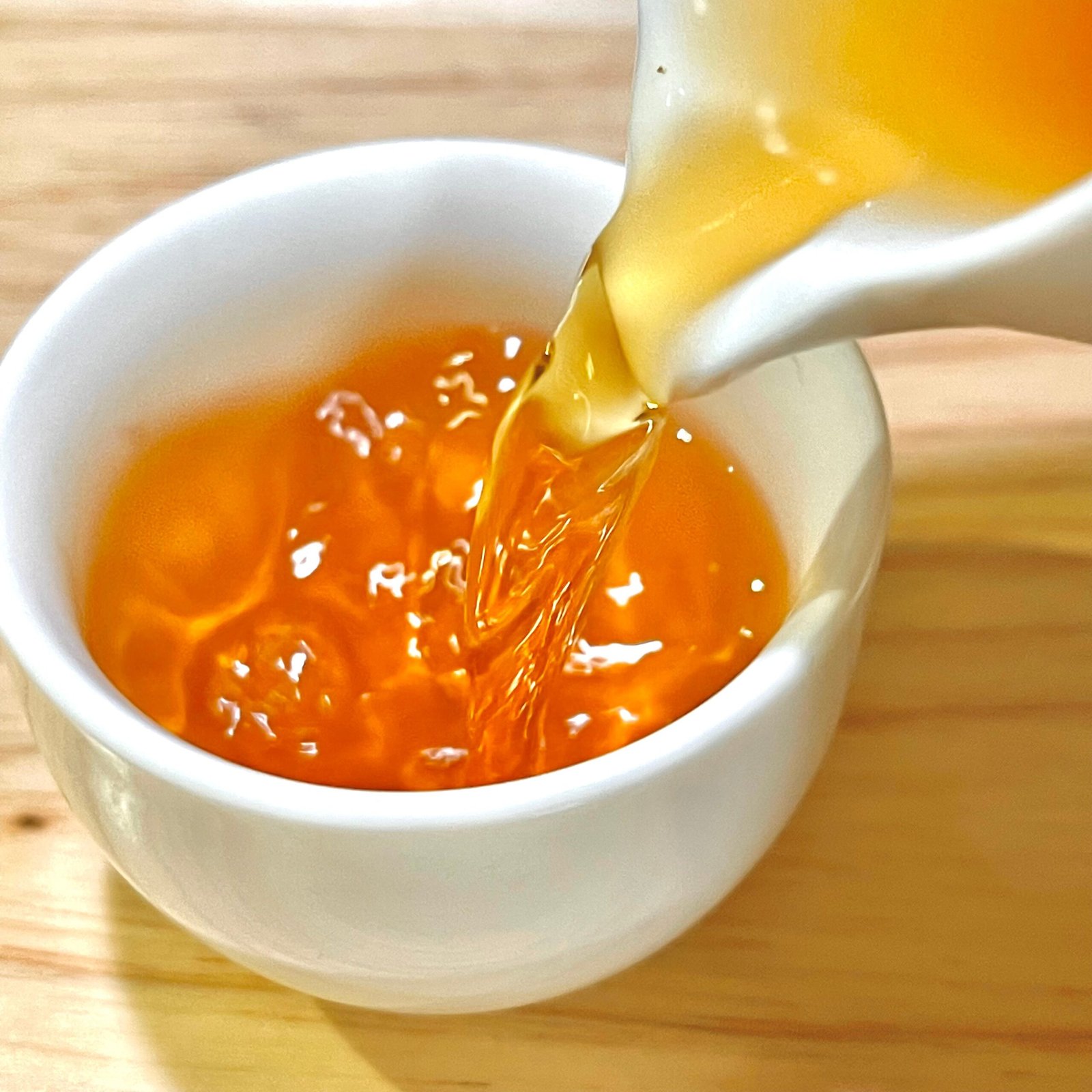
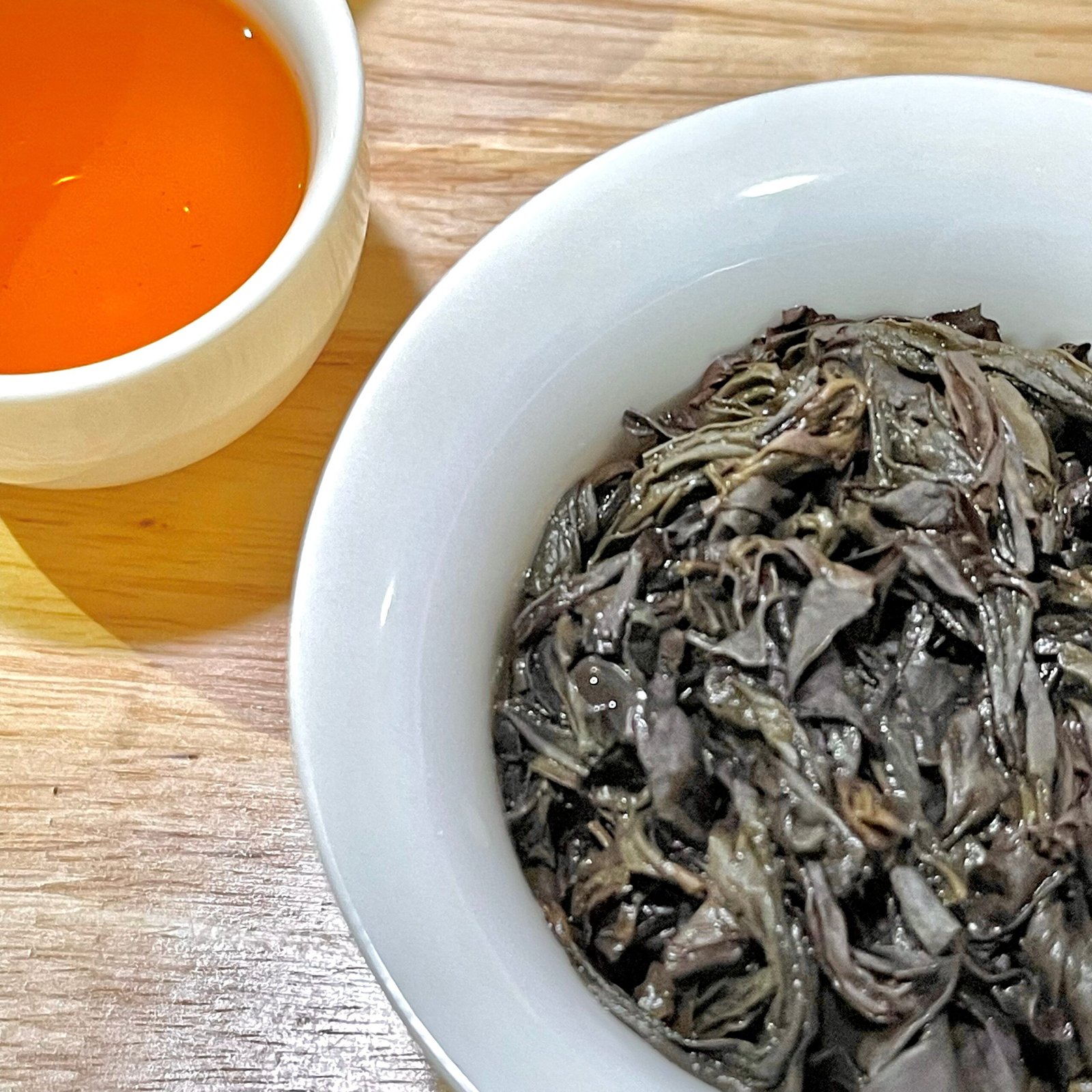
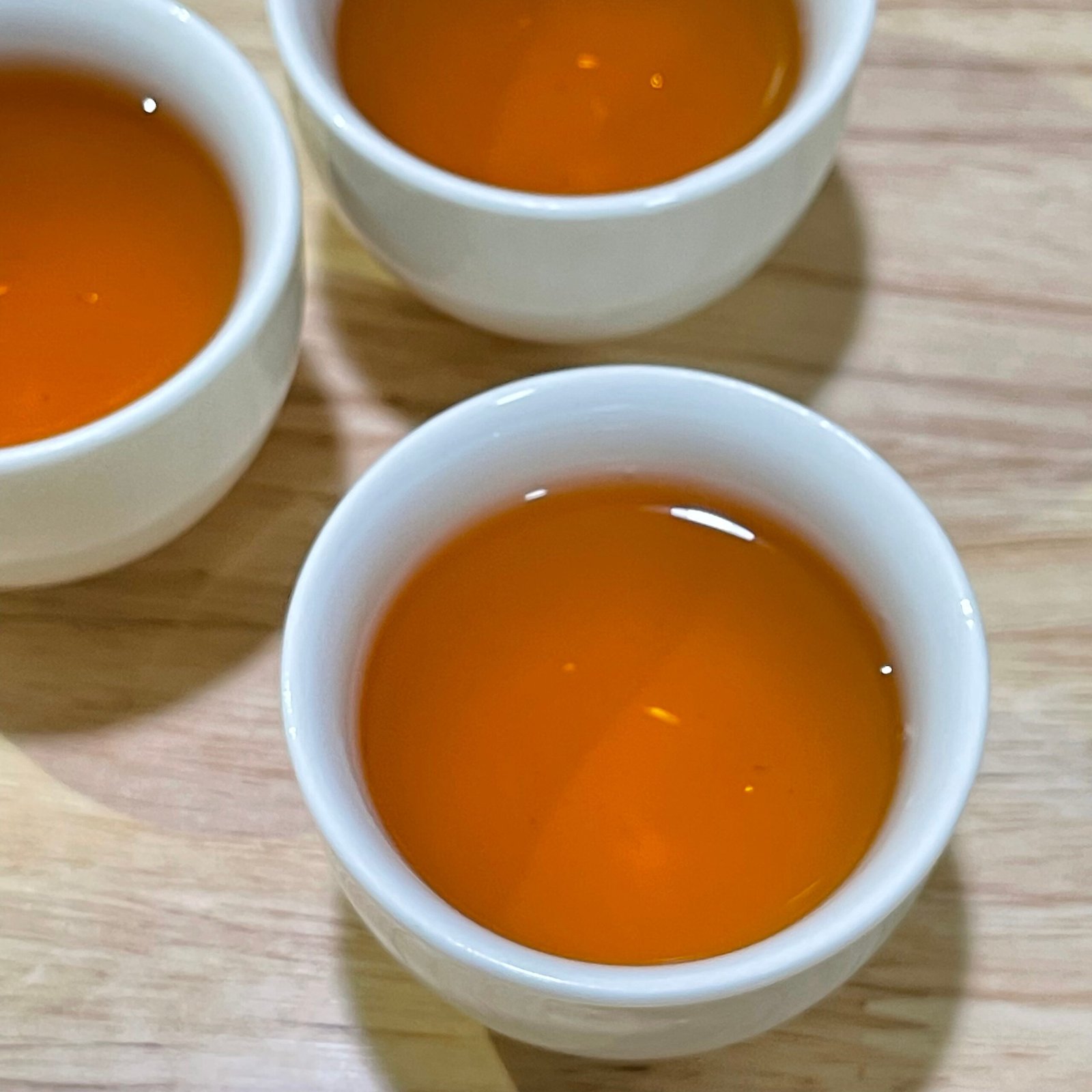
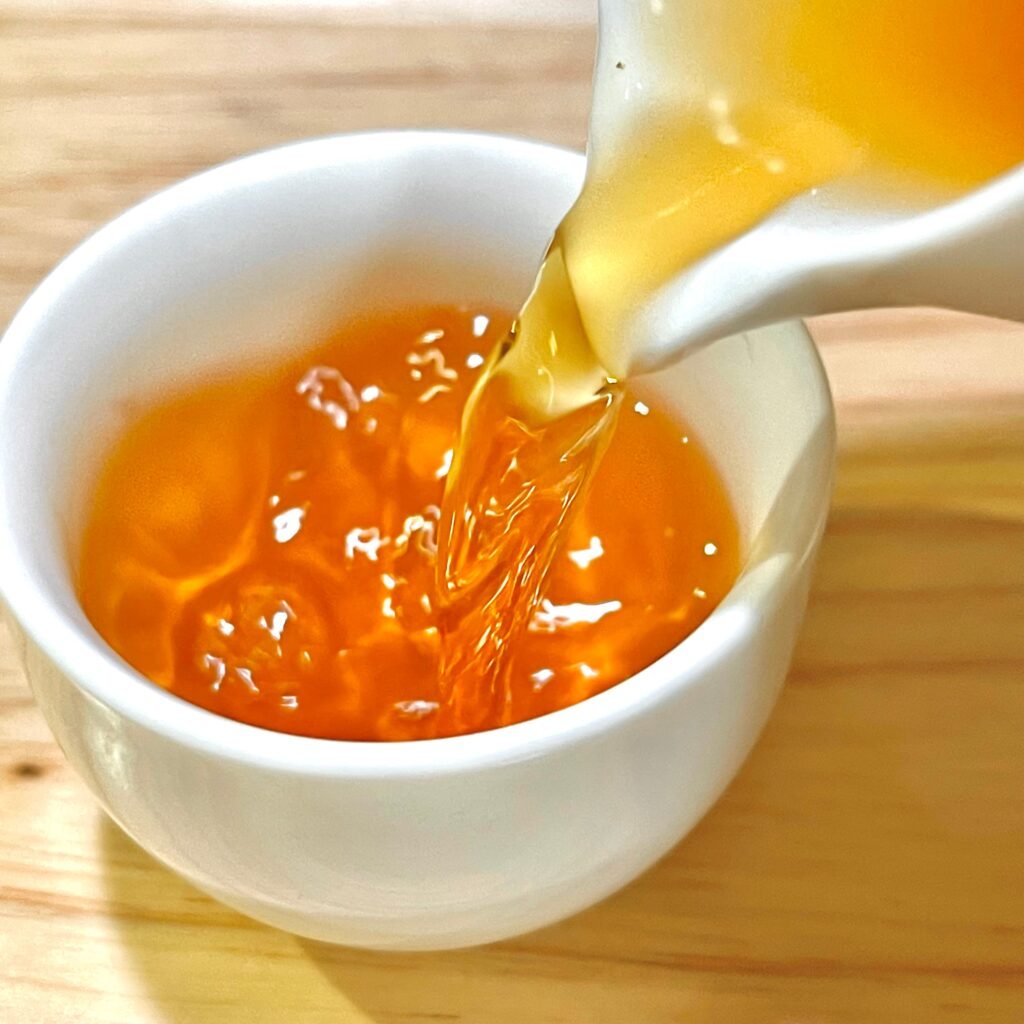
The liquor flows translucent orange-red with a golden halo. First impressions hit the front palate — bold but not harsh.
With each subsequent steep, the flavor evolves:
- Steeps 1–3: Bright orchid over warm cassia spice
- Steeps 4–6: Mineral depth builds, the “rock rhyme” emerges
- Steeps 7–9: Honey sweetness rises through the finish
- Steeps 10–12: Delicate floral memory fades slowly
A sweet note rises and lingers in the throat. The aftertaste can stretch past five minutes with good technique.
Why Is Triple Charcoal Roasting Important?
Roasters applied three rounds of charcoal heat over several months. The process softens the leaf’s sharper edges. It also builds deep warmth into the tea.
Traditional charcoal roasting is slow, deliberate work. Each session requires constant attention. Temperature too high? The leaves burn. Too low? The flavor stays flat.
The “triple roast” method adds complexity. First round sets the base character. Second round integrates the minerals. Third round polishes the finish.
This harvest spent months in the kiln. The result feels integrated rather than imposed. The roast complements the terroir rather than overwhelming it.
How Should You Brew Liuxiangjian Rougui for the First Time?
Use a porcelain gaiwan or a small Yixing clay pot. Both work well. The gaiwan shows the liquor color best. The Yixing clay adds a touch of roundness over multiple sessions.
Water temperature: Just off boil (95–98°C / 203–208°F)
Leaf quantity: 8.5g per 100ml vessel
After ruining my first 8g of this tea with boiling water and a 30-second steep (it tasted like flat cardboard), I switched to a proper gongfu setup. Here is the method that finally worked:- Use 8g of dry leaf in a 110ml gaiwan (about 70% full)
- Water temperature: 212°F (100°C), full boil
- First rinse: 3 seconds, discard — this wakes the leaf
- Steeps 1–3: 10 seconds each
- Steeps 4–7: 15–20 seconds each
- Steeps 8+: Add 10 seconds per infusion
- Pour every drop into a side pitcher to prevent over-steeping
Infusion Progression
For the first three steeps, pour immediately after adding water. Don’t wait. The leaf unfurls fast. Later steeps reward patience — add 5–10 seconds per round.
What Does “Huai Fang” Calligraphy Mean?
Huai Fang (怀芳) means “Cherishing Fragrance.” Our master artisan brushes each character by hand on the individual pouch. The ink work varies slightly between pouches. No two parcels look exactly alike.
This tradition connects modern tea culture to classical Chinese calligraphy. The character 怀 (huái) conveys remembrance and appreciation. 芳 (fāng) refers to fragrance — both of flowers and of fine tea.
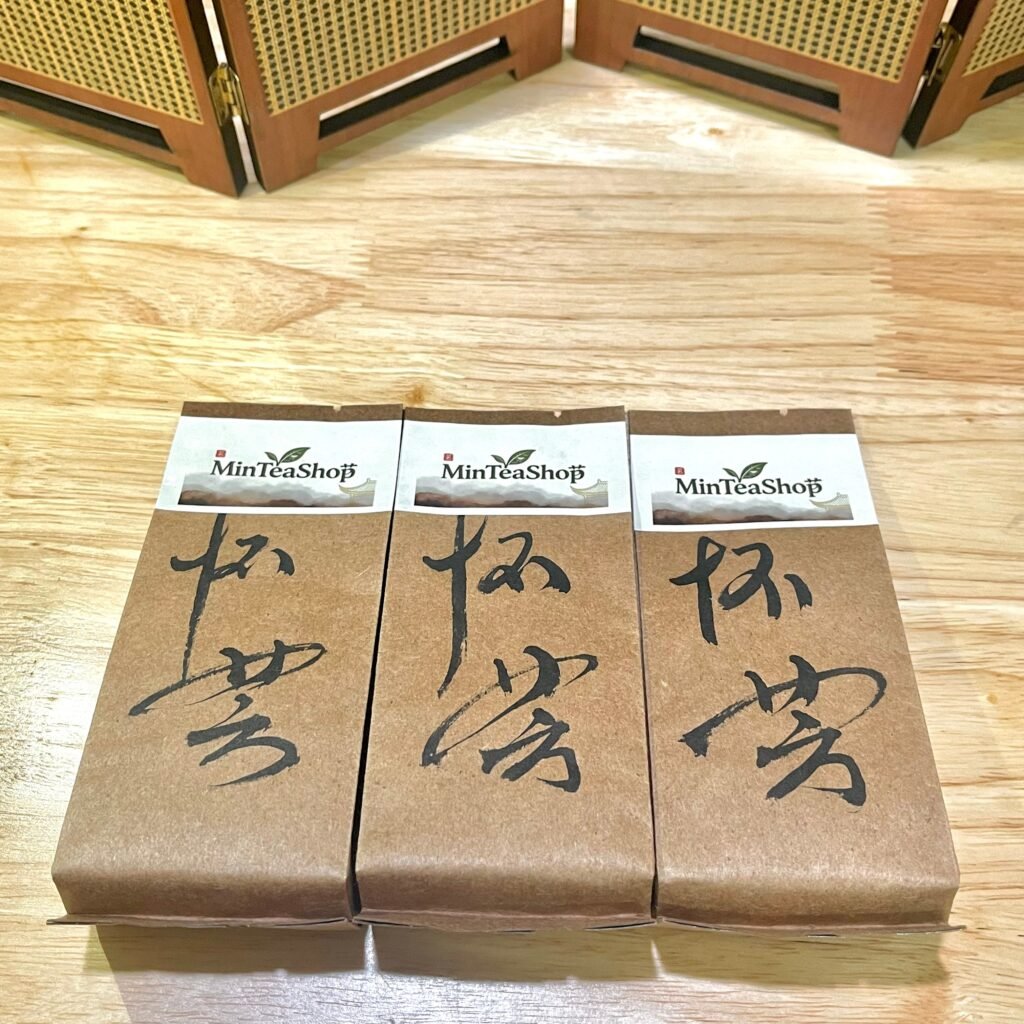
The pouch itself serves double duty: storage vessel and decorative object. Keep one after brewing. Display it if you wish.
Is This Tea Suitable for Someone New to Cliff Tea?
Yes, with one caveat.
If you enjoy dark oolong or aged tea, you’ll appreciate this one right away. The mineral and charcoal notes feel bold but balanced.
If you usually prefer light green tea, the intensity may surprise you. That’s not a flaw — it’s the character of properly roasted rock tea. Start with shorter steeps. Let your palate adjust.
For beginners exploring this category, we recommend pairing this with our beginner’s guide to yancha. It covers terminology, technique, and what to expect from your first session.
How Many Infusions Can You Get from One 8.5g Pouch?
With proper gongfu technique, expect 10 to 12 satisfying infusions.
The first three steeps flash fast — 10 to 15 seconds. They establish the baseline flavor. Middle steeps (4–9) build complexity and depth. Later steeps shift into translucent honey sweetness with floral notes.
Some drinkers push to 15+ infusions with extended steeping times. The leaf holds up well. Quality rock tea should reward patience.
Where Should You Store an Opened Pouch?
Reseal the nitrogen-flushed pouch or transfer the leaf into an airtight tin. Keep it away from sunlight, strong spices, and moisture.
Ideal storage:
- Cool room temperature (18–24°C / 64–75°F)
- Low humidity (below 60% relative humidity)
- No direct light
- Airtight container
Stored properly, the leaf holds its roast character for 12–18 months. Extended storage can mellow the roast further — some drinkers prefer aged rock tea.
How Does Spring 2026 Compare to Previous Harvests?
Each harvest year differs based on weather, rainfall, and spring temperatures. Spring 2026 brought moderate rain and cool nights to the Wuyi zone. These conditions typically produce brighter aromatics and cleaner mineral profiles.
The 2025 harvest ran warmer. That lot showed more roasted depth but slightly less floral lift. The 2026 lot strikes a balance — both aromatic and grounded.
If you’ve tried our previous Liuxiangjian releases, expect similar terroir signatures but with refined proportions.
Product Specifications
This product contains caffeine. Not recommended for caffeine-sensitive individuals or during pregnancy. Store in a cool, dry place.
Perfect For
- Serious collectors seeking Zhengyan micro-terroir lots
- Gongfu brewing enthusiasts exploring multiple infusions
- Gift-giving with artistic calligraphy packaging
- Tea professionals studying roast technique and terroir expression
Frequently Asked Questions
How does Liuxiangjian Rougui differ from standard Wuyi Rougui?
Liuxiangjian sits inside the strictly protected Zhengyan core zone. Its cool, humid microclimate yields smaller leaf volumes with far higher aromatic concentration. The result is a softer tannic edge and a distinctive orchid-cinnamon aftertaste you don’t get from broader regional harvests.
Is this tea suitable for someone new to Wuyi Yancha?
Yes, with one caveat. If you enjoy dark oolong or aged tea, you’ll appreciate this one right away. The mineral and charcoal notes feel bold but balanced. If you usually prefer light green tea, the intensity may surprise you — but that’s the character of properly roasted rock tea. Start with shorter steeps.
What does “Huai Fang” calligraphy mean?
Huai Fang (怀芳) means “Cherishing Fragrance.” Our master artisan brushes each character by hand on the individual pouch. No two parcels look exactly alike. The tradition connects modern tea culture to classical Chinese calligraphy.
How many infusions can I get from one 8.5g pouch?
With proper gongfu technique, expect 10 to 12 satisfying infusions. The first three steeps flash fast. Middle steeps (4–9) build complexity. Later steeps shift into translucent honey sweetness with floral notes.
Is Liuxiangjian Rougui safe to drink every day?
This tea contains moderate caffeine (40–60mg per steep). For most adults, one to three daily sessions is perfectly safe. If you are caffeine-sensitive, pregnant, or have specific health concerns, consult your physician first.
Where should I store an opened pouch?
Reseal the nitrogen-flushed pouch or transfer the leaf into an airtight tin. Keep it away from sunlight, strong spices, and moisture. Ideal temperature: 18–24°C. Stored properly, the leaf holds its roast character for 12–18 months.
How does Spring 2026 compare to previous harvests?
Spring 2026 brought moderate rain and cool nights to the Wuyi zone. These conditions typically produce brighter aromatics and cleaner mineral profiles than warmer years. The 2026 lot strikes a balance — both aromatic and grounded.
Can I use a regular teapot instead of a gaiwan?
Yes, but results vary. A small Yixing clay pot (under 150ml) works well and adds roundness over multiple sessions. Avoid large western-style teapots — they dilute the flavor too quickly for this type of tea.
A Final Note
Whether you’re a seasoned tea drinker or just starting out, every order includes a free bonus: a sample of our everyday Wuyi Tea, alongside an extra variety sample to explore.
Pure, clean, and delicious, this is our go-to for daily sipping. But why include it?
For Experienced Tea Lovers: You might quickly realize that what other vendors market as “premium” is simply our everyday baseline. We cut the markup—never the quality.
For Beginners: It gives you a reliable reference point. Tasting it side-by-side with your main order lets you instantly recognize authentic Wuyi Rock Tea notes, so you’ll never overpay again.
More Wuyi rock tea to explore: Mazhenfeng Zhengyan Rougui · Xiao Niu Rou Zhengyan Rougui · Yanzi Ke Zhengyan Rougui · all rock tea
Additional information
| size | 1 Packs (0.3 oz), 2 Packs (0.6 oz), 3 Packs (0.9 oz) |
|---|
Related products
-

2026 Mituoyan, Wuyishan Zhengyan Da Hong Pao “Big Red Robe” Rock Tea
Price range: $23.90 through $299.90Select options This product has multiple variants. The options may be chosen on the product page -
2026 Yezhuke, Wuyishan Zhengyan Rougui Rock Tea
Price range: $9.90 through $139.90Select options This product has multiple variants. The options may be chosen on the product page -
2026 Wuyishan Zhengyan Rougui Rock Tea
Price range: $9.90 through $106.90Select options This product has multiple variants. The options may be chosen on the product page -
2026 Wuyishan High Mountain Da Hong Pao “Big Red Robe” Rock Tea
Price range: $9.90 through $106.90Select options This product has multiple variants. The options may be chosen on the product page
Reviews
There are no reviews yet.