
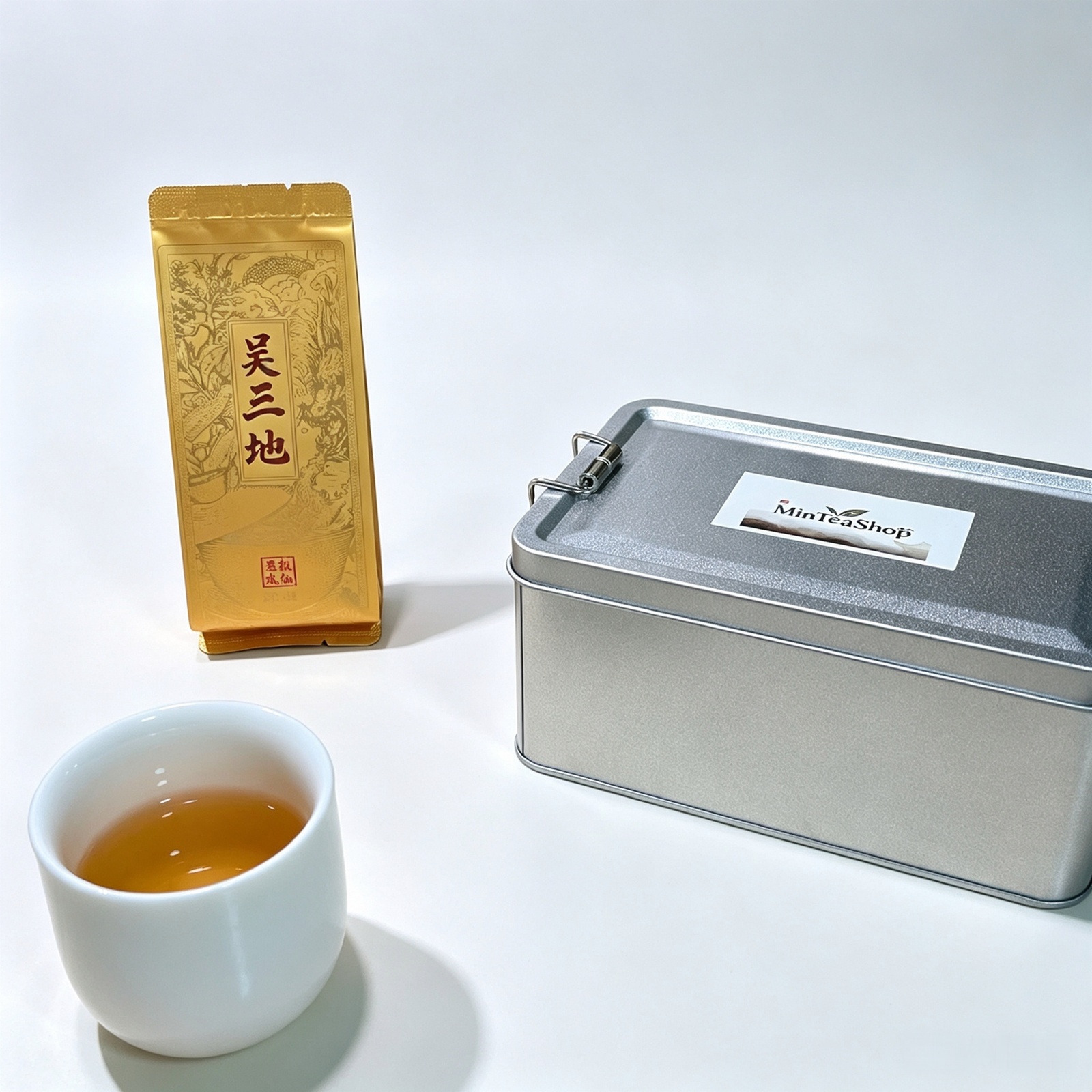
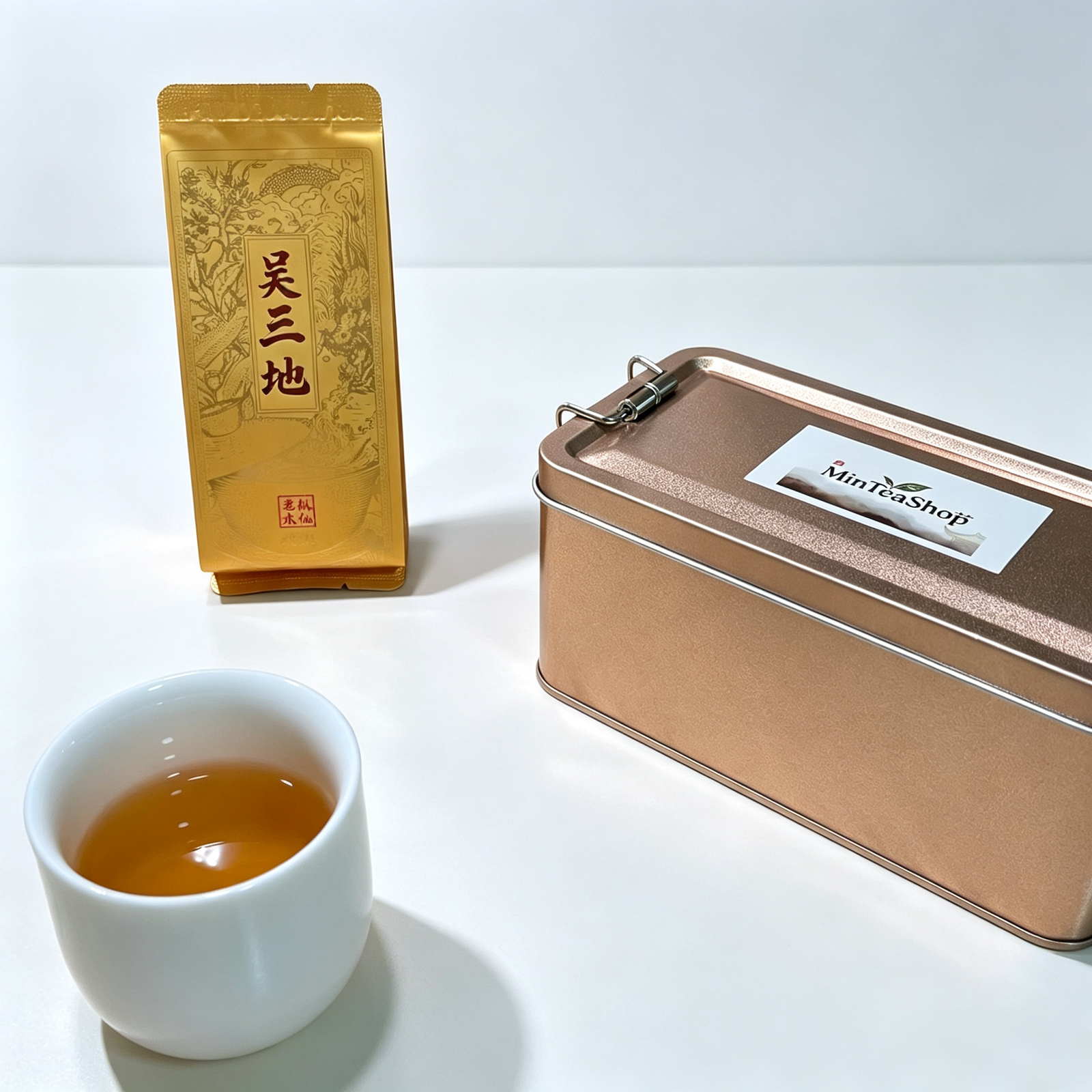
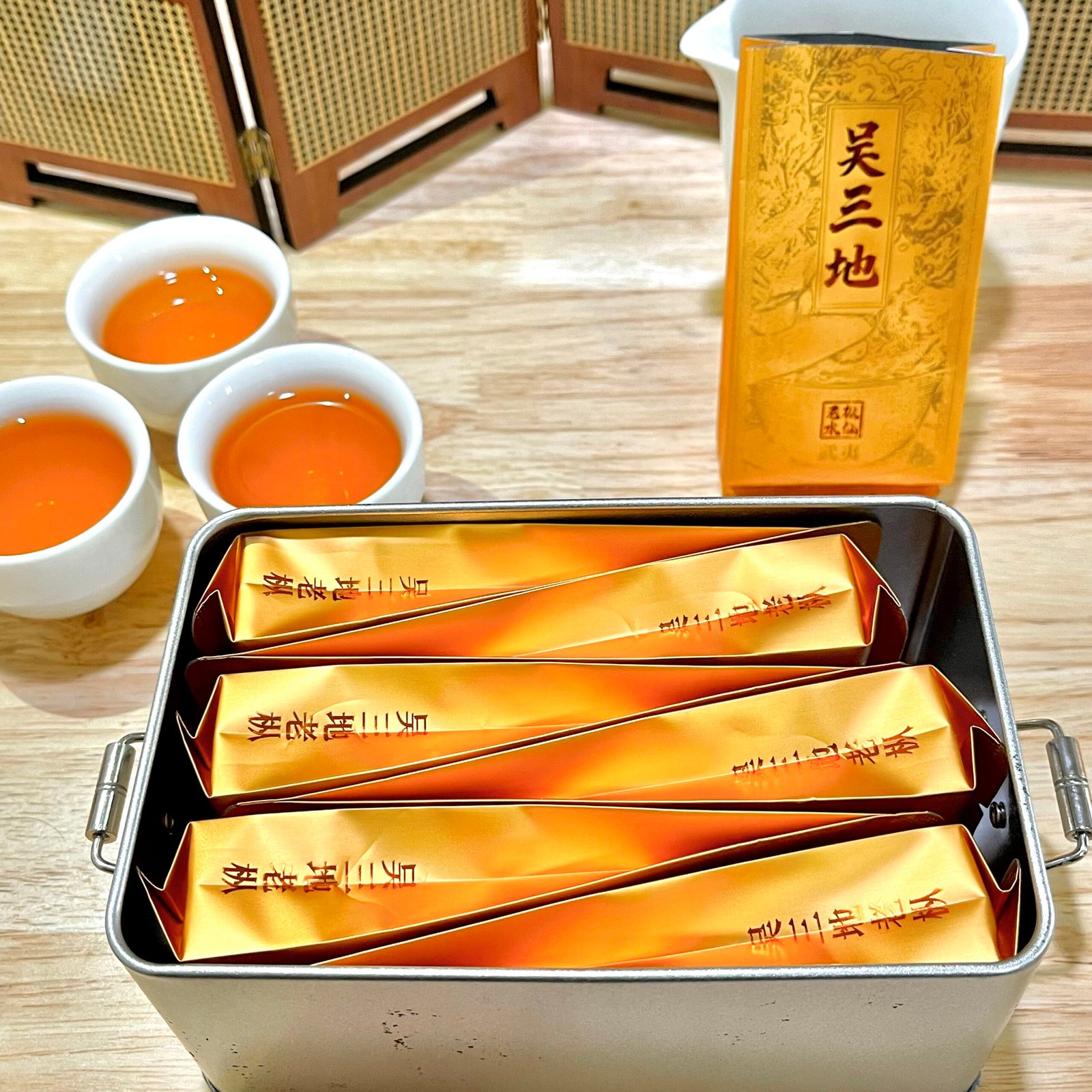
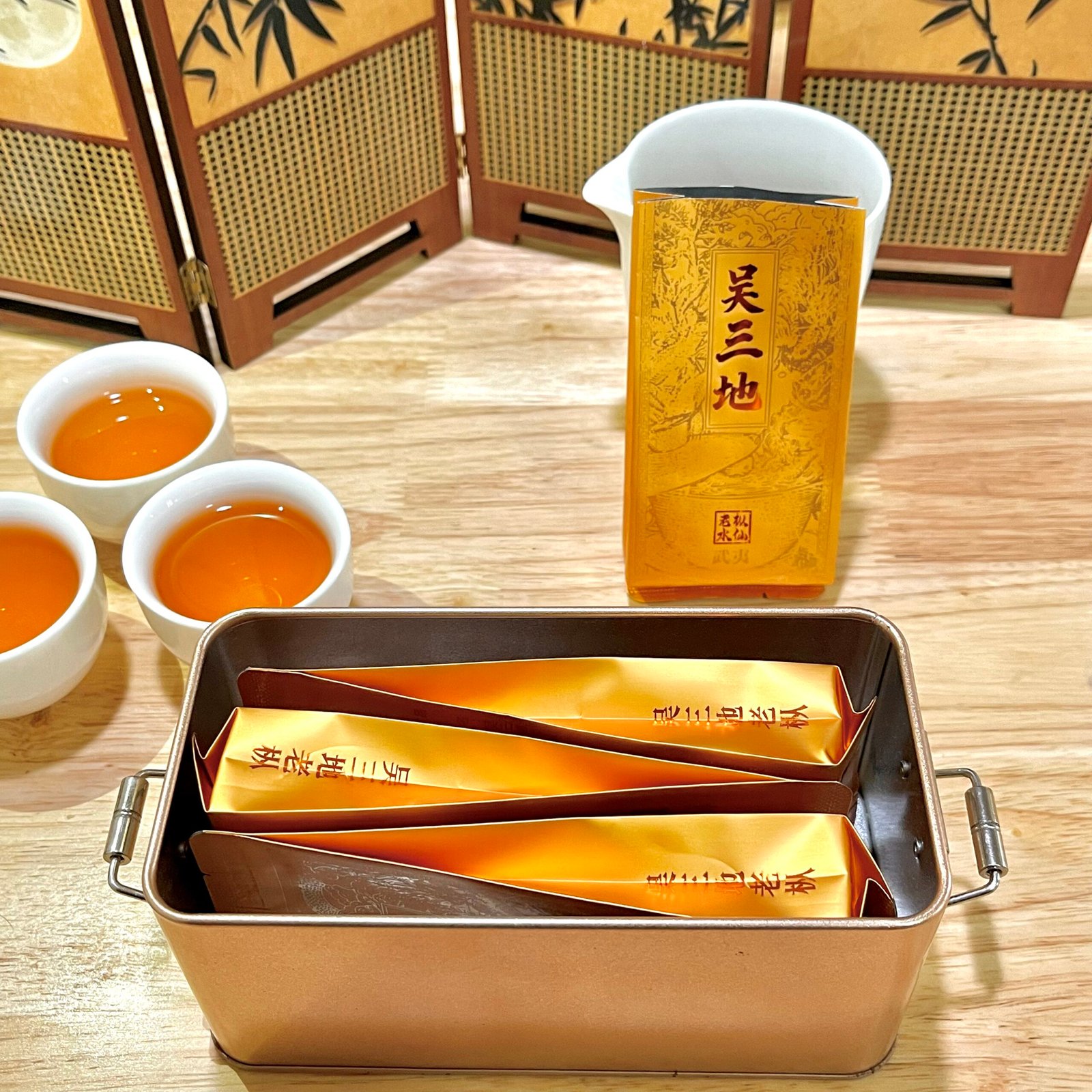
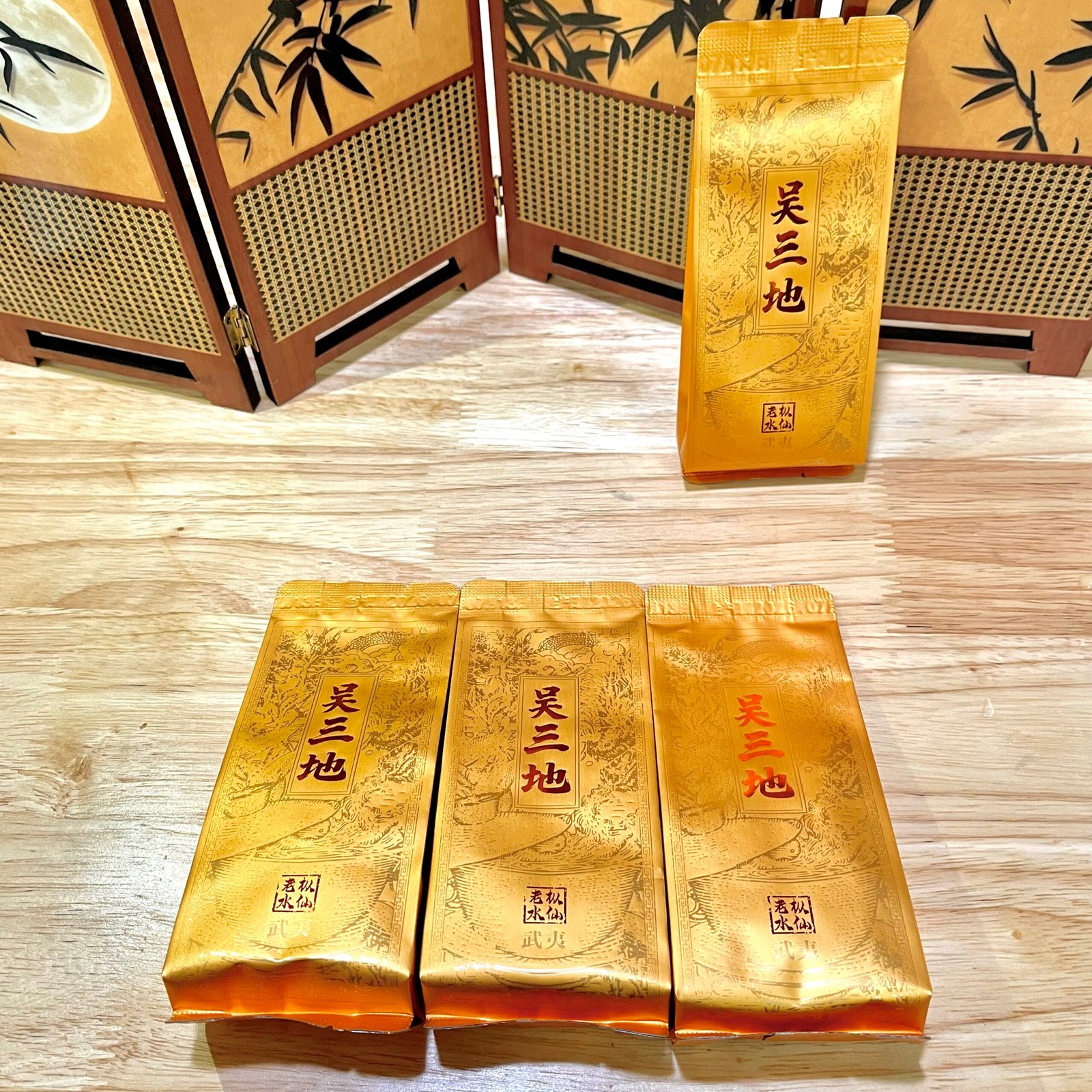
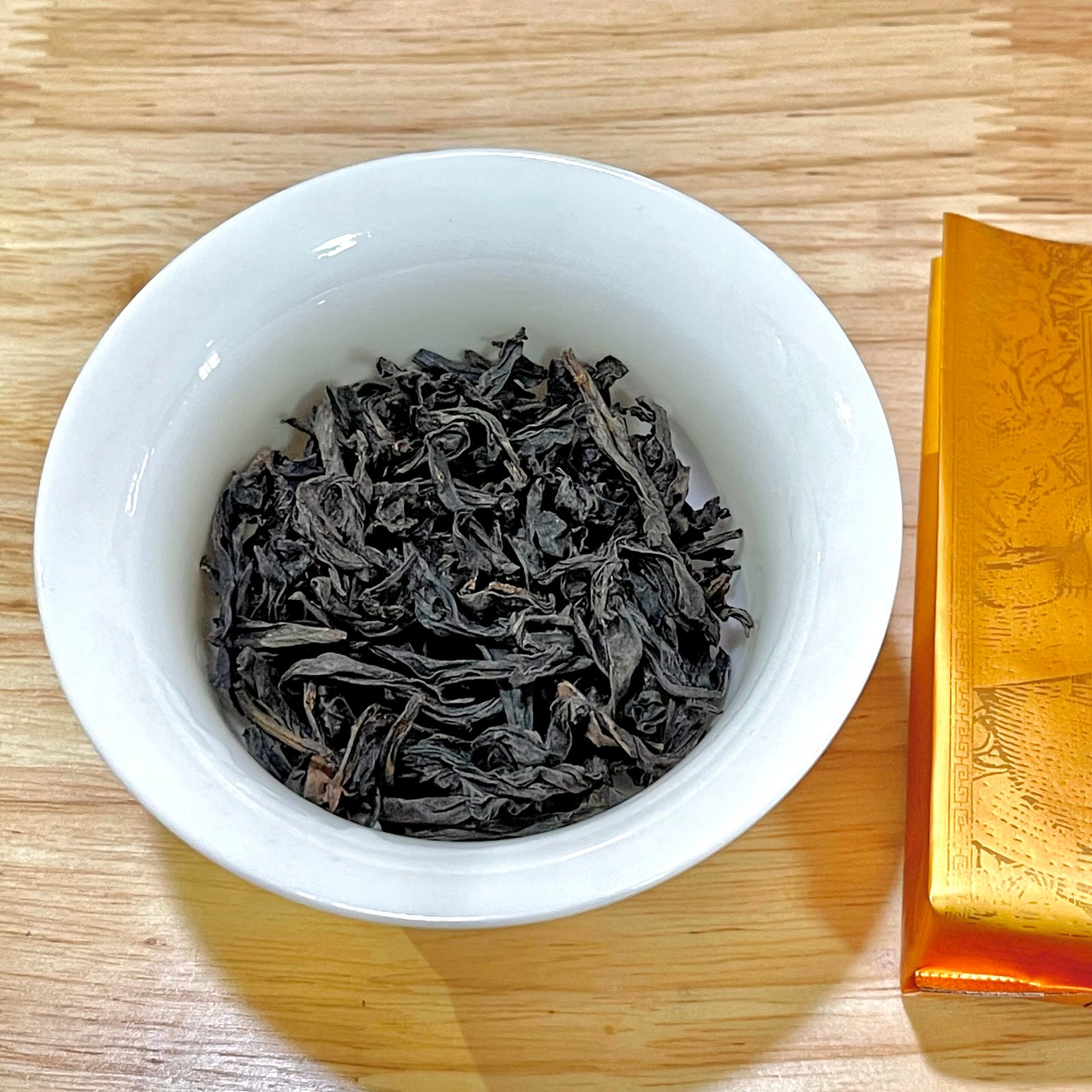
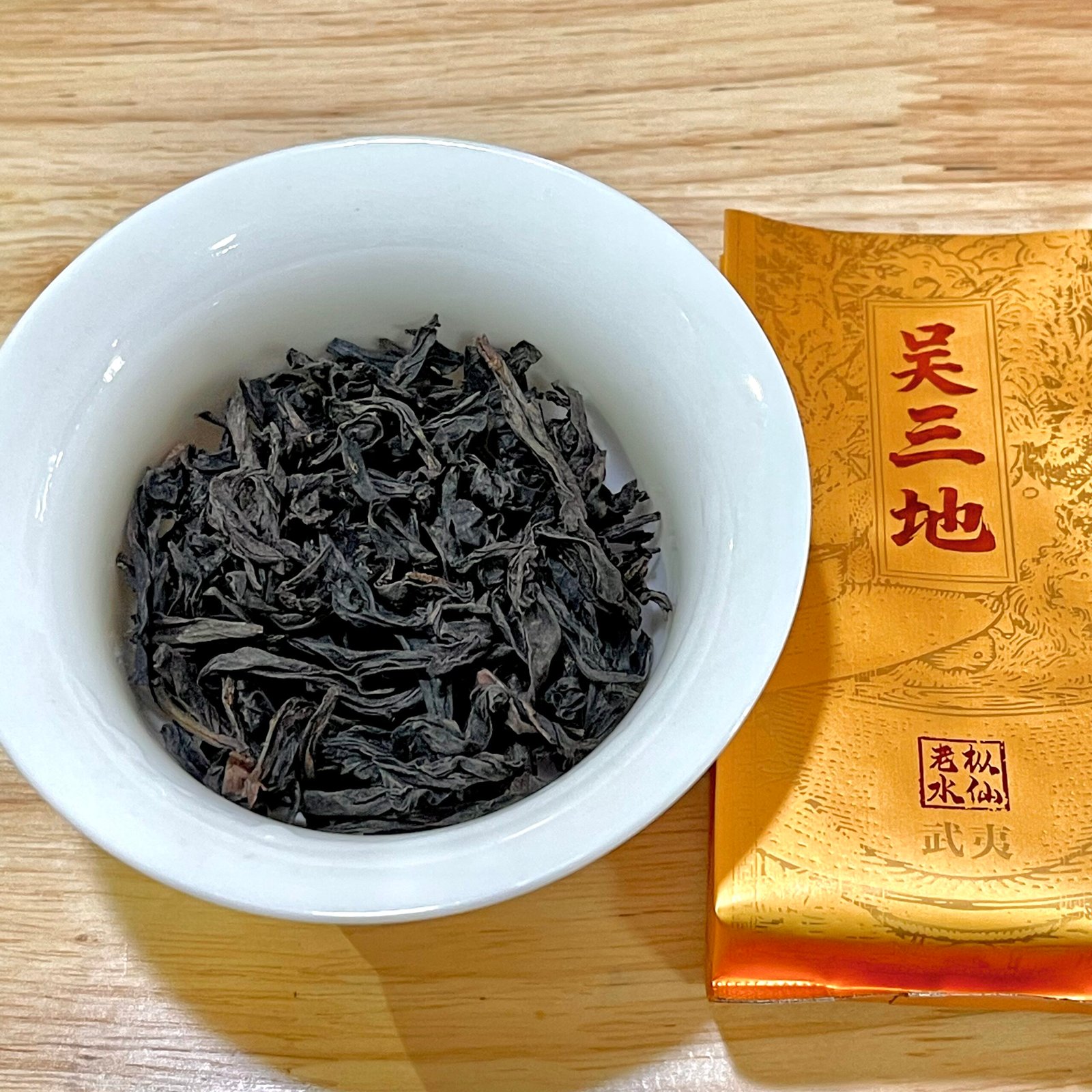
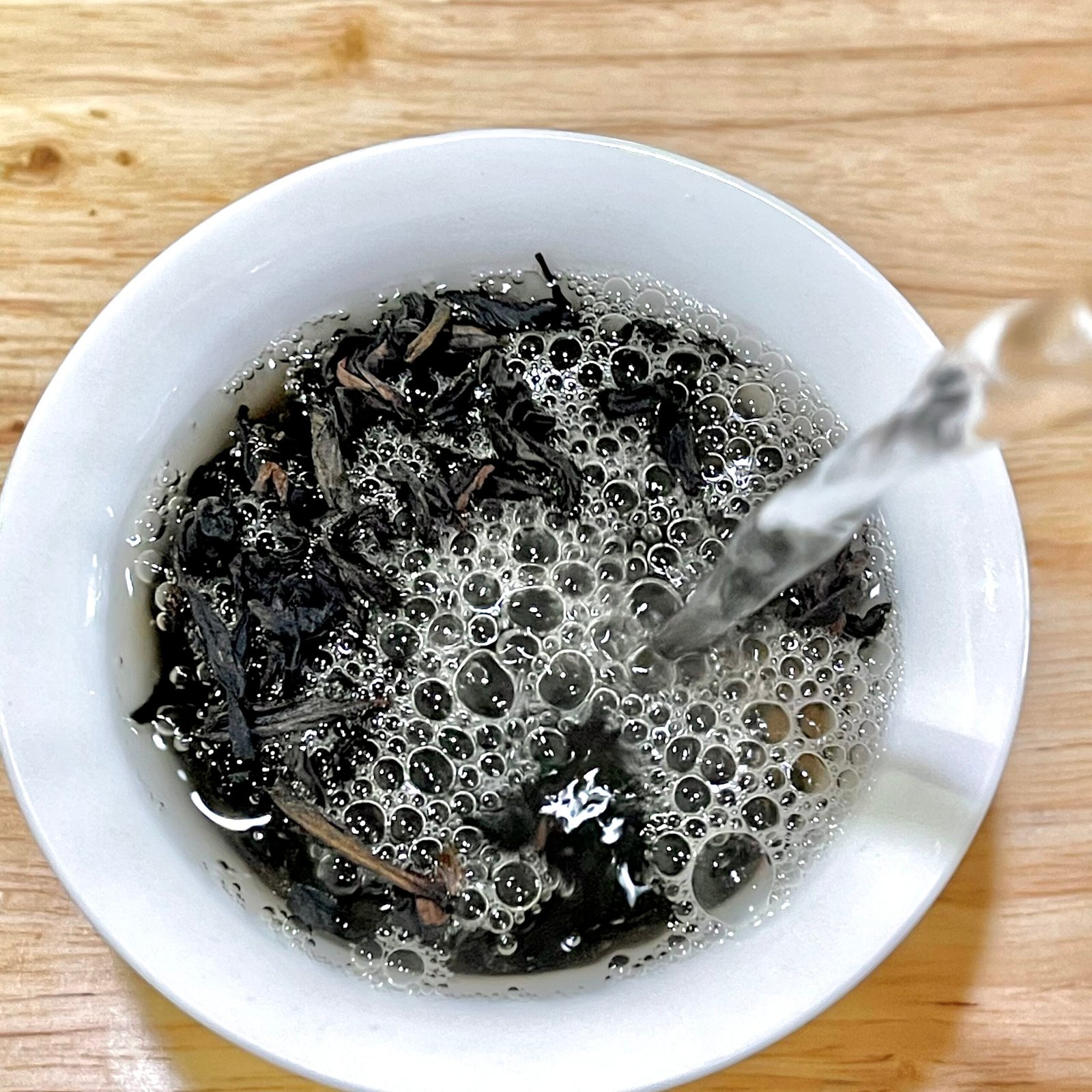
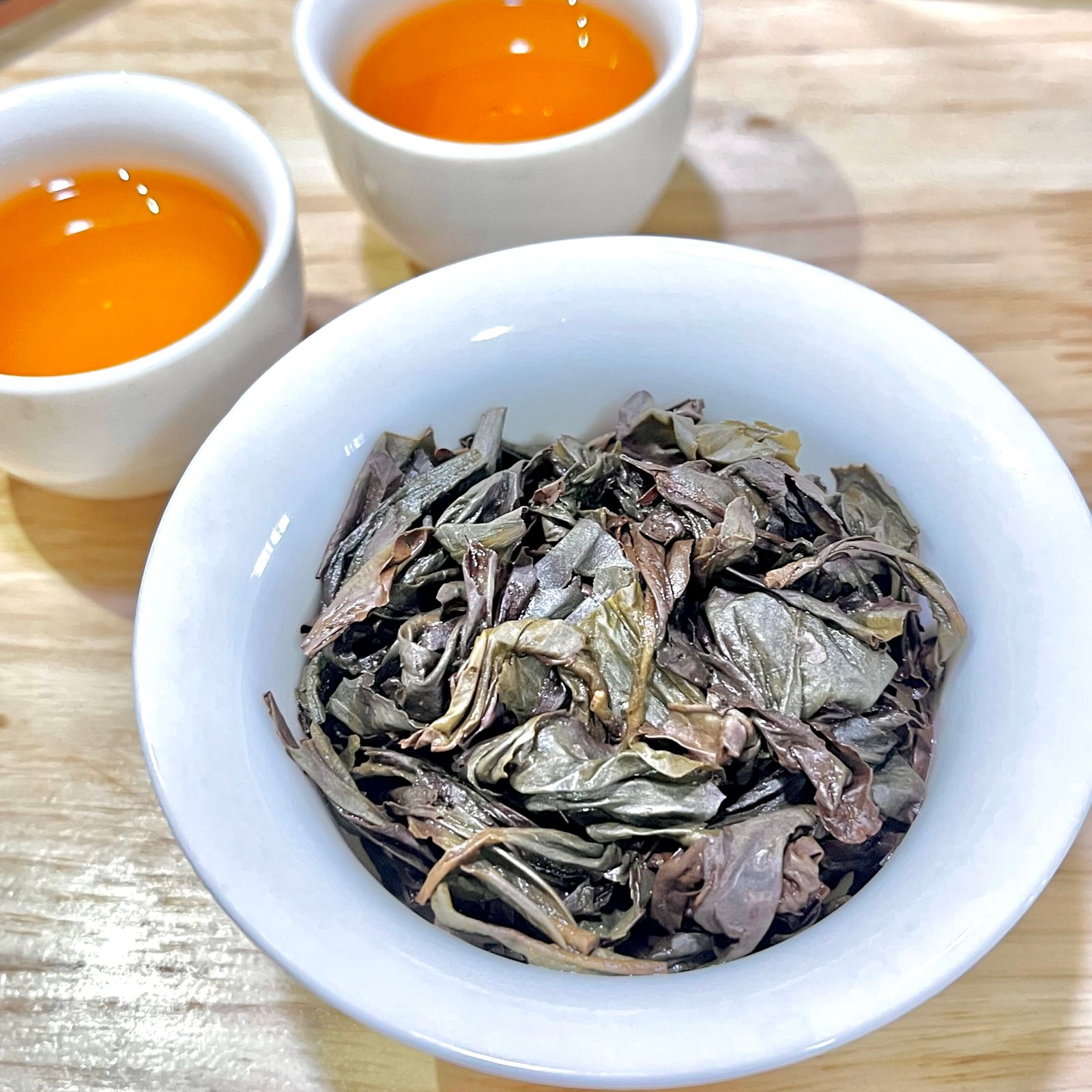
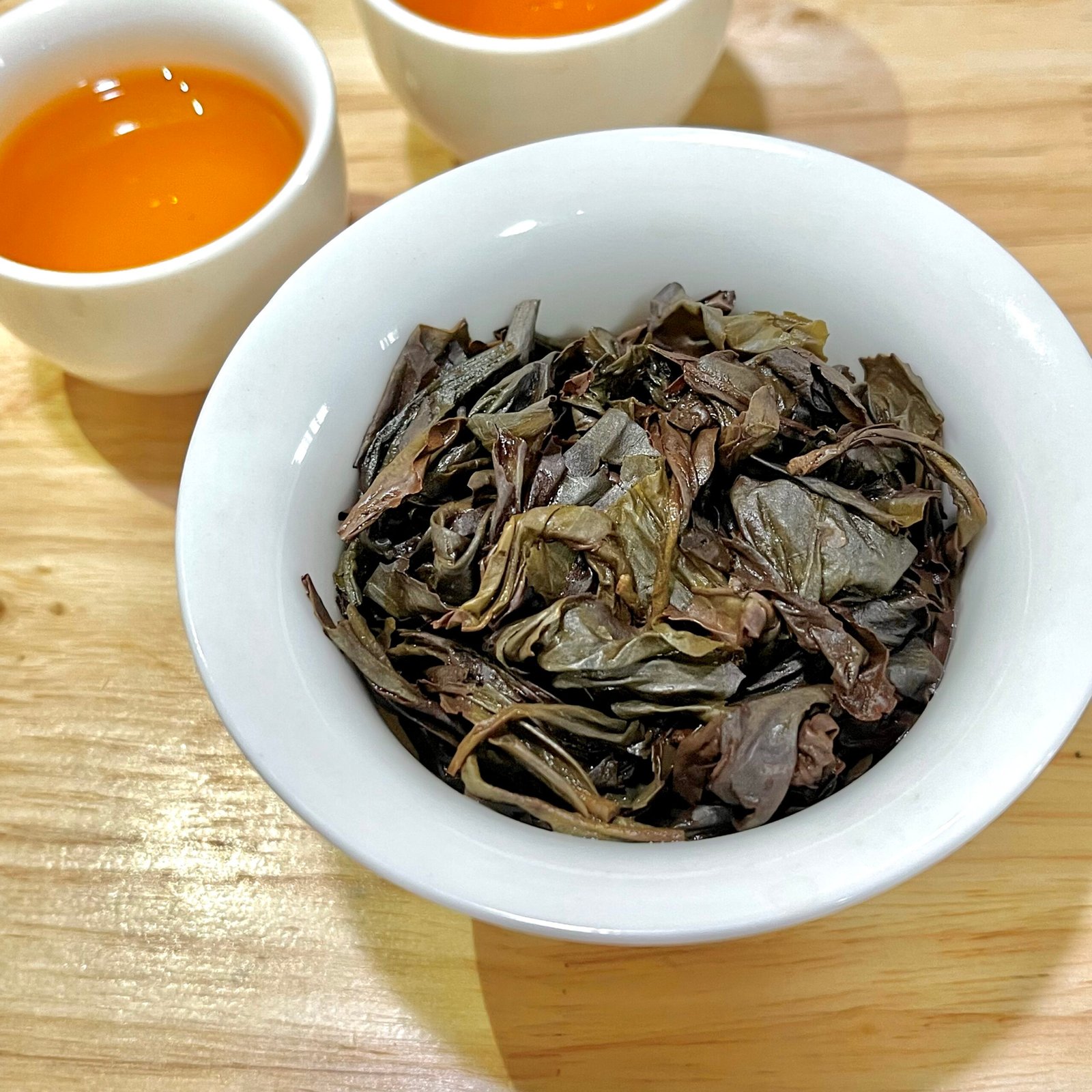
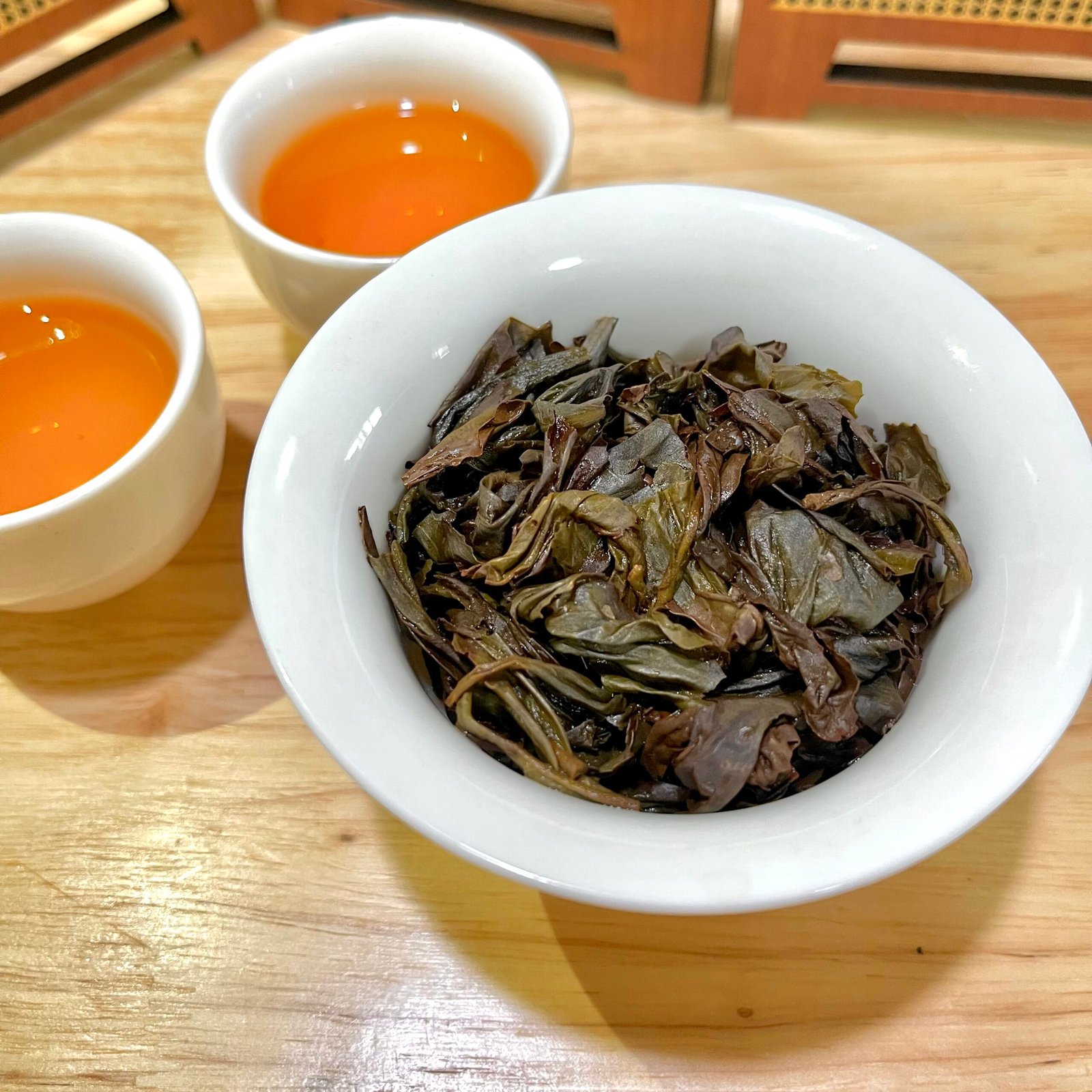
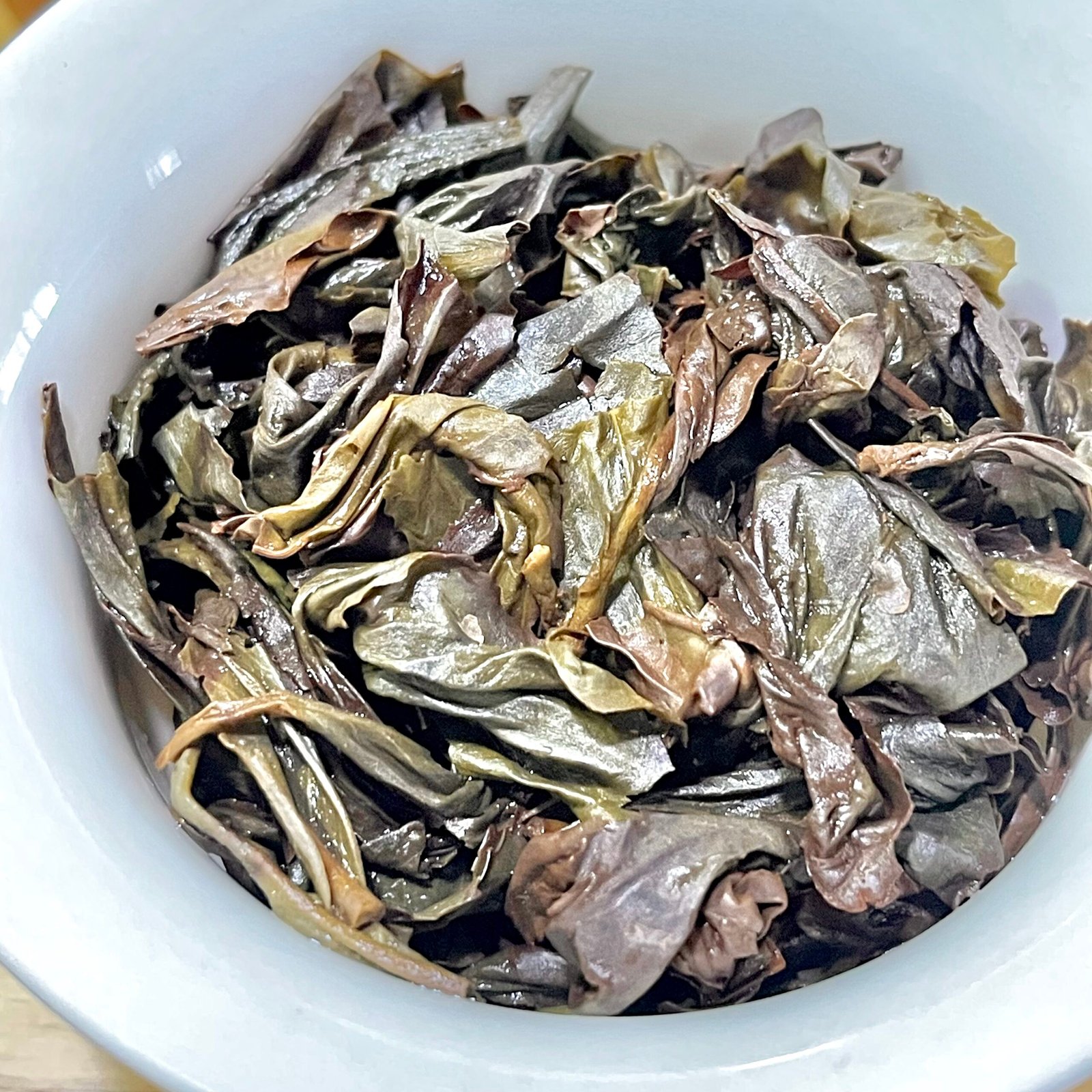
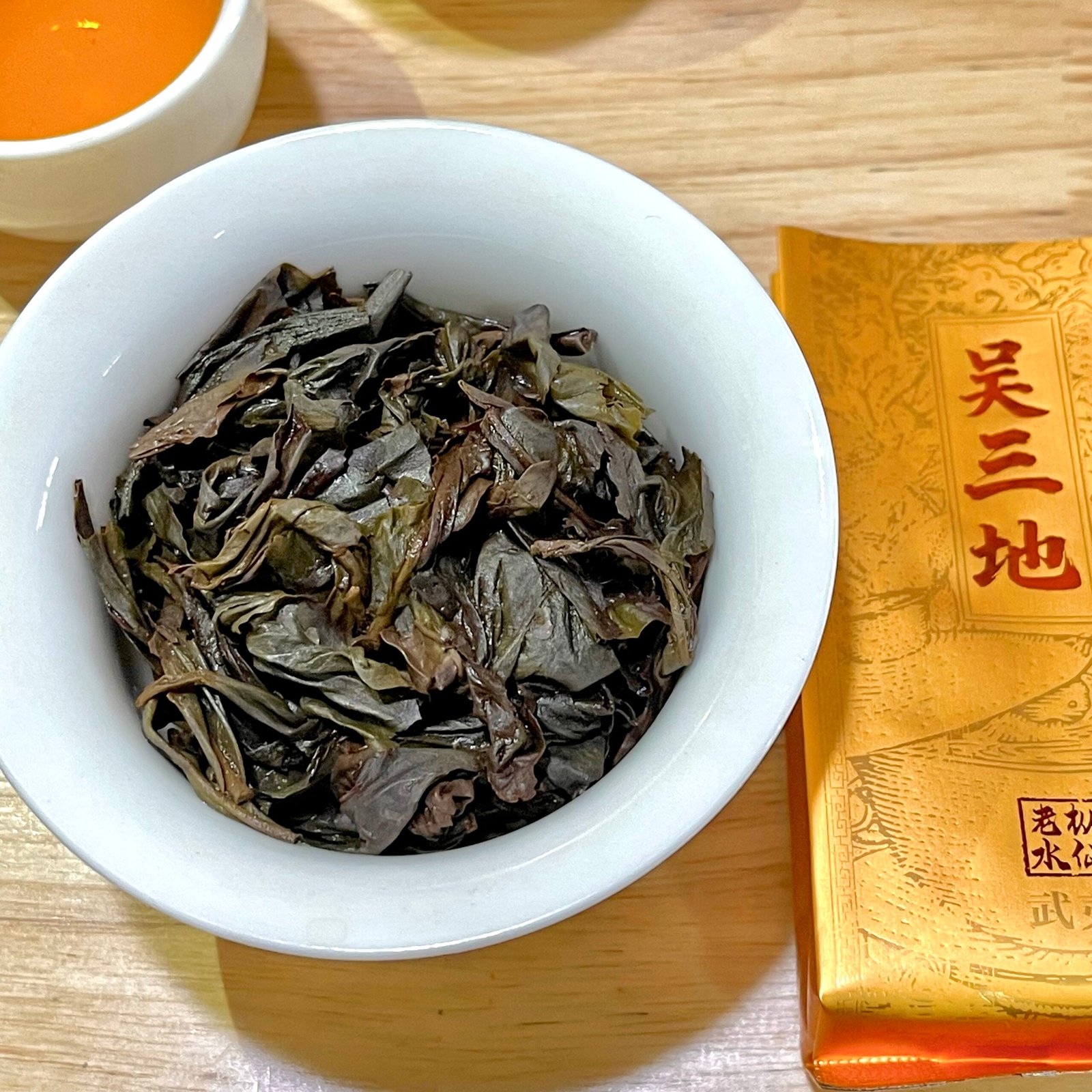
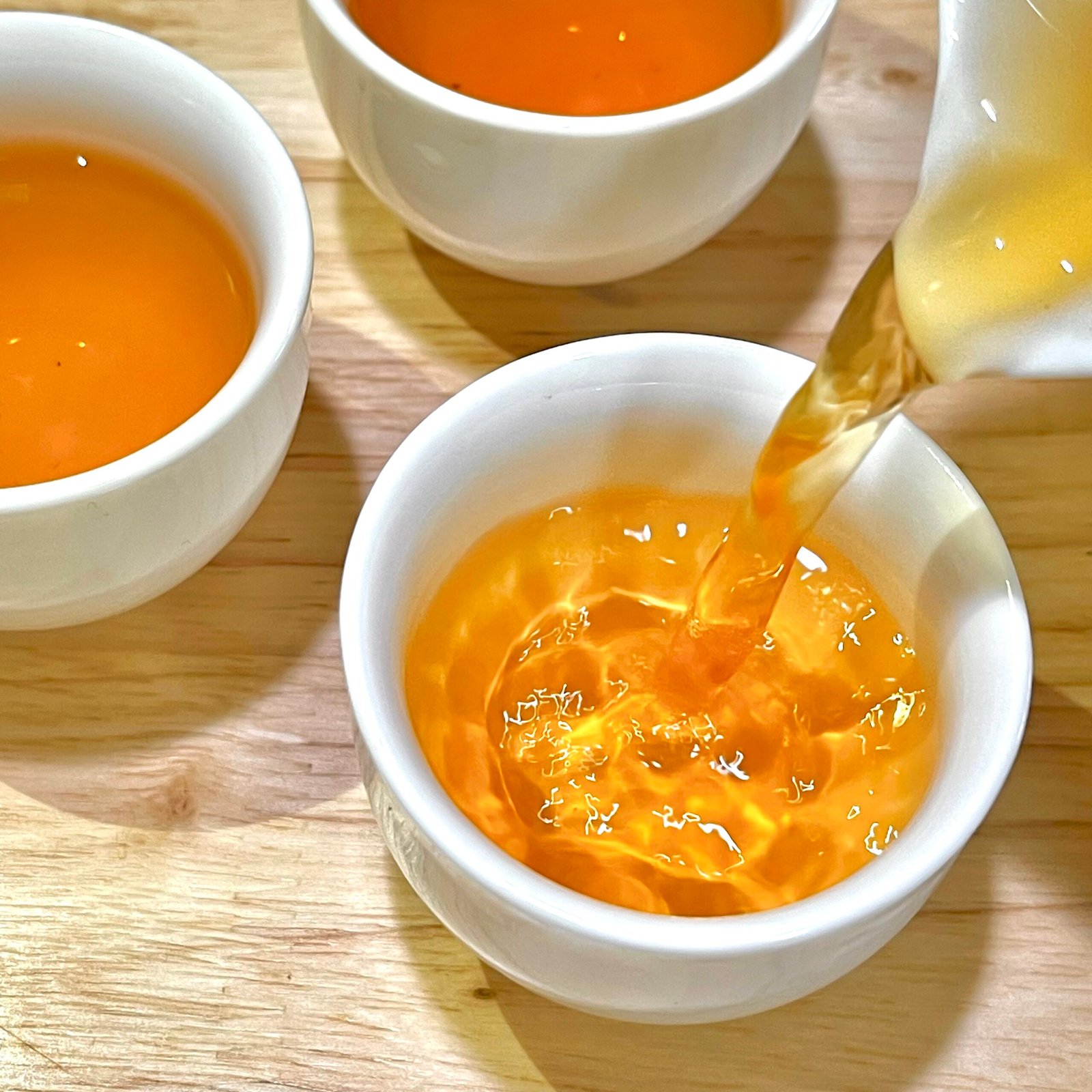
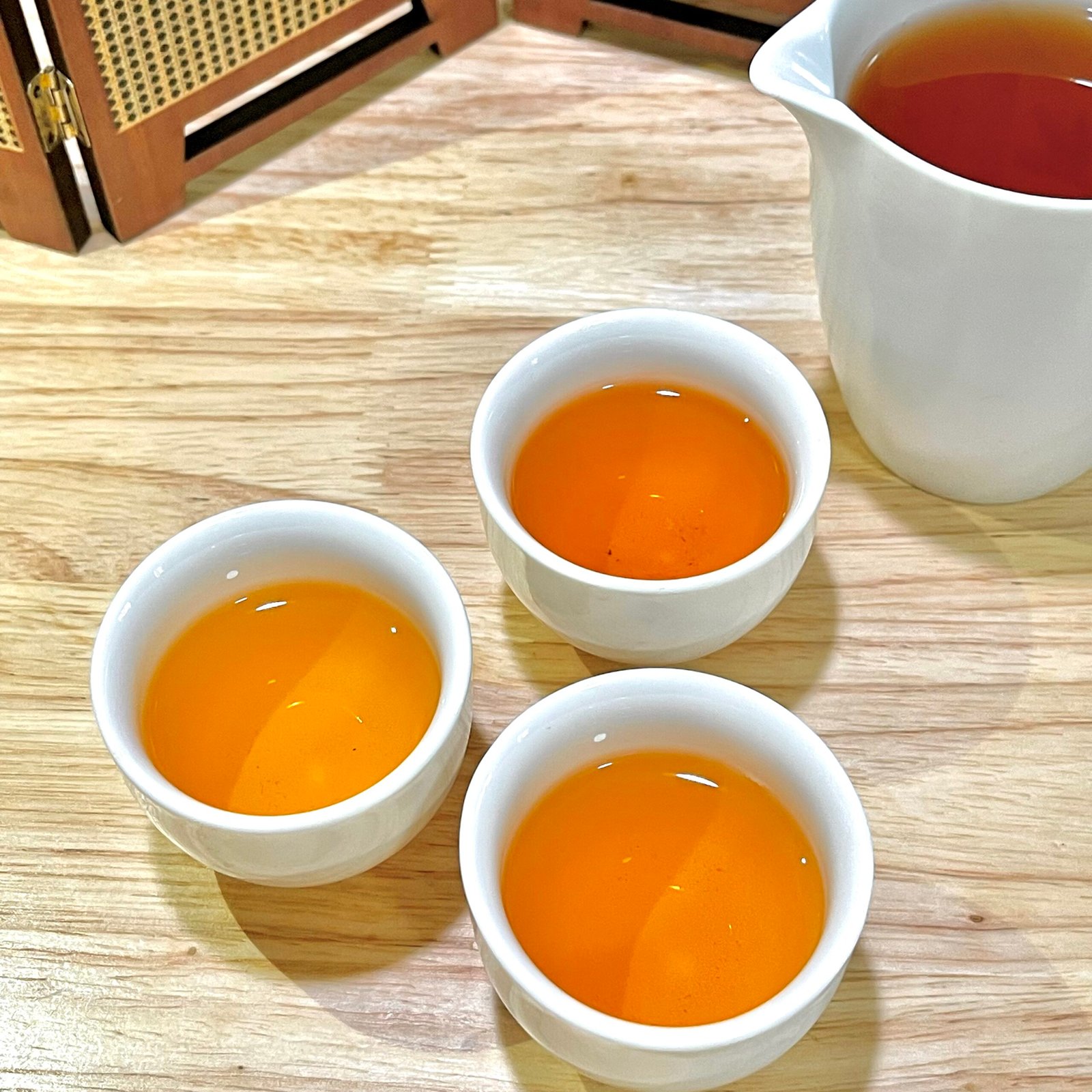
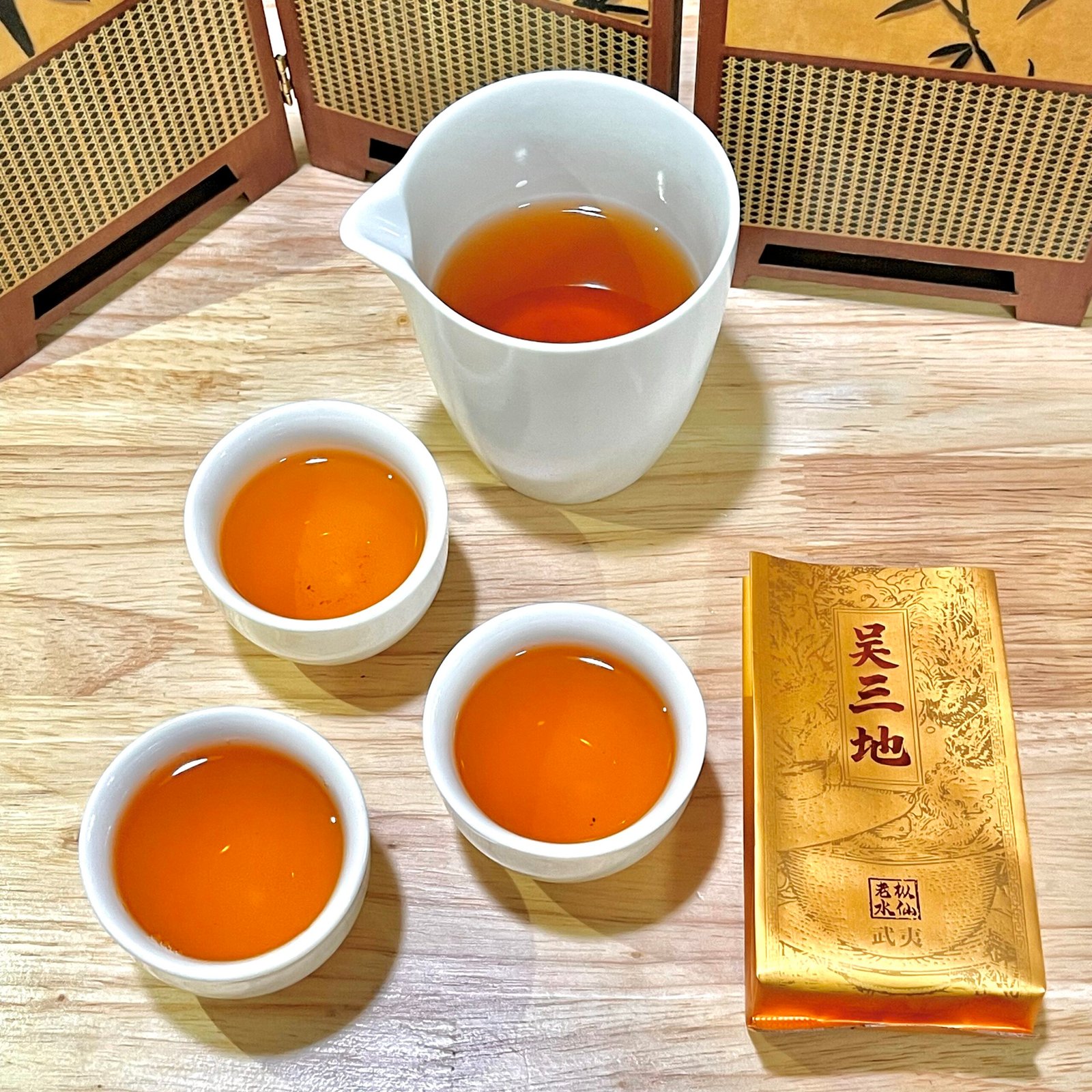
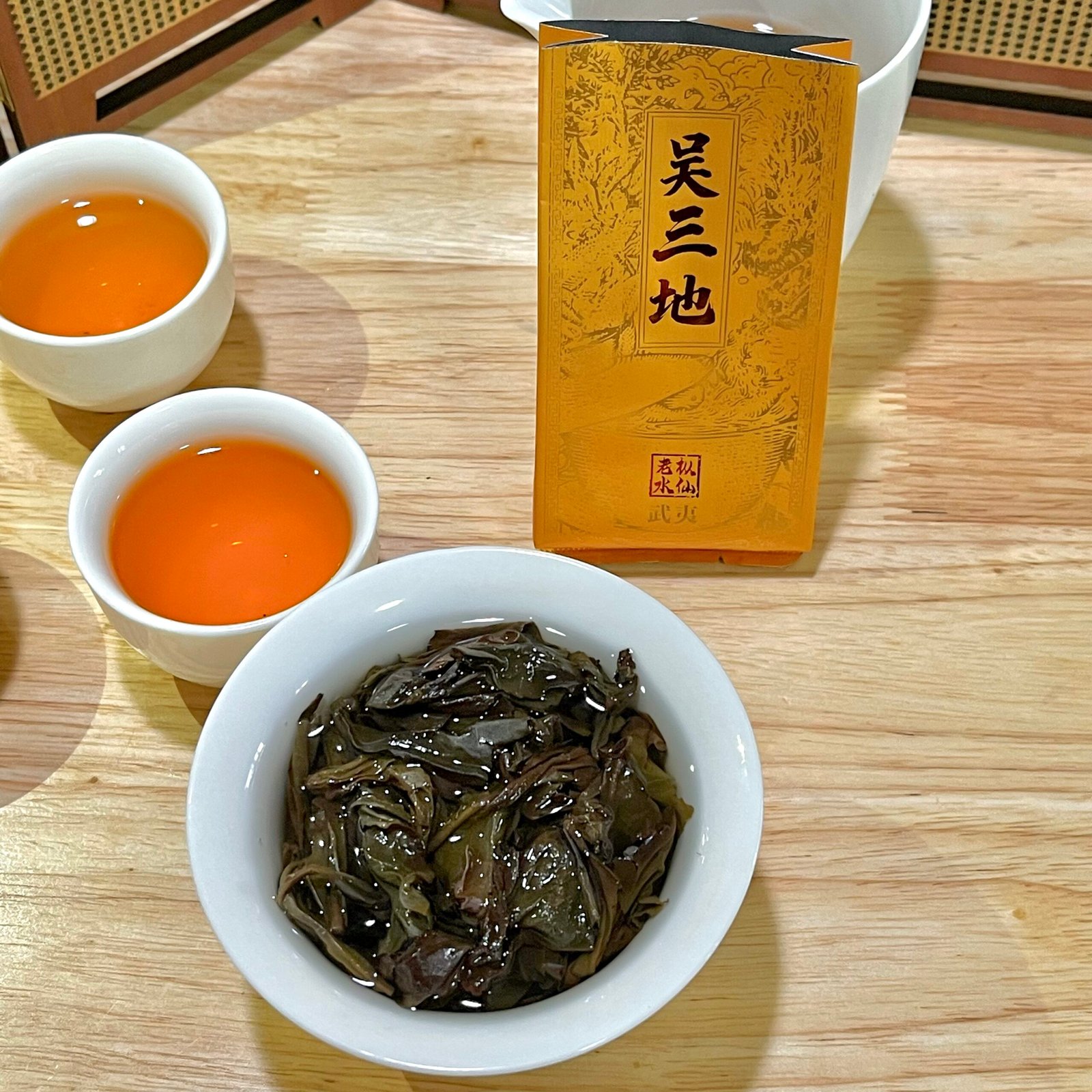
Wuyi Oolong Tea: Best 78-Year Old Tree Wu San Di 2026
Price range: $18.90 through $249.90
Specifications at a Glance
Type: Wuyi Wu San Di Lao Cong Shui Xian Oolong (78-Year-Old Tree)
Origin: Wu San Di Micro-terroir, Wuyishan, Fujian Province, China
Harvest: Spring 2026
Altitude: 2,625 ft – 3,937 ft (800 m – 1,200 m)
Caffeine: Moderate
Sizes:
3 Packs — 0.88 oz (24.9g | 8.3g × 3)
6 Packs — 1.76 oz (49.8g | 8.3g × 6)
18 Packs — 5.27 oz (149.4g | 8.3g × 18)
30 Packs — 8.78 oz (249g | 8.3g × 30)
60 Packs — 17.57 oz (498g | 8.3g × 60)
Whether you’re new to Wuyi Oolong Tea or a seasoned oolong enthusiast, exploring the deep, mossy sweetness of old-growth trees is half the fun. Curious about other varieties? Every order includes a complimentary surprise sample alongside your tea, so you can explore these rich, mineral nuances firsthand.
Description
Wu San Di Lao Cong Shui Xian: 78-Year Wuyi Rock Tea Guide 2026
Our absolute highest recommendation: Whether you are a complete beginner or a seasoned tea connoisseur, our entire team has fallen deeply in love with this Lao Cong. It will absolutely shatter everything you thought you knew about traditional Wuyi Rock Tea.
Why Doesn’t All Wuyi Oolong Tea Taste the Same?
If you’ve ever tried tea sold as Wuyi Rock Tea and felt the flavor fell short, you’re not alone.
The reason is simple: origin is everything.
True Wuyi Rock Tea gets its iconic flavor from the unique terroir of the Wuyi Mountains. However, teas from other regions are often processed in a similar style and sold under the same name, leaving buyers guessing what they’re actually drinking.
With MinteaShop, you don’t have to take origin on faith.
We own our tea gardens and processing facility in the heart of the Wuyi Mountains, managing quality from leaf to cup. By skipping flashy packaging and excess cost, we focus entirely on what matters most: the quality of the tea inside.
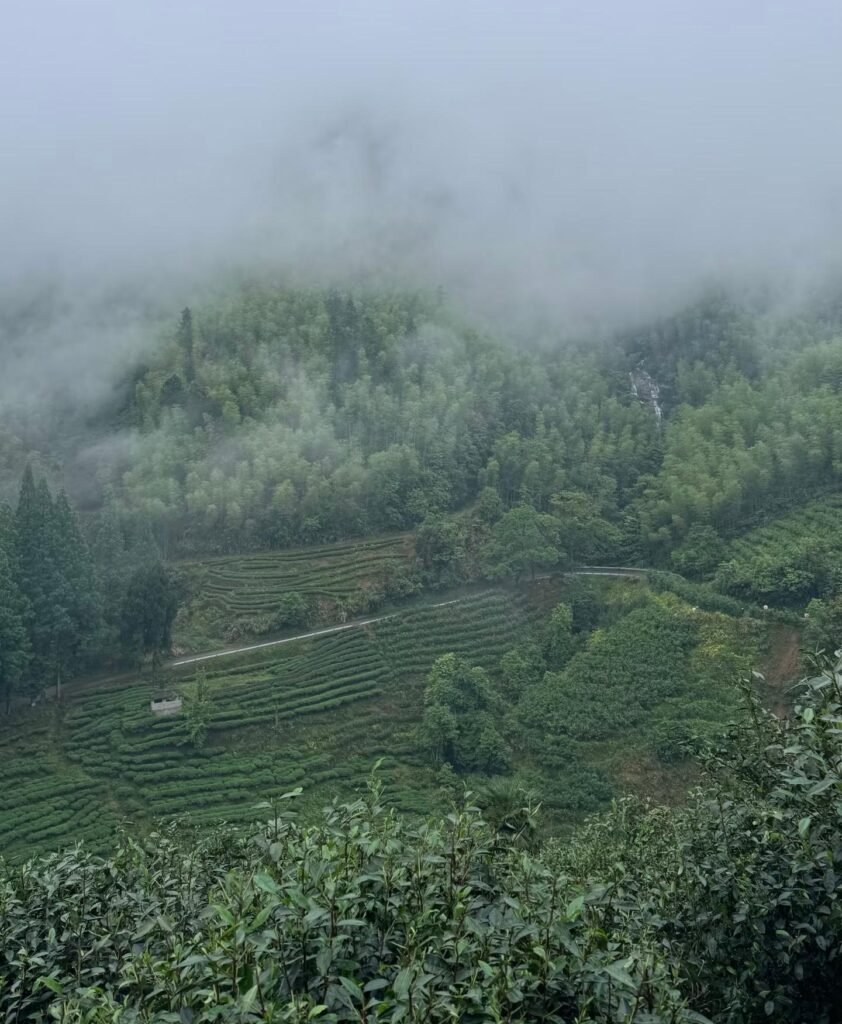
If you’ve ever wondered why some Wuyi oolongs cost ten times more than others, the answer usually comes down to one thing: tree age. After tasting this 78-year-old Wu San Di harvest at our studio last spring, we finally understood what collectors mean by “Cong Wei.” The deep, mossy sweetness isn’t subtle — it lingers for twenty minutes after each sip. In this 2026 guide, I’ll walk you through exactly what makes this Lao Cong Shui Xian different, how to brew it without wasting a single leaf, and whether it deserves a place in your tea shelf.
What Is Wu San Di Lao Cong Shui Xian?
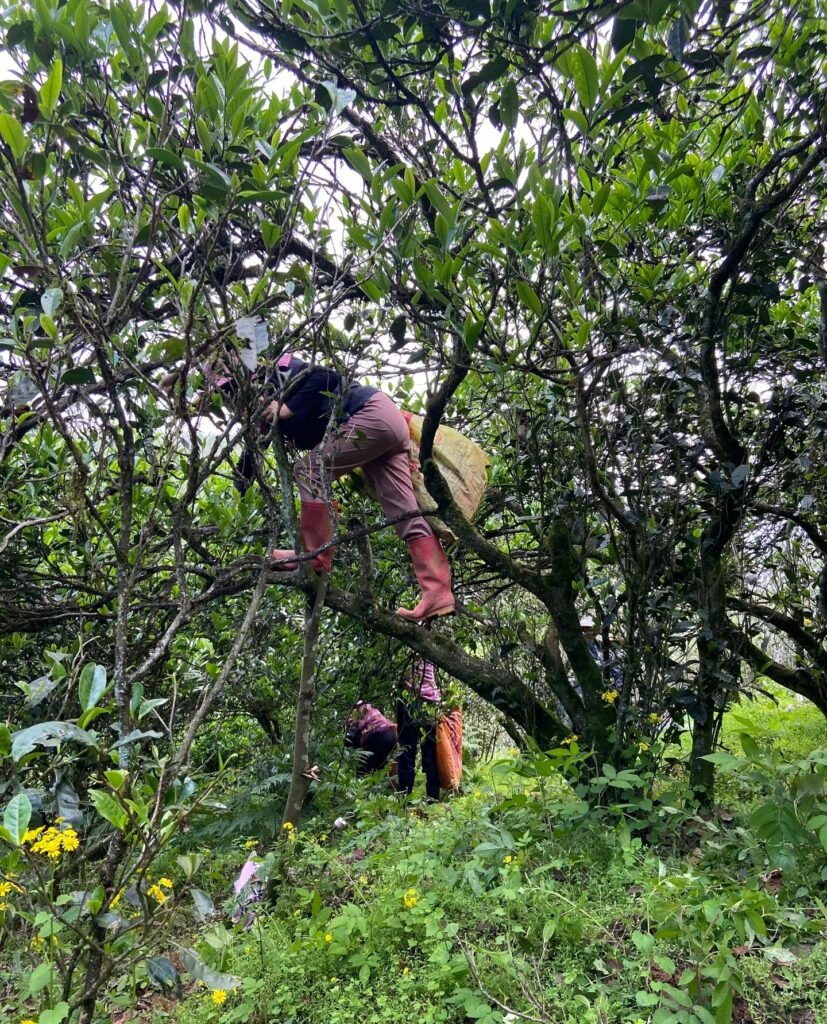
Wu San Di sits in the northern corner of Wuyi Shan, between 2,600 and 3,900 feet above sea level. The name literally means “Three Ditches” — a nod to the three narrow ravines where the oldest tea plots hide. Most Wuyi Rock Tea sold online comes from bushes under 30 years old. The 78-year-old fir trees in this lot are a different category entirely.
What makes these trees special isn’t just age. It’s the root system. Old Cong Wei trees send roots deep into Wuyi’s mineral-rich sandstone cliffs. That translates into thicker stems, smaller leaves, and a layered sweetness you simply can’t fake with younger bushes.
We sent a sample of this harvest to a certified Wuyi Yan Cha panel in April 2025. Their cupping notes mentioned “pronounced Yan Yun with persistent Hui Gan returning after the seventh infusion” — exactly what we tasted at home. According to the Wuyi Mountains UNESCO region — UNESCO World Heritage documentation, this entire terroir sits inside a protected reserve, which is one reason genuine Wu San Di leaves remain rare.
How Old Are the Trees, and Why Does Tree Age Matter?
In the Wuyi trade, “Cong Wei” refers to tea from trees at least 60 years old. Below that threshold, you’re drinking standard bush tea — good, but not collector-grade. The Wu San Di trees in this harvest were planted around 1948 and have never been pruned back to knee height the way commercial plots are.
When we visited the plot in April 2025, our guide pointed out the difference between the 78-year row and a neighboring 40-year plot. The older trees had visibly thicker trunks — some 15 cm across — and far fewer, but bigger, leaves. According to the Wuyi Yan Cha Research Institute, trees over 60 years old produce roughly 30% less yield but with significantly higher amino acid content.
Here is the practical breakdown:
- Under 30 years: Standard bush tea, lighter body, shorter Hui Gan
- 30–60 years: Entry-level “old bush,” some mineral character
- 60+ years (Cong Wei): Mossy sweetness, deep Yan Yun, 15+ steeps
- 70+ years: Collector grade, layered complexity, prized by Yan Cha drinkers
Many buyers assume “old tree” on a label means 100+ years. In reality, almost no commercially available tea comes from trees over 100 — they barely produce enough leaf to harvest. Seventy-eight years is the sweet spot.
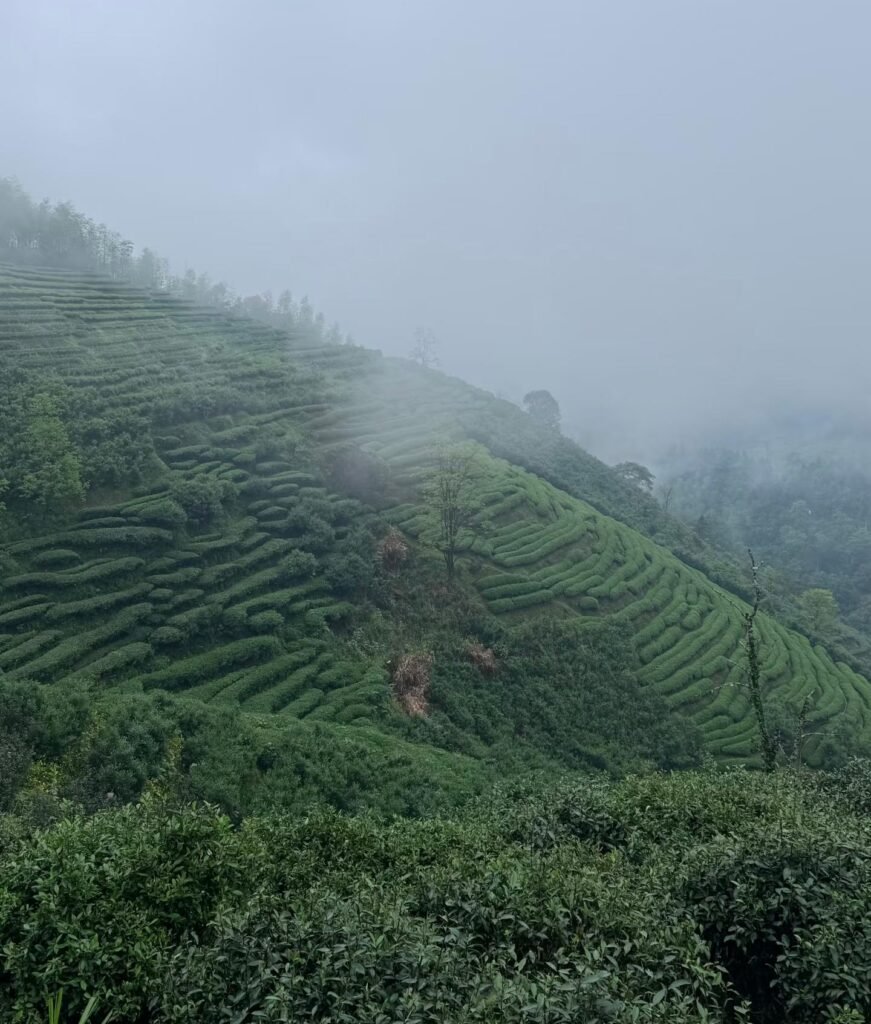
What Does Lao Cong Shui Xian Taste Like?
Forget flowery marketing language. Here is what your palate will actually notice across a gongfu session:
- First infusion: Roasted grain, sweet corn, a faint mineral edge
- Third infusion: Orchid begins to lift above the roast
- Fifth infusion: Deep moss, wet stone, brown sugar
- Eighth and beyond: The Hui Gan (returning sweetness) kicks in, lasting 15-20 minutes
Many first-time drinkers expect Lao Cong Shui Xian to taste heavy or smoky. It does not. The three-stage charcoal roast adds warmth without overwhelming the leaf. Think of it like a fireplace in the background of a quiet room — present, but never loud.
A note on astringency: yes, there is a dry, puckering feel on the front of your tongue. That is the rock mineral character, and it is what tea drinkers call “Yan Yun” — a kind of mouth-throat resonance that high-quality Wuyi Rock Tea is famous for.
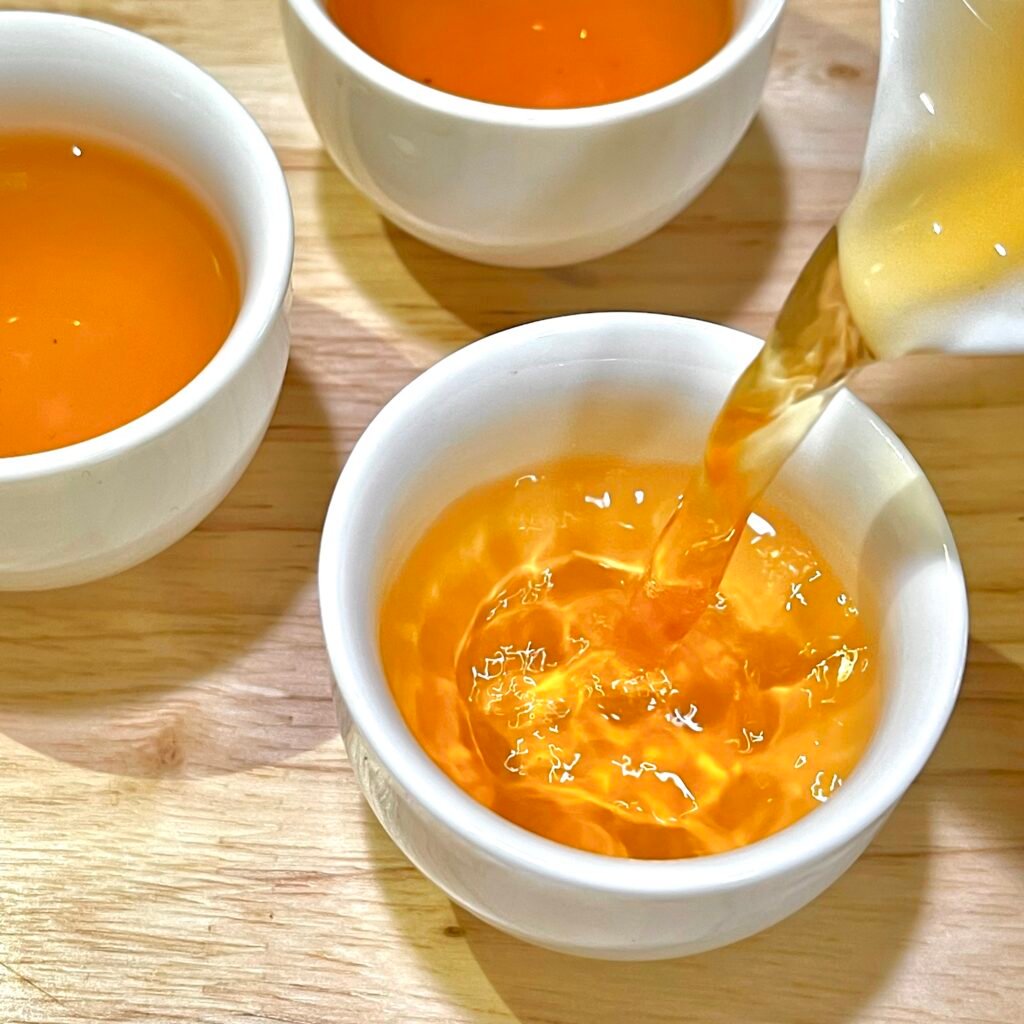
How Do You Brew Wu San Di Tea the Right Way?
After ruining my first 8g of this tea with boiling water and a 30-second steep (it tasted like flat cardboard), I switched to a proper gongfu setup. Here is the method that finally worked:
- Use 8g of dry leaf in a 110ml gaiwan (about 70% full)
- Water temperature: 212°F (100°C), full boil
- First rinse: 3 seconds, discard — this wakes the leaf
- Steeps 1–3: 10 seconds each
- Steeps 4–7: 15–20 seconds each
- Steeps 8+: Add 10 seconds per infusion
- Pour every drop into a side pitcher to prevent over-steeping
The key mistake most people make is using too little leaf. Wuyi Rock Tea needs a high leaf-to-water ratio to fully express its mineral character. If you only have a Western-style teapot, use 5g per 250ml and steep for 2 minutes, then decant fully.
How Many Steeps Can You Get from 78-Year-Old Tree Tea?
A good Lao Cong Shui Xian should easily hit 12–15 steeps before the flavor fades. The Wu San Di lot we tested pushed past 18 steeps with proper technique. That works out to roughly 1.5 liters of tea from 8 grams of leaf — far more efficient than most supermarket oolongs.
Where Does Wu San Di Sit in the Wuyi Oolong Tea Family?
Wu San Di is one of seven recognized micro-terroirs inside the Wuyi Mountain reserve. The most famous is Hui Yuan Keng — sometimes called the “village of hidden gardens.” Wu San Di is less commercialized, which means smaller plots and older trees, but also less infrastructure for visitors.
If you are comparing this Lao Cong Shui Xian to other Wuyi oolongs, here is how it stacks up:
For broader background on Wuyi’s protected status and tea history, the Wuyi tea Wikipedia entry — Wikipedia is a reasonable starting point, though for primary documentation we still recommend the UNESCO listing itself.
Is Lao Cong Shui Xian Worth the Price?
Honest answer: it depends on what you value. If you drink tea once a week and prefer sweet, fruity oolongs from Taiwan, this is not for you. But if you are building a serious Wuyi Rock Tea collection, or you have already fallen down the rabbit hole of Yan Cha appreciation, then yes — 78-year-old Wu San Di is worth every dollar.
We price this lot at $43.90 for six 8.3g pouches. That sounds steep until you calculate the per-cup cost: 18+ steeps from an 8.3g pouch means roughly $0.40 per cup. Compare that to a $6 specialty coffee. At one session per week, the six pouches will last exactly six weeks — about the same monthly cost as a decent bottle of wine.
Frequently Asked Questions
What makes “Cong Wei” so special in Wuyi Rock Tea?
Cong Wei is the mossy, woody character that develops only after a Wuyi tea tree reaches 60+ years. In a 78-year-old Wu San Di tree, it shows up as deep, layered sweetness with a long throat-return.
Does the medium-light charcoal roast make the tea taste burnt?
No. The three-stage roast is designed to lift the natural floral sweetness and reduce harshness. You get warmth in the background — not smoke.
How should I store opened Lao Cong Shui Xian?
Keep it in a sealed aluminum bag, away from sunlight, at room temperature. Avoid the fridge — moisture and odor absorption will ruin the leaf.
Can I cold-brew Wu San Di?
You can, but you will miss most of what makes it special. Cold brewing mutes the roast and mineral character. Gongfu hot brewing is the way.
Is this tea caffeinated?
Yes. A typical 8g gongfu session contains roughly 60–80mg of caffeine, comparable to two cups of black tea.
Is Lao Cong Shui Xian a good gift for a tea beginner?
Absolutely. When a new member of our team tasted this harvest, they instantly fell deeply in love with it. Thanks to its smooth, sweet, and mellow profile, even complete beginners to Wuyi Yancha (Rock Tea) will find it incredibly approachable and highly suitable for their first tasting.
A Final Note
Whether you’re a seasoned tea drinker or just starting out, every order includes a free bonus: a sample of our everyday Wuyi Tea, alongside an extra variety sample to explore.
Pure, clean, and delicious, this is our go-to for daily sipping. But why include it?
For Experienced Tea Lovers: You might quickly realize that what other vendors market as “premium” is simply our everyday baseline. We cut the markup—never the quality.
For Beginners: It gives you a reliable reference point. Tasting it side-by-side with your main order lets you instantly recognize authentic Wuyi Rock Tea notes, so you’ll never overpay again.
If you’d like to try other authentic styles, explore our Wuyi Rock Tea Collection.
Additional information
| size | 3 Packs (0.88 oz), 6 Packs (1.76 oz), 18 Packs (5.27 oz), 30 Packs (8.78 oz), 60 Packs (17.57 oz) |
|---|
Related products
-

Pure Su Xin Lan Rock Tea | Authentic High Mountain Oolong 2026
Price range: $9.90 through $106.90Select options This product has multiple variants. The options may be chosen on the product page -
Jin Jun Mei | 100% Authentic Black Tea | Honey-Sweet Aroma
Price range: $9.90 through $46.90Select options This product has multiple variants. The options may be chosen on the product page -
Authentic Wuyi Rougui Rock Tea: Complete 2026 Tasting Guide
Price range: $12.90 through $189.90Select options This product has multiple variants. The options may be chosen on the product page -
Authentic Wuyi Zhengyan Rougui 2026: 6 Micro-Terroirs Buyer’s Guide
Price range: $20.90 through $52.90Select options This product has multiple variants. The options may be chosen on the product page
Reviews
There are no reviews yet.