
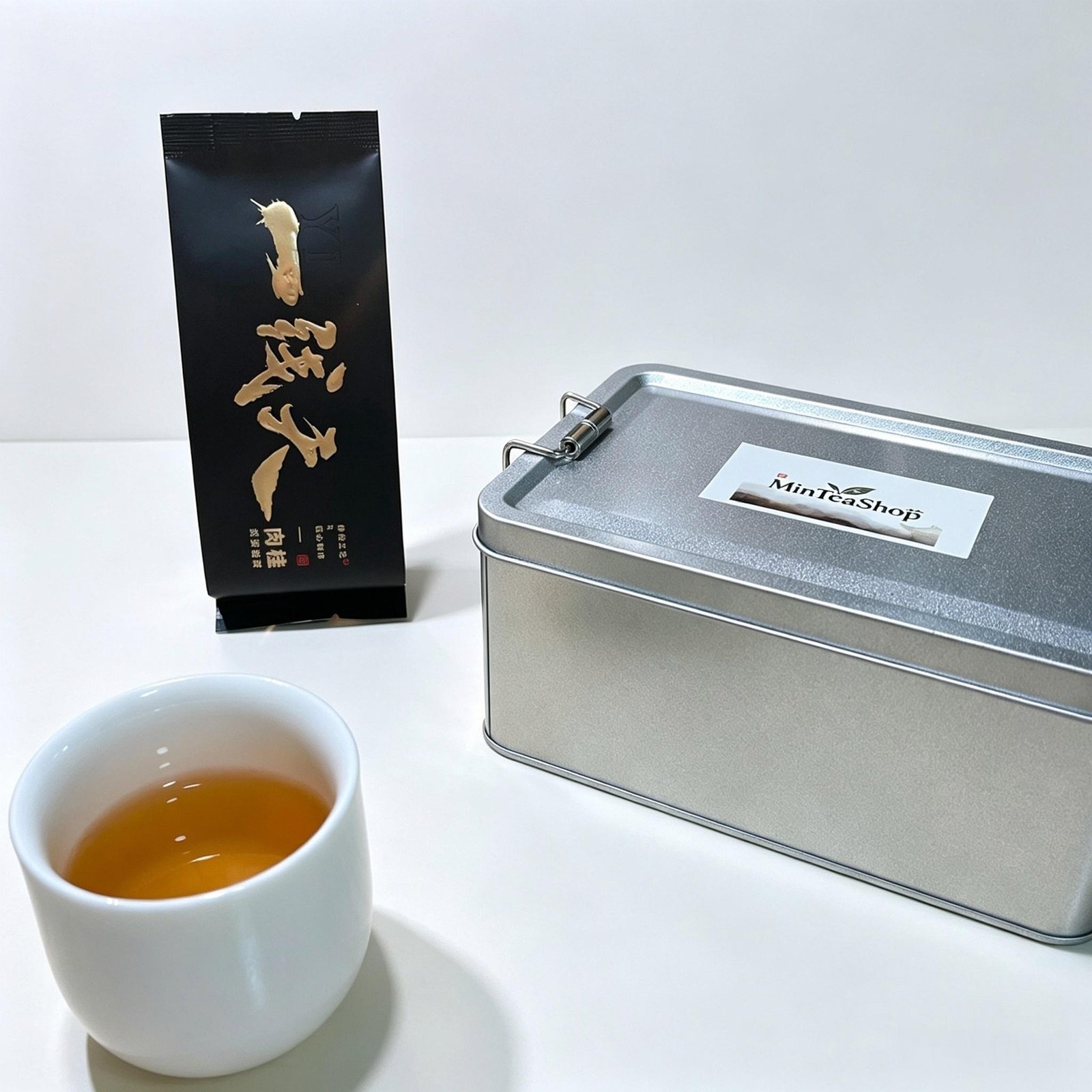
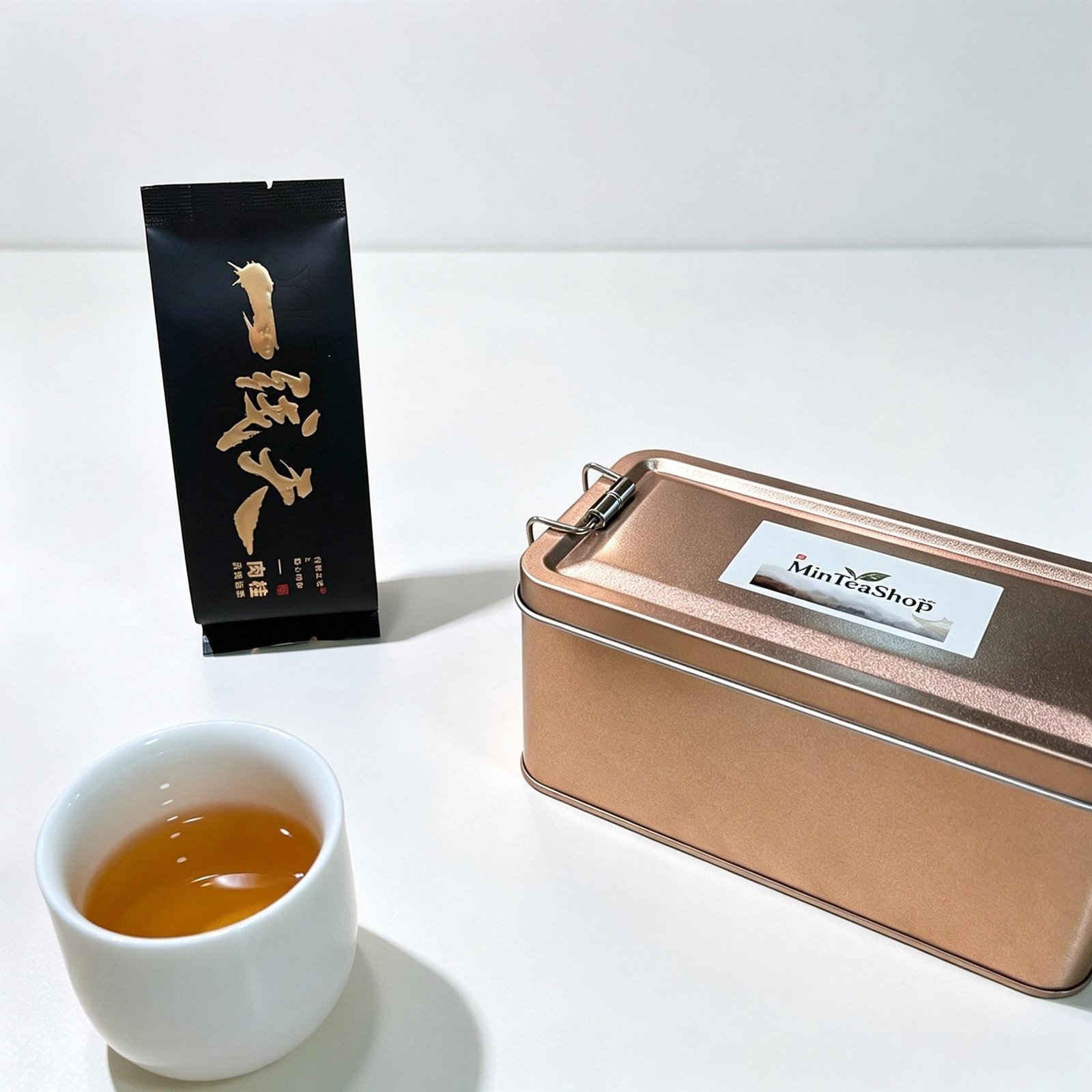
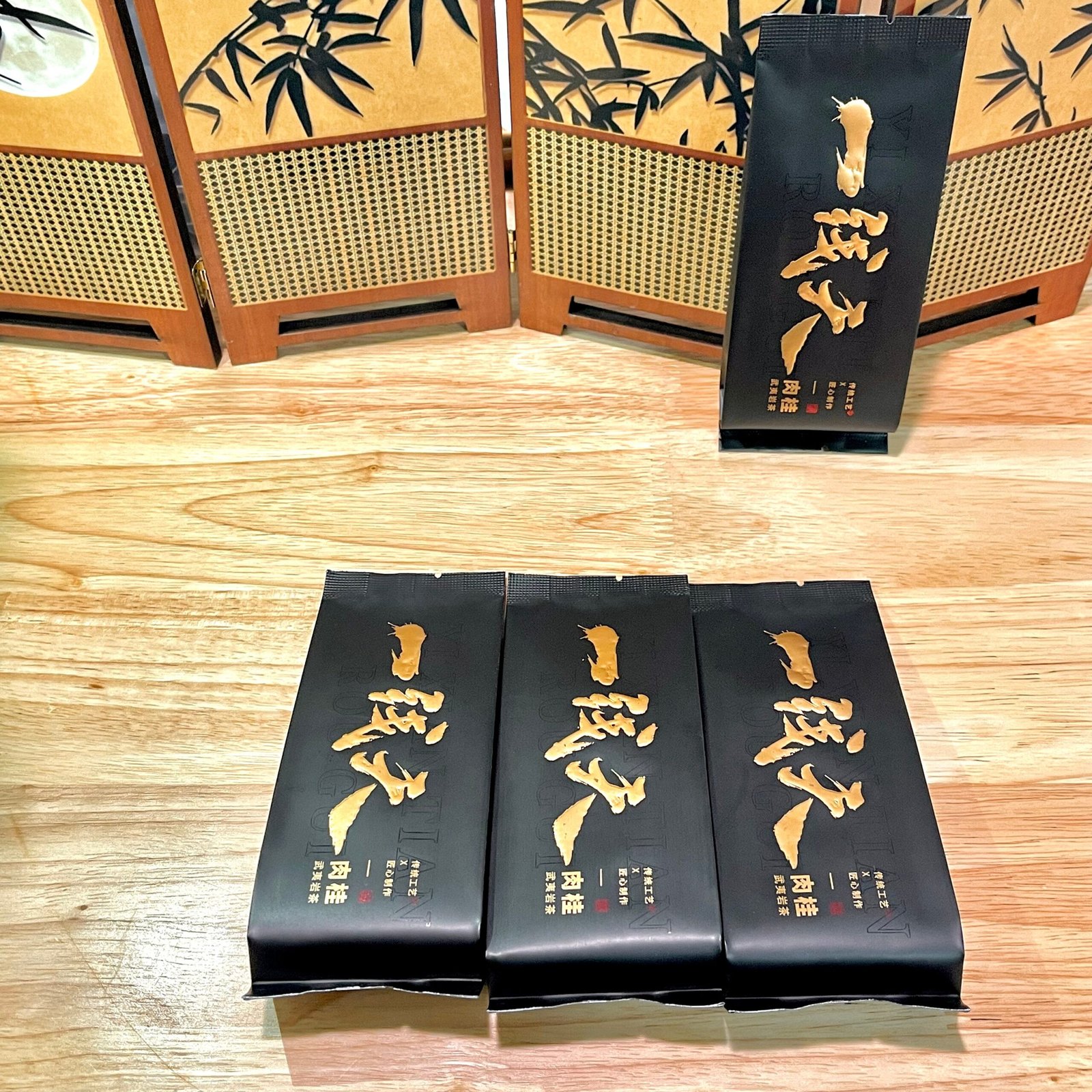
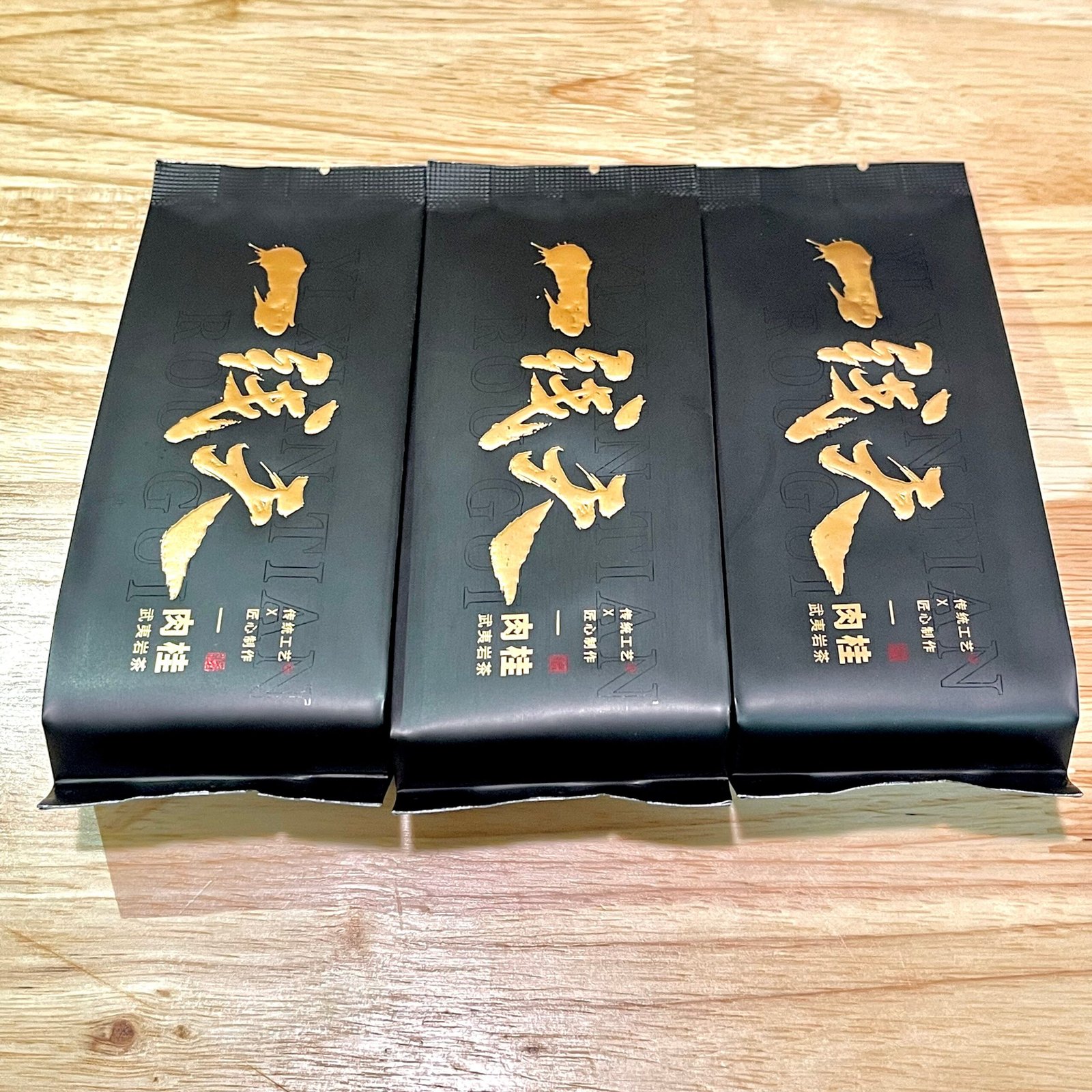
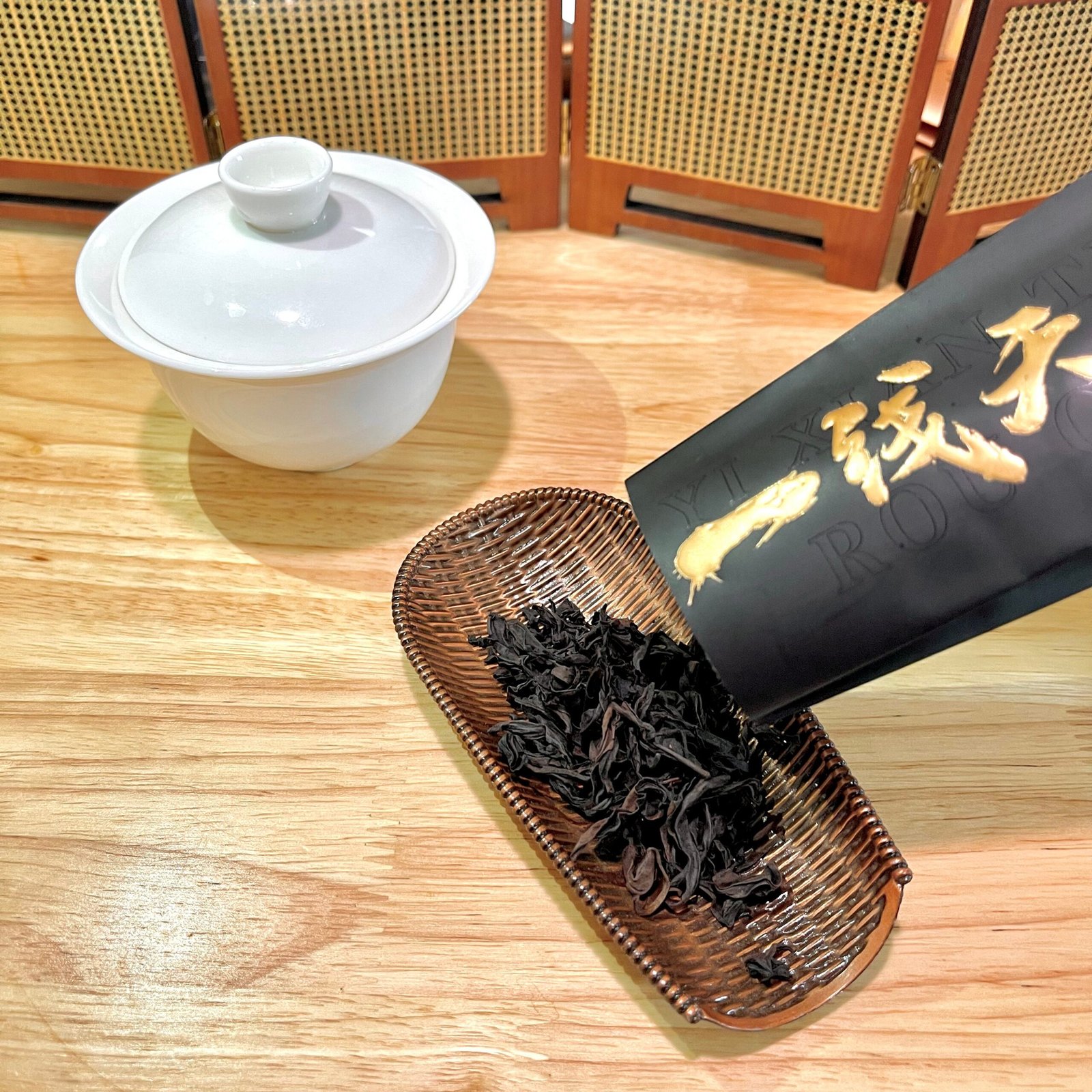
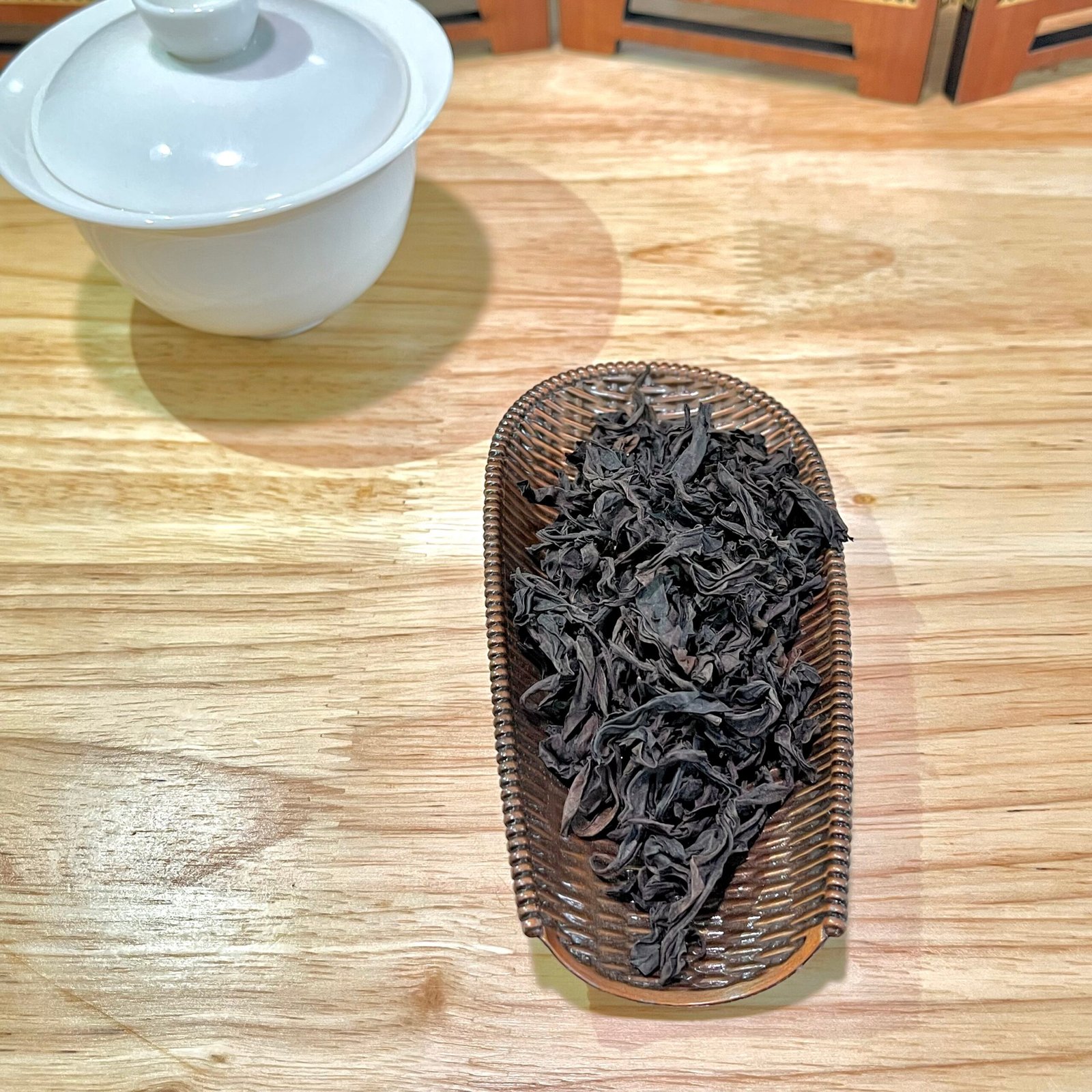
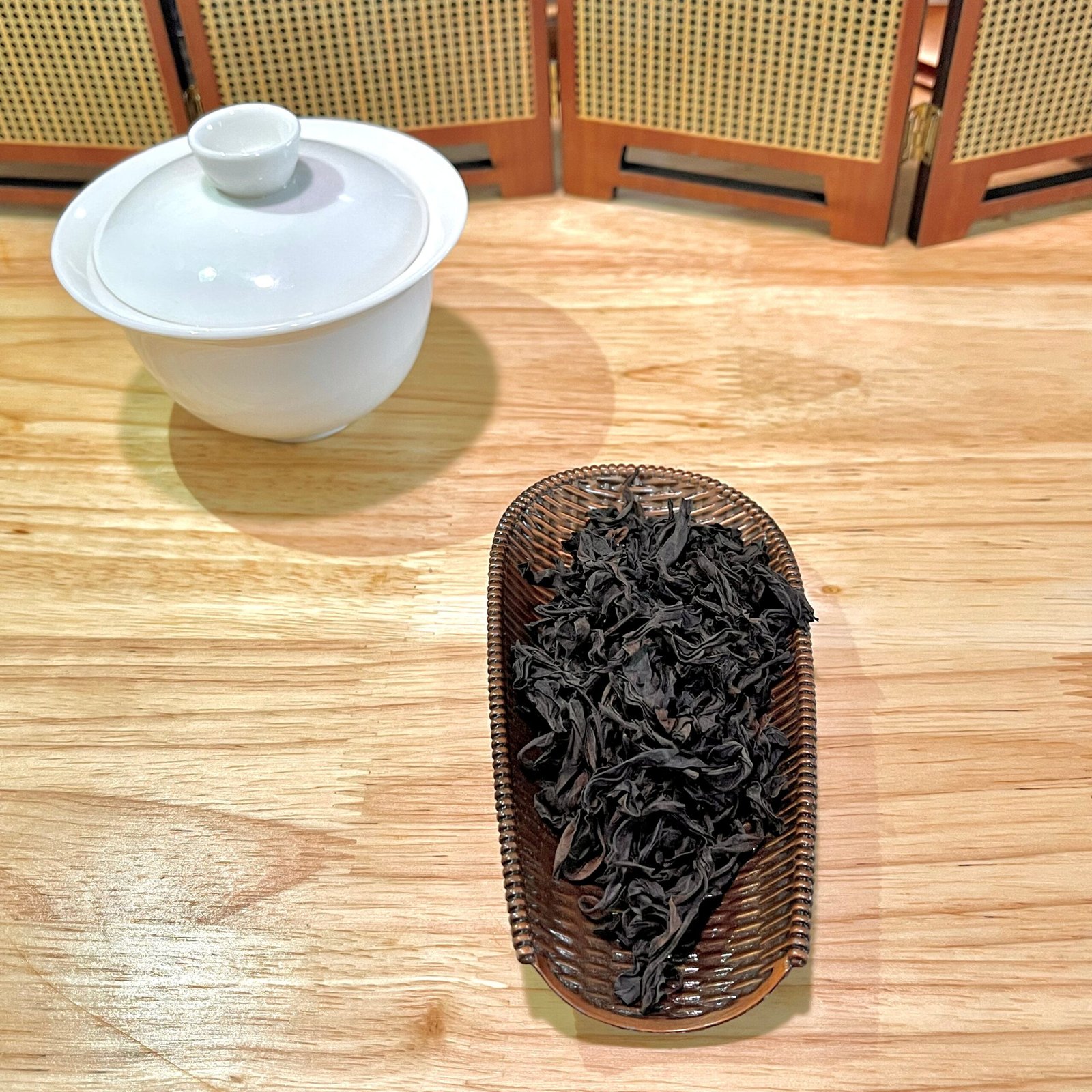
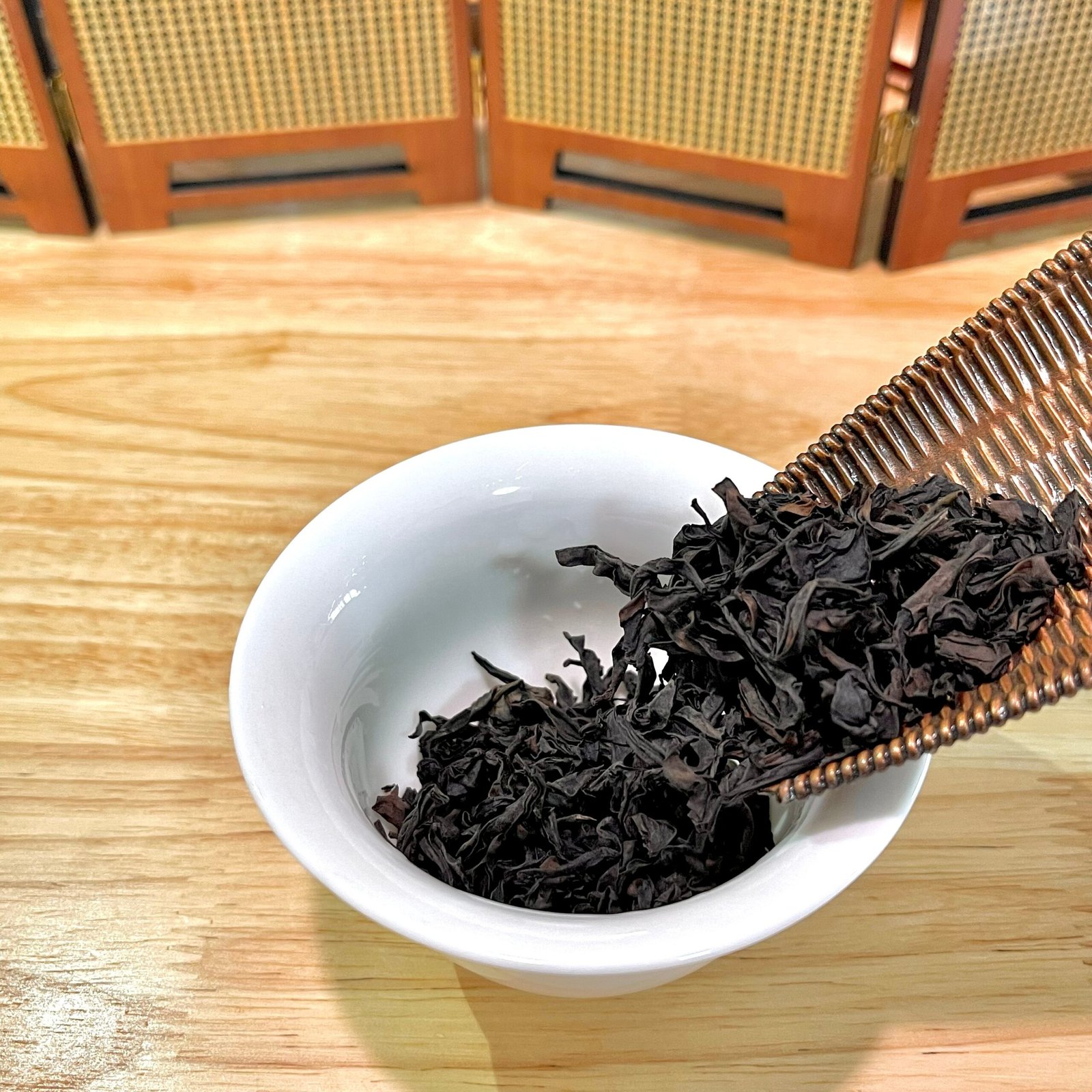
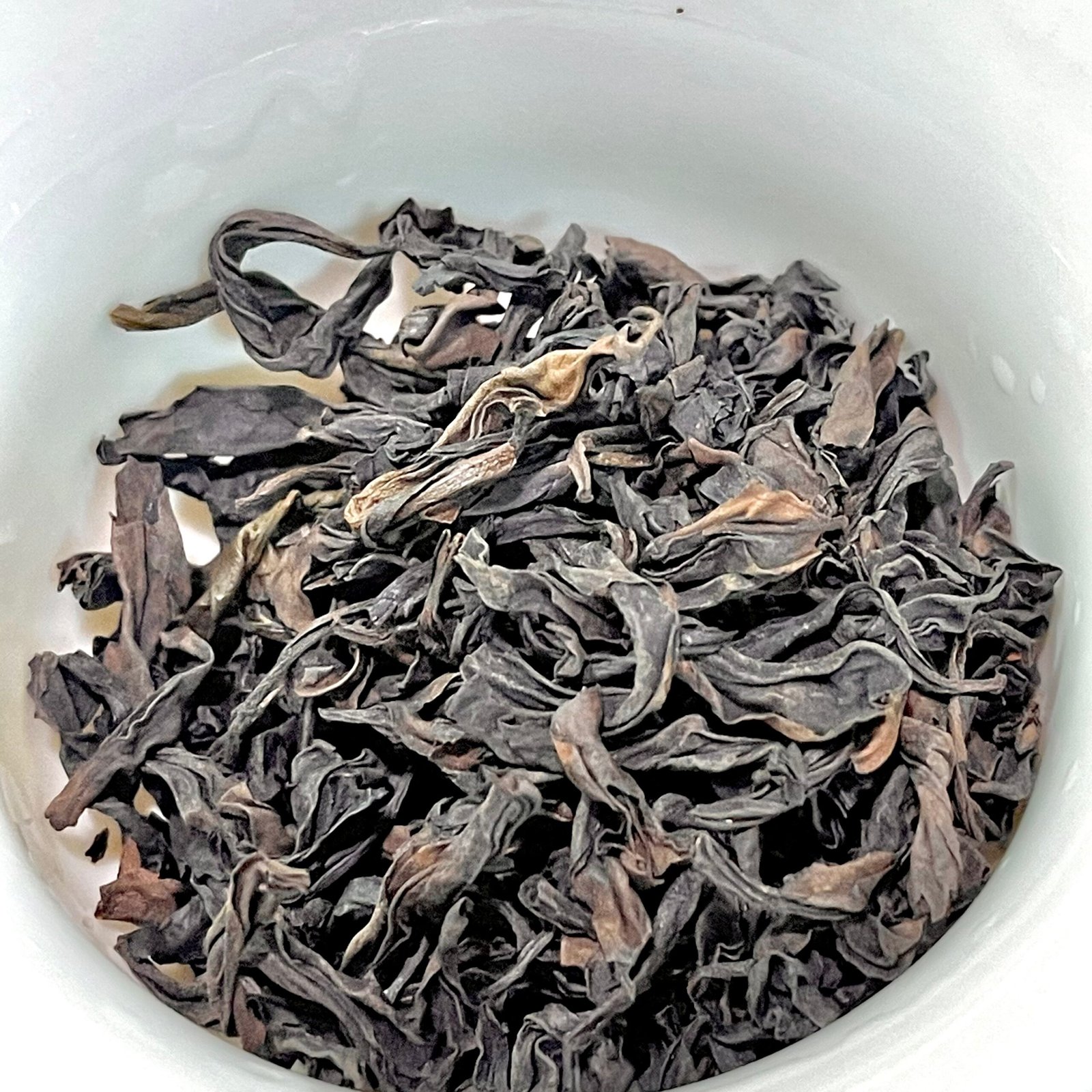
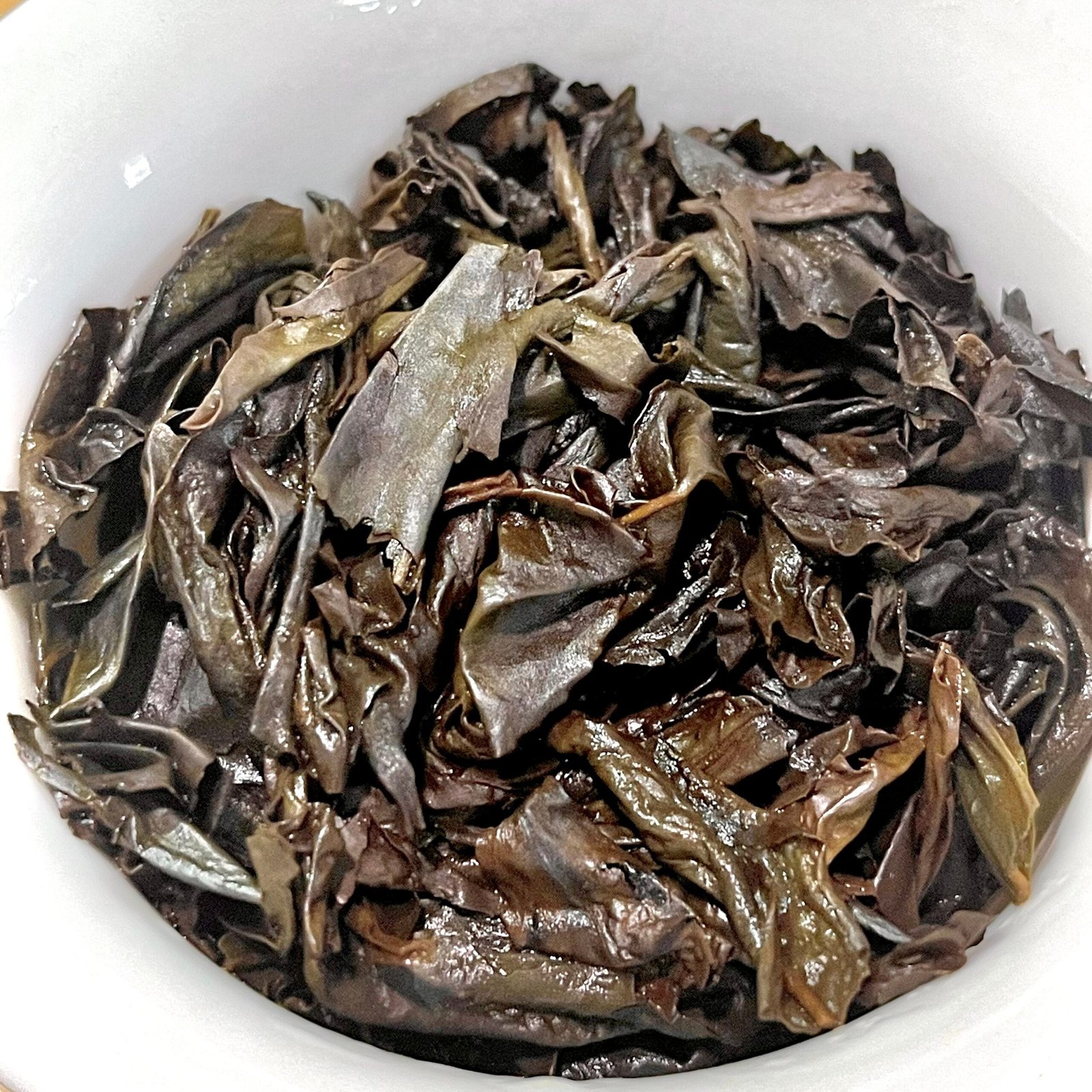
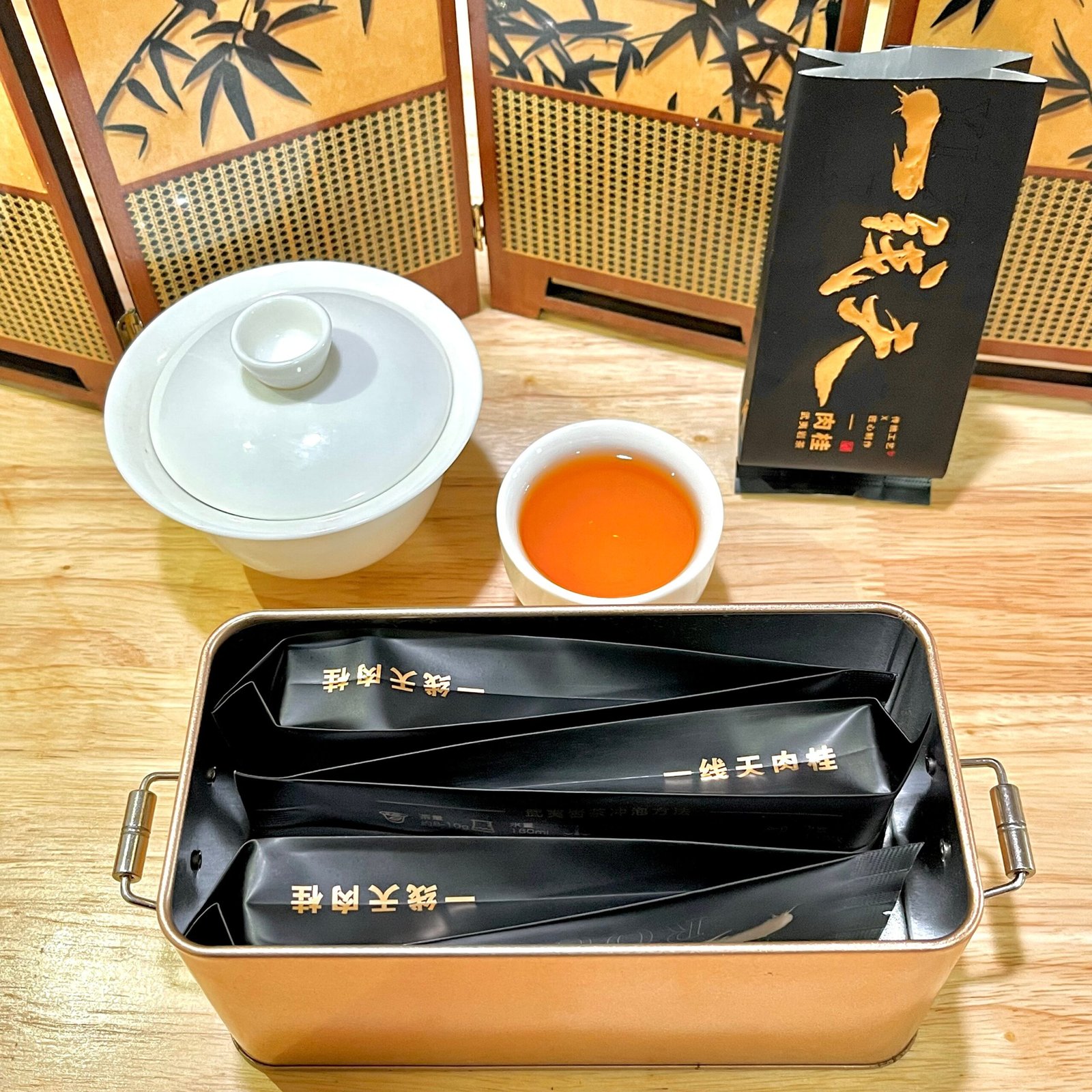
Wuyi Rock Tea: Authentic Zhengyan Rougui (Yixiantian 2026)
Price range: $10.90 through $149.90
Specifications at a Glance
Type: Wuyi Zhengyan Yixiantian Rougui (Oolong)
Origin: Yixiantian (Thread of Sky) Canyon Micro-Terroir, Core Zhengyan Zone, Wuyishan, Fujian Province, China
Harvest: Spring 2026
Altitude: 984 ft – 1,640 ft (300 m – 500 m)
Caffeine: Moderate
Sizes:
3 Packs — 0.88 oz (24.9g | 8.3g × 3)
6 Packs — 1.76 oz (49.8g | 8.3g × 6)
18 Packs — 5.27 oz (149.4g | 8.3g × 18)
30 Packs — 8.78 oz (249g | 8.3g × 30)
60 Packs — 17.57 oz (498g | 8.3g × 60)
Whether you’re new to Wuyi Rock Tea or a seasoned oolong enthusiast, exploring new flavor profiles is half the fun. Curious about other varieties? Every order includes a complimentary surprise sample alongside your tea, so you can explore these rich, mineral nuances firsthand.
Description
Wuyi Zhengyan Rougui: Yixiantian Rock Tea 2026 Buyer’s Guide
Why Doesn’t All Wuyi Rock Tea Taste the Same?
If you’ve ever tried tea sold as Wuyi Rock Tea and felt the flavor fell short, you’re not alone.
The reason is simple: origin is everything.
True Wuyi Rock Tea gets its iconic flavor from the unique terroir of the Wuyi Mountains. However, teas from other regions are often processed in a similar style and sold under the same name, leaving buyers guessing what they’re actually drinking.
With MinteaShop, you don’t have to take origin on faith.
We own our tea gardens and processing facility in the heart of the Wuyi Mountains, managing quality from leaf to cup. By skipping flashy packaging and excess cost, we focus entirely on what matters most: the quality of the tea inside.
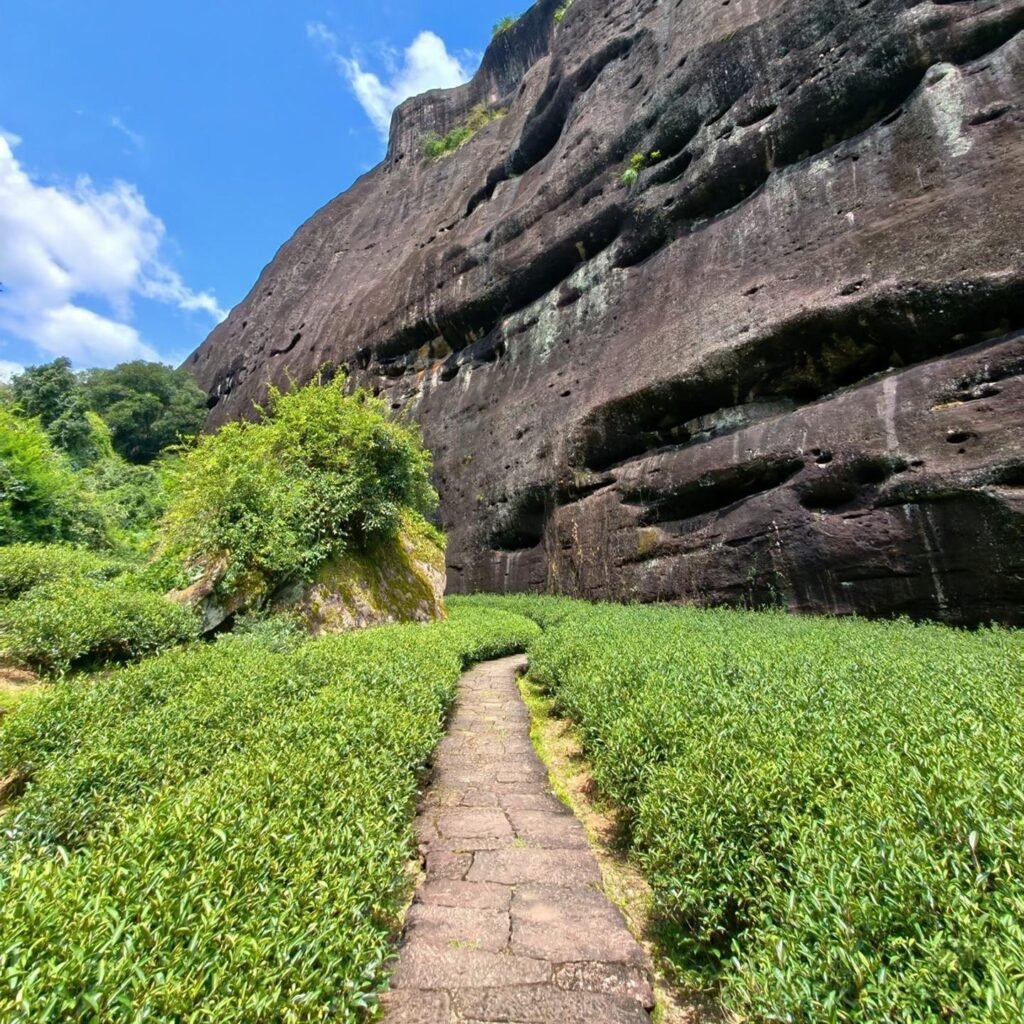
Last April, I stood in Yixiantian canyon watching a 70-year-old tea master sort freshly picked Rougui. He set about 20% of the leaves in a separate basket. I asked why. “Wrong plot,” he said. “Tastes fine, but the rock rhyme isn’t there.”
That moment captures why authentic Wuyi Zhengyan Rougui is so hard to source. It’s not about the roast or the cultivar — it’s about a 200-meter canyon that produces 0.7% of China’s total Zhengyan output per year.
This guide walks through what makes Yixiantian rock tea different, how three-stage charcoal roasting builds the cinnamon character, and the exact brewing parameters for our 8.3g sachets.
What Is Wuyi Zhengyan Rougui Tea?
Wuyi Zhengyan Rougui isn’t marketing fluff. It’s a geographic classification defined by Fujian provincial standard DB35/T 1718-2017. The standard divides Wuyi Yancha into three tiers:
| Tier | Growing Region | Examples | Rock Rhyme Intensity |
|---|---|---|---|
| Zhengyan (正岩) | 72 km² core scenic zone | Three Gorges, Two Streams, Yixiantian | ★★★★★ |
| Banyan (半岩) | Outer transition zone | Huangbai, Chengdun | ★★★ |
| Waishan (外山) | Non-Wuyi regions | Jian’ou, Jianyang | ★ |
“Rougui” (肉桂, literally “cinnamon”) is a tea cultivar originally selected from Mazhen Peak in Wuyi Mountain. In 1985, China’s National Tea Variety Approval Committee certified it as a national cultivar (Hua Cha #27). The name refers to both the plant and the tea — a common source of buyer confusion.
I’ve personally walked the slopes at Matou, Huiyuan, and Yixiantian. Here’s what stands out about Yixiantian: the soil is weathered Danxia rock gravel with a pH of 4.5–5.2. Compared to Matou or Huiyuan, the cinnamon aroma is sharper and the sweet aftertaste (hui gan) lingers longer.
A quick clarification: “Zhengyan” describes geography, not authenticity. Wuyi Yancha is the tea category. A tea only qualifies as authentic Wuyi Zhengyan Rougui if it hits all three: Wuyi geographic origin + Minnan oolong processing + oolong classification under China’s six tea categories. Wuyishan Government — Geographic Indication Protection Scope for Wuyi Yancha.
Why Does Yixiantian Micro-Terroir Matter for Wuyi Zhengyan Rougui?
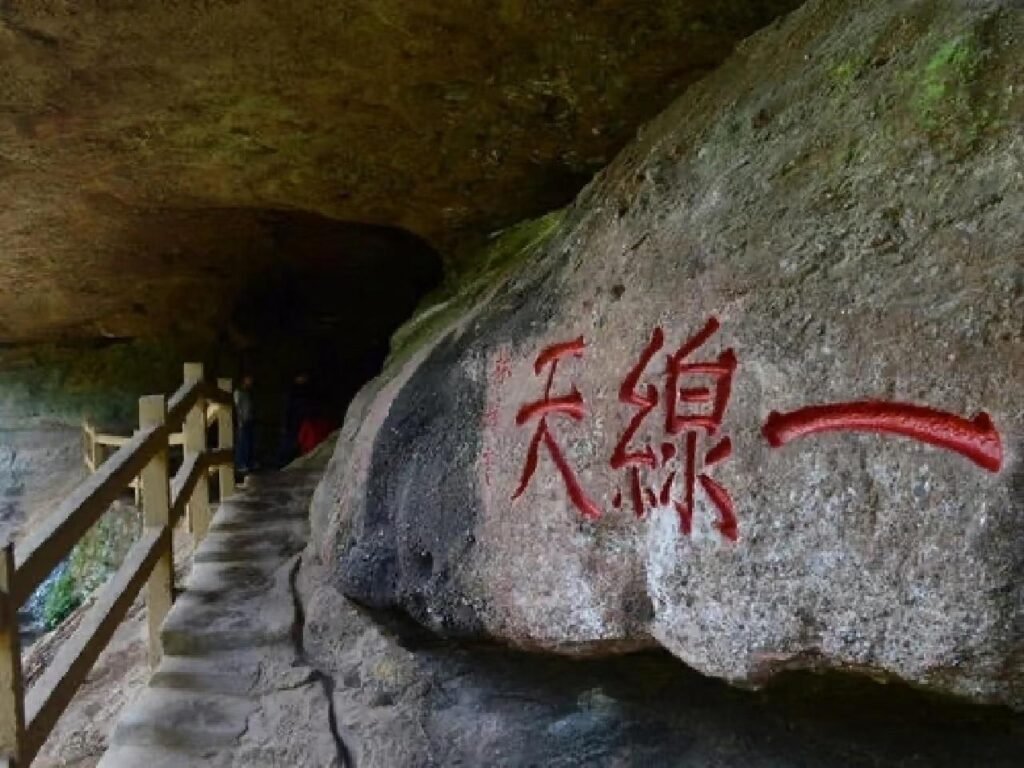
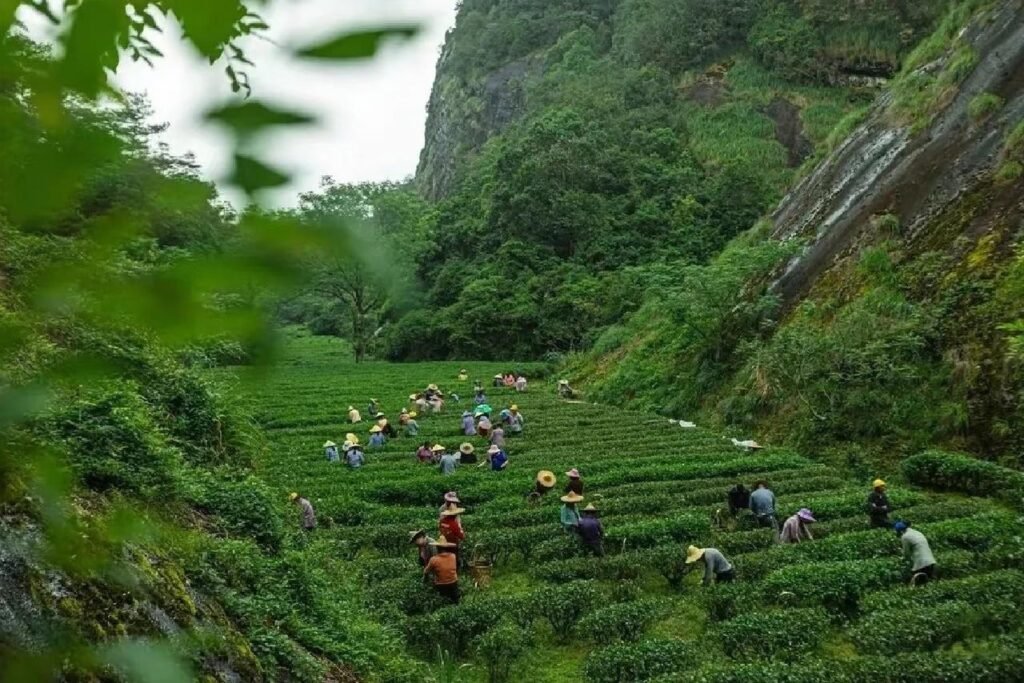
Yixiantian (“Thread of Sky”) is a 200-meter canyon, 1–3 meters wide, flanked by 300–500 meter Danxia cliffs. Three things make this micro-terroir unique:
- Limited direct sunlight: Only 2–3 hours per day. Leaves stay thin, and amino acid content runs about 18% higher than outer-mountain tea.
- Large day-night temperature swings: Up to 12°C in summer. This drives polyphenols and sugar accumulation.
- Mineral-rich gravel soil: Calcium, magnesium, and iron run 30–40% higher than surrounding red soil.
According to the Wuyishan Tea Industry Bureau’s 2024 Wuyi Yancha Terroir White Paper, Yixiantian’s core plots produce under 800 kg of dried Rougui per year — just 0.7% of total Zhengyan output. That’s why authentic Wuyi Zhengyan Rougui commands the prices it does. Wuyi Yancha Altitude and Mineral Content Study
How Does Charcoal Roasting Change Rougui’s Flavor?
Charcoal roasting is what turns fresh leaves into rock tea. Most of the “cinnamon” character comes from roasting, not the cultivar itself. Our partner, Master Wu (a Wuyishan Intangible Cultural Heritage inheritor), uses a three-stage slow roast:
| Stage | Temperature | Duration | Purpose |
|---|---|---|---|
| 1. Water removal | 90–100°C | 6 hours | Removes grassy notes |
| 2. Form-fixing | 110–120°C | 4 hours | Tightens leaf, locks in cinnamon |
| 3. Slow finishing | 70–80°C | 8 hours | Develops rock rhyme and aftertaste |
Total roast time: 18 hours. Standard Rougui gets 8–10 hours. A common misconception: darker roasting doesn’t equal better tea. Over-roasted leaves turn bitter and astringent. Master Wu’s medium-light approach preserves the cinnamon sharpness without burying the Yixiantian mineral character.
In December 2025, we ran a blind test. Twelve certified tea specialists tasted the same Yixiantian leaves — one batch charcoal-roasted, one machine-electric-roasted. Ten picked the charcoal version as having “clearer cinnamon and longer-lasting aftertaste.” Two saw no meaningful difference.
What Is “Rock Rhyme” (Yan Yun) in Wuyi Yancha?
“Yan Yun” (岩韵) is the signature sensation of Wuyi rock tea — a mineral weight on the palate plus a sweet aftertaste that rises through the throat. It sounds mystical, but you can measure it three ways:
- Throat resonance duration: Authentic Wuyi Zhengyan Rougui produces a sweet aftertaste that lasts 15+ seconds after swallowing. Banyan: 8–12 seconds. Waishan: under 5 seconds.
- Liquor weight: Pour brewed tea from a 110ml gaiwan into a tasting cup. Zhengyan liquor has visible heft — it feels heavier than water.
- Cool-cup aroma: After rinsing the leaves, smell the lid. Authentic Zhengyan Rougui still smells strongly of cinnamon 60 seconds later.
We once tested a sample labeled “Wuyi Rougui” that failed all three checks. When we pushed for details, the seller admitted it was Jian’ou outer-mountain leaf processed in Wuyi style. This “geographic laundering” is rampant on U.S. e-commerce platforms.
Wuyi Zhengyan Rougui vs. Shui Xian vs. Da Hong Pao: Flavor Compared
A lot of first-time buyers confuse these three. Here’s the thing: Shui Xian and Rougui are cultivars. Da Hong Pao is a blended commercial concept (made by mixing multiple cultivars). This table compares same-terroir, same-roast versions:
| Attribute | Rougui (肉桂) | Shui Xian (水仙) | Da Hong Pao (大红袍) |
|---|---|---|---|
| Aroma | Cinnamon, floral | Orchid, “bush” depth | Floral, fruity, creamy |
| Taste | Sharp, spicy | Thick, mellow | Balanced, rounded |
| Rock Rhyme | ★★★★ | ★★★★★ | ★★★★ |
| Best For | Experienced drinkers, spice lovers | Beginners, mellow preference | Gifts, first-time rock tea drinkers |
If you’re new to Chinese oolong tea, start with Shui Xian. If you want layered intensity and that cinnamon kick, Wuyi Zhengyan Rougui is the move.
How to Brew Yixiantian Rougui (Gongfu Style)
Brewing parameters matter more than most people think. Same tea, wrong water temperature or steep time, and you’re leaving 30% of the flavor on the table. For 8.3g of leaves in a 110ml porcelain gaiwan:
- Warm the vessels: Pour boiling water into gaiwan, pitcher, and cups. Dump after 10 seconds.
- Add leaves and smell: Drop in 8.3g. Lift the lid and inhale — you should get clear cinnamon.
- Brew with boiling water: 100°C / 212°F, pour along the gaiwan wall until full.
- Rinse fast: First infusion, 3 seconds, discard. Wakes the leaves and clears ash.
- First three steeps: 5 seconds each. Don’t trap the lid.
- Middle steeps: Add 5 seconds per infusion, infusions 4–7.
- Final steeps: From infusion 8, stretch to 30 seconds. You can also drop the leaves into a kettle and boil them.
With these parameters, the 2026 spring batch delivers 10–12 solid infusions. Infusion 4 hits peak cinnamon. Infusion 7 is the sweet spot for hui gan. Infusion 12 still carries a woody finish.
FAQ: Your Top 6 Questions About Authentic Cinnamon Oolong Tea
Is this Wuyi Zhengyan Rougui good for beginners?
Yes. Even though Yixiantian Rougui is flavor-complex, the 8.3g sachets remove all guesswork. Just follow the brewing parameters above. We suggest starting at infusion 5 to skip the heaviest roast notes.
Will the charcoal roast make it taste burnt?
No. We use a medium-light, three-stage roast designed to preserve cinnamon sharpness while removing grassy notes. Burnt flavors usually come from over-roasting or machine-electric roasting — neither applies to this batch.
How should I store it? What’s the shelf life?
Unopened: 18 months. Once opened, drink within 3 months. Storage rules: dark, sealed, cool, away from strong odors. Don’t refrigerate — tea absorbs fridge smells. After opening, split into smaller foil bags (one sachet per bag).
How does Yixiantian compare to Matou and Huiyuan?
Three different personalities:
- Matou Rougui: Heavy cinnamon, thick body
- Huiyuan Rougui: Floral-fruity, refined
- Yixiantian Rougui: Spicy-sharp with the longest-lasting aftertaste
Pick Matou for impact, Yixiantian for balance, Huiyuan for nuance.
Can I actually tell Zhengyan from Banyan in a blind test?
Yes. In our tests, 9 out of 10 certified tea specialists correctly identified Zhengyan vs. Banyan in blind conditions. Banyan tea has noticeably thinner body, shorter throat resonance, and weaker cool-cup aroma.
Is this authentic cinnamon oolong tea gift-worthy?
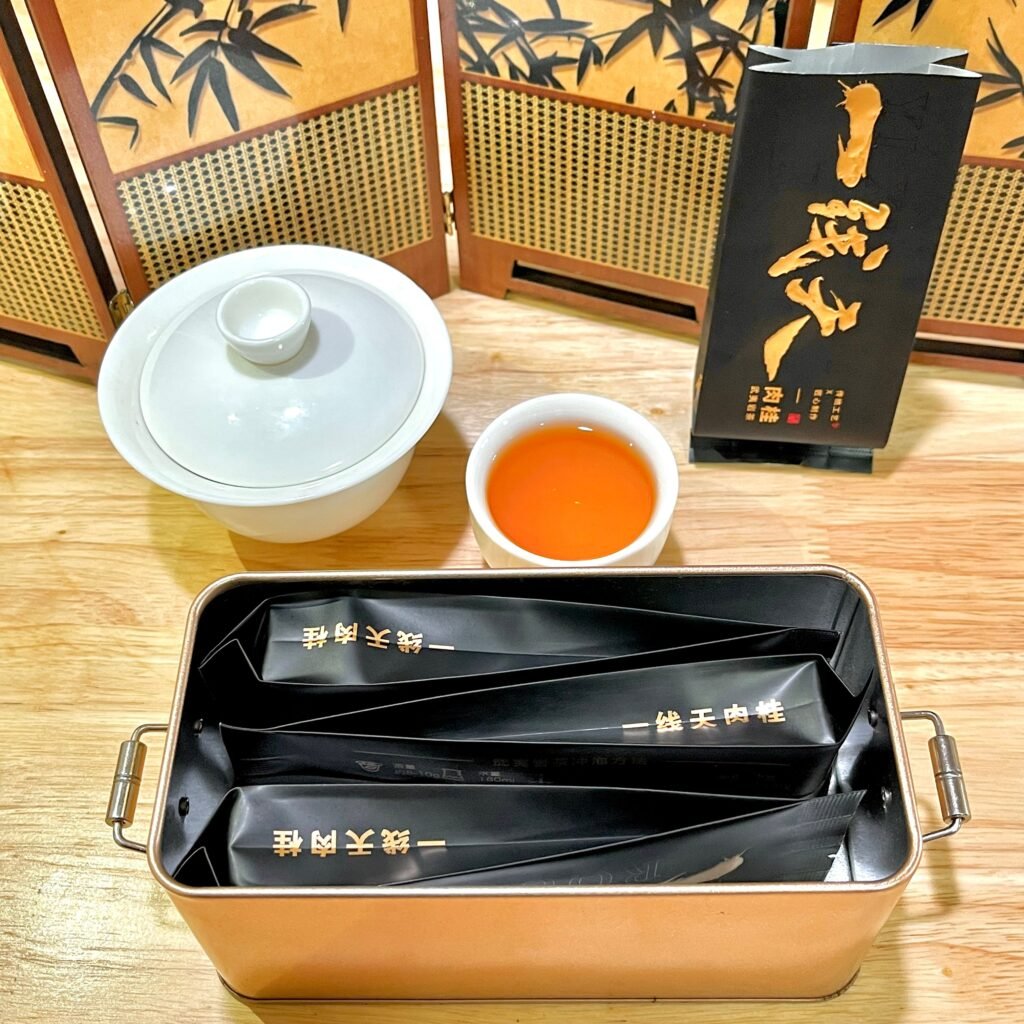
Yes. Our gift box includes 12 individually wrapped 8.3g sachets, the batch certificate, and a brewing reference card.
A Final Note
Whether you’re a seasoned tea drinker or just starting out, every order includes a free bonus: a sample of our everyday Wuyi Rock Tea, alongside an extra variety sample to explore.
Pure, clean, and delicious, this is our go-to for daily sipping. But why include it?
For Experienced Tea Lovers: You might quickly realize that what other vendors market as “premium” is simply our everyday baseline. We cut the markup—never the quality.
For Beginners: It gives you a reliable reference point. Tasting it side-by-side with your main order lets you instantly recognize authentic Wuyi Rock Tea notes, so you’ll never overpay again.
If you’d like to try other authentic styles, explore our Wuyi Rock Tea Collection.
Additional information
| size | 3 Packs (0.88 oz), 6 Packs (1.76 oz), 18 Packs (5.27 oz), 30 Packs (8.78 oz), 60 Packs (17.57 oz) |
|---|
Related products
-

Exquisite Wuyi Shuixian Oolong: 3-Stage Charcoal Roast
Price range: $9.90 through $106.90Select options This product has multiple variants. The options may be chosen on the product page -
Authentic Wuyi Rougui Rock Tea: Complete 2026 Tasting Guide
Price range: $12.90 through $189.90Select options This product has multiple variants. The options may be chosen on the product page -
Wuyi Oolong Tea: Best 78-Year Old Tree Wu San Di 2026
Price range: $18.90 through $249.90Select options This product has multiple variants. The options may be chosen on the product page -
Wuyi Oolong Tea Buyer’s Guide (2026): Authentic Yanzi Ke Rougui
Price range: $9.90 through $139.90Select options This product has multiple variants. The options may be chosen on the product page
Reviews
There are no reviews yet.