
Ember Fox Tea Pet: Complete 2026 Guide & 6 Best Care Tips
$29.90
Quick facts about the Ember Fox:
- Type: Hand-sculpted gongfu tea accessory
- Origin: Chao’an, Chaozhou, Guangdong
- Clay: Local iron-rich mineral stoneware
- Glaze: Reactive wood-ash glaze
- Length: 9 cm (3.5 in)
- Width: 3 cm (1.2 in)
- Height: 7 cm (2.8 in)
- Weight: 120 g (0.26 lb)
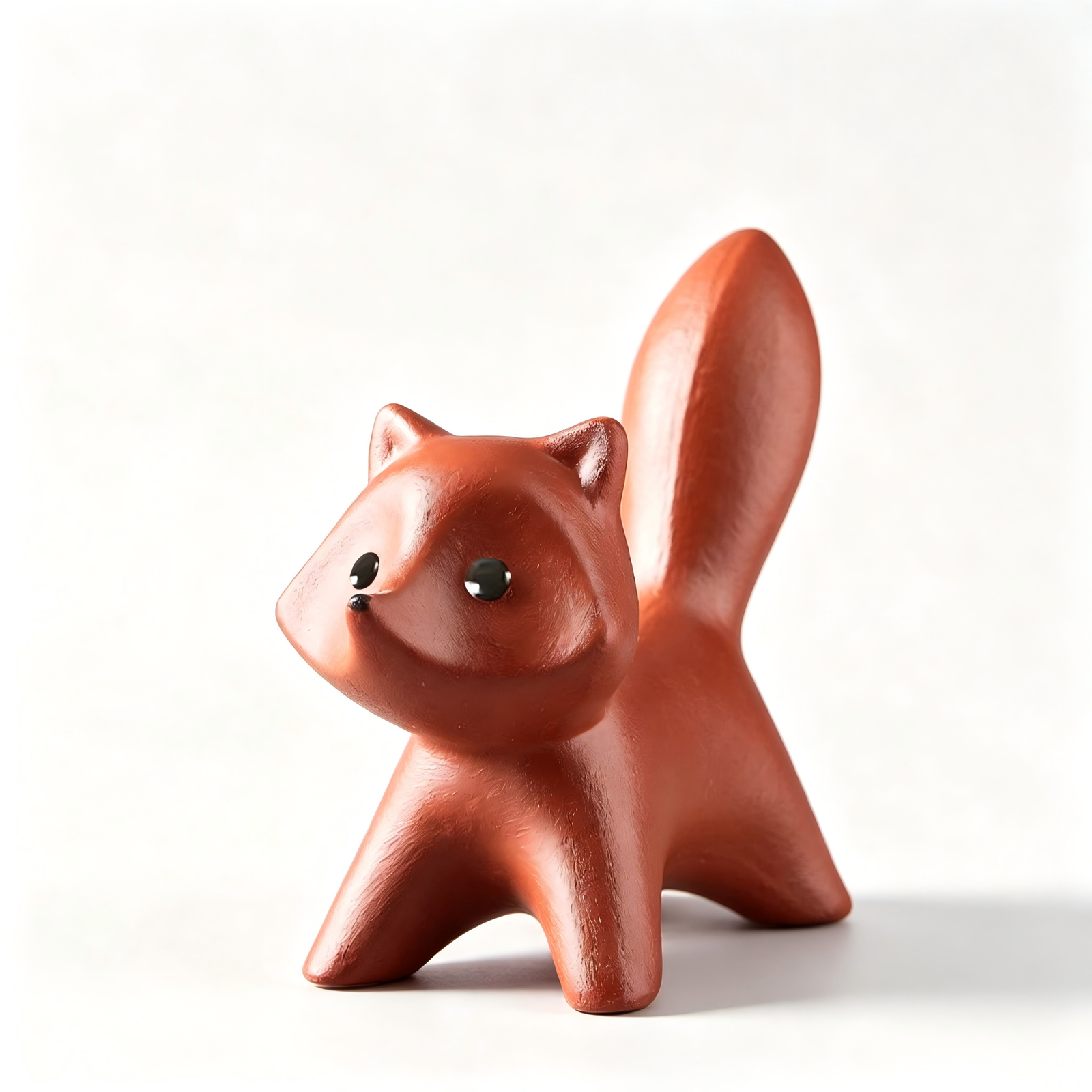
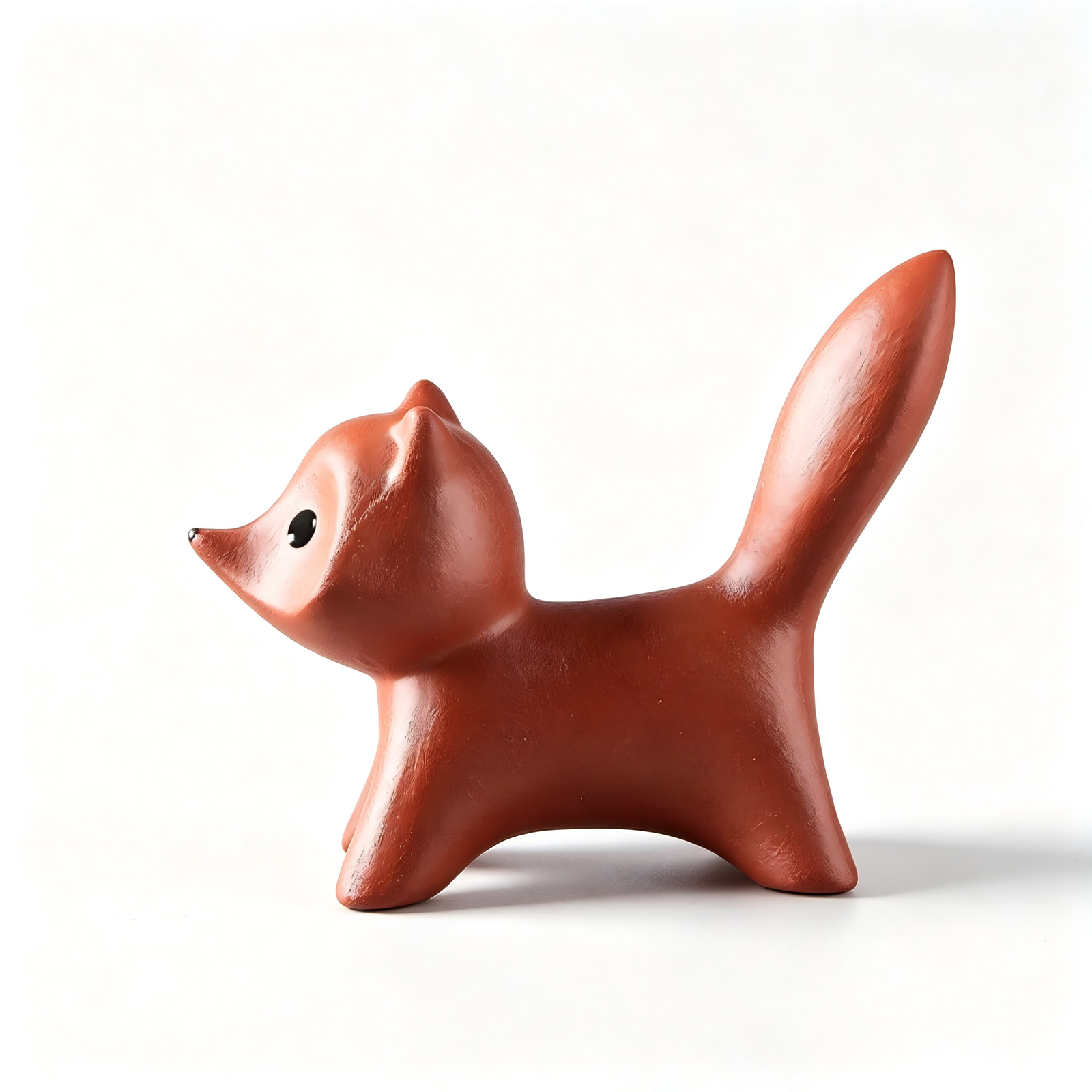
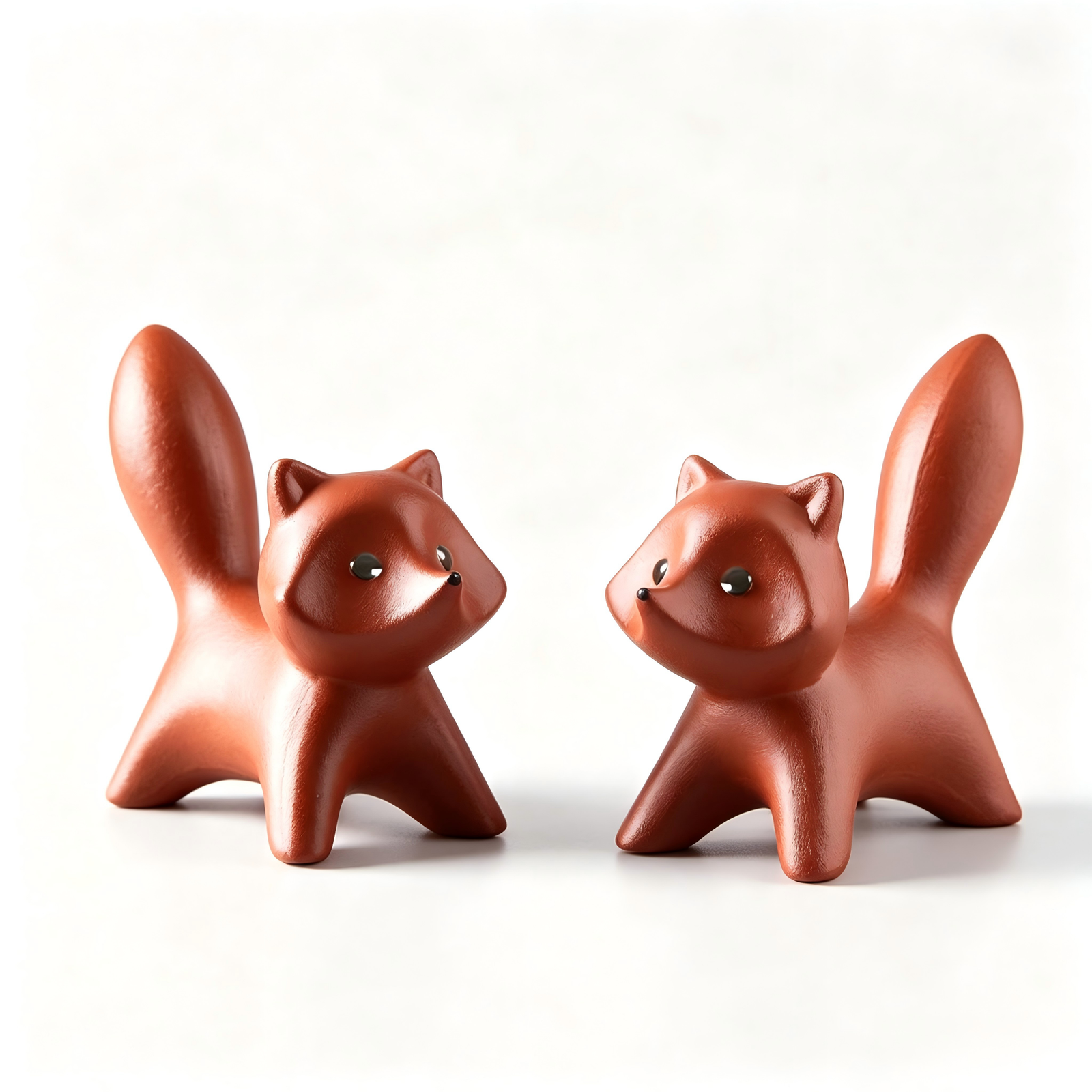
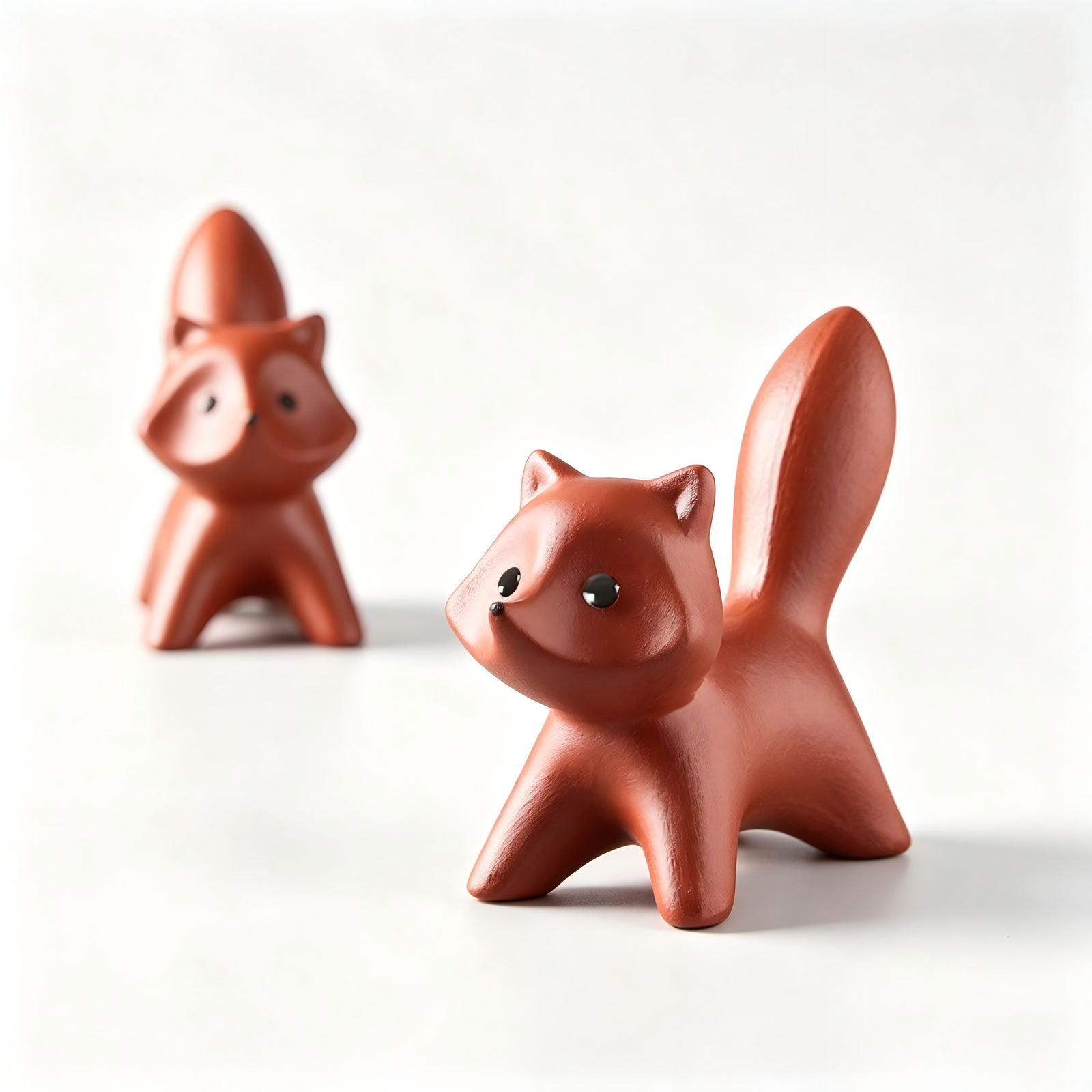
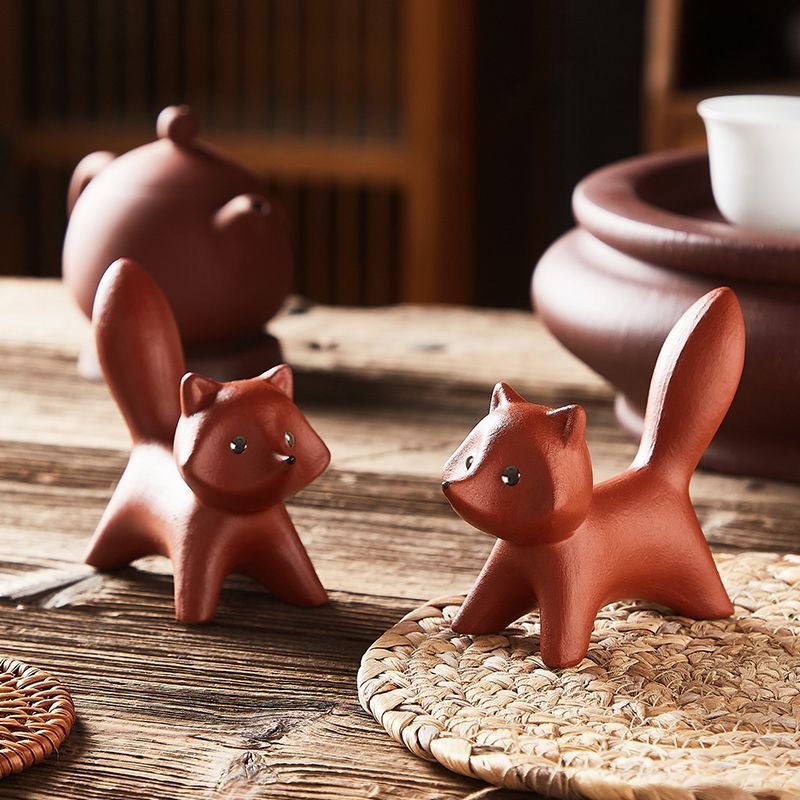
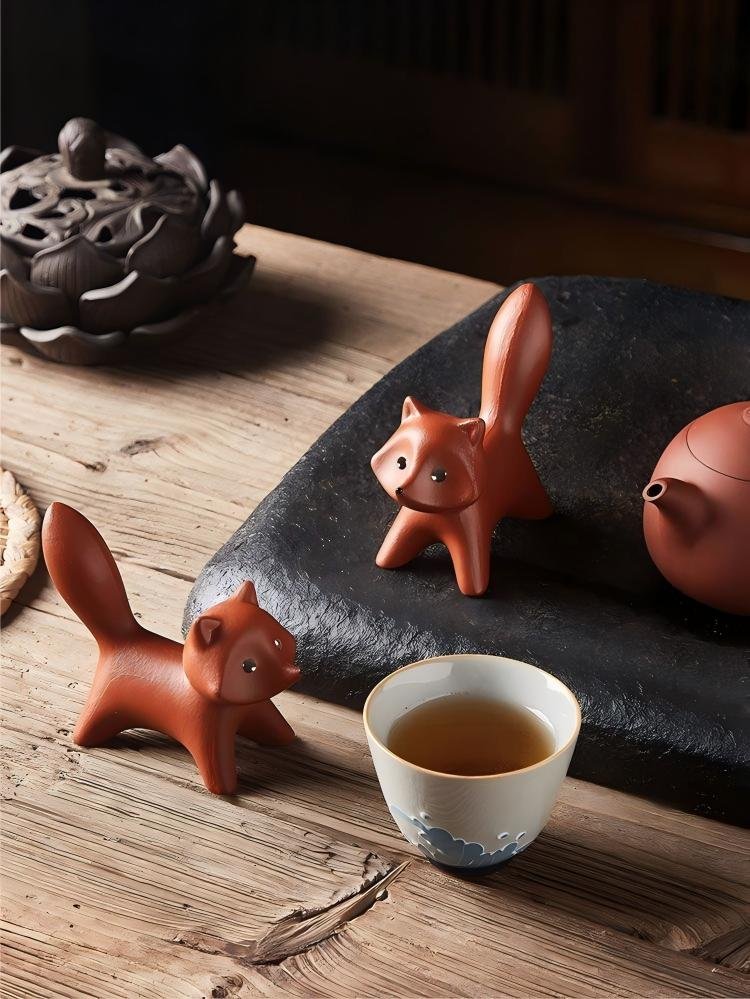
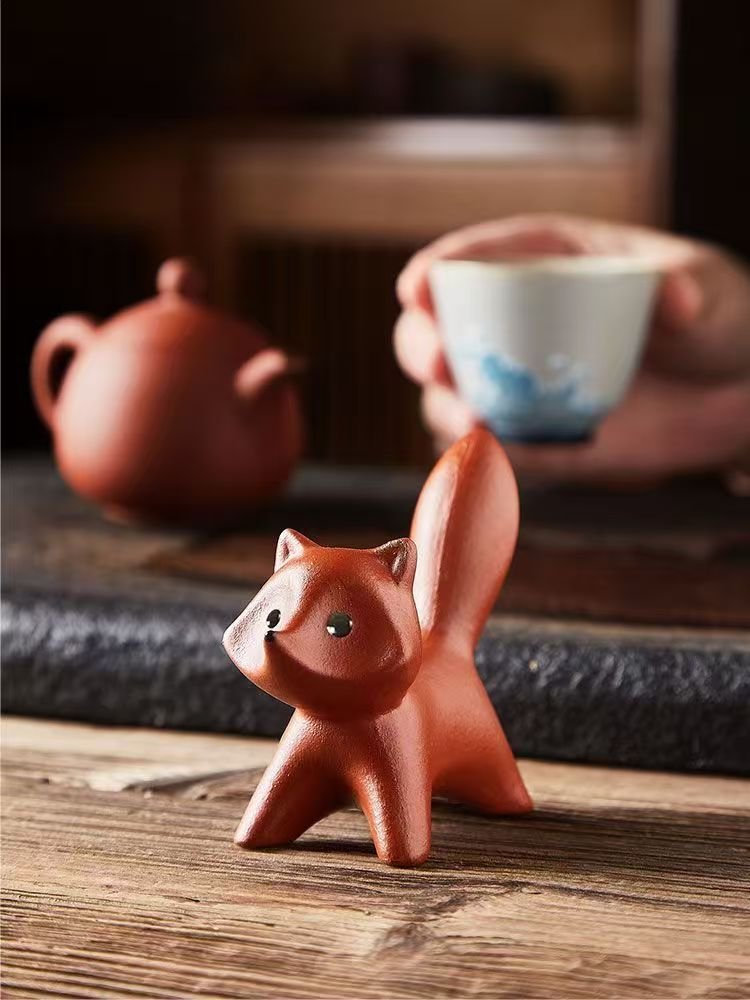
Elevate your bamboo cha pan with The Ember Fox Tea Pet. Hand-sculpted from iron-rich Chaozhou stoneware, it develops a beautiful bronze patina over time.
15 in stock
Description
The Ember Fox Tea Pet – Handmade Chaozhou Ceramic Companion
Most store-bought tea pets look the same. They have that flat, painted-on stare. I have bought a few of them myself, and they all ended up in a box after a few weeks.
Then I started looking at handmade ceramic tea pets from small workshops in Chaozhou. The difference is real. The Ember Fox came out of a small kiln in Chao’an District, the same coastal region in Guangdong famous for [internal link: Chaozhou tea culture] and its gongfu sets.
In this guide, I will walk you through what makes this rustic animal tea pet different. I will cover the clay, the wood-ash glaze, how to season it, and which teas bring out the real patina. I will also answer the six questions I get asked the most.
What Is a Tea Pet, and Why a Fox?
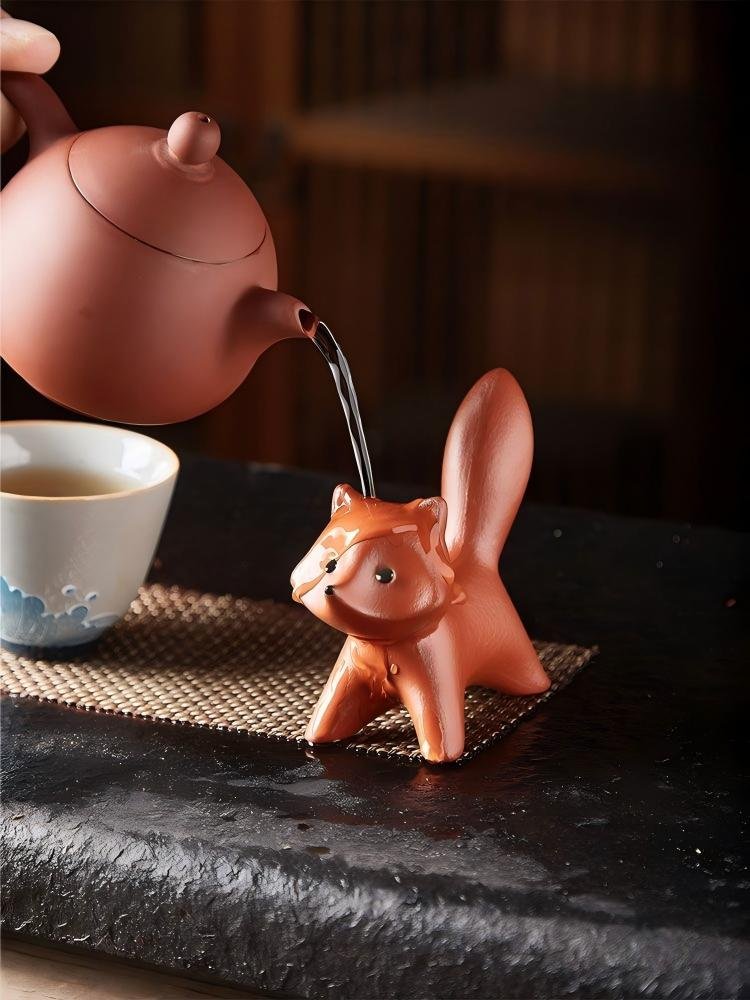
A tea pet is a small clay figure you keep on your tea tray. During a gongfu session, you pour tea over it. Over time, the figure soaks up tea oils and develops a deep color, called “patina.” The patina shows that the piece has been used and loved.
Foxes in Chinese tea folklore stand for cleverness and good luck. A fox tea pet is often given as a gift to wish the owner a smooth year. The fox is also a low, alert shape that fits well between a teapot and a pitcher.
Why Choose a Handmade Chaozhou Tea Pet Over a Factory-Made One?
Factory tea pets are slip-cast in plaster molds. They come out fast and cheap. The surface stays uniform forever. The glaze rarely changes.
A handmade piece like the Ember Fox is different in three real ways:
- Clay body — hand-pounded and wedged, so air pockets are removed by feel, not by machine vibration.
- Carving — the fur lines are cut with a small loop tool. Tool marks stay visible.
- Glaze — a wood-ash recipe is dipped by hand, so the iron flecks pool differently on every piece.
According to the UNESCO Intangible Cultural Heritage entry on traditional tea culture, traditional teaware craftsmanship is recognized as living cultural heritage. A handmade Chaozhou piece sits inside that tradition. A factory mold-cast piece does not.
Materials: Iron-Rich Clay and Wood-Ash Glaze
Most beginners think a tea pet must be Yixing purple clay. That is not true. Chaozhou stoneware works just as well, and it has its own character.
| Feature | Chaozhou Stoneware (Ember Fox) | Yixing Purple Clay (Zisha) |
|---|---|---|
| Body | Iron-rich, fully vitrified stoneware | Porous, unglazed Zisha |
| Surface | Reactive wood-ash glaze with breaks | Raw clay, no glaze |
| Patina Speed | Slower (3–6 months for first signs) | Faster (4–8 weeks) |
| Patina Look | Deep bronze-amber, multi-layered | Even, soft sheen |
| Tea Flexibility | Can be used with many tea types | Best dedicated to one tea type |
The wood-ash glaze is where the magic happens. As the ash melts in the kiln, it pulls iron from the clay body and forms tiny color shifts. These shifts are why some parts of the fox look bronze and others look charcoal grey. They also give the glaze its slightly rough feel, which is what helps the patina lock in.
If you want to read more about this kind of firing, the [internal link: traditional wood-ash glaze techniques] we use is well documented in older craft journals.
How to Season the Ember Fox (and How Long It Takes)
People often ask if seasoning a glazed tea pet is the same as seasoning a Yixing pot. It is similar, but the steps are simpler because the glaze is already sealed. Here is the routine I use on my own fox.
- First rinse. Place the fox in a bowl. Pour boiling water over it until it is fully covered. Let it sit for 10 minutes, then drain.
- First pour. Make a small pot of strong tea. Pour the first steep over the fox and let it run down the carved fur.
- Daily pour. After each gongfu session, pour your last, strongest steep over the fox. Do this on top of the bamboo tray so the tea pools around the base.
- Soft brush. Use a soft tea brush to work the liquid into the carved fur lines. Never use soap.
- Air dry. Leave the fox on the tray. Do not wipe it with a cloth.
| Time | What You Should See |
|---|---|
| Week 1–2 | Surface darkens slightly. Glaze feels less dry. |
| Month 1–3 | Iron flecks shift from grey to warm brown. |
| Month 3–6 | First real bronze sheen on the high points. |
| Year 1+ | Deep, glowing patina that highlights the carved fur. |
In my own experience, the fox’s tail and the top of the head darken first because that is where the tea lands most. The base of the legs is usually the last part to change.
Which Teas Bring Out the Best Patina?
In my experience, darker and more mineral-heavy teas work fastest:
- Phoenix Dancong oolong (Chaozhou roasted) — if you want the traditional pairing.
- Heavily roasted Wuyi rock tea — high roast, deep oils.
- Ripe Pu’er — heavy, soil-like taste; darkens the glaze fast.
- Smoky Lapsang Souchong — works, but the scent lingers, so use it alone.
Lighter teas (green, white, light oolong) won’t hurt the piece, but they won’t darken the glaze quickly either. According to the Guangdong Provincial Department of Culture and Tourism’s official portal, gongfu cha in the Chaozhou tradition almost always pairs with roasted oolong. That tradition is also why the Ember Fox is built the way it is.
Best Teas to Use With the Ember Fox Tea Pet
A glazed stoneware tea pet can handle many tea types. But some teas will bring out the patina faster than others.
- Phoenix Dancong Oolong — The most authentic match. The roasted notes and mineral content work well with the iron-rich clay.
- Heavily Roasted Tieguanyin — Deep, dark, and full of oils that settle into the glaze.
- Ripe Pu’er (Shou) — Earthy and rich. Builds patina fast but can change the glaze color.
- Smoky Lapsang Souchong — A good choice if you want a darker, faster patina.
- Black Tea (Hong Cha) — Reliable, easy to find, and good for daily sessions.
If you want to explore Phoenix Dancong further, our [internal link: Phoenix Dancong oolong tea] page has tasting notes for six single-bush lots. If you are weighing this against an unglazed Yixing pot, our [internal link: Yixing Zisha teapots] comparison will help you choose.
Who Is the Ember Fox Tea Pet For?
The Ember Fox isn’t for everyone. It’s a good fit if:
- You already practice gongfu cha and want a tray companion that ages with you.
- You collect single-region oolongs (Phoenix Dancong, Wuyi rock tea).
- You like objects with visible handwork — tool marks are a feature, not a flaw.
- You’re curious about wood-ash glaze but not ready for a full Chaozhou teaware set.
It isn’t a good fit if:
- You brew tea only in a western mug and never use a tray.
- You want a “perfectly uniform” gift — handmade pieces vary, and that surprises some people.
- You’re looking for a food-safe vessel. The Ember Fox is for tea ceremony display, not food contact.
Care, Cleaning, and Common Mistakes
A few simple rules will keep your fox in good shape for years.
- Do rinse with boiling water and let it air dry on the tray.
- Do use a soft tea brush to clean the carved fur lines.
- Do not use soap, detergent, or any scented cleaner. The glaze holds onto scent.
- Do not put it in a dishwasher or microwave.
- Do not use it as a food surface or lid rest for hot kettles.
One of the most common mistakes I see is people wiping the fox with a paper towel after pouring tea. That pulls the oils out and slows the patina. Let the tea dry on the surface instead.
Should you wish to explore other thoughtful companions for your tray, discover our complete [tea pet collection] to find the silhouette that resonates with your personal brewing ritual.
How Long Does It Take for the Glazed Tea Pet to Develop Patina?
I get asked this all the time. Here’s a rough timeline based on daily gongfu use with roasted oolong:
Frequently Asked Questions
1. How does an ash-glazed ceramic tea pet develop a patina compared to purple clay?
Unglazed Yixing Zisha clay soaks up tea oils directly through its porous body. A high-fired stoneware piece with a reactive wood-ash glaze develops its patina in the tiny surface textures of the glaze. The process is slower, but it gives a deeper, multi-dimensional shine that highlights the carved fur details.
2. Which teas are best for seasoning the Ember Fox?
A strong Chaozhou Phoenix Dancong is the most authentic pairing. Heavily roasted Oolong, smoky Lapsang Souchong, and ripe Pu’er also work very well. Their high mineral content and dark oils help the iron flecks shift from charcoal grey to glowing bronze over time.
3. Is the Ember Fox safe to use as a lid rest or for food contact?
No. The Ember Fox is meant for display and tea ceremony use only. Its porous ash glaze absorbs tea oils and is not certified for food contact. Keep it on your bamboo tea tray as a visual companion.
4. How should I care for and clean my Ember Fox?
Pour warm water or tea over the fox during your sessions. Use a soft tea brush to work the liquid into the carved fur. Never use soap or detergent — the glaze holds onto scents. Rinse with boiling water and let it air dry on your tea tray.
5. How long will it take for the Ember Fox to show its patina?
You will see subtle changes in the glaze texture within three to six months of daily use. After a year or more, the fox will develop a deep bronze-amber luster that highlights the carved details.
6. Can I use different types of tea with this tea pet?
Yes. Unlike a Yixing teapot, a glazed stoneware tea pet can handle many tea types. You can use green, white, oolong, or pu’er. For the strongest patina, focus on darker or roasted teas.
Where the Ember Fox Comes From
For over a millennium, the coastal winds of Chaozhou have fanned the high-temperature kilns of master potters, relying on the region’s mineral-dense clay and native pine wood to create teaware of exceptional density and texture. According to UNESCO’s recognition of traditional tea practices, the intricate rituals of gongfu cha stand as a protected Intangible Cultural Heritage, a living tradition to which Chaozhou-style teaware remains deeply and historically intertwined.
To fully appreciate the slower, meditative rhythm that this piece invites, one can explore the ancient lineage of Gongfu tea brewing methods. For those wishing to wander deeper into the regional artistry and its birthplace within the Chaoshan cultural area, a comprehensive historical overview is preserved by the Guangdong provincial cultural heritage portal.
Reviews
There are no reviews yet.