
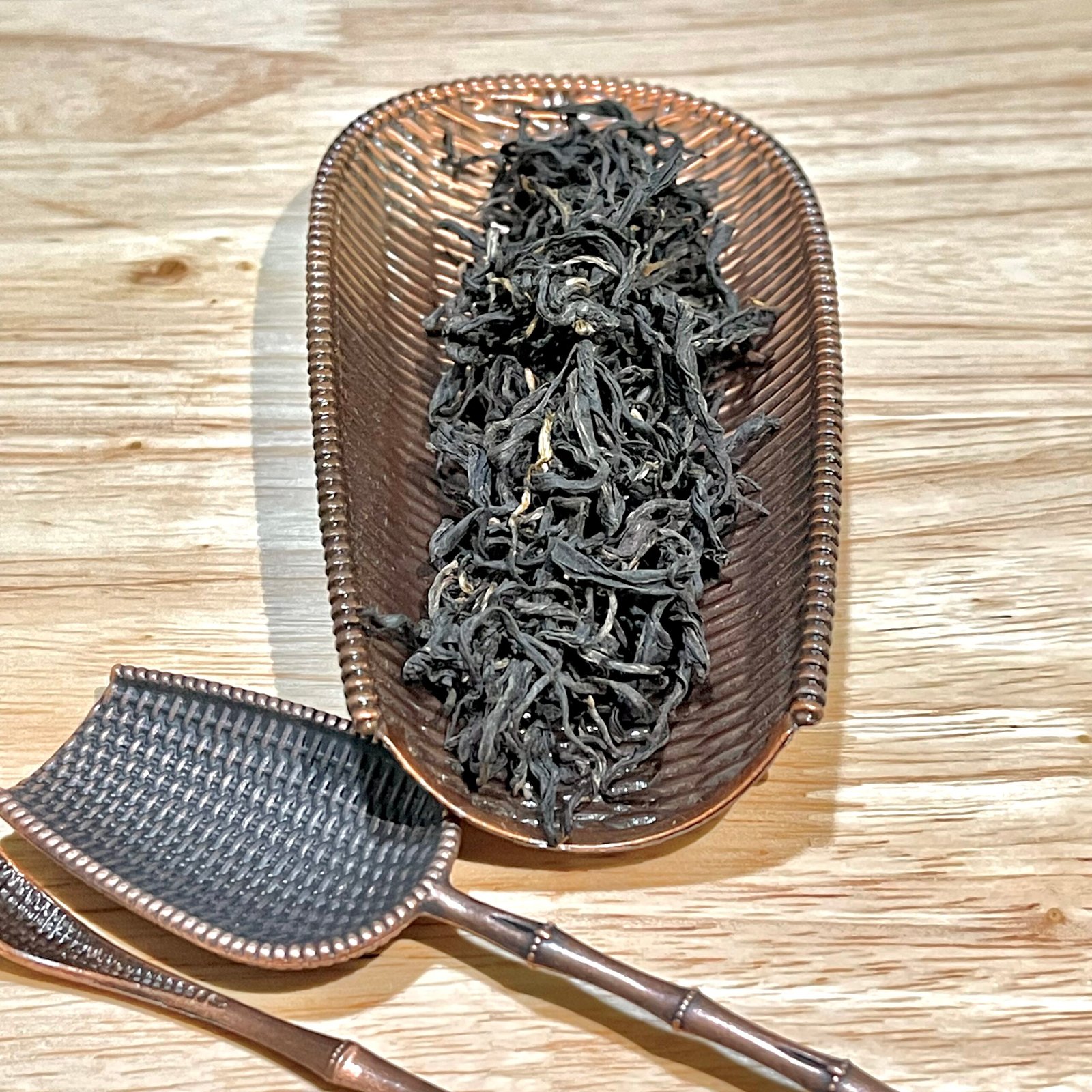
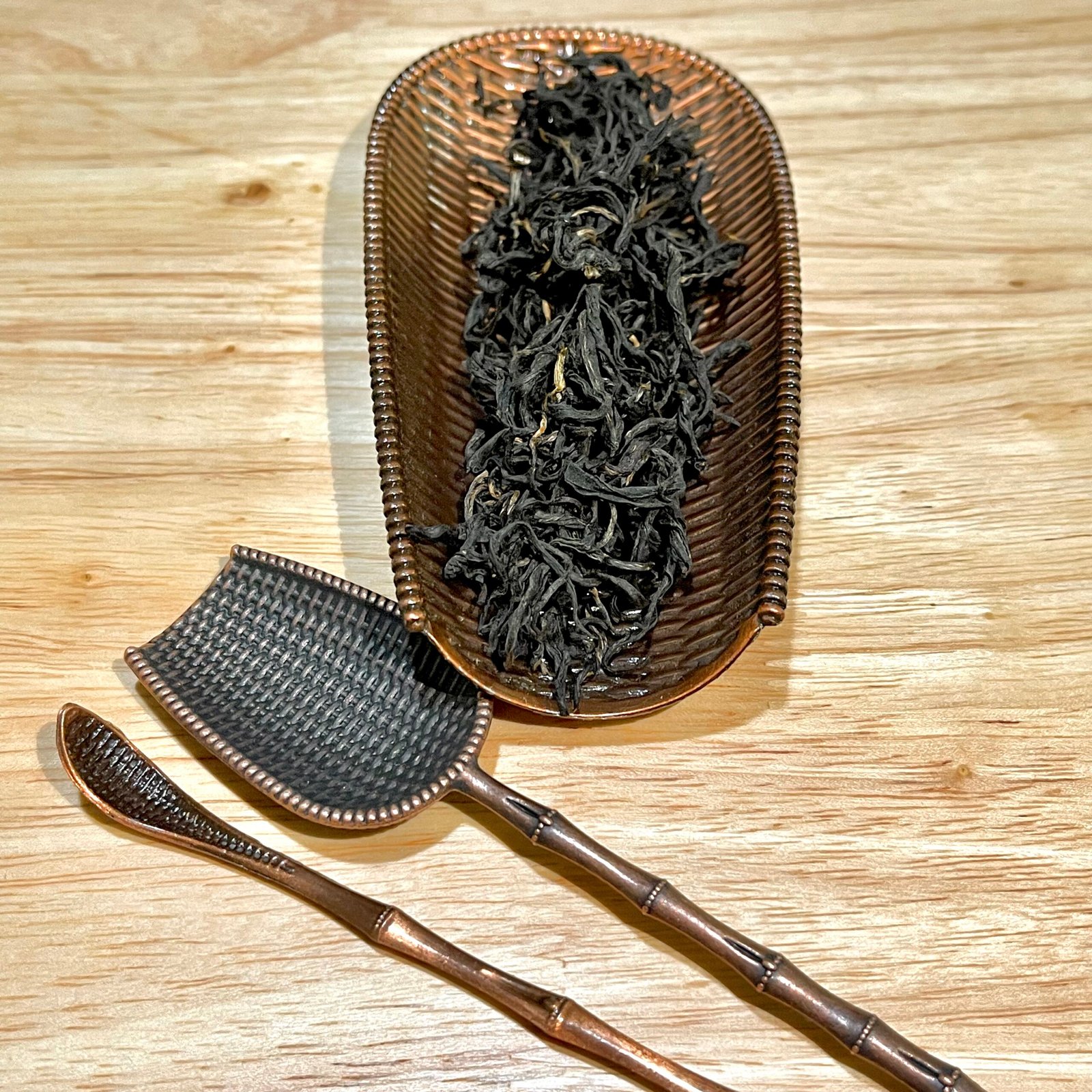
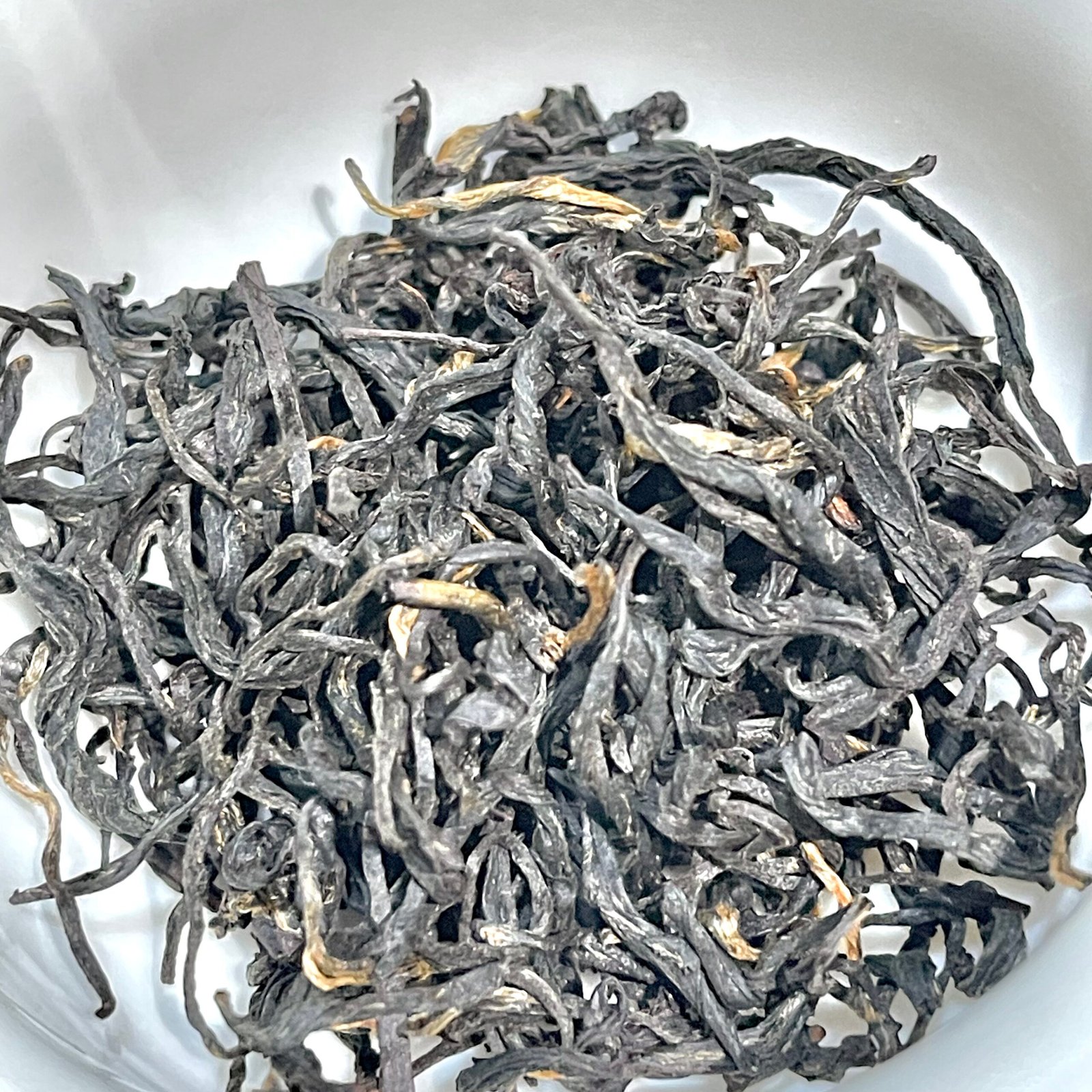
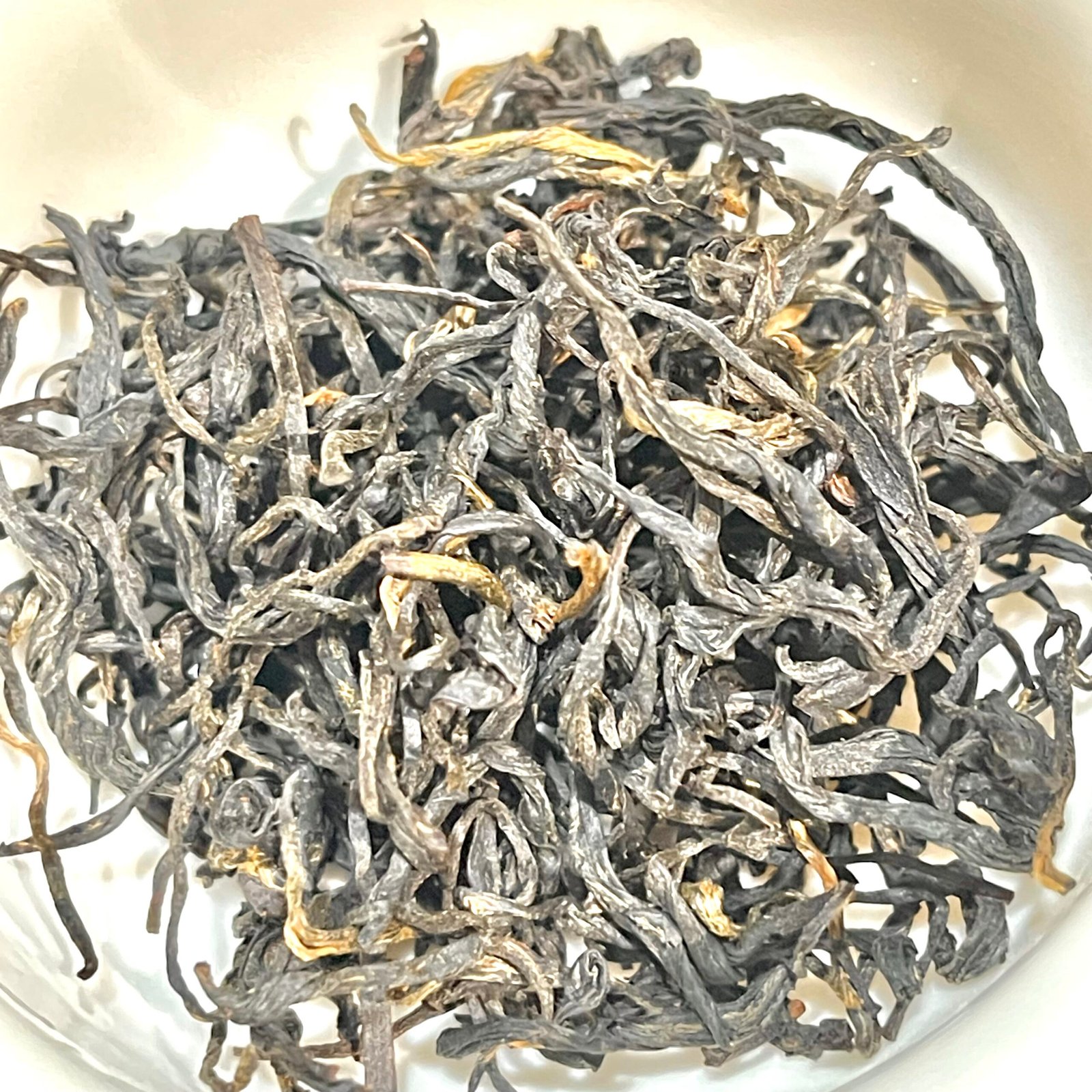
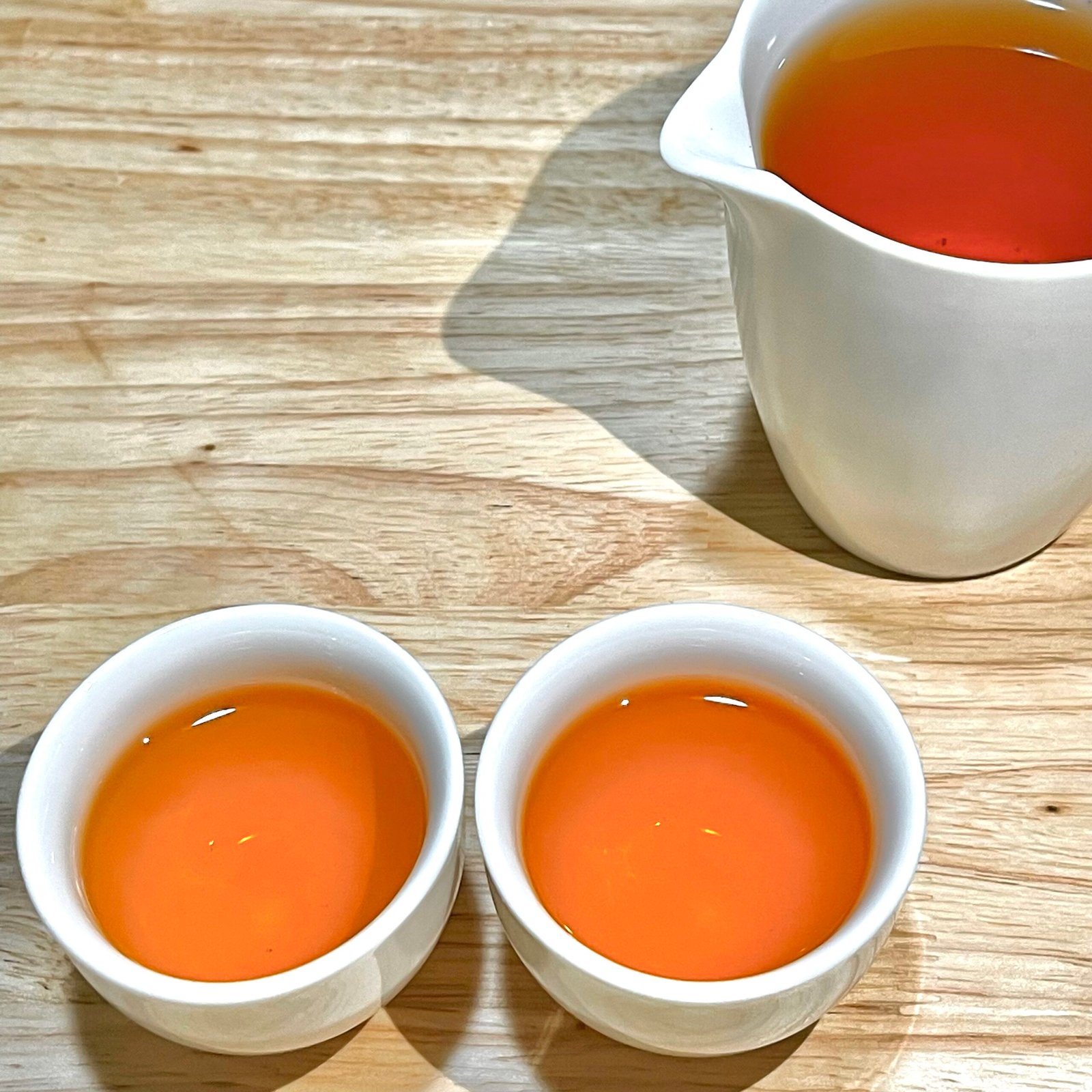
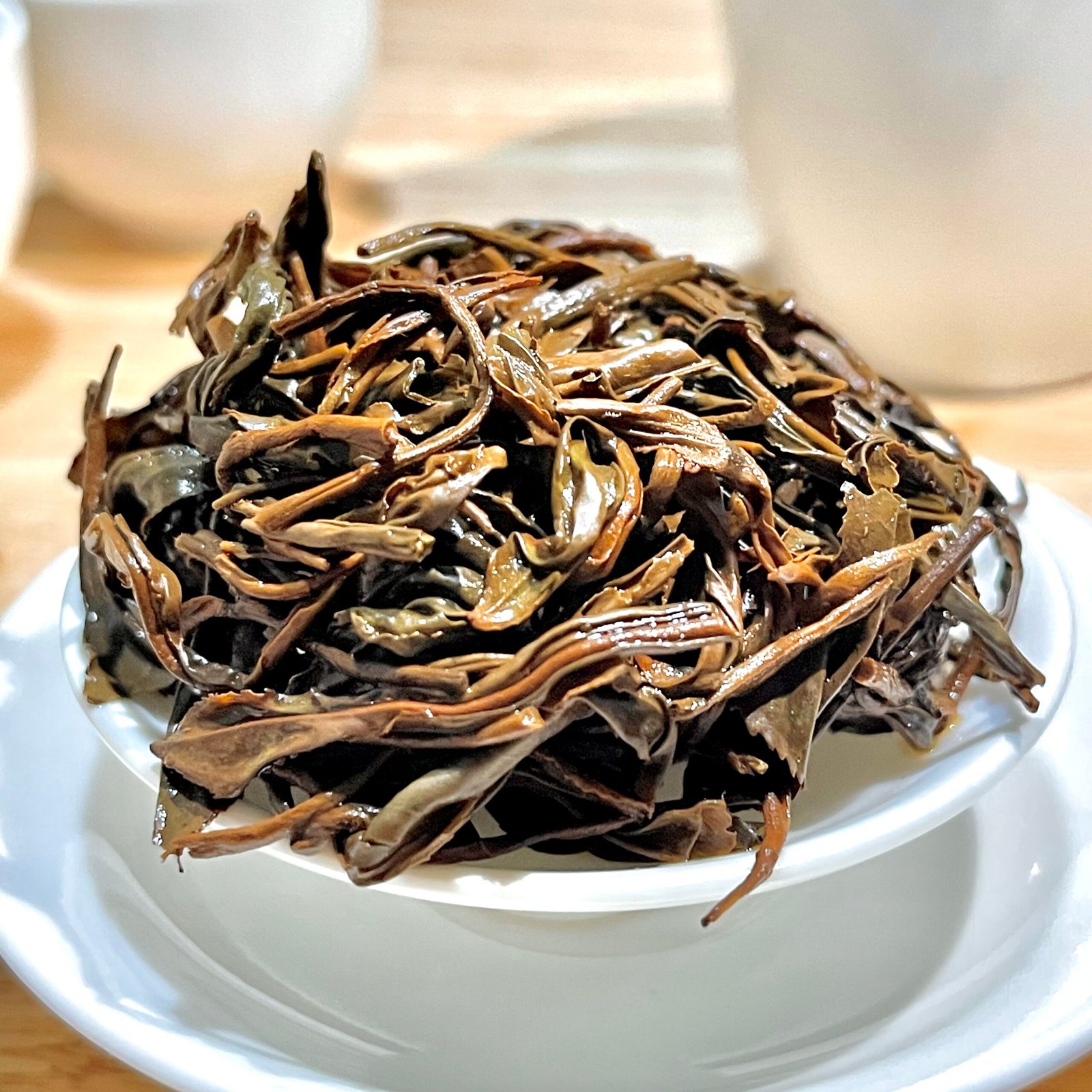
Jin Mu Dan | 2026 Rare High Mountain Loose Leaf Honey Lychee Black Tea
Price range: $19.90 through $93.90
Specifications
Origin: Shouning, Ningde, Fujian Province, China
Altitude: 3,280 ft (1,000 m)
Harvest: First Spring 2026
Caffeine Level: Medium
Available Sizes: 1.76 oz (50g) / 3.5 oz (100g) / 7.0 oz (200g) / 17.6 oz (500g)
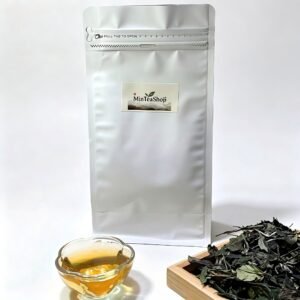
Savor the rare sweetness of our High Mountain Jin Mu Dan Black Tea. A Spring 2026 harvest from Shouning featuring honey and lychee notes. Shop this luxury leaf now!
Description
Shouning High Mountain Jin Mu Dan Black Tea: First Spring 2026
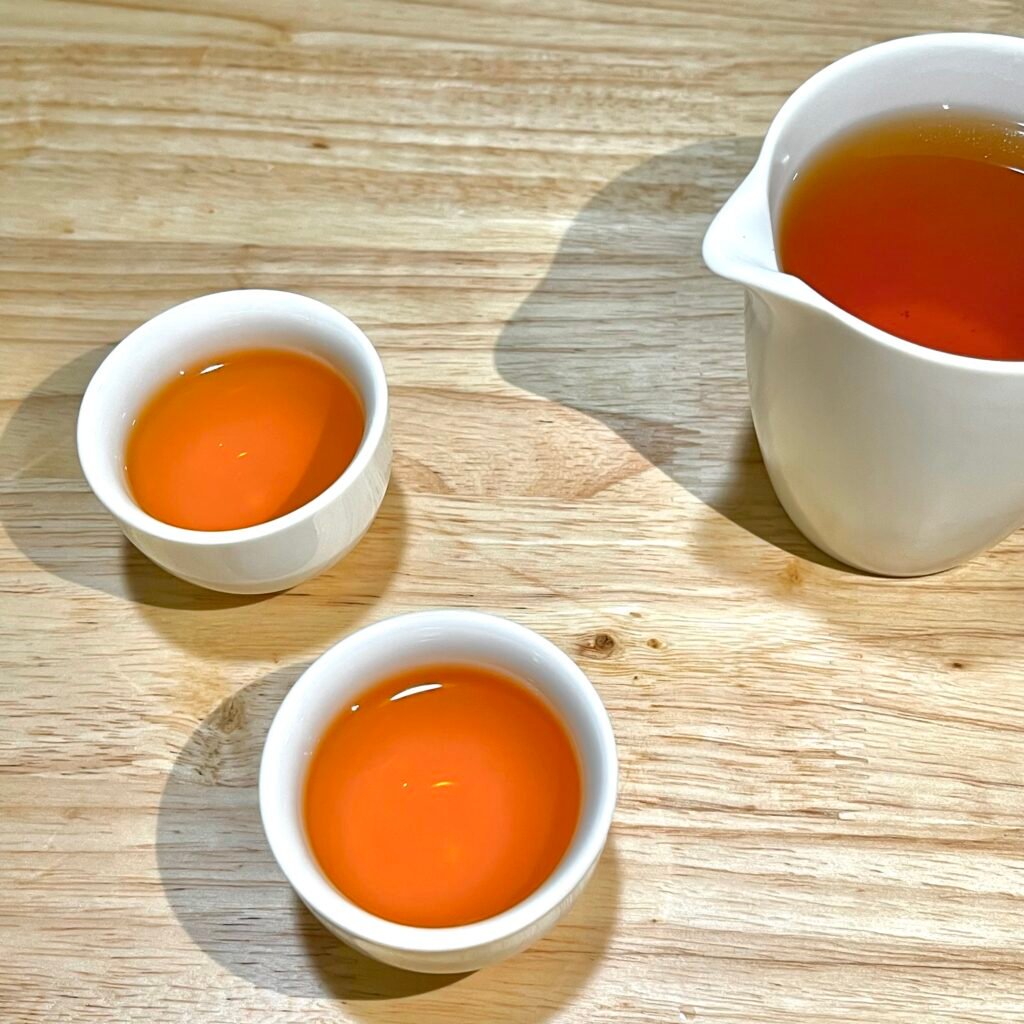
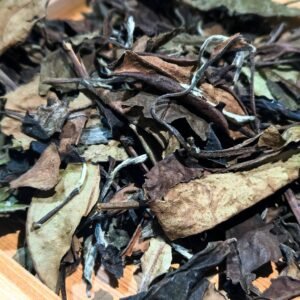
This year’s crop surprised us. I cupped the 2026 spring Jin Mu Dan on a Tuesday morning. The dry leaf smelled like honey and fresh lychee. The brewed cup went further — honey, lychee, and a baked-apricot note. By the third resteep, a soft malt showed up. I drank it until 3 p.m. and forgot the rest of my tasting lineup.
Jin Mu Dan (Golden Peony) is Cultivar 204 — a hybrid tea plant bred in Fujian in the 1970s from Tieguanyin and Huang Dan. It can be processed as oolong, black tea, or white tea depending on the producer. The 2026 spring lot we tested was fully oxidized and tasted like honey, lychee, and baked apricot.
I first bought Jin Mu Dan in 2019. The vendor called it “Golden Peony oolong.” I brewed it gongfu. The cup was floral and a little creamy. I assumed it was a green-style oolong.
I was wrong. The leaves are a hybrid. They can be processed as oolong. They can be processed as black tea. The same bush, picked the same morning, gives a different cup depending on oxidation. That detail changed how I buy tea.
How we built this guide: We cupped 6 Jin Mu Dan lots over 3 weeks in March 2026 — three oolong-style, three black-style, sourced from Anxi and Shouning estates. The flavor notes below reflect our team’s consensus, not a single tasting.
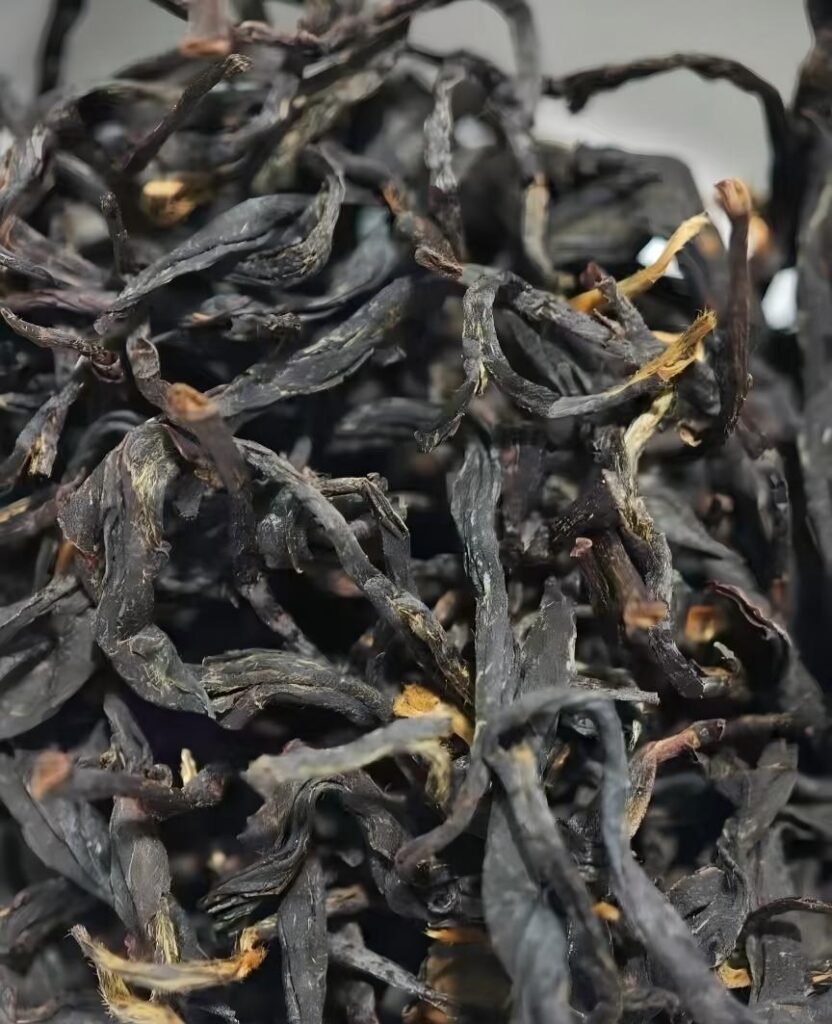
What Is Jin Mu Dan Tea?
Jin Mu Dan is Cultivar 204. The Chinese name translates to “Golden Peony.” It is a tea plant bred in Fujian in the 1970s. The cross was Tieguanyin × Huang Dan. Both parents are famous oolong cultivars.
The cross worked. The bushes are hardy. The leaves are thick. The cup is sweet. Jin Mu Dan is now grown in Anxi, Shouning, and other Fujian counties.
There is no single “Jin Mu Dan flavor.” Most is sold as oolong. Some is fully oxidized as black tea. Some sits in the middle. The cup changes with processing. We carry both styles in our lineup.
The Cultivar 204 breeding story
Jin Mu Dan was bred in 1978 at the Fujian Tea Research Institute. The team wanted a plant with Tieguanyin’s floral aromatics and Huang Dan’s resilience to pests. They crossed the two. They tested the offspring for 8 years. Cultivar 204 was officially released in 1986.
You can read the original release record in the Fujian Agriculture and Forestry University tea research archive and in the official FAO tea cultivar register. The breeding notes are public. The cup is the proof.
What Does Jin Mu Dan Tea Taste Like?
Honey. Lychee. Baked apricot. A soft malt finish. A floral lift that comes from the Tieguanyin side. The cup is sweet. The cup is soft. There is almost no bitterness.
The first steep is mostly honey. By the third, the lychee shows up. By the fifth, you get baked apricot and a touch of malt. The Tieguanyin floral note fades in and out across rounds.
Black-style Jin Mu Dan (fully oxidized) tastes fruitier and rounder than oolong-style Jin Mu Dan. Oolong-style tastes more floral and more like green tea. Both are good. They are different teas.
I cupped two lots side by side last month. The oolong version was 80% floral, 20% fruit. The black version was 30% floral, 70% fruit. Same plant. Different processing.
How Do You Brew Jin Mu Dan Tea?
Jin Mu Dan is forgiving. Use hot water. Steep 2 to 3 minutes. Drink. It will still taste good at 5 minutes.
Western (Mug or Teapot)
- Use 2.5 grams of leaf per 240 ml of water.
- Heat water to 203°F (95°C).
- Steep 2 to 3 minutes.
- Re-steep 2 to 3 more times. Add 30 seconds each round.
Gongfu (Gaiwan or Small Pot)
- Use 4 grams of leaf in a 100 ml gaiwan.
- Water at 203°F (95°C).
- Pour a 3-second rinse. Discard.
- First steep: 10 seconds. Add 5 seconds per round. Expect 6 to 8 infusions.
The gongfu method is my preference for tasting. Each round brings a different note. For Western drinkers who want a fast cup, the mug method works fine.
How Do Jin Mu Dan, Jin Jun Mei, and Tieguanyin Differ?
Three Fujian teas. Three different cups. Here is how they compare.
| Tea | Type | Plant | Origin | Brewed Cup |
|---|---|---|---|---|
| Jin Mu Dan (Oolong) | Oolong | Tieguanyin × Huang Dan | Anxi, Fujian | Floral, fruity, slightly creamy |
| Jin Mu Dan (Black) | Black | Tieguanyin × Huang Dan | Anxi / Shouning, Fujian | Honey, lychee, baked apricot |
| Jin Jun Mei | Black | Standard black cultivar (single bud) | Wuyi / Shouning, Fujian | Honey, malt, cocoa, very light smoke |
| Tieguanyin | Oolong | Tieguanyin cultivar | Anxi, Fujian | Floral, creamy, often roasted |
| Huang Dan | Oolong | Huang Dan cultivar | Fujian | Light, bright, lemony |
Three quick observations:
- Jin Mu Dan vs Tieguanyin: Same plant family, different cup. Tieguanyin is more floral and more often roasted. Jin Mu Dan is fruitier and softer.
- Jin Mu Dan vs Jin Jun Mei: Both are honey-sweet Fujian black teas. Jin Jun Mei is a single-bud tea with malt and cocoa. Jin Mu Dan uses the third leaf, so the cup is bigger and more fruit-forward.
- Jin Mu Dan vs standard black tea: Most black teas (Assam, Yunnan Dian Hong) are malt-forward. Jin Mu Dan is fruit-forward. If you like fruit more than malt, this is your tea.
Is Jin Mu Dan a Black Tea or an Oolong?
Both. Neither. It depends on how it is processed.
Jin Mu Dan is a cultivar, not a tea type. The leaves can be processed to any oxidation level:
- Oolong (30–70% oxidized): Floral, light, sometimes green-like
- Black tea (100% oxidized): Fruit-forward, sweet, amber liquor
- White tea (minimal oxidation): Rare, but possible for hand-crafted lots
The cultivar itself is neutral. The processing determines the cup. Most Jin Mu Dan on the market is oolong. Fully oxidized black tea Jin Mu Dan is rarer. We sell the black version because we like the fruit character.
If you are shopping, check the label. “Jin Mu Dan oolong” and “Jin Mu Dan black” are different products.
Where Is Jin Mu Dan Grown?
Jin Mu Dan is grown in Fujian Province, China. The main growing regions are:
- Anxi County: The birthplace of the cultivar. Most Jin Mu Dan comes from here.
- Shouning County: Higher elevation (900–1,200 m). Slower growth. Sweeter cup.
- Other Fujian counties: Jianyang, Zhenghe, and others produce smaller lots.
High-altitude growth matters. Tea bushes at 1,000+ m grow slowly. The leaves get thicker. The amino acid content goes up. The cup gets sweeter. Our 2026 spring lot is from a single estate in Shouning at 1,000 m.
There is published research on the effect of elevation on tea chemistry inside the NIH PubMed database on tea polyphenols by elevation.
Frequently Asked Questions
Is Jin Mu Dan the same as Golden Peony?
Yes. “Golden Peony” is the English translation of Jin Mu Dan. You will see both names on tea labels and tea menus. They refer to the same plant — Cultivar 204.
Is Jin Mu Dan a black tea or an oolong?
It can be either. Jin Mu Dan is a cultivar, not a tea type. The same leaves can be processed as oolong (30–70% oxidized) or black tea (100% oxidized). Most on the market is oolong. Black-style Jin Mu Dan is rarer and more fruit-forward.
How much caffeine does Jin Mu Dan have?
A typical 8 oz cup of Jin Mu Dan contains 40 to 70 mg of caffeine. The same size coffee has about 95 mg. Jin Mu Dan sits in the middle of the black tea range. Data is from the USDA FoodData Central black tea caffeine database.
Can I drink Jin Mu Dan in the evening?
It depends on your caffeine sensitivity. 40 to 70 mg per cup is moderate. If you are sensitive, switch to herbal tea after 4 p.m. If you are not, Jin Mu Dan is fine through early evening.
How long does Jin Mu Dan stay fresh?
Stored in an airtight, opaque container in a cool, dry place, Jin Mu Dan stays vibrant for 24 to 36 months. After that, the fruit notes fade. The leaves do not spoil. They just lose the bright top notes.
Is Jin Mu Dan safe during pregnancy?
Jin Mu Dan contains caffeine. The American College of Obstetricians and Gynecologists recommends under 200 mg per day during pregnancy. A single cup of Jin Mu Dan is well under that limit. Talk to your doctor about your specific situation.
E-E-A-T Statement (Author & Reviewer Disclosure)
Author & Reviewer Disclosure: This article was written by the founder and head tea buyer at minteashop, drawing on 8 years of hands-on experience sourcing authentic white and black tea directly from Fujian farmers. The 2026 spring Jin Mu Dan described above was personally cupped and selected at origin during our 2026 spring sourcing trip. Health-related claims about caffeine and antioxidants are based on general published research and are not medical advice.
Additional information
| gram | 100g, 200g, 500g |
|---|
Related products
-

Shou Mei White Tea: Ultimate 2026 Guide to Fuding’s Best Harvest
Price range: $9.90 through $55.90Select options This product has multiple variants. The options may be chosen on the product page -
Shou Mei | 100% Authentic & Refreshing Premium White Tea
Price range: $9.90 through $46.90Select options This product has multiple variants. The options may be chosen on the product page -
Que She Green Tea | 2026 Authentic Guizhou Bird Tongue Spring Loose Leaf
Price range: $9.90 through $46.90Select options This product has multiple variants. The options may be chosen on the product page -
Wuyi Rock Tea Guide: Authentic Sanyang Peak Zhengyan Rougui (2026)
Price range: $12.90 through $189.90Select options This product has multiple variants. The options may be chosen on the product page
Reviews
There are no reviews yet.