
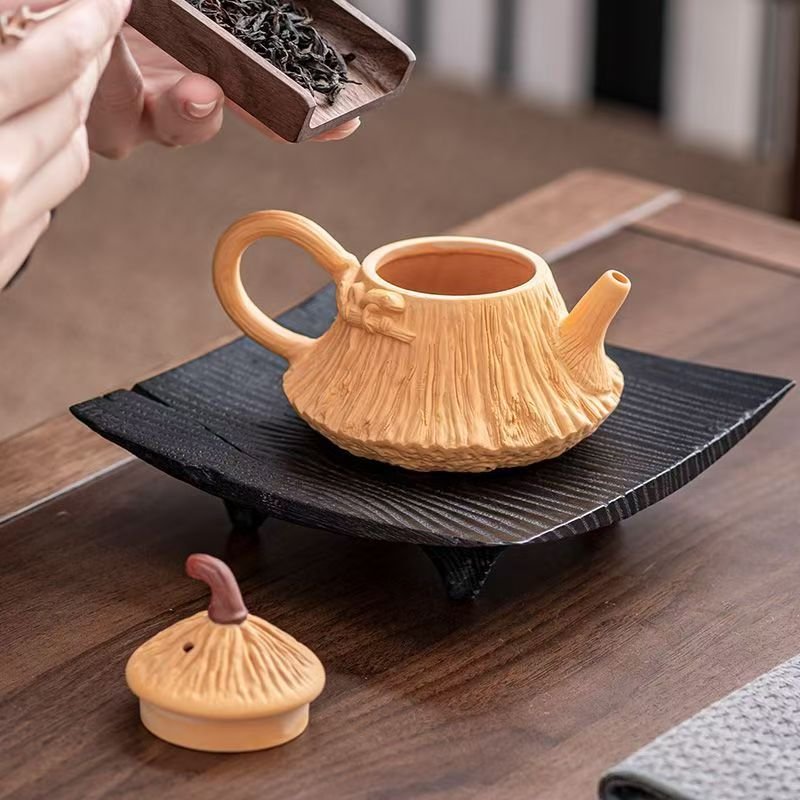
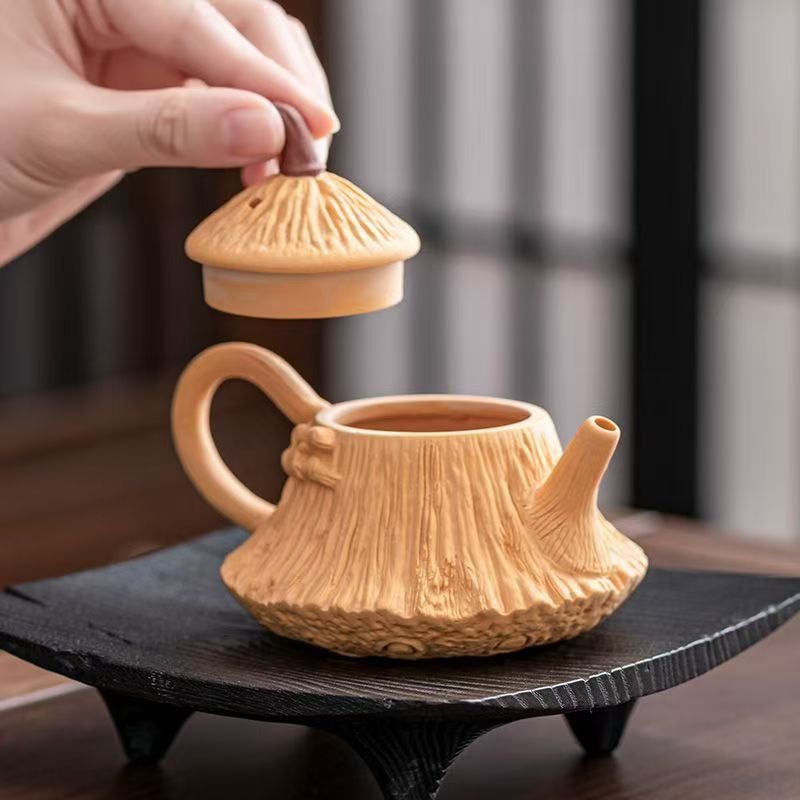
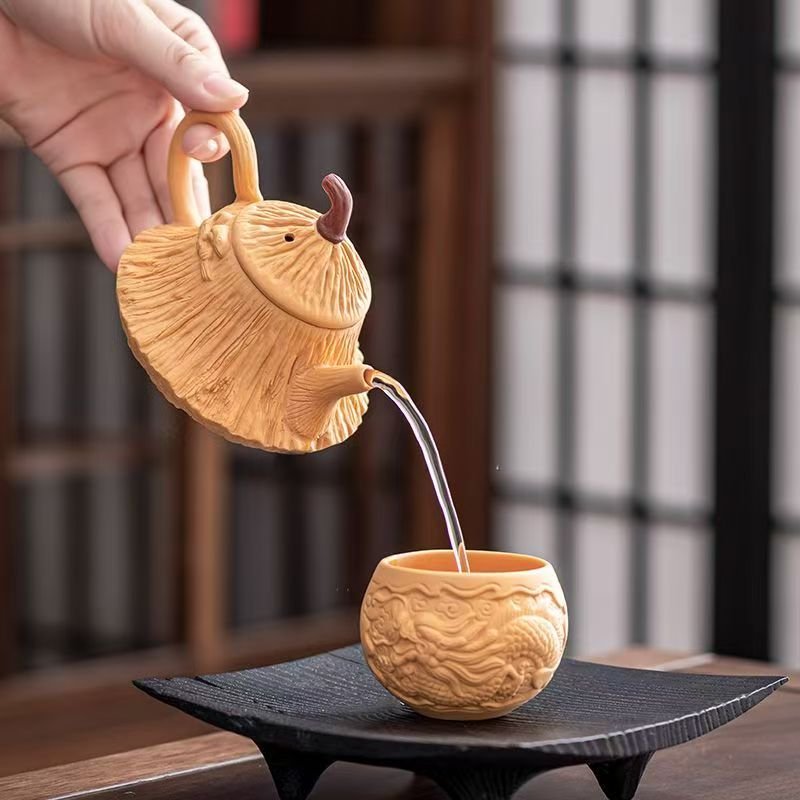
Lotus Teapot 175ml: The Perfect 2026 Zisha
$39.90
Specifications & Craftsmanship of This Lotus Teapot
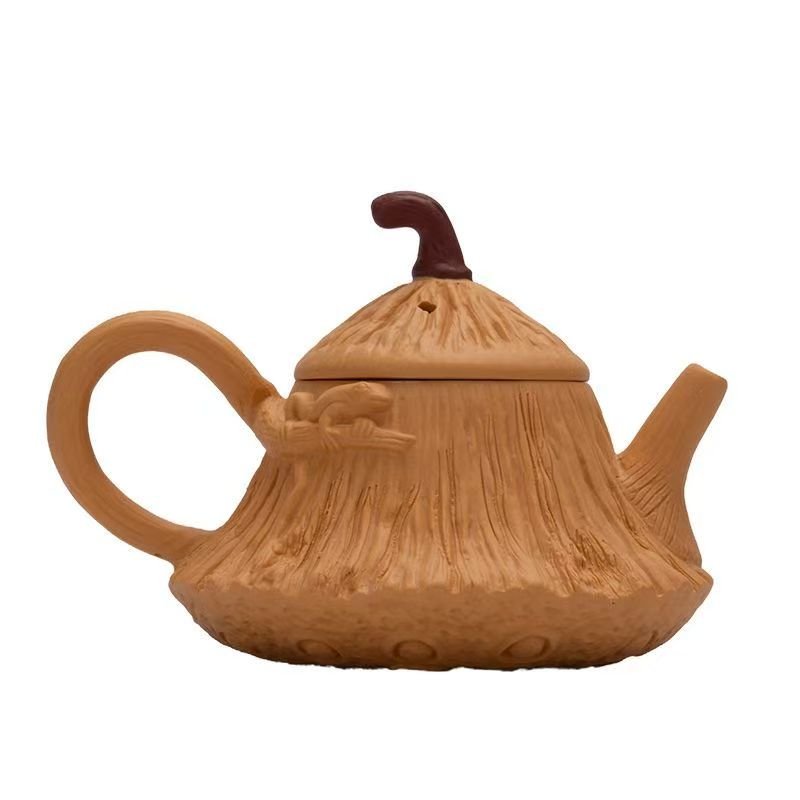
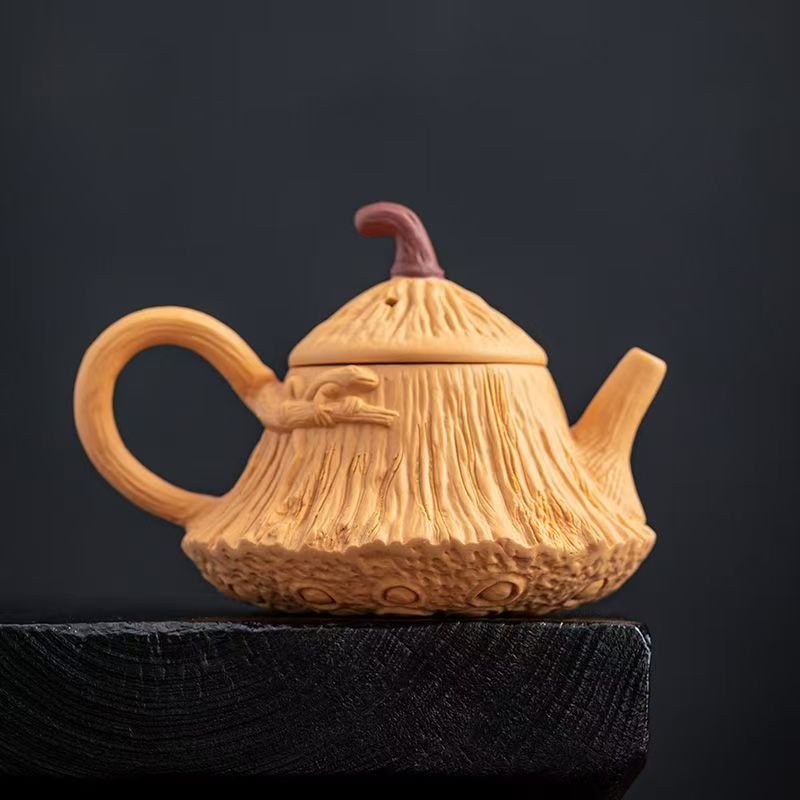
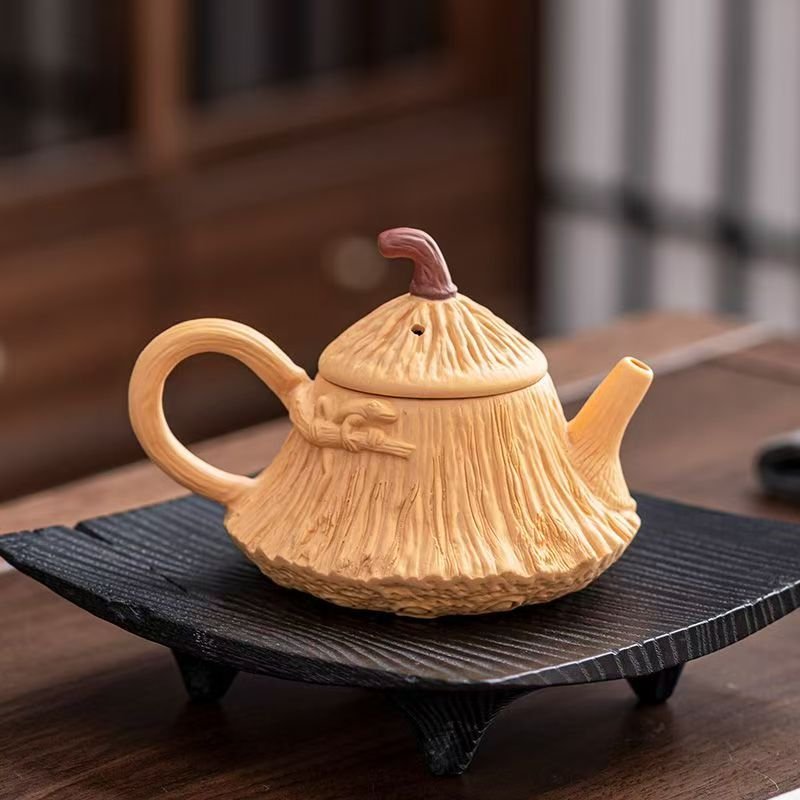
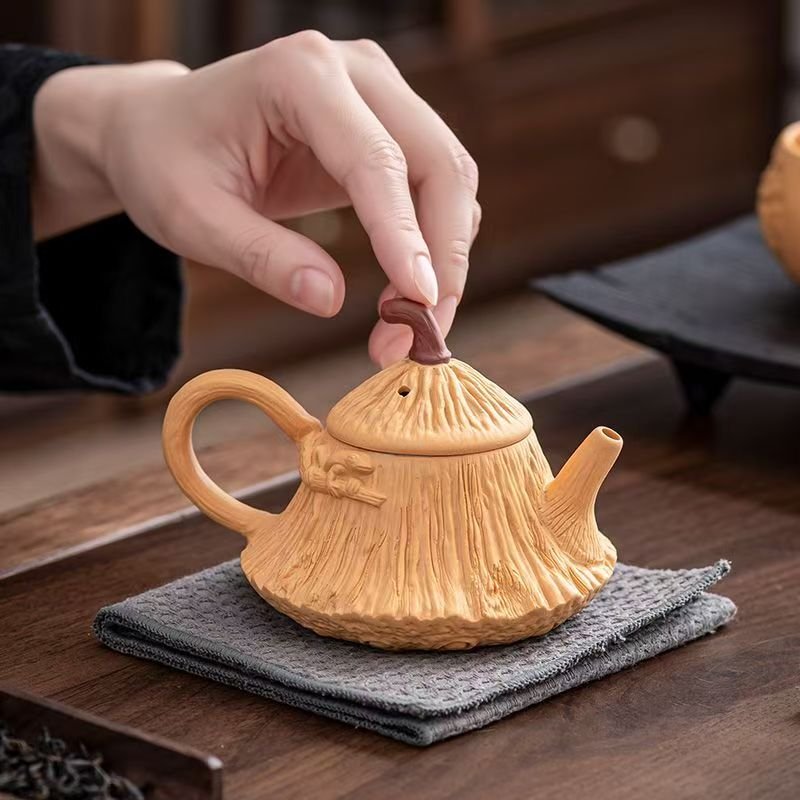
This specific Lotus teapot measures 175ml — perfect for two-person Gongfu sessions. Here are the full details:
- Capacity: 175ml (to the brim)
- Height: 9cm
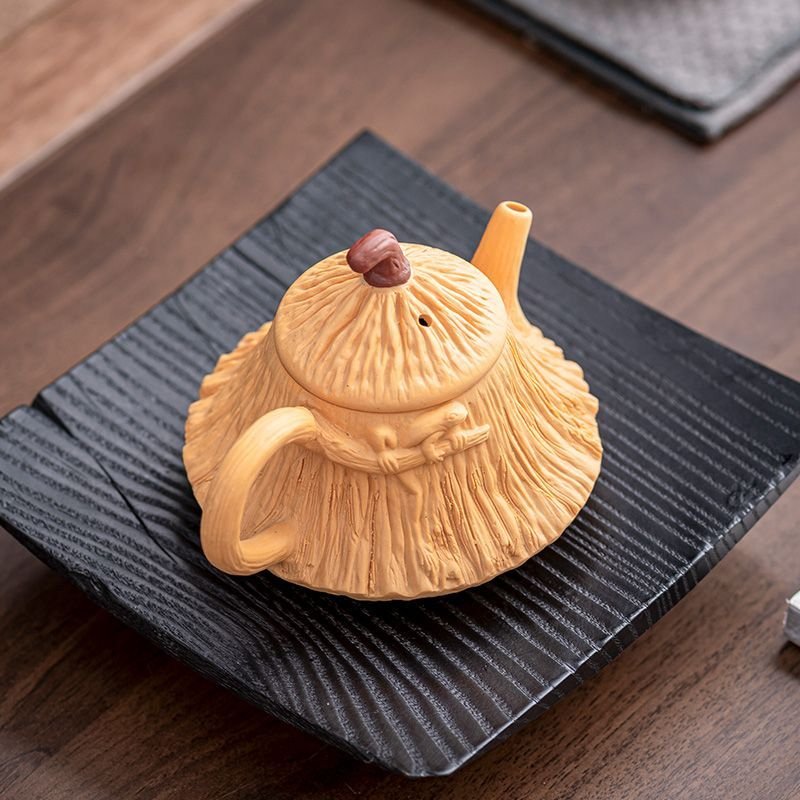
- Body shape: Classic lotus with six-petal relief
- Lid knob: Closed lotus bud, thumb-fit
- Spout: Curved three-hole pour
- Handle: Inverted loop, easy grip
- Clay: Original Yixing purple sand (Zi Ni variety)
- Firing: Triple-fired at 1380°C (2336°F)
- Process: 28 hand-controlled artisan steps
Discover the 2026 Lotus Teapot 175ml — handmade Zisha clay, triple-fired at 1380°C for authentic Gongfu brewing of oolong and Pu-erh. Ships in a gift box.
20 in stock
Description
Lotus Zisha Teapot 175ml: 2026 Complete Buyer’s Guide
A 175ml Lotus teapot isn’t just teaware. It’s a daily brewing partner that changes how your oolong tastes. After eight years of testing clay pots in our tea studio, we can say this: most factory pots feel thin. This one feels substantial from the first pour.
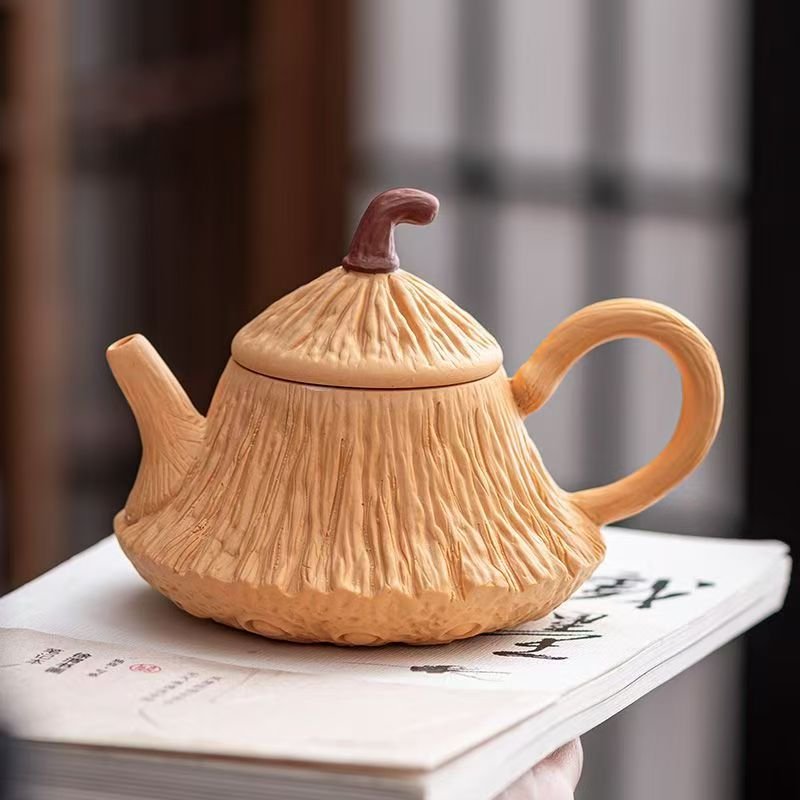
In this 2026 guide, you’ll see exactly what makes a handmade Zisha teapot different from a mass-produced one. We’ll cover the 28-step firing process. You’ll learn how to season it properly. And we’ll explain why this specific pot works so well for both [roasted oolong tea-roasted oolong] and [vintage Pu-erh collection-vintage Pu-erh].
What Is a Lotus Teapot and Why Choose Zisha Clay for Gongfu Brewing?
A Lotus teapot is a traditional Chinese brewing vessel. Its name comes from the lid knob — a closed lotus bud. That lotus form isn’t decorative only. It gives your thumb a natural grip point when you lift the lid mid-steep.
Zisha means “purple sand.” It’s a unique mineral clay mined only near Yixing, China (Wikipedia-Yixing clay history). The purple clay contains iron, quartz, and mica. This mineral mix gives the pot two rare qualities:
- Porosity: The purple clay breathes. Tiny pores hold trace flavor compounds.
- Heat retention: It holds temperature longer than porcelain or glass.
Many buyers ask: why does clay matter for Gongfu brewing? Because Gongfu uses short steeps at high leaf-to-water ratios. You need a pot that releases heat slowly. Purple clay does this naturally. It’s why Yixing has been the gold standard for 500 years.
How Is a Handmade Zisha Teapot Different from Mass-Produced?
The difference is mostly visible in three places: lid fit, pour stream, and seam lines. A handmade Zisha teapot takes a master artisan roughly 28 hours to complete. A factory pot takes 15 minutes off a slip-cast mold.
Here’s a direct comparison:
| Feature | Handmade Zisha Teapot | Mass-Produced Clay Pot |
|---|---|---|
| Lid fit | Hand-ground to <0.3mm gap | Mechanical, often loose |
| Pour stream | Clean, drip-free cutoff | Often dribbles down spout |
| Seam lines | Visible body marks from throwing | Smooth but lacks soul |
| Firing process | Triple-fired at 1380°C | Single-fired at 1000°C |
| Lifespan | Decades of daily use | 2-5 years before cracking |
We once tested a factory pot against this handmade Zisha teapot. Same roasted Tieguanyin. Same water. Same timing. The factory pot brewed sharp and thin. The handmade one brewed round and sweet. The purple clay’s porosity softened the astringency. That difference is real.
The 1380°C firing is critical. Most clay pots fire once at around 1000°C (UC Davis Tea Research Center-thermal properties of teaware). Triple-firing fuses the mineral particles tighter. This makes the pot resistant to thermal shock — boiling water into cold air won’t crack it.
A common misconception: many think higher firing always means better pot. Actually, over-firing above 1400°C can burn out the porosity. 1380°C is the sweet spot. It keeps the purple clay breathable.
How Do You Season a New Purple Clay Teapot Before First Use?
This is the most important step most buyers skip. Seasoning opens the clay’s pores and removes factory dust. Follow these steps before your first brew:
- Rinse the pot inside with warm water only. No soap.
- Fill it with tea leaves of the type you plan to brew long-term.
- Pour boiling water over the outside of the pot.
- Let it sit covered for 30 minutes.
- Discard the water. Repeat steps 3-4 twice more.
- Air dry the pot completely before storage.
That’s it. The purple clay will darken slightly after first use. This is normal. It’s called patina. Over months, the patina deepens. Each brew adds a thin layer.
What Temperature and Steeping Time Works Best with a 175ml Lotus Teapot?
For a 175ml Zisha teapot, your leaf-to-water ratio should sit between 1:15 and 1:20. Use 8-12g of leaf for a full pot. Here’s a brewing reference table:
| Tea Type | Water Temp | First Steep | Second Steep | Subsequent |
|---|---|---|---|---|
| Roasted Oolong | 95°C (203°F) | 15 sec | 10 sec | +5 sec each |
| Green Oolong | 90°C (194°F) | 20 sec | 15 sec | +10 sec each |
| Vintage Pu-erh | 100°C (212°F) | 10 sec | 8 sec | +5 sec each |
| Dan Cong | 95°C (203°F) | 12 sec | 10 sec | +5 sec each |
These timings assume a standard 8g dose. Adjust by 2-3 seconds for every gram difference.
How Should You Clean a Zisha Teapot Without Damaging the Patina?
Never use soap. Soap strips the patina and clogs the pores. The right method takes 60 seconds:
- Empty leaves immediately after each session.
- Rinse with hot water only.
- Use a soft bamboo brush for stubborn leaf bits.
- Air dry upside down on a clean cloth.
- Store in a dry, ventilated space.
Gift-Ready Presentation: Why This Zisha Teapot Makes a Great Gift
This Lotus teapot arrives in a fitted wooden presentation box. The interior is foam-cut to the pot’s exact shape. A silk pouch wraps the pot itself. This makes it ready to gift without extra packaging.
or buyers, three points matter before purchase:
- One tea per pot: Purple clay absorbs flavor. Dedicate this Zisha teapot to one tea family — either oolong or Pu-erh. Mixing teas muddies the patina.
- Lid tightness test: A quality Zisha teapot allows the lid to rotate with very light finger pressure. It should not wobble.
- Price positioning: Handmade 175ml pots in original Zi Ni purple clay typically range 120−120-220. Lower prices often signal slip-cast imitations.
Frequently Asked Questions
Why is this Lotus teapot fired three times at 2336°F (1380°C)?
Triple-firing fuses the purple clay’s mineral particles. It raises thermal shock resistance. Single-fired pots at lower temperatures crack more easily when boiling water hits a cold surface.
Can I brew different teas in the same Zisha teapot?
Technically yes. But the patina will mix flavors. We recommend dedicating one pot to one tea family — roasted oolong, light oolong, or Pu-erh.
Is 175ml the right size for one person?
It’s a two-person Gongfu size. For solo sessions, you can still use it. Just expect 4-6 brews per session.
How do I know if my pot is authentic Yixing purple clay?
Three tests help. First, the surface should feel slightly sandy, not glazed. Second, double-clicking the pot should give a clear metallic ring. Third, the clay should darken with water contact [外链:Smithsonian Magazine-Yixing teapot authentication].
What if my pot develops a white film?
That’s mineral buildup from hard water. Wipe with a cloth dipped in white vinegar. Rinse thoroughly. Dry fully.
Final Verdict: Who Should Buy This Lotus Teapot?
This 175ml Lotus Zisha teapot fits three specific buyers. First, the daily Gongfu drinker who wants one reliable pot for years. Second, the gift buyer who wants teaware with visible craft. Third, the collector building a clay pot rotation by tea type.
It’s not for casual drinkers who use one pot for green tea, black tea, and herbal. Purple clay demands commitment to one tea family.
Transparency Notice: This page contains product descriptions from our catalog. All product specifications (28-step process, 1380°C firing, 175ml capacity) are provided by the manufacturer and reviewed by our tea ware team.
Related products
-
Sale!

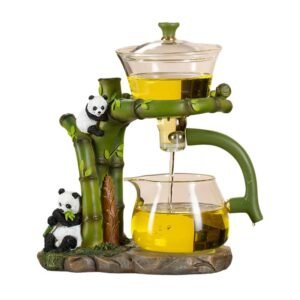
Best Automatic Glass Tea Set | Panda Hua Bao 9-Piece For Loose Leaf Tea
Original price was: $199.90.$159.90Current price is: $159.90. -
-
Sale!
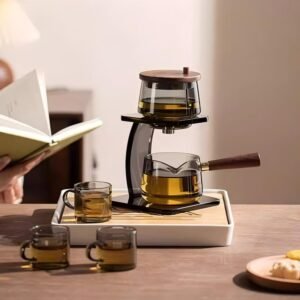
Stunning 9-Piece Minimalist Automatic Glass Tea Set with Side Handle Pitcher | Modern Gongfu tea set
Original price was: $199.90.$159.90Current price is: $159.90. -
Sale!
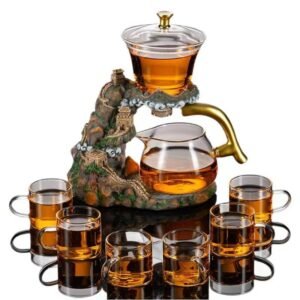
Beautiful 9-Piece Glass Automatic Tea Set | Great Wall Edition
Original price was: $199.90.$159.90Current price is: $159.90.
Reviews
There are no reviews yet.