Matcha: Why China Discarded It and Japan Made It Sacred
📌 Key Takeaways
- The Origin: Matcha originated in Tang and Song dynasty China as steam-fixed powdered tea (mo cha), not in Japan.
- The Aesthetics: Song dynasty tea culture prioritized a “snow-white” foam and performative whisking (dian cha) over actual flavor, resulting in a thin, bitter brew.
- The Turning Point: The invention of the iron wok popularized “pan-firing,” which unlocked the natural floral aromas of loose tea leaves, leading China to abandon the complex powdered method.
- The Evolution: Abandoning matcha allowed Chinese tea to branch out, directly leading to the creation of the world’s six major tea categories (Green, Yellow, White, Oolong, Red/Black, and Dark tea).
- The Japanese Tea Ceremony: Monks brought the whisked tea method to Japan, where it was refined with techniques like shading (oishita cha) to enhance umami, evolving into the modern Japanese matcha ceremony.
【Opening · The Hook】
Ask anyone to name Japan’s cultural icons, and matcha will inevitably appear on the list right alongside samurai, kimono, cherry blossoms, and sushi.
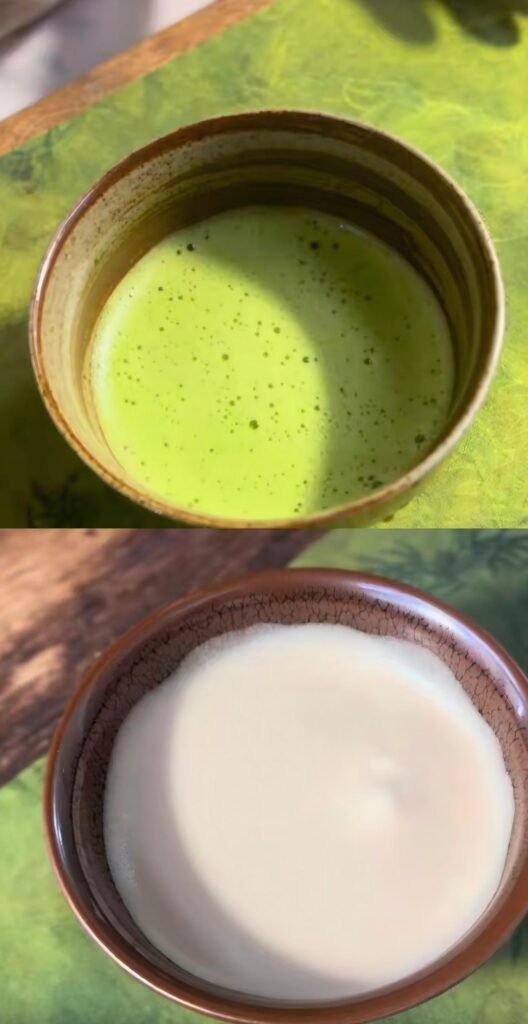
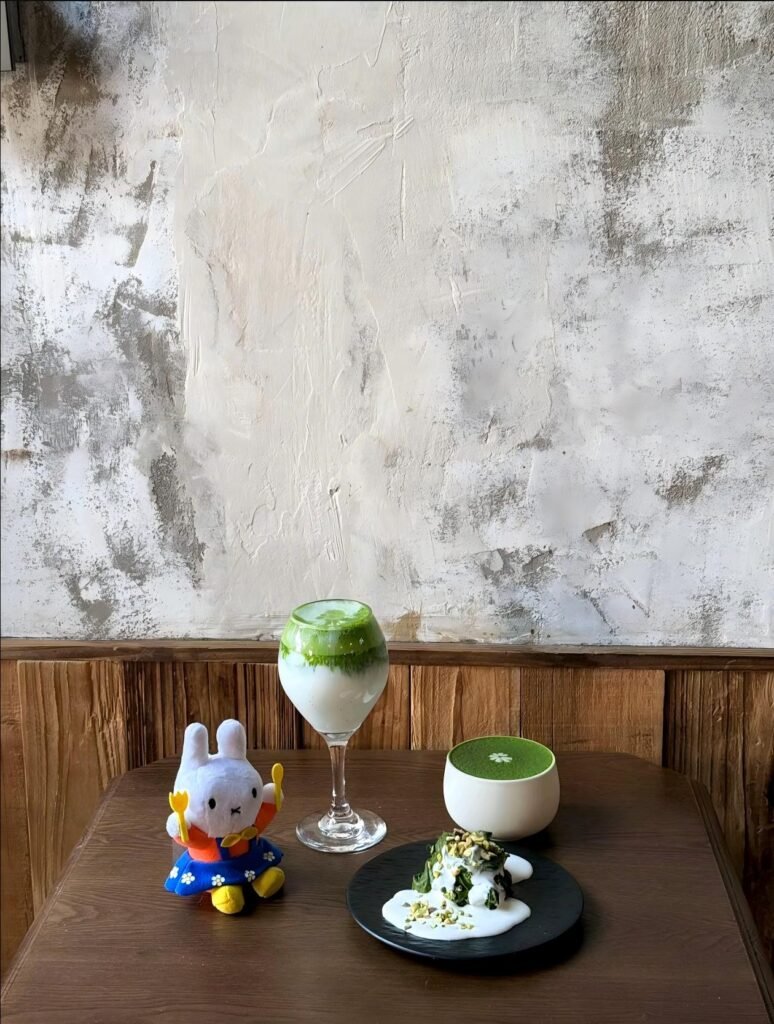
Matcha is a style of tea in which specially processed green tea is stone-ground into a fine powder, whisked into a bowl with hot water, and beaten into a thick foam with a bamboo whisk. In Uji, Kyoto—the so-called “homeland of matcha”—everything edible seems to come dyed in that signature jade green: ice cream, cake, latte, you name it. Matcha is everywhere.
But I want to leave you with one sentence today. A sentence I think explains more than any other:
In China, matcha wasn’t lost to history. It was deliberately abandoned.
That sentence explains why we no longer drink whisked tea, why Chinese tea culture branched into six distinct categories, and—most importantly—what we should actually be looking at when we look at Japanese matcha.
What Is Matcha, and Why Did China Let It Go?
Let me take you back to the global map first.
Japan began pushing matcha abroad as early as the 1980s. The pitch: a “health food” with a bitter edge that cuts through sugar beautifully. The dessert industry ate it up.
Now the international matcha market is larger than ever, and the field of players has multiplied. In a strange historical echo, China and Japan are squaring off over it once again.
Here’s what most people don’t know: the end of the matcha supply chain is China. Since 2016, Chinese matcha production has grown more than 10 percent per year. By 2019, China had overtaken Japan to become the world’s largest matcha producer.
Here’s what everyone does know: the origin of the matcha universe is also China.
Chinese matcha, however, is a modern concept. In the Tang and Song dynasties, it was called mo cha (末茶)—the mo meaning powder. Then it disappeared from Chinese daily life after the Ming and Qing dynasties. It only came back over the past two decades, pushed by international commerce and a wave of cultural-heritage preservation.
So the question is: Why was a tea native to China fully inherited by Japan while vanishing at home? And how did matcha evolve into what it is today?
Welcome to Minteashop. I’m Steve Wood. Today, we trace the thousand-year
journey of matcha—from a Tang dynasty kitchen to a Kyoto teahouse.
Why Did China Stop Drinking Whisked Tea?
You’ll find plenty of online claims that “matcha was lost in China.” Strictly speaking, that’s not quite right. Matcha wasn’t lost in China. It was phased out.
In the Tang and Song dynasties, mo cha referred to a finely powdered form of tea. That form was tied directly to the dominant fixation method of the era: steam-fixation, or zheng qing (蒸青).
Before the Han dynasty, the Chinese treated tea leaves much like wild vegetables. The processing was rough: pluck fresh leaves, chew them raw, or toss them into a pot of boiling water. Fresh was best. Eventually, tea escaped the vegetable pile thanks to two qualities: it woke you up, and it smelled wonderful.
But fresh leaves wilt within days. To keep the cup full year-round, the Chinese turned to fixation—heating the leaves at high temperatures to deactivate the enzymes that cause wilting. Fixation had a wonderful side effect: it released low-boiling-point aromatic compounds (the chemicals that give leaves their fresh smell) while reducing bitter compounds called polyphenols. The result was a tea with fresh, mellow, full-bodied flavor.
In the Classic of Tea, Lu Yu outlines the process: “Pick on a clear day, steam, pound, mold, bake, string, and seal—then the tea is done.” That was the Tang tea-maker’s seven-step ritual: steam the fresh leaves to fix them, pound them into a paste in a mortar, press the paste into round coin-shaped cakes, bake them over a fire, thread them onto strings, and store them away.
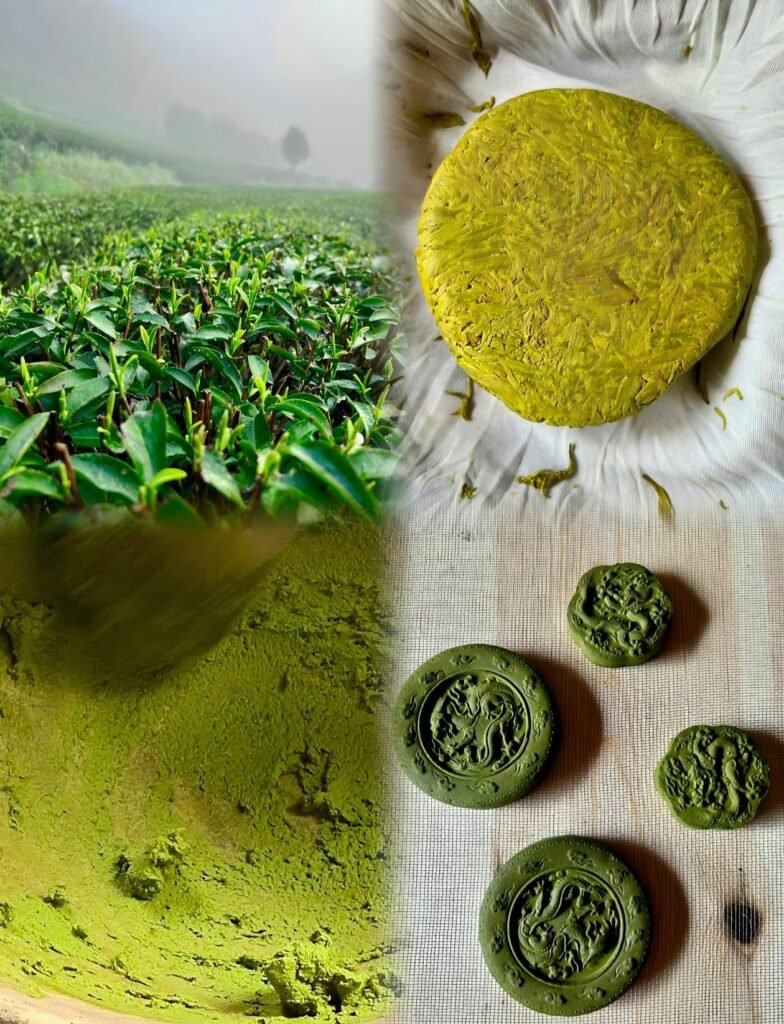
To drink, you’d run a cake through four more meticulous steps—roasting, breaking, grinding, and sifting—reducing it to a fine powder, then boiling it in a kettle. This was jian cha, or decocted tea.
Tang drinkers didn’t stop at tea. They tossed in scallions, ginger, dates, tangerine peel, dogwood, and mint. The result, by all accounts, was a brew that was spicy, bitter, and astringent all at once.
The Song literati had nothing but disdain for Tang tea. They even mocked Lu Yu, the Sage of Tea himself, for drinking what they called cao cha—crude, slapdash tea. But where did the Song connoisseurs get the confidence to look down on their Tang predecessors? Everyone was drinking the same steam-fixed powdered tea. What made them so superior?
In form, Tang and Song teas were both steam-fixed powders. But the Song added two new steps: pressing out the juice and grinding the leaf into a paste. After steam-fixation, the leaves were squeezed dry and ground into a paste. The goal was to leach out the chlorophyll so the tea would yield a paler color. Only then, when whisked, would it produce a pristine white foam. After pressing, the leaves were repeatedly ground with added water for two or three hours until they became an extremely fine powder, then pressed into delicate molds.
How fine was “fine”? The Xuhe Beiyuan Gongcha Lu gives us a clue. The highest grade was the Dragon and Phoenix cake tea reserved for the imperial court—”one jin of small cakes, worth two taels of gold.”
📝 Note: In the Song dynasty, a jin (斤) weighed roughly 640 grams—about 1.4 pounds. A tael (两) was a unit of silver currency worth about 1/16 of a jin, roughly 40 grams of silver.
Legend says Song literati receiving an imperial gift of Dragon Phoenix cakes would admire them for days, reluctant to break the seal.
But here’s the catch: the extra pressing step that gave Song tea its pale color also stripped out a great deal of flavor. Boiled using the Tang method, the result was a thin, lackluster brew.
So the brewing method had to change. A new way of consuming tea was born—one where you ate the tea rather than merely drinking it. This was the art of dian cha, or whisked tea.
The essence of whisked tea lay in “mixing the paste and whisking the froth.” You’d take about a qian of tea powder, add a small amount of hot water to mix it into a thick paste, then gradually add more hot water while whisking vigorously with a bamboo whisk. The goal was a delicate white foam that could be spread and swayed.
Tang and Song aesthetics of tea were worlds apart. The Song prized a snow-white, creamy froth. To get that ghostly white, makers lightened the tea’s color during production by pressing out the juice, and drinkers favored black-glazed porcelain cups—the extreme color contrast made the foam look purer.
Of course, the whisking technique itself was the real determinant of foam quality. Emperor Huizong, in his Daguan Cha Lun, insisted that proper whisking required “seven pours, seven whisks,” each with its own force, speed, and technique. Fail to get it right, and “the surface hasn’t set before the tea’s strength is spent.”
Yes, you read that right: an emperor of the Song dynasty personally wrote a treatise on the art of making and drinking tea. Scholar-officials like Cai Xiang (Tea Record) and Huang Ru (Record on the Appraisal of Tea) followed suit. Whisked tea’s reach was vast.
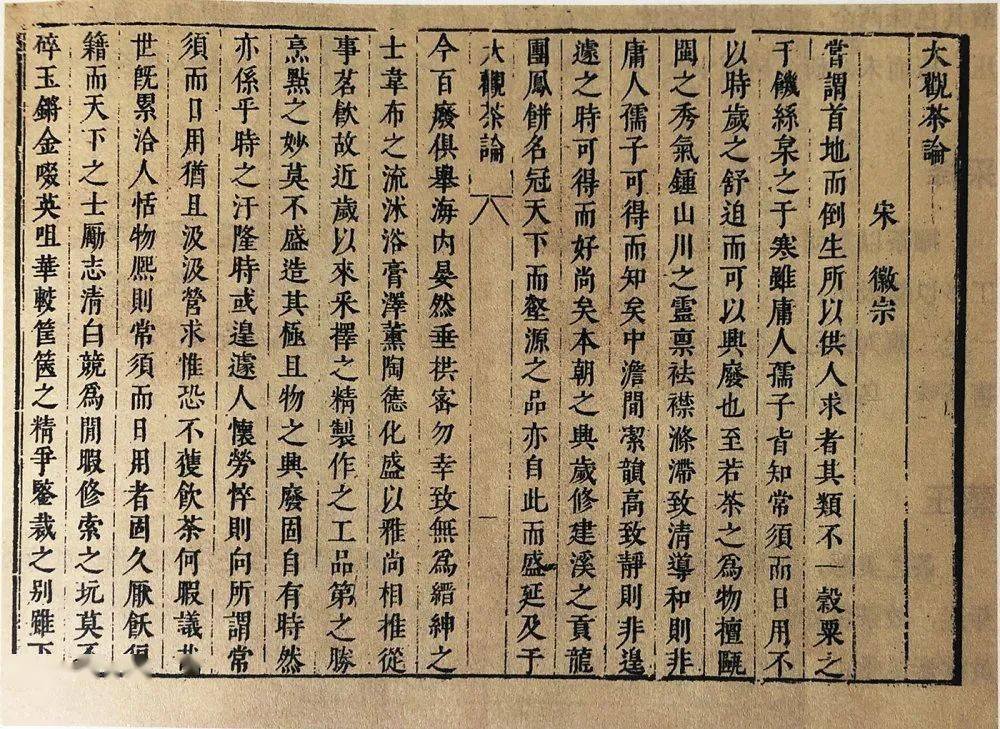
Each tea season, the upper classes would spend lavishly competing with one another—comparing tea varieties, leaf colors, tea wares, and whisking skills. The goal: who could produce the whitest foam, the thickest froth. This was dou cha—tea fighting.
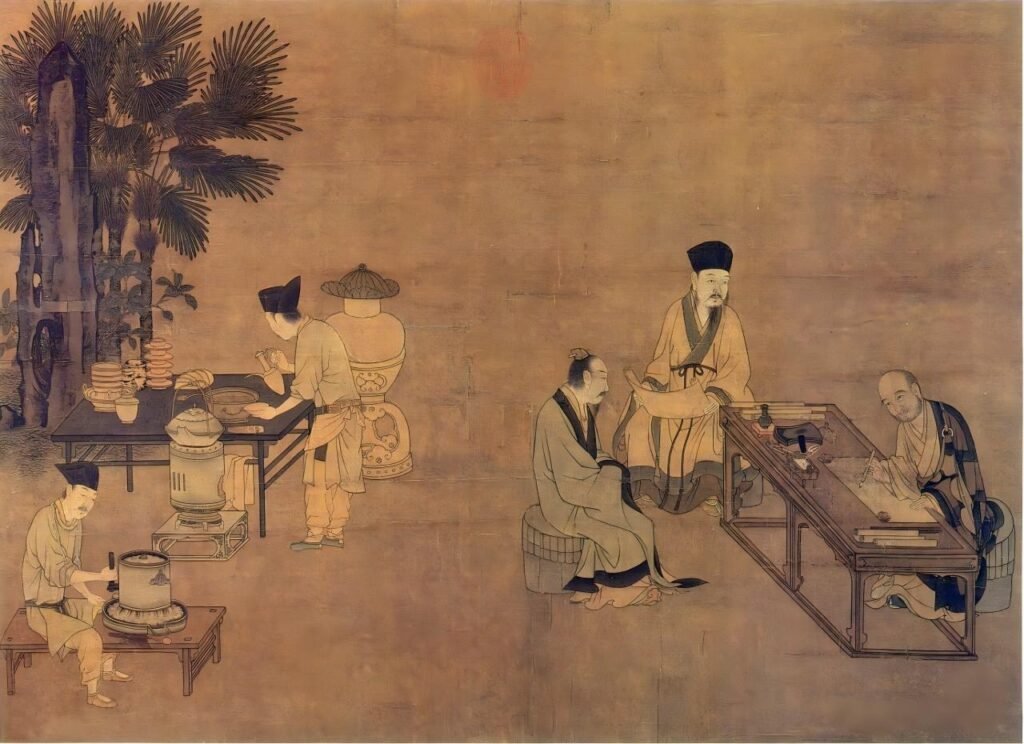
As the old saying goes, when the ruler favors something, the subjects embrace it with a vengeance. Commoner teahouses were swept up in tea-fighting fever. A match of five or six players could empty out entire streets, drawing crowds from blocks around. The scene was nothing short of sensational.
So why was steam-fixed powdered tea—so wildly popular in the Song dynasty—ultimately abandoned?
The answer is simple: it was fussy, performative, and didn’t even taste good.
The mark of a fine cup was no longer the tea’s color, aroma, or flavor. What mattered was whether the foam was snowy white, dense enough to be swayed, or—which cup showed water marks first.
As for how it tasted? The Song was a one-of-a-kind era obsessed with squeezing out the leaf’s juice in the name of color. If you followed the full Song production and brewing ritual today, you’d end up with a bitter, thin, acrid concentrate.
What they were drinking wasn’t tea. It was theater.
Emperor Huizong probably never imagined that the “foam-color revolution” he so passionately championed would become the countdown to the end of the powdered tea era.
How Did Pan-Firing Replace Steam-Fixation?
The Song weren’t the only ones who found their own tea unpalatable—even they had second thoughts.
A Southern Song–era note records: “Aside from the first tribute tea, the second-grade ones taste decent, but the best of the genuine batches are those with a slight green tint.” The “slight green” tea mentioned here was made using a new fixation technique: pan-firing.
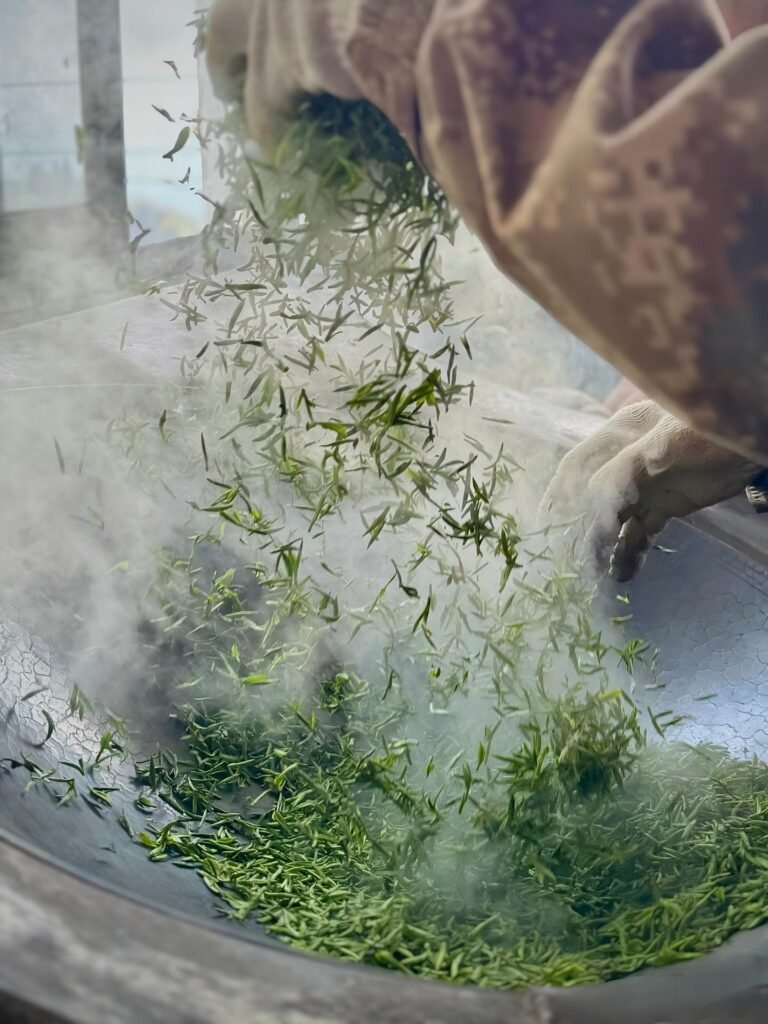
As mentioned earlier, fixation methods include sun-drying, steaming, pan-firing, and oven-drying. With the spread of iron woks during the Song, pan-firing—tossing leaves in a hot pan—became viable.
Compared to steam-fixation, pan-firing could drive off the grassy notes while coaxing out floral aromatics. In plain terms: it stripped away the harsh, bitter compounds (the ones that smell like cut grass) while unlocking high-boiling-point aromatics.
What this means in practice: linalool and cucumber alcohol bring floral and melon notes; ethyl maltol gives a caramel undertone; countless other volatile compounds, in their random combinations, give each tea its unique signature—natural floral, chestnut, peach, and so on.
Once the leaves themselves carried the fragrance, there was no need to powder them. Whole loose leaves, brewed in hot water, would release the tea’s true character on their own.
So after the Southern Song, pan-fired teas proved far more aromatic than their steam-fixed predecessors, and the brewing method became wonderfully simple: no sore-armed whisking, just a pot and some hot water. The new approach spread like wildfire, from commoners upward.
The Ming dynasty, despite its cultural nostalgia for the Tang and Song, had little patience for Song tea.
Emperor Zhu Yuanzhang, the dynasty’s founder, decreed an end to the production of Dragon cakes: “Only pick the bud tea for tribute; discontinue the wasteful Song-style cake tea”—a swipe at how expensive Song tea was. His son Zhu Quan wrote in his Tea Spectrum: “To drink tea, brew and sip it, so that its nature may fulfill itself.” Tian Yiheng, in his Notes on Brewing Tea, was blunter still: “All [Song tea] is powdered, which destroys the true flavor, and the added oils make it unclean. It’s simply not a fine product—nowhere near as good as today’s bud tea. The natural always wins.”
All of them mocked Song tea as expensive and pretentious. Ming tea culture swung hard in the opposite direction: stripping away artifice, returning to nature. This cemented the fundamental Chinese tea formula: “pan-fired + loose-leaf + infusion.”
Over the following centuries of pan-firing practice, the powdered tea that had once dominated was gradually buried, washed away by the river of time.
But there’s nothing tragic about that.
If history had stood still, if we were still drinking steam-fixed powdered tea, China would never have developed its six great tea categories: green, yellow, white, oolong, red, and dark.
What Are the Six Categories of Chinese Tea?
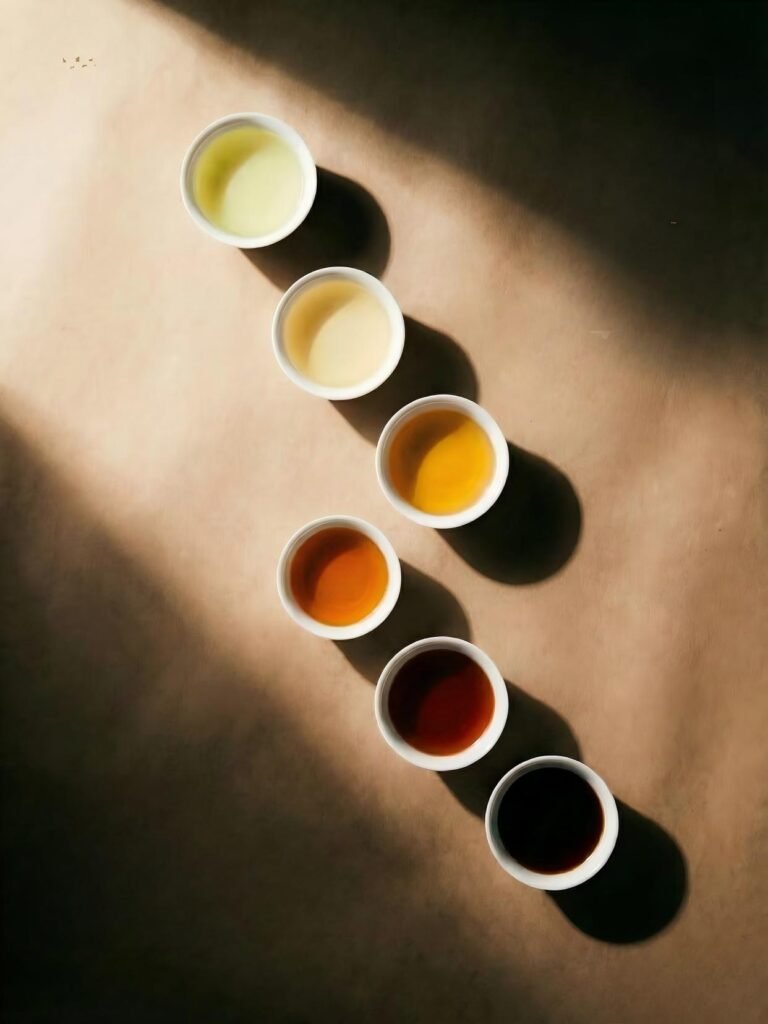
Across the Ming and Qing dynasties, through endless experimentation with pan-firing, tea workers discovered:
Pluck young, downy buds and fix them over a gentle flame, or let them wither naturally—that’s White Tea. Clean, fresh, and silver as snow.
If green tea isn’t rolled and dried quickly enough after pan-firing, the leaves yellow. Pile them up and men huang (闷黄, yellowing by smothering), and you get Yellow Tea.
Wilt the leaves in the sun, then pan-fire, roll, and dry them, and you’re rewarded with Oolong Tea—bursting with floral and fruity fragrance.
Reverse the order—roll first, then pile-ferment—and the leaves turn from green to red, drying into the glossy dark strands of Red Tea (what the West calls Black Tea).
And once you had the semi-finished mao cha, you could pile it in a humid environment for post-fermentation, then sun-dry it. You’d have Dark Tea (Hei Cha).
So steam-fixed powdered tea wasn’t lost to history. As iron woks matured, pan-firing gradually displaced steam-fixation. Through that shift, China developed a far richer family of teas. Chinese tea culture leveled up.
How Did Matcha Travel from China to Japan?
While steam-fixed matcha sank into China’s historical sediment, it took root in entirely different soil.
In the Southern Song, Zen monks like Eisai and Mugaku Sainen carried the whisked tea method across the sea to Japan. Centuries later, the practice reached Sen no Rikyū, who synthesized it into the matcha ceremony we know today. By the count on our fingers, matcha has been in Japan for more than eight hundred years.
In that time, the Japanese performed their own set of additions and subtractions on the Song-era powdered tea.
First, the subtraction. Song powdered tea and Japanese matcha are visibly different—one pale, one green—because the Japanese skipped the juice-pressing step, preserving the leaf’s natural color.
Of course, the Japanese also found this green tea a bit rough on the palate, so they made their own additions to enhance the umami:
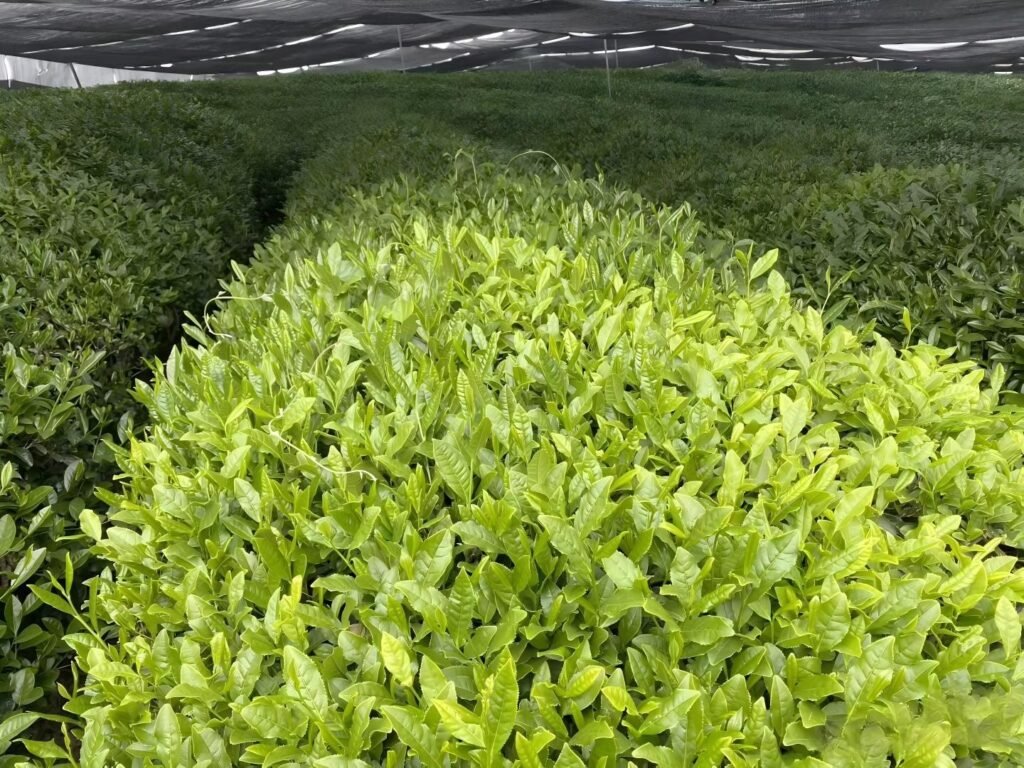
About twenty days before harvest, tea farmers would cover the tea bushes with a canopy of straw and bamboo to shade them from direct sunlight. This reduced the breakdown of the umami-rich theanine (an amino acid that gives tea its savory taste) into bitter polyphenols. The result: less bitterness, more savoriness.
These shaded leaves are called oishita cha (覆下茶) in Japanese. Stone-ground into powder, they become the rich, umami-forward matcha Japan is known for today.
Who Owns the Future of Matcha: China or Japan?
Today, the global matcha market is bigger than ever. Combined with a wave of domestic cultural-heritage preservation, Chinese matcha has staged its own comeback. But the revival has brought with it a rather unpretentious commercial skirmish between Chinese and Japanese tea merchants:
The Japanese insist Chinese matcha isn’t authentic. The Chinese counter that Japanese matcha is stolen goods.
Behind this back-and-forth lies a deeper question: who gets to define matcha?
Beyond the usual narrative, here’s something worth sitting with. You’ve probably all heard the line: “Such-and-such disappeared in China but was preserved in Japan.” But that observation doesn’t mean Chinese culture failed at transmission. It actually reveals a streak of pragmatic rationalism in how Chinese culture evolves.
What looks like “self-subversion” is really about clearing space for new cultural growth that better fits the moment. Had we stubbornly clung to steam-fixed powdered tea, the magnificent six tea categories would never have come into being. The British would have no afternoon tea, the Japanese would have no oolong, and even our beloved milk tea would be stuck with one flavor.
China’s history stretches so far back and so wide that it could branch into fifty-six different paths. Many of our cultural paradigms have been updated to version N.0. The once-dominant traditions that got left behind have long since been buried in the dust of history.
If that makes you feel a pang of regret, you can always crack open the soil of time and go on a little cultural dig.
But while you’re at it, take another look at Japan.
Think back: in everything from writing systems to food, dress, architecture, and religion, Japan spared no effort in grafting Chinese civilization onto its own soil. Though the result wasn’t a one-to-one copy, that imperfect resemblance makes Japan something of a cultural specimen for China—a nation of monument-like significance.
If Chinese civilization is a towering tree, then Japan may be a seed from that tree that drifted across the sea. It didn’t grow into an exact replica of its parent. But with just a fraction of the resemblance, it grew into a landscape all its own.
When I look at Japanese matcha, I don’t see a theft. I see a fork in the road. China chose to keep developing the leaf; Japan chose to keep developing the ceremony. Both choices are valid. Both tell us something about what those civilizations valued most.
In 2006, I tasted a real bowl of matcha for the first time, in a tiny Kyoto teahouse. The owner—an elderly woman who had been making tea for fifty years—told me something I’ve never forgotten: “The Chinese taught us how to grow the leaf. We just kept whisking it.” She smiled, then added: “You went on to invent six other kinds of tea. We were too lazy.” We both laughed.
Maybe that’s the trade. Maybe every civilization has to choose: do you perfect what you inherited, or do you set it down and chase something new? China set down the whisk and chased six new flavors. Japan picked up the whisk and chased one flavor, very, very deeply.
【Closing】
That’s all for today.
If this slice of tea history has left a small aftertaste with you, send it to a friend you’d want to pull it apart with over a fresh pot. Some stories simply taste better shared.
And if a quiet curiosity has been stirred—wherever you are in the world—you’re warmly welcome to step inside minteashop.com. No purchase necessary. Just come and look around.
We grow and ship directly from Shouning, Fujian—a high-mountain tea region that has been cultivating leaves for over a thousand years. Every order is hand-packed and reaches your door in 7–15 days via DHL, FedEx, or our European line, with secure payment through PayPal, Visa, Mastercard, JCB, and bank transfer. Our 24/7 support team is always one email away.
A few places to begin your tasting:
- Bai Hao Yin Zhen (Silver Needle) — a delicate white tea, the kind the earliest Tang growers would have recognized.
- Hand-Pan-Fired Green Tea — the very category that replaced matcha in China.
- High Mountain Jin Mu Dan Black Tea — our 800m-elevation signature from the Shouning cloud forests.
- Jin Mu Dan 2025 — a fresh harvest, just landed.
No rush. The leaves have been waiting since the Tang dynasty. They’ll wait a little longer for you.
