
Black Tea: 2026 Complete Guide to Types, Benefits & Brewing
Health Disclaimer: The health information in this article is for educational purposes only and is not a substitute for professional medical advice, diagnosis, or treatment. Always seek the advice of your physician or other qualified health provider with any questions about a medical condition. If you have high cholesterol, diabetes, or any cardiovascular condition, talk to your doctor before making dietary changes based on the information below.Individual results vary.
Affiliate Disclosure: Some links in this article are affiliate links. We may earn a small commission at no extra cost to you if you make a purchase. Our recommendations remain editorially independent.Health claims on this page are not influenced by commercial relationships.
Walking into a tea shop can feel overwhelming. Hundreds of jars line the shelves, each promising a unique flavor and a list of health perks you cannot decode.
If you have ever wondered whether this brew deserves a spot in your daily routine, you are not alone. Black tea (called hong cha, 红茶, in Chinese) is a fully oxidized tea made from the Camellia sinensis plant, the same species used for green, oolong, and white tea. Millions of drinkers worldwide start every morning with a steaming cup.
This 2026 guide breaks down what eight years of cupping Chinese teas has actually taught us. We cover origins, the science behind commonly reported health benefits, the green tea versus black tea debate, top types including Jin Jun Mei, loose leaf versus tea bag comparisons, flavor profiles, and step-by-step brewing methods for hot and iced cups.
What Is Black Tea? Origins, Processing, and Varieties
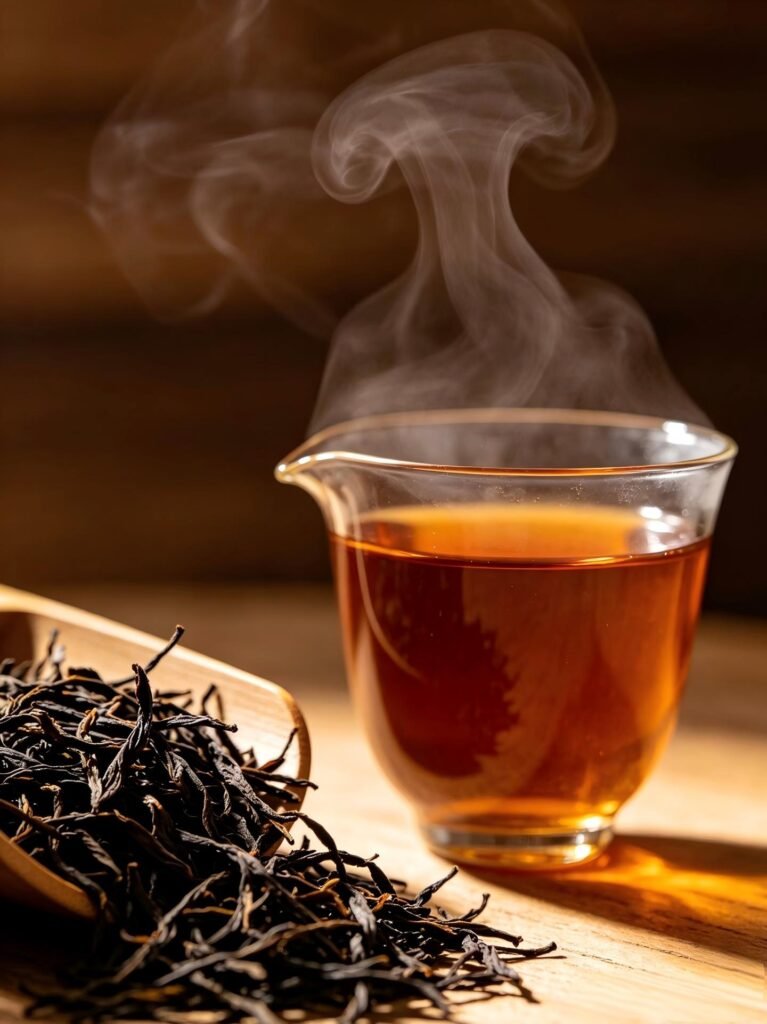
Black tea, called hong cha (红茶) in Chinese, is the most fully oxidized form of Camellia sinensis. Western naming tracks the dark color of the dried leaf. Chinese markets call it “red tea” because the brewed liquor glows deep red. The leaf is identical. Only the cultural lens differs.
Where Does Black Tea Come From? A Brief History
The story begins in China during the Tang dynasty, when withering and oxidation techniques were refined to produce a stronger cup. By the 1600s, Dutch and Portuguese traders carried the leaf to Europe, where it became a luxury good. Plantation expansion in Assam, Darjeeling, and Ceylon during the 19th century turned it into a global commodity, according to a historical overview from the UK Tea Council.
How Black Tea Is Made: The Oxidation Process Explained
Many beginners assume this brew is simply “stronger green tea.” In reality, oxidation is a controlled chemical reaction. Withering and rolling expose the leaf’s polyphenols to oxygen, creating compounds called theaflavins and thearubigins. These pigments give the liquor its dark color, bold mouthfeel, and gentle astringency. Orthodox rolling and CTC (Crush-Tear-Curl) methods produce different leaf grades, but both rely on full oxidation.
Why Is It Called “Black Tea” If the Liquor Is Red?
This naming gap causes real confusion online. Western naming tracks the dried leaf, which looks almost black. Chinese naming tracks the brewed cup, which glows deep red. Processing is identical on both sides of the world.
7 Science-Backed Health Benefits of Black Tea
This brew is more than a morning ritual. Peer-reviewed research links regular consumption to several measurable outcomes, though results vary by study design and population.
1. Rich in Antioxidants That Fight Free Radicals
The leaf contains theaflavins, thearubigins, catechins, and gallic acid. These polyphenols scavenge free radicals and reduce oxidative stress, a driver of chronic disease. A 2023 review in Nutrients (PMC) confirmed the antioxidant capacity rivals other Camellia sinensis varieties.
2. May Improve Heart Health and Lower Cholesterol
A randomized controlled trial cited by Beverage Daily found that drinking 3 cups daily improved several cardiovascular risk markers, including triglycerides. However, a PLOS ONE meta-analysis showed the effect on total and LDL cholesterol is inconsistent across trials. The honest takeaway: it may support heart health, but it is not a cholesterol cure.
3. Boosts Energy, Focus, and Mental Alertness
A standard 250 ml cup delivers 40–70 mg of caffeine, less than coffee but paired with L-theanine. This amino acid slows caffeine absorption, producing smoother energy and improved focus without jitters. Registered dietitians quoted by Real Simple confirm this synergy.
4. Supports Digestion and Gut Health
A 2023 study linked consumption to a healthier gut microbiome composition, supporting immune and cognitive function. Tannins in the leaf may also help regulate bowel movements after heavy meals.
5. Helps Regulate Blood Sugar Levels
The same Real Simple feature cited a randomized trial showing this brew may improve fasting blood sugar and lower type 2 diabetes risk over time. Drinking a cup 45 minutes after a starchy meal appears to blunt post-meal glucose spikes, as reported by NDTV Health.
6. May Reduce Inflammation
Chronic inflammation drives many long-term illnesses. Polyphenols, especially theaflavins, have demonstrated anti-inflammatory effects in cell and animal studies. Human trials are still limited but promising.
7. Associated with Lower Mortality Risk
A 2026 analysis cited by Real Simple linked higher flavonoid intake, including from this brew, to a 6–20% reduction in all-cause mortality. This is correlation, not causation, but the signal is consistent across large cohort studies.
Green Tea vs Black Tea: Which Should You Actually Drink?
Both come from the same plant. The difference lies in processing, chemistry, and flavor.
Processing: Oxidation Levels Side by Side
Green tea is steamed or pan-fired shortly after picking to halt oxidation. Black tea is withered, rolled, and fully oxidized, which darkens the leaf and builds complexity. As one Reddit user in r/nutrition summarized: “The only difference is how much oxygen touches the leaf.”
Caffeine, Antioxidants, and Nutritional Differences
A comparative study in AGRIS found that green tea has slightly higher total polyphenols and flavonoids. Black tea contains more caffeine (around 63 mg per 200 ml cup versus 51 mg for green) and unique oxidation byproducts like theaflavins. Green wins on raw antioxidant power. Black wins on caffeine-driven cognitive lift.
Flavor, Aroma, and Best Brewing Methods
Green tea tastes grassy, vegetal, and slightly astringent. Black tastes maltier, woodier, and richer. Green prefers 70–85°C water and 1–3 minute steeps. Black needs 95–100°C water and 3–5 minutes to fully develop.
Which One Should You Drink?
Choose green for stronger antioxidant effects, blood pressure support, and a lighter cup. Choose black for morning energy, smoother focus, and a bolder body that pairs with milk.
Most Popular Types of Black Tea Worth Trying
This category is not one flavor but a whole family. Whether you shop our full collection of loose leaf black teas or sample single-origin lots, these ten varieties cover the spectrum.
Chinese Black Tea Classics: From Keemun to Jin Jun Mei
China is the birthplace, and the mountain regions of Fujian and Yunnan still produce some of the world’s finest examples.
- Keemun (祁门红茶) – Anhui province. Cocoa, dried fruit, and a subtle rose-like aroma.
- Jin Jun Mei (金骏眉) – Wuyi Mountains, Fujian. A premium bud-only tea with honey, sweet florals, and a long finish. Try our Jin Jun Mei 2026 Spring harvest for peak freshness.
- Lapsang Souchong (正山小种) – Tongmu Village, Fujian. The original “red tea,” famous for pine-smoke and dried longan notes.
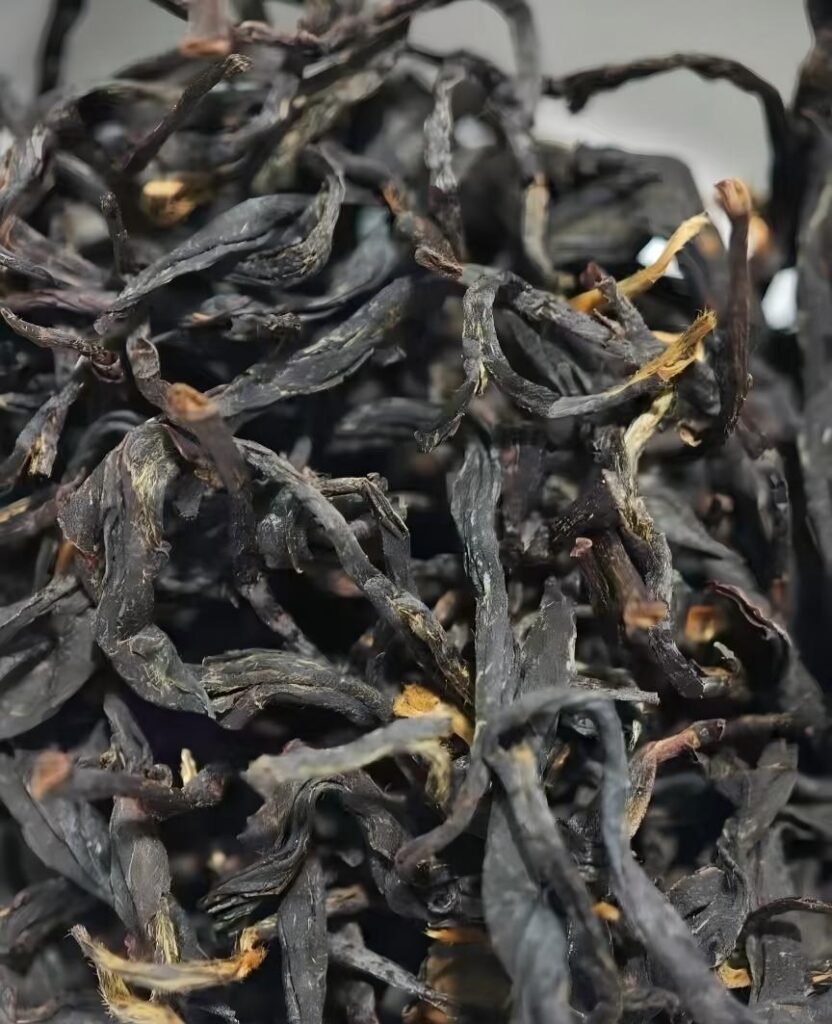
- Dianhong (滇红) – Yunnan. Malty, chocolatey, and remarkably smooth from large-leaf Assamica cultivars.
We source several of these from Shouning, a high-mountain township in Fujian with over 1,000 years of tea heritage. The cool climate, misty slopes, and mineral-rich soil produce leaves with exceptional aroma and steeping endurance. Browse our Jin Mu Dan | 2026 Rare High Mountain Loose Leaf Honey Lychee Black Tea and Wild Xiao Cai Cha to taste the difference elevation makes.
Indian, Sri Lankan, and African Black Tea Staples
- Assam – India. Bold, malty, and perfect with milk in a classic English Breakfast blend.
- Darjeeling – India. Light, floral, with muscatel notes; best without milk.
- Ceylon (Uva, Dimbula, Nuwara Eliya) – Sri Lanka. Bright, citrusy, and ideal for iced tea.
- Kenya – East Africa. Rich, full-bodied, and a common base for commercial blends.
Flavored Black Tea: Earl Grey, Black Currant, and Beyond
Flavored versions start with a base leaf and add natural oils, spices, or dried fruit. Earl Grey uses bergamot oil for a citrusy lift. Black currant adds tart berry depth. Vanilla, chai spice, and smoky lapsang are also popular.
Quick Reference Table: 10 Types Worth Trying
| # | Tea Type | Origin | Flavor Notes | Best Served |
|---|---|---|---|---|
| 1 | Keemun | Anhui, China | Cocoa, dried fruit, rose | Plain or with light milk |
| 2 | Jin Jun Mei | Fujian, China | Honey, sweet floral, long finish | Plain, gongfu style |
| 3 | Lapsang Souchong | Fujian, China | Pine smoke, dried longan | Plain or with milk |
| 4 | Dianhong | Yunnan, China | Malty, chocolate, smooth | Plain or with milk |
| 5 | Assam | India | Bold, malt, oak | With milk, breakfast style |
| 6 | Darjeeling | India | Light, floral, muscatel | Plain, with lemon |
| 7 | Ceylon Uva | Sri Lanka | Bright, citrusy, rose-like | Iced or with lemon |
| 8 | Kenya | East Africa | Rich, full-bodied, brisk | Iced or with milk |
| 9 | Earl Grey | Blend | Citrus, bergamot, aromatic | With milk and sugar |
| 10 | English/Irish Breakfast | Blend | Strong, malty, robust | With milk, morning cup |
What Are the Best Jin Jun Mei Black Teas in 2026?
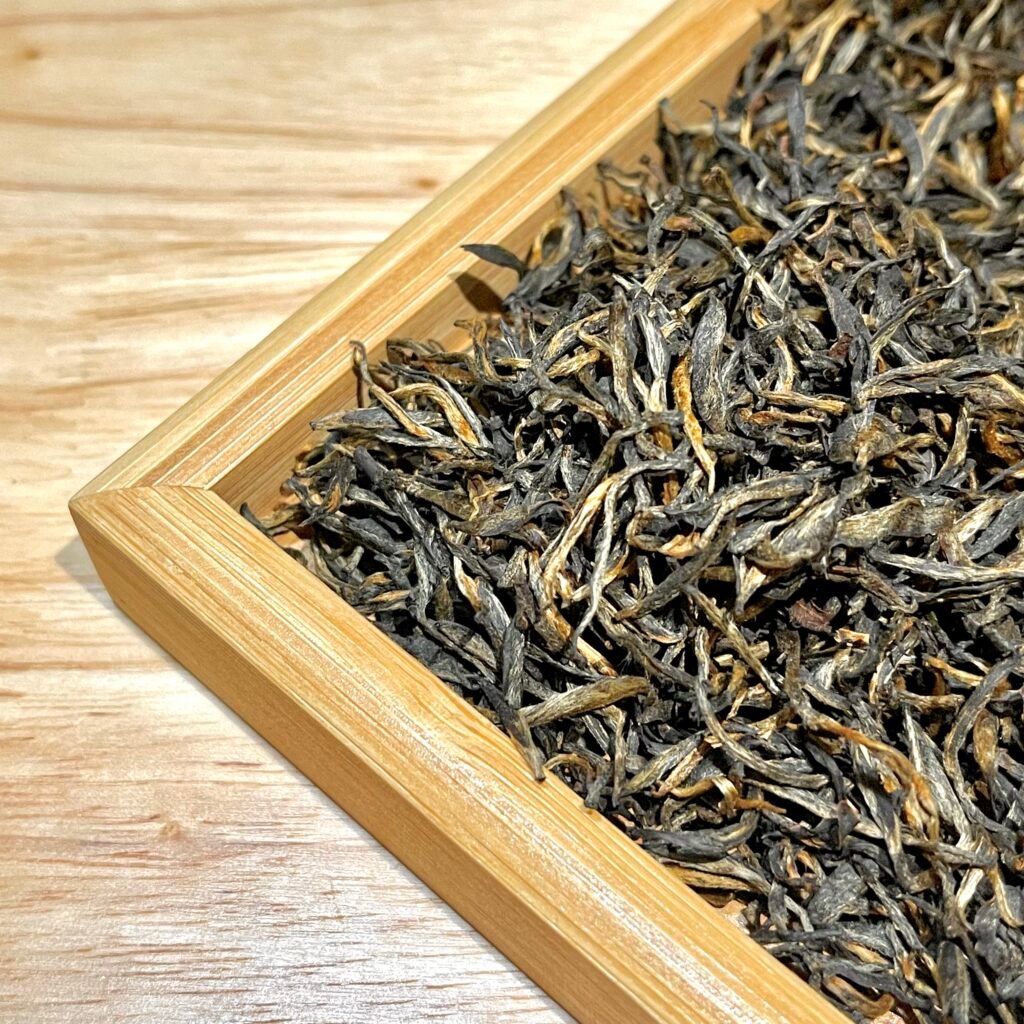
Jin Jun Mei sits at the top of the premium Chinese black tea hierarchy. The name means “Golden Beautiful Eyebrow,” referring to the golden buds harvested in early spring from Wuyi Mountain gardens in Fujian.
A genuine Jin Jun Mei uses only buds, no leaves. The result is a liquor that tastes like honey, ripe fruit, and sweet florals, with a finish that lingers for minutes. Lower-grade “Jin Jun Mei” sold at bargain prices usually contains leaves or older harvest material.
When shopping for the best Jin Jun Mei black tea, look for:
- Harvest date – Spring 2026 is current. Avoid anything older than 12 months.
- Bud-only appearance – Tight, slender golden tips with no stem or open leaf.
- Origin – Tongmu Village and the surrounding Wuyi protected zone produce the most authentic lots.
- Aroma when wet – Honey, cocoa, and ripe fruit, never smoky or flat.
We cup dozens of Jin Jun Mei lots each season. Our 2026 Spring Jin Jun Mei is handpicked from high-elevation Fujian gardens and stored in nitrogen-flushed tins to lock in freshness.
Black Currant Tea: Flavor, Benefits, and Brewing Tips
Black currant tea is a flavored black tea that uses either dried black currant fruit, black currant leaves, or cassis (black currant) oil blended into a base leaf like Keemun or Ceylon. The result is a tart, fruity cup with deep purple-red color when brewed.
Flavor Profile
The dominant note is tart berry sweetness, balanced by the malt and tannin of the base. High-quality versions taste closer to fresh fruit jam. Cheaper versions lean medicinal or candy-like.
Health Perks
Black currants are exceptionally rich in vitamin C and anthocyanins. When blended into black tea, you get the antioxidant boost of the polyphenols plus the immune-supporting compounds from the fruit.
Brewing Recommendations
Use 2–3 g of loose leaf per 250 ml cup, water at 95°C, steep 4–5 minutes. Add honey rather than sugar to complement the tartness. Harney & Sons and Adagio both offer well-regarded versions, per Reddit’s r/tea community.
Loose Leaf Black Tea vs Tea Bags: Which Is Better?
The format you choose changes the cup. Here is how each option compares on flavor, cost, and convenience.
Why Loose Leaf Delivers Better Flavor
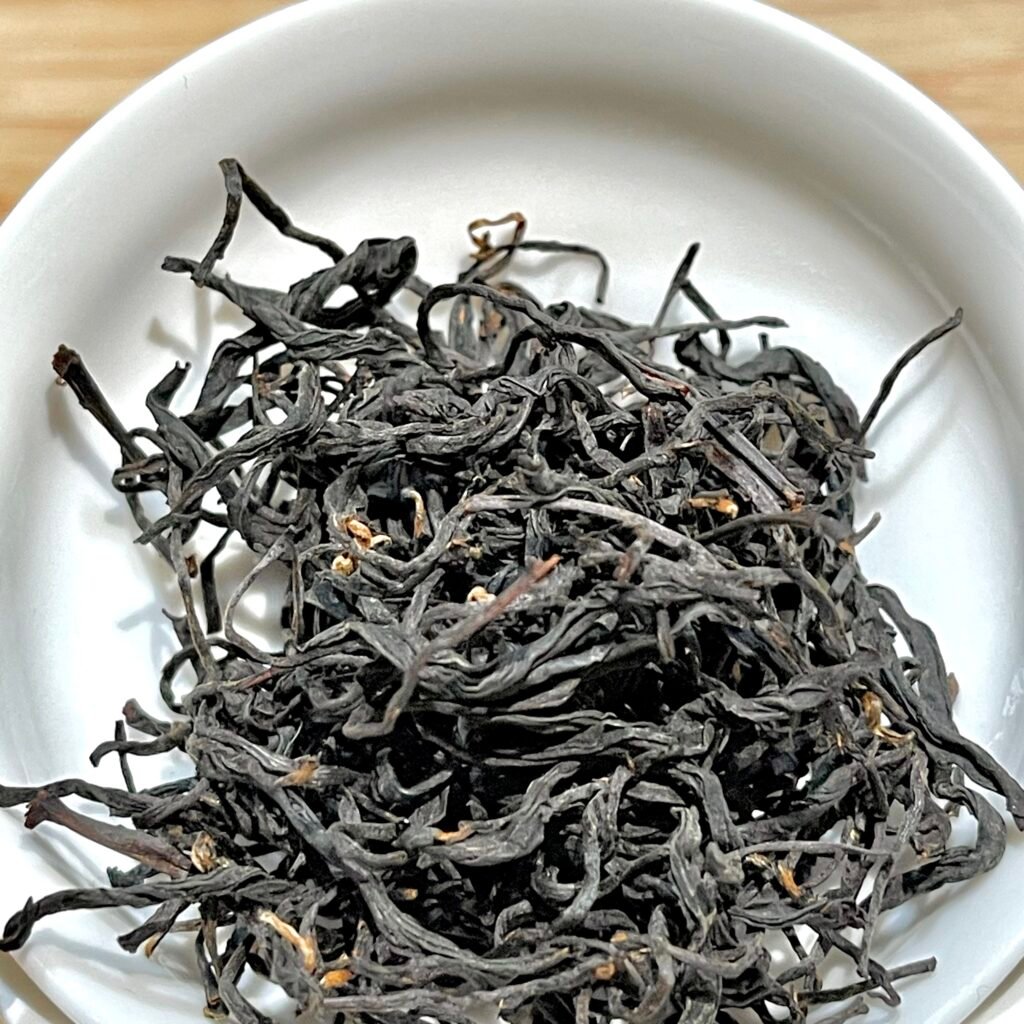
Loose leaves are larger and more intact than tea bag contents. They unfurl fully in hot water, exposing more surface area, releasing richer aroma, body, and the natural oils that give the brew its depth. Tea bags, by contrast, usually contain fannings (small leaf fragments) or dust. The compressed leaf and bag material itself can absorb some flavor compounds, as Consumer Reports noted in a side-by-side tasting.
In our own cupping sessions, we have brewed hundreds of the same cultivar in both formats. The loose version consistently shows broader aroma, longer finish, and better reinfusion value.
When Tea Bags Are the Practical Choice
Tea bags win on speed and portability. They are pre-measured, single-use, and mess-free, which is why most offices and travelers prefer them. A high-quality whole-leaf pyramid bag can deliver 80–90% of the loose leaf experience, according to a 2024 industry comparison by Brew Tea. For quick morning routines, they are perfectly fine.
How to Choose Quality Black Tea Leaves
Use this checklist when buying:
- Dry leaf – Tightly rolled or twisted, uniform color, golden tips (pekoe) on premium grades.
- Aroma – Sweet, malty, or floral; no smoke, mold, or staleness.
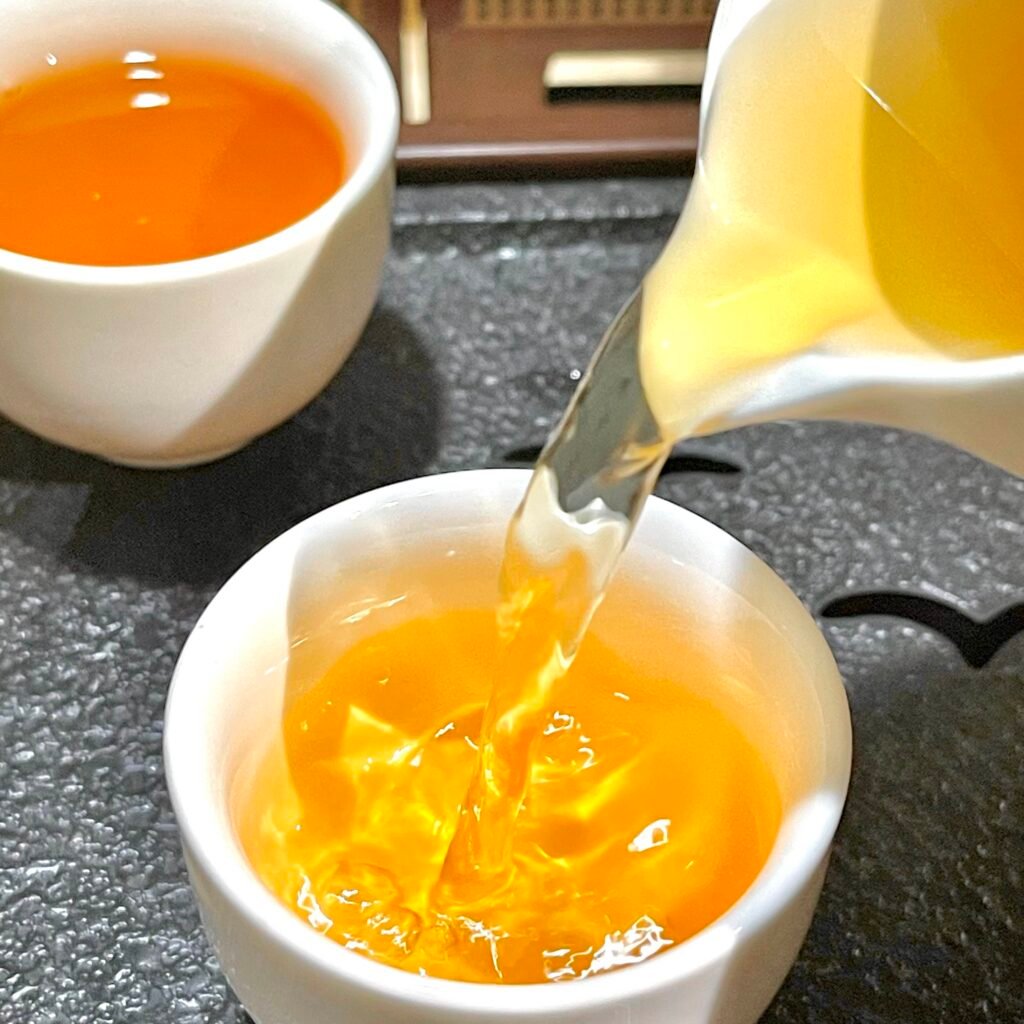
- Liquor – Bright reddish-brown, clear and translucent; high-quality lots may show a fine “cream” when cooled.
- Taste – Smooth, brisk, with a clean aftertaste; not flat or harshly bitter.
- Wet leaf – Unfurls fully, supple, and evenly colored after steeping.
What Does Black Tea Taste Like? A Flavor Guide
This category offers a wide flavor spectrum. Understanding common tasting notes helps you pick the right tea for your palate.
Common Flavor Notes Across Varieties
Across types, tasters regularly identify malt, honey, caramel, dried fruit (raisin, fig, apricot), cocoa, baking spice, leather, tobacco, and pine smoke. Indian lots lean rich and malty. Chinese lean floral, sweet, and nuanced. Sri Lankan tend toward bright citrus. Each cup can also show astringency, a drying sensation on the tongue caused by tannins, which is a sign of quality when balanced.
How Origin, Processing, and Brewing Change the Taste
Origin sets the baseline. Climate, soil, and cultivar shape the leaf’s chemistry. Processing determines how much oxidation occurs and whether smoke is introduced. Brewing sets the final extraction: hotter water and longer steeps pull more bitter compounds, while shorter steeps highlight sweetness and aroma.
Taste Profile Comparison Table by Tea Type
| Tea Type | Primary Notes | Body | Astringency | Best Pairing |
|---|---|---|---|---|
| Keemun | Cocoa, dried fruit, rose | Medium | Low–medium | Plain or light milk |
| Jin Jun Mei | Honey, sweet floral, long finish | Medium | Low | Plain, gongfu |
| Lapsang Souchong | Pine smoke, dried longan | Medium–full | Medium | Plain or with milk |
| Dianhong | Chocolate, malt, sweet potato | Full | Low | Plain or with milk |
| Darjeeling | Muscatel, light floral, citrus peel | Light | Medium | Plain or with lemon |
| Assam | Bready malt, oak, molasses | Full | Medium–high | With milk and sugar |
| Ceylon Uva | Rose, citrus, brisk | Medium | Medium | Iced or with lemon |
| Earl Grey | Bergamot citrus, malt base | Medium | Medium | With milk and sugar |
How to Brew the Perfect Cup of Black Tea (Hot and Iced)
Good brewing is simple but precise. Follow these ratios and timings for a consistent, balanced cup.
Step-by-Step Hot Brewing Guide
- Measure – Use 2–3 g of loose leaf (about 1 teaspoon) per 250 ml cup, or 1 tea bag.
- Heat water – Bring fresh, filtered water to 95–100°C (just off a full boil).
- Warm the vessel – Pour hot water into the cup or pot, swirl, and discard.
- Add tea and steep – Place leaves in the pot, pour hot water, and steep 3–5 minutes.
- Remove leaves – Lift out the infuser or strain. Leaving leaves in oversteeps the cup.
- Serve – Drink plain, or add milk, sugar, lemon, or honey to taste.
For Gongfu style, use 5 g per 100 ml in a small pot, with quick 10–20 second steeps and multiple short infusions.
Easy Iced Tea Recipe: Cold Brew vs Flash Chill
Both methods work; they just produce different results.
Cold Brew (8–12 hours, refrigerator)
- Double the leaf amount (4–6 g per 250 ml).
- Cover with cold filtered water and refrigerate overnight.
- Strain in the morning. The result is sweeter, smoother, and lower in bitterness.
Flash Chill (5 minutes, ready to drink)
- Brew a double-strength hot concentrate (4 g per 125 ml, 3–4 minutes).
- Strain over a cup filled to the brim with ice.
- Stir; the ice melts and dilutes the concentrate to perfect strength.
A study in the Journal of Food Science and Technology found cold infusion preserves more antioxidants, while flash chill better retains volatile aroma compounds.

Brewing Loose Leaf Properly
For Western style, use 2–3 g per 250 ml and steep 3–5 minutes. For Gongfu, use 5 g per 100 ml and steep 5–30 seconds, increasing by 5–10 seconds per round. Quality loose leaf can be reinfused 3–5 times, especially Chinese whole-leaf grades.
Common Brewing Mistakes to Avoid
| Mistake | Result | Fix |
|---|---|---|
| Water too cool (<90°C) | Flat, weak, underdeveloped | Use fresh boiling water (95–100°C) |
| Steeping too long (>6 min) | Bitter, overly astringent | Steep 3–5 min, then remove leaves |
| Too little leaf | Watery, thin cup | Use 2–3 g per 250 ml |
| Tap water with chlorine | Off-flavors, dull aroma | Use filtered or spring water |
| Skipping vessel warm-up | Temperature drop, lost aroma | Pre-rinse pot and cup |
| Reusing old leaves indefinitely | Sour, empty cup | Refuse 3–5 infusions max |
What Is the Best Black Tea to Drink?
The honest answer: it depends on your taste, routine, and budget.
Best Black Tea for Beginners
Start with approachable, aromatic options. Earl Grey is forgiving, fragrant, and widely available. Darjeeling (first or second flush) is light, floral, and unlikely to overwhelm. A classic English Breakfast blend (Assam + Ceylon) is also a safe daily choice.
Best Premium Picks Worth the Splurge
If you want to taste what premium can offer, try these single-origin lots:
- Jin Jun Mei – Bud-only sweetness and complexity. Our Jin Jun Mei black tea is handpicked from high-elevation Fujian gardens.
- First-Flush Darjeeling – Delicate, floral, with muscatel aromatics.
- High-Grade Keemun – Wine-like, cocoa-rich, with a long smooth finish.
- Golden Monkey (金猴) – Yunnan bud tea with chocolate, honey, and a velvety mouthfeel.
Black Milk Tea and Modern Café-Style Favorites
For milk tea, boba, and café-style drinks, you need a tea that holds up to milk, sugar, and ice. Strong Assam, CTC, and robust breakfast blends are the standard base in most bubble tea shops. Earl Grey lattes and Taiwan-style “black jade” milk teas are also trending café choices.
Final Recommendations by Use Case
| Use Case | Best Pick | Why It Works |
|---|---|---|
| Morning energy with milk | Assam or English Breakfast | Bold, malty, cuts through milk |
| Afternoon light sip | Darjeeling or Keemun | Floral, nuanced, low caffeine crash |
| Iced tea pitcher | Ceylon or Kenya | Bright, citrusy, refreshing over ice |
| Milk tea or boba | CTC Assam or strong breakfast blend | Concentrated flavor, holds up to dairy |
| Special occasion / gift | Jin Jun Mei or first-flush Darjeeling | Premium, memorable, conversation-worthy |
Frequently Asked Questions
1.Is black tea the same as red tea?
Yes. In Chinese markets, fully oxidized tea is called hong cha (红茶, “red tea”) because of the brew color. Western markets use “black tea” to describe the dark dried leaves. The leaf and processing are identical.
2.How much caffeine is in black tea?
A 250 ml cup typically contains 40–70 mg of caffeine, less than coffee but more than green tea. The exact amount depends on leaf grade, steep time, and water temperature.
3.Can you drink black tea every day?
Most healthy adults can safely drink 3–4 cups daily. Excessive intake may cause insomnia, digestive upset, or iron absorption issues, especially on an empty stomach.
4.How long does black tea stay fresh?
Properly stored in an airtight container away from light and moisture, loose leaf stays fresh for 12–18 months. Peak flavor is within the first 6 months of harvest.
5.Does black tea have more antioxidants than green tea?
Both contain high levels of different antioxidants. Green tea has more catechins (especially EGCG). Black tea has more theaflavins and thearubigins, which form during oxidation. Both are beneficial.
🎯 Ready to find your perfect cup?
Browse our curated black tea collection sourced directly from Shouning’s thousand-year-old tea gardens. Fast worldwide shipping (7–15 days via DHL, FedEx, and European express lines), secure payments (PayPal, Visa, Mastercard, JCB, bank transfer), and 24/7 customer support.

4 Comments