How to Brew Black Tea Black Without the Bitterness
Black tea should taste smooth, rich, and naturally sweet — not harsh, dry, or overly bitter. Yet many people struggle with brewing black tea black because they are used to low-grade tea bags that become strong and astringent within minutes.
The good news is that bitterness is usually not caused by black tea itself. It often comes down to tea quality, leaf grade, water temperature, and brewing time.
If you want to enjoy black tea without relying on milk or sugar, this guide will show you how to brew loose leaf black tea properly, why Chinese black tea tastes smoother, and which teas are best for a naturally balanced cup.
What Is Black Tea?
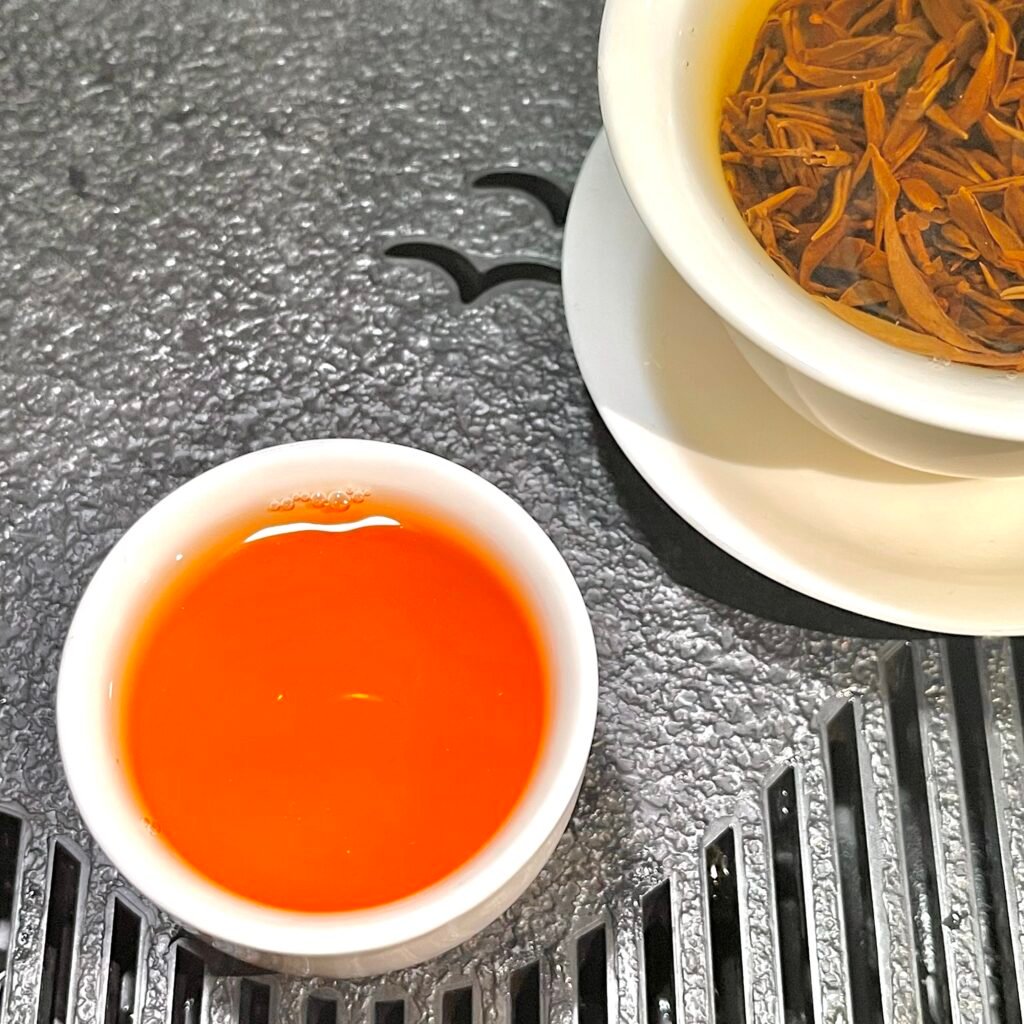
Black tea is a fully oxidized tea made from the leaves of Camellia sinensis. Compared with green or white tea, black tea develops:
- A darker liquor
- Richer aroma
- Fuller body
- More developed sweetness and malt notes
Depending on the origin and processing style, black tea can taste malty, floral, fruity, honey-like, or smooth and velvety. High-quality black tea should feel layered and clean — not aggressively bitter. Good black tea should not fight you.
Why Does Black Tea Taste Bitter?
Many people believe black tea is naturally harsh, but that is not always true. Tea experts often note that bitterness in black tea is usually caused by over-extraction rather than the tea itself.
Simply put: bitterness is usually a brewing problem, not a tea problem. In reality, it almost always stems from one of these common extraction issues:
Over-Steeping
Brewing black tea for too long releases excessive tannins, creating dryness and bitterness on the back of your tongue.
Water That Is Too Hot
Boiling water can overwhelm delicate loose leaf black tea, especially premium Chinese black teas, bringing out sharper and more astringent flavors.
Low-Quality Tea Bags
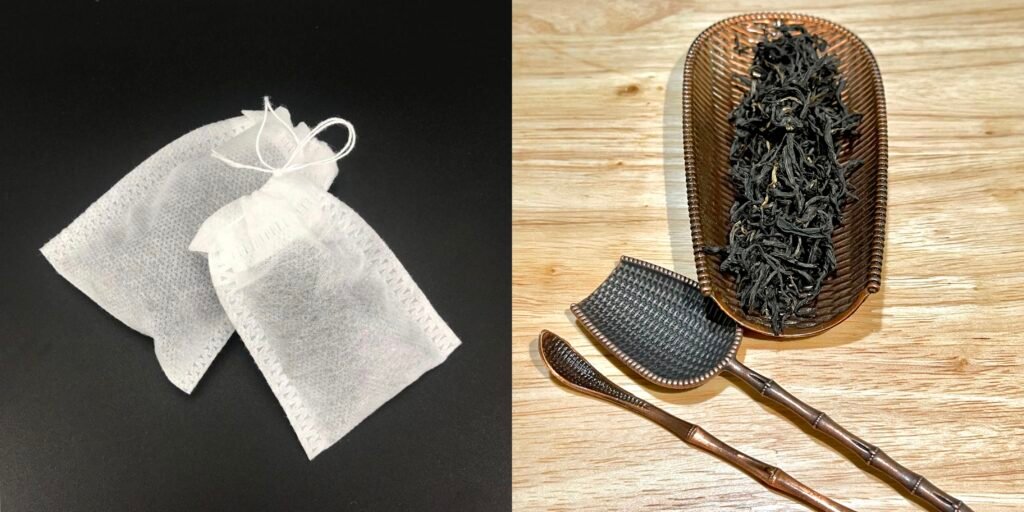
Mass-market tea bags are often made from broken leaves, dust, or fannings (CTC tea particles) that brew incredibly quickly but lose all flavor complexity, leaving only bitterness.
This is why many supermarket teas are commonly mixed into milk tea or heavily sweetened drinks—to mask the harshness.
Loose Leaf Black Tea vs Tea Bags
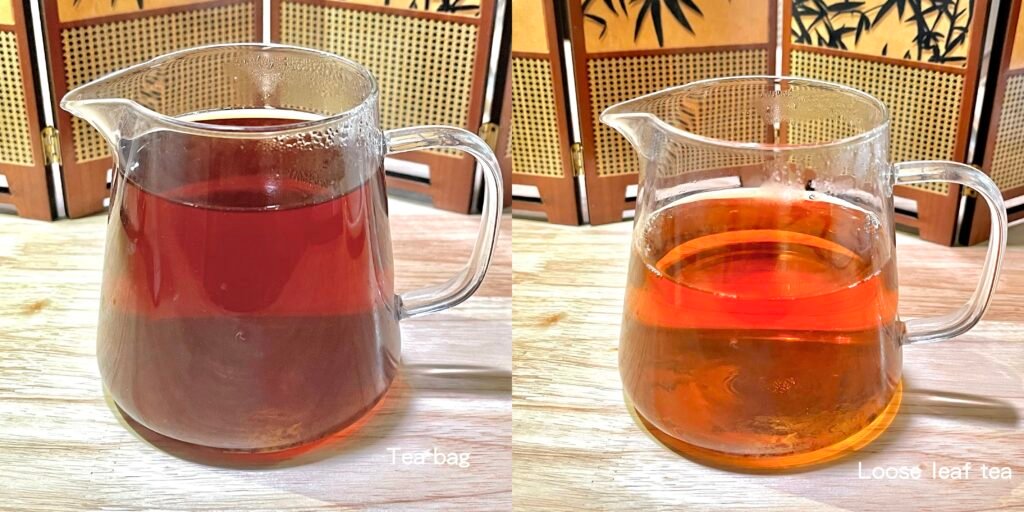
When people search for loose leaf black tea, they are often looking for a smoother, more authentic experience. Whole-leaf tea has several distinct advantages:
- Whole leaves release flavor more gradually and evenly
- Better preservation of natural essential oils for superior aroma and texture
- Dramatically less harsh bitterness
- More complex, natural sweetness
Instead of producing a flat, one-dimensional cup, quality loose leaf tea reveals depth and clarity over multiple infusions.
👉 Explore our curated Chinese black tea collection here: /black-tea/
How to Brew Black Tea Without Bitterness
Brewing black tea properly is simpler than most people think. The key is controlling temperature, time, and leaf quantity.
Best Water Temperature
For most loose leaf Chinese black teas, the ideal range is 185°F–205°F (85°C–96°C). Delicate, bud-heavy teas like Jin Jun Mei often taste significantly sweeter slightly below boiling.
Best Steeping Time
A good starting point for Western-style brewing is 2–4 minutes. If the tea tastes too strong, reduce the time next time instead of adding milk or sugar.
Use More Leaf, Not More Time
One of the biggest mistakes beginners make is over-steeping a small amount of tea to get more flavor. Instead, use slightly more loose leaf and keep the steeping time moderate. This creates a fuller flavor without any harshness.
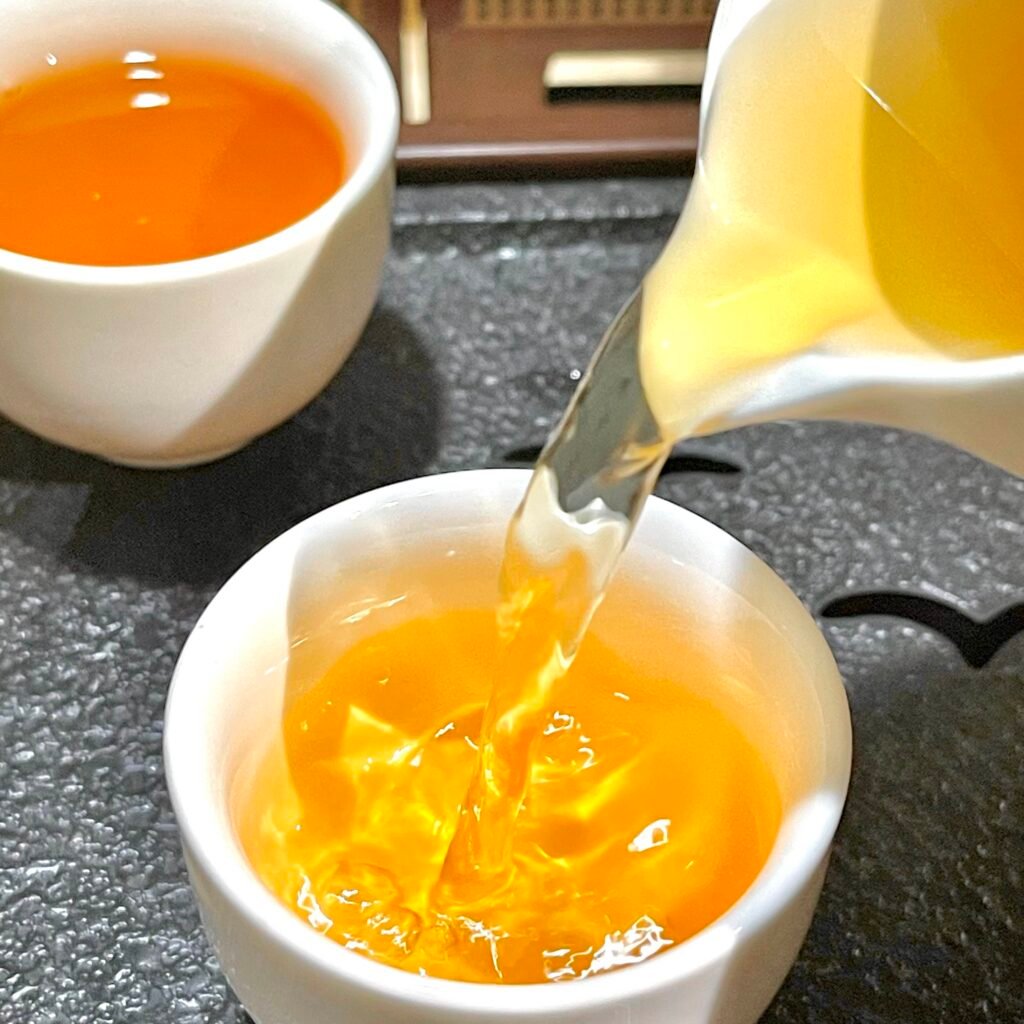
What Does Black Tea Taste Like?
Many people only know black tea through industrial tea bags, but premium loose leaf black tea tastes completely different. Depending on the tea style, flavors may include:
- Honey sweetness
- Rich cocoa or malt notes
- Elegant floral aroma
- Dried fruit character
- Smooth, rounded mouthfeel
The finish should feel clean and lingering rather than sharp or drying.
Why Chinese Black Tea Tastes Smoother
Chinese black tea is processed differently from stronger Western breakfast-style teas. Rather than focusing only on pure strength and boldness for milk pairing, many Chinese black teas emphasize aroma, sweetness, smooth texture, and layered flavor complexity.
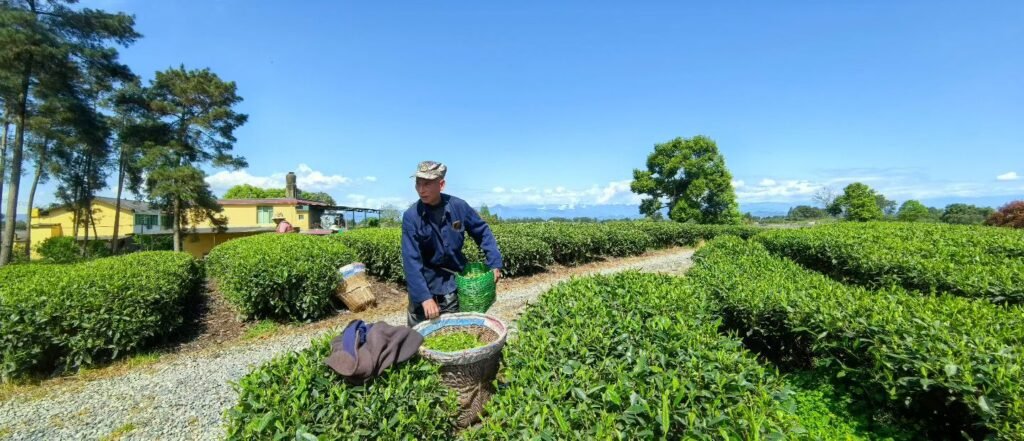
This is especially true for high-mountain teas from Fujian, where cooler climates and slower leaf growth help develop naturally sweeter flavor profiles that can be enjoyed entirely plain.
What Is Jin Jun Mei?
Jin Jun Mei is one of the most respected modern Chinese black teas from Fujian. It is typically made entirely from carefully selected young buds, which gives the tea:
- Natural honey sweetness
- A smooth, refined body
- Gentle floral and fruity notes
- Minimal bitterness when brewed properly
Unlike heavy breakfast teas, Jin Jun Mei is designed to be enjoyed black, allowing the tea’s natural sweetness and aroma to stand on their own.
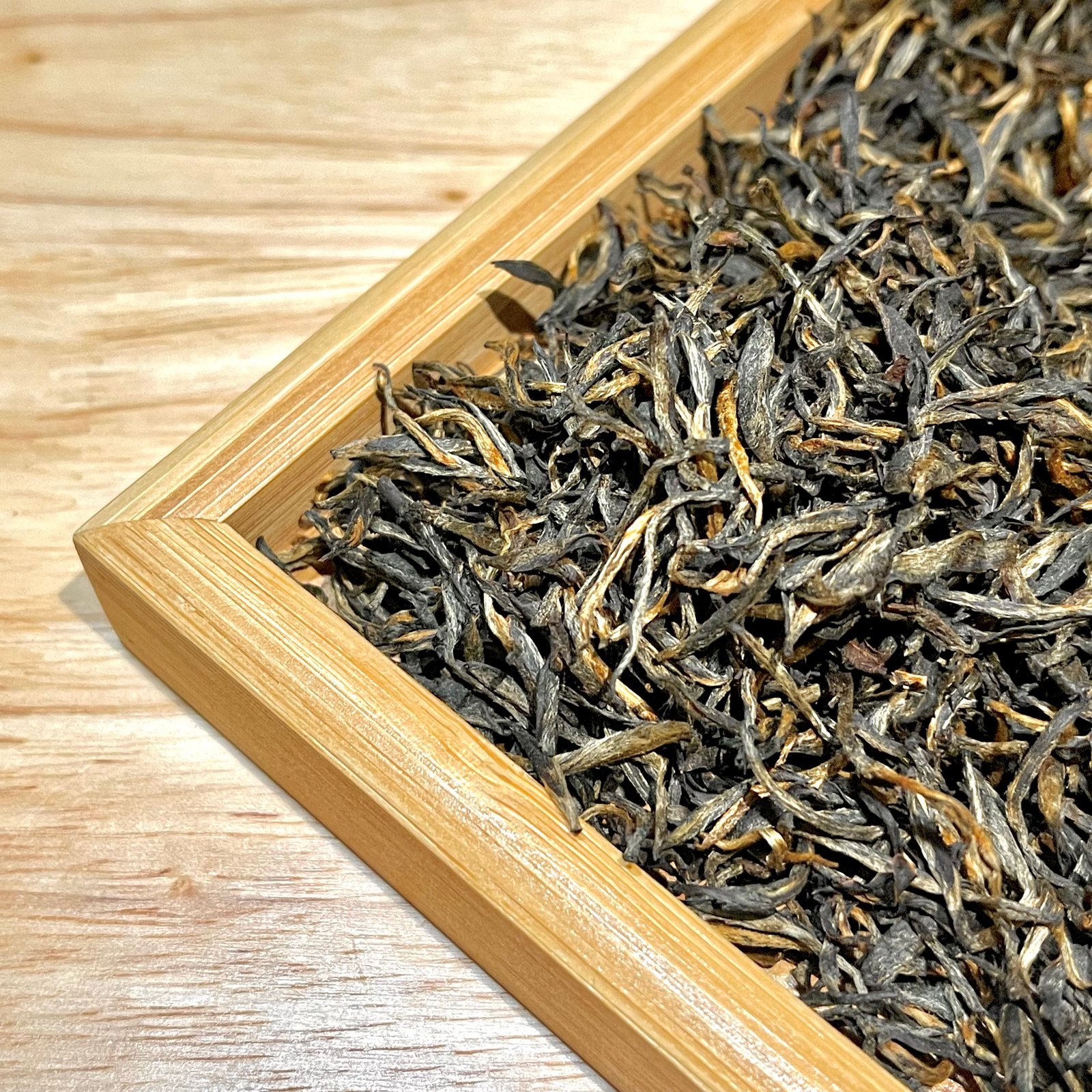
👉 Learn more about this legendary tea style here: /jin-jun-mei-black-tea/
Why Our 2026 Spring Jin Jun Mei Stands Out
Our 2026 spring harvest is sourced from Fujian’s high-mountain tea regions, where cooler temperatures and misty conditions help create softer, sweeter tea leaves.
What makes this tea different:
- Small-batch and carefully crafted to preserve flavor clarity
- Naturally smooth without any added flavorings or sweeteners
- Rich aroma with a clean, sweet finish
Because it is crafted from premium, high-mountain spring buds, our Jin Jun Mei is incredibly forgiving. Even if you accidentally steep it a minute too long, it remains remarkably smooth and remains remarkably smooth when brewed properly.
If you want a refined daily tea that tastes smooth even without milk or sugar, this is an excellent starting point for beginners.
👉 Explore our 2026 Spring Jin Jun Mei here: /jin-jun-mei-2026-spring/
Other Chinese Black Teas Worth Exploring
If you enjoy smooth loose leaf black tea, you may also like:
High Mountain Jin Mu Dan Black Tea
Balanced, highly floral, and naturally sweet with a soft texture.
👉 /high-mountain-jin-mu-dan-black-tea-2026/
Xiao Cai Cha Black Tea
More traditional and layered, with deeper comforting woody and fruity notes.
👉 /high-mountain-black-tea-xiao-cai-cha/
Quick Brewing Guide
| Tea Type | Water Temperature | Steeping Time | Best Character |
| Jin Jun Mei | 185–195°F (85–90°C) | 2–3 min | Honey sweetness & soft texture |
| Jin Mu Dan | 190–200°F (88–93°C) | 3–4 min | Intense floral aroma & clean finish |
| Xiao Cai Cha | 200–205°F (93–96°C) | 3–5 min | Rich body & traditional fruit notes |
Quick Tip: If your black tea tastes bitter, reduce the steeping time first before you try lowering the water temperature.
A smooth cup of black tea should feel comforting, relaxing, and naturally enjoyable — even on an ordinary weekday morning.
Final Thoughts
Great black tea should not need to be hidden behind sugar, cream, or artificial flavoring. When brewed correctly, high-quality loose leaf Chinese black tea tastes naturally smooth, sweet, and deeply satisfying on its own.
Our fresh 2026 spring teas are freshly released in limited quantities. If you are ready to experience black tea the way it was meant to taste, try our authentic Fujian Jin Jun Mei before this season’s small-batch sells out.
✅ FAQ
Why is my black tea bitter?
Usually because of over-steeping, using boiling water on delicate leaves, or using low-quality, dust-grade tea bags.
Does loose leaf black tea taste better?
Yes. Loose leaf tea typically offers a much smoother flavor, better natural aroma, and significantly less bitterness compared to tea bags.
What does black tea taste like?
Good black tea can taste malty, floral, fruity, honey-sweet, or smooth depending on its origin, terroir, and processing style.
What is the best black tea for beginners?
Jin Jun Mei is one of the best beginner-friendly Chinese black teas because it is naturally sweet, highly forgiving to brew, and lacks the harsh astringency of mass-market teas.
Can you drink black tea without milk or sugar?
Absolutely. High-quality Chinese black tea is specifically crafted to be enjoyed plain so its natural sweetness and complex aroma remain completely clear.

Brewing black tea without bitterness is tricky. Do you have any go-to brands that work well?
You hit the nail on the head! Brewing commodity black tea without bitterness is a massive challenge. Most mass-market brands use crushed tea leaves or “dust” in tea bags. This CTC process causes the tea to release tannins way too quickly, making the brew incredibly bitter unless you drown it in milk and sugar.
If you want a smooth cup that you can genuinely enjoy completely black, the secret isn’t just a brand name—it’s switching to high-mountain, whole-leaf black teas.
To be completely transparent, I struggled with this exact problem for years. That’s actually why I founded MinTeaShop. I wanted to bring authentic, high-elevation whole-leaf teas directly from Fujian to tea lovers who enjoy their tea plain.
Our Jin Jun Mei, for instance, are naturally packed with honey and fruity notes. Because they are unbroken whole leaves grown at high altitudes, they yield a velvety smooth cup with a natural sweetness and zero bitterness, even if you accidentally over-steep them.
If you’re open to exploring a new world of smooth black tea, I’d love for you to try our collection.You can check them out here:Authentic High Mountain Jin Jun Mei 2026 spring | Honey Sweet Loose Leaf (Black Tea) Jin Jun Mei | 100% Authentic Black Tea | Honey-Sweet Aroma