
White Peony | Exquisite Spring 2026 Bai Mu Dan Premium White Tea – Pure High-Mountain Harvest
Price range: $11.90 through $111.90
Flavor Profile: Floral, honeyed, smooth as silk.
Caffeine Level: Low – ideal for relaxing.
Harvest: Spring 2026 | Shouning, Fujian Province.
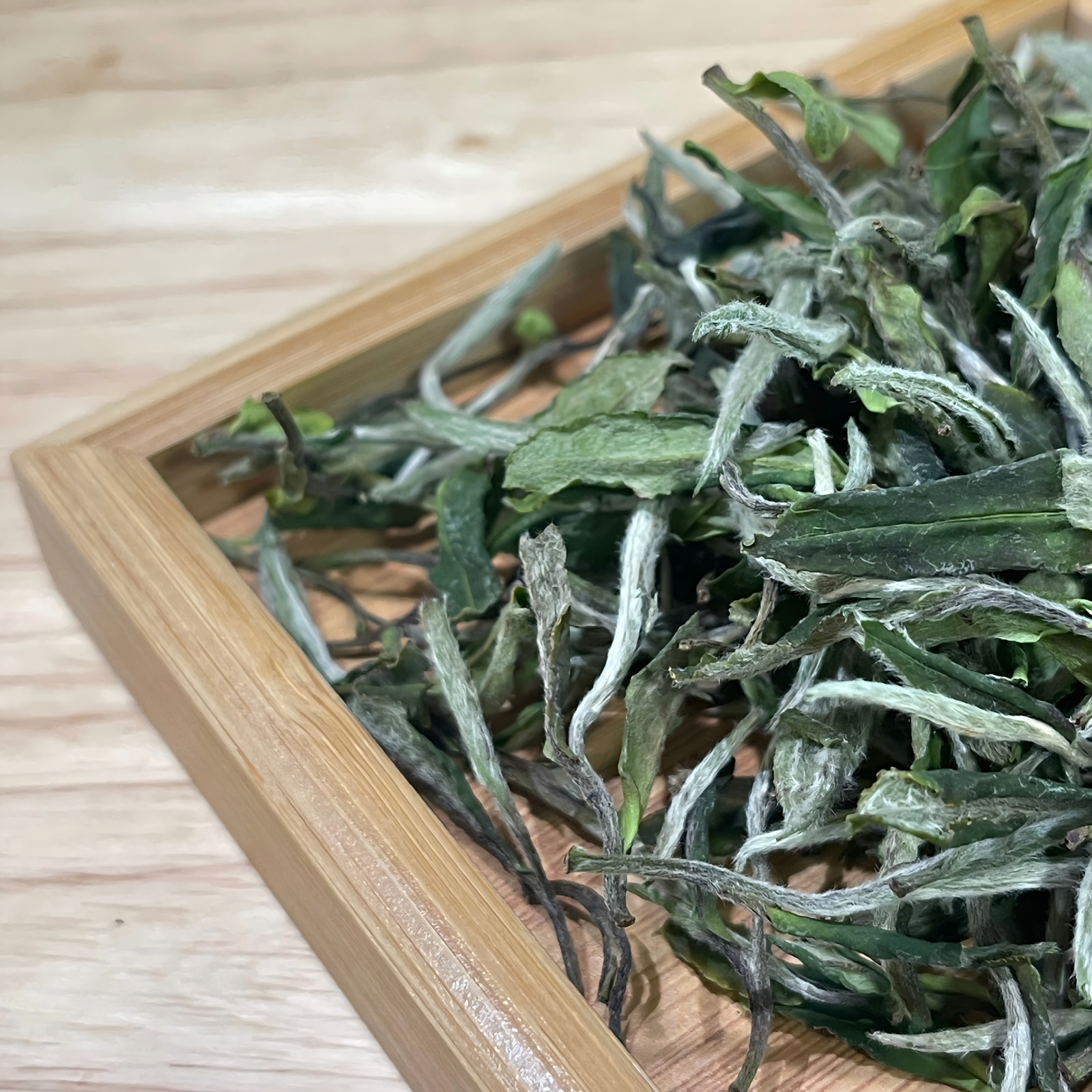
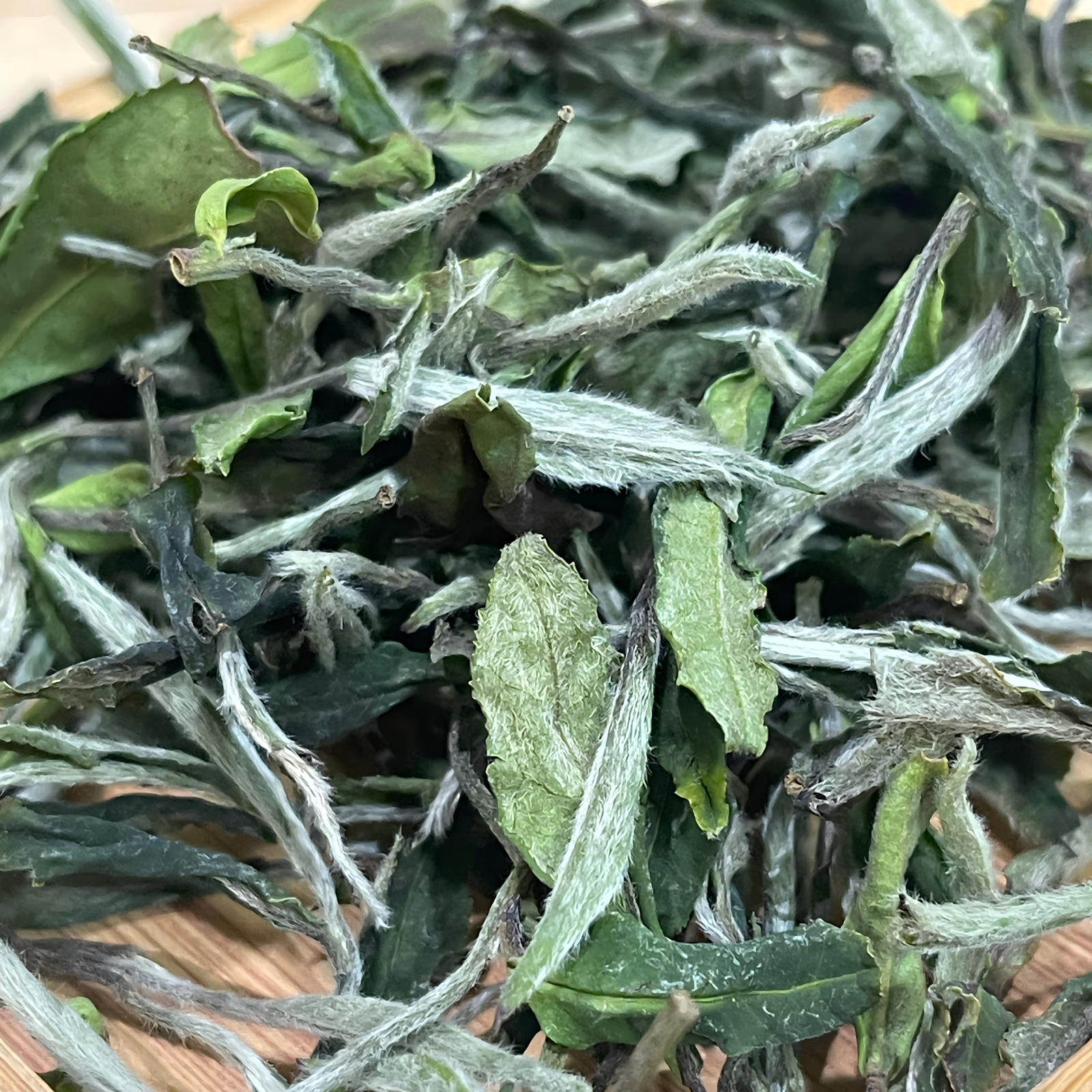
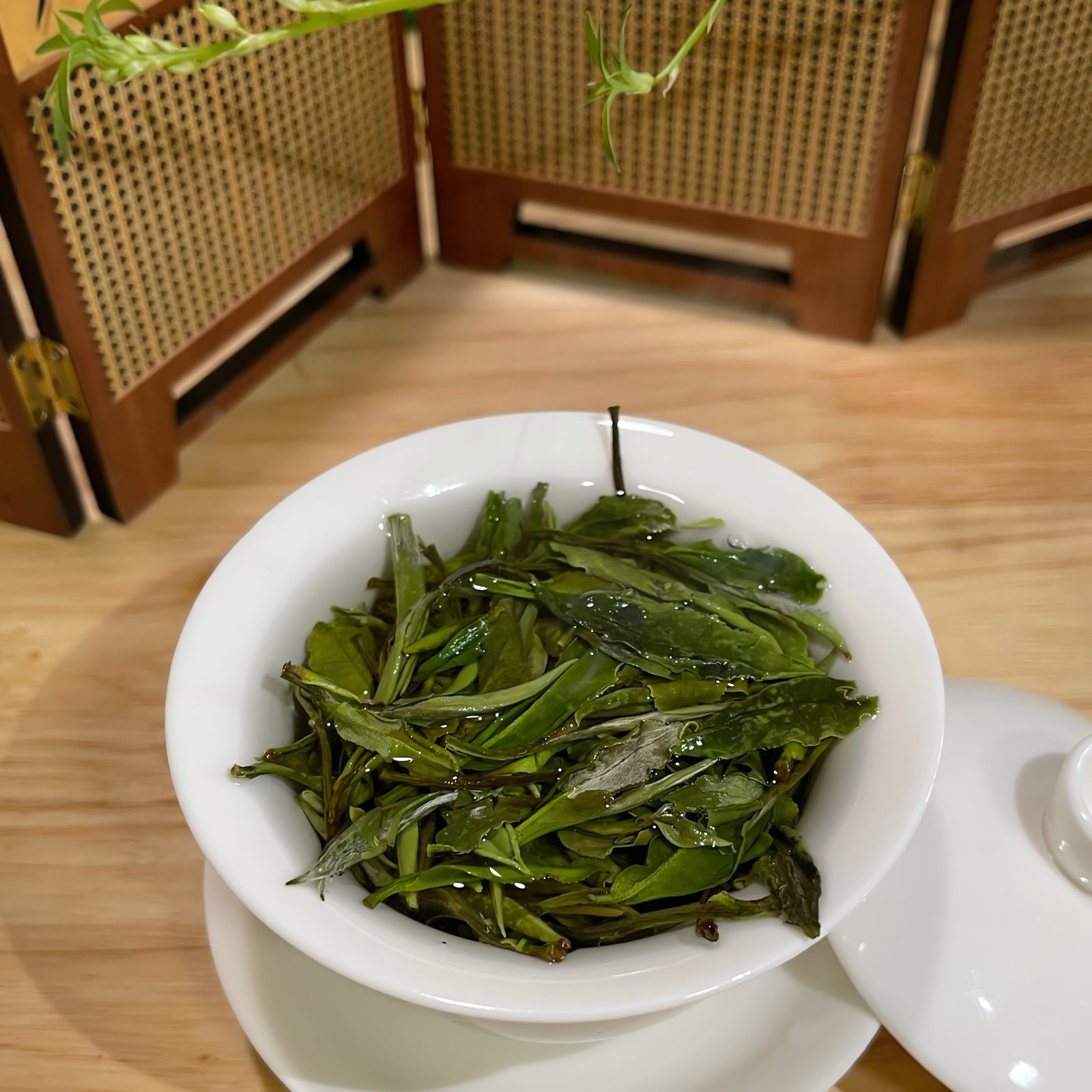
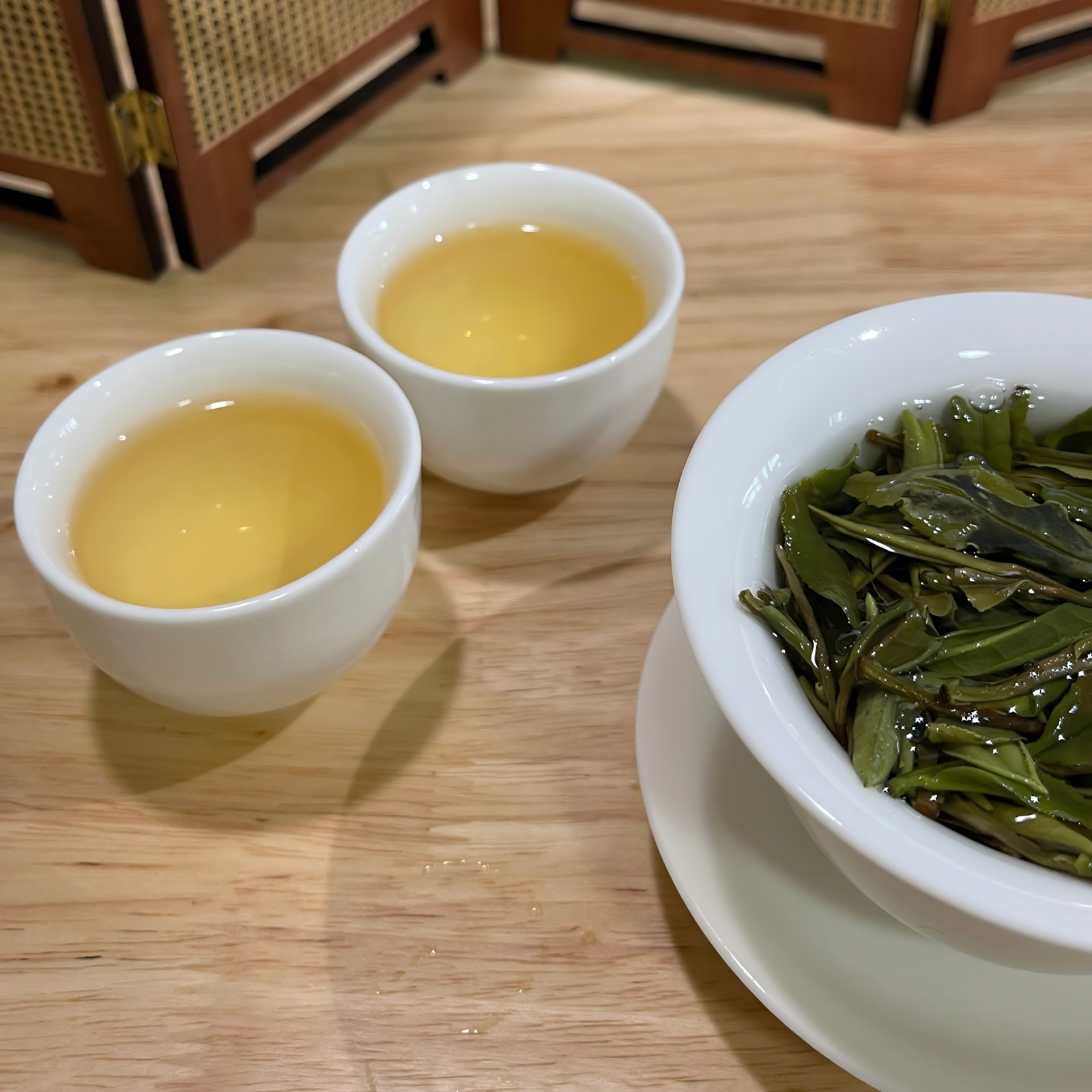
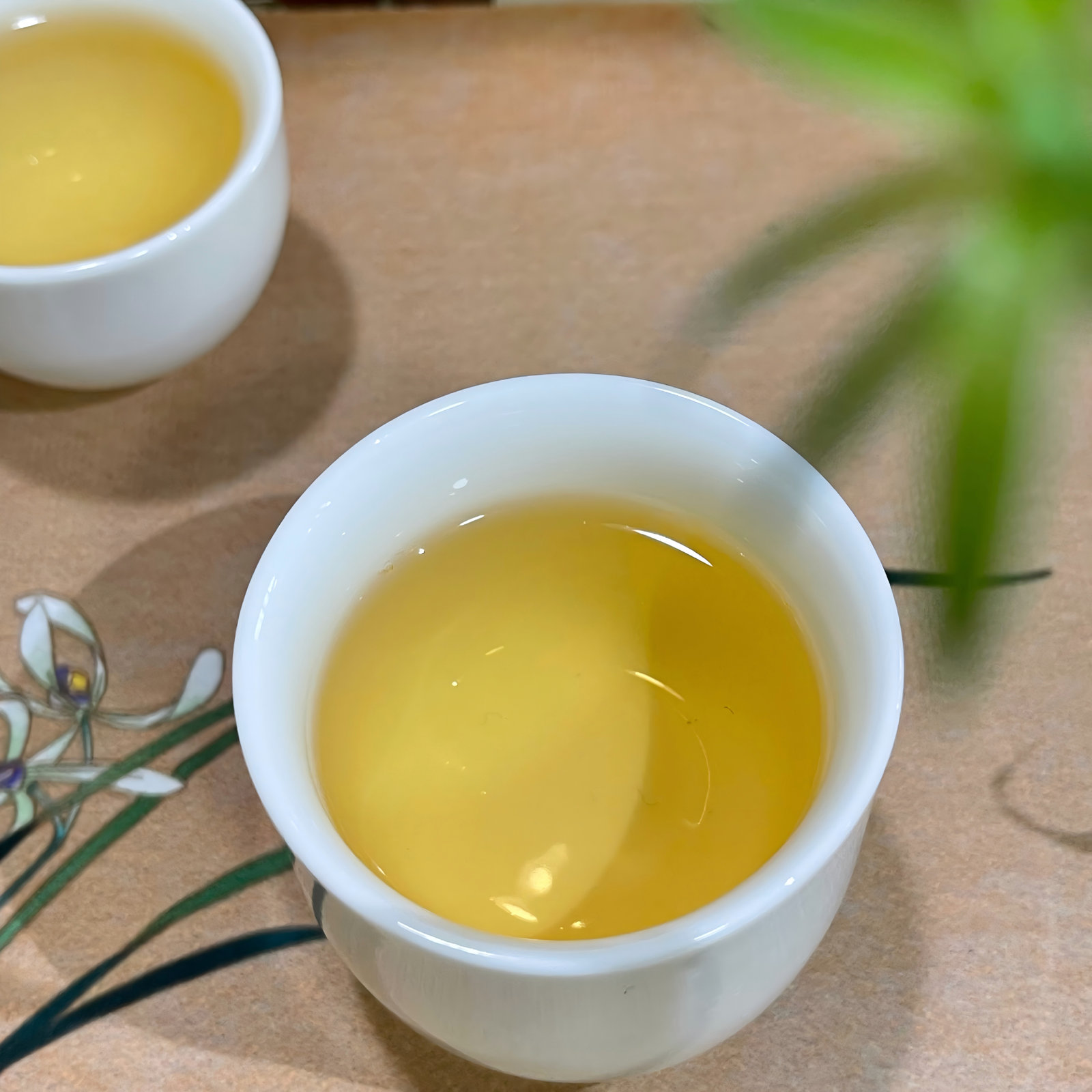
Experience the delicate magic of a high-mountain spring harvest. Grown in the misty peaks of Shouning, Fujian at 3,000 ft (914 m), our Spring 2026 White Peony features one plump bud and two tender leaves. This minimal-processing method yields a luxuriously smooth, beautifully honeyed infusion with a profoundly clean, sweet aftertaste.
Description
White Peony (Bai Mu Dan): 2026 Shouning Tasting Guide
Introduction
I still remember the morning I drove two hours up the mountain roads outside Shouning, Fujian, with a buyer who refused to discuss price until we’d tasted three lots side by side. The third sample — a Bai Mu Dan White Peony from a 914 m (3,000 ft) plot — was the one that ended negotiations before lunch. If you’ve only ever tried Silver Needle and assume all white tea is “delicate and quiet,” this 2026 Shouning harvest will change your mind.
This guide covers what Bai Mu Dan actually is, how it differs from Silver Needle, how to brew it Western and Gongfu style, what to expect on caffeine and antioxidants, and why Shouning’s altitude matters. You’ll also get sourcing notes from a six-year relationship with our partner farms. By the end, you’ll know whether this is the daily white tea your shelf has been missing.
What Is Bai Mu Dan (White Peony) Tea?
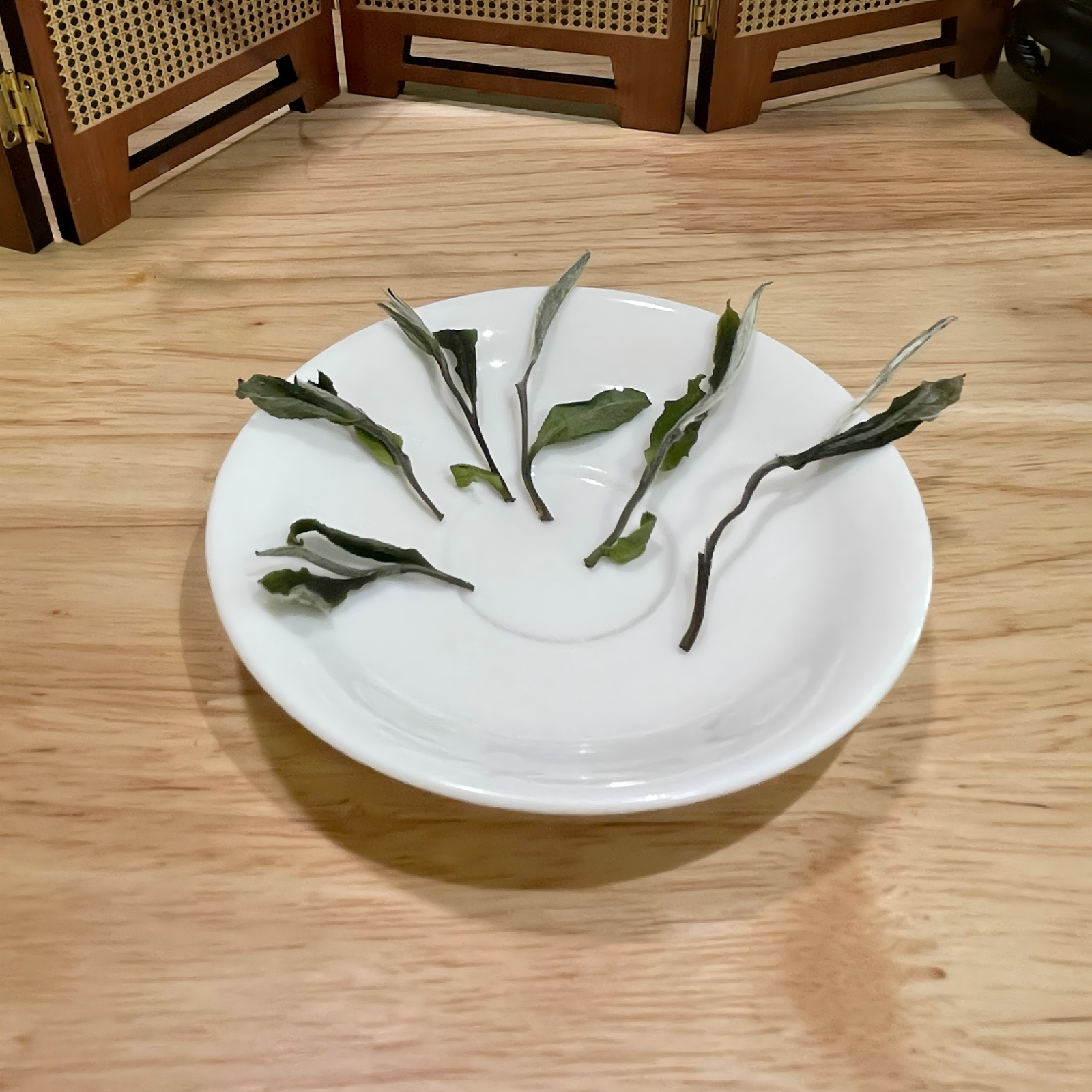
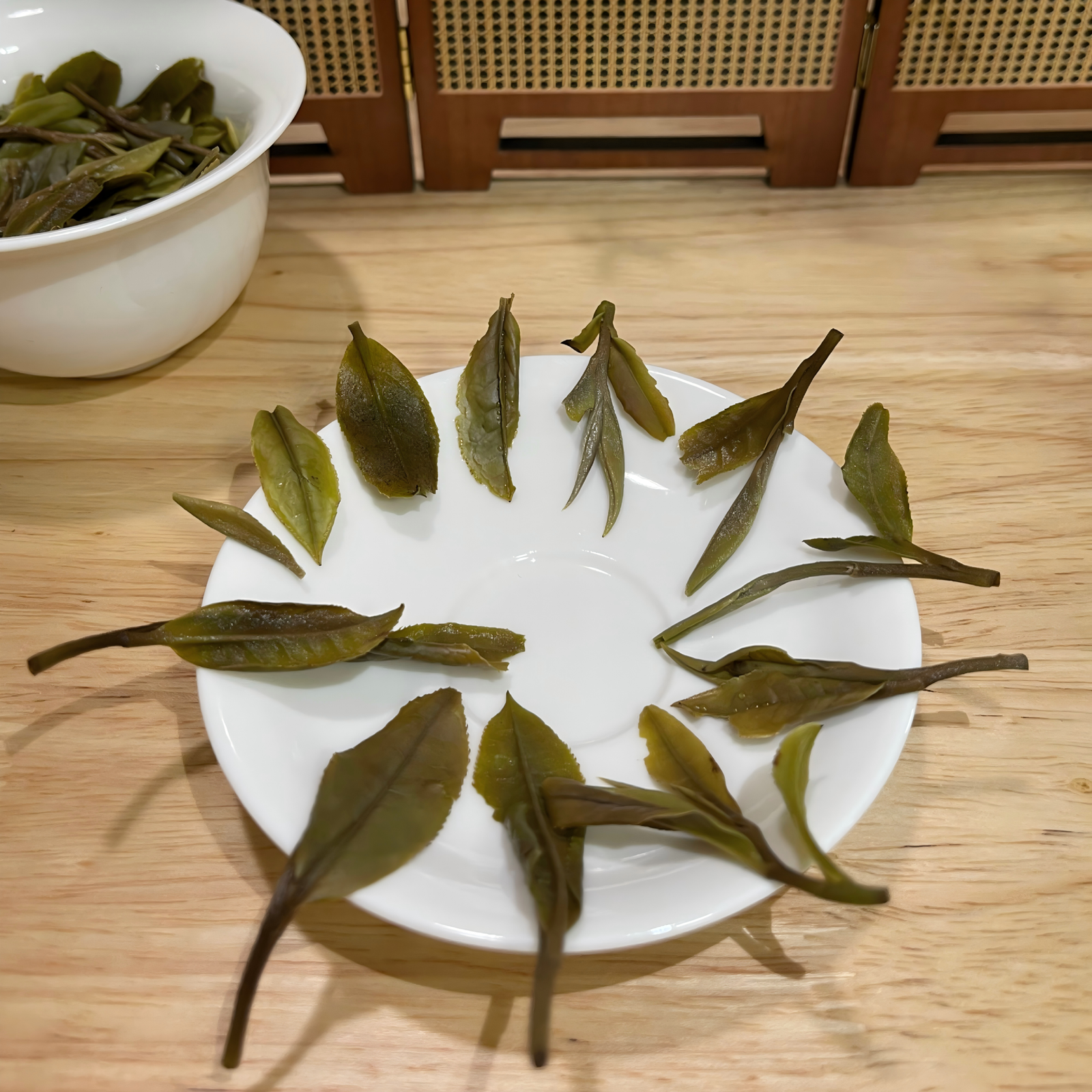
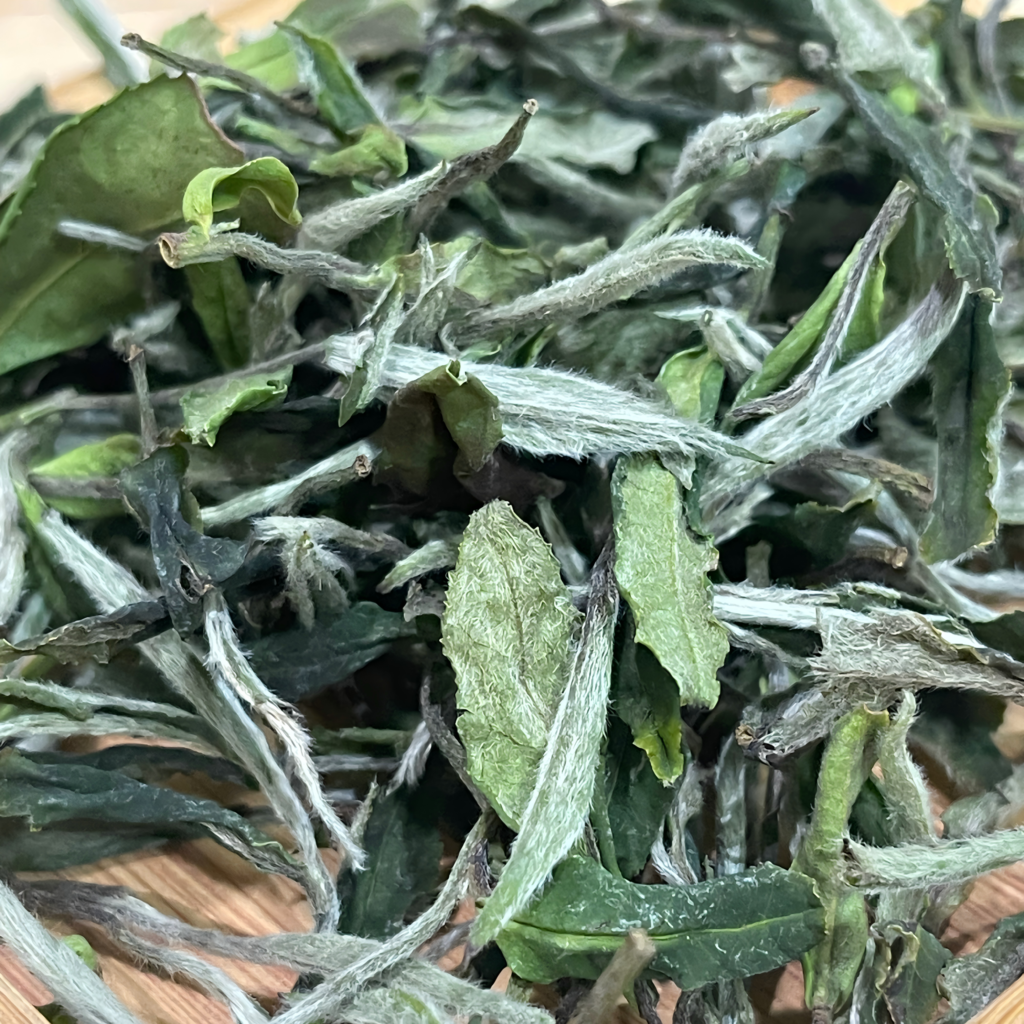
Bai Mu Dan — literally “White Peony” — is a traditional Chinese white tea made from one silver bud and the two youngest leaves of the Camellia sinensis plant. The plucking standard sits right between Silver Needle (bud only) and Shou Mei (more mature leaves). Sit in that middle band, and you get a leaf with body, real sweetness, and the rare ability to age well in the tin.
| Plucking Standard | Tea Name | Typical Profile |
| Unopened bud only | Bai Hao Yin Zhen (Silver Needle) | Very light, fresh hay, delicate sweetness |
| Bud + 2 leaves | Bai Mu Dan (White Peony) | Fuller body, honey, white peach, mineral finish |
| Mature leaves | Shou Mei | Earthier, woodier, develops fastest with age |
Most people I walk through this progression land on Bai Mu Dan as the daily drinker. Silver Needle feels like a special-occasion tea. It is what you brew on a slow Tuesday.
How Bai Mu Dan Is Actually Processed
Bai Mu Dan goes through two main steps: withering and drying. There’s no rolling, no oxidation, no roasting. The leaves are spread on bamboo racks — indoors or outdoors, depending on the weather — and left to lose moisture slowly for 36 to 48 hours, until the moisture content drops below 10%. A final low-temperature drying step locks the flavor in.
This minimal handling is why the USDA FoodData Central database lists white teas as having a gentler chemical profile than green or black tea. It’s also why I tell new buyers: if the leaf looks “broken” or smells smoky, you’re looking at a low-grade lot that was rushed through withering. Good Bai Mu Dan should look whole, with the silver bud clearly visible against the green-and-auburn leaves.
How Does White Peony Differ From Silver Needle?
Silver Needle and White Peony are both white teas, but they taste like different drinks. Silver Needle is the bud — pale, almost translucent in the cup, with notes of fresh hay, cucumber, and a whisper of honey. White Peony keeps the bud but adds the top two leaves, so the liquor goes a few shades darker (pale gold to amber), the mouthfeel thickens, and you get more fruit — apricot, white peach, ripe pear.
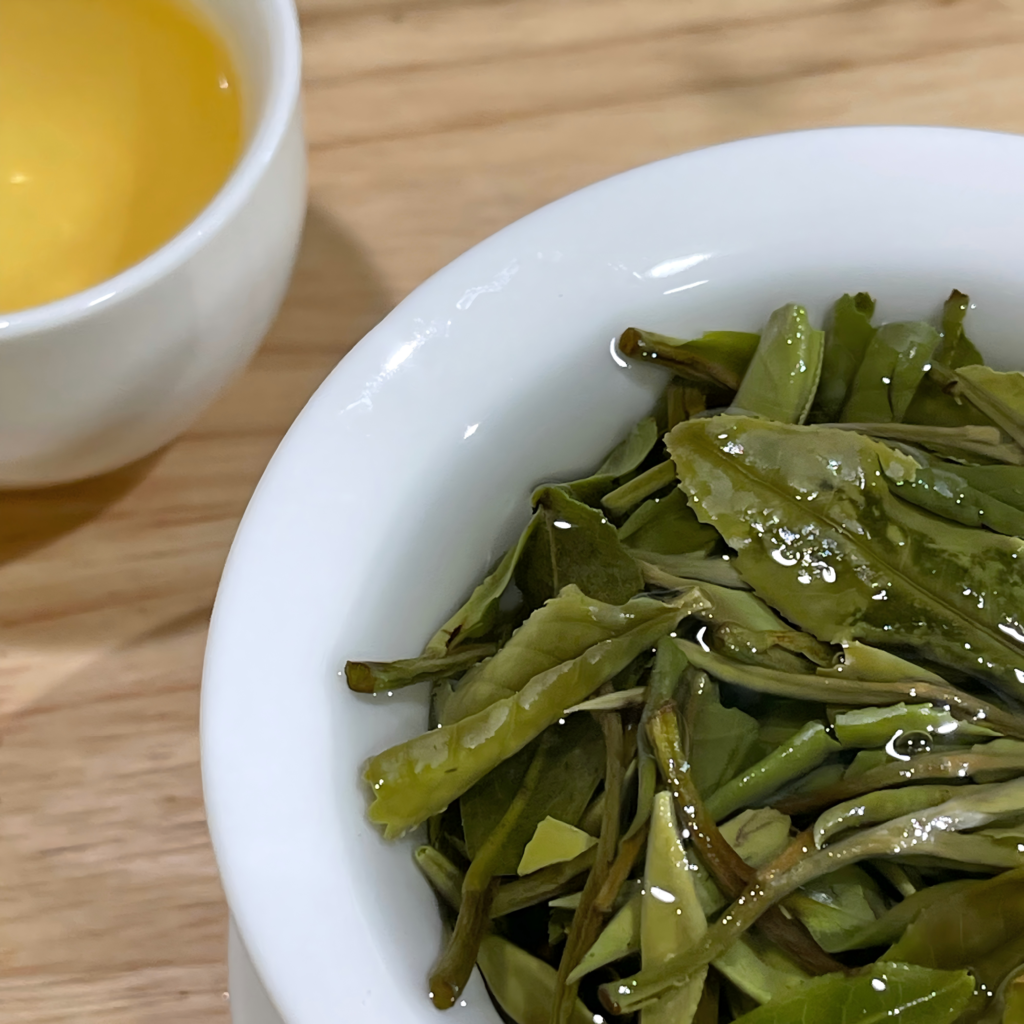
Here’s the practical version: Silver Needle is a quiet cup. Bai Mu Dan has something to say. If you’re brewing for a guest who’s never had white tea, give them Bai Mu Dan first. They notice it. Silver Needle can taste like “just hot water” to a new palate.
If you’re building out a collection, [our Silver Needle collection] makes sense to keep alongside this Bai Mu Dan — both come from the same plant, plucked weeks apart, and together they show you how much of a tea’s character comes down to leaf maturity.
How Do You Brew ?
You have two reliable paths: Western style (teapot, longer steep) and Gongfu style (gaiwan, short repeated steeps). Both work. Pick by mood.
Western Style (Teapot or Mug)
- Measure 3 grams of leaf per 250 ml of water.
- Heat water to 195°F (90°C) — just off the boil.
- Pour and steep for 3 to 4 minutes for the first infusion.
- Re-steep the same leaves 2 to 3 more times, adding about 30 seconds per round.
This is the method I use on a Sunday morning with a book. The leaves open up slowly, the cup stays gentle, and you can leave it for a few extra minutes without it going bitter. White tea is famously forgiving on steep time.
Gongfu Style (Gaiwan or Small Pot)
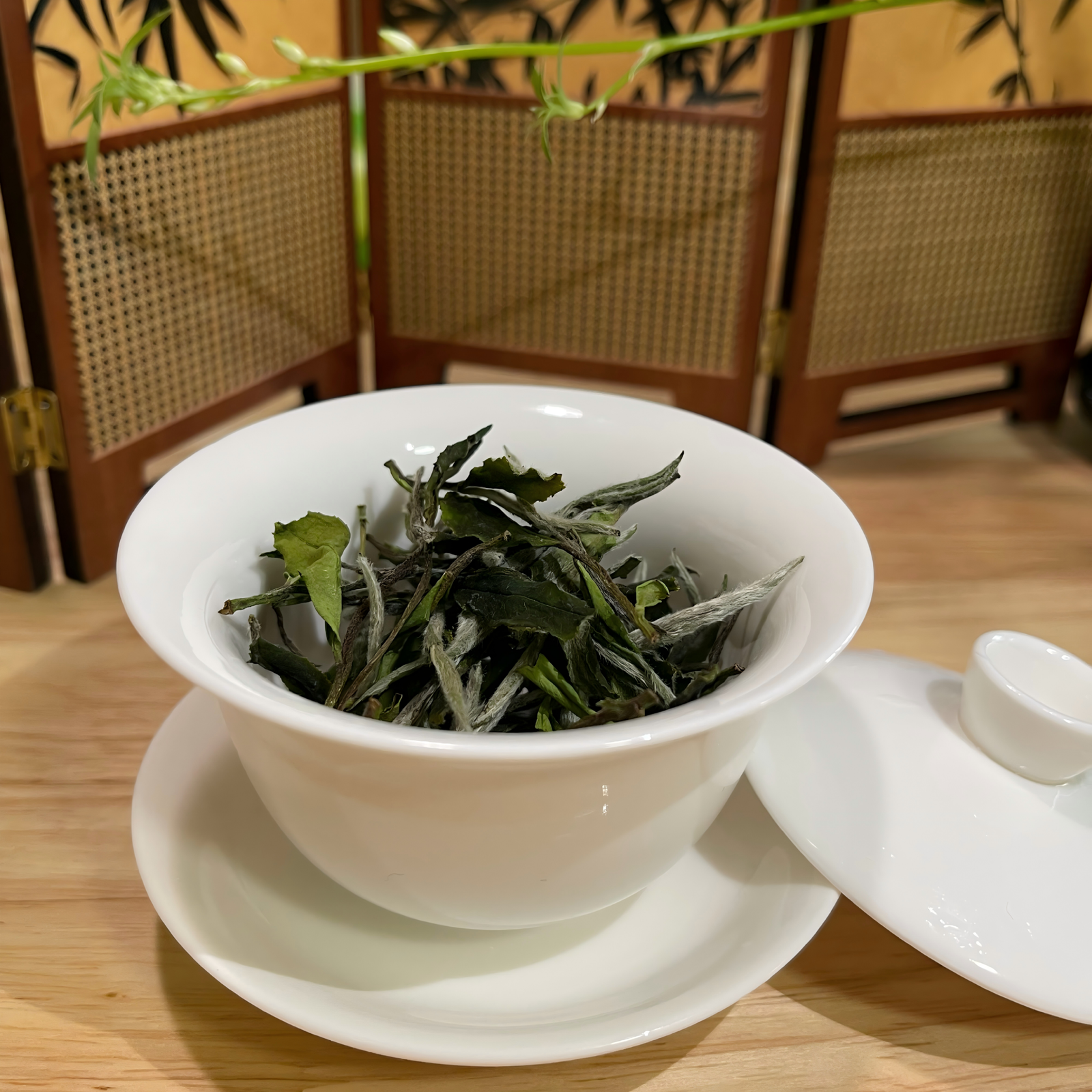
- Use 5 grams of leaf in a 100–150 ml gaiwan.
- Heat water to 185°F (85°C).
- First steep: 10 seconds. Pour out completely.
- Add 5 to 10 seconds per subsequent steep. Expect 6 to 8 rounds.
The Gongfu method pulls more aromatics out of the leaf and lets you watch the flavor evolve. Steep 1 is light and floral. Steep 3 is honey. Steep 6 is mineral and stone fruit. This is how I cup new lots at the warehouse.
Does White Peony Tea Have Caffeine?
Yes — it’s a Camellia sinensis tea, so it contains caffeine. But Bai Mu Dan sits at the lower end of the caffeine range. According to [外链:USDA FoodData Central — white tea caffeine and nutrient data], a typical 8 oz cup of white tea contains roughly 30 to 50 mg of caffeine, compared to about 95 mg in a similar serving of coffee.
I drink a cup at 9 p.m. most nights and sleep fine. Your mileage will vary, especially if you’re caffeine-sensitive. The bigger factor usually isn’t the caffeine itself — it’s the size of the leaf. Bai Mu Dan’s whole, unbroken leaves release caffeine more slowly than broken or bagged tea, which is why many drinkers report a “cleaner” lift without the spike-and-crash.
For a deeper look at the antioxidant profile, the NIH PubMed database has dozens of peer-reviewed studies on the polyphenol content of minimally processed teas.
Where Is Shouning White Peony Grown, and Why Does Altitude Matter?
Shouning County sits in the mountains of northeastern Fujian, at elevations between 600 and 1,200 m (roughly 2,000 to 3,900 ft). The 2026 harvest we’re shipping comes from plots at 914 m (3,000 ft). The county has been a documented white tea region for centuries — you can read more in the official Shouning County Wikipedia page and in the regional agricultural records on the Fujian government agriculture portal.
Altitude changes three measurable things in the cup:
- Slower growth: Cooler nights mean the bush grows more slowly, concentrating flavor compounds in the leaf.
- More mist, less direct sun: The leaves stay tender and develop thicker cell walls, which holds up to repeated steeping.
- Greater day-night temperature swing: A little plant stress triggers the production of more aromatic oils.
How Should You Store White Peony, and Does It Age Well?
Store Bai Mu Dan in an airtight container, away from light, heat, and strong odors — and no, not next to the spice rack. A plain tin or a sealed mylar bag works. Don’t refrigerate it; condensation is the enemy.
Premium white tea does not “expire” the way fresh food does. Kept properly, it can age for years and develop a deeper, honeyed, almost date-like sweetness. The 2018 lots we still have in the back of our warehouse taste noticeably different from this year’s harvest — less floral, more wood and dried fruit. Both styles have their fans.
Who Is This 2026 Shouning Bai Mu Dan For?
Three real scenarios where this tea earns its shelf space:
- Daily drinkers ready to leave green tea behind: Bai Mu Dan is forgiving, low-caffeine, and gives you 4–8 cups per 5 g of leaf.
- People who like Silver Needle but want more body: Same plant, plucked a few weeks later, fuller flavor profile.
- Gift buyers: The leaves look like tiny jade-and-silver confetti in the tin. It doesn’t need a fancy box.
Try it on a slow Sunday morning. Brew a pot after dinner. Tuck a tin into a housewarming basket. That’s how I drink it, and that’s who I usually recommend it to.
Frequently Asked Questions
Is Bai Mu Dan the same as White Peony?
Yes. Bai Mu Dan (白牡丹) is the pinyin name; White Peony is the English translation. You’ll see both on menus, importer paperwork, and packaging — they refer to the same tea.
How many infusions does White Peony give?
In Western style, expect 3 to 4 steeps from 3 g of leaf. In Gongfu style with 5 g in a 100 ml gaiwan, you’ll get 6 to 8 rounds, sometimes more if the leaves are whole and tightly rolled.
Can I add milk or sugar to Bai Mu Dan?
You can, but you’ll cover the floral and honey notes. If you want a flavored white tea experience, try a cold-brew overnight in the fridge with a slice of fresh peach — stone fruit pairs naturally with the leaf.
E-E-A-T Statement (Author & Reviewer Disclosure)
Author & Reviewer Disclosure: This article was written by the founder and head tea buyer at minteashop, drawing on 8 years of hands-on experience sourcing authentic white tea directly from Fujian farmers. The 2026 Shouning Bai Mu Dan described above was personally cupped and selected at origin during our 2026 spring sourcing trip. Health-related claims about caffeine and L-theanine are based on general published research and are not medical advice.
Additional information
| gram | 50g, 100g, 200g, 500g |
|---|
Related products
-

High Mountain Black tea | 2026 Spring Premium Wild Xiao Cai Cha
Price range: $19.90 through $93.90Select options This product has multiple variants. The options may be chosen on the product page -
Jin Jun Mei | 2026 Spring Authentic High Mountain Honey Sweet Loose Leaf Black Tea
Price range: $19.90 through $190.90Select options This product has multiple variants. The options may be chosen on the product page -
Jin Mu Dan | Best Premium 2025 Floral Oolong Tea
Price range: $9.90 through $46.90Select options This product has multiple variants. The options may be chosen on the product page -
Jin Mu Dan | 2025 Shouning Floral Loose Leaf Oolong Tea
Price range: $9.90 through $46.90Select options This product has multiple variants. The options may be chosen on the product page
Reviews
There are no reviews yet.